Limerick
Limerick, Ireland
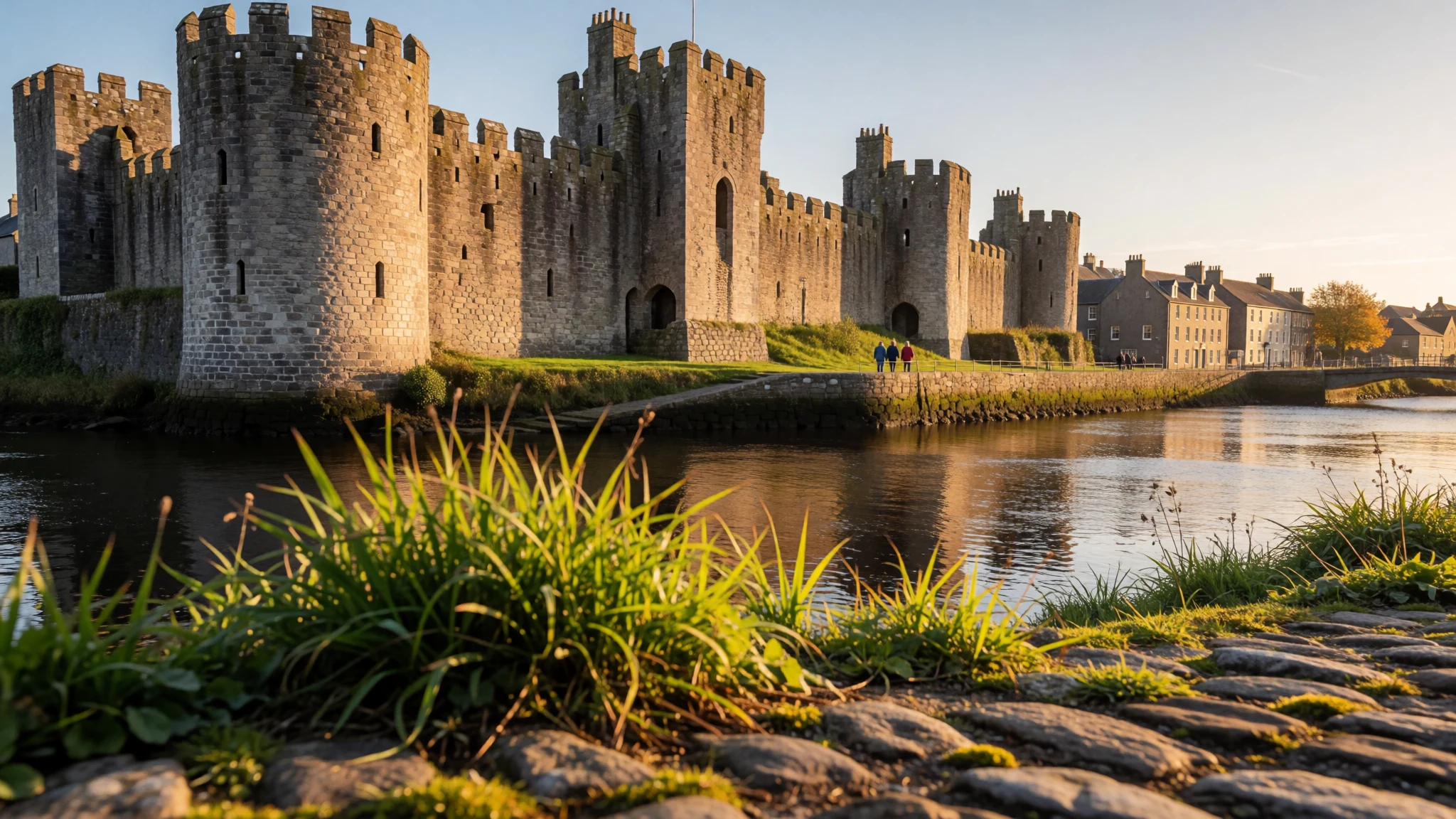
Straddling the wide River Shannon in western Ireland, Limerick blends medieval Viking history, industrial heritage and a thriving contemporary arts scene.
The place
Limerick occupies a strategic position in western Ireland, sitting proudly at the head of the Shannon Estuary where the great river broadens before emptying into the Atlantic Ocean. The historic core of the settlement is anchored on King's Island, an insular district embraced by the waters of the Shannon and Abbey Rivers. Beyond the ancient fortifications, the urban fabric stretches across multiple river-crossing points, connecting historic quarters with modern residential districts and commercial avenues. To the south lies the fertile expanse of the Golden Vale, an agricultural hinterland of lush pastureland that has historically fed both the local economy and its markets. The local authority, Limerick City and County Council, oversees an area shaped by centuries of maritime trade, defensive skirmishes, and administrative unification. Although it experiences a temperate oceanic climate with frequent Atlantic weather systems and high cloud cover, the city maintains an inviting maritime charm. Visitors walking along the regenerated quaysides will notice how the slate roofs and Georgian townhouses reflect the shifting grey-blue light of the river. The surrounding landscape is flat to gently rolling, sitting at a low elevation near the tidal reaches of the estuary, making it an accessible place to explore on foot for travellers willing to embrace the occasional brisk shower. The urban layout invites steady exploration, moving easily from narrow medieval lanes out towards grand nineteenth-century civic squares and leafy parks that celebrate the complex narrative of Ireland's third-most populous urban area.
Its story
The recorded history of Limerick begins long before masonry castles rose along the riverbanks, stretching back to ancient maritime encounters and early monastic settlements. Long before Scandinavian longships appeared, the broader estuary region was known in Gaelic lore as Loch Luimnigh, while early cartographers marked a strategic site here on ancient maps. The pivotal turn arrived during the Viking Age, when Norse voyagers sailed up the Shannon to establish a fortified base on the island they called Inis Sibhtonn or the Dark Foreigner's Island. That initial settlement faced fierce resistance from local Irish chieftains who attacked the raiders and burned nearby monastic foundations. Over subsequent centuries, the settlement evolved from a Norse trading port into an Anglo-Norman stronghold, marked most indelibly by the construction of the massive riverside fortress commissioned by King John. Medieval conflicts tested the defensive capabilities of the stone walls time and again, embedding the fortress at the heart of regional power struggles. Ecclesiastical foundations also flourished across the centuries, leaving behind soaring spires and venerable cathedrals that survived sieges, political upheavals, and shifting municipal boundaries. The modern city honours this deep chronology through conserved stone ramparts, restored medieval lane ways, and museums that safeguard artifacts from prehistoric, Viking, and Christian eras. Understanding Limerick requires looking past modern facades to see a resilient river port forged by centuries of cultural exchange, conflict, and adaptation along the banks of Ireland's longest waterway.
What to see
- King John's Castle — King's Island
Dominating King's Island, this mighty 13th-century fortress was built on earlier Viking fortifications. Its battered stone curtain walls and massive drum towers enclose a spacious courtyard that overlooks the river waters, offering deep insights into medieval defensive engineering and local history.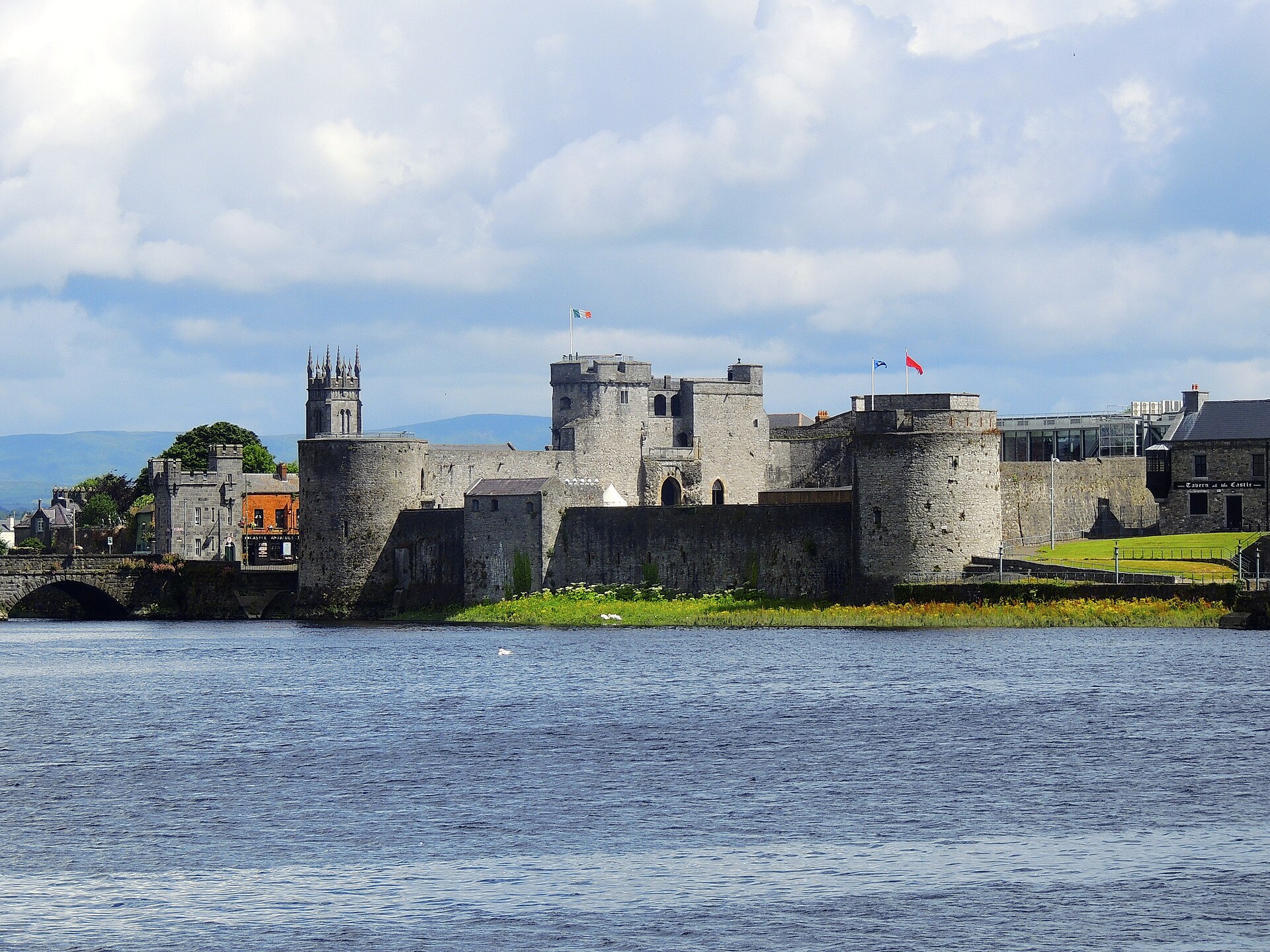
- St Mary's Cathedral — King's Island
Founded in the twelfth century, this Anglican cathedral stands as the city's oldest continuously used building. Visitors can admire the ceremonial Great West Door, the original medieval limestone-slab altar, and historic chandeliers hanging beneath timber-trussed ceilings. - Hunt Museum — Rutland Street
Housed in a former custom house by the river, this cultural institution displays the eclectic personal collection gathered by John and Gertrude Hunt. The galleries feature ancient Irish metalwork, medieval religious art, Classical antiquities, and rotating contemporary exhibitions. - St John's Cathedral — St John's Square
Designed in the neo-Gothic style, this striking Roman Catholic cathedral features soaring stonework and a soaring steeple that stands as the tallest spire in Ireland. The interior offers tranquil chapels, stained glass, and exceptional architectural detailing.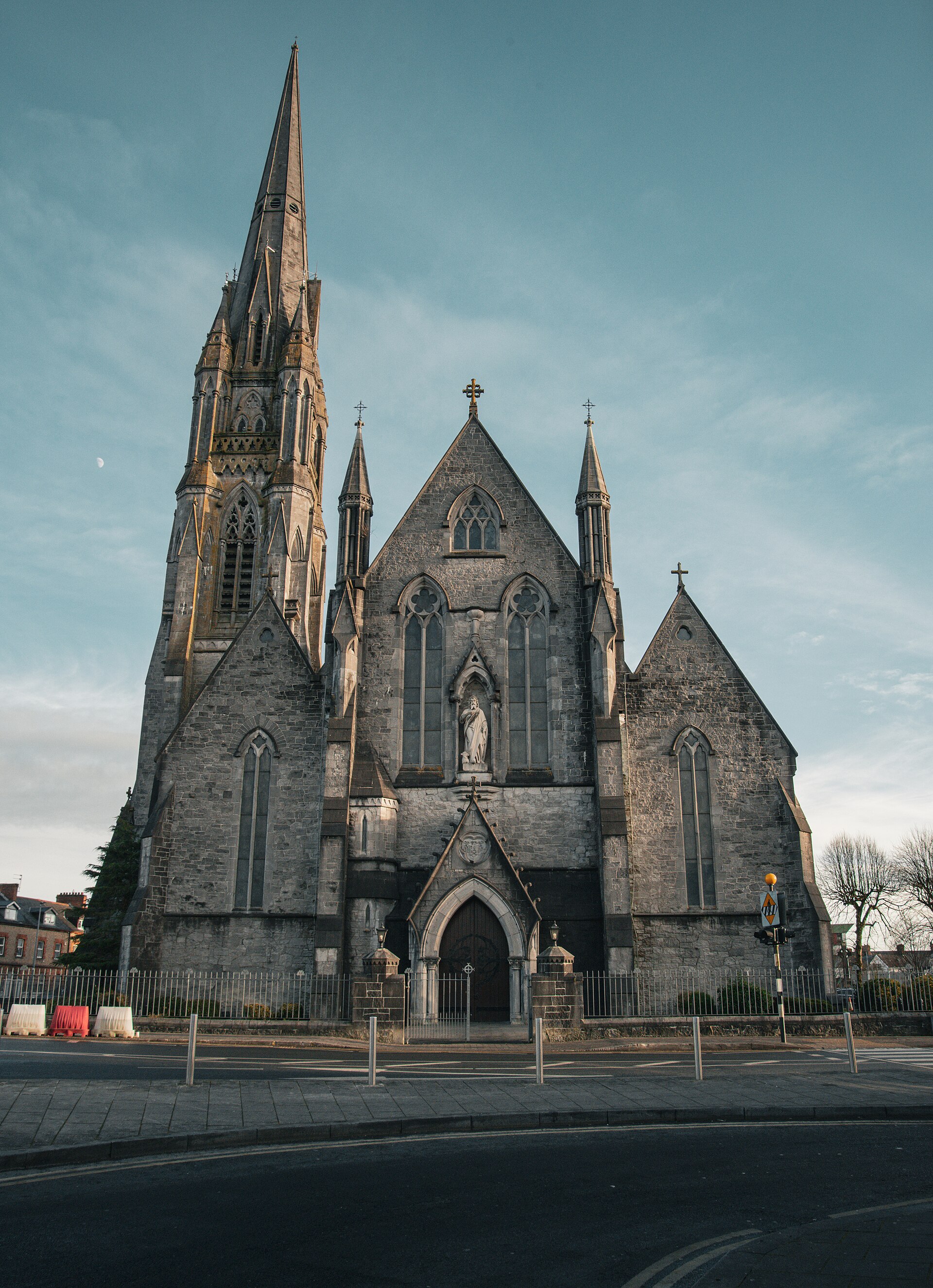
Culture
Limerick holds a proud place in Irish cultural history, having served as the nation's inaugural National City of Culture with year-round artistic programming. The city nurtures a vibrant creative community spanning visual arts, traditional music, and contemporary performance. The Limerick City Gallery of Art on Pery Square anchors the local visual arts scene, preserving permanent collections of historic Irish painting alongside modern drawing archives. Every alternative year, the city hosts EVA International, Ireland's premier biennial of contemporary art, which transforms various urban spaces into exhibition venues for international and local creators. Music echoes nightly through riverside pubs, where traditional acoustic sessions sit comfortably alongside indie rock and craft brewing events. Locals are famously warm, forthright, and deeply proud of their sporting heritage, particularly rugby union, which commands immense loyalty across generations. Visitors engaging with local artisans and pub owners will find conversations turning easily to local folklore, sporting triumphs, and the ongoing regeneration of historic quarters. When entering historic churches or attending community events, always respect local quiet hours and dress modestly when stepping into active places of worship.
What to wear
Traditional Irish dress in urban centers like Limerick is rarely seen in daily life outside of formal dancing competitions or national celebrations, where pleated skirts, woolen shawls, and Celtic knotwork embroidery recall ancestral Gaelic heritage. Modern everyday wear in the city is practical, casual, and tailored to the changeable Atlantic weather, with jeans, knitwear, and sturdy layers dominating the streets. Given the damp oceanic climate and frequent rain showers, locals and visitors alike prioritize functionality over ostentation. A typical wardrobe for exploring the city should include a waterproof jacket with a hood, comfortable walking shoes or boots for navigating cobblestones and damp pavements, and breathable layers that can be adjusted as temperatures shift throughout the day. When visiting pubs, casual restaurants, or attending sporting matches at local stadiums, smart-casual attire is entirely appropriate. There are no strict modesty requirements for general city exploration, though modest dressing is appreciated when entering cathedrals and religious sites. Pack an umbrella or a reliable rain shell, as sunshine can quickly give way to sudden showers even during the milder months of the year.
What to eat
- Traditional Fish and Chips — John Street area
Crispy battered fresh fish served with thick-cut golden chips, best enjoyed wrapped in paper from historic family-run takeaway shops like Donkey Fords or riverside cafes near the transport hubs. - Craft Stout and Ales — Nicholas Street
Locally brewed stouts, pale ales, and seasonal beers crafted at microbreweries situated right in the historic quarter near the castle walls and urban taprooms. - Riverside Gastro Pub Fare — The Locke Quay
Hearty Irish comfort food including seafood chowder, slow-cooked beef stews, and locally sourced modern pub dishes served in lively establishments overlooking the river. - Vegetarian Cafe Plates — City centre side streets
Creative meat-free dishes, nourishing soups, and wholesome salads prepared with organic local produce in relaxed independent eateries tucked away near the city centre. - Artisanal Coffee and Scones — Pery Square neighbourhood
Freshly baked fruit scones served with clotted cream and jam, accompanied by specialty coffee in welcoming neighbourhood cafes dotted around the Georgian squares.
Plan it
Best time. May to August offers the mildest temperatures and longest daylight hours, though rain can occur at any time of year.
How long. 2–3
Getting there. Fly into Shannon Airport, located about 25 kilometres west of the city, then take the frequent bus connection into Limerick city centre.
Budget. mid
Tips
- Pack a waterproof jacket and sturdy walking shoes for frequent rain and damp cobblestones
- Book tickets in advance for guided tours of King John's Castle during peak summer months
- Carry contactless cards for most purchases while keeping some coins for small parking or market stalls
- Check local transport timetables if travelling onward along the Shannon Estuary
Etiquette
- Respect quiet zones inside historic cathedrals and places of worship
- Wait your turn patiently in pub and cafe queues
- Greet shopkeepers and service staff with a polite hello when entering local businesses
Nearby
Sources
- Wikidata Q133315 (CC0)
- Wikipedia (rev 1384855088) (CC BY-SA 4.0)
- Wikivoyage (rev 5409197) (CC BY-SA 4.0)