Hengchun Peninsula
Hengchun Peninsula, Taiwan

Hengchun Peninsula is Taiwan's sunny southern tail, where sea breezes, a walled old town, a lighthouse and village culture sit within a short drive.
The place
Hengchun Peninsula is the tail of Taiwan, a southern tongue of land in Pingtung County that hangs below the main island and meets three bodies of water: the Taiwan Strait to the west, the Bashi Channel at the tip, and the open Pacific to the east. Only a narrow northern neck ties it to the rest of the island. The mountains that form Taiwan's spine fall away here into low, rolling country, mostly under 800 m, so wind from the sea crosses freely. The weather feels different from the cities up north: breezier, more humid, softened by the surrounding water.
The coast is the draw. Kenting National Park holds much of the shoreline, with sandy bays, rocky shelves, grassland and a lighthouse on the southern cape. Hengchun Township gives the peninsula its name, and its walled old town is the quiet historical centre. The price of all this exposure is typhoons, which can close roads and beaches and shape when a trip makes sense.
Weekends and school holidays bring heavy traffic and crowded sand along the main tourist strip, while weekdays and the park's quieter edges feel far calmer. The people are a blend too: Hakka families long since absorbed into the Minnan-speaking majority, Paiwan villages in the hills, and a seaside tourist economy layered over both.
Its story
The story of Hengchun Peninsula is one of a far corner that kept being pulled into larger events. Indigenous communities such as the Paiwan and Rukai lived in these hills and valleys long before walled towns appeared. Later, Hakka settlers farmed the plains of Pingtung, and records of a violent clash in 1833 between Hakka settlers and the Pepo people survive in a shrine dedicated to the settlers who died.
The sea mattered as much as the land. Ships crossing the channels at the island's southern end were at risk, and a lighthouse was built on Cape Eluanbi in 1883 to guide them. Hengchun's old town, with its original gates still standing, dates from the same era of anxious frontier building.
When Taiwan passed to Japan in 1895, local resistance flared, and at least one old family house in the county carries that memory. The Japanese period also left shrines. One at Gaoshi was flattened by a typhoon in 1946 and rebuilt in 2015, an unusual act of remembering.
Elsewhere, change was quieter. The slate-built Rukai village of Kucapungane has been largely empty since the 1970s, its residents moved to lower ground. Today the peninsula is better known for its beaches, but these layers of settlement, conflict and weather are still easy to find.
What to see
- Eluanbi Lighthouse — Cape Eluanbi, southern tip
Eluanbi Lighthouse stands on the cape at Taiwan's southern point, built in 1883 to warn ships crossing the channels. The grounds sit among grassland and coral rock, with sea views in several directions. Wind can be strong and the exposed path offers little shade, so go early or late and bring water.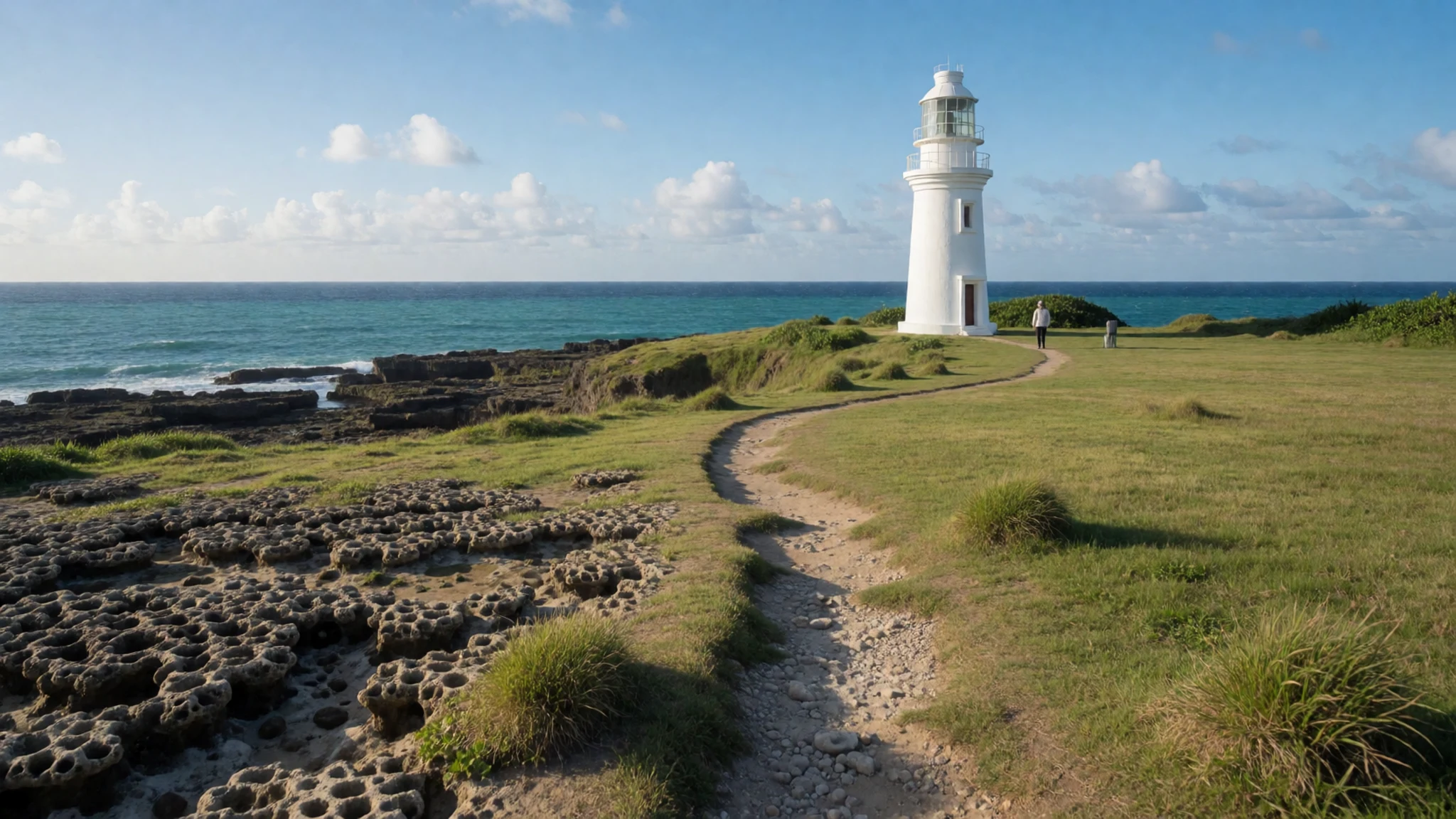
- Hengchun Old Town — Hengchun Township
Hengchun Old Town is a walled settlement whose original gates all survive, which is unusual in Taiwan. Walking the circuit takes an easy hour or two, passing the gates and the old street where snacks are sold. Visit in the morning, before tour traffic and the heat build.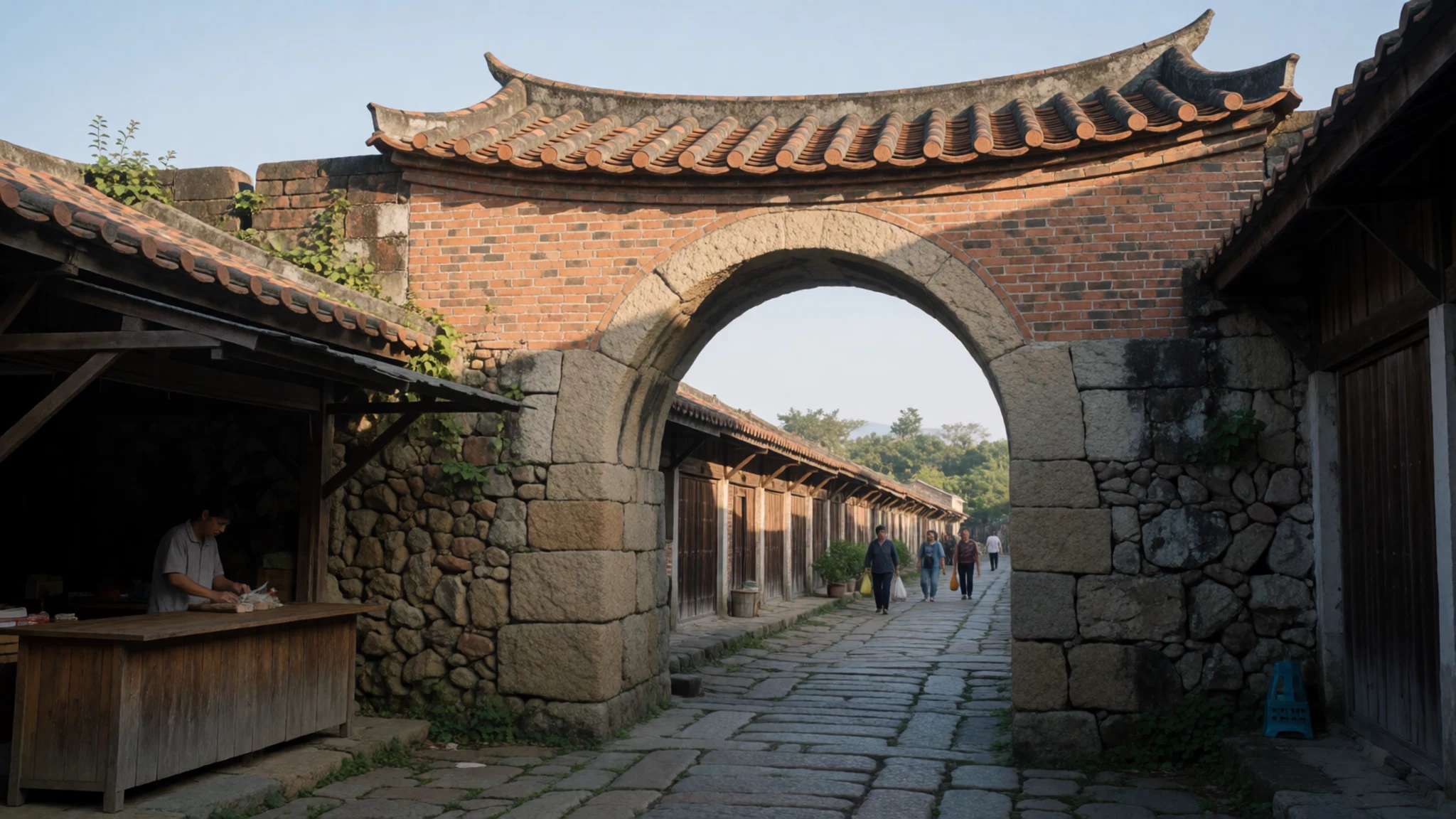
- Gaoshi Shrine — Gaoshi village, Mudan
Gaoshi Shrine is a Shinto shrine in a Paiwan village in Mudan, rebuilt in 2015 after a typhoon destroyed the original in 1946. It is a small, quiet site and a reminder of the Japanese period. Treat it as a place of memory, and keep voices low.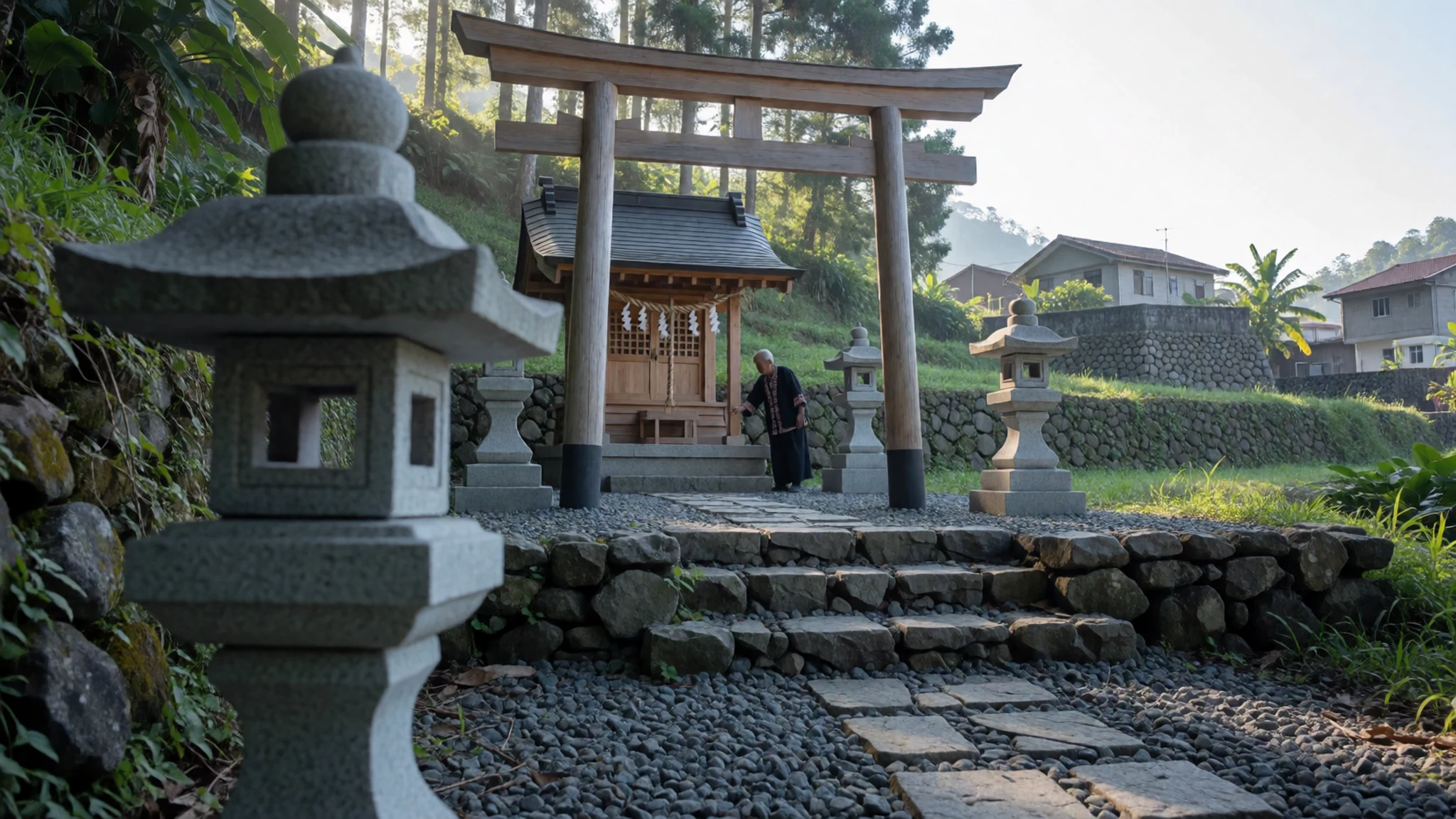
- National Museum of Marine Biology and Aquarium — Checheng area, west coast
The National Museum of Marine Biology and Aquarium opened in 2000 and combines marine displays with a water park. It suits rainy days or families travelling with children. Check the official site for opening arrangements and ticketing before going, as arrangements can change with the season.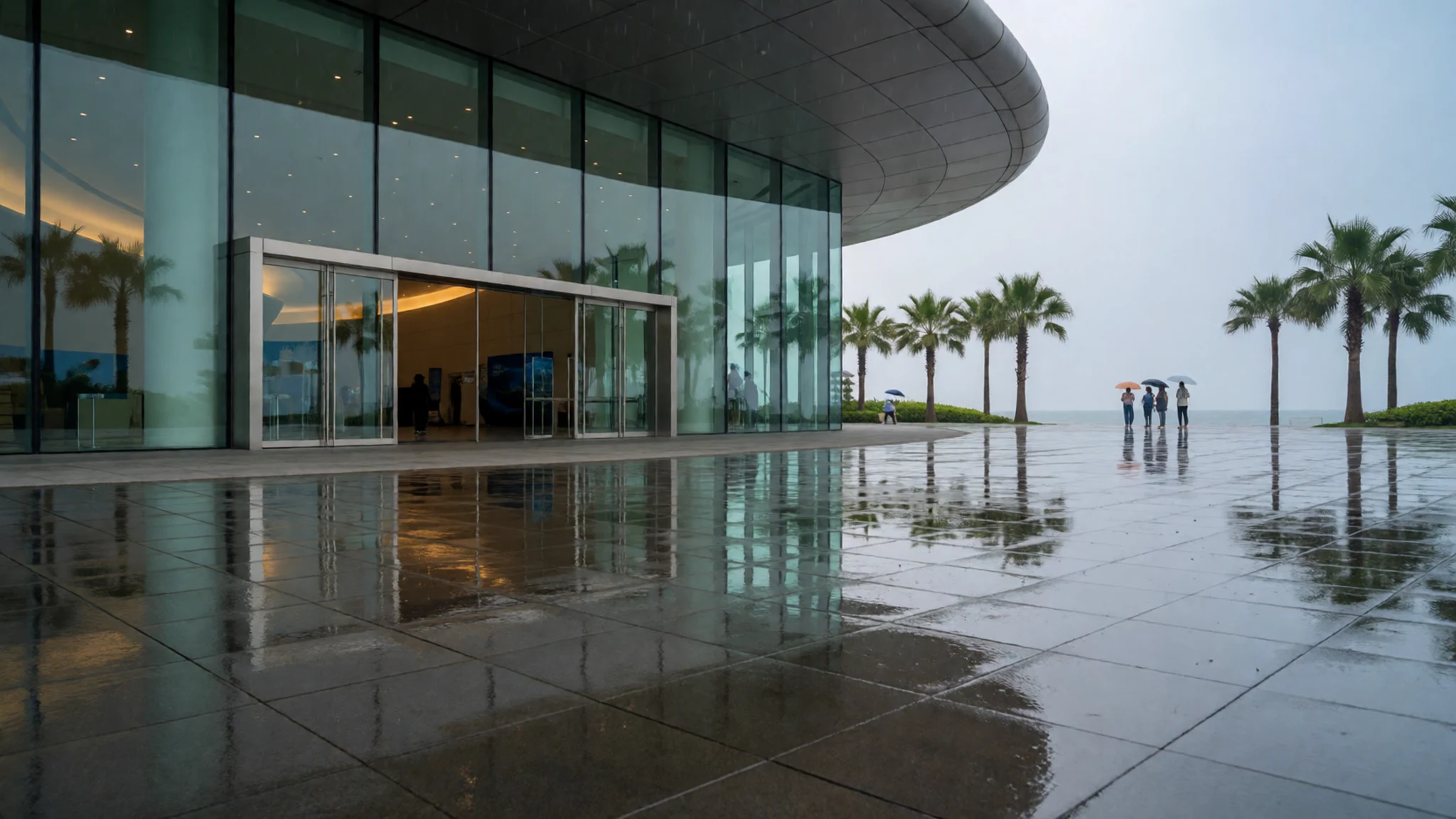
- Kucapungane — Mountains of northern Pingtung
Kucapungane is a Rukai village in the mountains of southern Taiwan, known for slate houses and largely empty since the 1970s. It lies well north of the peninsula's beaches and needs a separate journey. Check access conditions locally, since mountain roads and trails are affected by weather.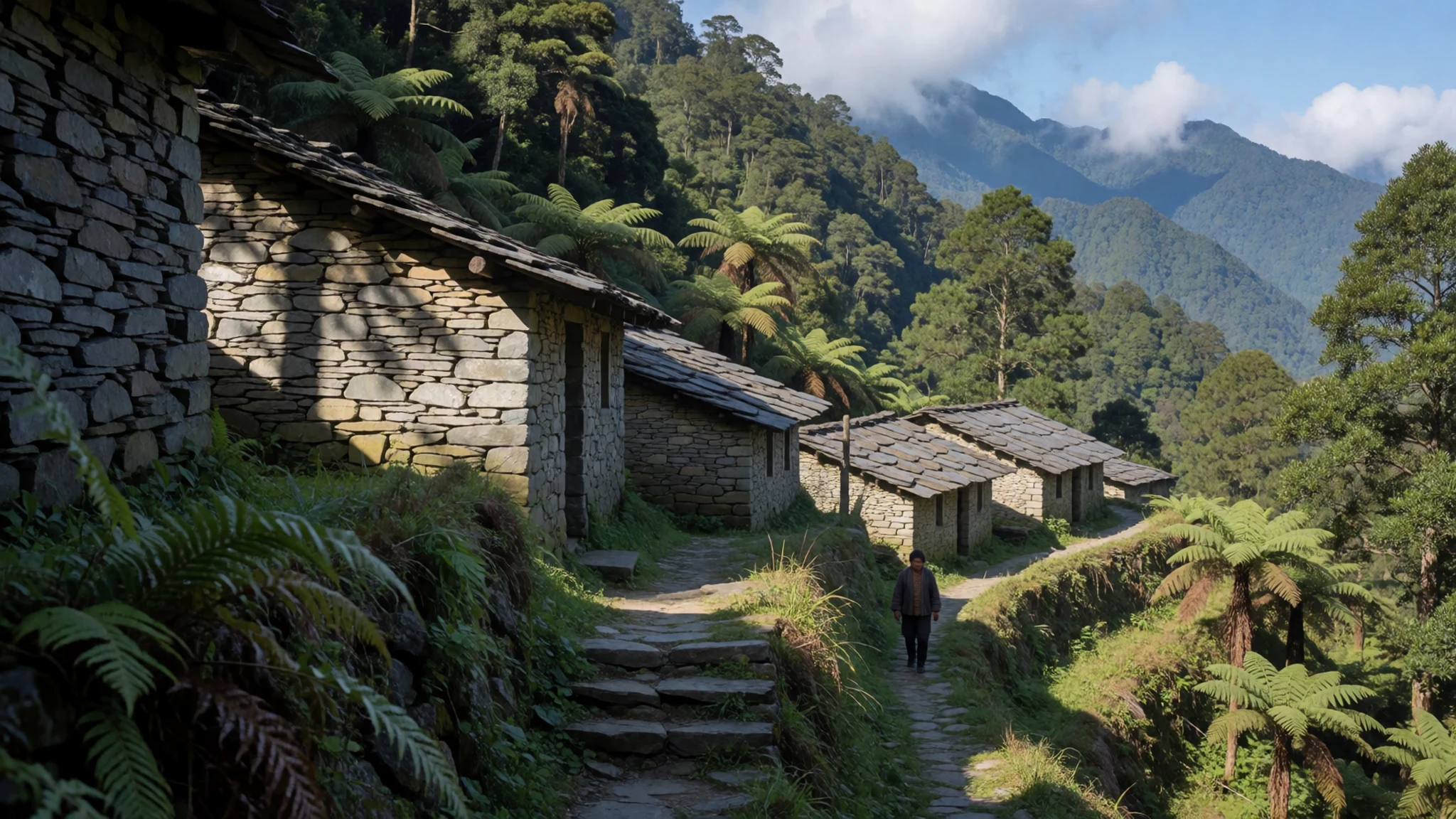
Culture
Hengchun Peninsula carries several cultures at once, and they rarely announce themselves. Minnan-speaking communities form the majority in Pingtung County. Hakka families settled the plains further north, though locally their language has faded and they have blended into the wider community, while their ancestral halls, with courtyards and ponds in front, still stand as reminders. In the hills, Paiwan and Rukai communities keep their own villages, craft traditions and festivals, with slate construction particularly notable in Rukai settlements.
Temples are part of daily life across the county, and puppetry remains popular in Taiwan, with a museum in the county devoted to traditional theatre. The Japanese period added another layer: a Shinto shrine at Gaoshi has been rebuilt on the site of one lost to a typhoon.
For visitors, the most useful habit is to treat each place on its own terms. A beach resort strip and a Paiwan village a short drive away have very different expectations. Hengchun's old town is lived-in, not a museum, so shops and homes sit right beside the gates. Festivals and ceremonies are for the community first, and visitors are welcome mostly as quiet observers.
In Paiwan and Rukai villages, ask before photographing people or their homes, and keep to open paths rather than stepping into private yards.
What to wear
Fashion on Hengchun Peninsula spans several traditions. Hakka communities historically wore plain, dark indigo-dyed cotton jackets, practical for farm work. Paiwan and Rukai communities have richer ceremonial dress, with embroidered cloth, glass beads and woven or plant-based headpieces, worn mainly at festivals and weddings rather than every day. Textiles and beadwork are often made by hand, and families may keep particular patterns within their own lineage.
Everyday dress now is resort-casual. Locals and weekenders wear shorts, light T-shirts, sandals and caps, with scooter helmets everywhere. In towns such as Hengchun, people dress simply, and in villages and at temples most wear modest, ordinary clothes rather than beachwear.
For a visitor, the main concerns are sun, wind and sudden rain. Pack light, quick-drying clothes, a wide-brimmed hat, sunglasses and plenty of sun protection, as the exposed coast offers little shade. Water shoes or sturdy sandals help on rocky shores, while closed shoes suit lighthouse paths and old-town walking. A thin rain jacket is useful in typhoon season. Cover shoulders and knees when visiting temples, shrines or indigenous villages, and carry a light layer for air-conditioned buses and museums.
What to eat
- Green bean garlic ice — Dessert stalls and shops in Hengchun town
Green bean garlic is the local name for peeled mung beans, so called because they look like minced garlic, though no garlic is involved. They are cooked and piled onto shaved ice as a cooling dessert, a sensible response to the southern heat.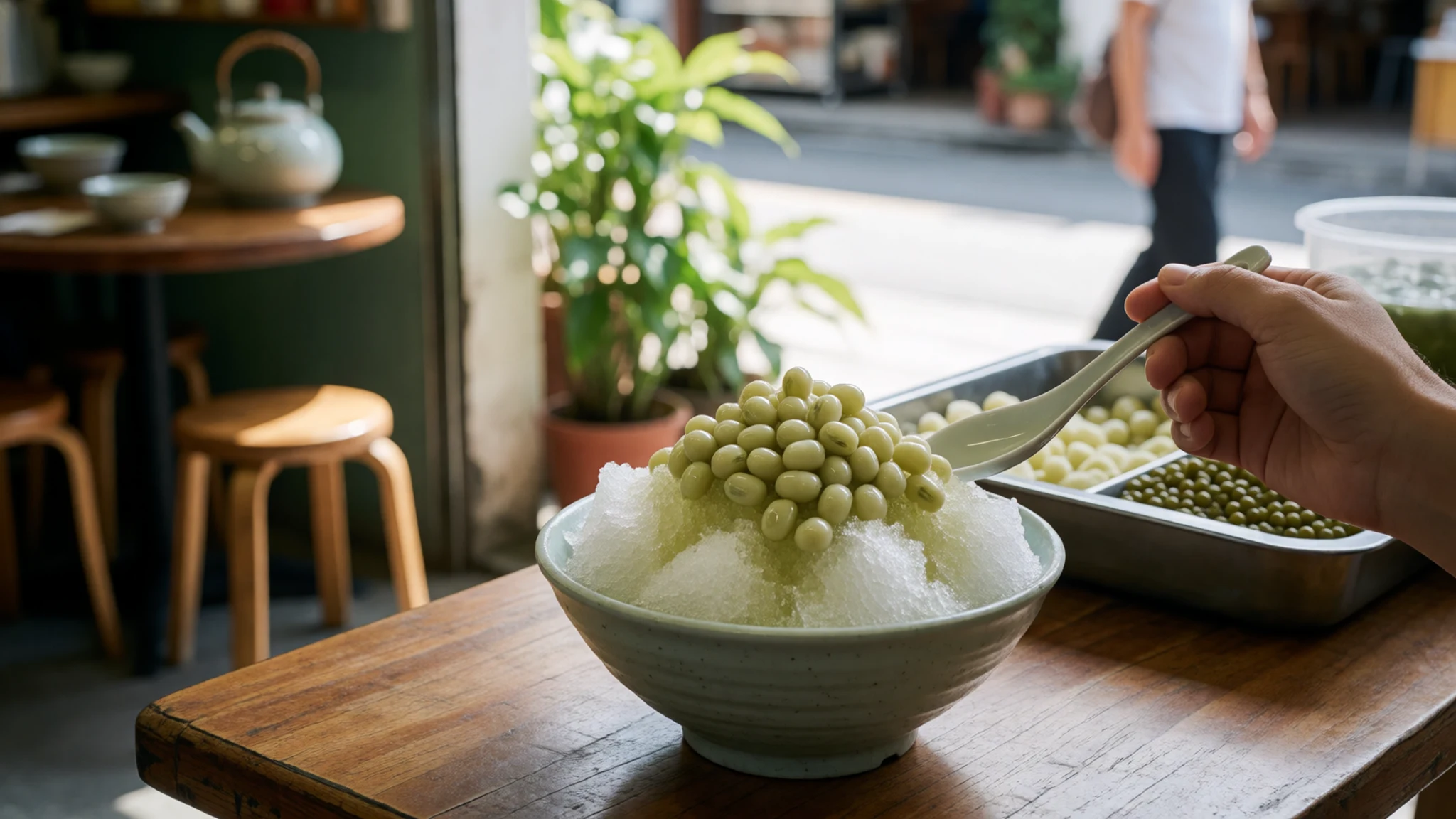
- Egg crisp cake — Hengchun Old Street
Egg crisp cake is a baked pastry linked to Hengchun's old town, sold in savoury flavours such as thai basil, corn, onion and shallot. It is light, crumbly and easy to carry, making it a handy snack for a walk around the gates.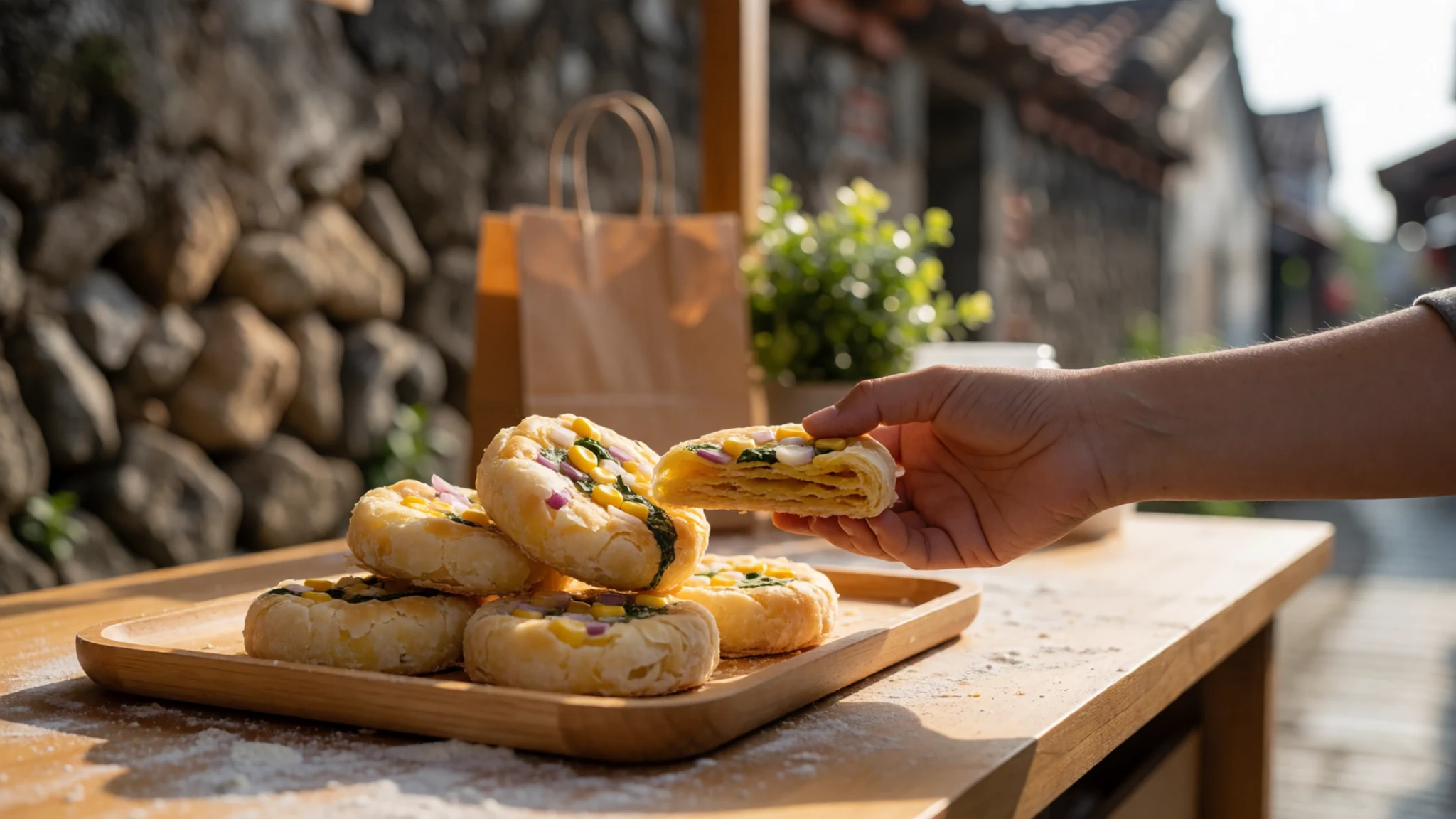
- Dragon fruit burrito — Cafés and snack shops in Kenting and Hengchun
A dragon fruit burrito uses a wrap and dressing made from red-fleshed dragon fruit, filled with fresh vegetables and a choice of meat. It is a modern local invention, bright pink and surprisingly light, and works well as a lunch on a hot day. - Fresh seafood — Eateries near fishing harbours and along the coast road
With sea on three sides, fish, squid and shellfish dominate menus on the coast. Typical preparations are grilled, steamed with ginger or stir-fried with basil. Ask what was landed that day, and share several dishes with a group. - Night-market snacks — The night market in Kenting and in nearby towns
Night markets operate in most Taiwanese towns, and the peninsula's tourist strip is no exception. Expect grilled skewers, fried chicken, fruit juices and sweets sold from stalls. Go after dark when the heat drops, and carry small cash for stalls.
Plan it
Best time. November to December and March to April are the most comfortable, with milder heat and calmer seas; the exact weather varies, so check forecasts. Typhoons affect the peninsula, so avoid peak typhoon season and keep plans flexible.
How long. 2–3
Getting there. Fly to Kaohsiung, then continue by Taiwan Railway or regional bus into Pingtung County; local buses and hired scooters or cars cover the last leg to Hengchun and Kenting. For the offshore island of Lamay, a ferry runs from Donggang Township.
Budget. mid
Tips
- Check typhoon and sea warnings before travelling, and keep a spare day
- Visit beaches and the lighthouse early, before heat and weekend crowds build
- Book rooms well ahead for weekends and school holidays, and prefer weekdays if possible
- Carry water, sun protection and some cash for small stalls and night markets
- Check bus services locally, since rural routes can be infrequent
Etiquette
- Ask before photographing people or private homes in Paiwan, Rukai and Hakka villages
- Dress modestly and keep quiet at temples and shrines
- Take rubbish with you from beaches and trails
Nearby
Sources
- Wikidata Q11072822 (CC0)
- Wikipedia: Hengchun Peninsula (rev 1378894360) (CC BY-SA 4.0)
- Wikivoyage: Pingtung County (rev 5414430) (CC BY-SA 4.0)
- Photo: ISS-64 Hengchun Peninsula, Taiwan (Soichi Noguchi/NASA; mosaic by Tiouraren) (Public domain)
