Gurvan Saikhan
Gurvan Saikhan, Mongolia
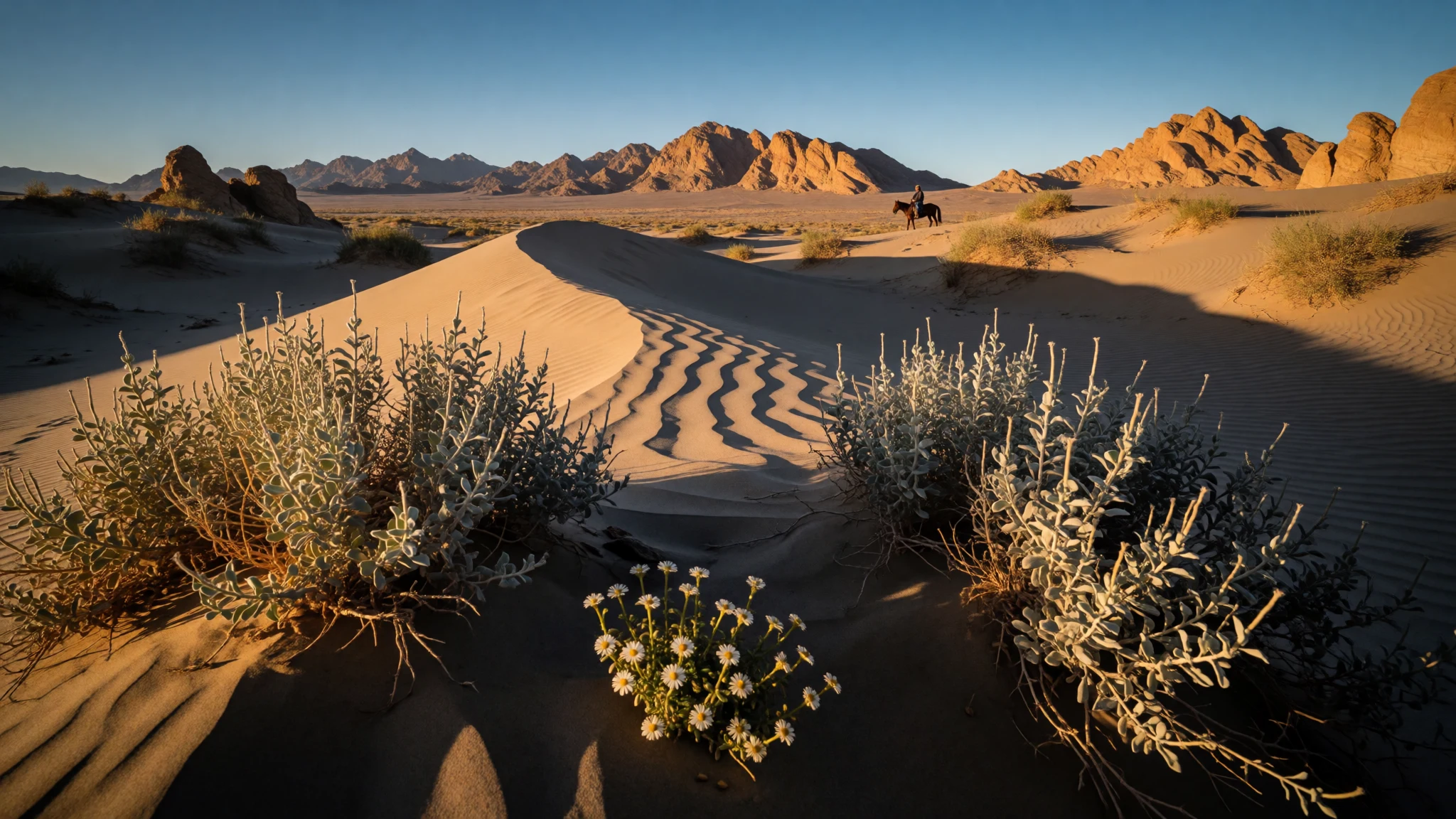
Experience the stark, high-altitude beauty of the Gobi's edges and the authentic rhythms of nomadic Mongolian life.
The place
Gurvan Saikhan, anchored by the gateway of Dalanzadgad, is a region defined by the dramatic contrasts of the Mongolian south. This is a landscape where the rolling greenery of the steppe eventually yields to the arid, windswept expanses of the Gobi. The area is characterised by its immense openness and a population density that is the lowest of any independent nation, meaning you can travel for hours without seeing another soul. The air is thin and crisp, and the horizons feel infinite, stretching toward the border of China.
The weather here is an extreme force. It is often called the Land of Blue Skies due to the sheer number of sunny days, but the temperature swings are brutal. Summer days can be searingly hot, while winter brings a bone-chilling cold that can drop to levels that freeze everything in sight. For the traveller, this means the region is a study in endurance and simplicity. There are few luxury amenities; instead, the experience is built on the hospitality of local herders and the rugged beauty of the terrain. Whether you are arriving via the small regional airport or trekking through the scrubland, the scale of the landscape makes everything feel small, honest, and profoundly quiet.
Its story
The story of Gurvan Saikhan is inseparable from the legacy of the Mongol Empire. Long ago, this land served as the heart of a contiguous empire that stretched from the Yellow Sea to the Caspian. Yet, unlike the great cities of Europe or Asia, the descendants of Genghis Khan left behind very little in the way of stone monuments or grand palaces. The empire was built on movement, not masonry. Legend says the Great Khan himself built almost nothing permanent during his life, preferring the portable shelter of the ger to the confines of a city wall.
This preference for the nomadic over the sedentary still echoes through the region today. The history here isn't found in museums alone, but in the way people still breed horses and migrate across the plains. After the era of the great khans, Tibetan Buddhist monasteries became the primary markers of civilisation in the landscape, though many were lost during the political purges of the mid-twentieth century. Today, the narrative of the region is one of resilience. It is a place where the ancient traditions of eagle hunting and livestock herding survive in the face of a modernising world, maintaining a connection to the earth that is rare in the twenty-first century.
What to see
- Dalanzadgad Airport
As the primary entry point for the province, this facility serves as the vital link between the capital and the deep south. It is a modest terminal that provides a stark introduction to the vastness of the Ömnögovi region, where the paved runways end and the wild steppe begins.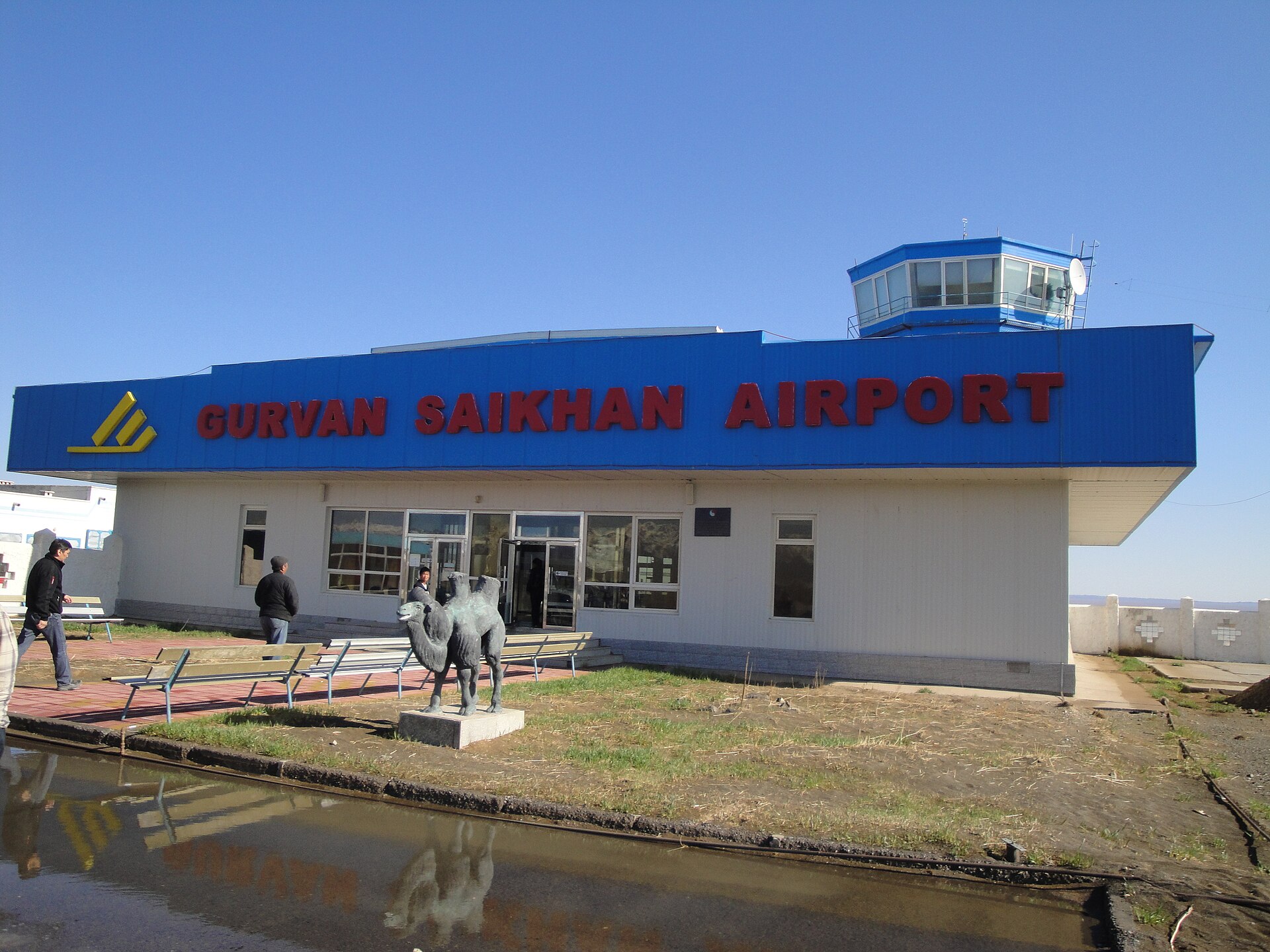
- The Gobi Steppe
These wide-open plains are the essence of the Mongolian experience. Visiting the steppe allows you to witness the traditional nomadic lifestyle first-hand, observing how herders manage their livestock across the shifting seasons in a land with very few permanent structures or roads. - Buddhist Monasteries
Though fewer remain after the Stalinist era, the surviving monasteries are the most visible architectural links to Mongolia's spiritual history. These sites offer a peaceful contrast to the rugged outdoors and provide insight into the blending of local beliefs and Tibetan Buddhism. - Eagle Hunting Expeditions
In the colder months, journeying to see the Kazakh hunters is a highlight. They use trained eagles to hunt foxes and hares against the white snow, a tradition that requires immense patience and a deep bond between the hunter and the bird.
Culture
Culture in Gurvan Saikhan is marked by a refreshing, blunt honesty. Mongolians generally say exactly what they feel, which can be startling to those used to more indirect social cues. This straightforwardness extends to their hospitality; while they may not use Western pleasantries, their generosity is immense. There is a deep-seated pride in their heritage, and a strong sense of national identity that often manifests as a wariness toward Chinese influence due to historical disputes over territory and culture.
Social interaction is governed by specific gestures of respect. When receiving a gift or a drink, it is customary to use the right hand with the palm facing upwards. Refusing a gesture of hospitality, such as a snack or a bowl of tea, is considered quite rude. Even if you are full, taking a small nibble of the food offered is the polite way to acknowledge the host's kindness. Always receive items with your right hand, palm facing up.
What to wear
Traditional Mongolian dress is designed for survival on the steppe. The most iconic garment is the deel, a long, robe-like tunic made of silk or cotton for summer and heavy wool or sheepskin for winter. It is cinched at the waist with a sash, allowing for flexibility while riding horses. These garments are often brightly coloured and decorated with intricate embroidery that signifies regional identity.
Nowadays, in towns like Dalanzadgad, you will see a mix of modern global fashion—jeans, hoodies, and sneakers—worn alongside traditional elements. It is common to see a deel worn over contemporary trousers, blending the old with the new for practical comfort.
Visitors should dress in layers to handle the extreme temperature shifts. Heavy woollens, windproof jackets, and sturdy, waterproof boots are essential for the rocky and sandy terrain. When visiting monasteries or traditional homes, modest dress is appreciated. Because the sun is intense due to the high altitude and clear skies, a wide-brimmed hat and high-SPF sunscreen are non-negotiable for any trekker.
What to eat
- Buuz — local canteens and tea shops
These steamed meat dumplings are considered the national dish. Stuffed primarily with mutton and onion, they are hearty, juicy, and found in almost every eatery and home throughout the region. - Khuushuur — street stalls in Dalanzadgad
A delicious deep-fried flatbread stuffed with meat and onion. Originally reserved for festivals, these savory pastries are now a common street food and provide a high-energy meal for travellers. - Tsuivan — any local restaurant
These fried noodles are tossed with meat and a small amount of vegetables. Often served with a side of ketchup, it is a filling staple that reflects the limited agricultural resources of the area. - Byaslag — herder camps and local markets
A mild, fresh cheese similar to Indian paneer. It is a staple of the nomadic diet, providing essential protein and calcium in a land where vegetables are scarce. - Öröm — traditional gers and dairy cooperatives
This rich, clotted cream is a traditional dairy delight. It is often served as a treat or used to enrich other dishes, showcasing the importance of livestock in Mongolian cuisine.
Plan it
Best time. May to June or September for mild temperatures; winter is for those seeking eagle hunting but is bitterly cold.
How long. 3–5
Getting there. Fly into Dalanzadgad Airport via domestic flights from Ulaanbaatar; the last leg into the park involves 4x4 vehicles.
Budget. mid
Tips
- Carry plenty of cash as cards are rarely accepted outside the town
- Prepare for extreme temperature drops even in the summer months
- Pack a high-quality water filter for use in the countryside
- Hire a local guide and a reliable 4x4 vehicle for any steppe travel
- Bring a portable power bank as electricity is sporadic in rural areas
Etiquette
- Receive all items and drinks with your right hand, palm facing up
- Avoid discussing Chinese politics or wearing clothes associated with China
- Never refuse a gift or a piece of hospitality food entirely
Nearby
Sources
- Wikidata Q1431182 (CC0)
- Wikipedia (CC BY-SA 4.0)
- Wikivoyage (CC BY-SA 4.0)
Wildlife
- Hare (animal)
The European hare, also called the brown hare, is one of the largest hares, a long-legged grass-nibbler built to outrun trouble. It favours open country, eating grasses and herbs, and in winter turns to twigs, buds and bark. Foxes and big birds of prey hunt it, and in snowy country eagle hunters pursue it too. When or where it appears in Gurvan Saikhan is best asked of your guide. Watch from afar, stay quiet, and never feed it.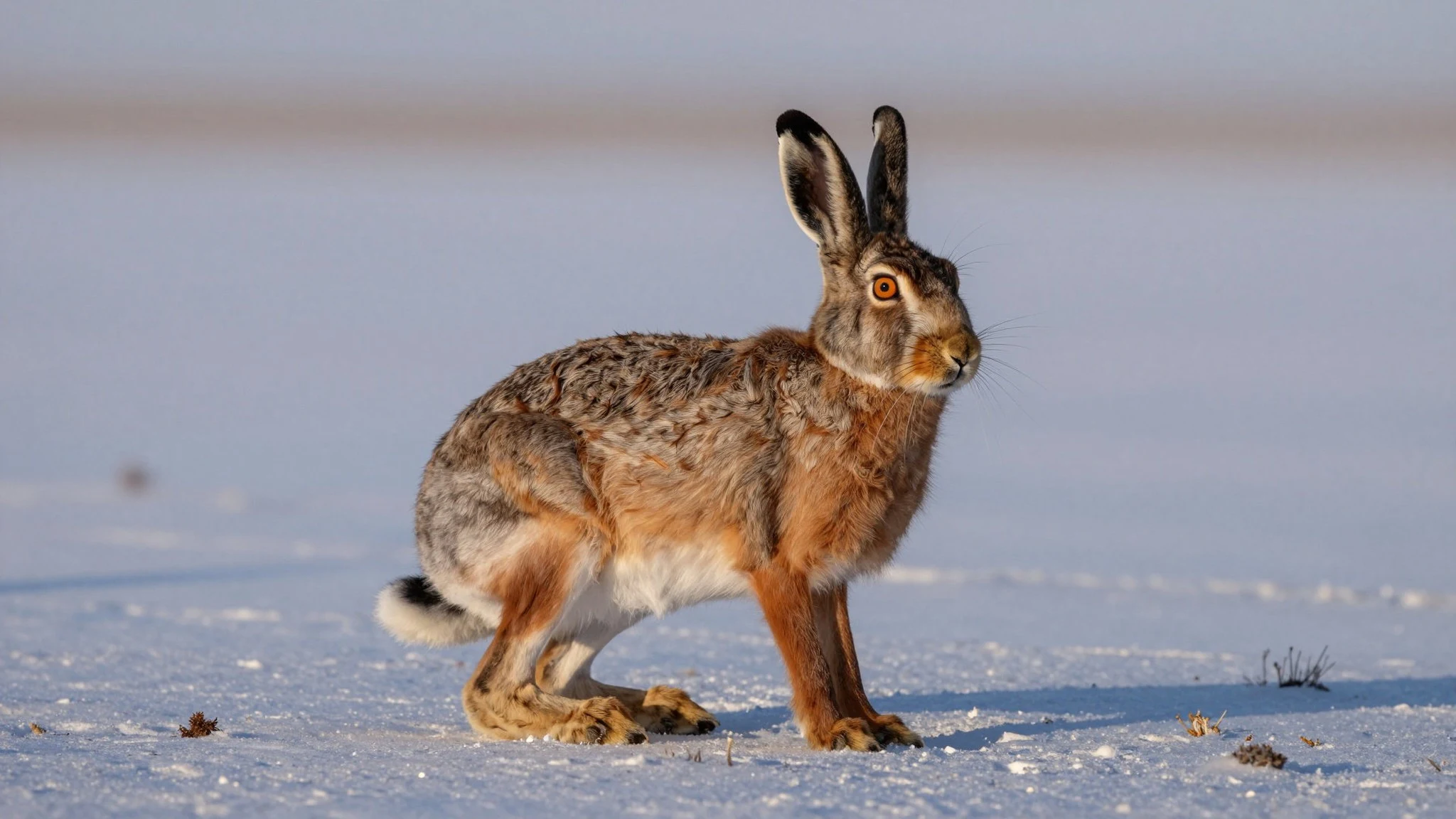
- Golden eagle (bird)
The golden eagle is a big dark-brown bird of prey with a golden shine on the back of its neck, and its young show white on the tail and wings. It hunts hares, marmots and ground squirrels with swift, agile flight and huge talons. Hunters train eagles to take foxes and hares across white snow, a craft built on patience and trust. Ask your guide where and when to look. Watch from far off, quietly, and never feed it.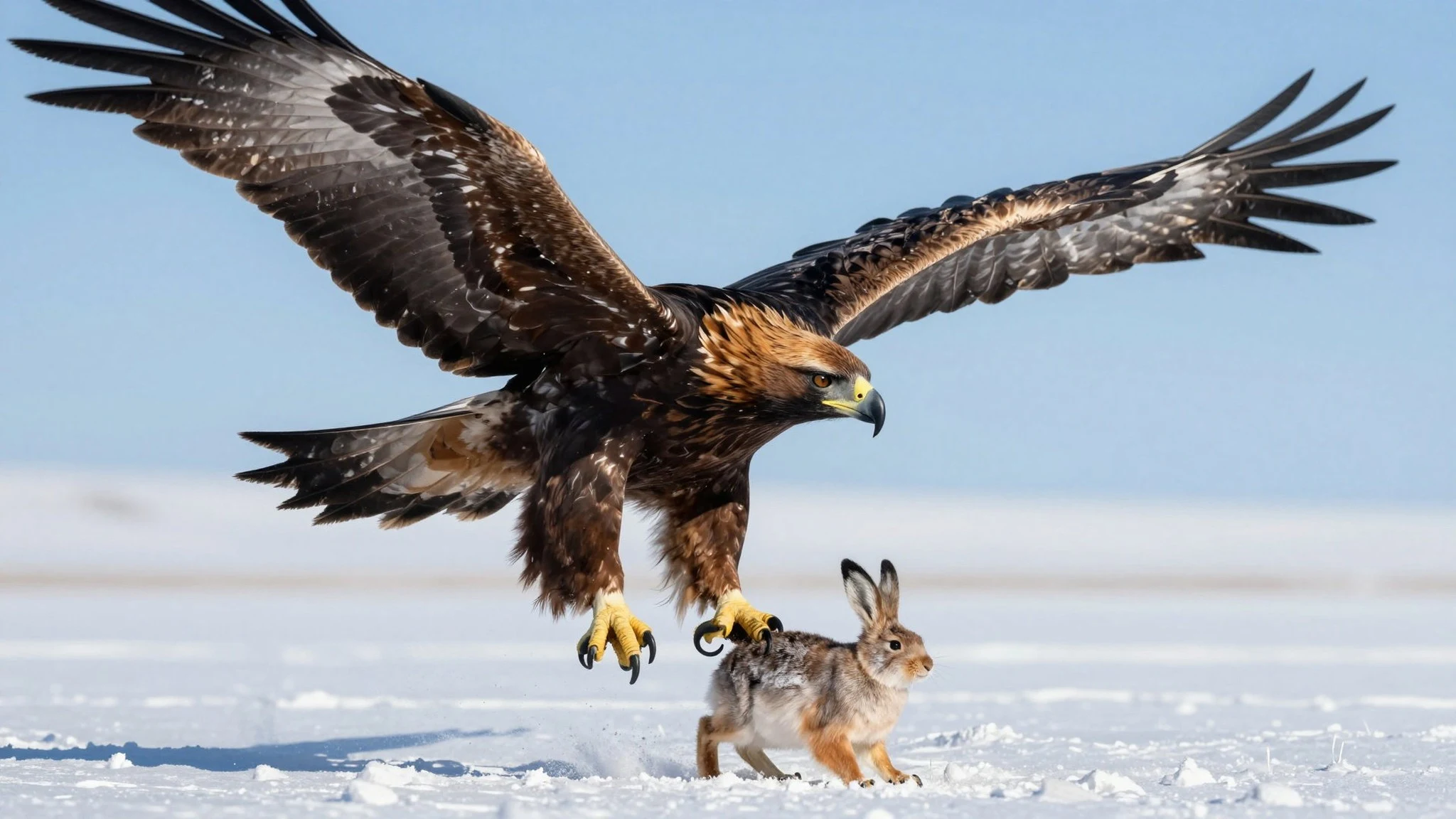
- Fox (animal)
The corsac is a medium-sized fox of open grassland and dry, empty country, also called the steppe fox. It is hunted with trained eagles by local falconers across snowy ground. Its numbers can rise and fall sharply from year to year, so a sighting is a gift, not a promise. Your guide will know where to look. Watch from a good distance, keep quiet and still, and never feed it.