Gulangyu
Gulangyu, People's Republic of China
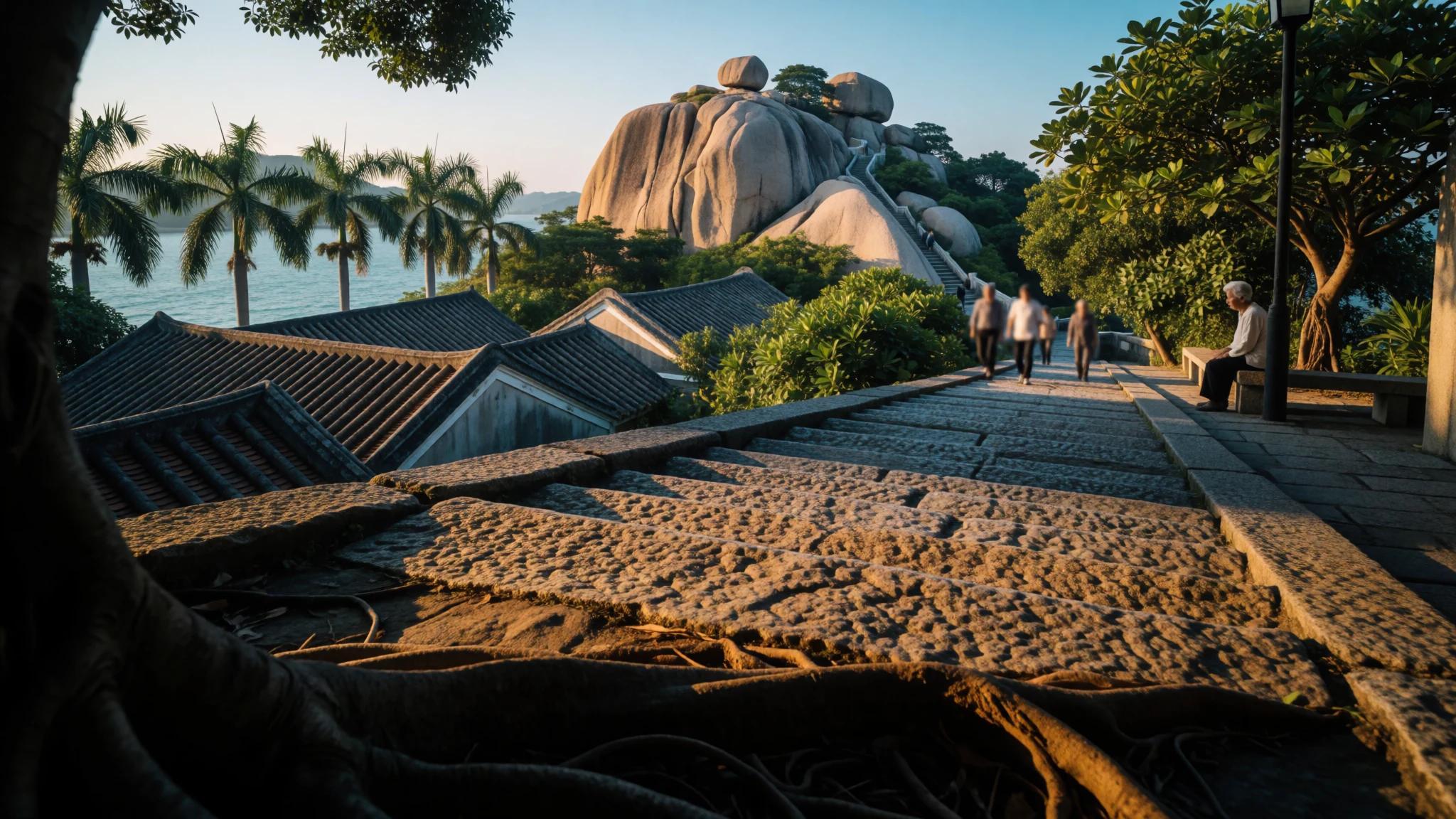
Gulangyu is a small, car-free island off Xiamen where colonial villas, church spires and piano music fill the lanes, a short ferry ride from the city.
The place
Gulangyu is a small island off the coast of Xiamen, in Fujian province, south-eastern China. It sits a short ferry ride from the city's downtown, and it is a UNESCO World Cultural Heritage Site. Its name appears in several spellings, including Gulang and Kulangsu, so expect to see all of them on signs and maps.
The island is tiny, under two square kilometres, yet it is home to a settled community of residents as well as a very large daily crowd of day-trippers. Cars and bicycles are not allowed. Only small electric buggies and service vehicles move about, so the soundscape is footsteps, shop chatter, ferry horns and, quite often, someone practising the piano behind a garden wall.
What gives Gulangyu its character is the mix of buildings. Red-roofed villas, verandahed mansions, churches, old consulates and schools stand beside Chinese-style courtyard houses, all tangled together along winding, hilly lanes shaded by banyan trees. There are small beaches, rocky headlands and a granite peak at the middle, Sunlight Rock, from which the whole island and the Xiamen skyline can be seen.
Honest advice: it is one of the most popular places on this coast, and the numbers show. Weekends and public holidays are crowded, the main lanes near the ferry can slow to a shuffle, and prices for food and drink run higher than in Xiamen itself. The quieter western side and the back lanes reward anyone who walks a little further and starts early. The island is easy to cover on foot, with no need for a plan beyond comfortable shoes.
Its story
Gulangyu's modern story begins after the First Opium War. The Treaty of Nanjing in 1842 turned Xiamen, then called Amoy, into one of five treaty ports open to foreign trade, and the island became the favoured place for foreigners to live, away from the busy mainland harbour.
Residents first organised themselves informally. Later the Qing government approved a formal set of land regulations, and the island became an international settlement run by a municipal council. Eventually thirteen countries, among them Britain, France, the Netherlands and Japan, held extraterritorial privileges here. Britain had the strongest voice in running the place, and the police force included Sikh officers brought from British India.
The population stayed mostly Chinese throughout, but the legal system, policing and much of the building was foreign. All the consulates stood on the island, alongside churches, schools, a hospital and parks. That is why so much of what survives looks Victorian, with colonnades, gables and pointed windows, sometimes blended with local Fujianese details and the tastes of overseas Chinese families who came home with money and ideas from South-East Asia.
The settlement's long run ended when Japan occupied the island in 1942. The occupation lasted until the end of the Second World War, after which the island returned to Chinese control. Today it is a lived-in community and a heritage landscape, and the museums scattered around the lanes are where that layered past is explained best.
What to see
- Sunlight Rock — Central Gulangyu
The granite summit at the heart of the island is the classic viewpoint. A climb on stone steps ends with a panorama over red roofs, the sea and the Xiamen skyline. Go early or late, because the top is cramped when tour groups arrive, and haze can blunt the view.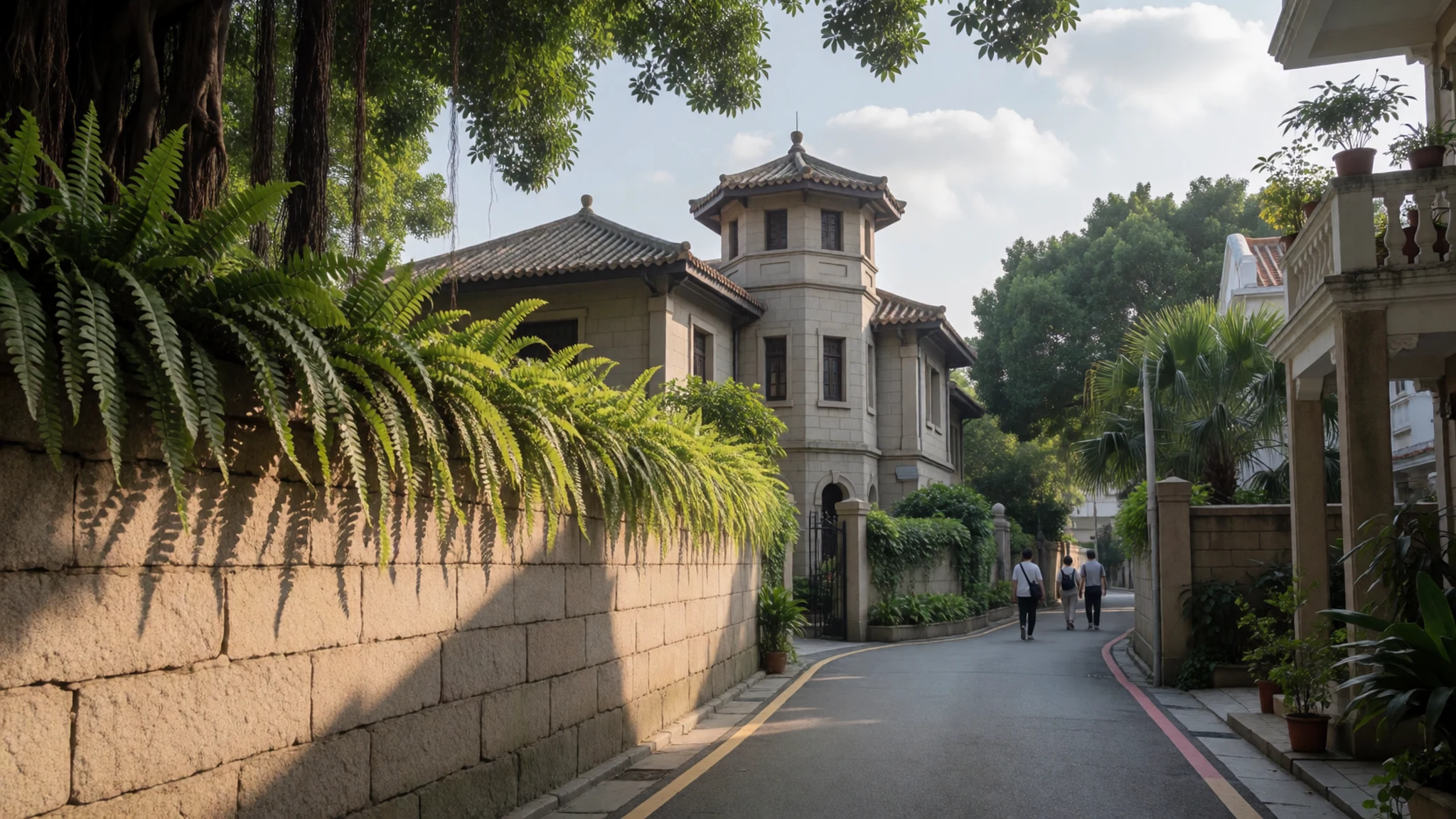
- Bagua Building and the Organ Museum — North-western Gulangyu
The domed Trigram House (Bagualou) stands on a hill in the north-west and now holds an organ museum. The building itself is the draw: a big, pale, Greek-columned landmark with a distinctive dome, easy to spot from the water and rewarding up close.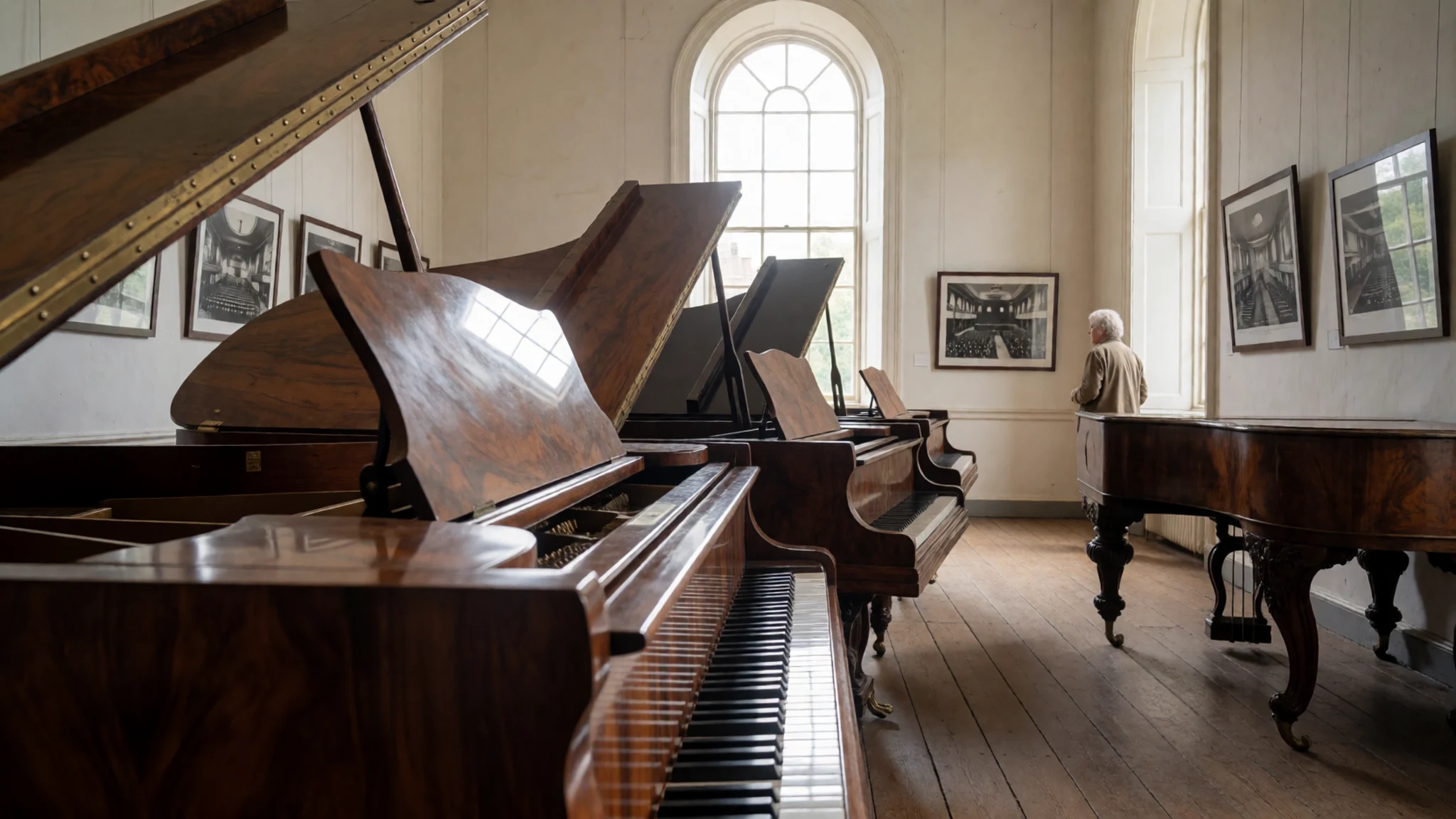
- Piano Museum — Southern Gulangyu
The island has long been called the piano island, and this museum shows why. It displays pianos from different eras, including rare instruments from the eighteenth century. Even visitors with no musical training enjoy the craftsmanship, and the quiet rooms make a welcome break from the lanes.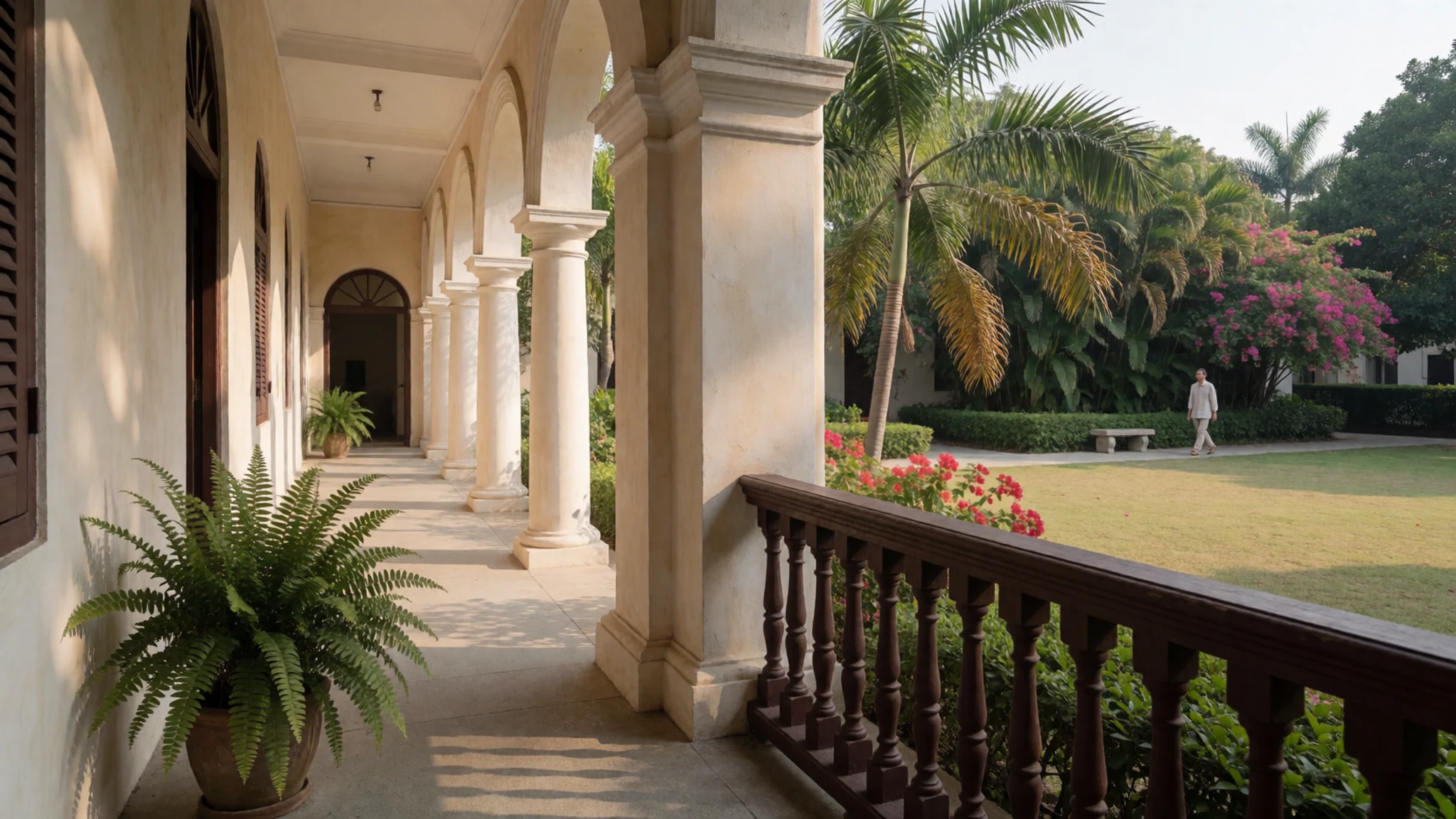
- Museum of the island's foreign residents — Central Gulangyu
Housed in a former villa once owned by a Singapore-based bank, this museum explains colonial-era foreign life on the island. It is a useful first stop, because it gives names and faces to the villas and consulates that otherwise look like handsome but anonymous backdrops.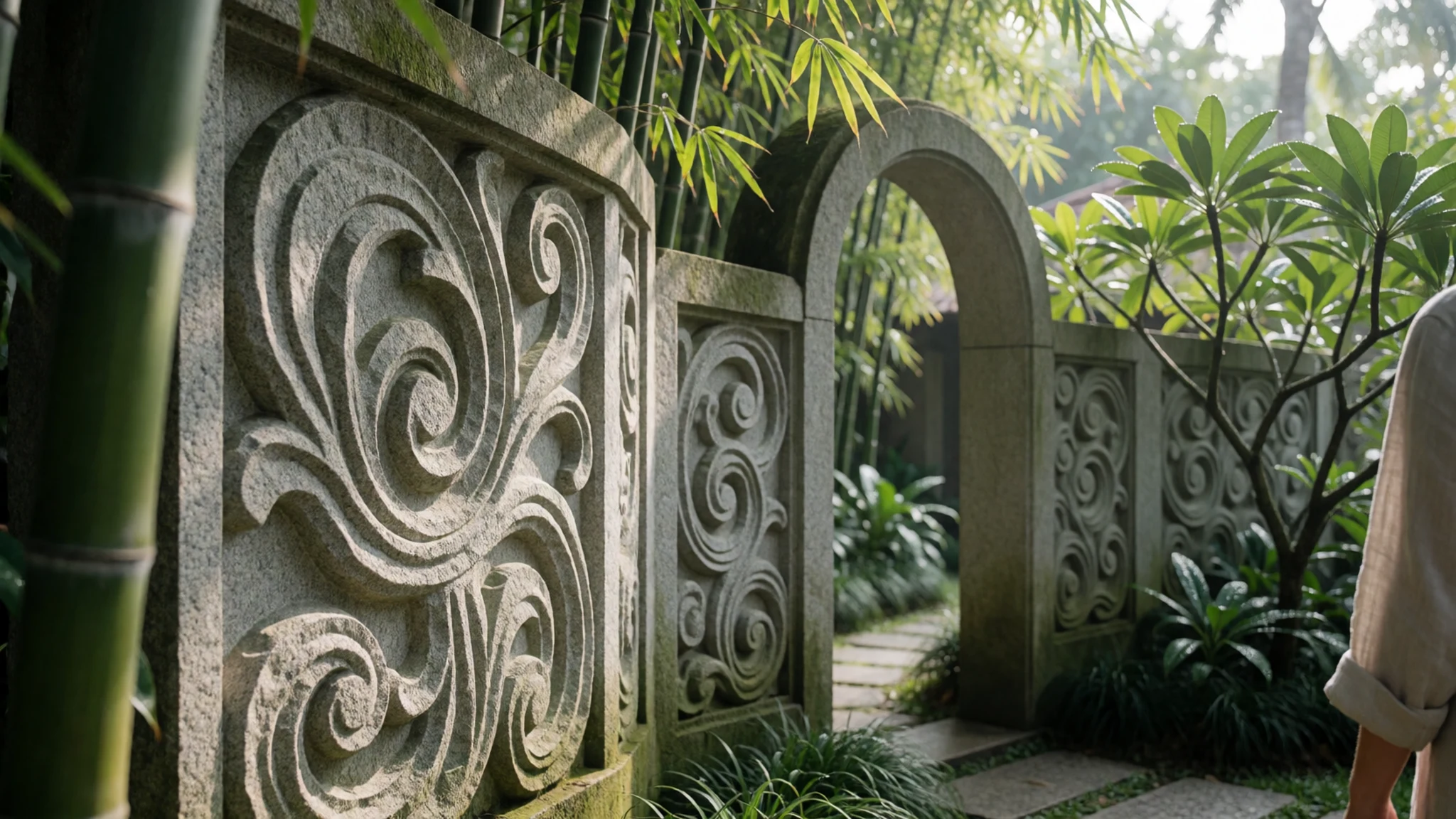
- Catholic Church — Gulangyu lanes
A Gothic-style church with a pointed spire, set among trees, shows how strongly Christianity and western music shaped the island. It is a favourite for photographs, and the surrounding lanes make a pleasant walk away from the main tourist route, especially in the early morning.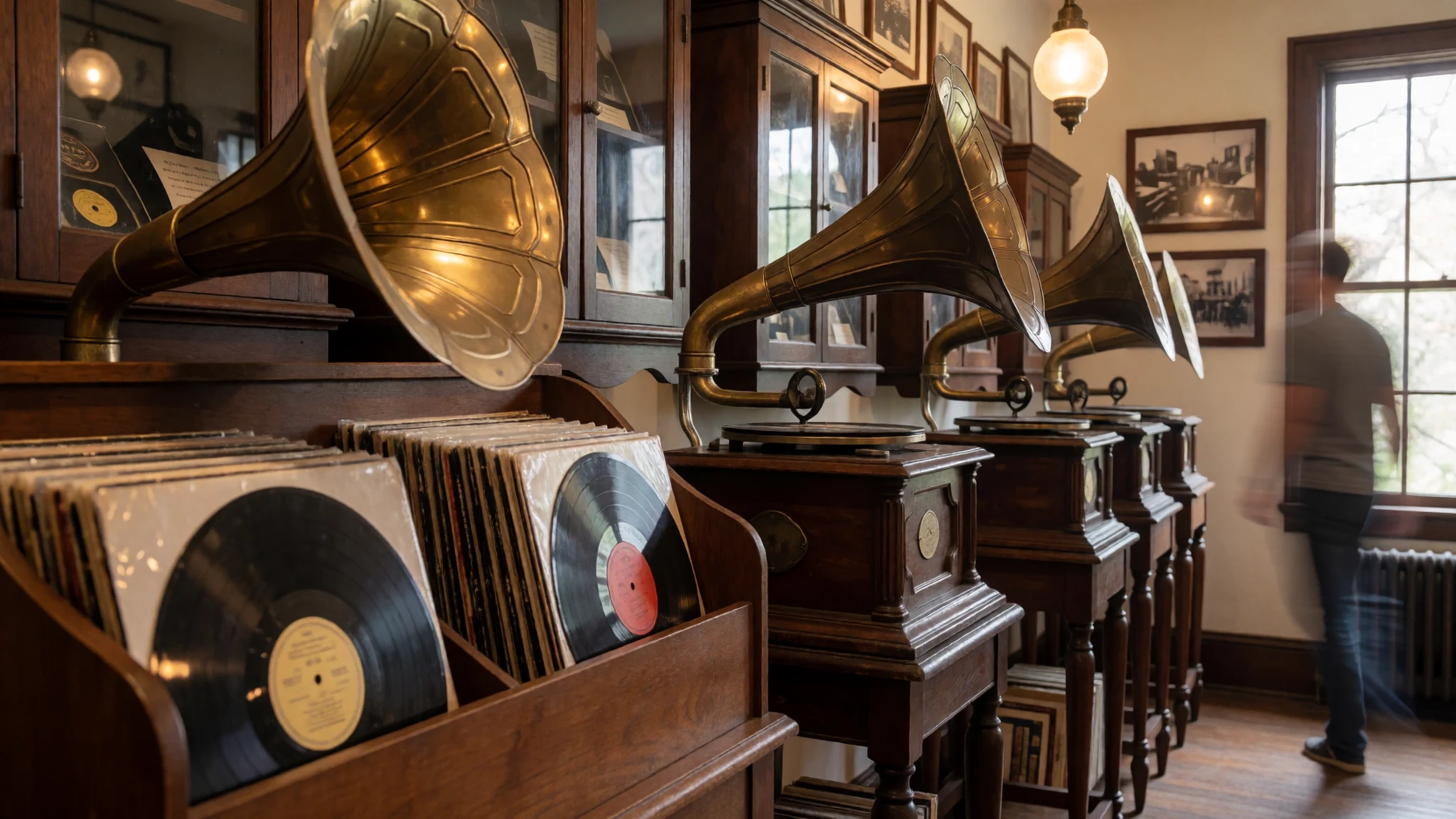
- Hai Tian Tang Gou mansion — Gulangyu coast
This large villa-and-garden complex blends Chinese and western styles, a good example of the overseas-Chinese taste for mixing traditions. Look at the roofs, the decorated gables and the garden setting, and compare them with the plainer colonial villas elsewhere on the island.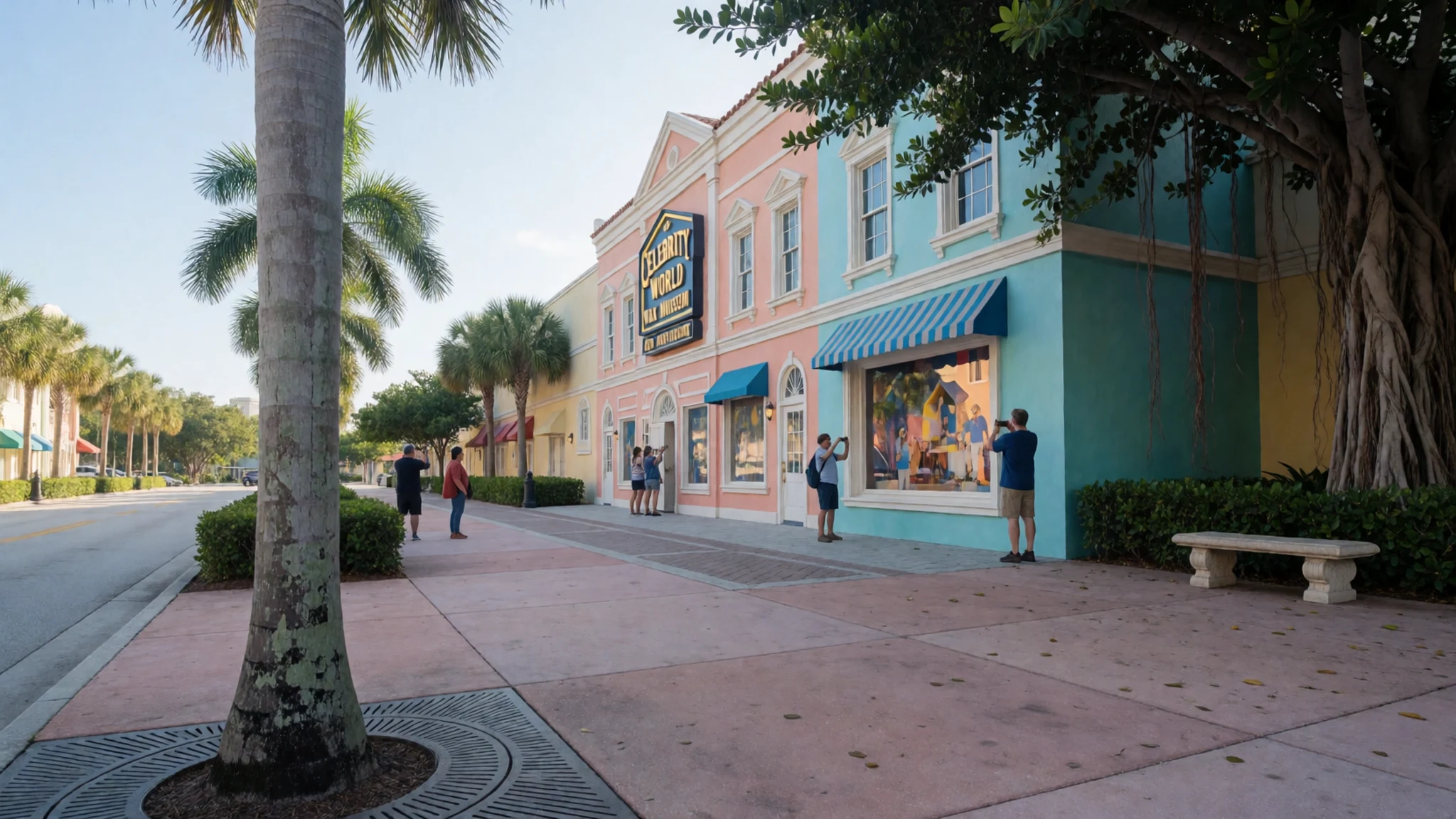
Culture
Gulangyu's culture is unusual for China because of its long contact with the outside world. Churches arrived with Christianity in the early twentieth century, and western music came with them. People went to music halls to listen to performances, and the habit stuck. Even now the island has a reputation for musicianship, and pianos and organs are part of its identity, celebrated in museums and, now and then, in small concerts.
The local cultural environment mixed with these imported traditions, so the island feels different from other Chinese places. Fujianese family life, ancestral halls and southern Chinese food sit beside Victorian villas and church choirs. Many houses were built by families who had made money abroad and returned, and their tastes show in the carved stone, tiled floors and wide verandahs.
People live and work here, so Gulangyu is not only a heritage display. Children go to school, shopkeepers open early, and residents carry goods by hand or on small carts, since vehicles are not allowed. Mornings and evenings, once the day-trippers have left, are the best time to see this ordinary side of the island.
The island's name has several romanisations, and the Chinese name is 鼓浪屿, so a map or a phone translation helps when signs are in only one form.
When you pass private villas and homes, keep your voice low, do not step into gardens or doorways, and ask before photographing residents.
What to wear
Gulangyu has no single traditional costume of its own. The nearest thing is the dress of southern Fujian, where silk and cotton were long worn in plain, practical cuts, and where women in nearby fishing and farming communities are known for bright floral headwear and tunic-style tops. These are rarely seen in daily life on the island and appear mostly in festivals, performances or souvenir photography.
The island's colonial past left its own style. Photographs and museum displays show linen suits, long dresses and parasols from the settlement years, and a few shops and photo studios now rent period outfits so visitors can pose in front of the old villas. This is a tourist habit more than a local one.
What people actually wear now is easy and casual: T-shirts, shorts, light dresses, trainers and sandals, with sun hats and umbrellas against the heat. Residents dress much like people in Xiamen, a little smarter on weekends and for church. Musicians and students heading for lessons often carry instrument cases rather than anything fancy.
For visitors, comfort matters most. The climate is warm and humid for much of the year, so light cotton or quick-dry fabrics work well, with a hat, sunscreen and a small rain layer in case of showers. Lanes are steep, cobbled and often crowded, so wear closed, grippy shoes rather than flimsy sandals. No special dress code applies in the lanes or museums, but if you step inside a church or a place of worship, cover your shoulders and knees and keep your voice down.
What to eat
- Fish balls stuffed with pork — Small eateries near the northern lanes
A local speciality: springy fish balls with a pork filling, served in a savoury broth. They are a good small bite while walking, and the best-known shops draw queues at busy times, so try one away from the weekend rush.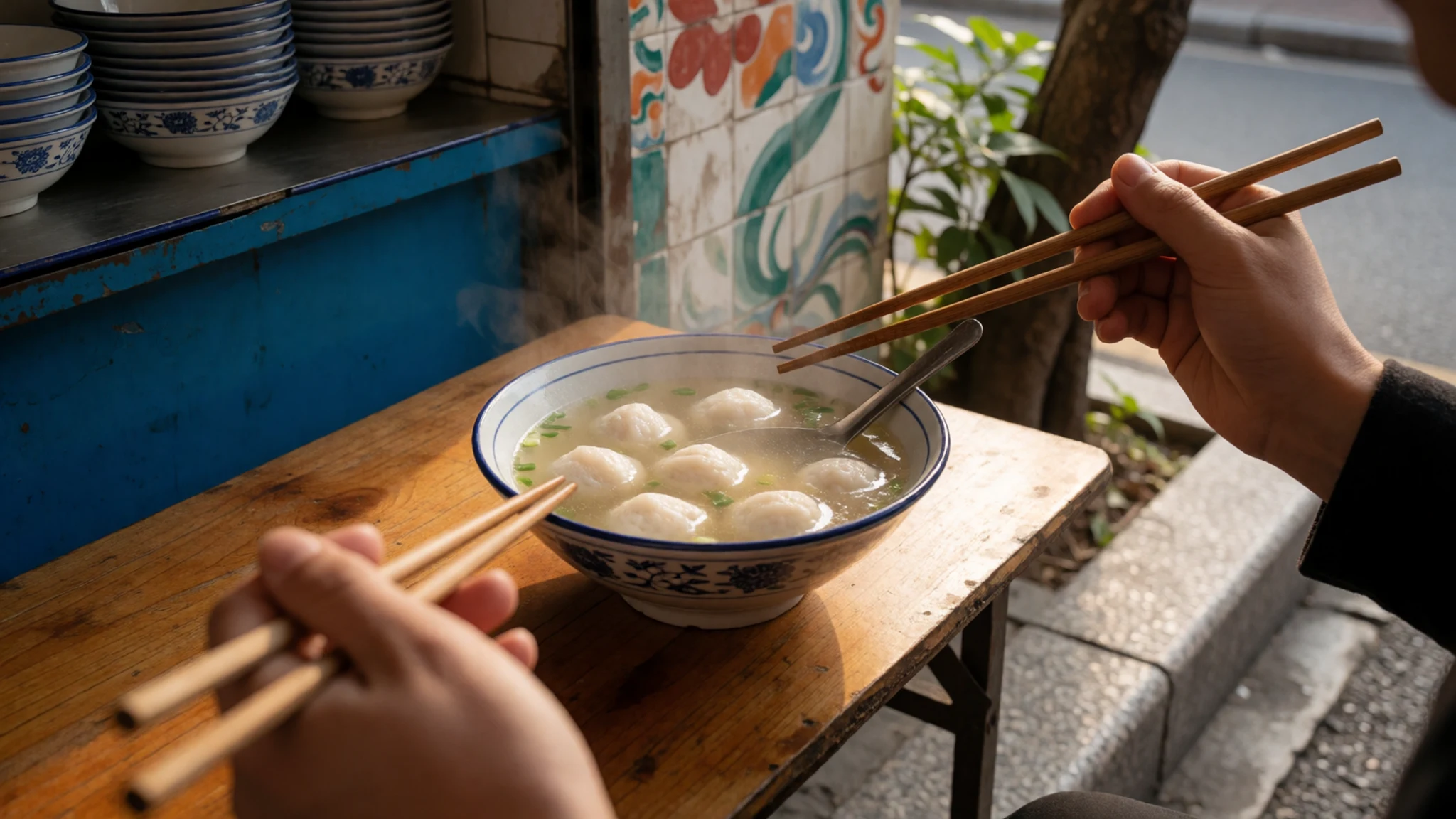
- Shacha noodles — Noodle shops along the main lanes
Shacha is a southern Fujian satay-style sauce, rich, savoury and a little sweet, used as a broth for noodles. Versions come with meat or seafood, and the seafood bowl is the luxurious one. A hearty, filling lunch after hill climbing.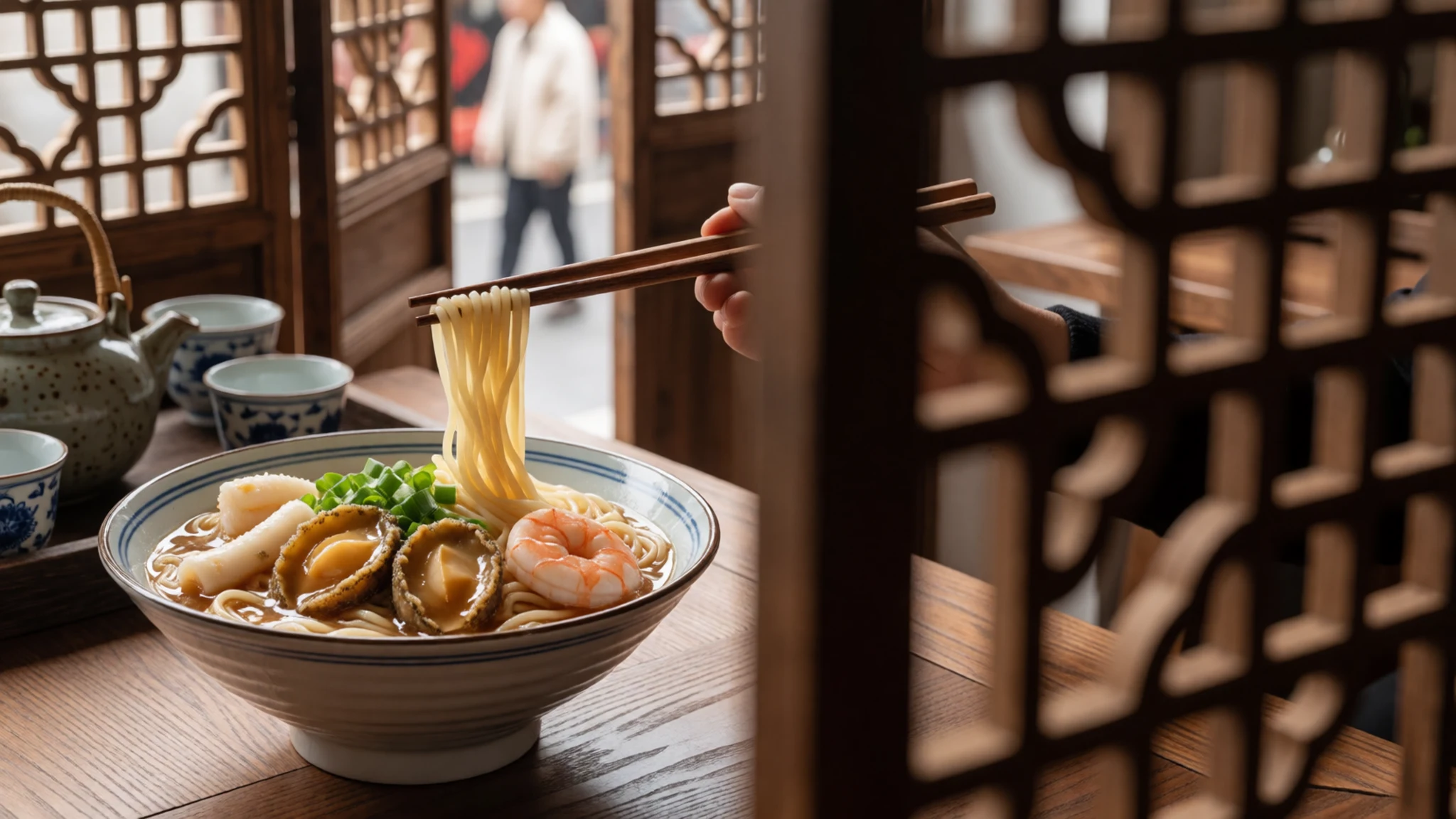
- Fresh seafood — Restaurants and stalls along the lanes
The island's cooking leans on the sea. Look for open tubs of live fish, shellfish and prawns outside restaurants, choose what you like and have it cooked. Check the price before it goes to the kitchen, as tourist-area charges can run high. - Ice cream and cold sweets — Near the ferry landing
After a hot climb, a cold dessert is a good plan. Shops near the ferry landing sell ice cream, and other stalls offer chilled sweets and fruit drinks. Expect to pay more than in Xiamen, as with most things on the island. - Coffee and western-style cakes — Garden cafés in old villas
The island's foreign past lives on in its cafés. Some sit in restored villas with gardens, which makes them as much a sightseeing stop as a snack. Prices are higher than on the mainland, but the quiet setting is the real reason to go.
Plan it
Best time. March–April and October–November, when it is warm rather than hot, with fewer of the sticky, storm-prone days of high summer. Weekdays are far calmer than weekends and public holidays in any month.
How long. 1–2
Getting there. Fly to Xiamen Gaoqi International Airport, then take a taxi or city transport to a ferry terminal in Xiamen. A short ferry crosses to Gulangyu, landing at either the Sanqiutian terminal in the east or the Neicuo'ao terminal in the west.
Budget. mid
Tips
- Buy ferry tickets in advance if you can; online booking can be hard without Chinese ID, so ask a local contact or a travel agency
- Carry your passport, which is needed to buy tickets and board
- Visitor numbers are capped each day, so arrive early, especially at weekends and holidays
- Carry some cash and a card, and expect higher prices than in Xiamen
- Wear comfortable shoes and bring water, as the lanes are hilly
Etiquette
- Keep your voice low and stay out of private gardens and doorways
- Ask before photographing residents
- Queue patiently at ferry terminals and viewpoints
Nearby
Sources
- Wikidata Q1025339 (CC0)
- Wikipedia: Gulangyu (CC BY-SA 4.0)
- Wikivoyage: Xiamen/Gulangyu (CC BY-SA 4.0)
- Photo 01-panoramio.jpg (CC BY 3.0)
- Photo 02-2018.jpg (CC BY 2.5)
- Photo 03-sunlight-rock-2.jpg (CC0 1.0)
- Photo 04-hai-tian-tang-gou-mansion-2019-09-26-36.jpg (CC BY-SA 4.0)
- Photo 05-catholic-church-kulangsu-2019-09-26-18.jpg (CC BY-SA 4.0)
- Photo 06-bagua-mansion-kulangsu-2019-09-26-19.jpg (CC BY-SA 4.0)
- Photo 07-gulangyu-xiamen-the-spot.jpg (CC BY 2.5)
- Photo 08-map-of-xiamen-1950s.jpg (Public domain)


