Grand Étang
Grand Étang, France
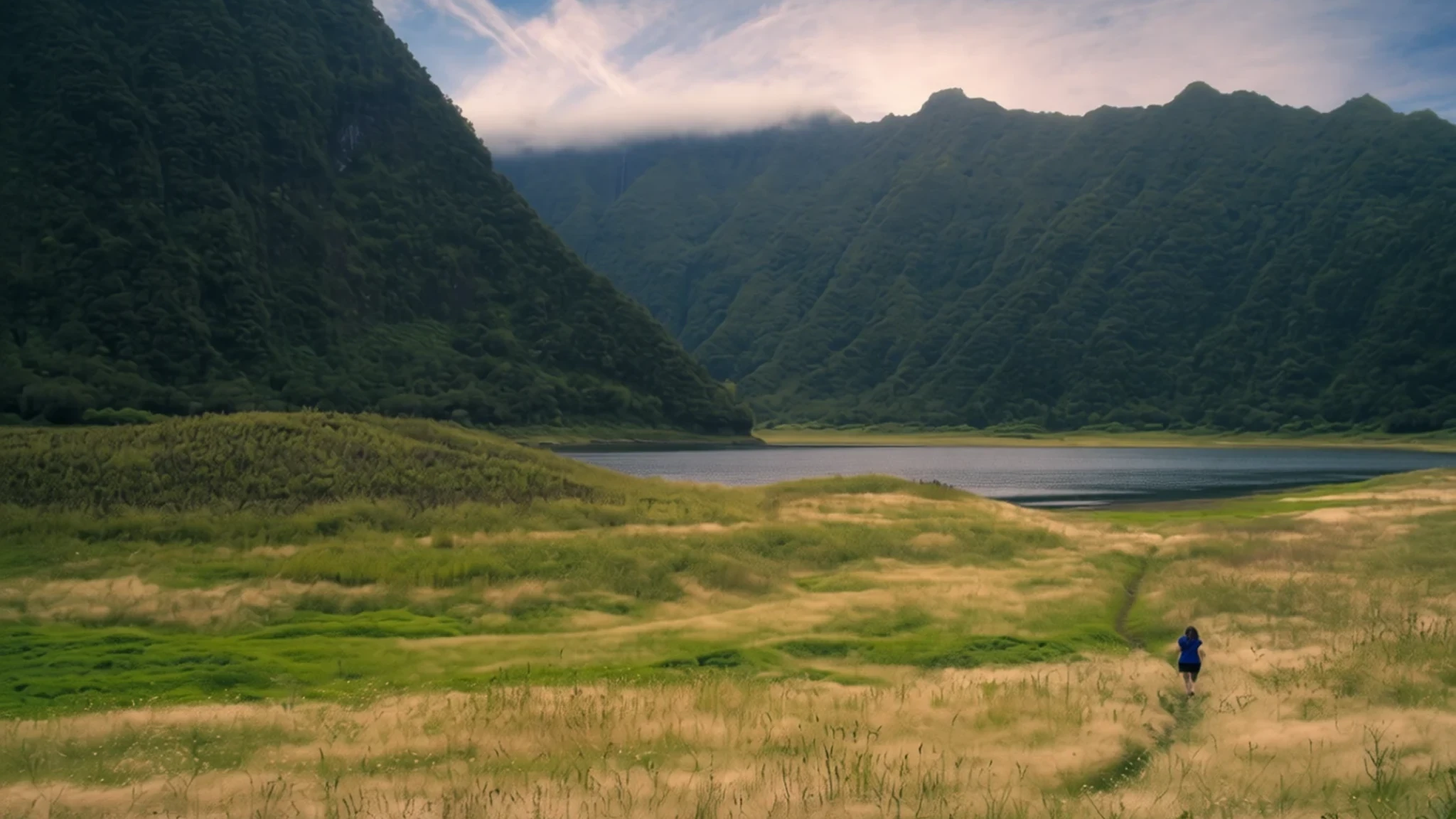
Grand Étang is an easy, scenic lake stop on Réunion—formed by lava, fed by local waterfalls, and best enjoyed in the drier months.
The place
Grand Étang (“large pond”) is the biggest lake on Réunion, a French island in the western Indian Ocean. It sits in the commune of Saint-Benoît, in Réunion’s eastern side, not far from La Plaine-des-Palmistes. The setting is all about contrasts: a smooth stretch of water backed by steep, green slopes, and a volcanic landscape that makes even simple viewpoints feel shaped by geology rather than parks.
What makes Grand Étang distinctive is that it’s not a river-lake or a dammed reservoir—it was created by a lava flow acting like a natural barrier. The inflow is a short creek linked to Cascade Biberon, from the Bras d’Annette system. There is no outflow, so the lake’s character is more still and enclosed than the island’s more obvious, flowing waterfalls. The elevation is 525 m, which helps explain why the lake can feel pleasantly cooler than the coast, especially when cloud banks drift in.
The island climate is tropical, and humidity can swing your comfort level quickly. For the lake itself, the practical takeaway is seasonal: September to mid-December is generally the easiest window because rain is less frequent and temperatures tend to feel mild both in the hills and near the beaches. January to March shifts into a wetter, more volatile pattern—sometimes with cyclones—so plans can get disrupted by heavy rain or stronger weather. On Réunion’s eastern windward side, the air tends to be greener and moister, which often means more lush vegetation around the lake, even when weather is changeable.
Its story
Grand Étang sits in the story of Réunion’s changing fortunes—an island where volcanic forces, colonial administration and trade routes all left their mark. The lake itself is a quiet reminder that the landscape here is young and restless: it formed when a lava flow acted as a natural dam. That means the water’s “origin” is not a carved valley or a glacier; it’s a sudden, solidifying moment in volcanic time.
Réunion’s broader history is equally layered. Long before modern visitors, the island was discovered by the Portuguese in the early 1500s, and later became officially French. Over the following centuries, migration shaped daily life and culture, blending people from different backgrounds—Africans, Chinese, Malays and Malabar Indians joined French immigration. It’s one reason the island doesn’t feel “single-origin” in food or language.
As the world’s routes shifted, Réunion’s role also changed. When the Suez Canal opened, the island lost some importance as a stop for East Indies trade. Later, Réunion moved from being a colony to becoming a department of the French Republic.
Locally, memory is kept alive through annual celebration. One example is the festival linked to the abolition of slavery, marked on the island each year. Even if Grand Étang doesn’t hold a museum-style history, the lake’s calm surface fits into that rhythm: geology made the setting, and people’s histories filled the island with meaning.
What to see
- Grand Étang lake and viewpoints — around Saint-Benoît / La Plaine-des-Palmistes
Grand Étang’s still waters sit at about 525 m elevation, surrounded by the island’s green volcanic slopes. Spend time at safe roadside viewpoints and look for the thin creek-in influence linked to Cascade Biberon and the Bras d’Annette system.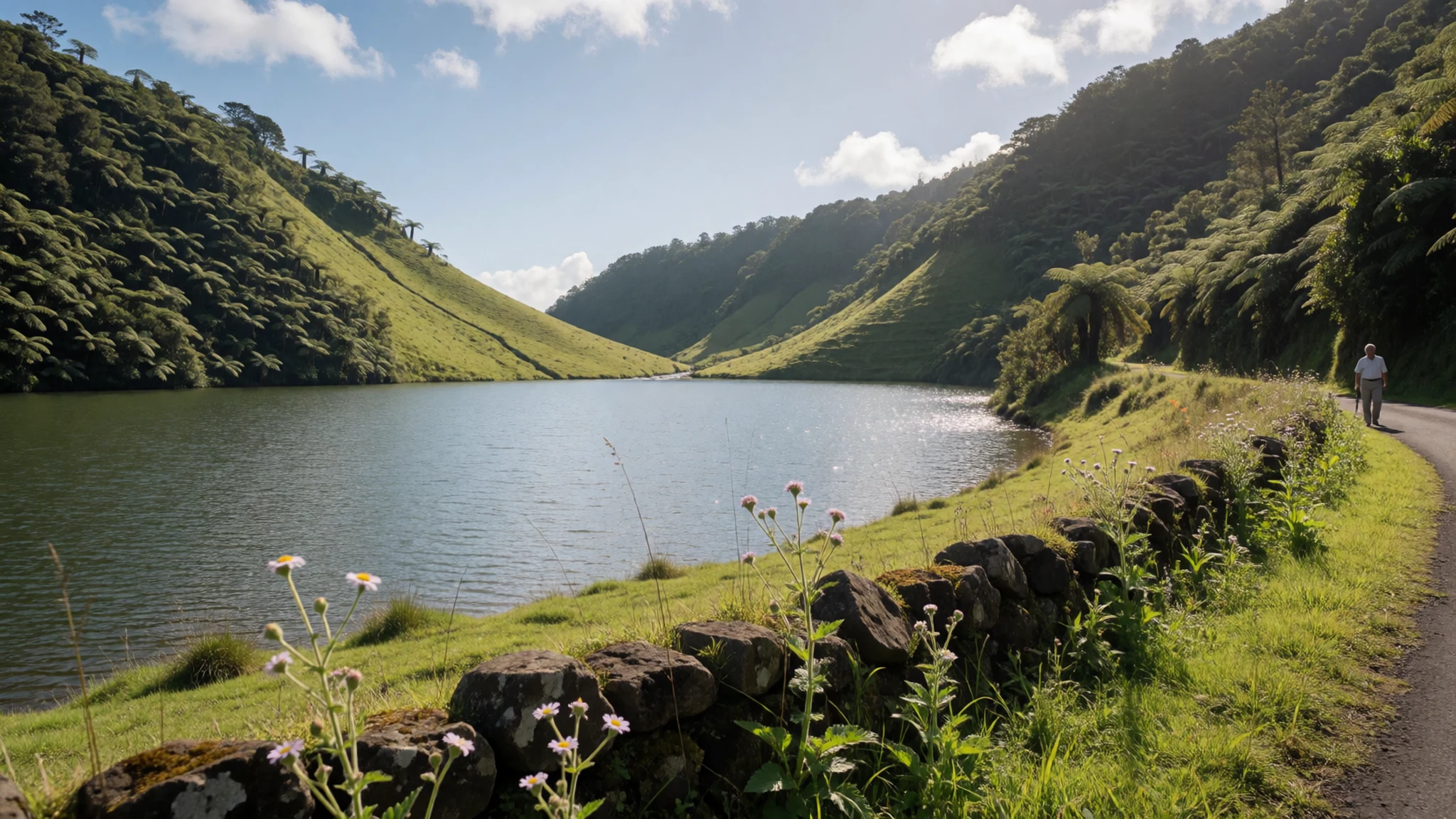
- Cascade Biberon (Bras d’Annette system) — east Réunion valleys near Saint-Benoît
A short-stream connection feeds Grand Étang via a creek tied to Cascade Biberon of the Bras d’Annette. In wetter months the area tends to look fuller, but conditions can shift fast, so keep an eye on cloud cover and muddy paths.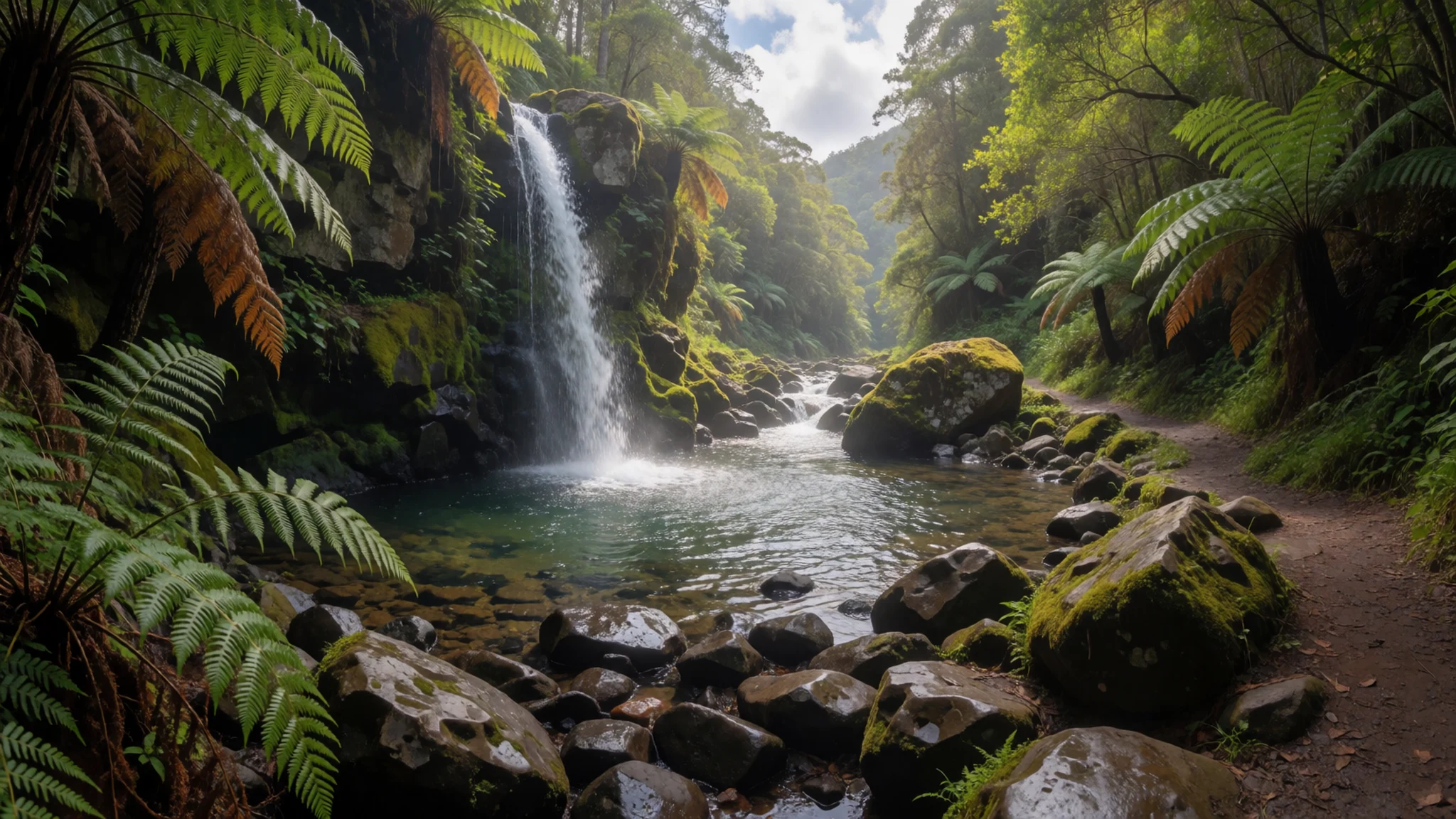
- Plaine des Sable approach (for volcano scenery) — south of Réunion
Near Piton de la Fournaise, the approach over Plaine de Sable gives strong visual highlights even before you reach the rim. From viewpoints around the crater rim area, you can spot activity from a safe distance when the volcano is running.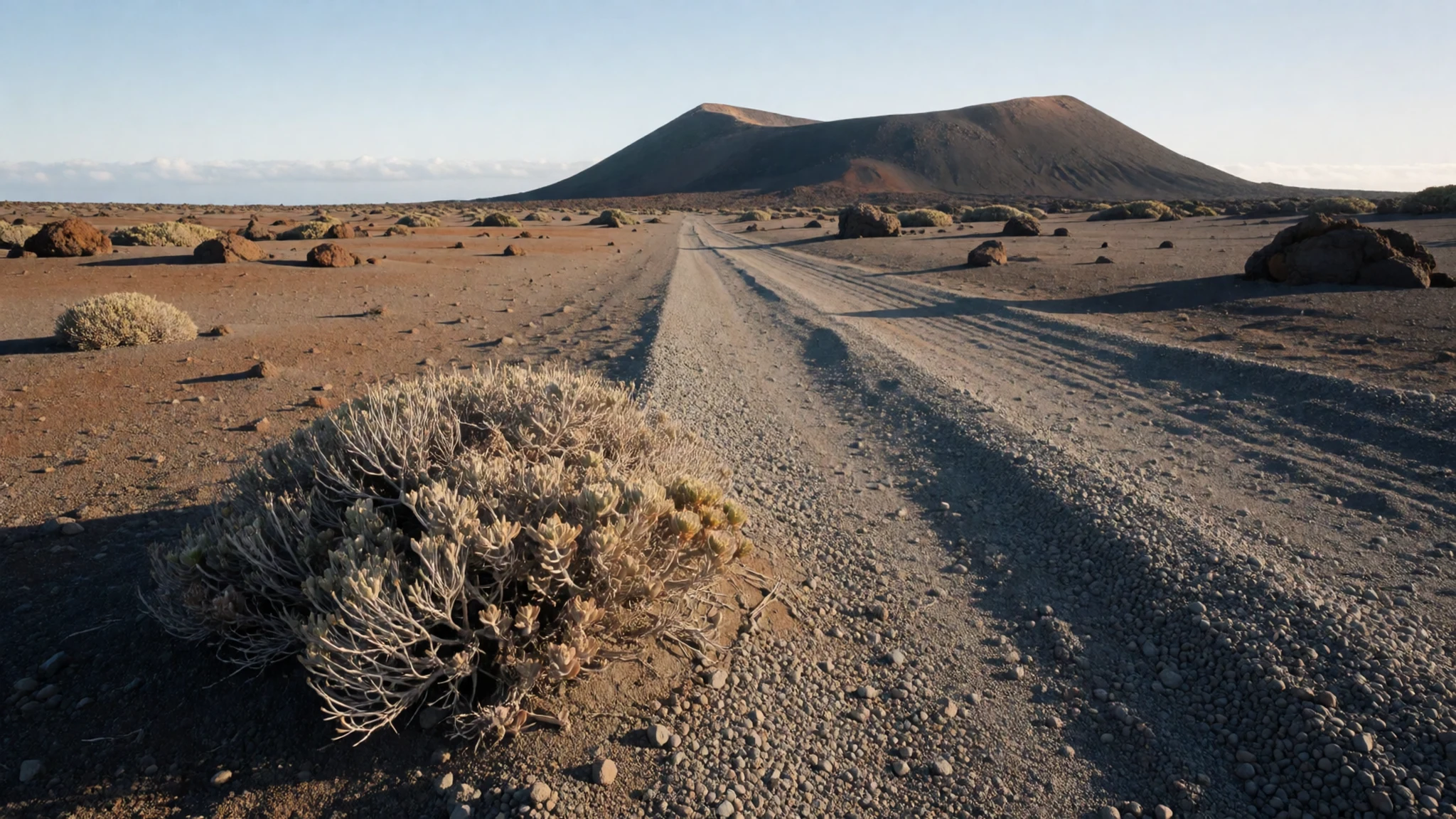
- Piton de la Fournaise crater rim walks — Piton de la Fournaise area
When weather is workable, the crater rim offers multiple hike options with changing views over lava flows to the sea. The terrain is exposed and can be hard to navigate; guided routes help, especially when signs are difficult to see in mist.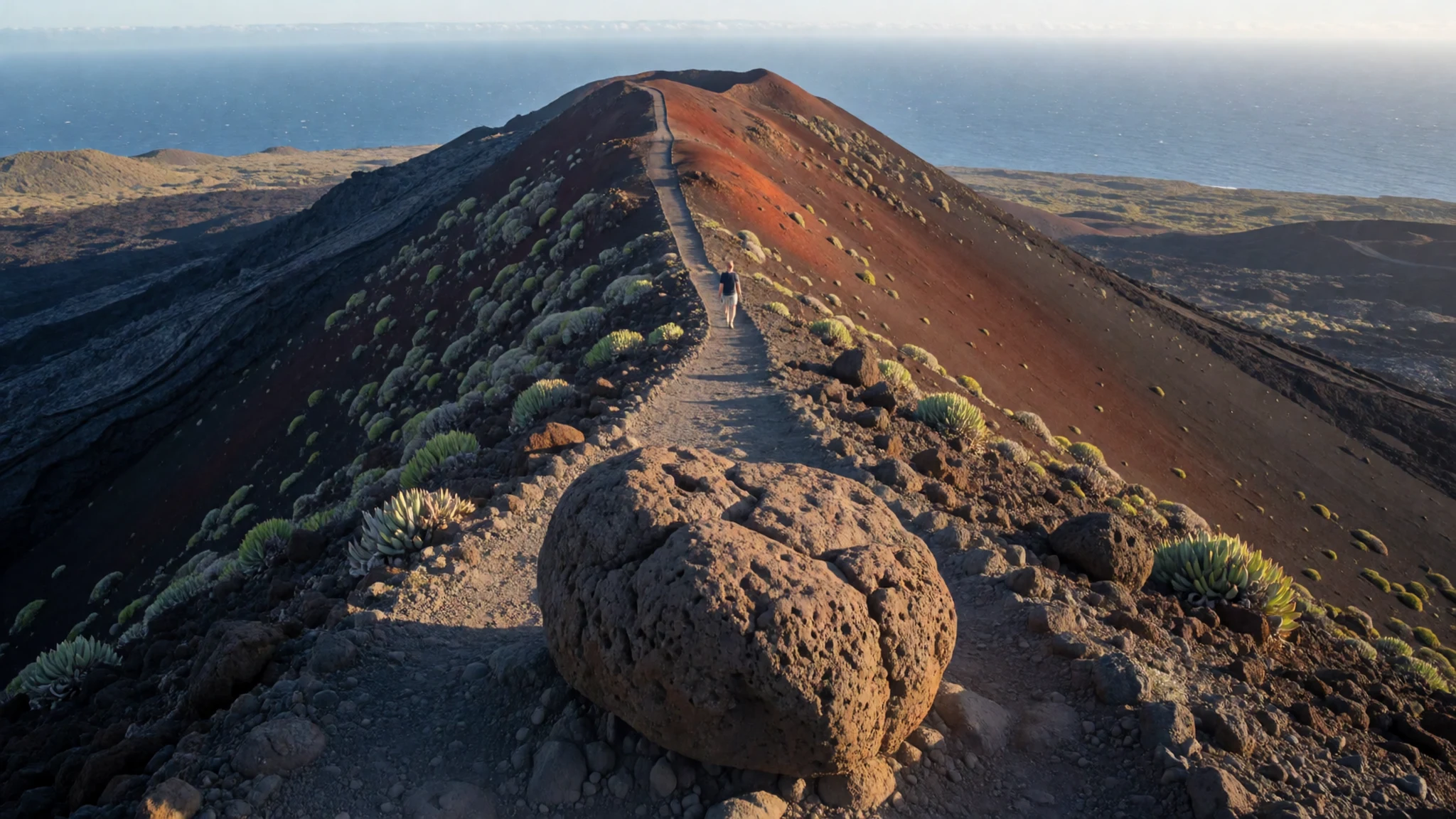
Culture
Grand Étang is on Réunion, where local pride can come across as surprisingly outspoken compared with mainland expectations. Réunionnais people may emphasise the island’s uniqueness—sometimes very loudly—and visitors might misread that as a hostile stance toward outsiders. In practice, it’s more of an island-wide identity thing than a clear sign of xenophobia.
What helps most is keeping communication calm and letting enthusiasm be enthusiasm. If someone talks up Réunion, it’s usually about sharing affection for the place rather than starting an argument. You’ll also notice that the island’s cultural mix comes through in everyday life, from food flavours to the way community events punctuate the year. Annual commemorations connected to major historical moments are part of that rhythm.
In short, Réunion’s social vibe can feel intense in volume, but it doesn’t automatically mean conflict. Treat conversations like you would in any close-knit place: listen, respond with curiosity, and don’t try to “correct” pride. The lake itself is a peaceful stop, but it sits inside an island culture that stays loud and expressive when it wants to.
Visitor etiquette: Keep your tone respectful in conversations, and don’t treat outspoken local pride as personal hostility.
What to wear
Grand Étang is a nature stop on the eastern side of Réunion, so clothing is mostly about weather, walking comfort and occasional wet ground. There isn’t a single “required” traditional dress at the lake; day-to-day wear blends island lifestyles with common French influence.
What people wear now is usually lightweight, breathable clothing—think T-shirts and casual tops with shorts or light trousers when it’s warm, plus a light layer when clouds roll in around the hills. On muggy days, quick-dry fabrics are handy, and closed footwear matters if trails are slick.
For visitors, the key is practical layers: a breathable top, something to cover shoulders or arms if moving through wetter, greener areas, and a light rain jacket for sudden showers. Even in the drier months, Réunion’s tropical weather can change quickly in the hills, so bring a small packable cover. If heading toward any volcano paths after, expect exposed viewpoints and potentially rugged ground—trainers with grip are a better choice than sandals.
Textiles and traditional dress aren’t the main story here at the lake, but the island’s cultural mix shows up in festive outfits during local celebrations; for those, comfortable fabrics that handle humidity are the rule. At religious or community events (if you visit them), modest covering is the safe approach.
What to eat
- Cari (meat or fish in sauce) with rice — local eateries around Saint-Benoît
Cari is a popular Reunionese dish: meat or fish cooked in a spiced sauce and eaten with rice. It’s commonly found in local eateries and family-run spots around Saint-Benoît and the wider east-coast towns.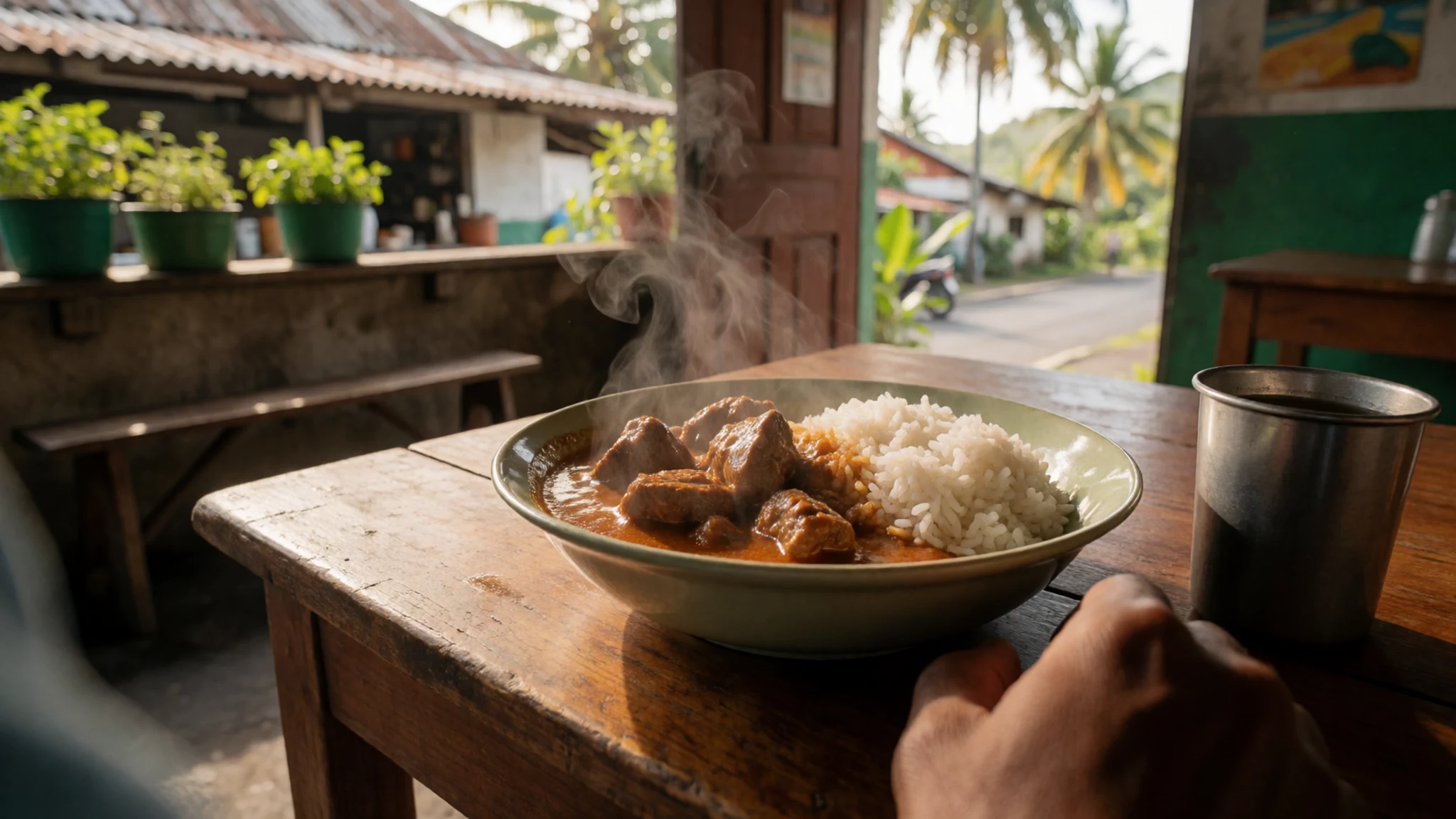
- Rougail (served with rice) — casual lunch spots and restaurants
Rougail is a typical accompaniment—often a spiced preparation served alongside rice, frequently with the island’s fish or meat dishes. Look for it on menus in community restaurants and casual lunch places.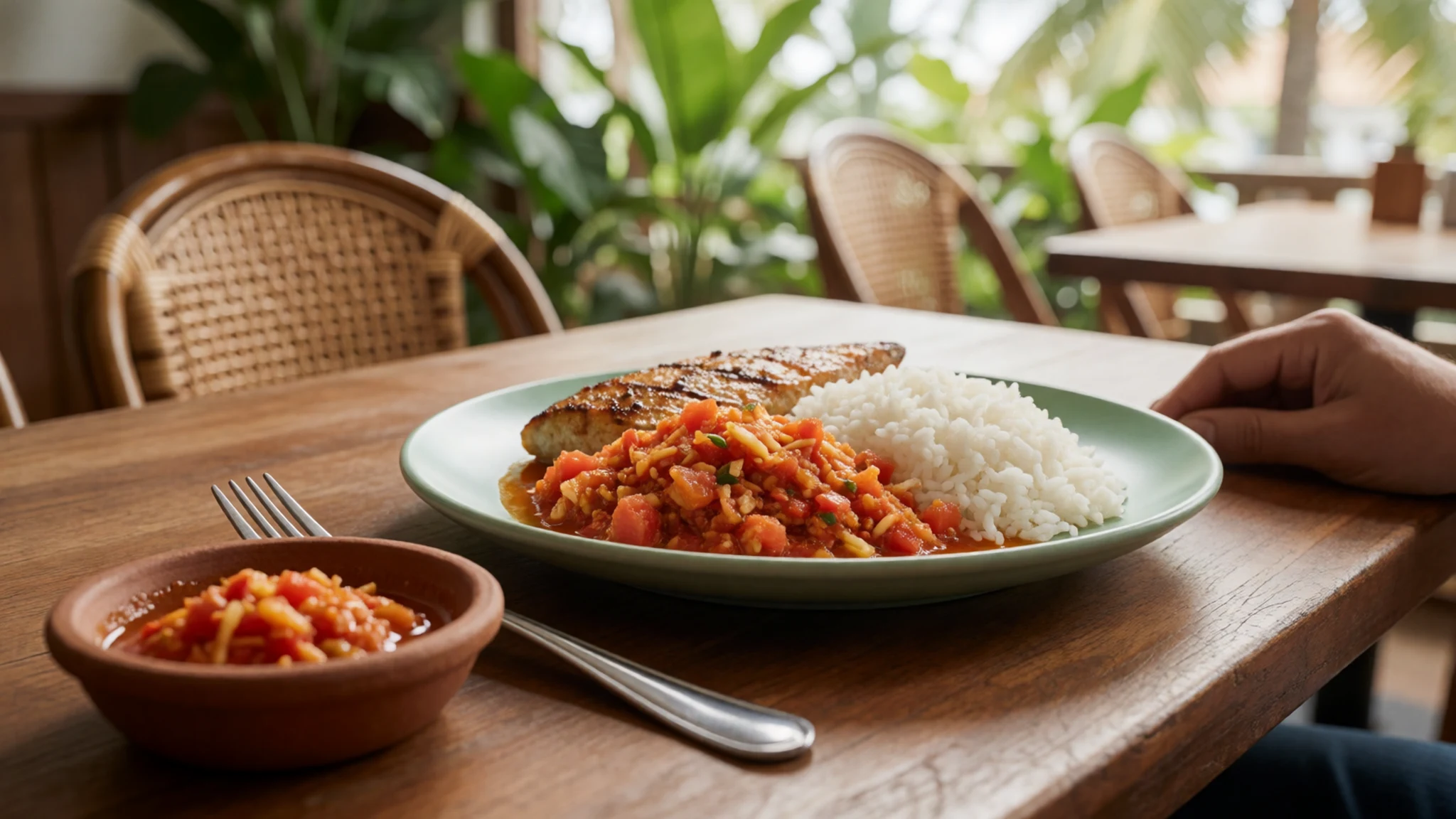
- Samosas and sandwiches in snack-bars — snack-bars for lunch
At lunchtime, snack-bars often sell samosas and all sorts of sandwiches, making it a practical, quick way to eat when you’re moving between viewpoints. Choose spicier options if you like heat, but you can usually ask to tone it down. - Bonbons piments — local food counters and markets
Bonbons piments are spiced and salted fritters. They’re a good “try-a-bite” option when you want something crunchy and strongly flavoured without committing to a full meal. - Piments farcis (stuffed hot peppers) — restaurants serving Reunionese specialties
Piments farcis are hot peppers stuffed and served hot. If you’re cautious with spice, ask how fiery they are before ordering—Réunionese cuisine is often milder than many dishes in mainland Indian cuisine. - Bouchons (meat or fish with rice paste) — Reunionese eateries
Bouchons are small morsels of meat or fish surrounded by rice paste, steamed and served with soy sauce. They’re a local favourite when you want something hearty and savoury alongside rice-based dishes.
Plan it
Best time. September–mid-December for fewer rainy spells and mild temperatures in both hills and near the coast; January–March can be the wetter, stormier period.
How long. 2–3
Getting there. Fly into Roland Garros International Airport near Saint-Denis (RUN), then drive or arrange transfers to Saint-Benoît for access to Grand Étang and the surrounding east-coast countryside.
Budget. mid
Tips
- Aim for mornings in the eastern hills when cloud cover is less settled.
- Pack a light rain layer even in the drier months; conditions can change quickly in the Réunion mountains.
- If combining the lake with volcano hikes, consider a local guide for navigation and safety on steep, narrow paths.
- Bring water and plan for humid weather—short walks can feel harder when the air is heavy.
- Keep an eye on official updates for volcanic activity and road closures, since authorities may block access.
Etiquette
- Respect local guidance in volcano areas and follow signage—weather shifts fast and can affect safety.
- Be mindful in conversations: local pride is often enthusiastic rather than confrontational, but keep your tone respectful.
- On wet days, avoid blocking narrow paths and step aside for others on viewpoints.
Nearby
Sources
- Wikidata Q3114853 (CC0)
- Wikipedia (rev 1366015961) (CC BY-SA 4.0)
- Wikivoyage (rev 5375883) (CC BY-SA 4.0)