Gqeberha
Gqeberha, South Africa
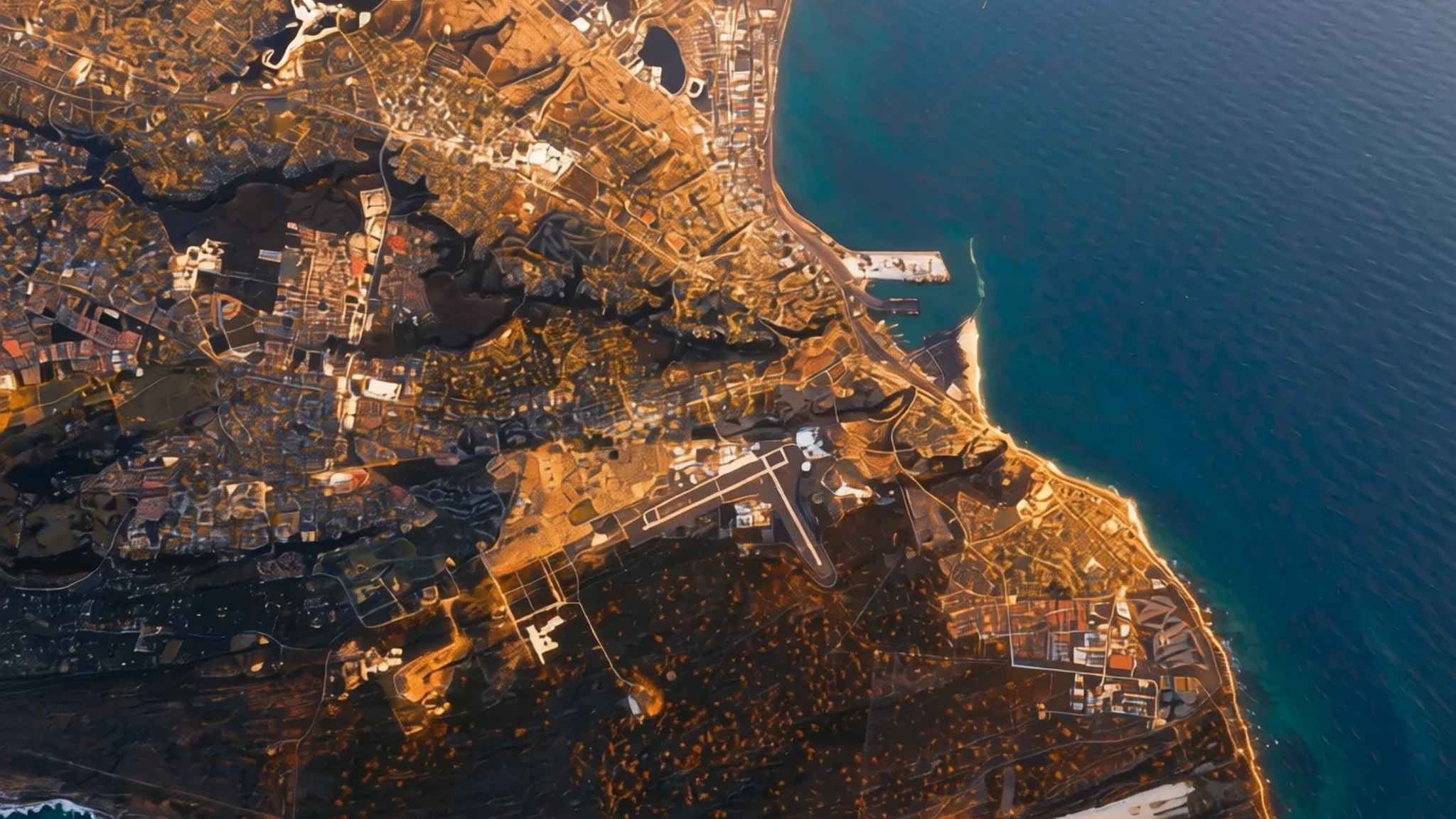
Gqeberha mixes a working seaport, coastal dunes and a strong sports-and-seafood culture—without feeling like it’s trying too hard.
The place
Gqeberha (often still called Port Elizabeth, or “P.E.”) sits on the western side of Algoa Bay on South Africa’s south-eastern coast. It’s a proper city, not a postcard set: the sea is close, the harbour is busy, and the daily rhythm is shaped by port life, local sport and weekend crowds.
The centre feels grounded and purposeful. Around the central business district you’ll see the layers of early colonial planning and later civic identity, including names and landmarks linked to the city’s founding. A walk between formal buildings and the waterfront can feel like a quick lesson in “how this place became itself”.
What makes Gqeberha stand out for many visitors is the easy pairing of city time with outdoor time. Spend a morning with heritage in the core, then switch gears to the coastline—wind can be part of the atmosphere, especially near exposed spots by the bay.
Expect the practical bits too: like many coastal cities, you’ll do well with comfortable shoes for uneven paving and occasional steps. Summer can bring strong sun and the warmest temperatures; the cooler, drier months are usually the most comfortable for long sightseeing days—especially from June to August and again in October and November.
Gqeberha’s reputation is also worth acknowledging honestly. It’s a lively hub in the Eastern Cape, but it’s not a place to wander distracted. Stick to well-travelled areas, keep belongings secure, and plan routes so you’re not crossing quiet stretches at the wrong time.
Overall, Gqeberha is a friendly-feeling base for exploring the bay coast, learning the city’s story and eating your way through seafood—while keeping expectations realistic about weather, wind and crowd peaks.
Its story
Gqeberha’s story starts with people arriving by sea and building a new town in Algoa Bay. In 1820 the settlement was founded as Port Elizabeth, named by Sir Rufane Donkin for his wife, Elizabeth. The name change over time reflects shifting identities: the city’s newer name, Gqeberha, draws on local language connections to the Baakens River that flows through the area.
Underneath the city, the wider landscape has much older human history. Cave sites in the region have archaeological names that have stuck—places linked to prehistoric cultures and evidence for early modern human behaviour. In the broader area, excavations have turned up stone-age tools and shell-bearing deposits, and sites around the city and nearby valleys have helped researchers piece together how hunting, gathering and coastal life evolved over thousands of years.
That deep time doesn’t stop at “history books”. It shapes what you’ll notice on the ground: the fact that the coast and river systems matter—today as the setting for dunes and beaches, and long ago as a resource corridor. The same water and shoreline that bring tourism also shaped the lives of people who camped, hunted and collected shell-rich meals.
In the more recent story, Gqeberha becomes a hub: a seaport, a municipal seat and a cultural and economic centre for the Eastern Cape. The city’s sporting profile is a big part of its public identity, with stadium life and match-day energy giving the place a distinct pulse.
So the city lands as both layered and lived-in: colonial-era beginnings on one level, deep prehistoric traces underneath, and a present-day community that turns the harbour and the coast into everyday life.
What to see
- Donkin Reserve — Central
Start at Donkin Reserve for a concentrated slice of city heritage. It commemorates Rufane Donkin and his wife Elizabeth, and it’s also where you’ll find the Donkin Reserve lighthouse (with the tourism office based nearby). The setting suits a slow wander before heading elsewhere in town.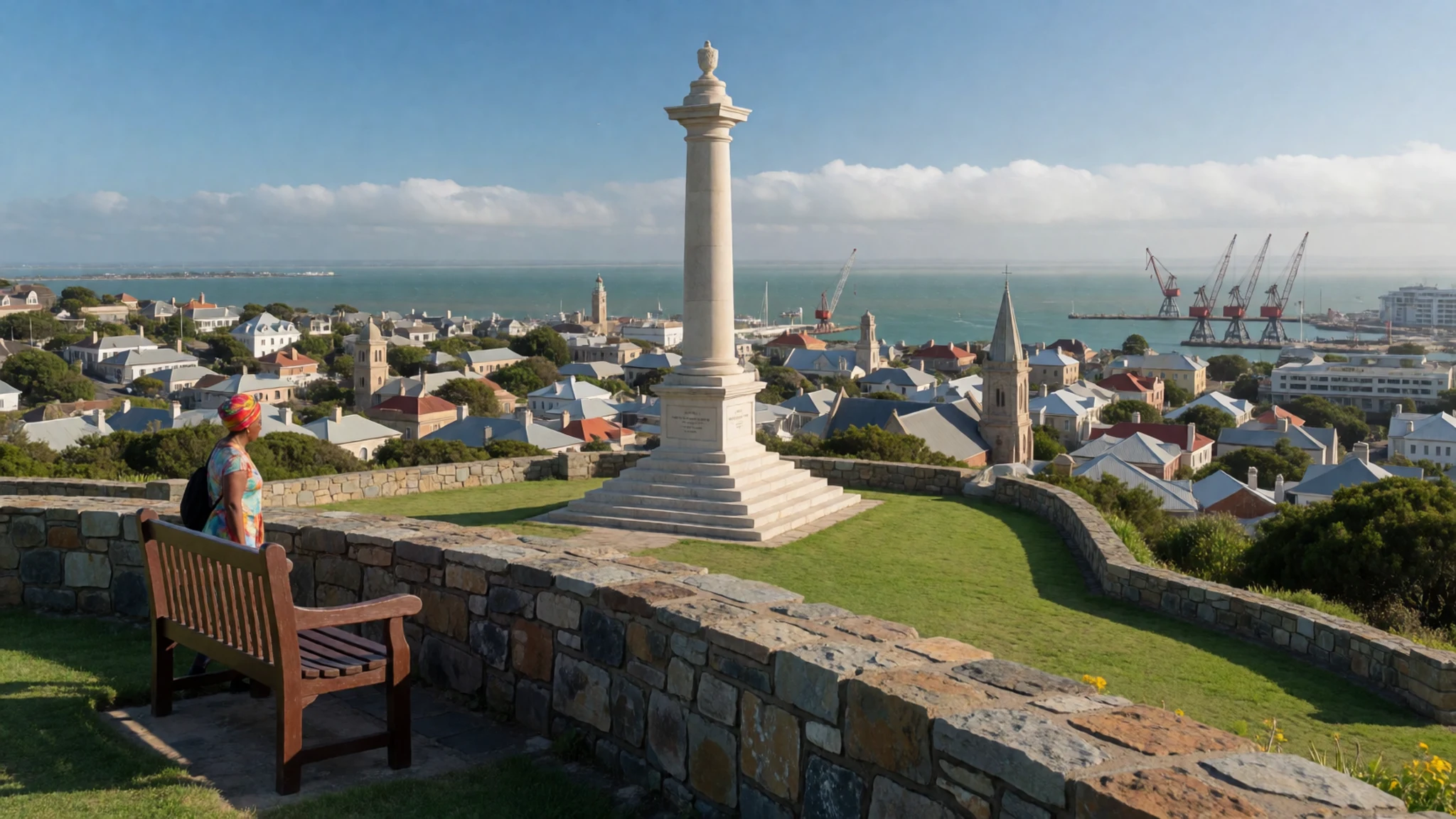
- Tour Nelson Mandela Bay City — Central & inner-city
If the timing is tight, this guided-style route bundles several landmarks together in one go: Town Hall, Feather Market Hall, the Old Post Office, Fort Frederick, Donkin Reserve, Settlers Park and the Horse Memorial. It’s a good way to understand the city’s layout and the way civic buildings relate to the waterfront.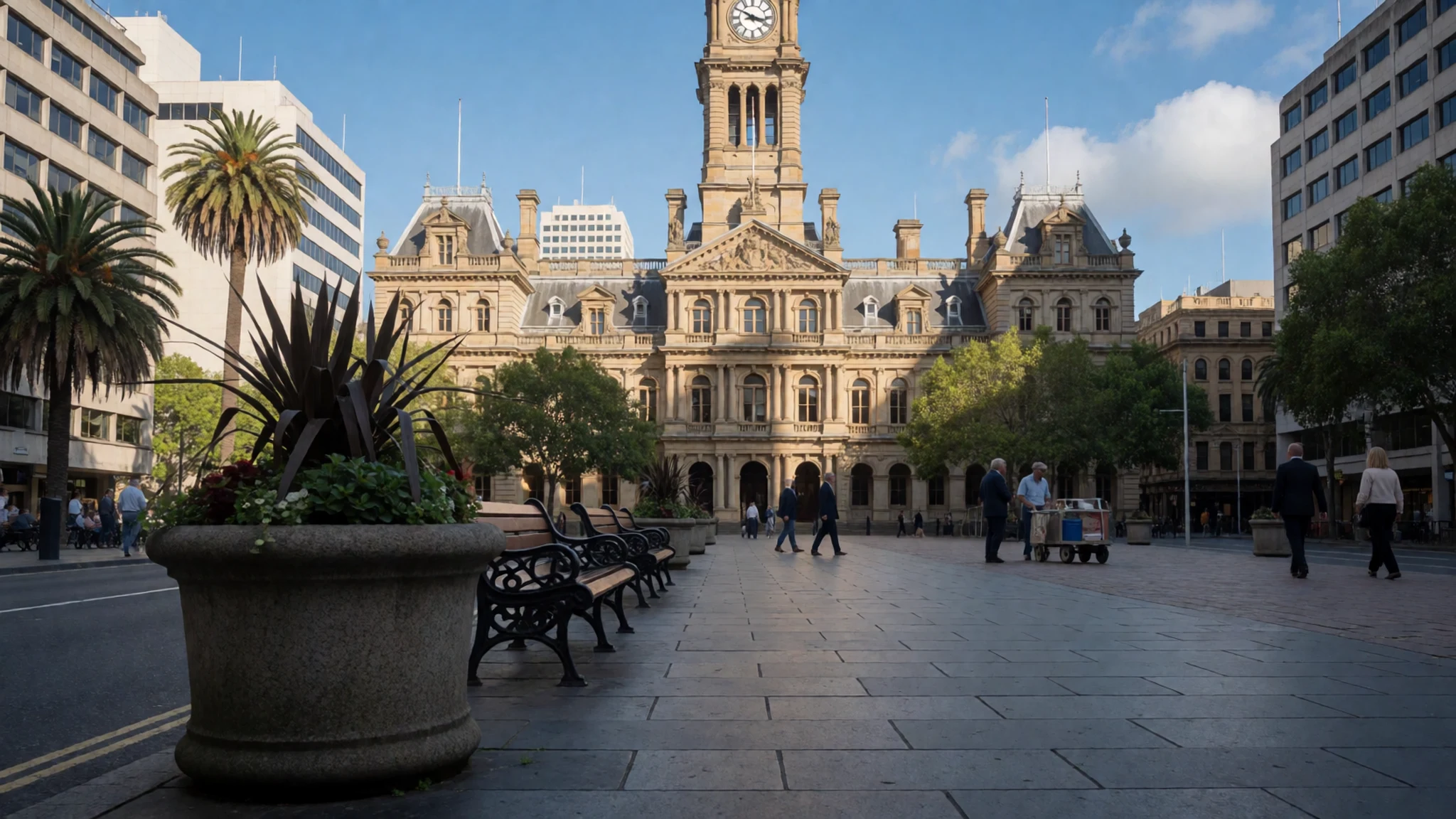
- St. Augustine’s Cathedral — Central
St. Augustine’s Cathedral offers a straightforward architectural stop in the city: it’s a Catholic cathedral and a landmark you can use as a meeting point for an easy sightseeing route. Pair it with nearby heritage sights so you’re walking rather than bouncing between distant locations.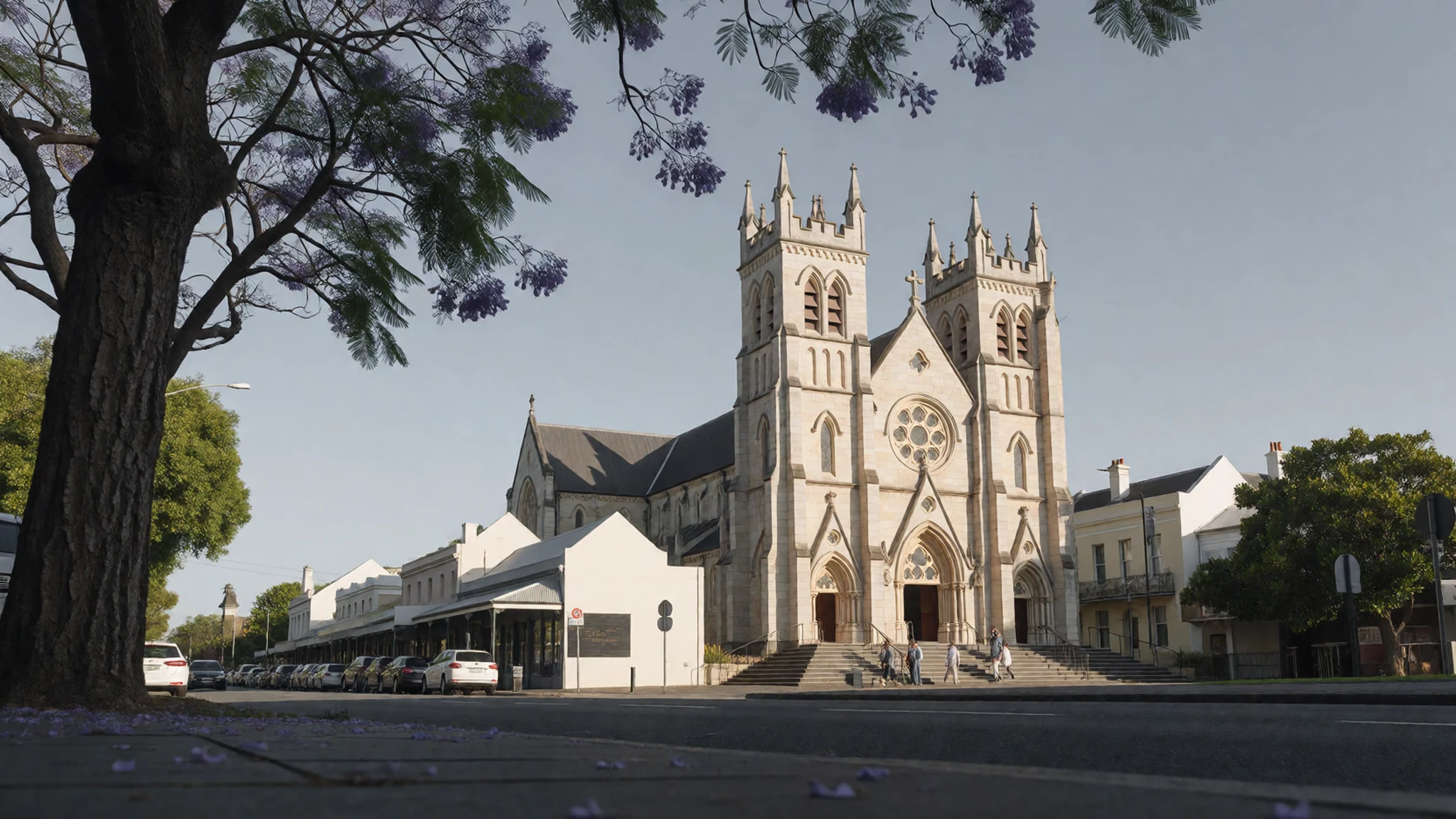
- South Africa Airforce Museum (Gqeberha branch) — Airport area / eastern suburbs
For aviation history, head to the South Africa Airforce Museum’s Gqeberha branch. It’s described as relatively small compared with the other branches in Cape Town and Pretoria, which can work in your favour if you prefer a focused visit without an all-day museum marathon.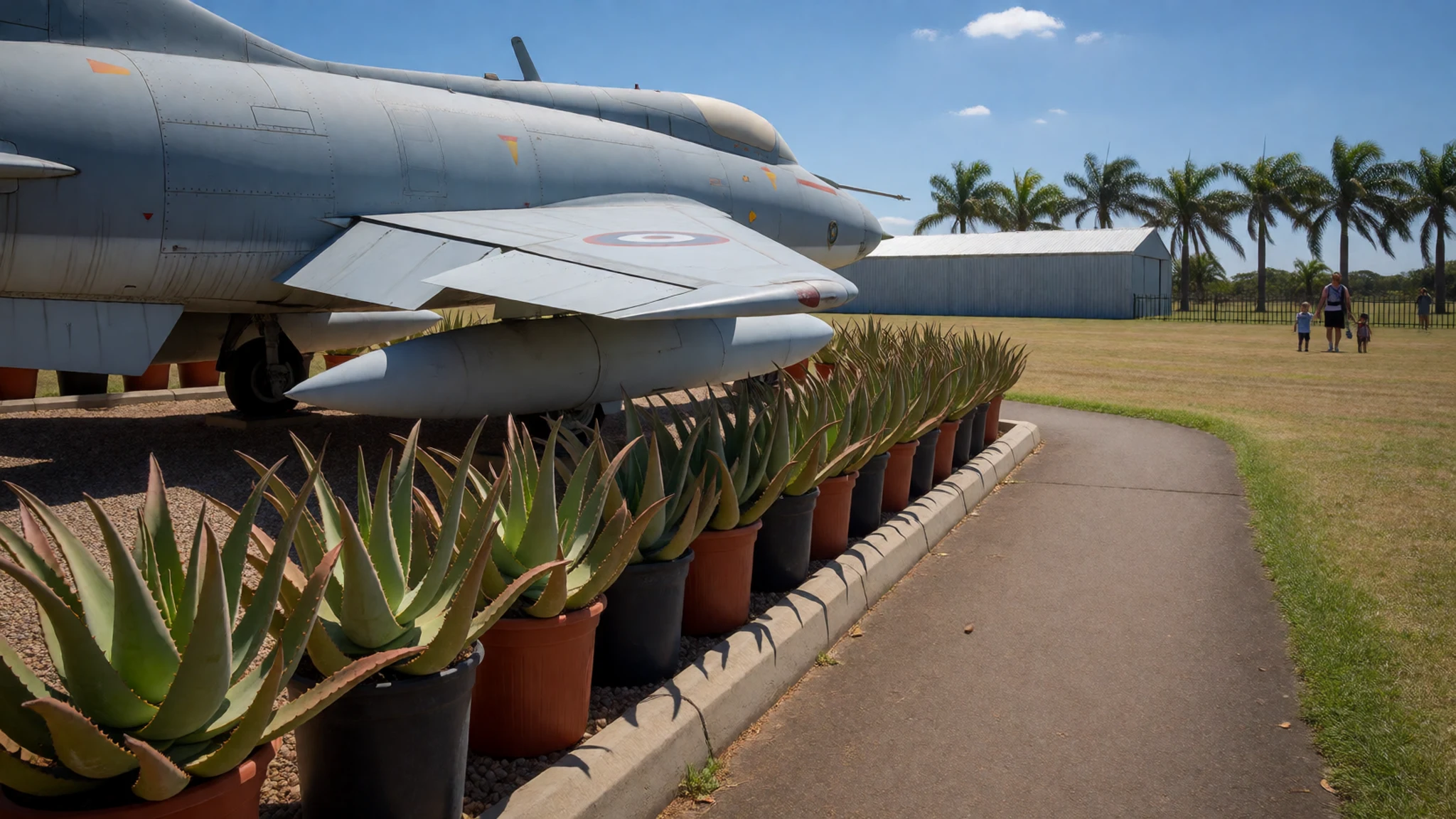
- Bayworld Kangaroo Park — Near the coast
Bayworld Kangaroo Park mixes a museum and zoo-like spaces with an ocean-focused angle. It’s set up as an “easy half-day” option when the wind off the bay is annoying, with an oceanarium and a snake park alongside the broader visitor facilities.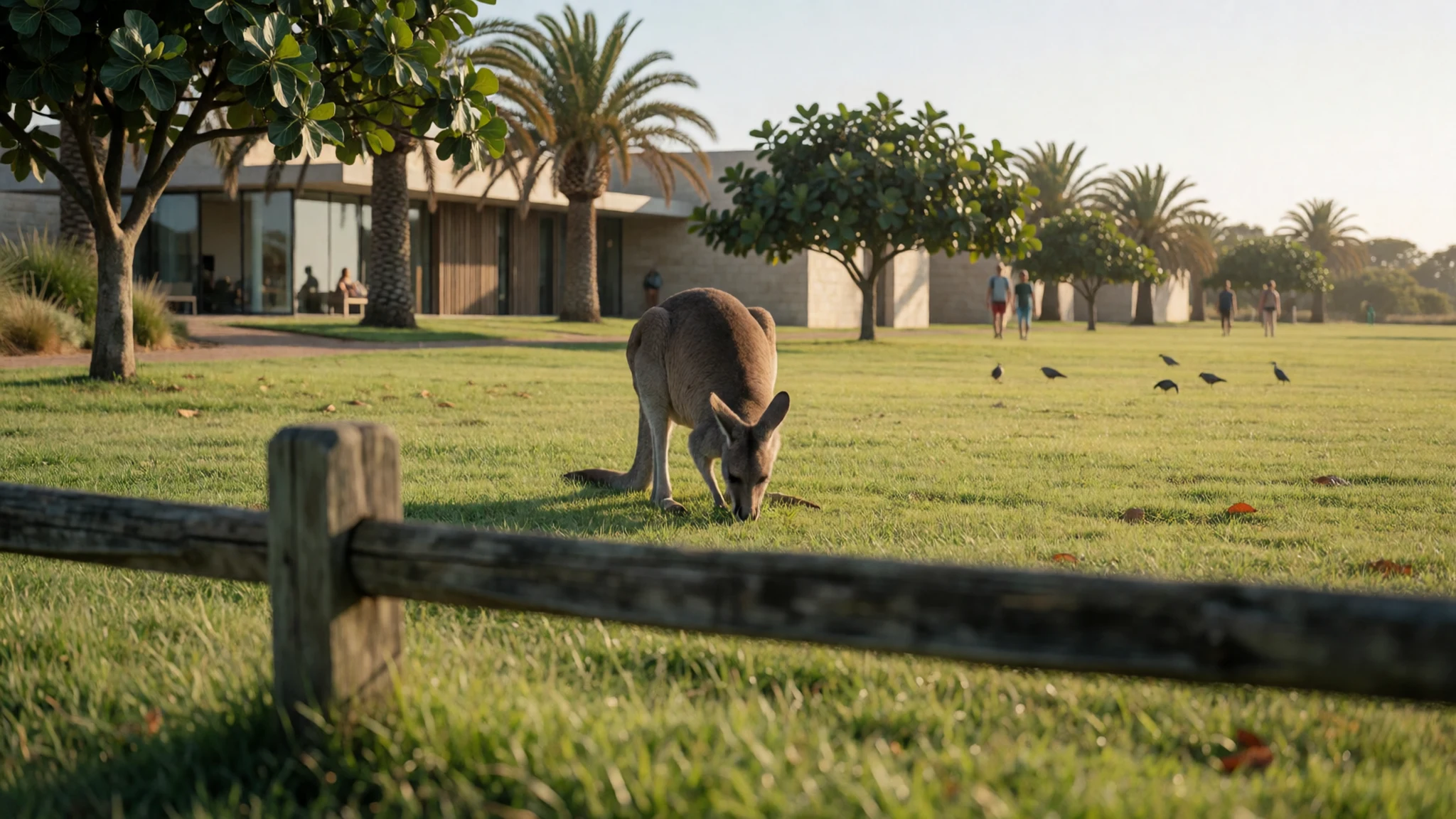
Culture
Gqeberha’s culture is shaped by everyday routines—sport, community spaces and the city’s seaport identity—more than by a single dominant “must-do” cultural institution. One notable long-term cultural presence is the Alliance Française of Port Elizabeth, a French-language school and francophone cultural centre, which is the city’s only foreign cultural centre.
Sports are the big public language here. St George’s Park is the cricket ground that anchors match-day energy, with test cricket in the city’s sporting story and a long-running relationship between the venue and national-level fixtures. That same stadium ecosystem also connects to cricket team life and the broader entertainment vibe around Proteas games.
Outside the stadium, you’ll find a more relaxed cultural feel: local events and weekend movement, plus the coastal setting that makes outdoor time part of the norm. Because Gqeberha is a working city, local identity can feel less “touristy curated” and more “live and evolving”.
Language and names also signal culture: the shift from Port Elizabeth to Gqeberha is part of a wider effort to centre local place relationships, including how river names are understood in local languages.
Visitor etiquette tip: dress modestly at churches and keep voices down inside—especially if services or weddings are on.
What to wear
Gqeberha doesn’t have one “visitor uniform”, but clothing choices can make a big difference because the city is coastal and can feel windy. For everyday wear, light breathable layers usually work best: a T-shirt or light shirt with shorts or jeans, plus a light jacket or wind layer for evenings near Algoa Bay.
In terms of traditional dress and textile traditions, you’ll most often see Xhosa and other South African styles in local communities and on special occasions. Traditional attire commonly features richly patterned fabrics, and women’s formal wear may include wrapped cloths and coordinated head coverings, while men may wear tailored shirts with trousers or traditional wraps depending on the event and region.
What visitors should wear hinges on where the day goes. For churches, choose clothing that covers shoulders and knees and skip beach cover-ups when entering. For coastal walking—especially if you’re moving between viewpoints and reserve areas—proper closed-toe shoes help with sand, uneven paths and sudden weather.
If visiting in the best sightseeing months listed, packing a hat and sunglasses is sensible for the sun, and a small rain layer can still be useful because coastal weather can change quickly.
What to eat
- Seafood at the harbour — Harbour area
Look for seafood around the harbour area, where fish-focused menus are common and the focus is on fresh catches. A classic approach is ordering a seafood platter or a simple grilled fish dish and pairing it with sides that suit coastal weather.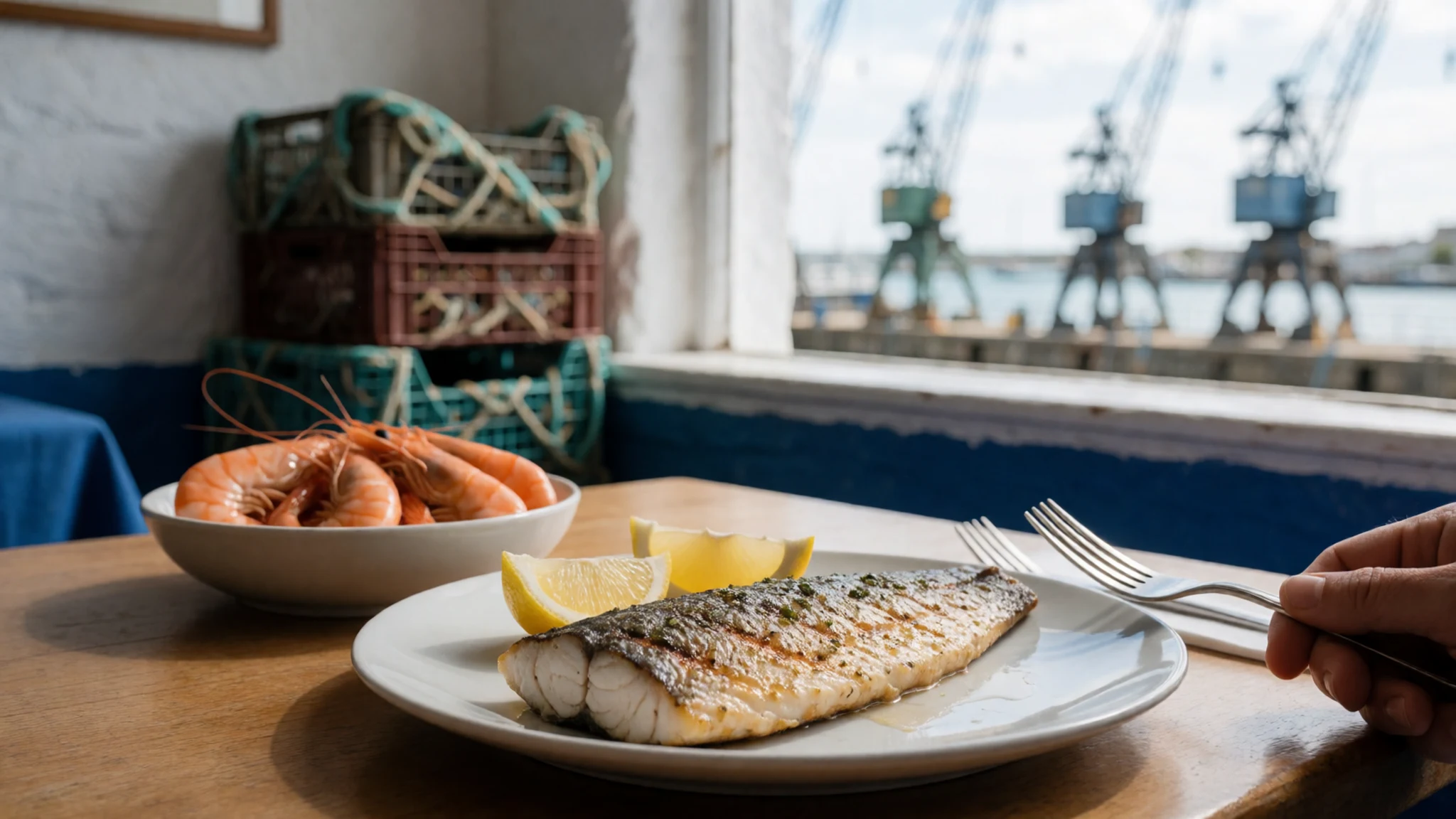
- Fishmonger (fish & chips and more) — City centre / inner-city eateries
When you want comfort food with local energy, try a fish-and-chips style meal or ask for a seafood platter variant. It’s the kind of place where calamari and fish dishes usually share the same menu space.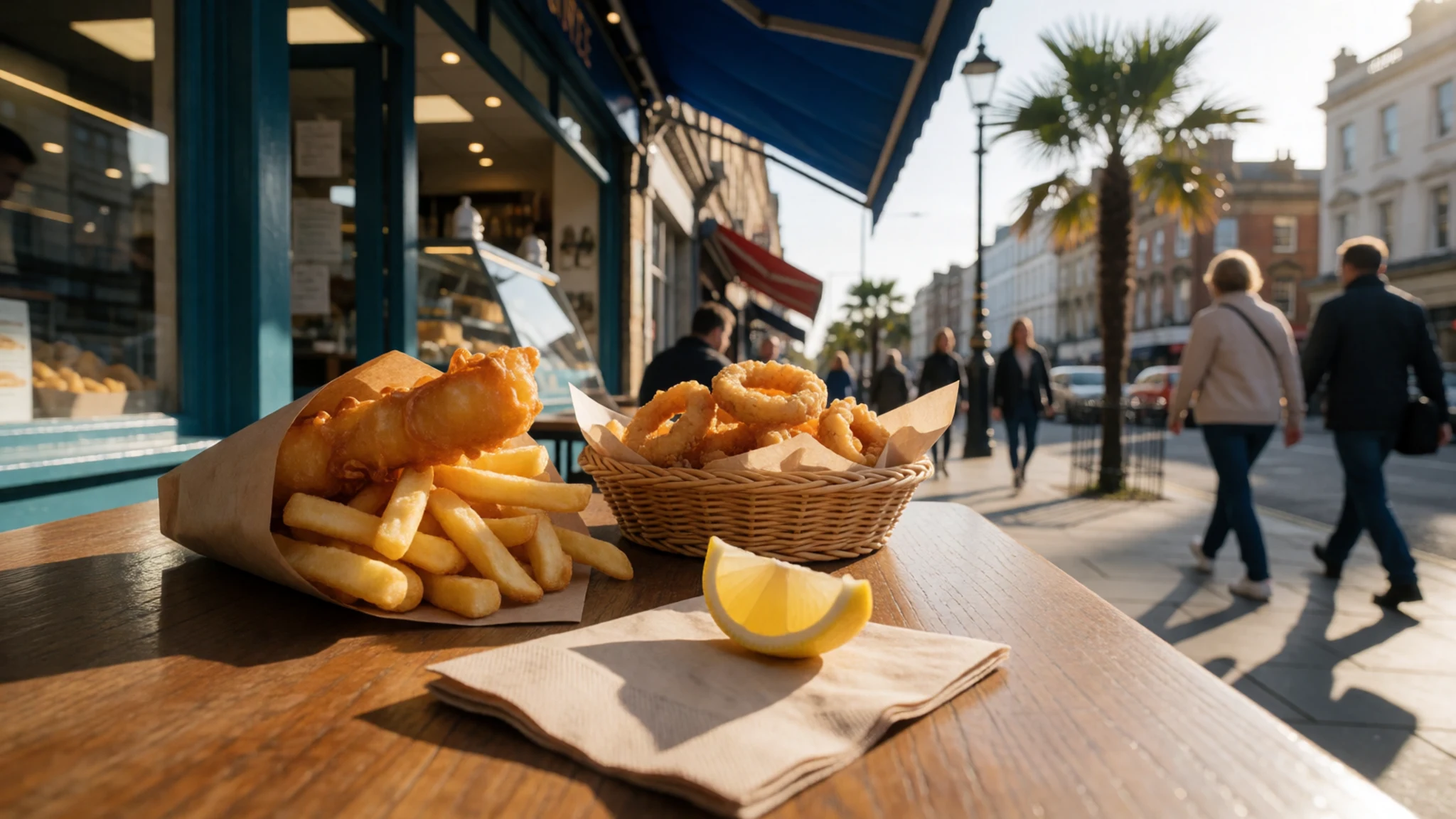
- Ocean-front café meals — Seafront café spots
For a slower meal with ocean views, choose a café set up for relaxed dining. Expect menus that lean toward well-prepared seafood and easy-to-share mains rather than heavy experimentation. - Pizza and Italian-style comfort — Central neighbourhood eateries
For a non-seafood break, pick an Italian-style restaurant and go for pizza. It’s a reliable option after a day of walking around reserves, churches or museums, especially if the evening plans are casual. - Ocean Grill-style seafood dining — Upmarket restaurant areas
If the day calls for something a bit “dressed up”, look for seafood restaurants that also carry fish-and-sushi options. The appeal is usually variety: grilled seafood, lighter mains and different sauces rather than one signature dish.
Plan it
Best time. June–August for comfortable conditions; the city’s coastal breeze can still feel strong, so plan layers. October and November are also a good bet, while midsummer (January and February) can be hot and bright.
How long. 3–4
Getting there. Fly into Gqeberha (Port Elizabeth) Airport, then use taxis/ride-hailing for the short hops around town; for museum and coastal areas, plan on a couple of separate trips rather than one tight loop.
Budget. mid
Tips
- Start heritage sights early to beat the strongest light and busier city rhythms.
- Bundle walking days around central landmarks, then switch to coastline time later.
- Keep a simple “coast backup” plan for windy weather—museums and indoor spots work well.
- Have cash for small purchases and markets, and keep a card for everything else.
Etiquette
- Dress respectfully in churches and other places of worship; keep shoulders and knees covered.
- Keep bags secure and avoid leaving phones out on open promenades.
- If you visit sport venues, follow posted rules for entry and seating—don’t assume everything is walk-up.
Nearby
Sources
- Wikidata Q125434 (CC0)
- Wikipedia (rev 1379400113) (CC BY-SA 4.0)
- Wikivoyage (rev 5414745) (CC BY-SA 4.0)
- Photo photos/01-city-hall-port-elizabeth-003.jpg (CC BY 3.0)
- Photo photos/02-worldcup-2010-soccer-stadium-at-night-panoramio.jpg (CC BY 3.0)
- Photo photos/03-prince-alfred-s-guard-memorial-port-elizabeth-002.jpg (CC BY 3.0)
- Photo photos/04-the-hill-presbyterian-church.jpg (CC BY-SA 4.0)
- Photo photos/05-cape-recife-lighthouse-01.jpg (CC BY 3.0)
- Photo photos/06-iss067-e-54068-gqeberha-nee-port-elizabeth-south-africa-crop.jpg (CC0 1.0)
- Photo photos/07-port-elizabeth-fort-frederick.jpg (CC BY-SA 2.5)
- Photo photos/08-cathedral-church-of-saint-mary-the-virgin-port-elizabeth-001.jpg (CC BY 3.0)


