Gosaikunda
Gosaikunda, Nepal
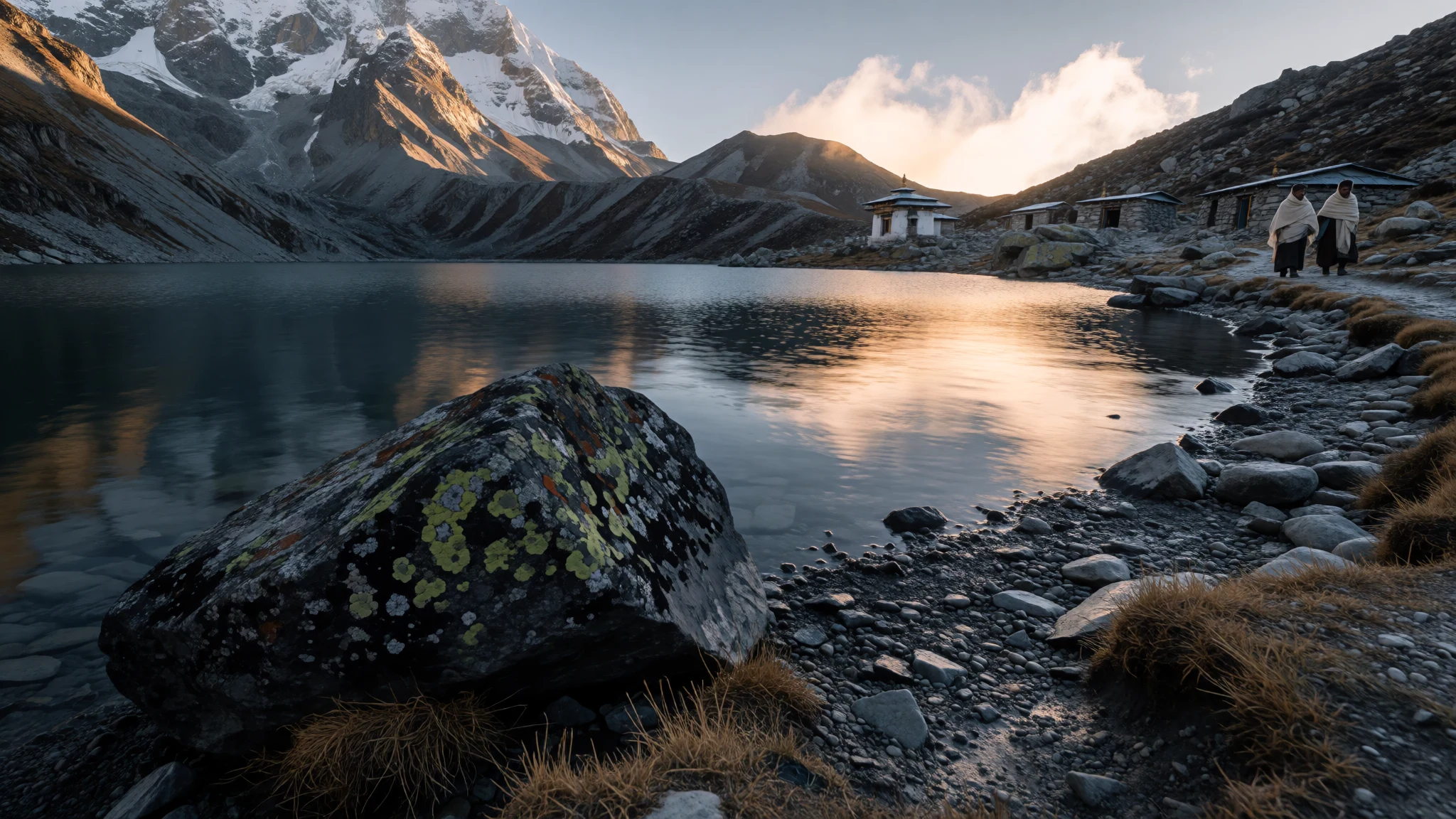
Gosaikunda is a sacred Himalayan lake reached only on foot, where pilgrims, ice and thin air make a hard, memorable few days.
The place
Gosaikunda is a high Himalayan lake in Langtang National Park, in Nepal's Rasuwa District, at 4380 m above sea level. The lake proper is small, about 13.8 ha, but it anchors a larger cluster of connected lakes that together cover about 1,030 ha and were designated a Ramsar wetland site on 29 September 2007. Guides and pilgrims talk of 108 lakes in the surrounding basins. Many are little more than tarns tucked between rock ridges, though a handful, such as Saraswati Kunda, Bhairav Kunda and Surya Kunda, are close enough to reach on a short walk from the main shore. The water is cold, clear and slate-blue under open sky, and it freezes over for a large part of the year, with the ice breaking up only as summer approaches. Meltwater drains away to feed the Trishuli River, which makes the lake a small but real headwater for the plains far below. The Lauribina La pass, at 4610 m, lies on its edge and is the way trekkers continue towards Helambu. There is no road. Reaching the lake means walking for several days from the Dhunche side, climbing through oak and rhododendron forest until the trees give out into scrub and rock. A few basic teahouse lodges stand near the shore, and nights are very cold even when days are bright. Altitude is the real constraint: the final ascent is steep, and headaches and poor sleep are common among people who rush.
Its story
Gosaikunda's story is bound to Shiva, called Gosainthan in parts of Nepal, and the tale told by Hindu pilgrims is that he made the lake himself. After the gods and demons churned the cosmic ocean, a deadly poison rose from the depths, and Shiva swallowed it to save the world. His throat burned, and he climbed into the Himalaya, struck the mountainside with his trident, and the water that gushed out filled the basin to cool him. Pilgrims say a large rock beneath the surface is Shiva lying at rest, and that the springs feeding the lake began where the trident fell. Buddhist communities of the region also visit, and Tamang shamans, known as jhankri, have long made the lake part of their own ritual year. The great gathering comes at the full moon of the monsoon month, when people walk up from Rasuwa and from across Nepal, and some from India, to bathe, leave offerings and sing through the night, often in rain and cold. The lake's formal protection is recent. In 2007 it and its neighbouring lakes were entered on the Ramsar list, which recognises the wetland for its water and wildlife as well as its holiness. That mix of devotion and conservation shapes the place today: a shrine and a catchment in one, on fragile high ground that large crowds put under real strain.
What to see
- Gosaikunda Lake — Langtang National Park, Rasuwa District
The main lake is a compact bowl of dark water at 4380 m, ringed by bare ridges and often mirror-still in the early morning. A small Shiva shrine and a cluster of lodges sit on the shore. Dawn is the time to be there, before wind roughens the surface and cloud fills the basin.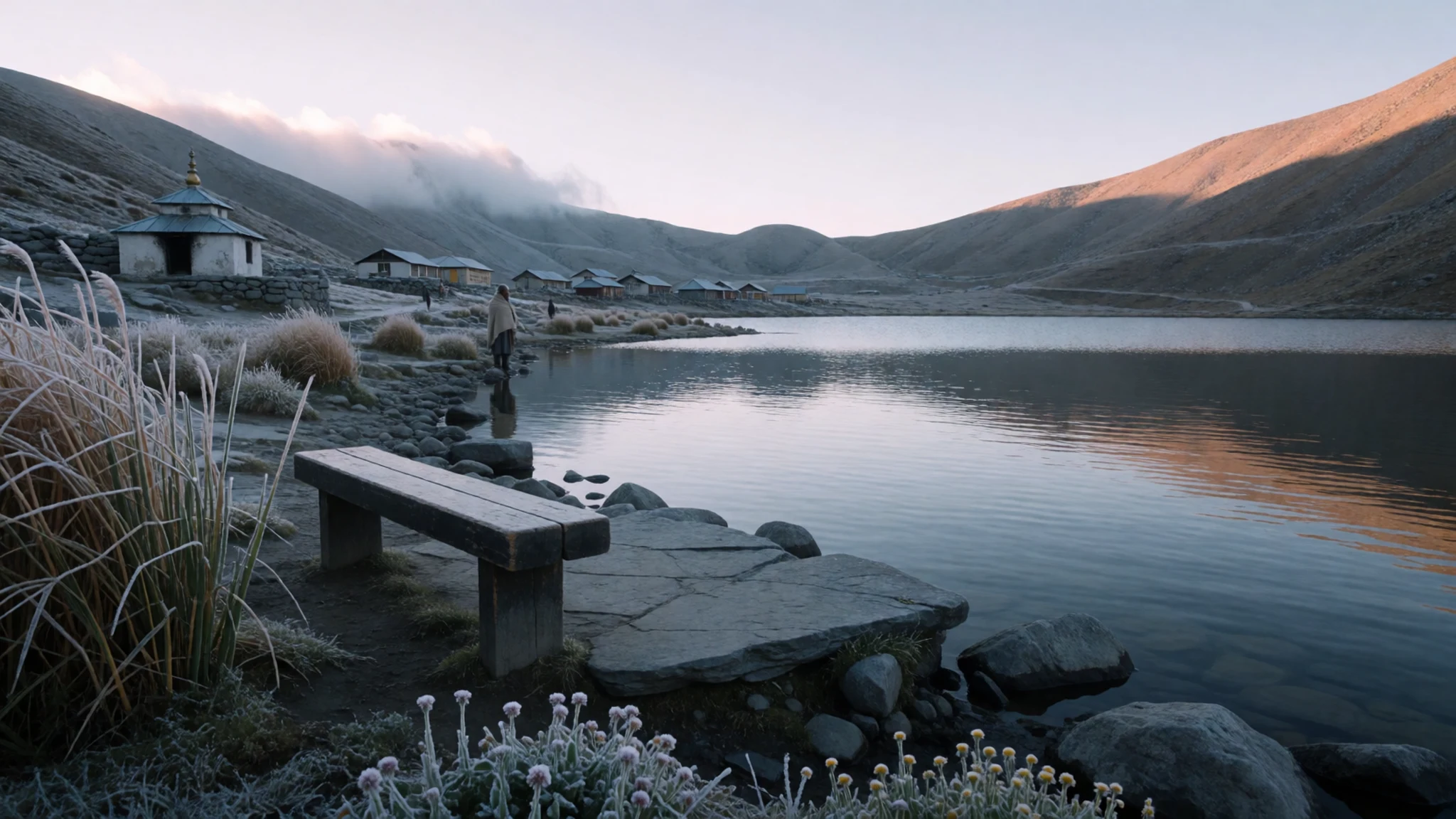
- The lake in winter — Gosaikunda basin, Rasuwa District
In the cold months the surface freezes and snow smooths the shoreline, turning the basin white and silent. Few trekkers come, many lodges close, and the route needs winter mountain experience, proper kit and local advice. For most visitors the frozen lake is best enjoyed in photographs; for the experienced it is stark and still.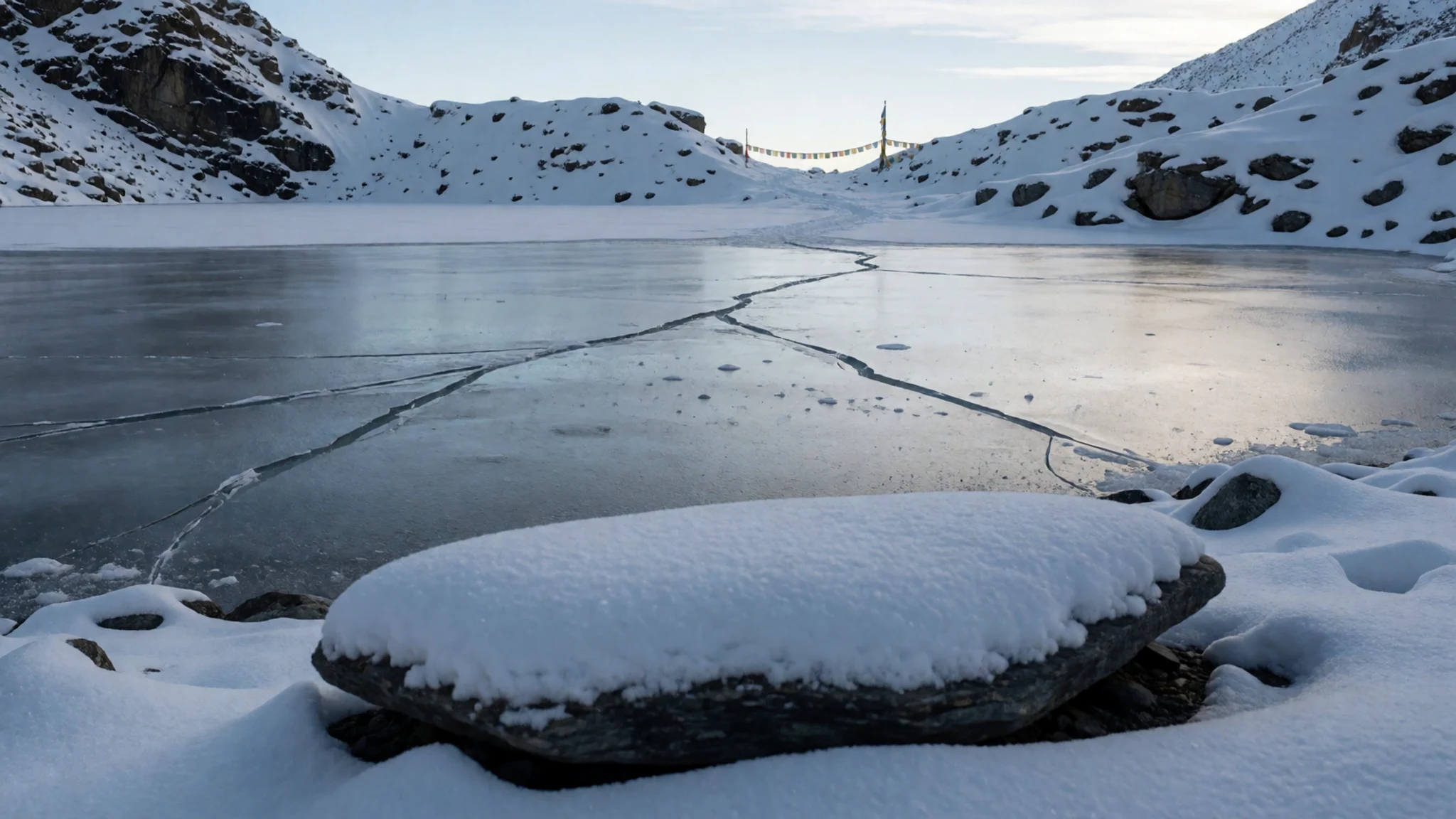
- Saraswati Kunda and Bhairav Kunda — Beyond the main shore, Gosaikunda basin
Two of the neighbouring lakes lie a short walk from the main shore, each with its own pilgrim associations. They are smaller and quieter, and walking between them across rock and scrub gives a better feel for the legend of 108 lakes than the main shore alone. Watch for loose stones and old snow patches.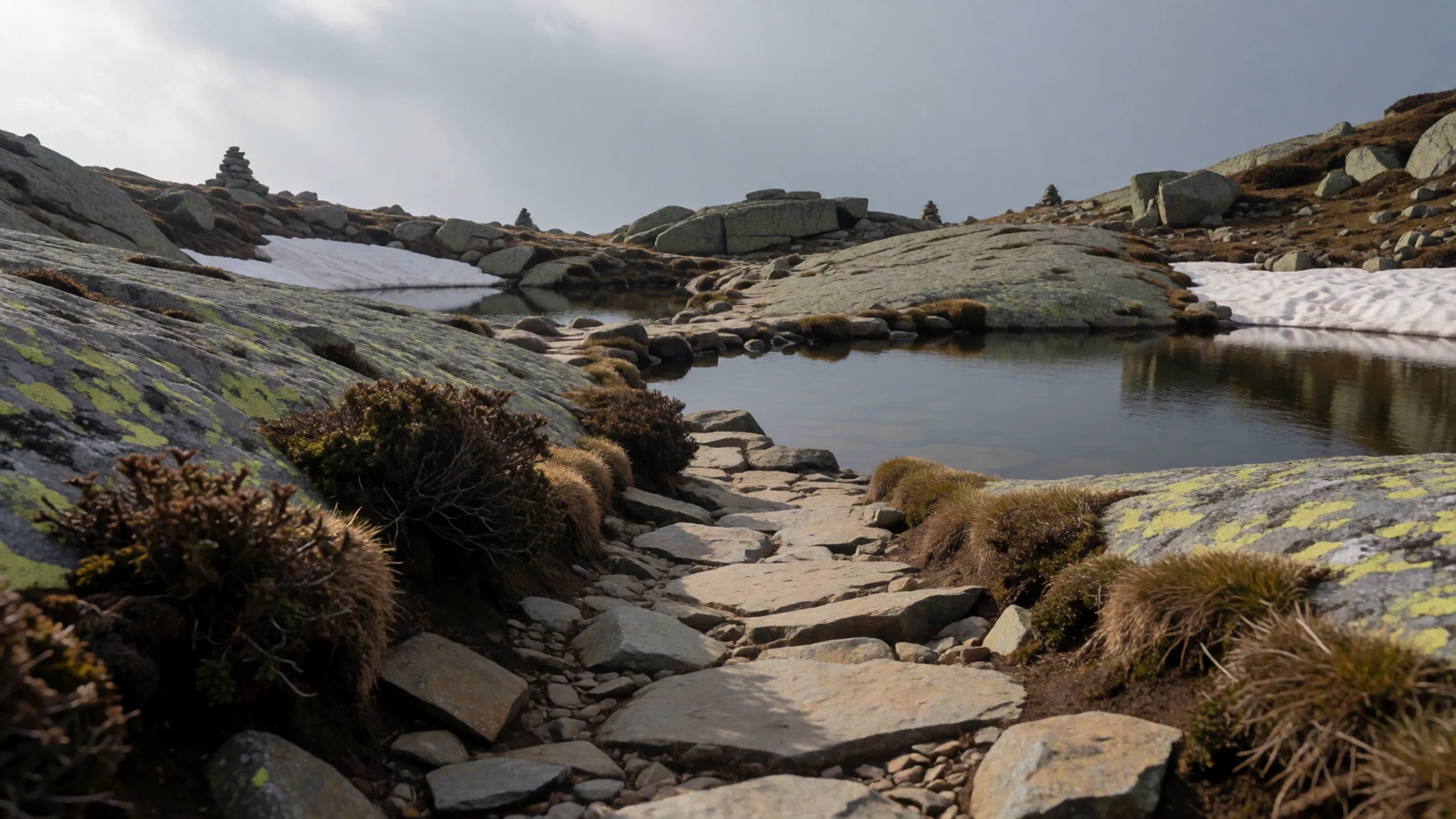
- Lauribina La pass — Edge of the Gosaikunda lake complex
The Lauribina La pass, at 4610 m, is the high point for trekkers continuing towards Helambu. The climb above the lake is steep and cold, and weather can close in quickly. A crossing needs good acclimatisation, an early start and reliable local information. Many visitors simply walk part-way up for the view back over the lakes.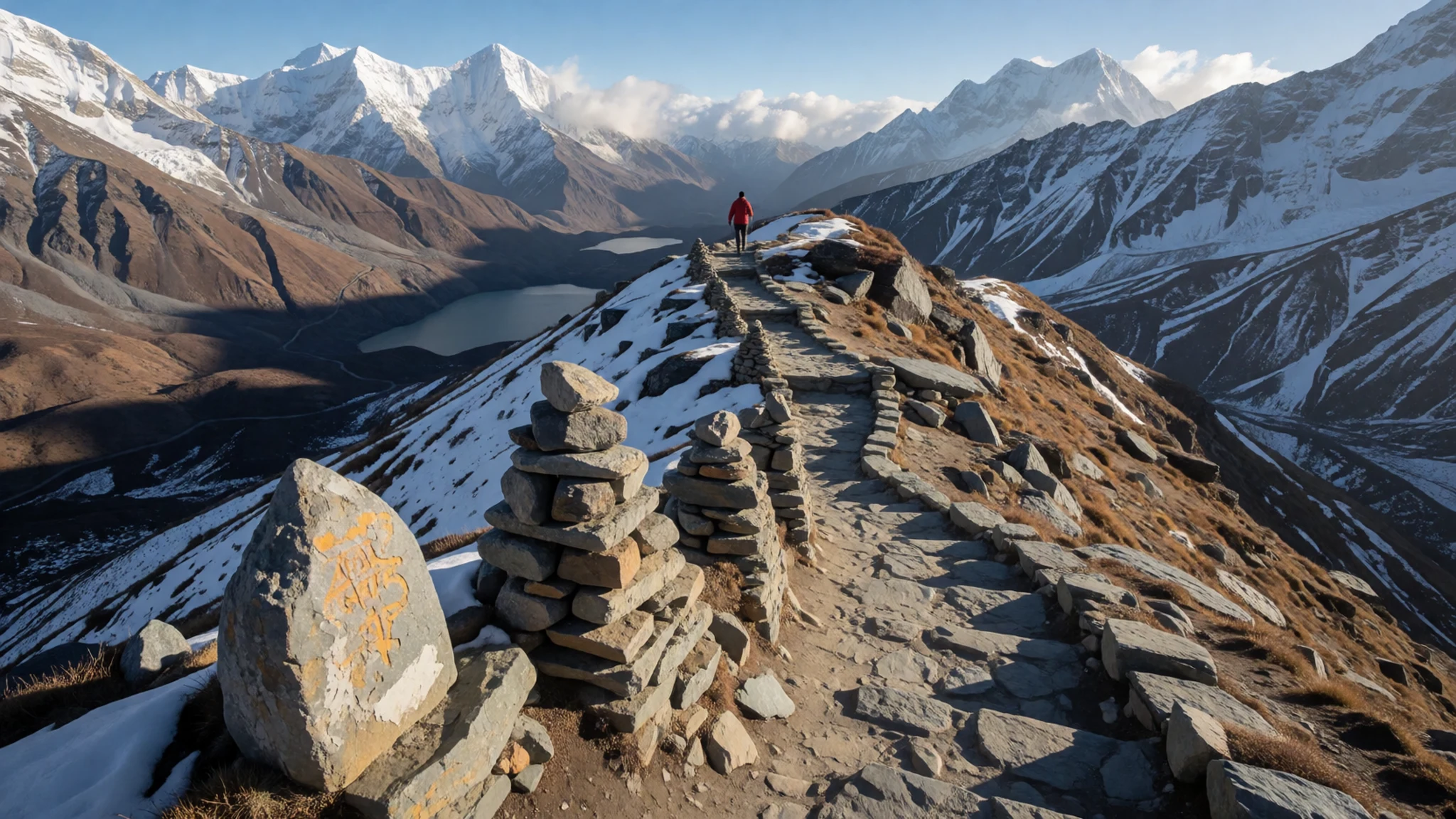
- The full moon festival — Lakeshore at Gosaikunda
At the full moon of the monsoon month, pilgrims fill the lakeside to bathe, make offerings and sing. Shamans drum, lodges and tents are packed, and the weather is often wet and cold. The crowds are heavy and the atmosphere strong, so book lodging early and expect basic, shared conditions.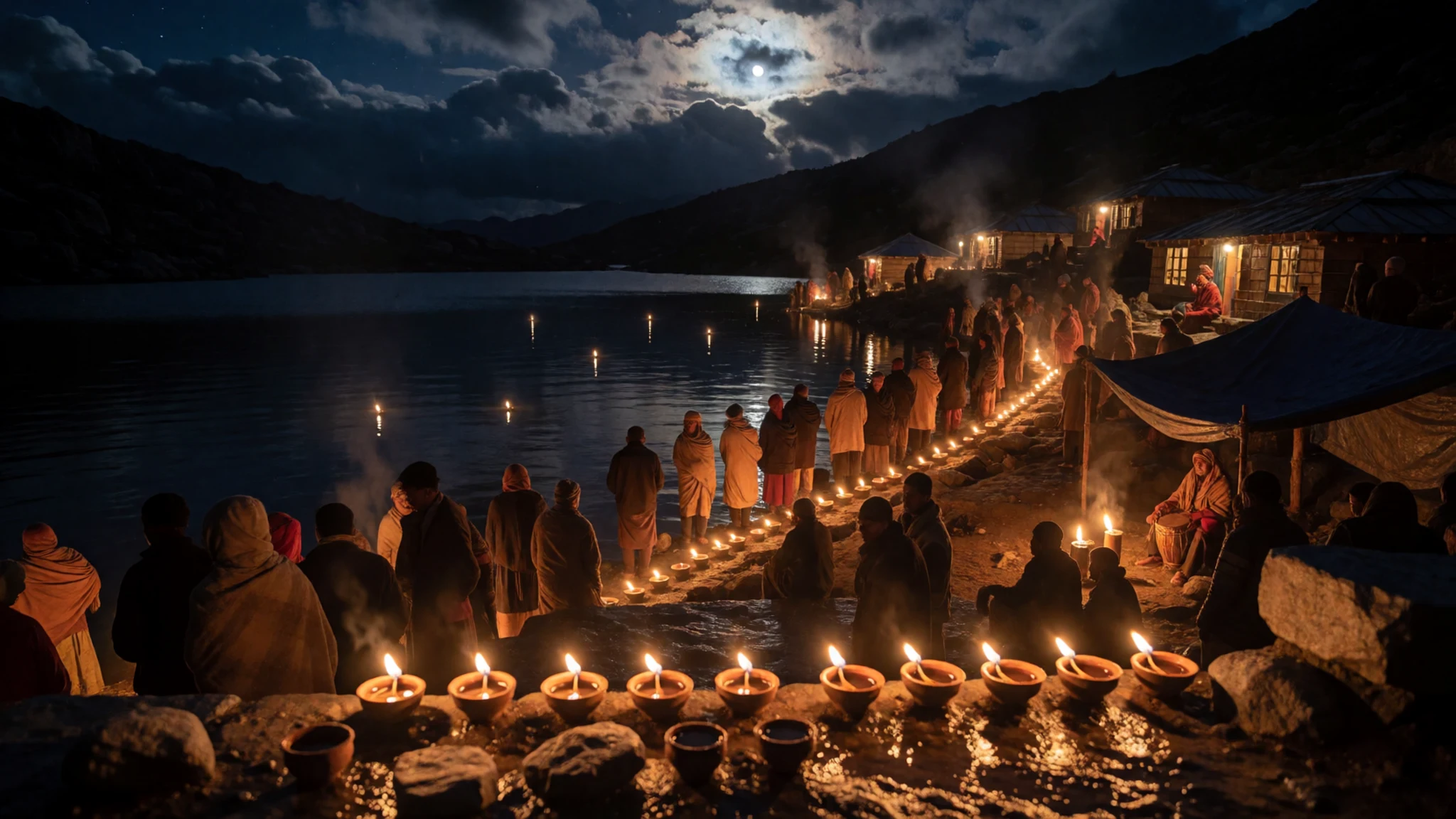
Culture
Gosaikunda is a working pilgrimage site first and a trekking destination second, and daily life around it follows the calendar of faith. Hindu devotees come to bathe at dawn, offer flowers, rice and incense at the small Shiva shrine on the shore, and tie cloth or thread as a vow. Buddhist visitors and many Tamang families from the villages lower in Rasuwa bring their own practices, including juniper smoke offerings and prayer flags. Shamans sometimes drum and chant, especially around the festival. The lodges beside the lake are run by families from the valleys below. Food and fuel are carried up on porters' backs, which shapes what is on the menu and why prices rise with altitude. Tea is the shared language of the trail, and sitting at a kitchen fire with a glass is where most conversations with hosts begin. A simple 'namaste' with palms together suits everyone, whatever their faith. The lake is both a shrine and a source of water for communities downstream, so rubbish, soap and waste carry a moral weight here as well as an environmental one. Keep voices low near the shrine, walk clockwise around it as devotees do, and do not photograph people bathing or praying without asking first.
What to wear
Traditional dress around Gosaikunda depends on the community. Tamang women of Rasuwa wear a wrapped skirt of cotton or wool, a velvet or cotton blouse, a woven sash and, on festival days, heavy beaded necklaces with gold-coloured ornaments. Tamang men favour the daura-suruwal, a tunic with fitted trousers, often with a topi, the brimless Nepali cap, and a wool shawl. Sherpa and Hyolmo families nearby wear the chuba, a wrap robe of wool or cotton tied at the side, with striped aprons for married women. Pilgrims often choose white or saffron cloth for the festival, and shamans wear feathered headdresses and bells. In everyday life, most people on the trail now wear fleeces, down jackets, woollen hats and trekking boots, keeping traditional dress for festivals and village events. Visitors should think in layers: thermal base layers, a fleece, a windproof and waterproof shell, a warm hat, gloves and sunglasses, because the sun is harsh at this height and nights fall below freezing. Sturdy, broken-in boots with ankle support and good grip suit the rocky and sometimes icy ground. Modesty is relaxed on the trail, but cover shoulders and knees at the shrine.
What to eat
- Dal bhat — Any teahouse dining room on the trail, and eateries in Dhunche
Rice with lentil soup, a vegetable curry and a spoonful of pickle, usually with free refills. It is the standard trekking meal because it is filling, cooked fresh and reliable at altitude.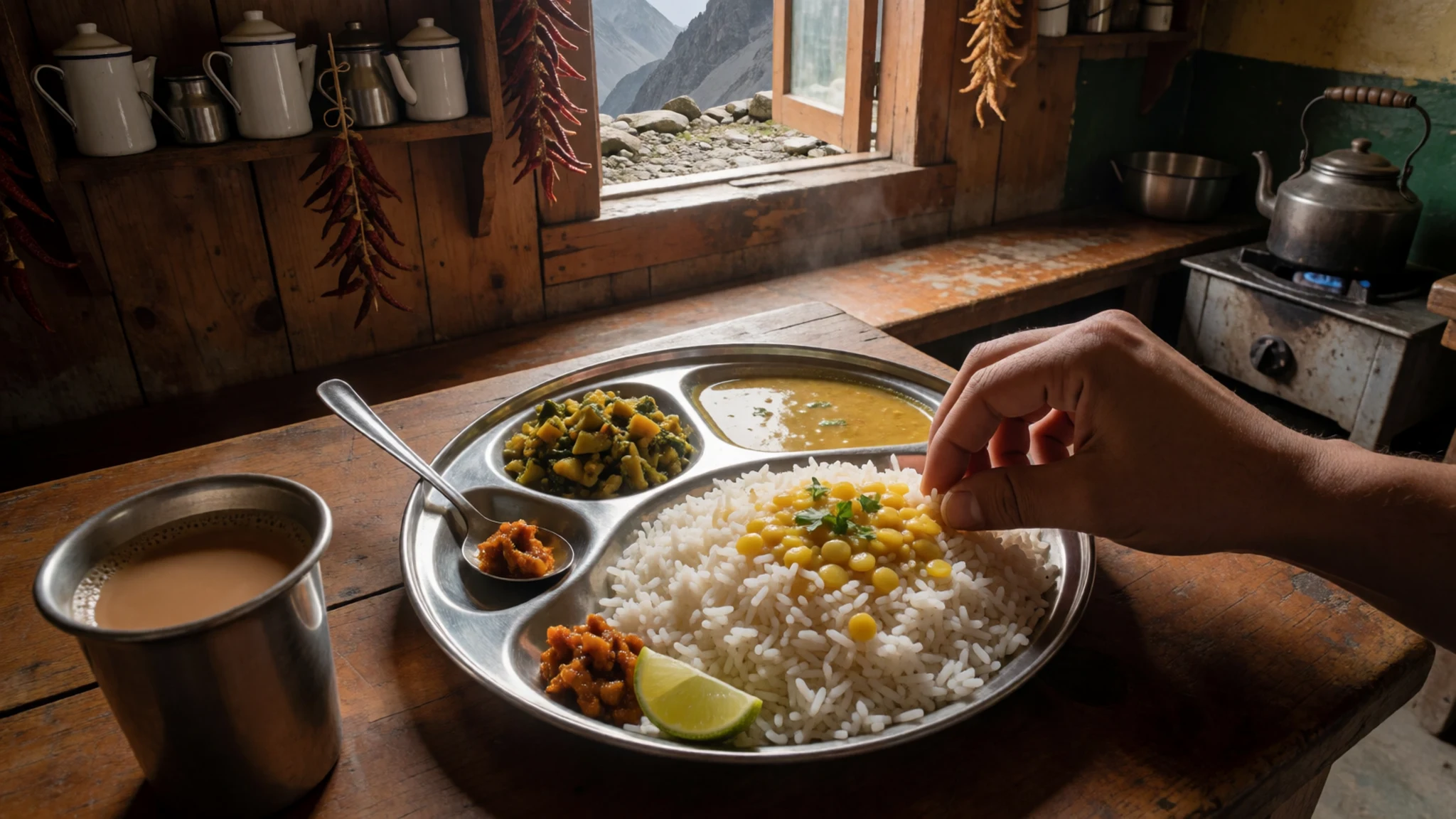
- Thukpa — Lodge kitchens at the lake and in Tamang and Sherpa villages
A hot noodle soup with vegetables, sometimes egg or meat, from the Tibetan-influenced kitchens of the mountains. It warms quickly after a cold arrival and is easy on the stomach at altitude.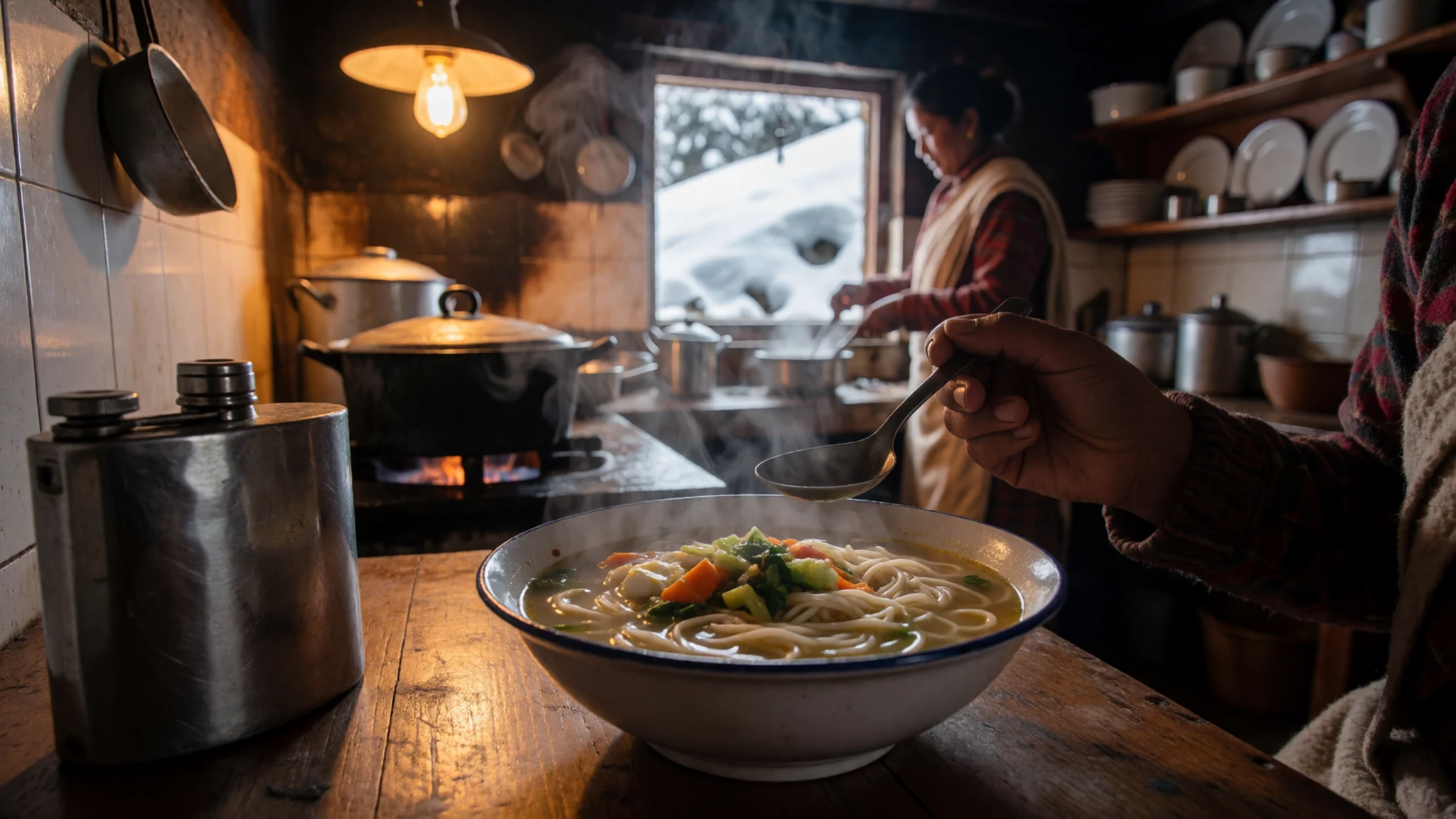
- Momos — Eateries in Dhunche bazaar and lodge kitchens on the route
Steamed or fried dumplings filled with vegetables or minced buffalo meat, served with a spicy tomato chutney. Portions are small, so people often order a second plate after a long day of walking. - Tibetan bread with honey or egg — Teahouse breakfast tables along the trail
A flat, lightly fried bread eaten at breakfast, often with local honey, jam or a fried egg. It is simple and filling, and good fuel for the steep morning climbs. - Ginger-lemon-honey tea — Every teahouse and lodge on the route
A hot mix of fresh ginger, lemon and honey served by the pot, a trail favourite for cold evenings and for easing a dry throat. Butter tea, salty and rich, is the more traditional local choice.
Plan it
Best time. April–May and October–November are the usual trekking windows, with clearer mornings in autumn and rhododendron bloom lower down in spring. June to September is monsoon, with cloud, heavy rain and leeches on the lower trails. Winter freezes the lake, brings snow on the pass and needs proper cold-weather experience.
How long. 5–7
Getting there. Fly to Tribhuvan International Airport in Kathmandu, then take a bus or shared jeep on mountain roads to Dhunche in Rasuwa District, a long day. From Dhunche the last leg is on foot, climbing for several days through forest to the lake.
Budget. low
Tips
- Ascend slowly and add a rest night for acclimatisation, because altitude sickness is the main danger here
- Check current permit requirements for Langtang National Park with the park office or a licensed agency before setting out
- Carry enough cash from Kathmandu or Dhunche, as there are no cash machines on the trail
- Start walking early, because cloud and wind often build by afternoon
- Book lodging ahead or arrive early around the monsoon full moon festival, when places fill up
Etiquette
- Do not bathe or swim in the lake as a visitor, as it is a sacred water and a source for communities downstream
- Carry out all rubbish, and avoid washing with soap near the lakes
- Ask before photographing pilgrims, shamans or people at prayer
Nearby
Sources
- Wikidata Q2565308 (CC0)
- Wikipedia: Gosaikunda (rev 1375191646) (CC BY-SA 4.0)
- Wikivoyage: Gosainkunda (CC BY-SA 4.0)
- Photo: Gosaikunda of Rasuwa (Bharat2) (CC BY 3.0)
- Photo: The Holy Gosainkunda Lake during the winter (Saroj Pandey) (CC BY-SA 4.0)
- Photo: South Asia non political, with rivers (DEMIS Mapserver) (CC BY 3.0)
- Photo: Gosaikunda full moon festival in the rain (Felix Dance) (CC BY 2.5)
- Photo: natural lake of gosaikunda (Bharat2) (CC BY 3.0)
- Photo: green (Bharat2) (CC BY 3.0)
- Photo: gosaikunda (Bharat2) (CC BY 3.0)
- Photo: Above the sky (Liran Ben Yehuda) (Public domain)


