Frenchman's Cay
Frenchman's Cay, United Kingdom
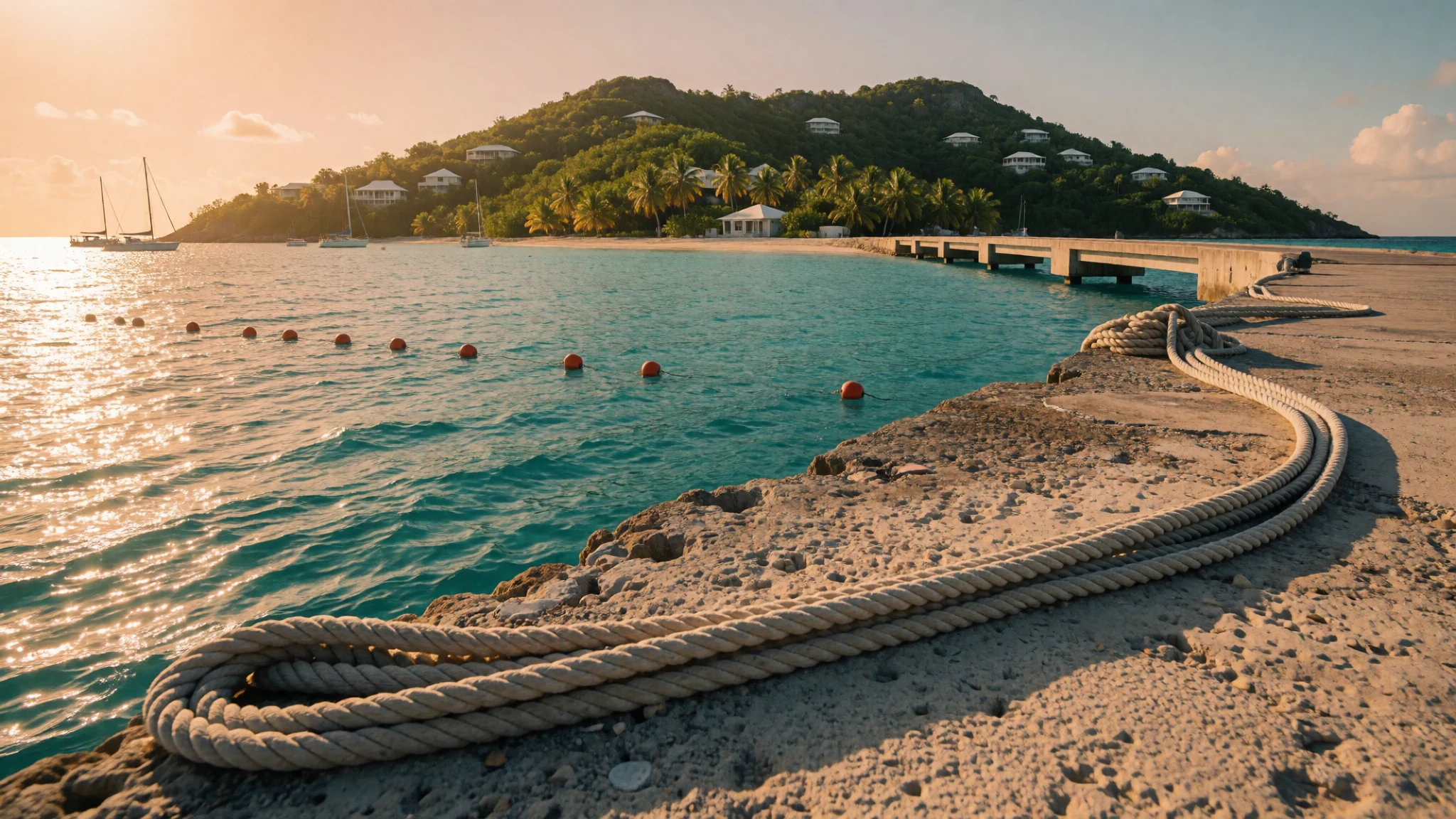
Frenchman's Cay is a small, boat-filled island at Tortola's western tip, reached by a short bridge and set among sheltered sailing waters.
The place
Frenchman's Cay sits at the western end of Tortola in the British Virgin Islands, a Caribbean territory that keeps its own border control separate from the rest of the United Kingdom. The cay is joined to Tortola by a very short bridge, which the territory's government demolished and rebuilt in 2022, so there is no ferry to catch and no timetable to plan around. It is small enough to understand in an afternoon: roughly 1.6 km long and under half a kilometre wide, with a rise of 94 m at its highest.
What it holds is a working, slightly unglamorous harbour community. There are houses, a handful of restaurants, a yacht harbour and a resort complex, and the water around it is full of masts. To the north-west the neighbouring islands of Great Thatch and Little Thatch are visible, the latter only about 400 m away, and on a clear day the view runs across the channel towards Jost van Dyke.
The wider setting helps explain the feel. The British Virgin Islands are made up of more than 60 islands and keys, mostly steep and volcanic, with a few low coral ones such as Anegada. Trade winds from the east keep the climate comfortable, with little change in temperature through the year and fairly low humidity.
Frenchman's Cay is therefore less a sight than a base: a place to arrive by boat or car, eat by the water and watch sailing traffic come and go. Visitors wanting a long empty beach will head to other parts of Tortola, but those who like harbours, anchorages and sea views at the end of the road will find it easy and relaxed.
Its story
The story of Frenchman's Cay belongs to the story of the Virgin Islands as a whole, because the cay itself has left little written trace beyond its name. The Arawak are believed to have reached these islands from South America about 2,000 years back, yet traces suggest indigenous peoples were living here even earlier, as far back as 1500 BC. The Arawak were later pushed out by the Carib, who spread from the Lesser Antilles.
European interest began in the early 16th century, when Spain claimed the islands but never settled them. That left a gap that others filled. English, Dutch, French, Spanish and Danish interests all competed for the area, and its sheltered, island-studded waters made it a notorious haunt for pirates. A name like Frenchman's Cay is a reminder of that crowded, shifting cast, even if the exact origin of the label is not recorded in the sources used here.
In the end the English consolidated control of Tortola, Virgin Gorda, Anegada, Jost van Dyke and the smaller islands around them, and these became British overseas territory. Frenchman's Cay, beside Tortola's western end, went with them.
The modern chapter began in the 1960s, when the islands steadily turned their economy towards tourism and financial services. The result is one of the wealthier corners of the Caribbean, and the US dollar is the legal currency. The cay's yacht harbour and resort reflect that shift: a place once contested by rival empires is now defined by moorings, charters and visitors. Hurricane Irma in September 2017 was a sharp reminder that the weather still shapes life here.
What to see
- The bridge and the western tip of Tortola — West End, Tortola
The short bridge linking Frenchman's Cay to Tortola is the cay's defining feature and was rebuilt in 2022. Walking or driving across it, you pass from the main island to the harbour community in moments. It makes a good viewpoint for watching boats come and go.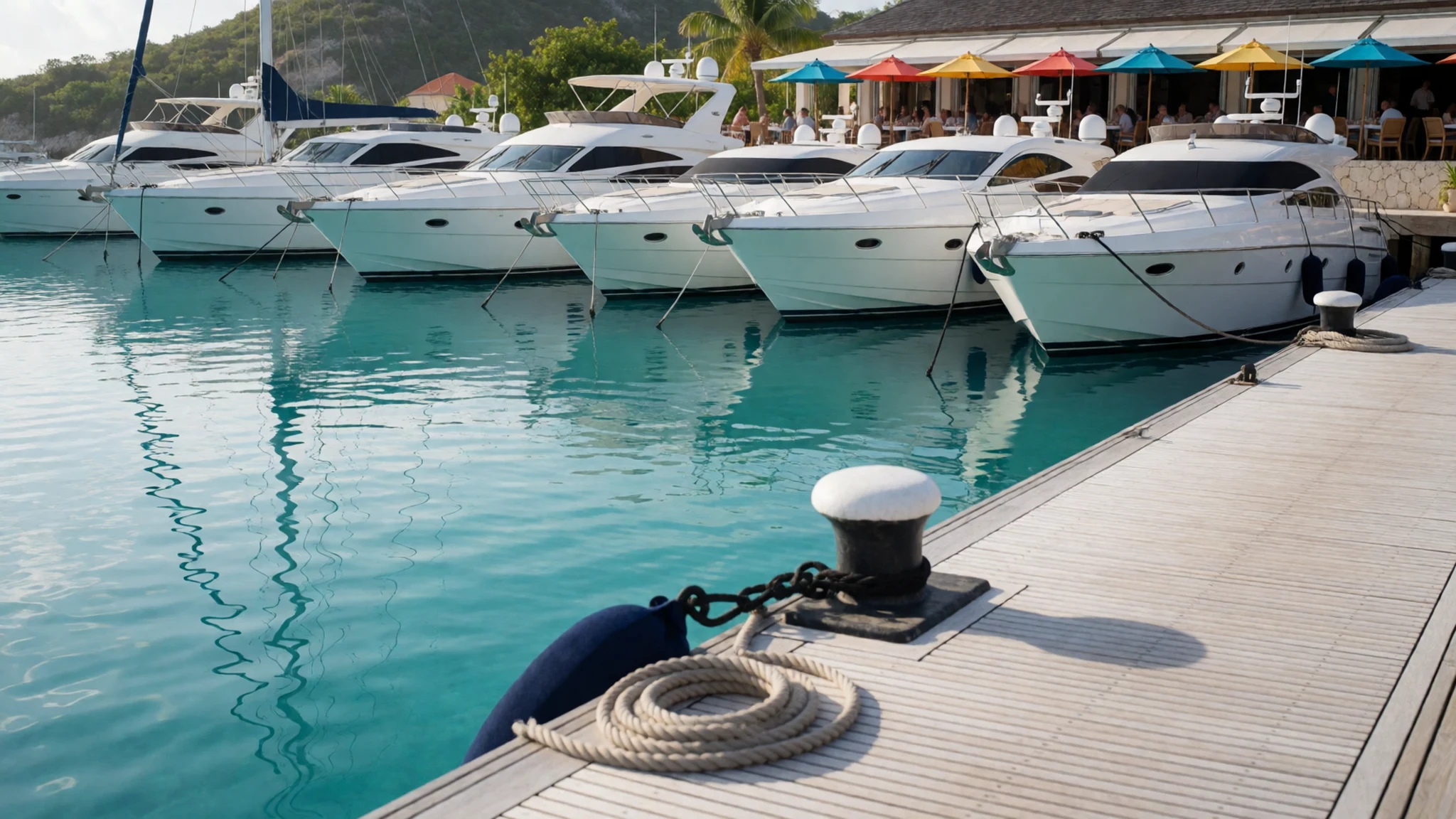
- The yacht harbour — Frenchman's Cay
Masts, charter boats and dinghies fill the water around the cay. The harbour is a good place to understand why the islands are popular for sailing: they sit close together and are well protected from the Atlantic. Even if you are not sailing, an hour watching the traffic is rewarding.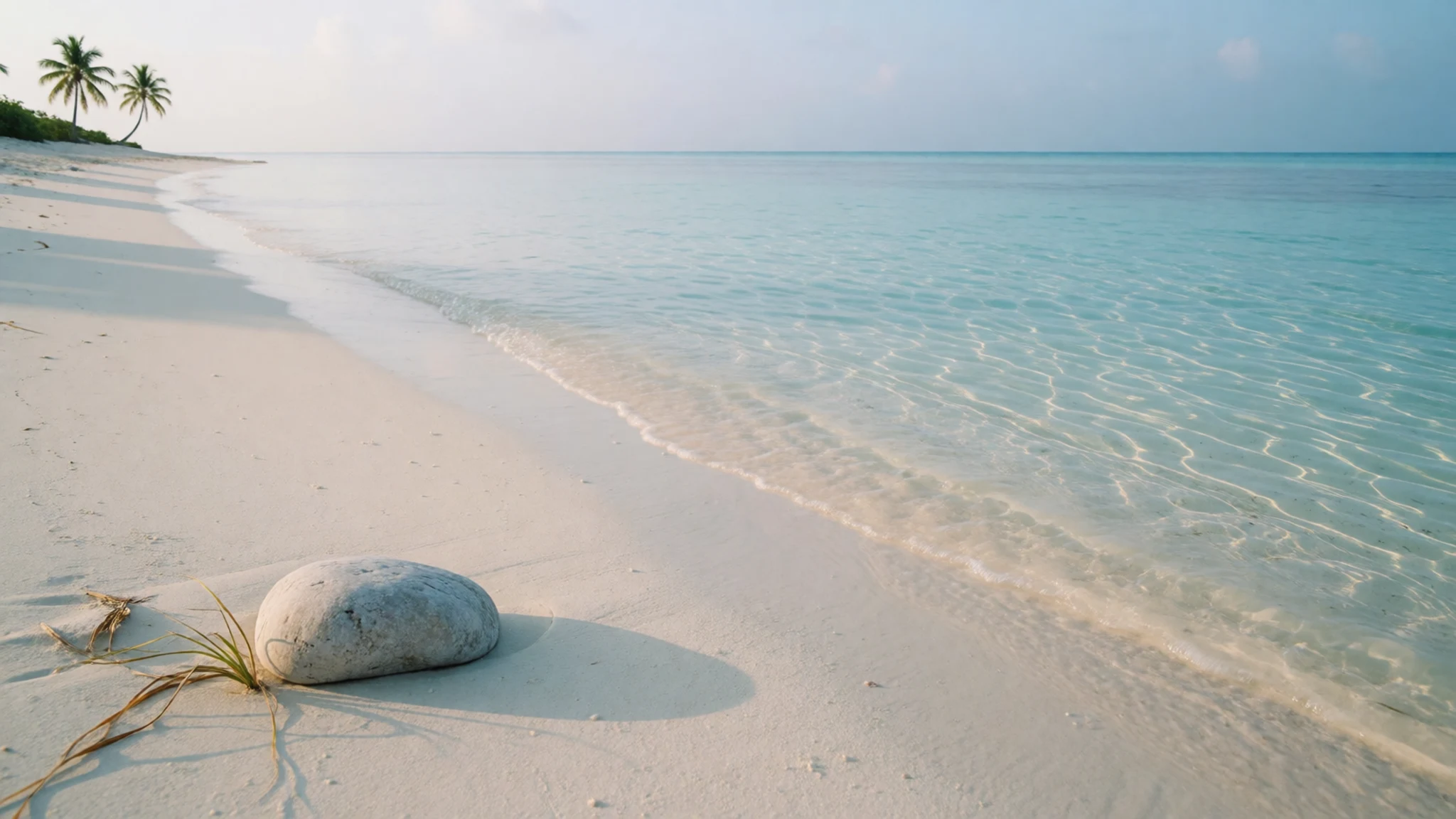
- View towards Great Thatch and Little Thatch — Northwest shoreline
Looking north-west from the cay, the two Thatch islands lie across the water, Little Thatch only about 400 m away. On a clear day Jost van Dyke can be picked out beyond. Early morning light is calmest and the channel looks its bluest then.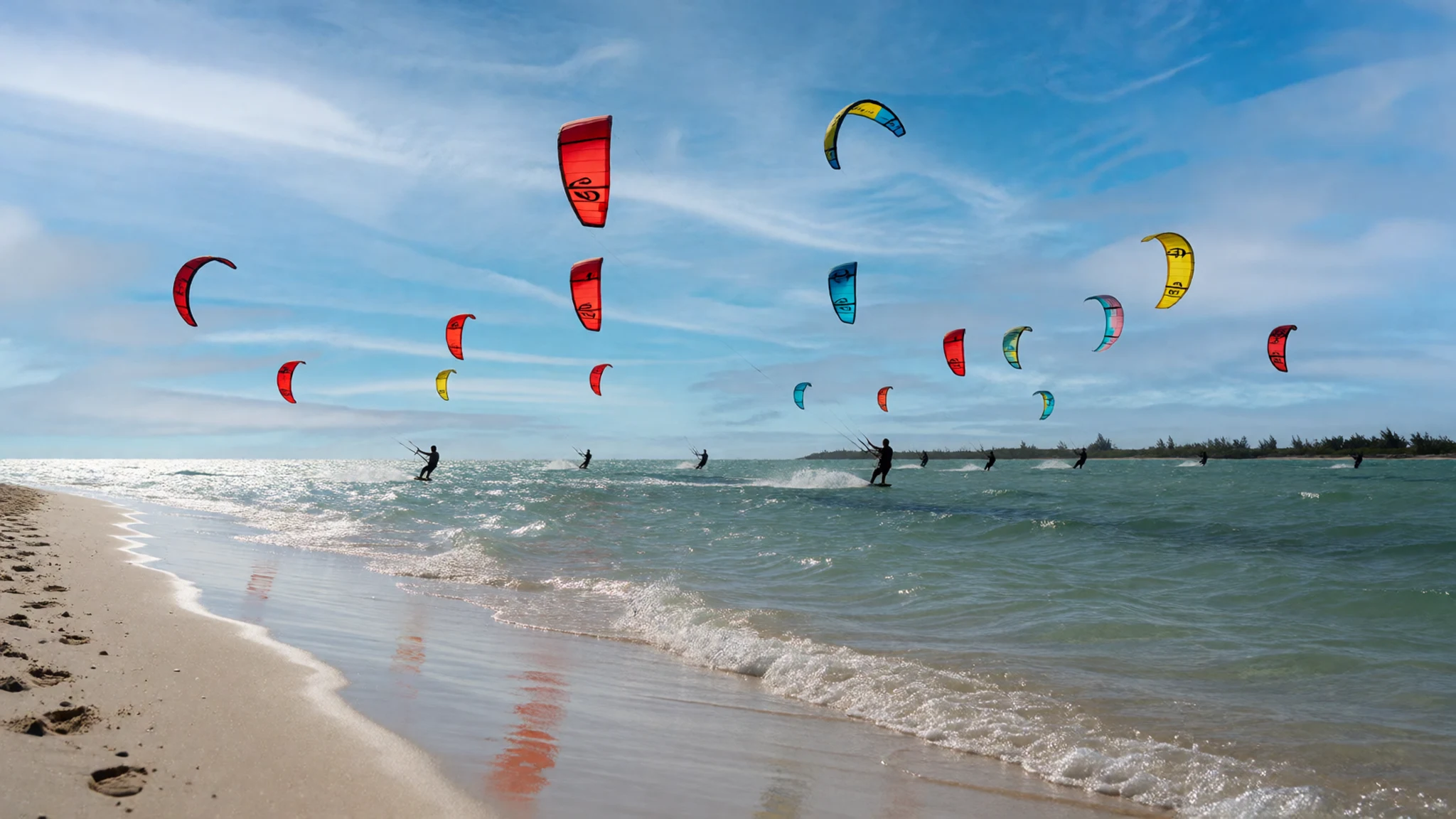
- West End panorama — West End, Tortola
The western end of Tortola gives a wide view over the channel, the cay and the passing boats. It is an easy stop for photographs, and the surrounding hills show the steep volcanic shape typical of the main islands.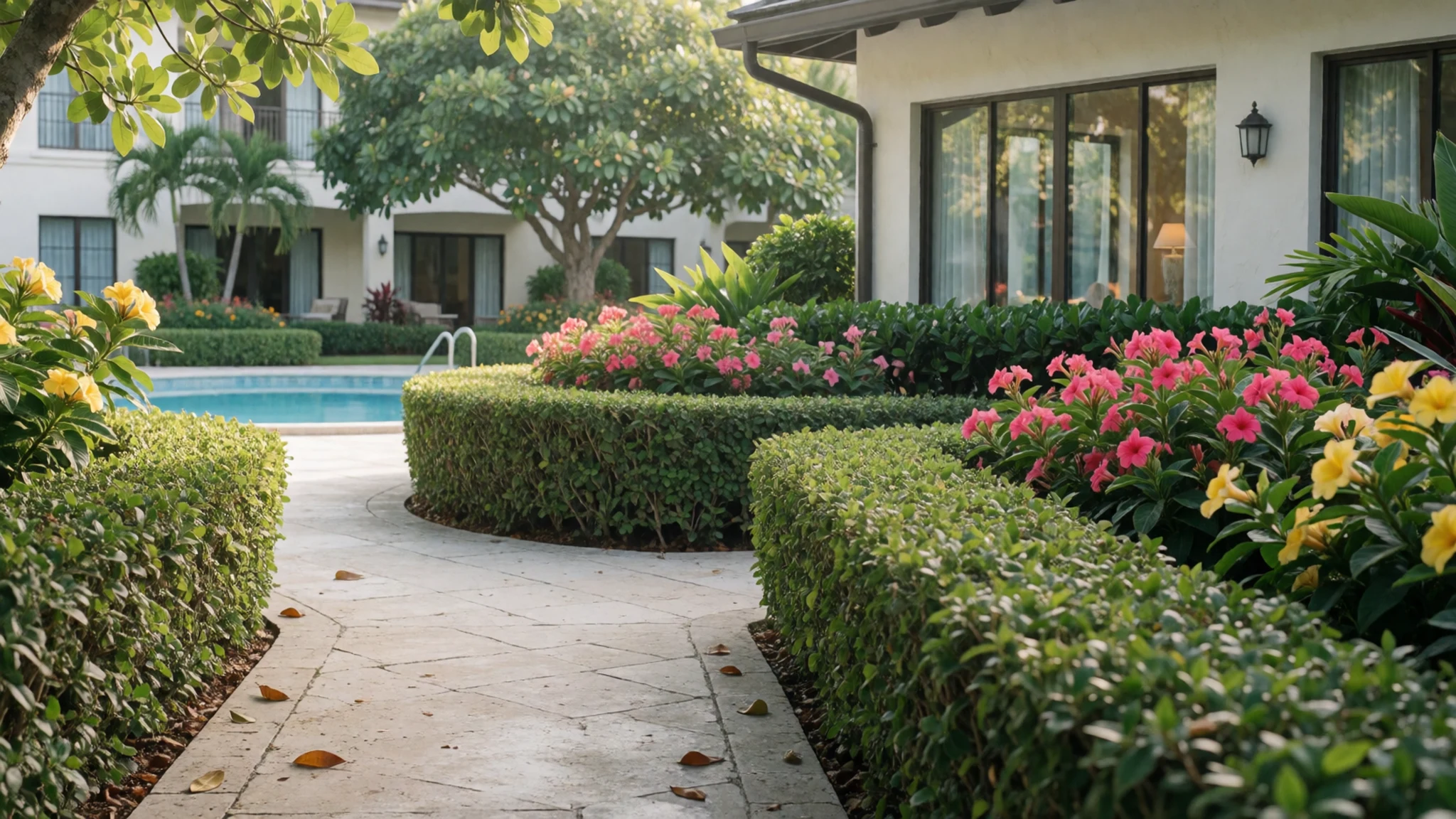
- Day trips by boat — Surrounding waters
Many of the islands' best beaches and reefs are a short sail away, and charter companies operate across the territory. Tortola's north-side beaches and the west side of Virgin Gorda are generally quieter, though Cane Garden Bay can be busier. Pack water and lunch, as many beaches have no facilities.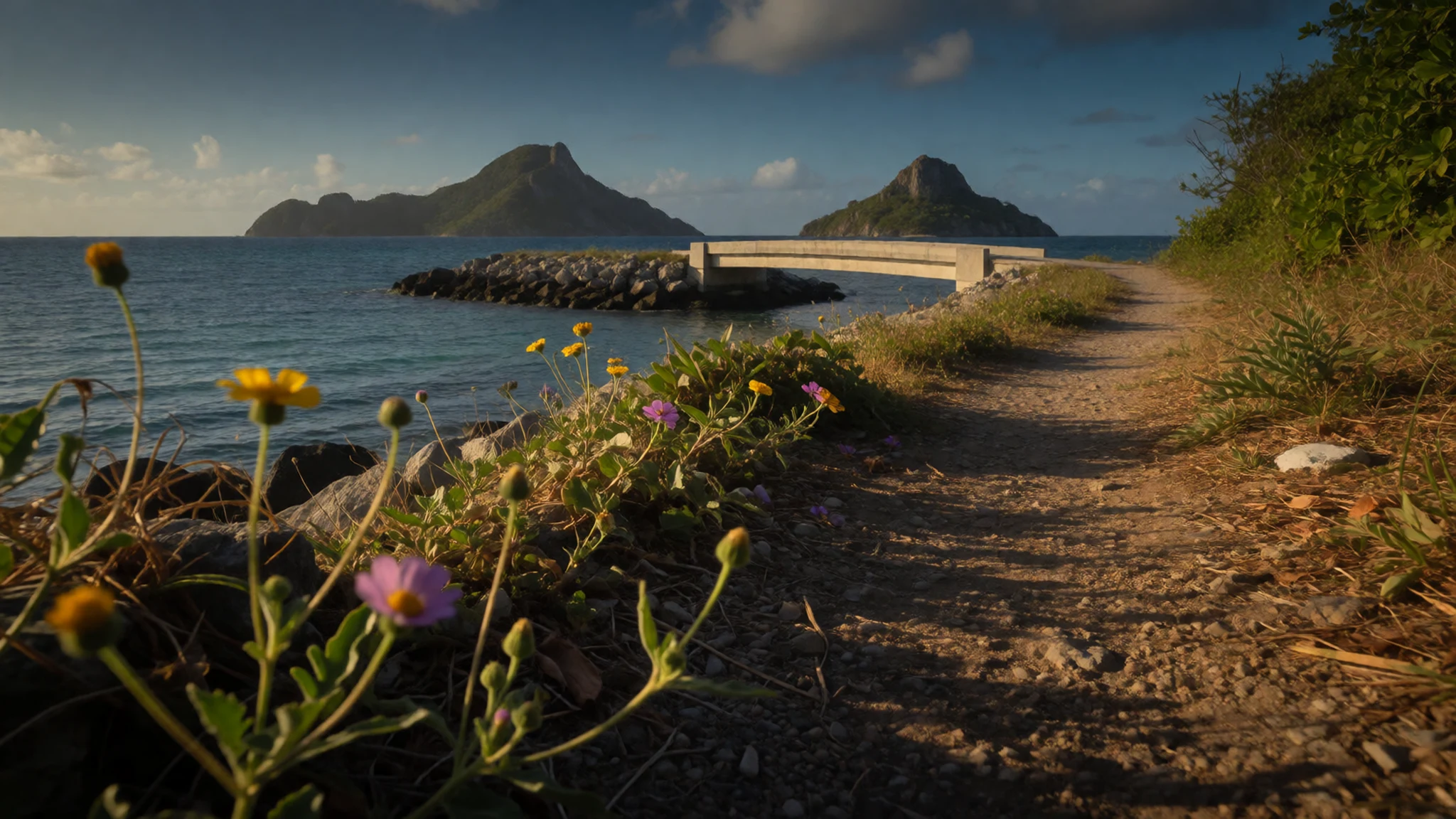
Culture
Frenchman's Cay shares the culture of Tortola and the wider British Virgin Islands, where the sea shapes almost everything. Sailing, fishing and boat maintenance are part of daily life, and the economy leans heavily on visiting yachts and tourism. The territory is British in its constitution and institutions but keeps its own border control, and the US dollar is the everyday currency, which surprises some visitors from the UK and India.
The food and music reflect a mixed Caribbean heritage. Rotis and curries inspired by Guyana and Trinidad sit beside Italian, French and Asian influences, and rum drinks are part of the social fabric of beach bars. Sailing weeks and events such as the BVI Kite Jam show how closely leisure and the water are bound together.
Life around a harbour community is relaxed but not careless. Hurricanes are a real part of local memory, and the rebuilding after Irma in 2017 shaped attitudes to weather and preparation. Residents generally welcome visitors, and the territory has lower crime than many Caribbean destinations, though good judgement still applies. Drug possession and supply are criminal offences with severe penalties, whatever the laid-back reputation of the region.
In practice, the cay feels more like a working marina village than a resort strip. Greetings matter, conversations are unhurried, and service can be slower than visitors from busy cities expect. Patience is rewarded.
Greet people with a friendly good morning or good afternoon before asking for anything, and keep swimwear for the beach and boat rather than wearing it in shops and restaurants.
What to wear
Frenchman's Cay has no single traditional dress of its own, and the sources for this reading do not describe a distinct local costume or textile. Like much of the Caribbean, the islands have a wider heritage of festival and celebration clothing, usually bright cotton, but the details vary and are best learnt from local events rather than assumed.
What people wear day to day is shaped by heat, sun and the sea. Locals and long-stay sailors favour light cotton or linen shirts, shorts, sundresses and sandals or boat shoes. Quick-drying fabrics are common around the harbour, and sun hats and sunglasses are everywhere. Smarter outfits appear for dinner at the resort or in restaurants, though even then the mood is casual, with collared shirts or simple dresses rather than formal wear.
Visitors should dress for a tropical climate tempered by trade winds. Pack breathable cotton or linen, a long-sleeved shirt or light wrap for strong sun, a hat, reef-safe sunscreen and swimwear. Footwear should be easy to slip off: sandals for the shore, and non-slip deck shoes if you are going aboard a boat. Trainers or sturdy sandals suit walks over the bridge and along hillside roads.
Cover up when you leave the beach. Walking through villages or entering shops and restaurants in swimwear is considered poor manners, so carry a shirt or sarong. In the rainy and storm season, a light waterproof is more useful than an umbrella, as the wind can be strong.
Indian and British visitors will find that the dress codes are relaxed but expect basic modesty away from the sand.
What to eat
- Fish and fungee — Local eateries on Tortola
Considered the national dish of the British Virgin Islands. It pairs fish with fungee, a cornmeal-based side. Look for it at local restaurants and casual eateries around Tortola, often as a lunch or a traditional weekend plate.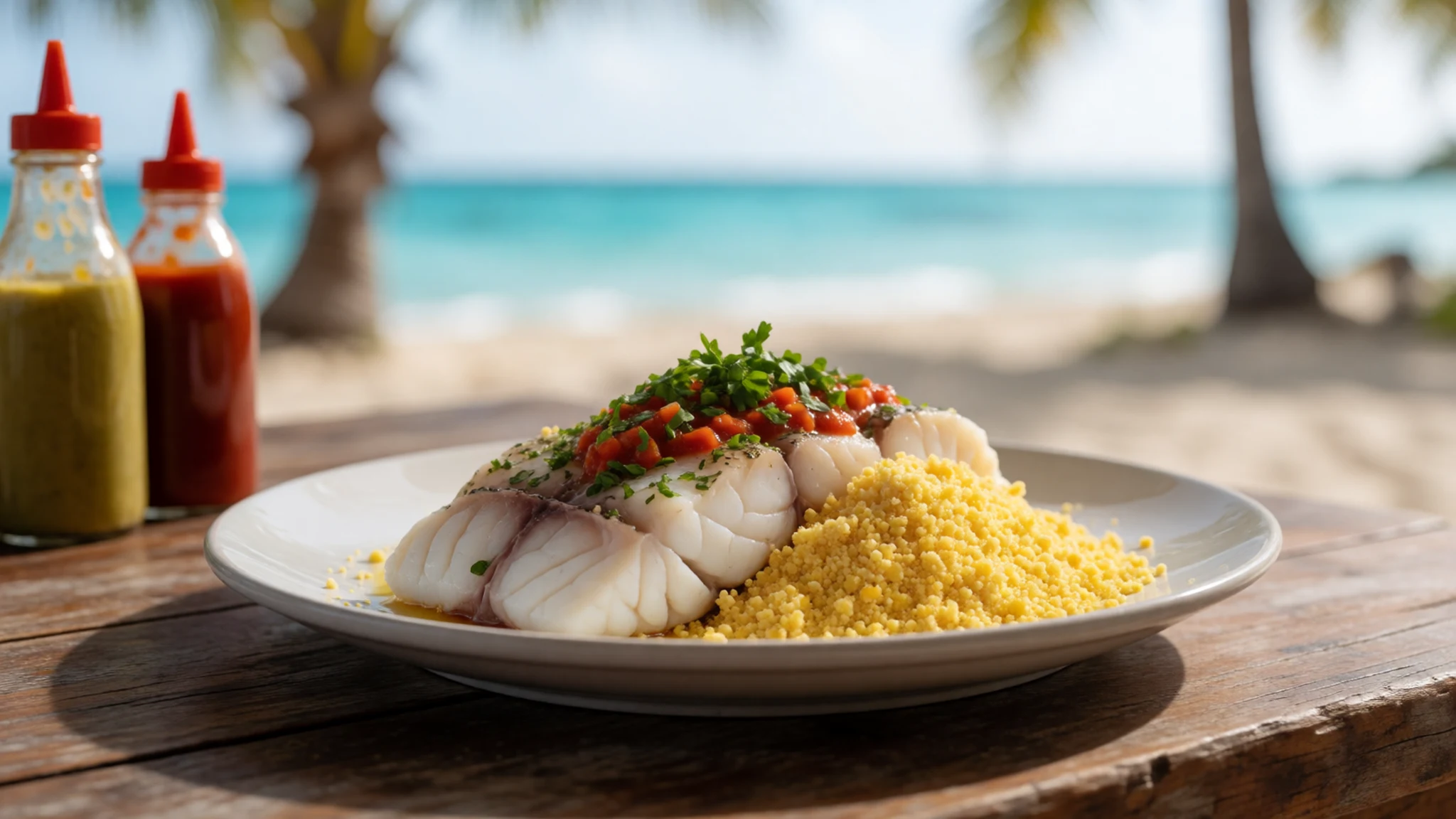
- Fresh lobster — Harbourside restaurants near the cay
Freshly caught seafood is the dish of choice across the islands, and lobster is a favourite when in season. It is usually grilled and served simply. Ask at harbourside restaurants what has come in that day.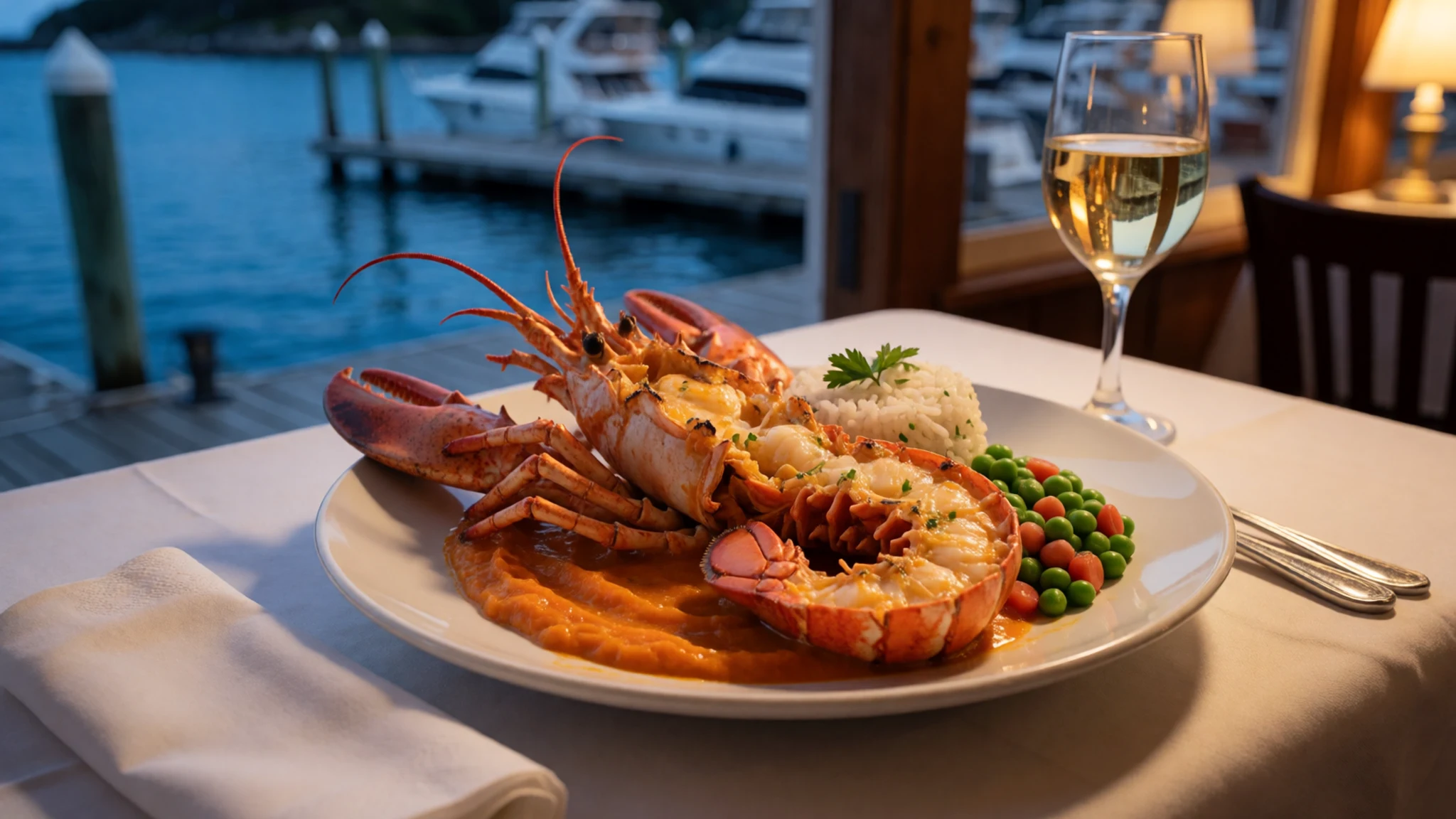
- Grilled catch of the day — Beachside cafes and harbour restaurants
Various local fish are cooked whole or as fillets, often with lime, herbs and spice. This is an easy order at beachside cafes and harbour restaurants, where the menu usually follows what the boats have landed. - Roti and curry — Casual local eateries on Tortola
Rotis and curries inspired by Guyanese and Trinidadian cooking are part of the local table. Indian visitors will recognise the spicing and flatbreads, though the fillings and heat differ. Try them at casual local eateries. - Painkiller — Beach bars and harbour bars
A rum drink made with coconut and topped with orange juice, widely recommended in the islands. Each bar has its own version, so it is worth sampling a few. Treat it as strong and pace yourself in the heat.
Plan it
Best time. December to May is the usual sailing and beach season, with trade winds and little seasonal temperature change. The low season brings a chance of tropical storms and hurricanes, so check forecasts if travelling between June and November, and avoid peak storm weeks in September.
How long. 2–3
Getting there. Most visitors fly to San Juan in Puerto Rico, Antigua or Saint Martin and change for Beef Island on Tortola, as that airport cannot take large aircraft. Alternatively fly to St Thomas in the US Virgin Islands and take a ferry. From Tortola's West End, the cay is reached by a short bridge.
Budget. high
Tips
- Carry your passport on ferries, as it is checked and enforced at ports
- Check current entry and exit fees on the official BVI government site before travelling
- Bring water and lunch for beaches, as many have no facilities
- Expect to pay in US dollars, and carry some cash for small bars
- Book flights with connections early, as Beef Island cannot handle large aircraft
Etiquette
- Cover up with a shirt or sarong away from the beach
- Greet people before asking for service
- Never carry or use narcotics, as penalties can be severe
Nearby
Sources
- Wikidata Q5502699 (CC0)
- Wikipedia: Frenchman's Cay (rev 1364027707) (CC BY-SA 4.0)
- Wikivoyage: British Virgin Islands (rev 5395951) (CC BY-SA 4.0)
- Photo 01, giggel (CC BY 3.0)
- Photo 02, giggel (CC BY 3.0)
- Photo 03, giggel (CC BY 3.0)


