Fox Bay
Fox Bay, United Kingdom
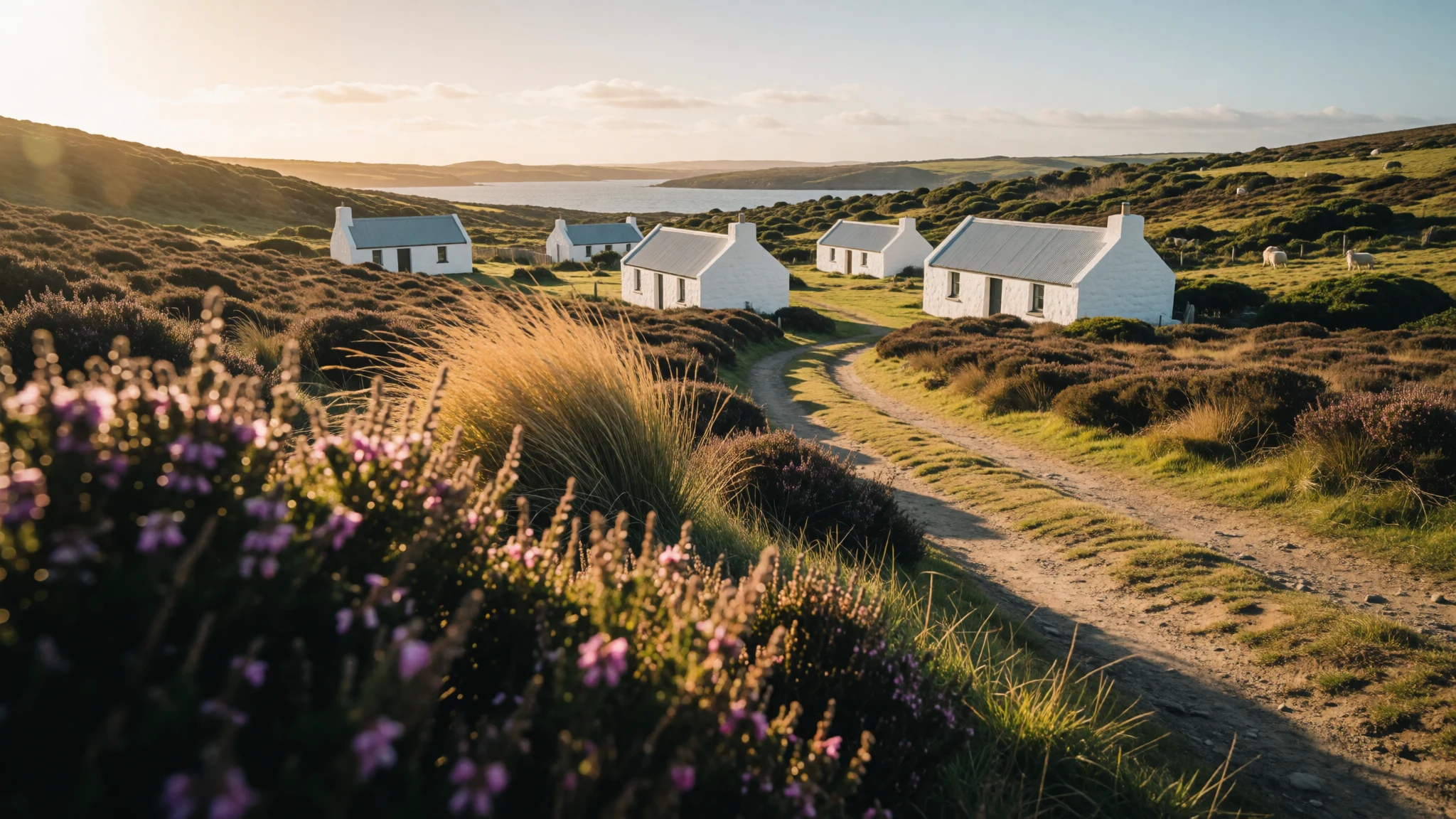
Fox Bay is a tiny farming settlement on West Falkland, worth the small-plane hop for wind, wildlife, wartime history and real remoteness.
The place
Fox Bay lies on the south-east coast of West Falkland, a thin scatter of houses beside a sheltered inlet, with open heath and wind in every direction. Locally it is treated as two settlements, Fox Bay East and Fox Bay West, linked by a gravel road. Added together they form the biggest community on West Falkland; counted apart, Port Howard takes that place. Wikidata records a population of 22, so this is a hamlet by any measure, and the nearest proper town, Stanley, is on the other island. Fox Bay East is the busier half. Its houses are spread around a grassy common, and it has a school, a shop, a social club, a post office and a small base where military helicopters refuel. Fox Bay West is quieter and has shrunk since its farm was broken up. Two airstrips serve the small FIGAS Islander planes that work as the islands' bus service between farms and settlements. The name comes from the Falkland fox, known locally as the warrah, a wild dog-like animal that was hunted out and no longer exists. The Falklands are a UK Overseas Territory, roughly the size of Wales and thinly peopled, and Argentina claims them as the Islas Malvinas. Fox Bay suits people who like weather, birds, long views and silence rather than sightseeing in the usual sense.
Its story
Fox Bay's story is one of sheep farms, a short and sharp war, and the slow breaking-up of big landholdings. For a long time both halves of the settlement were run as company farms, with workers living in houses around the farm buildings. A former whaling inspector and magistrate from South Georgia, James Innes Wilson, settled at the East farm and became a well-liked farmer. Fox Bay once had its own resident medical officer, but today most medical care is based in Stanley. Ownership changed after the war: the Falklands government bought the East settlement in 1983 and divided the surrounding land into three privately owned farms, while the West farm was sold off in 1985. Winter once made the route between the two halves almost impassable, until an all-weather track was laid, one of the first sections of the West Roads network. In 1982 an Argentine garrison occupied Fox Bay and laid minefields around both settlements, since cleared. British Sea Harriers from HMS Hermes attacked, and the Royal Navy shelled the area several times. A supply ship, the Bahía Buen Suceso, happened to be moored at Fox Bay East during the first raid. With houses so close, the pilots chose cannon fire over bombs. The ship's upper works and machinery were hit and a store ashore caught fire, though few people were hurt.
What to see
- Fox Bay East and Fox Bay West — South-east coast of West Falkland
The two halves of Fox Bay are best understood together, and the locator map shows how they sit on the bay's shore. Walk or drive the gravel track between them to feel the scale: a few houses, wide pasture, and sea that changes colour with every squall.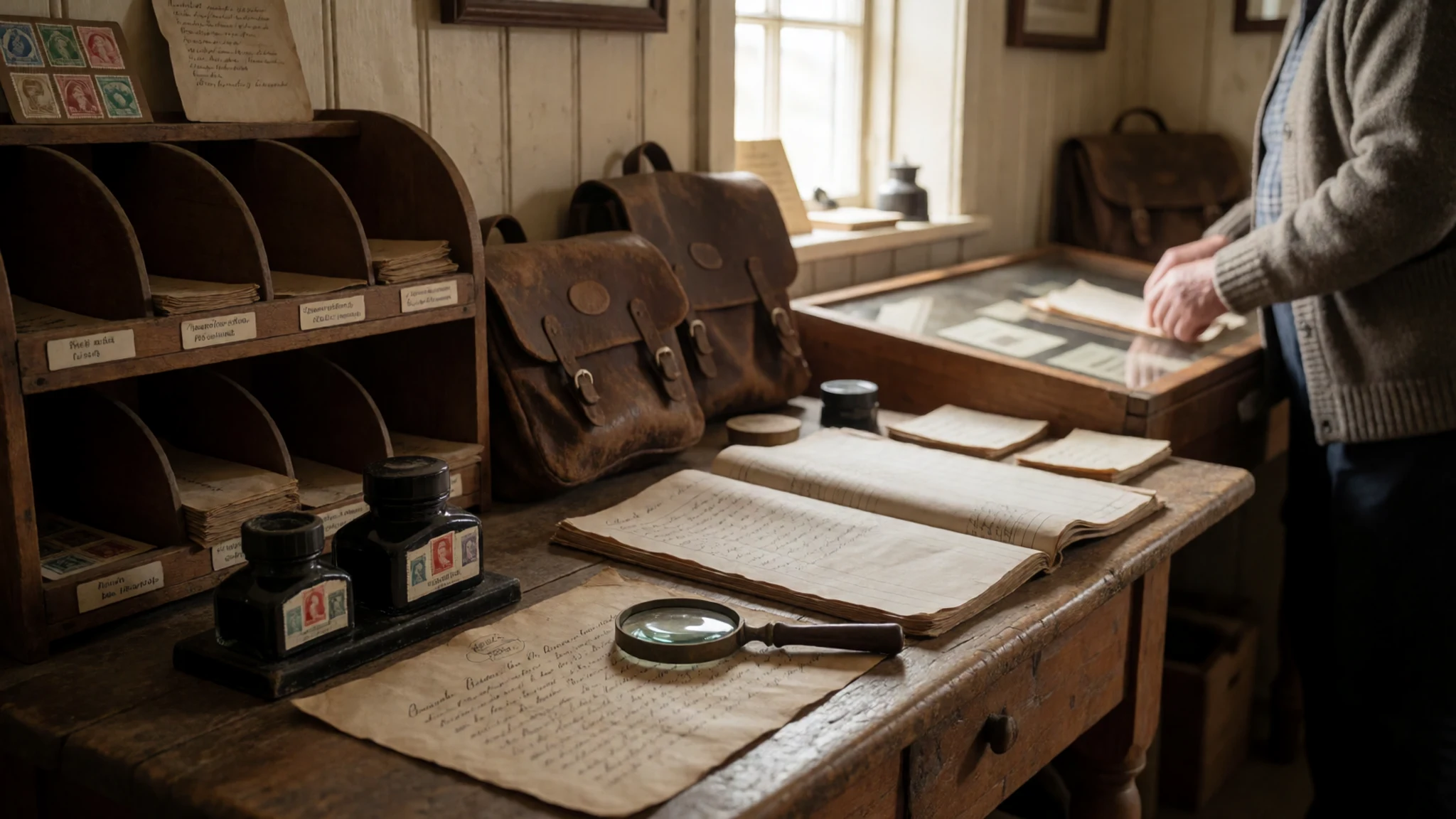
- Postal museum, Holdfast Road — Fox Bay East, Holdfast Road
A small postal museum sits in the post office building at Fox Bay East. It is a modest, local display about how letters and parcels reached far-flung farms, and it fits well with an unhurried wander round the settlement. Opening is informal, so ask locally before heading over.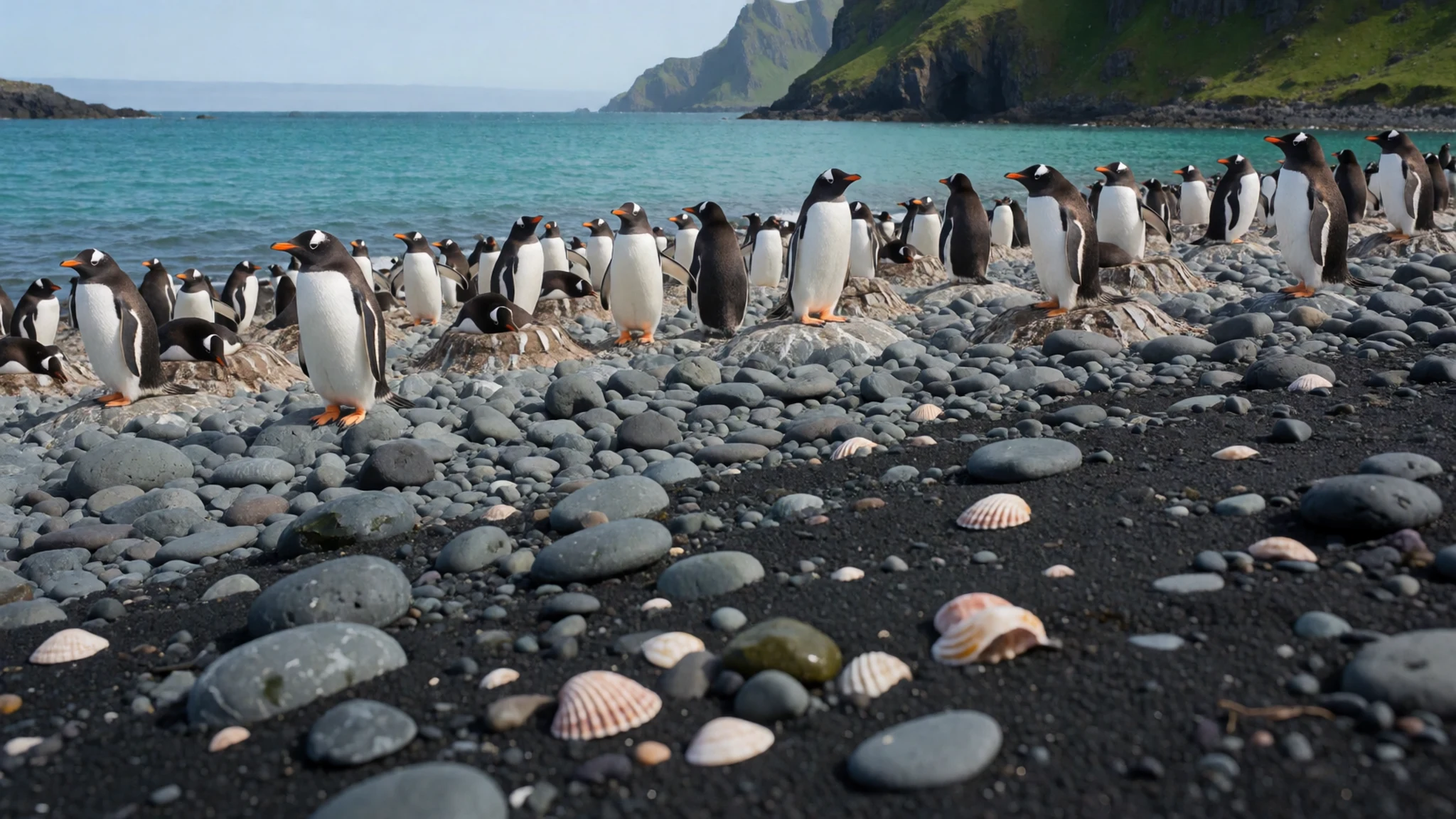
- The common at Fox Bay East — Fox Bay East
Houses here are scattered around an open common rather than lined up along streets, which gives the settlement its relaxed, village-green feel. Take in the school, shop and social club, notice the helicopters if any are in, and be ready to chat with whoever you meet.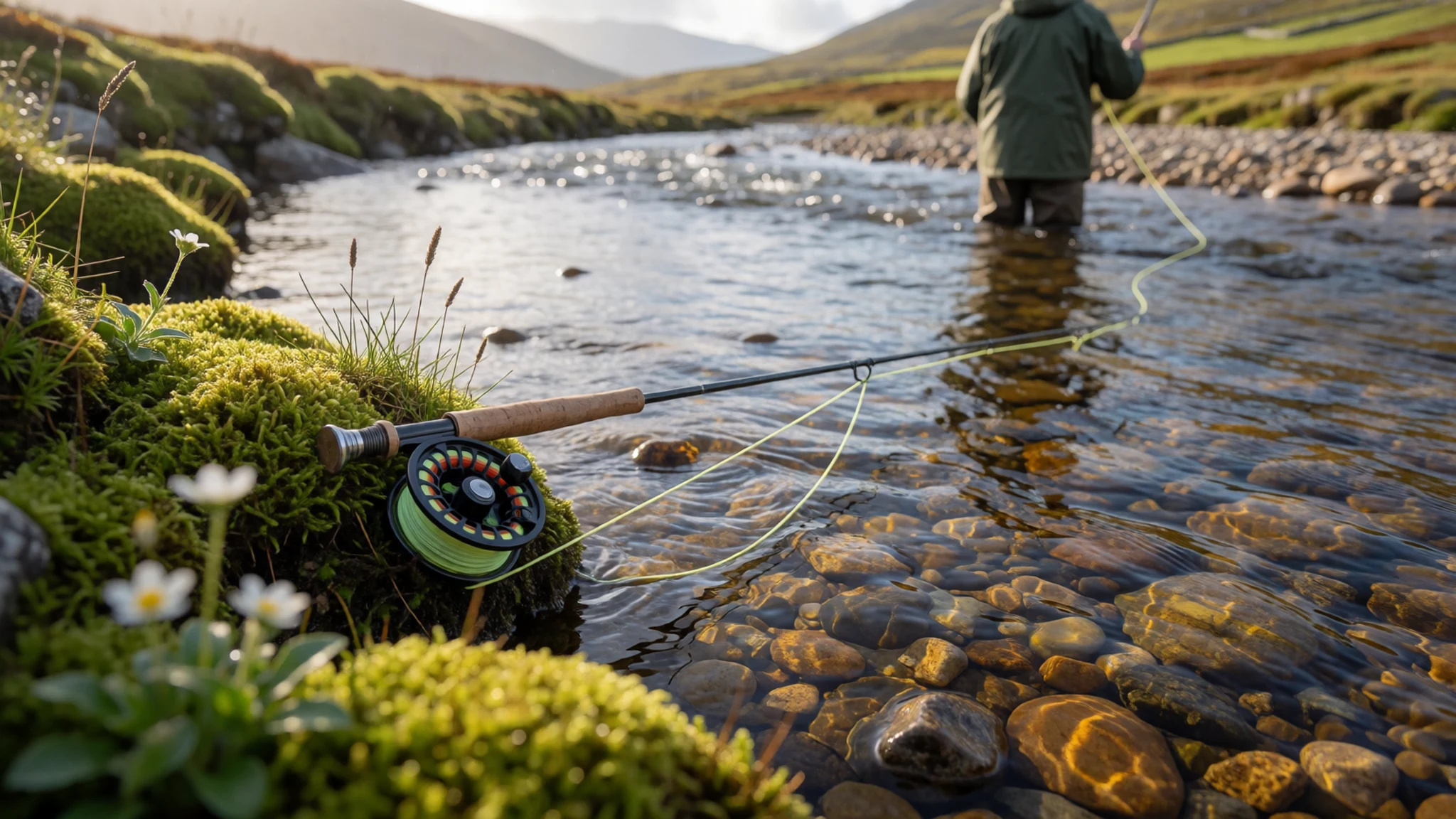
- Fox Bay West — Fox Bay West
Fox Bay West was once as big as its neighbour, but it emptied somewhat after its farm was sold in parcels. Today it feels quieter and more spread out, with the bay on one side and open grazing on the other. It is a good place to see a working farm landscape.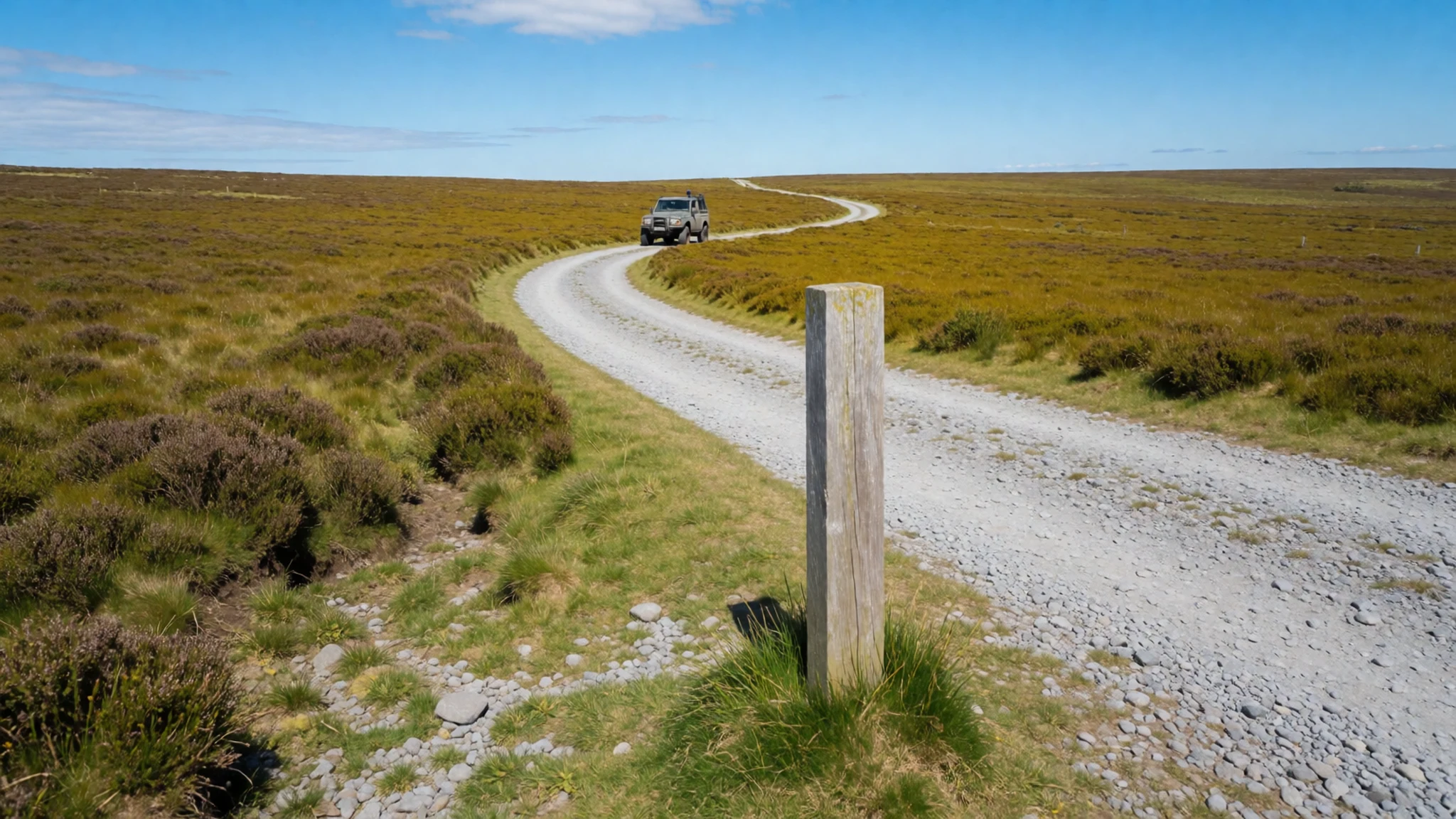
- Shoreline wildlife and fishing — Shore of Fox Bay
The coast and heath around the bay attract seabirds and penguins, and local people can say where to look and where to keep clear of nesting areas. Fishing for sea trout and mullet is popular between September and April; ask the landowner for permission and local advice first.
Culture
Fox Bay has a British-rooted culture, shaped by farming, small numbers and long distances. Customs follow those of the United Kingdom, though islanders are often more conservative than people in Britain, and drug use is not tolerated. Everyone knows everyone, and the social club, the shop and the airstrip are where news travels. Many residents lived through the 1982 conflict, and Margaret Thatcher is remembered warmly here, unlike the divisive figure she remains elsewhere. Attitudes to LGBT people are broadly welcoming, same-sex marriage is legal, and discrimination on the basis of sexual orientation is against the law. In a referendum on the islands' status, an overwhelming majority chose to stay British, and some residents still feel mistrust toward Argentina and Argentines because of the war. Farm hospitality is generous, tea is offered often, and visitors who show interest in the work of the land and the sea tend to be welcomed. Politics and the war can be sensitive subjects, so listen first and let locals set the tone. Never describe the Falklands as Argentine in conversation here, and always ask the landowner before crossing farmland or camping.
What to wear
Fox Bay has no distinct national costume, and anyone expecting a folk dress will be disappointed. The islands' textile tradition is practical and built around wool from the local sheep: heavy knitted jumpers, socks and hats, tweed and wool-blend shirts, plus waxed or oilskin jackets and rubber boots for farm work. These are everyday working clothes, not festival wear. Today people wear much the same things in modern form: fleeces, windproof jackets, waterproof trousers, jeans, sturdy boots and caps. Smarter clothes appear for the social club, church services or a community occasion, but dressing up is rare and nobody expects it. Visitors should plan for a cool, windy, changeable climate in which sun, rain and wind can all arrive in an hour. Pack layers, with a wool or fleece mid-layer, a proper waterproof shell and waterproof trousers, a hat, gloves and a scarf even in summer. Sunscreen and sunglasses are also worth carrying, since the light can be strong on open ground. Sturdy waterproof walking boots matter most because the terrain is boggy, uneven and often wet. Modesty norms are relaxed, though a tidy outfit is a courtesy in church or at a community event.
What to eat
- Roast mutton — Farm lodges and home-cooked camp meals
Mutton is the everyday meat of the islands, and it is the only fresh meat commonly stocked in shops. Expect it roasted with potatoes and gravy at a Sunday table, in a farm lodge or at a community meal.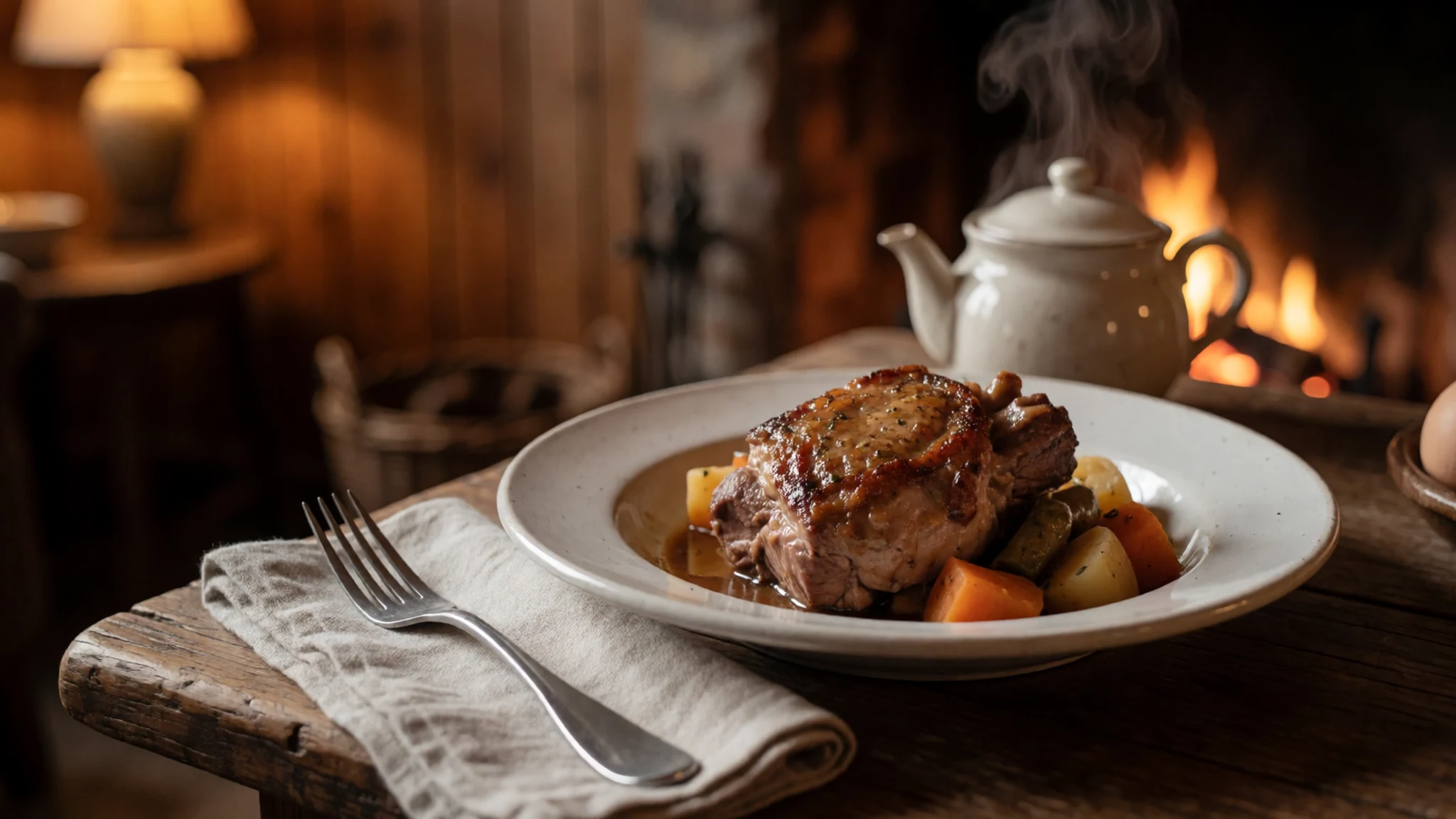
- Diddle-dee jam — Settlement shops, gift shops in Stanley and farm tables
This is a local preserve made from the red berries of the diddle-dee, a low heathland shrub. It is tart, deep red and fruity, and it goes on bread, scones or alongside meat.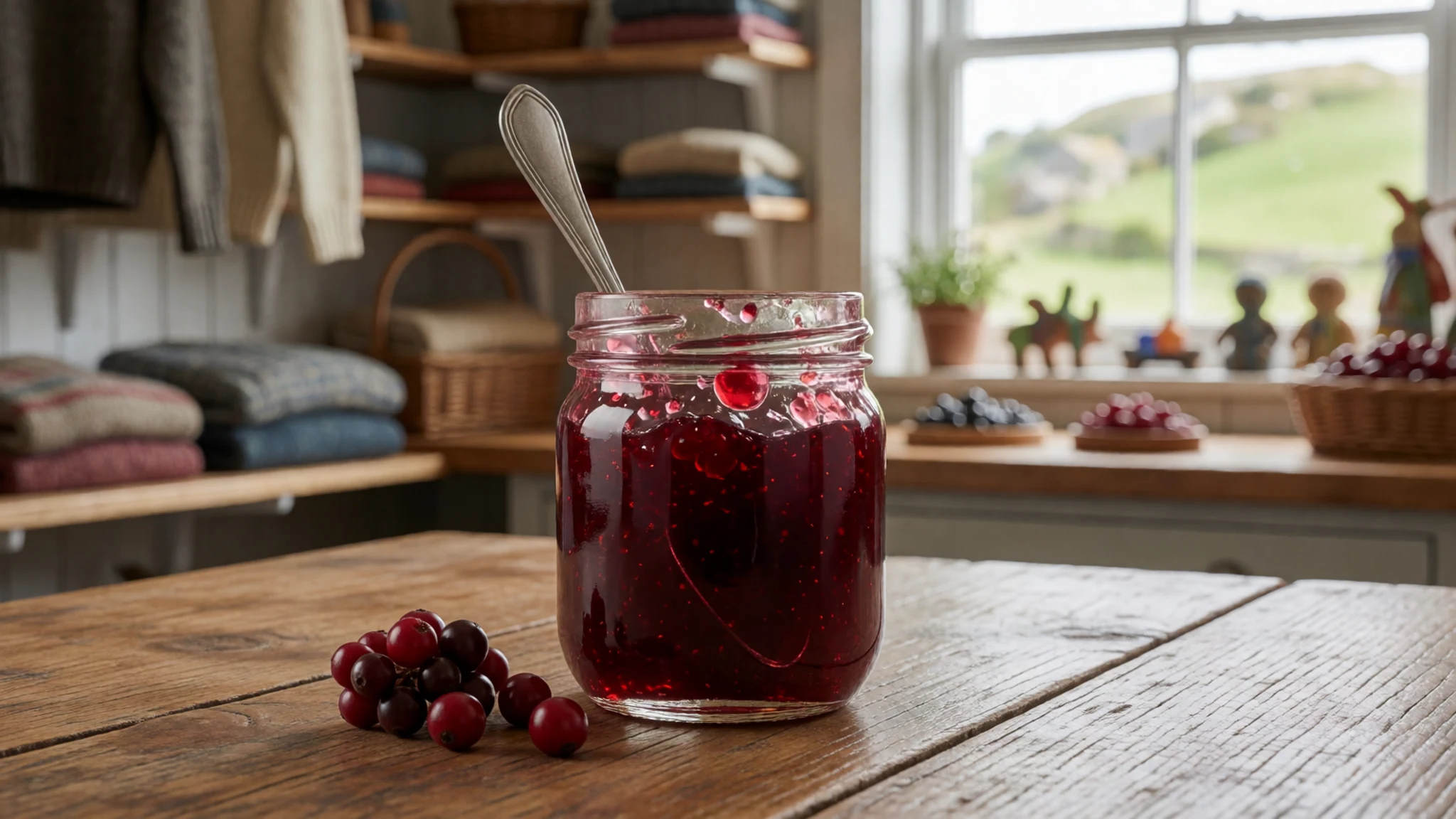
- Fish and chips — Pubs and cafés in Stanley, as Fox Bay itself has little commercial catering
A British standard that works well here, with local seafood taking the place of the usual cod where available. It is a simple, filling meal after a windy day outside. - Milanesa — Occasionally on menus in Stanley and at some lodges
Breaded and fried meat, usually served as a cutlet, is one of the Spanish-influenced dishes that arrived with South American links. It sits oddly well beside the otherwise very British menu. - Tea and local beer — Social club, lodges and Stanley bars and gift shops
Tea is the constant drink, offered at every farm door. Alcohol carries no tax on the islands, so beer is reasonable, and a few microbreweries make beers named after local places and landscapes.
Plan it
Best time. November to March, when days are longest, the weather is at its mildest and wildlife is most active. Fishing runs September to April. Winter is cold, wet and windy, and the gravel tracks can be tough going.
How long. 2–3
Getting there. Fly to Mount Pleasant airport near Stanley, then take a small FIGAS Islander plane to Fox Bay's airstrip. Seats are limited, so book the internal flight early through the Falkland Islands Government Air Service and check current schedules.
Budget. high
Tips
- Carry a passport even if you are British, as the islands run their own immigration
- Arrange a return ticket, accommodation, proof of funds and travel insurance that covers medical evacuation before you travel
- Buy groceries in Stanley if staying self-catering, since supplies are limited and expensive in the settlements
- Dress in layers and carry full waterproofs, because weather can change within an hour
- Ask about card and cash acceptance in advance, as small shops may have limited facilities
Etiquette
- Ask the landowner before camping, fishing or crossing farmland
- Keep well back from seals and sea lions, and from any wildlife with young, because they can be dangerous
- Avoid calling the islands Argentine, and treat talk of the 1982 war with care
Nearby
Sources
- Wikidata Q3366786 (CC0)
- Wikipedia: Fox Bay (rev 1378966748) (CC BY-SA 4.0)
- Wikivoyage: Falkland Islands (rev 5400949) (CC BY-SA 4.0)
- Photo: Falkland Islands – Fox Bay (MacRusgail, Wikimedia Commons) (Public domain)

Wildlife
- Magellanic penguin (animal)
Here is a bird that raises its young on the shores of Patagonia and the Falkland Islands, and it carries the name of the explorer Magellan. Around Fox Bay, the coastline is where to look for penguins, though I cannot promise a season or time of day. Stay well back, stay quiet, and ask a guide to show you a good place to watch. Never offer food; wild birds should find their own.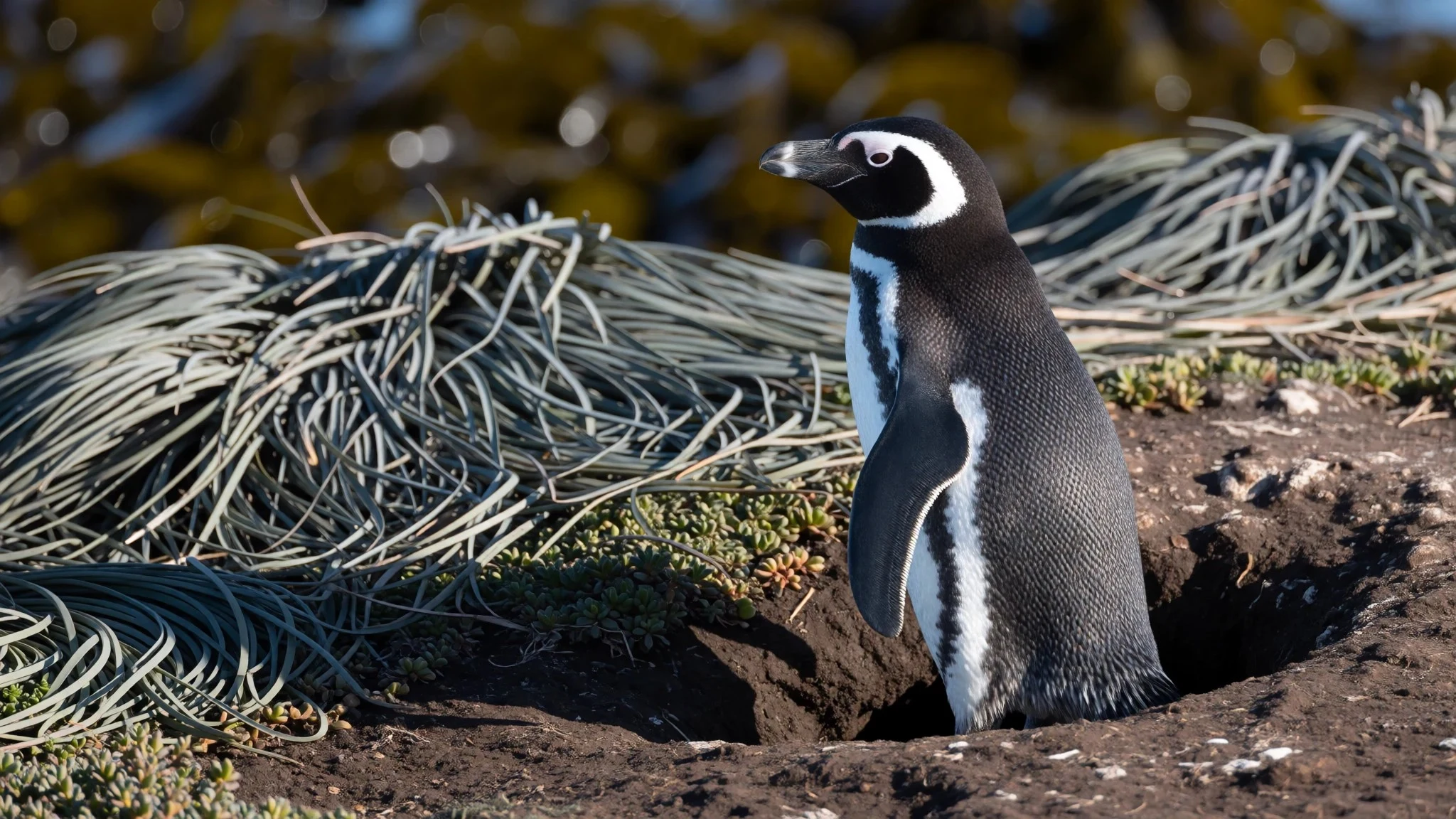
- Sea trout (animal)
The brown trout, which is the fish people here call sea trout, is a hunting fish found across much of Europe. In Fox Bay it is sought in the bay itself and in the nearby streams, in peaceful surroundings, though I cannot say which season or hour suits best. If you fish, go with a local guide, stay quiet at the water's edge and keep your distance. Never feed wild fish.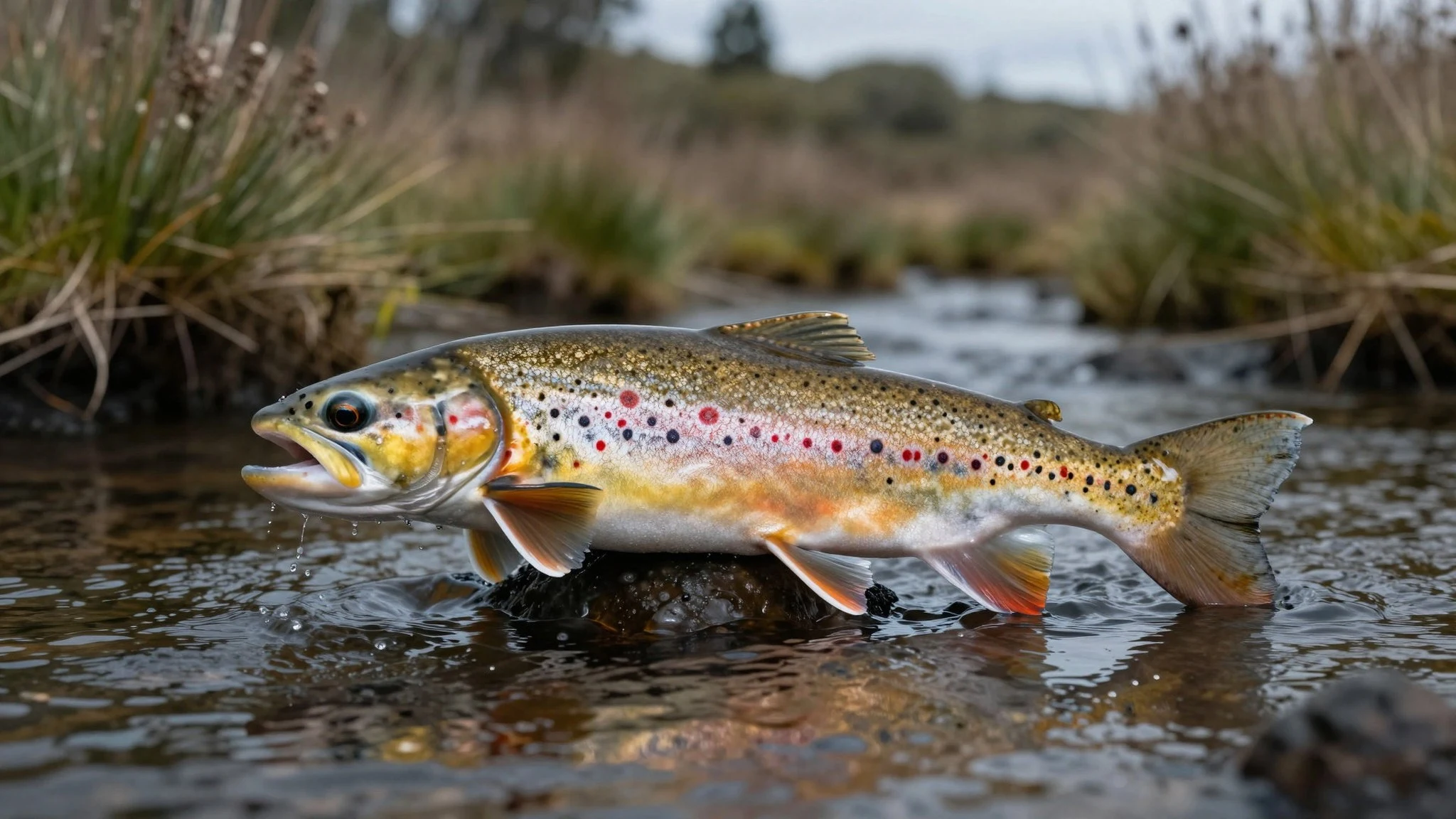
- Magellanic penguin (bird)
Here is a bird that raises its young on the shores of Patagonia and the Falkland Islands, and it carries the name of the explorer Magellan. Around Fox Bay, the coastline is where to look for penguins, though I cannot promise a season or time of day. Stay well back, stay quiet, and ask a guide to show you a good place to watch. Never offer food; wild birds should find their own.