Fortaleza
Fortaleza, Brazil
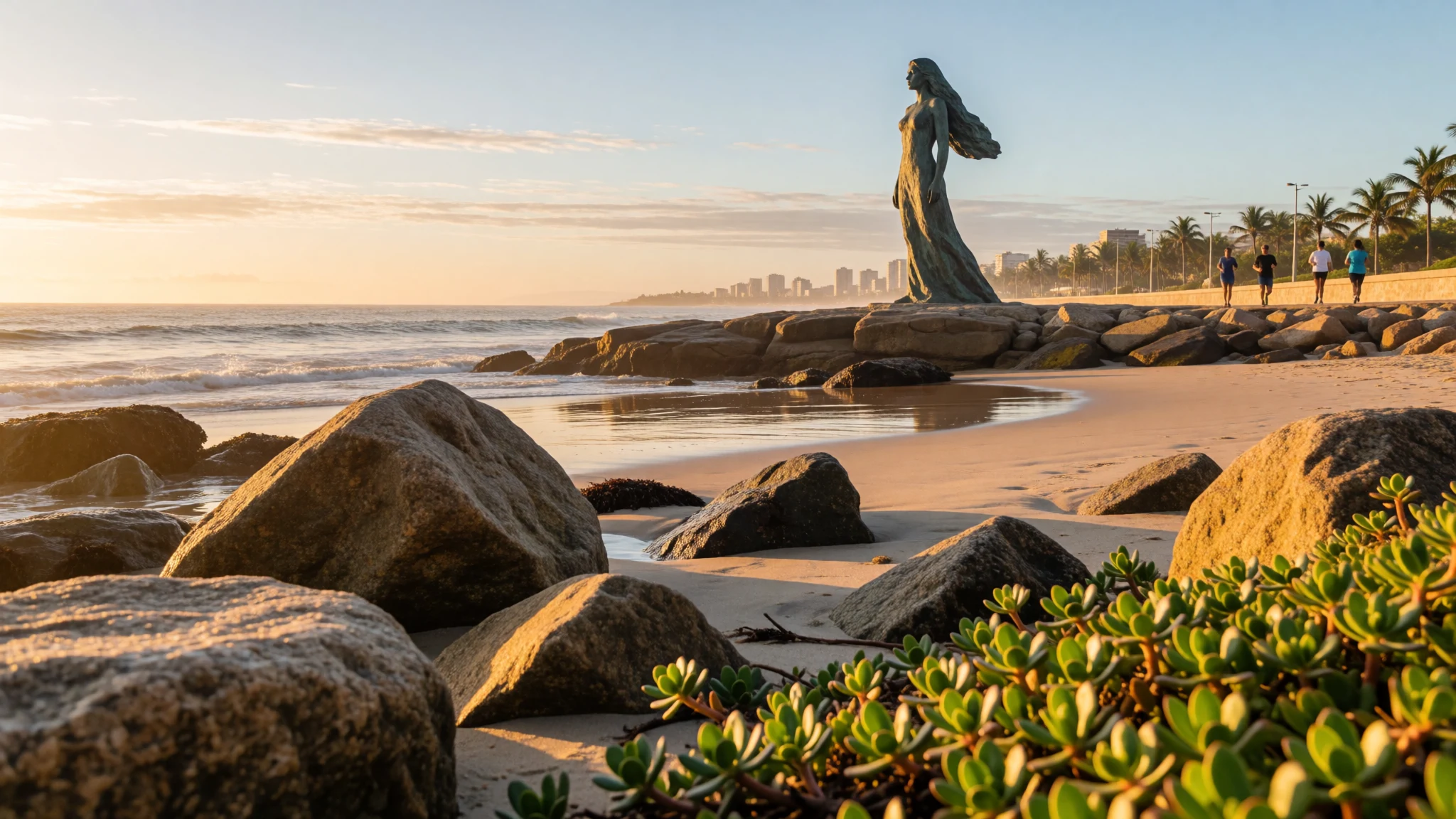
Fortaleza is a big, sunny Atlantic city where beach life, old civic buildings and Ceará's food and music sit within easy reach of each other.
The place
Fortaleza is the capital of Ceará, a coastal city on the north-eastern shoulder of Brazil, with the Atlantic forming its northern and eastern edges and other municipalities closing in on the remaining sides. About 2.6 million people live in the city itself, and many more in the towns around it, so this is a working metropolis first and a beach resort second. Residents call themselves Fortalezenses. The ground is flat, only about 21 m above sea level, and the sea breeze does much of the work of making the heat bearable. The old centre holds the public buildings, churches and markets, while the visitor strip of Praia de Iracema and Meireles runs along the seafront a short distance east, lined with apartment towers, craft stalls and bars. Further east, fishing beaches such as Mucuripe and the wide sands of Praia do Futuro show a different face. Fortaleza is also a port and a commercial hub, and it serves as the base for the Ceará coast, with dunes and fishing villages reachable on day trips. Flights arrive from across Brazil and from a handful of foreign cities, including Lisbon and Miami, which is why the city is often the first taste of the Northeast for people from outside the region. Expect heat, strong sun and a pace that slows in the afternoons. The city rewards a few days of wandering between the centre and the seafront far more than a dash through a checklist.
Its story
Fortaleza takes its name from a fort, and the fort changed hands more often than the town grew. The Portuguese raised a first stronghold on this stretch of coast in 1603, and a small settlement called Nova Lisboa sprang up beside it. Fighting with the French followed, and the post was renamed after Saint Sebastian. When the Dutch took over the Northeast in the 1630s, they destroyed the Portuguese fort and in 1649 opened their own, Fort Schoonenborch, on the banks of the Pajeú river. Dutch power collapsed in 1654, the building returned to Portuguese hands, and it was rechristened Fortaleza de Nossa Senhora de Assunção. A shortened form of that name became the city's. Even then the place stayed modest. A formal village was declared only in 1726, and Fortaleza became capital of Ceará in 1799. The nineteenth century gave it real weight. Cotton from the interior left through its port, direct sailings to Europe began, and a customs house was built in 1812 to handle the trade. The historic centre still carries that period of confidence, with a theatre, a cathedral and a market hall brought from Europe in pieces. A fortress of the same name still stands in the city, and the layout of the old streets shows where the town spread from it.
What to see
- Theatro José de Alencar — Centro
Theatro José de Alencar stands on the square of the same name in the old centre and is a landmark of the city's civic architecture, protected as a national historic landmark. It opened in the early twentieth century and still stages performances most evenings. The façade and foyer repay a look even without a ticket, and the programme is easy to check locally.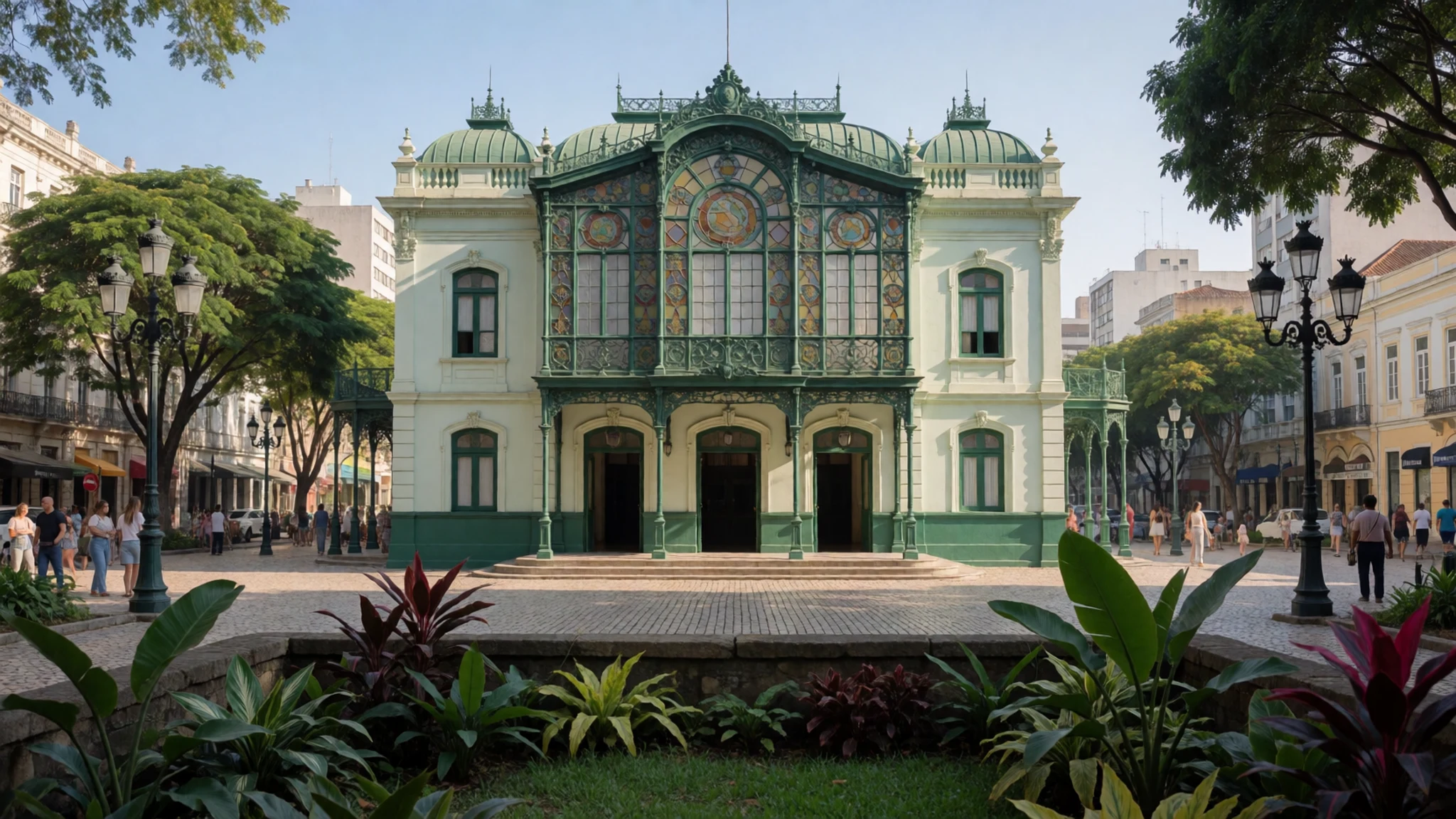
- Metropolitan Cathedral of Fortaleza — Centro
The Metropolitan Cathedral of Fortaleza rises over the centre with two tall towers and a façade darkened by age, which gives it a stern, almost brutalist look from the street. Inside, the mosaics and the scale of the nave reward a short visit. It is a working church, so check for services before wandering in.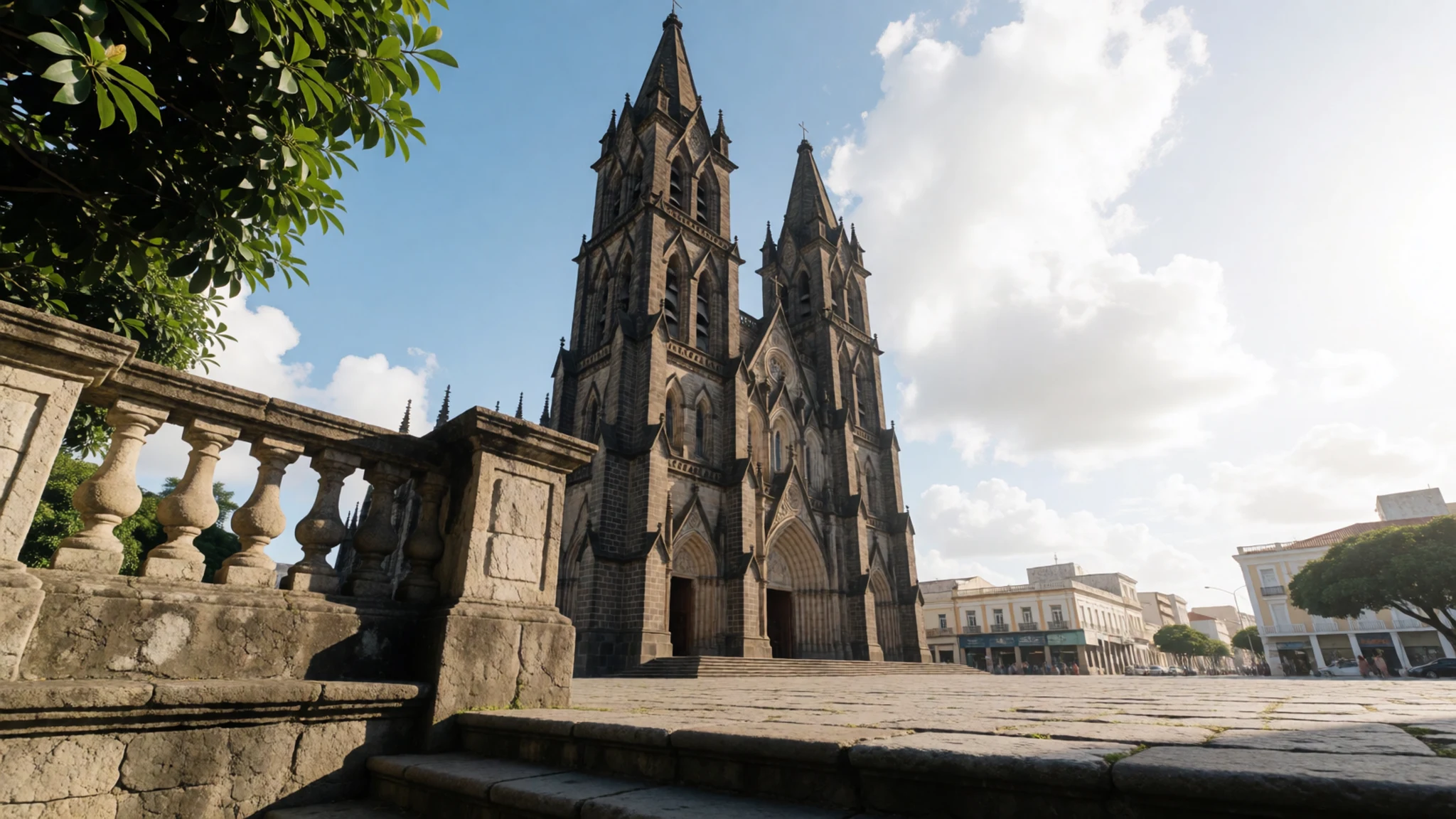
- Mercado dos Pinhões — Centro
Mercado dos Pinhões began as a meat market, its iron frame shipped from Europe in pieces and assembled in the late nineteenth century. It now hosts a handicrafts fair and cultural events, including Afro-Brazilian music and art, on several days of the week. Opening days can change, so check the city's official site before going.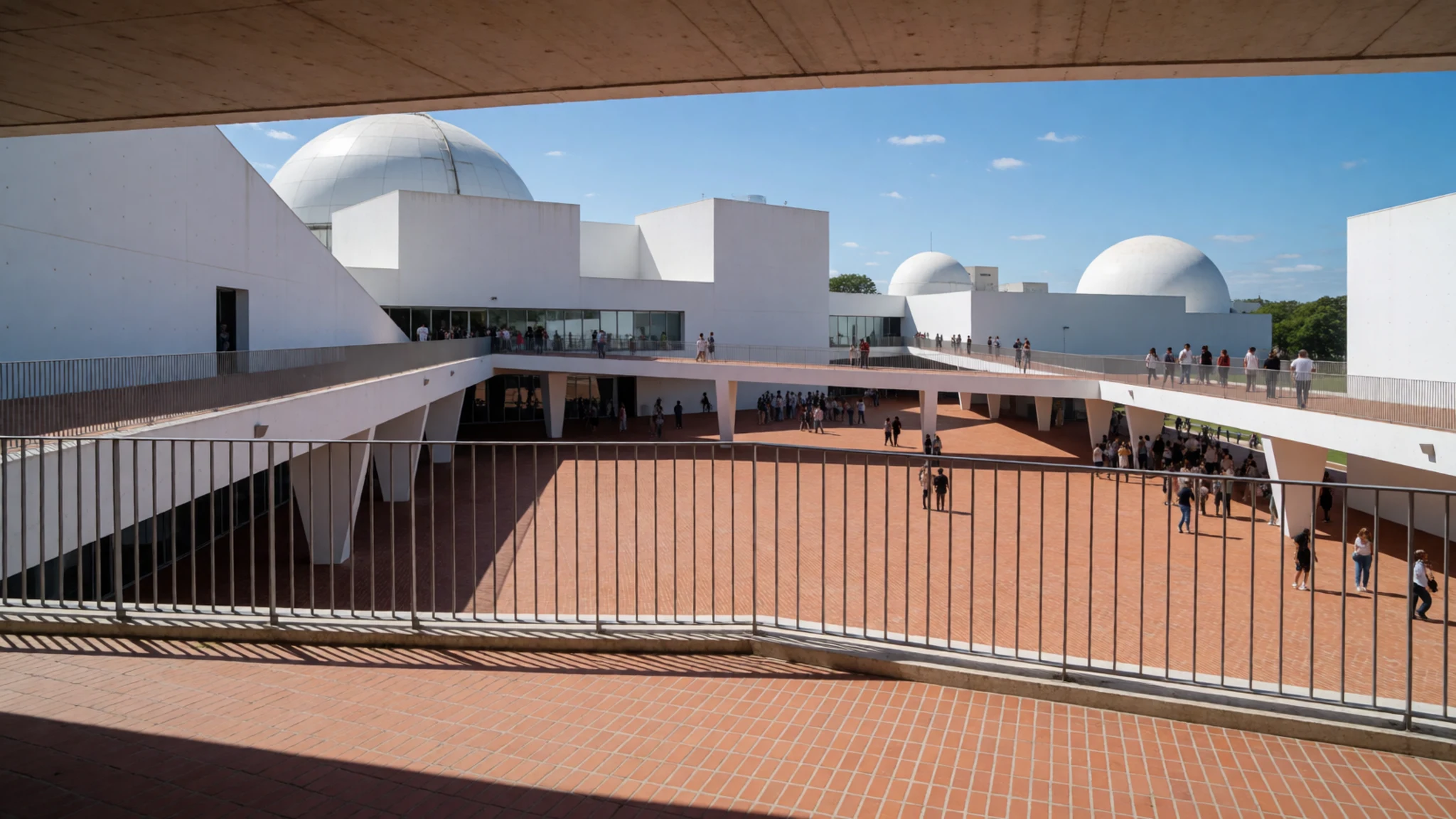
- Ponte dos Ingleses (Ponte Metálica) — Praia de Iracema
Ponte dos Ingleses, also called Ponte Metálica, is an iron pier on the Praia de Iracema seafront. Work began in the early twentieth century, but it never operated as the port it was meant to be. It is now a walkway favoured for sunset, and the crowd builds early, so arrive well before the light goes.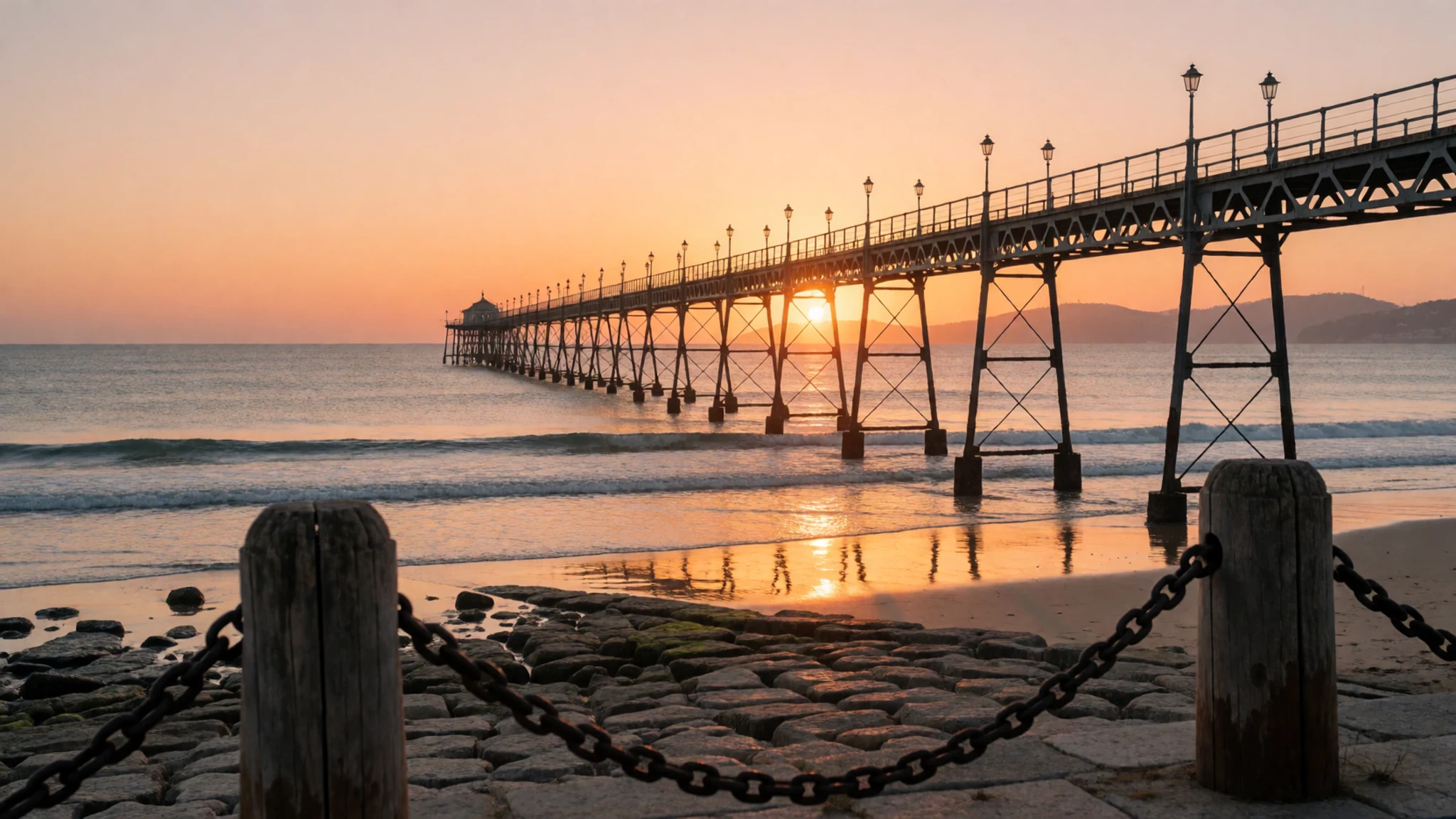
- Iracema statue — Praia de Iracema
The Iracema statue, known as the Guardian of Iracema, looks over the sea from the Praia de Iracema waterfront. It honours the novelist José de Alencar, whose book gave this neighbourhood its name. It makes an easy pause on a seafront stroll, with bars, craft stalls and the sea breeze close by.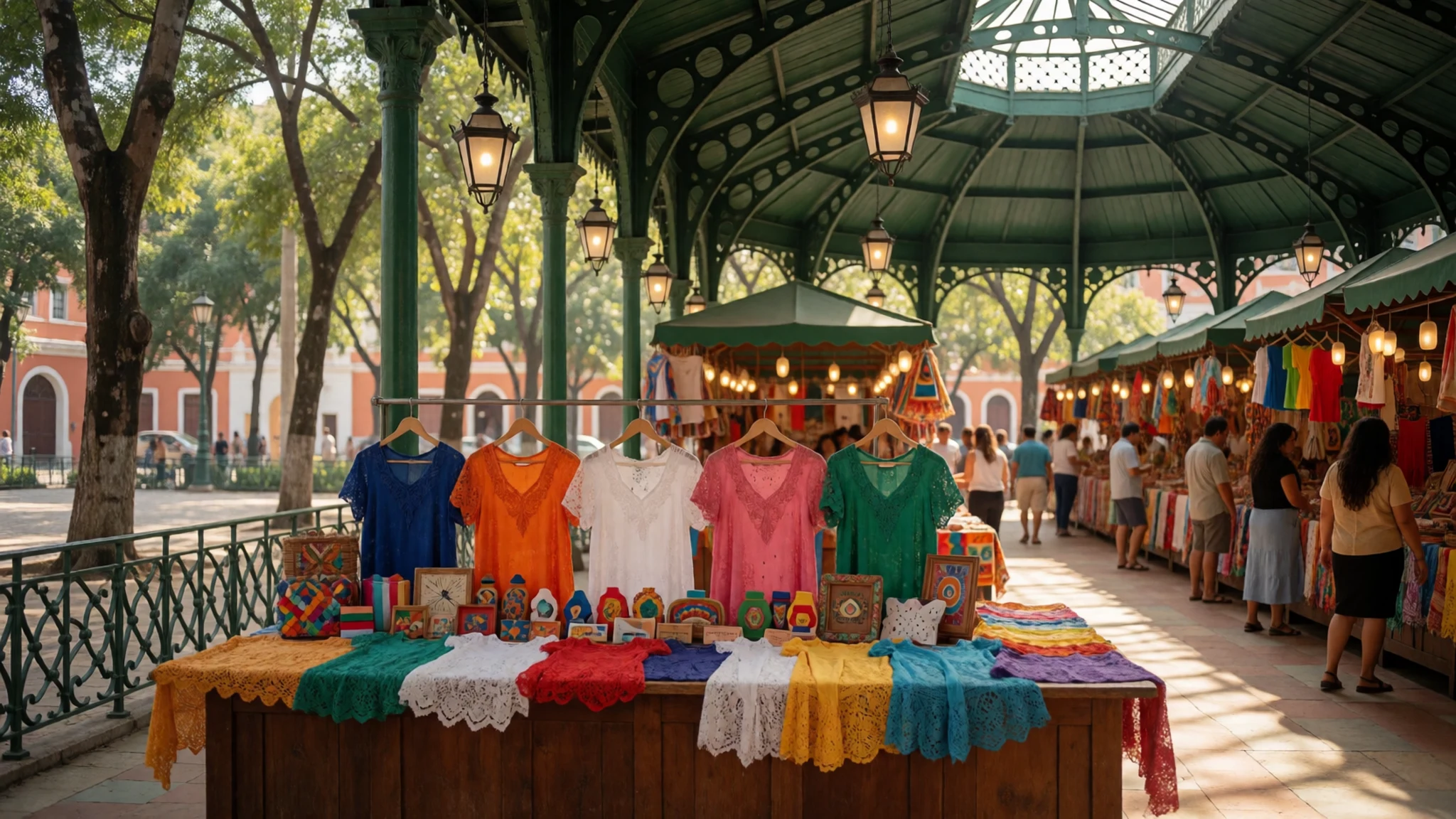
- Centro Dragão do Mar de Arte e Cultura — Praia de Iracema
Centro Dragão do Mar de Arte e Cultura is a modern arts complex linking the old centre with the Praia de Iracema seafront, with galleries, performance spaces and open courtyards used for events. It is a good place to escape the afternoon heat, and the streets around it tend to fill with music in the evenings.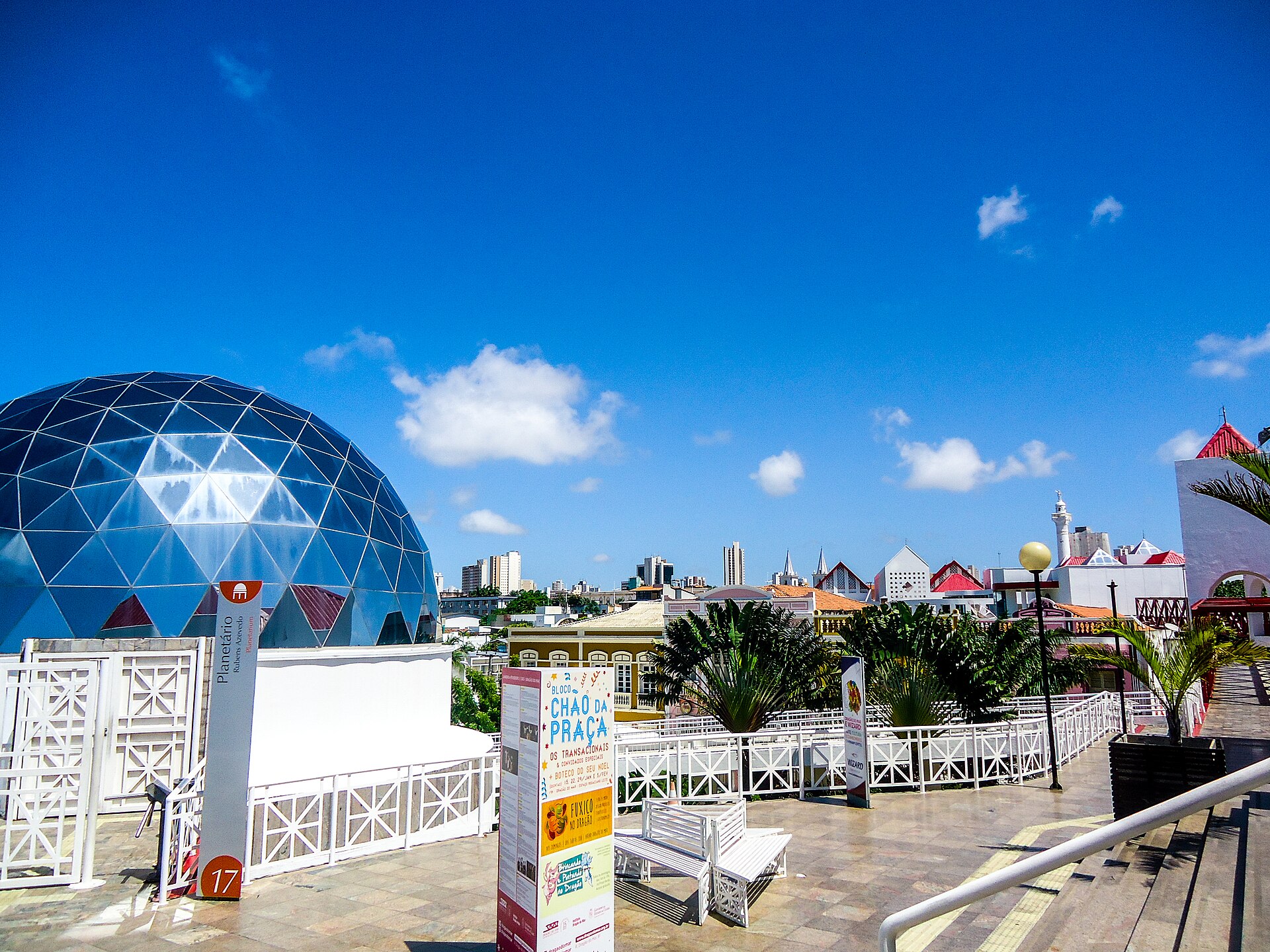
Culture
Fortaleza shows its northeastern Brazilian character in humour, music and handwork more than in grand rituals. Ceará was among the first states to adopt public policies protecting living traditions, through a Masters of Culture programme that recognises people who carry traditional skills. The city's protected heritage zones cluster in the centre and in districts such as Praia de Iracema and Benfica. Theatre matters here. Theatro José de Alencar, the São José Theatre and the São Luiz cinema-theatre anchor a busy stage scene, and the seafront neighbourhood of Praia de Iracema is named after the heroine of Alencar's novel, a love story between an indigenous woman and a Portuguese colonist. Evenings are social. People gather at beach kiosks, squares and bars, and music, from forró to samba, drifts over the sand. Football is followed closely, and the Castelão stadium is a local landmark. Fortalezenses are generally relaxed and talkative with visitors, and a few words of Portuguese go a long way, as English is not widely spoken outside tourist areas. Dress modestly when stepping into a church such as the cathedral, keep your voice low during services, and ask before photographing people, especially at craft stalls and on the fishing beaches.
What to wear
Fortaleza's traditional dress comes from the sertão, the dry interior of Ceará. Cowherds, the vaqueiros, wear leather hats, jackets, chaps and gloves cut from tough hide to survive thorny scrub, and the look still appears at festivals and country fairs. Lace and embroidery are the textile pride of the state: bobbin lace and needlework on white cotton or linen, found on tablecloths, blouses and the fringes of hammocks. Cotton hammocks (redes) are sold across the city. Everyday dress in town is simple and sun-ready: shorts, cotton tops, flip-flops (chinelos), football shirts and swimwear worn along the seafront. Office dress in the centre is light shirts and trousers. Visitors should pack breathable cotton or linen, a hat, sunglasses and sandals that cope with sandy pavements and wet stone. Swimwear belongs on the beach, so put on a shirt or cover-up for restaurants and for walking in town. For churches, carry a light scarf or shirt to cover the shoulders. A thin rain jacket is useful in the wetter months, and closed shoes help on the uneven pavements of the old centre.
What to eat
- Peixada cearense — Seafood restaurants near Mucuripe and the eastern beaches
A fish stew of the Ceará coast, simmered with vegetables and served with rice and a thick pirão made from the broth. It is a dish for a long lunch, and the best versions turn up in simple seafood restaurants near the fishing beaches.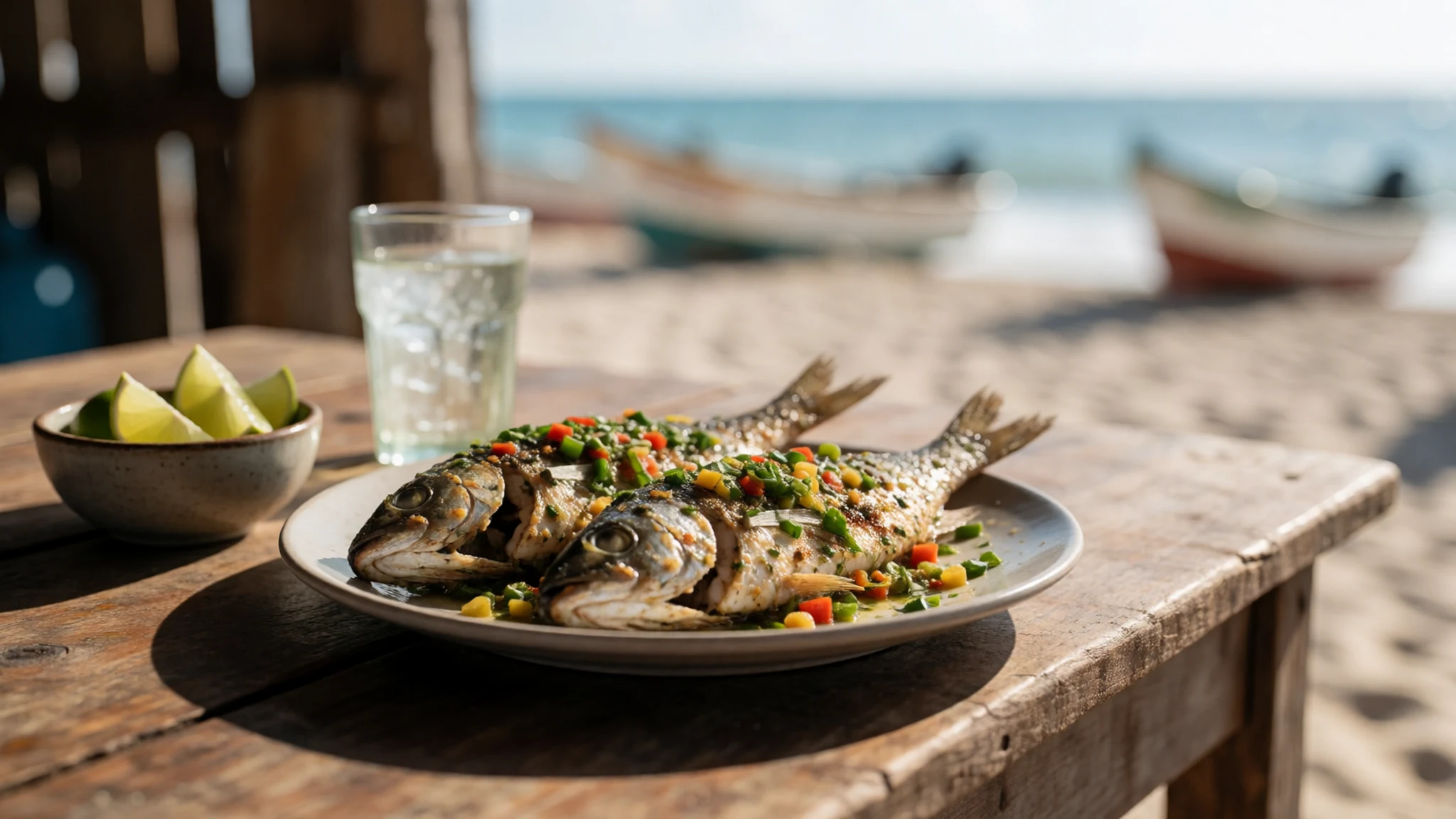
- Caranguejo (crab) — Beach kiosks (barracas) at Praia do Futuro
Crab is cracked by hand at the table, usually with cold beer and a lot of paper napkins. It is a relaxed, sociable meal rather than a quick bite, and the shell-covered tables are part of the fun.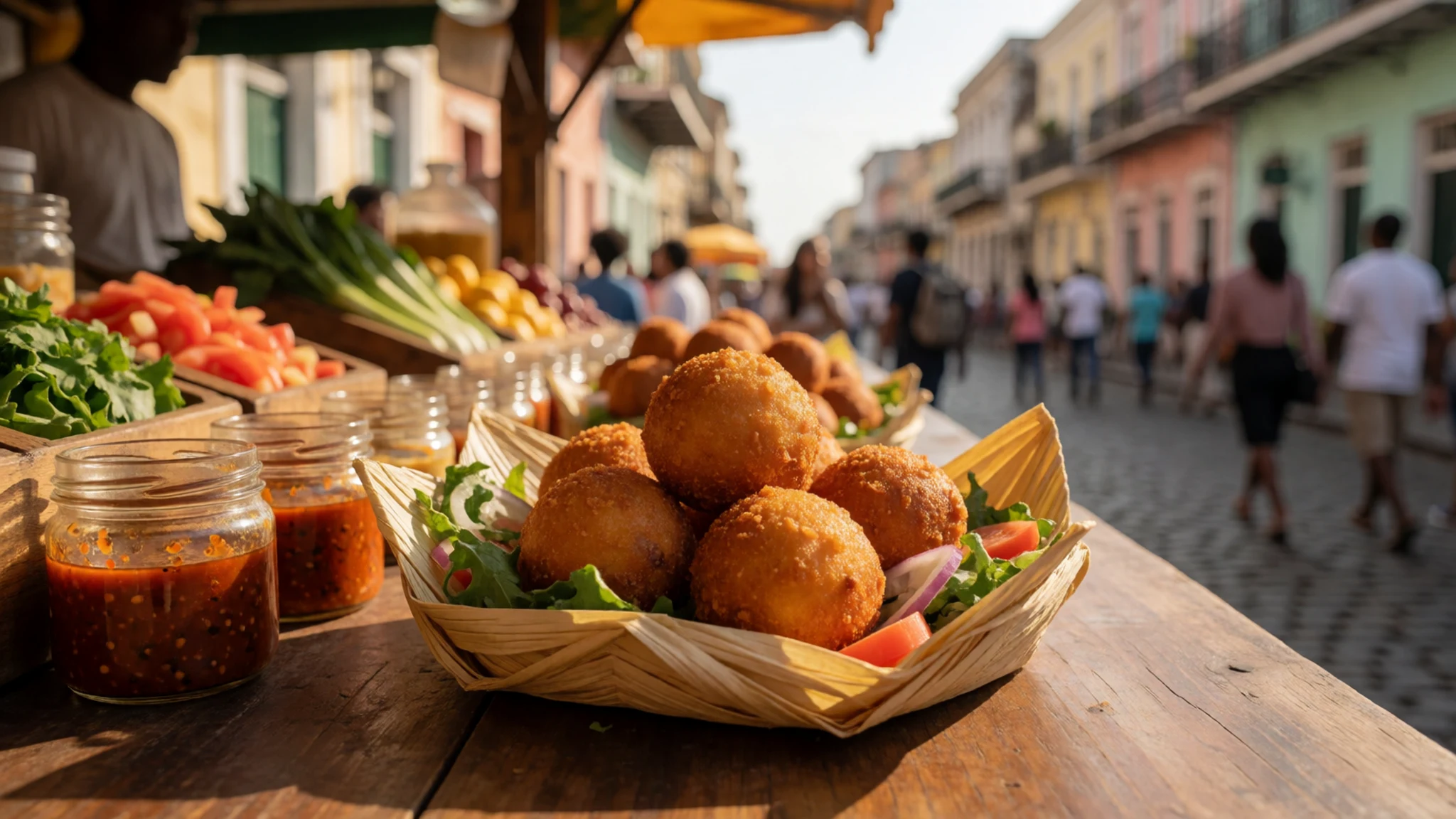
- Tapioca — Street stalls and morning markets, especially near the seafront
A thin pancake of cassava starch cooked on a hot griddle and folded around fillings such as grated coconut, cheese or sun-dried beef. It is a cheap, filling breakfast or afternoon snack, and watching it made is half the point. - Carne de sol — Regional restaurants in the centre and in Aldeota
Lightly salted, sun-cured beef, grilled or fried and served with cassava (macaxeira), butter-rich rice or beans. It is a staple of northeastern cooking, and a good test of whether a restaurant takes regional food seriously. - Baião de dois — Lunch counters and regional buffet restaurants across the city
Rice and beans cooked together with cheese, often with sausage or dried meat, then eaten alongside grilled meat or fish. It is comfort food from the interior, found on most lunch menus in the city.
Plan it
Best time. August to November is the drier, sunnier stretch, with sea breezes keeping the heat manageable. The heaviest rain usually falls from February to May. It is warm all year, so choose by rainfall rather than temperature.
How long. 2–3
Getting there. Fly into Fortaleza's international airport, with connections from most Brazilian cities and direct flights from abroad, including Lisbon, Miami and Frankfurt. City bus 404 runs from the airport to the centre, but taxis or ride-hailing apps are easier after dark. Allow plenty of time for immigration on international arrivals.
Budget. mid
Tips
- Do sightseeing in the centre in the morning, before the heat builds, and keep the afternoons for the beach
- Carry a water bottle and high-factor sun protection every day
- Take taxis or ride-hailing apps at night rather than buses, and keep valuables out of sight on the seafront
- Check the official city website (http://www.fortaleza.ce.gov.br/) and venue pages for opening days of the theatre and market
Etiquette
- Cover shoulders and avoid beach clothes in churches
- Ask before photographing people at stalls and on fishing beaches
- Greet shop and kiosk staff before asking for things
Nearby
Sources
- Wikidata Q43463 (CC0)
- Wikipedia: Fortaleza (rev 1385497600) (CC BY-SA 4.0)
- Wikivoyage: Fortaleza (rev 5402196) (CC BY-SA 4.0)
- Praia do Mucuripe — Rafael Ramos e David Andrade (CC BY 3.0)
- Seashore of Fortaleza — ME/Portal da Copa (CC BY 3.0)
- Centro Dragão do Mar de Arte e Cultura — Nakinn (CC BY-SA 4.0)
- Entrada do Teatro — KarlaFPaiva (CC BY-SA 4.0)
- Ponte dos Ingleses/Ponte Metálica — ME/Portal da Copa/Embratur (CC BY 3.0 br)
- Igreja Matriz - Fortaleza/CE — Joao Carlos Medau (CC BY 2.5)
- Castelão, Fortaleza, Brasil — Governo do Brasil (CC BY 3.0 br)
- Statue of Iracema — ME/Portal da Copa (CC BY 3.0 br)


