Föhr
Föhr, Germany
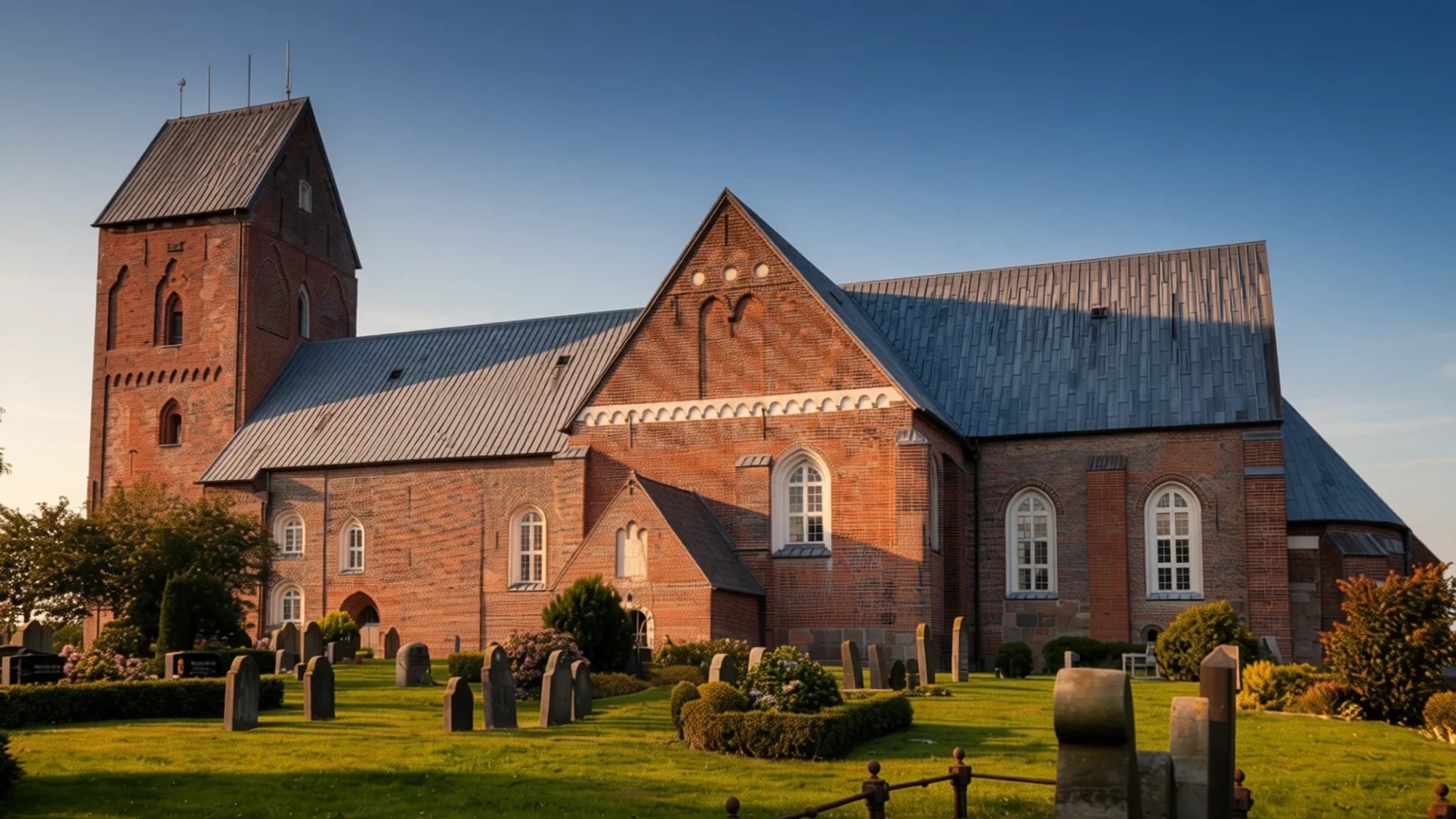
Föhr mixes quiet North Sea beaches, small-town charm in Wyk, and wind-bent history without the crowds of bigger German islands.
The place
Föhr sits in North Frisia, out on the German coast of the North Sea, where the sea does the talking—wind, tides and salt air included. It’s an island of two moods: marshy ground in the north, and a higher sandy geest in the south. That gentle contrast shows up in walks—wide, open views and sky-heavy horizons, with vegetation that feels greener than you’d expect for the latitude.
Wyk auf Föhr anchors most visitor itineraries. The town has a pedestrian old-town feel, with lanes for strolling, places to eat and browse, and a beach promenade that turns an ordinary afternoon into a proper island day. Beyond Wyk, the island’s villages and landscapes spread out in a way that rewards slow travel—cycling routes, short drives, and ferry-and-walk days that don’t require an early start to feel like a holiday.
Language and culture add texture too. Alongside German, the North Frisian language has a local form spoken on Föhr (Fering), and you’ll hear it in everyday life if you pay attention. Weather is oceanic here: winters tend to be moderate and summers relatively cool, so it’s not the kind of place that scorches. Still, bring the practical stuff—windproof layers and footwear that handles sand and uneven ground.
If the ideal day means sea air, practical activities and evenings that don’t revolve around queues, Föhr fits nicely.
Its story
Föhr’s story starts long before the tourist season. The island has settlement traces dating back to Neolithic times, and as sea levels rose, communities formed in pockets of higher ground between marshes. Over time, that pattern left behind visible reminders—especially Bronze Age burial mounds that sit between villages such as Goting and Nieblum, and stand out when the light is low.
People have also left their marks closer to the modern landscape. From the era of the Frisians’ settlements in the early medieval period, population grew and connections across northern Europe show up in archaeological finds. Later, the Viking period preserved defensive features such as ring walls, including Lembecksburg near Borgsum. It’s not a “theme-park history” feeling; more like reading layers in the terrain.
Föhr then spent centuries tied up with shifting Danish and Schleswig authority. Danish rule shaped parts of the island’s western side for a long stretch, while other parts belonged to the Duchy of Schleswig, until changes after the Second Schleswig War moved Föhr towards Prussia. For travellers, that long back-and-forth isn’t just dates on a timeline—it shows up in local identity, churches and the everyday blend of influences.
Economically, the sea long mattered most. Seafaring was the early backbone, and later farming held its own. Tourism became crucial after the age of sail, turning quiet harbours and village rhythms into a hospitality-based economy. Today the island still feels like a place built around the horizon—arrive by ferry, listen to the wind, and everything else seems to slow down.
What to see
- Wyk old town — Wyk auf Föhr
Wyk auf Föhr’s pedestrian old town is where the island’s everyday life shows up: lanes for wandering, small places to stop for food, and shops that feel local rather than tourist-only. Finish with the sea-front promenade for an easy coastal walk.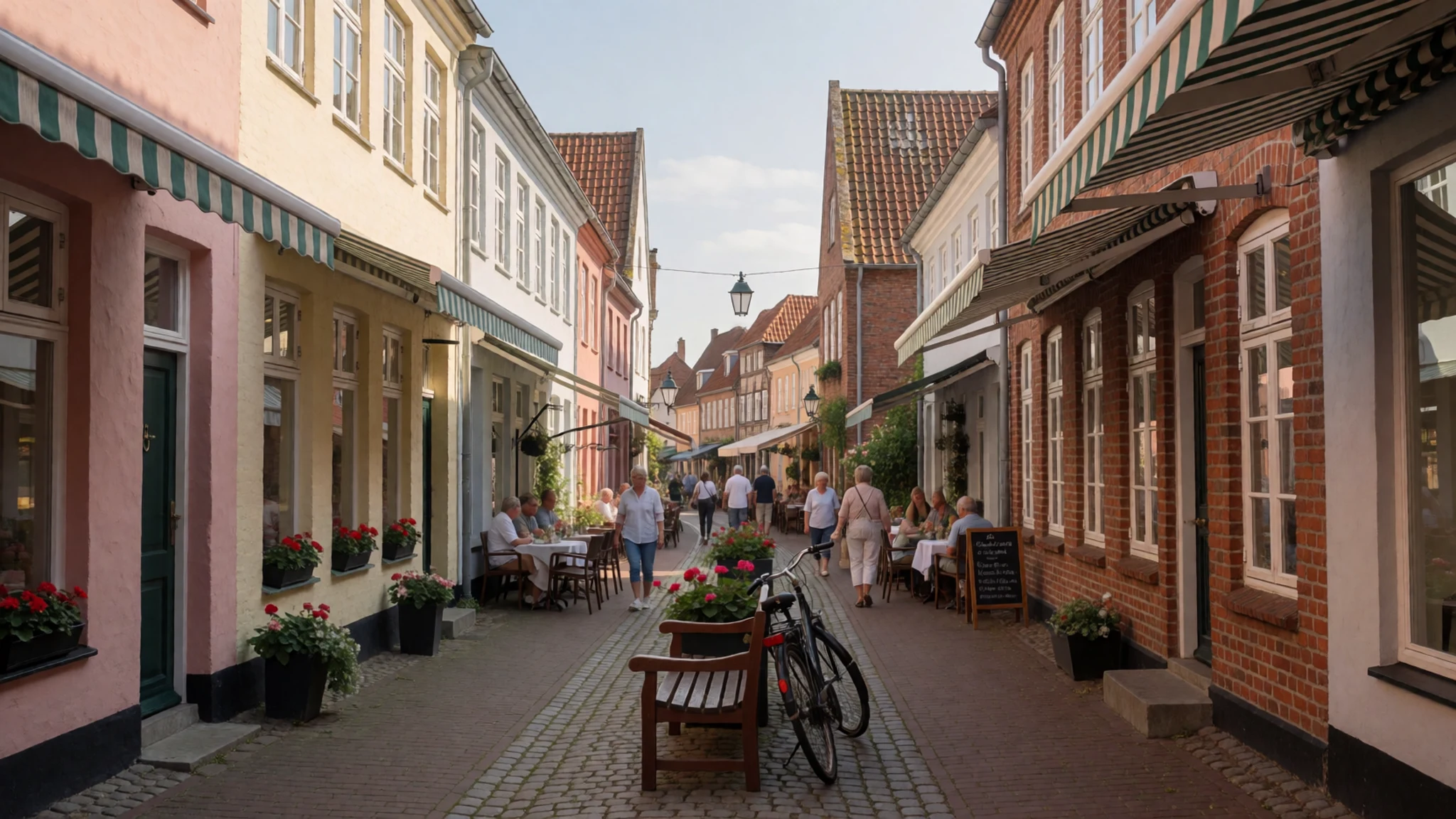
- St. Nicolas’ church (St.-Nikolai) — Wyk auf Föhr
St. Nicolas’ church gives Wyk a distinct landmark presence. It’s one of the island’s older religious buildings, and the surrounding streets make it easy to weave into a short town loop—especially when the afternoon light is soft and the wind isn’t biting.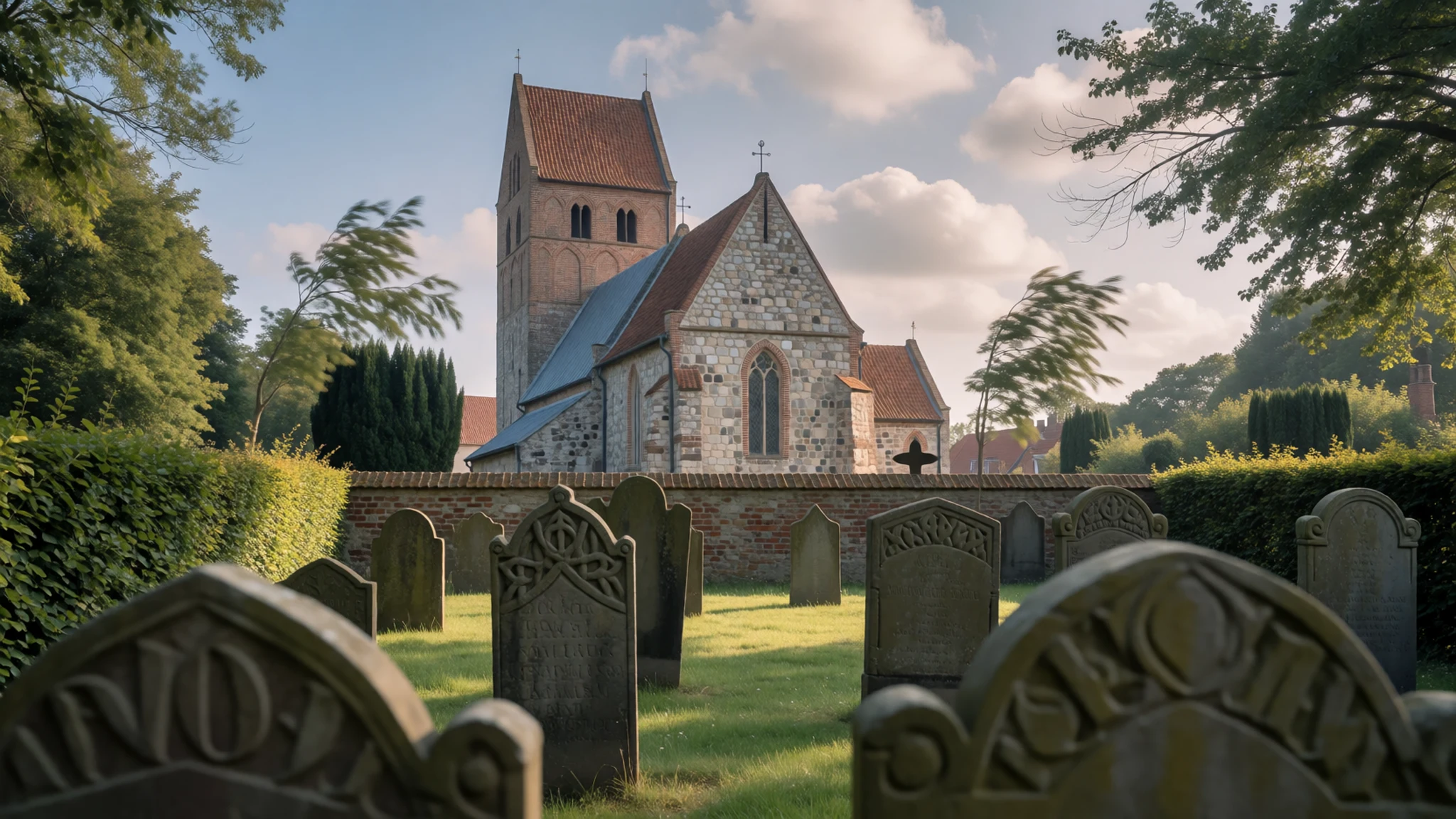
- St. John’s (St.-Johannis) — Wyk auf Föhr
St. John’s is another medieval church stop, handy for filling out a walking day in Wyk. Set in a calm neighbourhood, it’s best approached on foot after browsing the old town—pause for the exterior details before moving on to quieter viewpoints.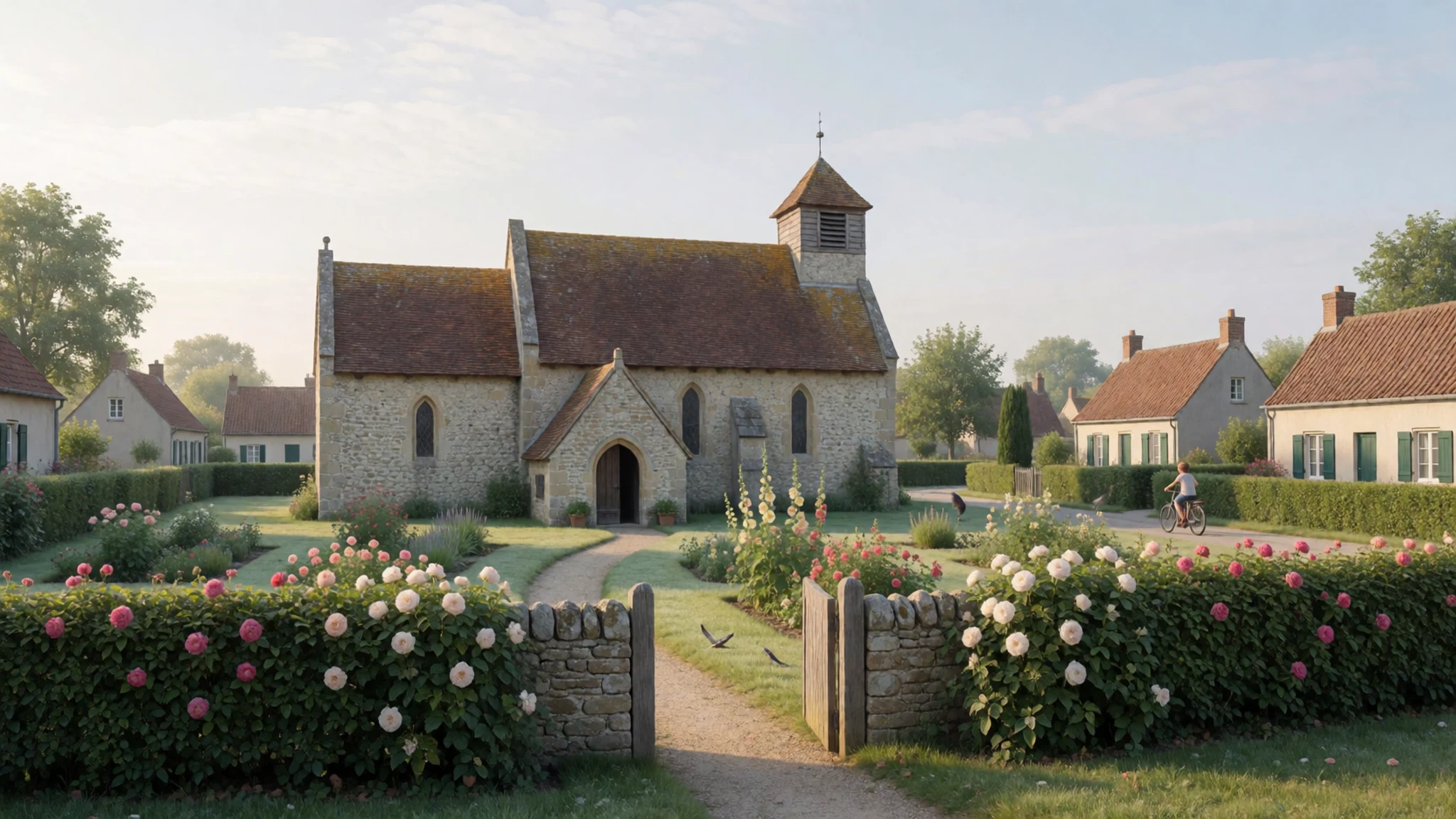
- St. Lawrence’s (St.-Lorenzen) — Wyk auf Föhr
St. Lawrence’s rounds off a trio of medieval churches that shape Föhr’s skyline. Even without a long detour, it works well as a map pin during a town-and-coast route, with time for a break before heading back toward the harbour side.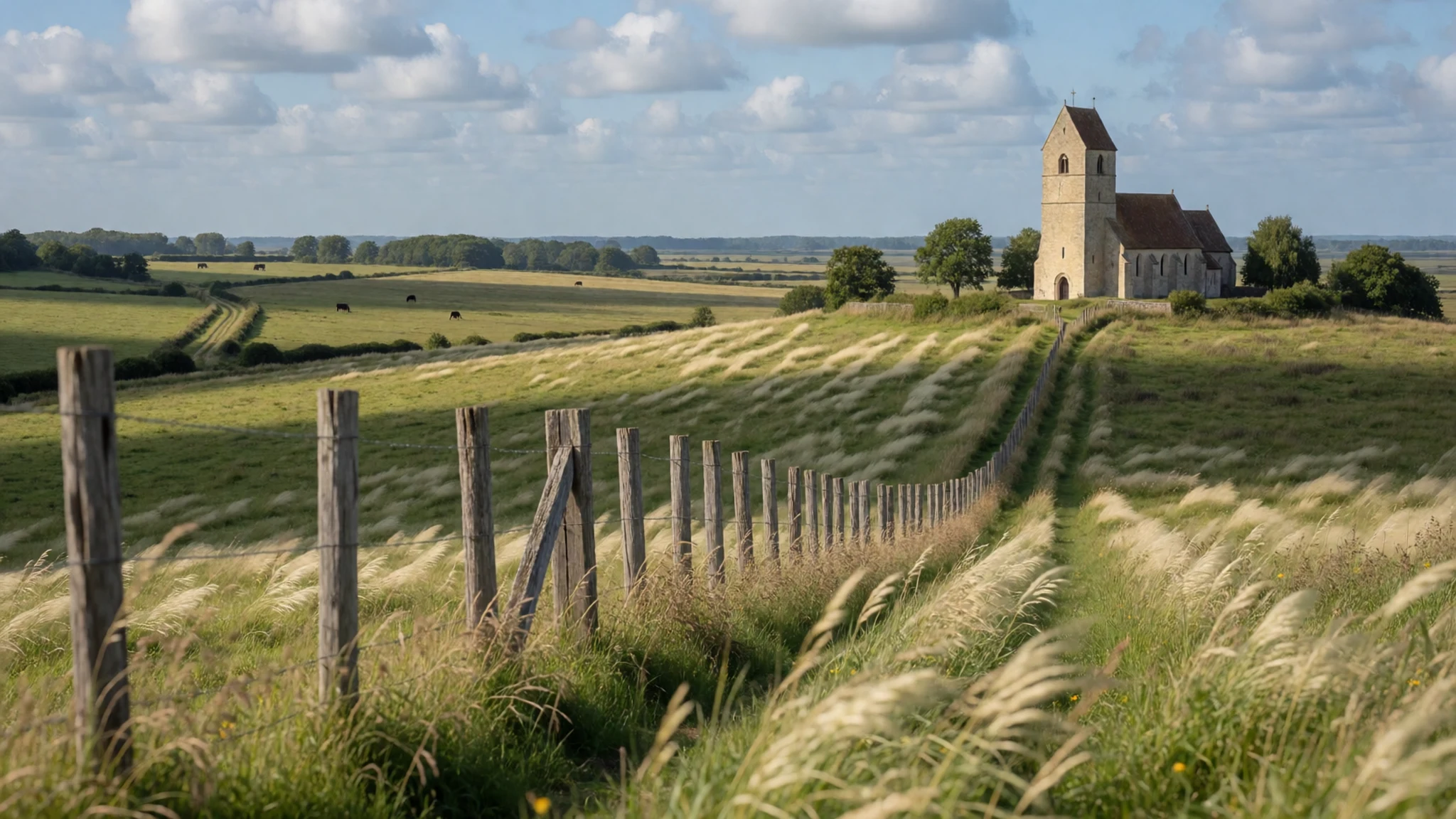
- Dr. Carl-Haeberlin-Friesenmuseum Wyk auf Föhr — Wyk auf Föhr
This museum in Wyk brings together island life—Föhr’s history, the natural world and local animal life—plus an open-air area where reconstructed buildings sit outdoors. It’s a good option when the weather turns windy, since you can mix indoor galleries with time outside.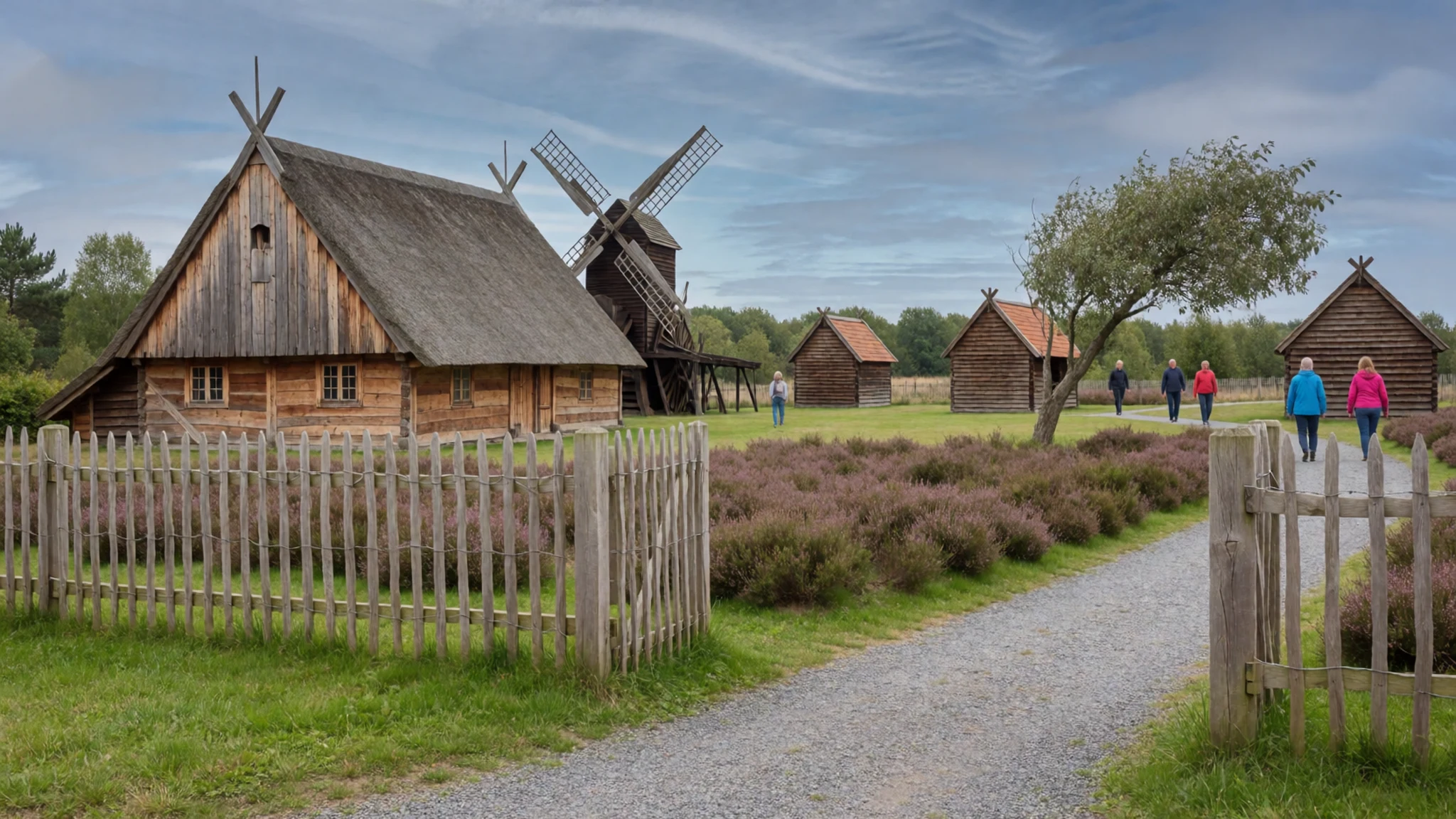
Culture
Föhr’s culture is strongly tied to the sea, but it’s also rooted in local language and the way islanders reuse space. North Frisians and the Fering dialect aren’t museum pieces here; you may hear Fering alongside German in everyday life, and that matters because it keeps the island’s identity from flattening into “just another beach stop”. The island’s medieval churches, converted to Lutheranism but built before the Reformation, reflect that long continuity—religion, community and craft moving through time.
Nature culture is present too. The Wadden Sea area around Föhr supports birdlife, and in the right seasons it becomes a feeding and resting place for seabirds and migratory visitors. Even if the main trip is about relaxation, that bird-and-tide rhythm gives walks a purpose.
If something feels “quietly formal” on Föhr, it’s often practical: people queue for what’s scarce, respect that weather decides plans, and keep conversations local. Visitors who do the same—moving calmly, dressing for wind and keeping voices down in residential areas—fit in quickly.
Visitor etiquette: keep noise low in churchyards and residential lanes, and dress modestly when entering church spaces.
What to wear
Föhr’s traditional dress is closely linked to Frisian identity, and you’ll still see it worn for special events rather than as everyday uniform. The Föhr Frisian costume is recognisable through its composed, coordinated look and local styling that reflects the island’s cultural heritage. It’s most often associated with community occasions and festivals—think of it as something that appears when there’s a reason to dress up.
What visitors and locals wear day-to-day is practical and weather-led. On the North Sea, wind and cool temperatures can arrive even when the sun looks friendly. In summer, lightweight layers are usually enough, but a windproof jacket matters more than you expect. In cooler months, warmer mid-layers and a scarf or hat help, particularly for coastal walks and ferry days.
For a visit, wear shoes you don’t mind getting dusty or sandy: island paths can be uneven, and the beach edge is not always tidy. If visiting churches, bring something that covers shoulders and keeps clothing neat enough for indoor spaces. In short: island style here is functional—windproof outerwear, comfortable footwear, and the ability to layer.
What to eat
- Seafood and harbour-style plates — Wyk harbour and local eateries
Föhr’s food culture leans toward the sea, especially around Wyk’s working harbour and mussel fishing presence. Look for simple seafood preparations in everyday eateries rather than elaborate fine dining.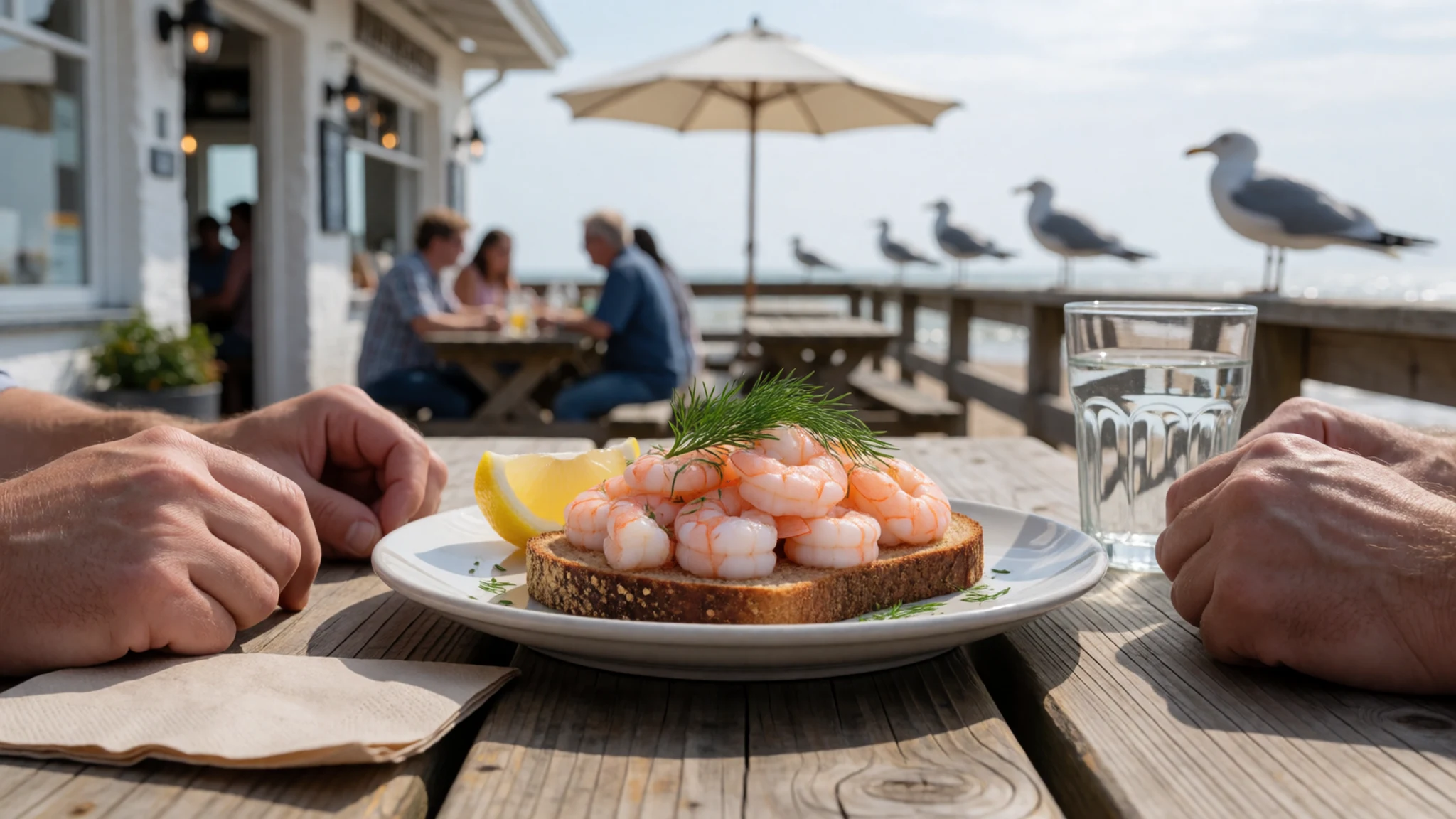
- Drinks and snacks at the coast — Beach promenade areas in Wyk
A coastal walk is usually paired with something small to eat and drink—think warming drinks and quick bites you can carry or eat outdoors. The promenade area around Wyk makes this easy during long, slow afternoons.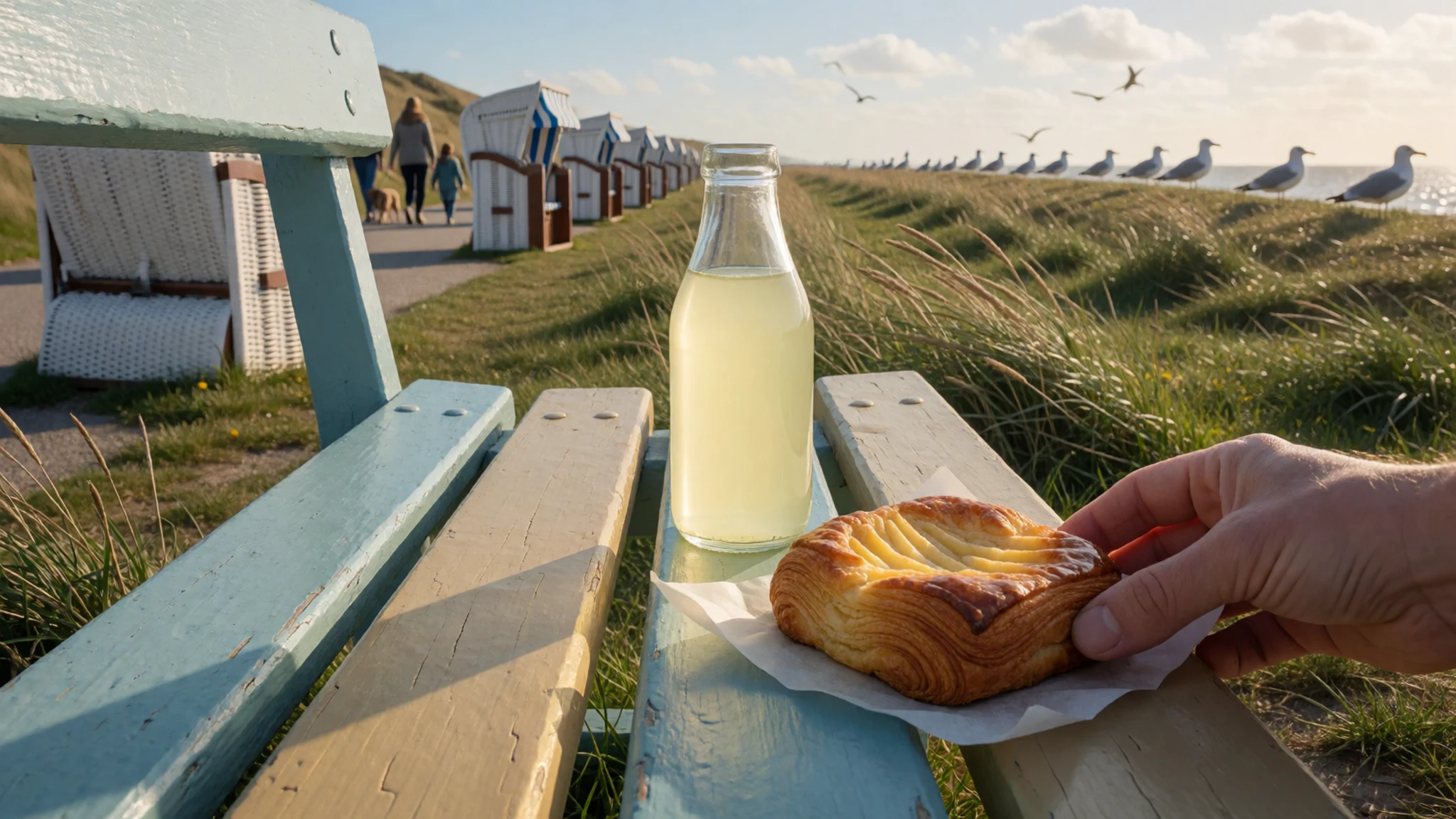
- Dairy and farm produce — Village farm shops and local cafés
Farming and pasture work still matters on Föhr, so dairy-led items appear naturally in local menus and seasonal offerings. Expect uncomplicated flavours that feel like “island basics” rather than trendy experiments. - Farm-and-pasture dishes (seasonal plates) — Local restaurants around Wyk and the villages
Föhr’s inland rhythms show up in seasonal dishes based on pasture and local produce, often served as hearty comfort rather than delicate tasting menus. These are best found through regular island restaurants and seasonal menu boards. - Market snacks while wandering — Town markets and snack stops in Wyk
When a day includes wandering through Wyk, markets and snack counters make the trip feel easy. Grab small portions for in-between moments—something salty, something sweet—and keep moving without turning the day into a sit-down marathon.
Plan it
Best time. June–September for the warmest walks, with July and August the hottest months; these are also the rainiest stretch, with October as wet as well. For the most comfortable balance of warmth and rainfall, aim for July and August. For crisp, drier-feeling winter light, November–February can be cold, with January and December among the coldest months.
How long. 3–4
Getting there. Arrive via the nearest route to the mainland port at Dagebüll, then take the ferry to Wyk Ferry Port. You can also drive your own car onto the passenger ferries heading to Föhr, or land planes at its local airstrip. Coming from the mainland, that final ferry hop into Wyk is the last stretch of the journey.
Budget. mid
Tips
- Plan for wind: pack a windproof jacket and shoes that handle sand and uneven paths.
- Use ferry days for longer views—set aside time to walk near Wyk’s promenade before or after checking in.
- If visiting churches, combine them into one town route so the stops feel efficient.
- Go to Dr. Carl-Haeberlin-Friesenmuseum when the weather turns, then continue with indoor-to-outdoor exploring.
- Bring cash for smaller purchases where payment options may be limited; keep card for bigger spends.
Etiquette
- Be quiet in church spaces and follow any shoe or entry instructions provided on-site.
- Keep voices down in residential lanes and along the promenade early in the morning.
- Don’t block paths for photos—step aside so walkers and cyclists can pass.
Nearby
Sources
- Wikidata Q3127 (CC0)
- Wikipedia (rev 1378685487) (CC BY-SA 4.0)
- Wikivoyage (rev 5402528) (CC BY-SA 4.0)