Cologne Cathedral
Cologne Cathedral, Germany
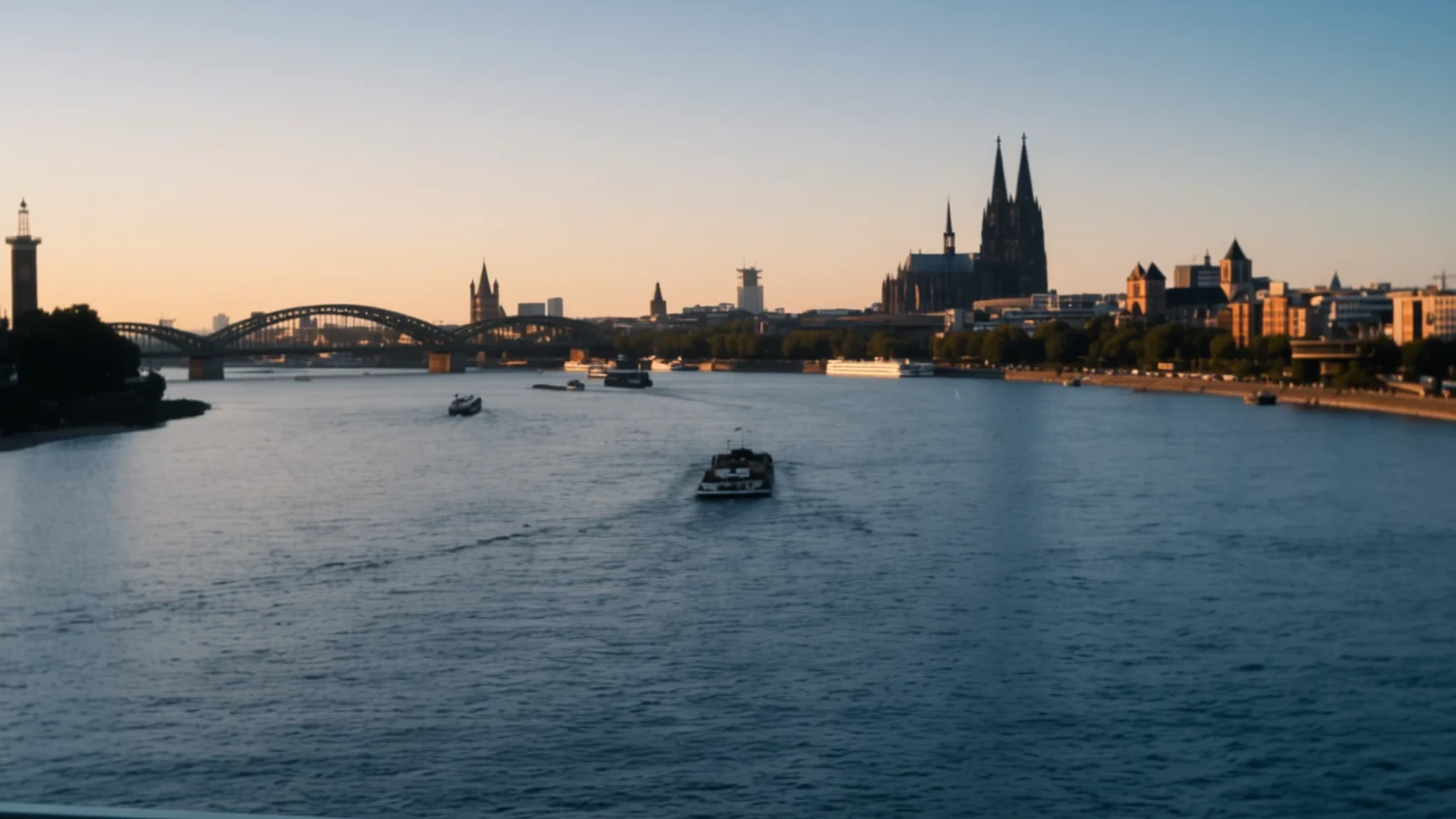
Go for the sheer scale of a medieval church that took centuries to finish, and stay for the Romanesque churches and the Rhine-side old town around it.
The place
Cologne Cathedral, known locally as the Dom, stands on the western bank of the Rhine in the old centre of the city. It is the seat of the Archbishop of Cologne and the headquarters of the archdiocese, so it is a working church as well as a monument. Most visitors notice the towers first. Together they reach 157 m, which makes it the tallest cathedral in the world, and the west front is one of the largest church façades anywhere. Inside, the nave is long and lofty, with tall windows that colour the stone floor in the afternoons. Expect crowds. The cathedral draws around 6 million people a year, which makes it Germany's most visited landmark, and the square outside fills with tour groups, buskers and pigeons from late morning. Arrive early for a quieter walk through the aisles. From the second half of this year, the main church will also charge tourists admission, so check the official site for opening hours and current charges for the cathedral, the treasury and the tower. The Altstadt around it is compact, so the Romanesque churches, the river and the bridges are all within a short walk.
Its story
Cologne Cathedral began in 1248, when the city's builders set out to create a building grand enough to house the relics of the Three Kings and to serve as a worship place fit for the Holy Roman Emperor. Work moved steadily for a while, then stopped around 1560, leaving the towers unfinished for more than two centuries. For much of that time the half-built church was a familiar sight on the Rhine, with its cranes and open stonework against the sky. Interest in finishing it revived around 1814, but the money did not arrive in a serious way until the 1840s. Builders then worked from the surviving medieval drawings, and the church was finally consecrated in 1880, after 632 years of on-and-off construction. The completed cathedral was later listed as a World Heritage Site in 1996, recognised as a powerful testimony to the endurance of Christian belief in medieval and modern Europe. The story is visible in the building itself: the older stonework, the newer sections and the lines of the spires all show how a single project spanned many generations. Tracing the gap between the medieval plan and the nineteenth-century finish is one of the most rewarding ways to look at the façade.
What to see
- Kölner Dom (the cathedral itself) — Altstadt, by the Hauptbahnhof
Give the cathedral at least an hour. Walk the full length of the nave, look up at the vaulting and find the shrine area at the east end, which holds the relics that drew medieval pilgrims. The stained glass is best in the late afternoon. Go early for space, or late for the light. The tower climb is a separate visit with narrow spiral stairs, so only attempt it if you are comfortable with heights and enclosed spaces.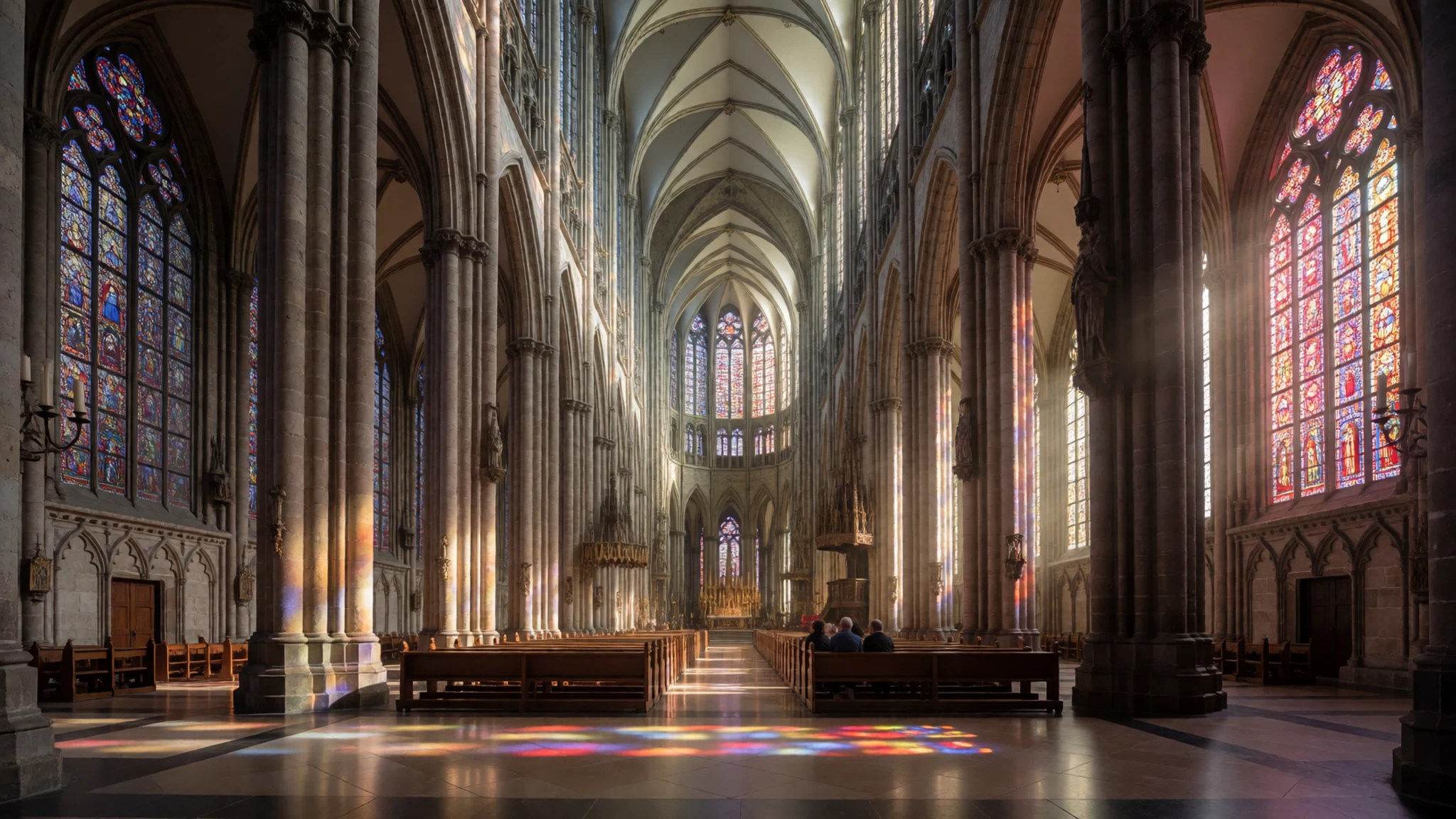
- St. Gereon's Basilica — Neustadt-Nord, a short walk north-east of the cathedral
One of Germany's oldest churches, built over the foundations of a late antique oval structure. Its most striking feature is the decagonal dome, which rises over an elliptical floor plan that is unusual for a church of this age. The interior is quieter than the cathedral and often has far fewer visitors, so it suits a slow look at the architecture.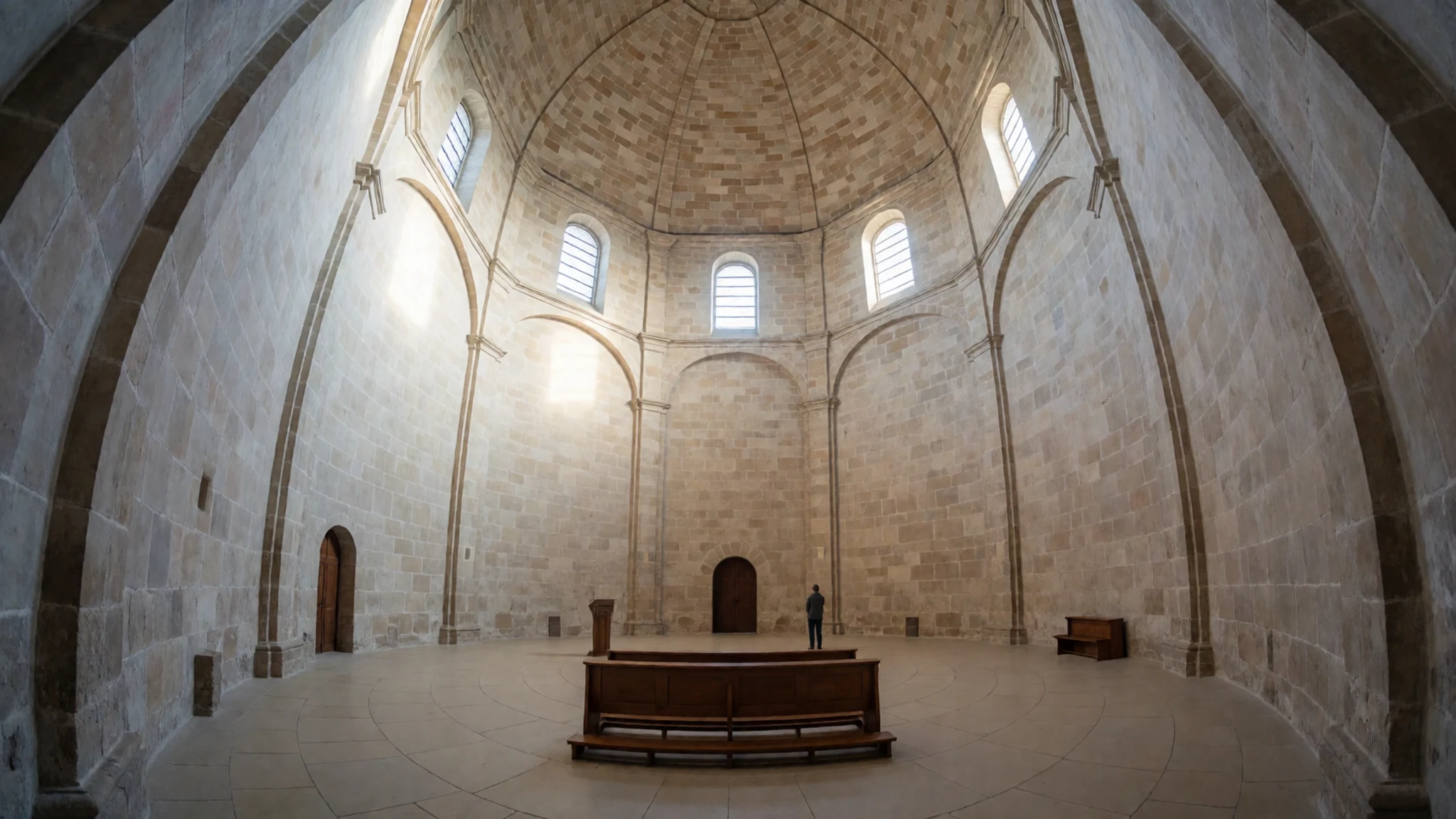
- St. Maria Lyskirchen — Altstadt-Süd, south along the river
The smallest of Cologne's twelve Romanesque churches, and worth the detour for its thirteenth-century ceiling paintings. They survive more intact than most in the city, so they give a clear idea of how the interiors once looked. Admission and opening times can change, so check locally before you go.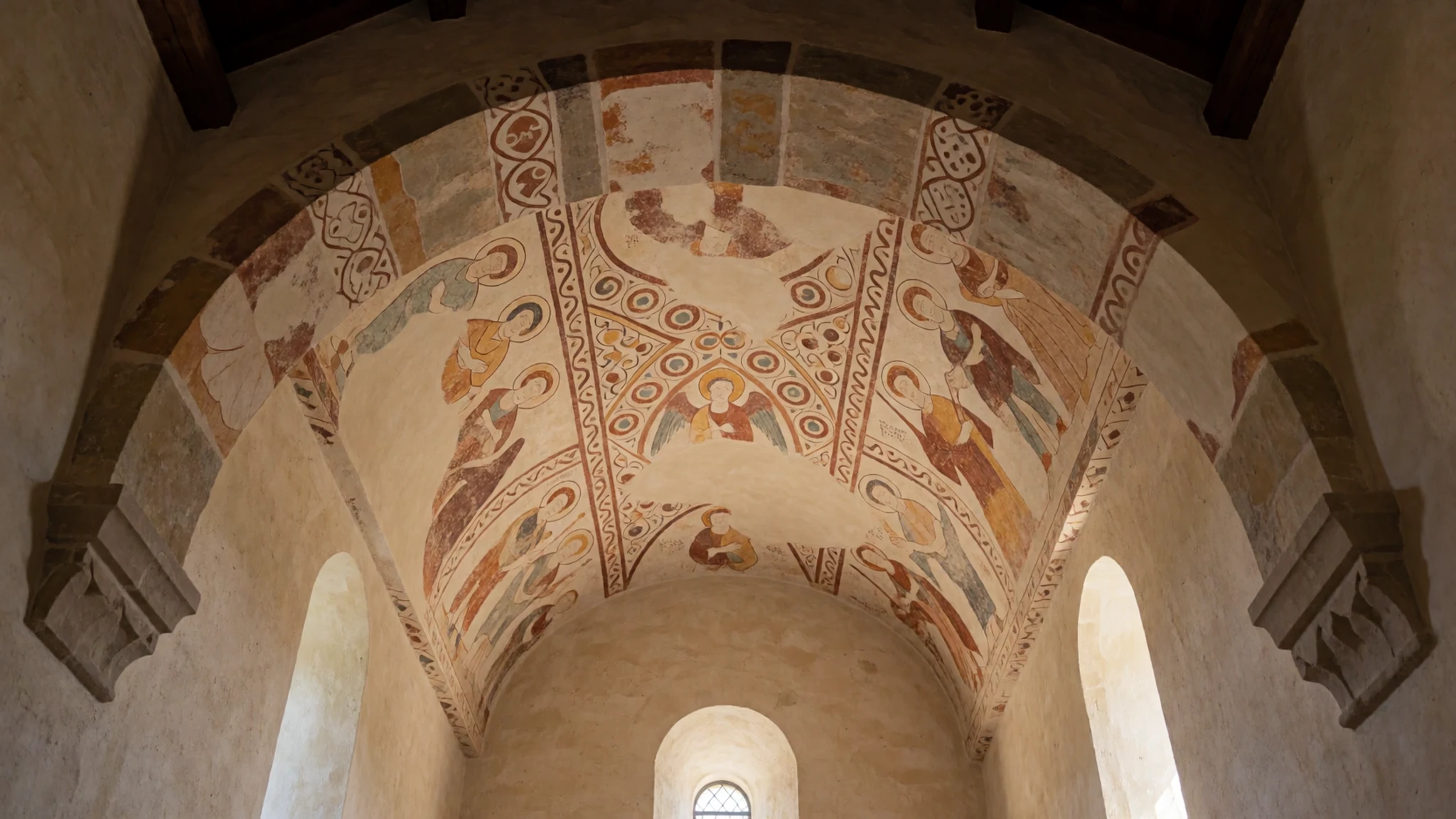
- St. Andreas — Altstadt-Nord, near the Rhine
A church that shows the shift from Romanesque to Gothic design, with features from both styles in one building. Its fourteenth-century crypt is the resting place of the scholar Albertus Magnus, which makes it a good stop for anyone interested in medieval learning as well as architecture. The crypt is quieter than the main nave.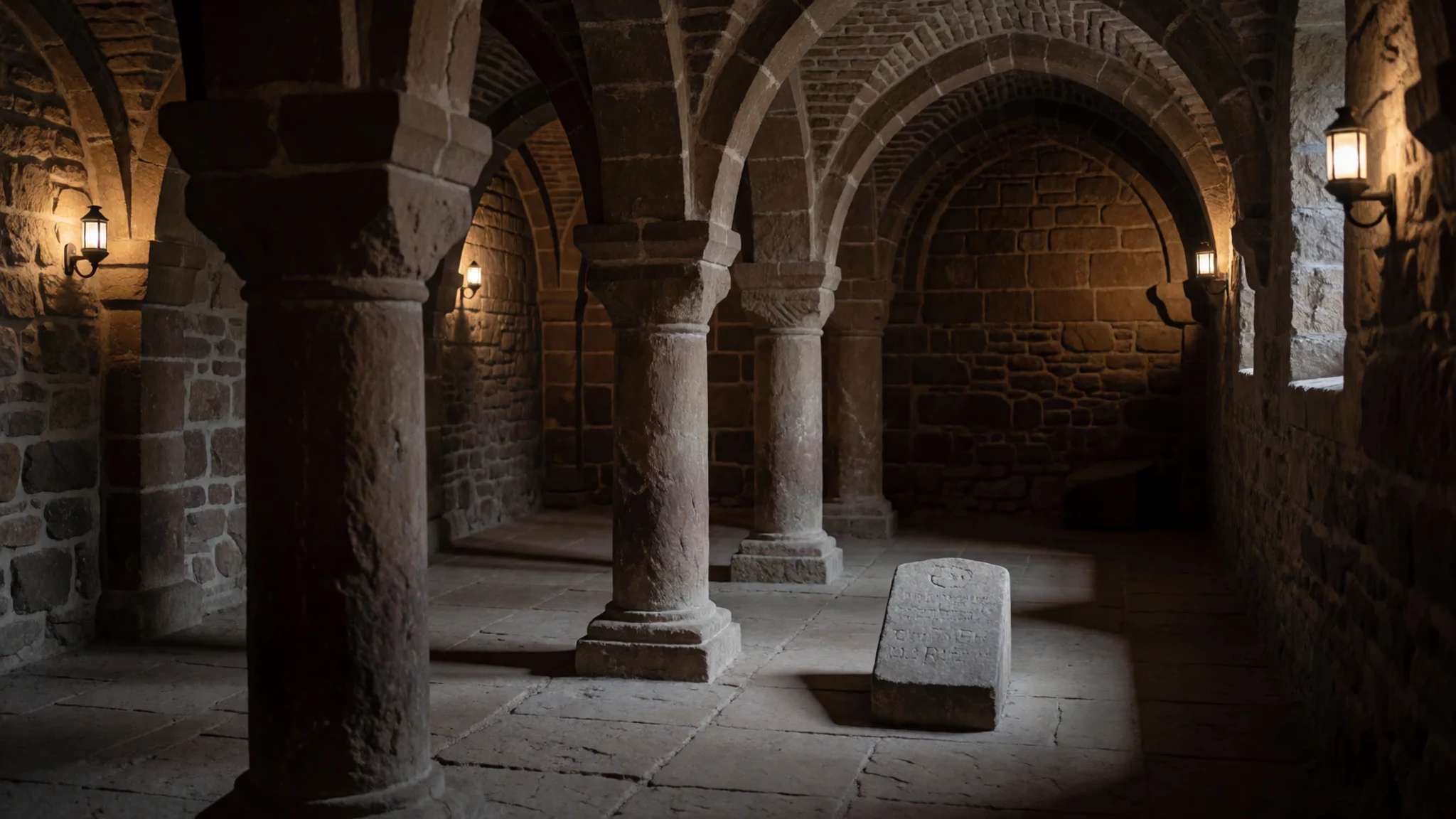
- St. Kunibert — Deutz side of the river, near the Rhine
The youngest of the twelve Romanesque churches, with a crypt that locals connect with a well-known legend about where Cologne's babies come from. Tell the story to children with a smile. The building itself is a calm contrast to the cathedral and a good walk from the main square.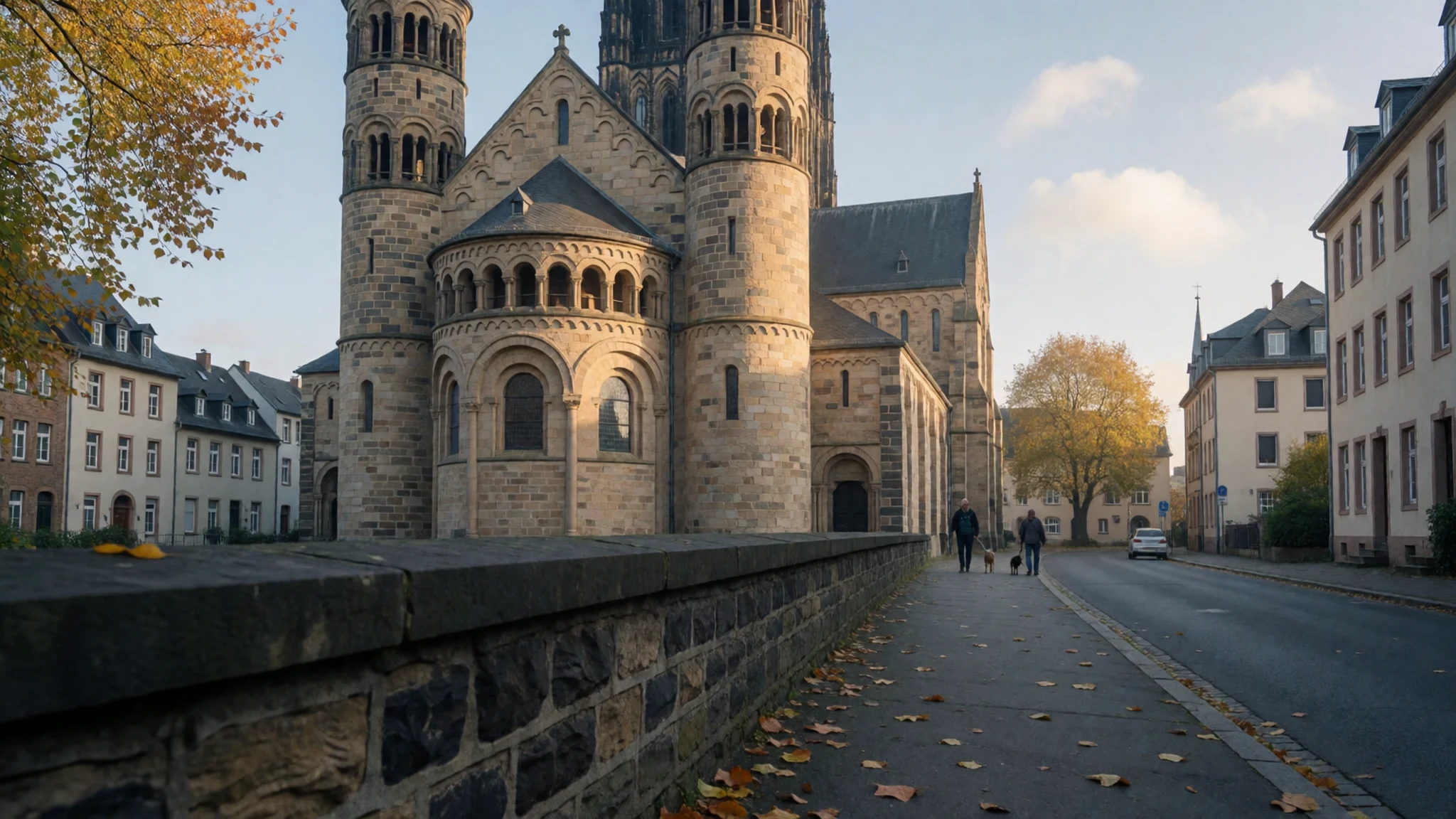
Culture
Cologne Cathedral is a place of daily worship as well as a major tourist site, and the cathedral's own guidance on visiting is worth checking before you arrive. Services take place at set times, and the nave can be closed to visitors while they run, so look at the schedule posted at the entrances. Inside, speak quietly, keep your phone on silent and avoid walking through the sanctuary or the area around the altar during Mass. Photography is common, but flash and tripods can disturb worshippers, so keep both out of the way. Many of the older Romanesque churches around the city are also active parishes, and some are only open for visits outside service hours. Locals in the Altstadt are used to tourists, but they take a dim view of people who block doorways or treat the pews as seats for a picnic. Dress with shoulders and knees covered when you step into any church, and keep a light scarf in your bag in case a service is under way. Visitors who treat the cathedral as a place of prayer as well as a monument will find the experience more rewarding. Keep voices low and move quietly whenever a service is taking place.
What to wear
The Rhineland does not have an everyday traditional costume in the way that some Alpine regions do. The most visible dress tradition in Cologne is carnival wear, which is worn during the winter festival season by the carnival corps, with bright uniforms, feathered hats and embroidered jackets in the city's colours. These outfits are made from heavy wool and brocade, and the costumes are a point of pride for the groups that wear them. Carnival is the only time you will see that dress worn at scale on the streets. Day to day, people in Cologne dress much like people elsewhere in Germany. Dark jackets, jeans, sensible trainers and warm coats are common, and in the cooler months you will see scarves and knitted hats near the river. For a visit to the cathedral, wear clothes that cover your shoulders and knees, since the church is a place of worship. Pack comfortable shoes with good grip, because the old town is paved with uneven cobbles and you will be standing or walking for long periods. Bring a layer for the Rhine wind, even on a mild day. A light waterproof is also useful, because showers can come in quickly.
What to eat
- Kölsch in a brewhouse — the brewhouses of the Altstadt, near the cathedral
Kölsch is the local beer, served cold and in small, straight glasses that the waiter refills without being asked. Brewhouses in the Altstadt serve it with simple local food, and the atmosphere is loud, friendly and communal. Sit at a long table, order a few rounds and expect to be served quickly.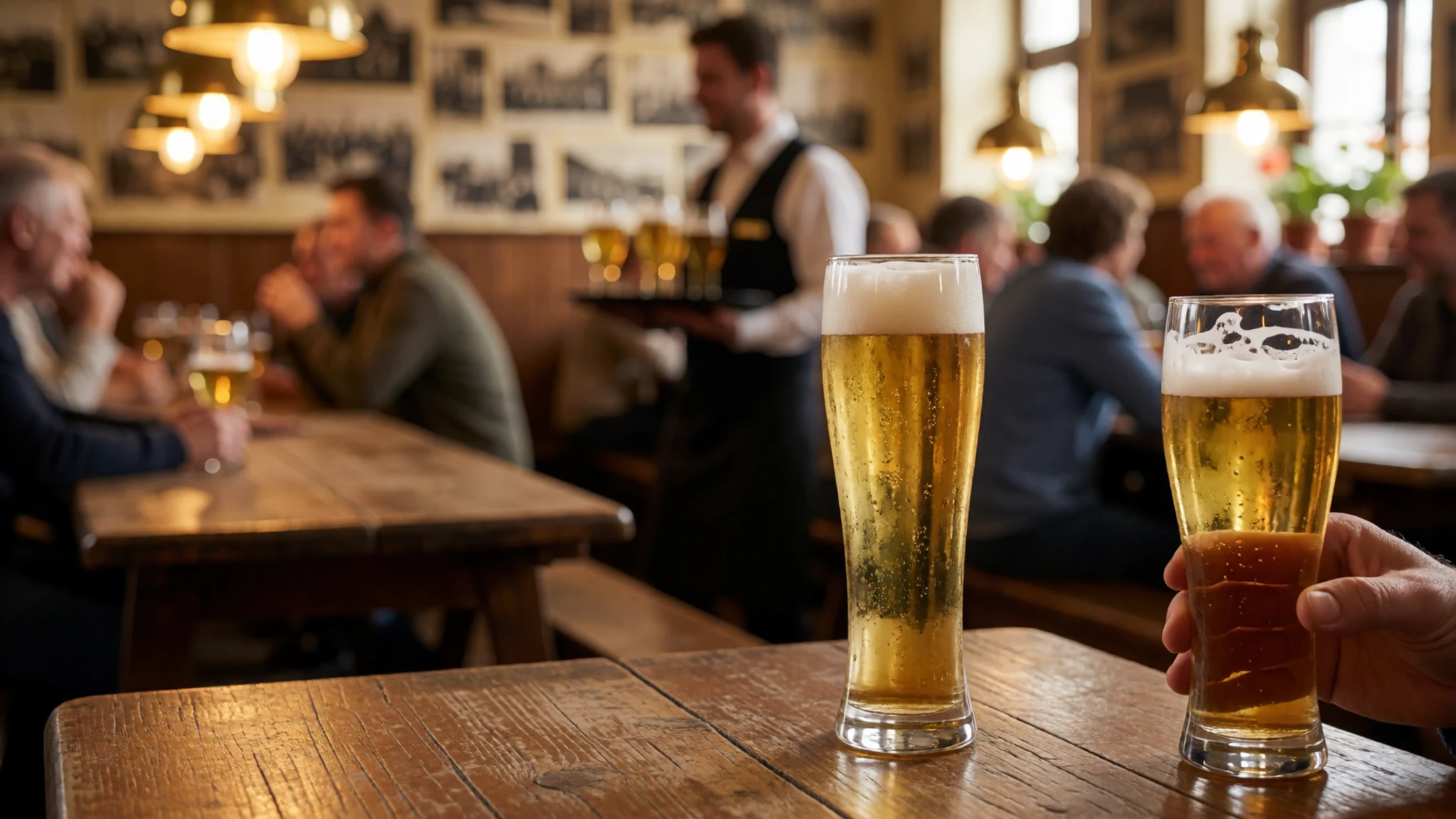
- Currywurst with fries — a sausage stand in the city centre, near the cathedral square
A sliced sausage with curry ketchup and a pile of fries, eaten standing up at a snack stand. It is a quick, cheap lunch and a fixture of the city centre. The best stalls are busy at lunchtime, so join the queue and enjoy it with a paper plate.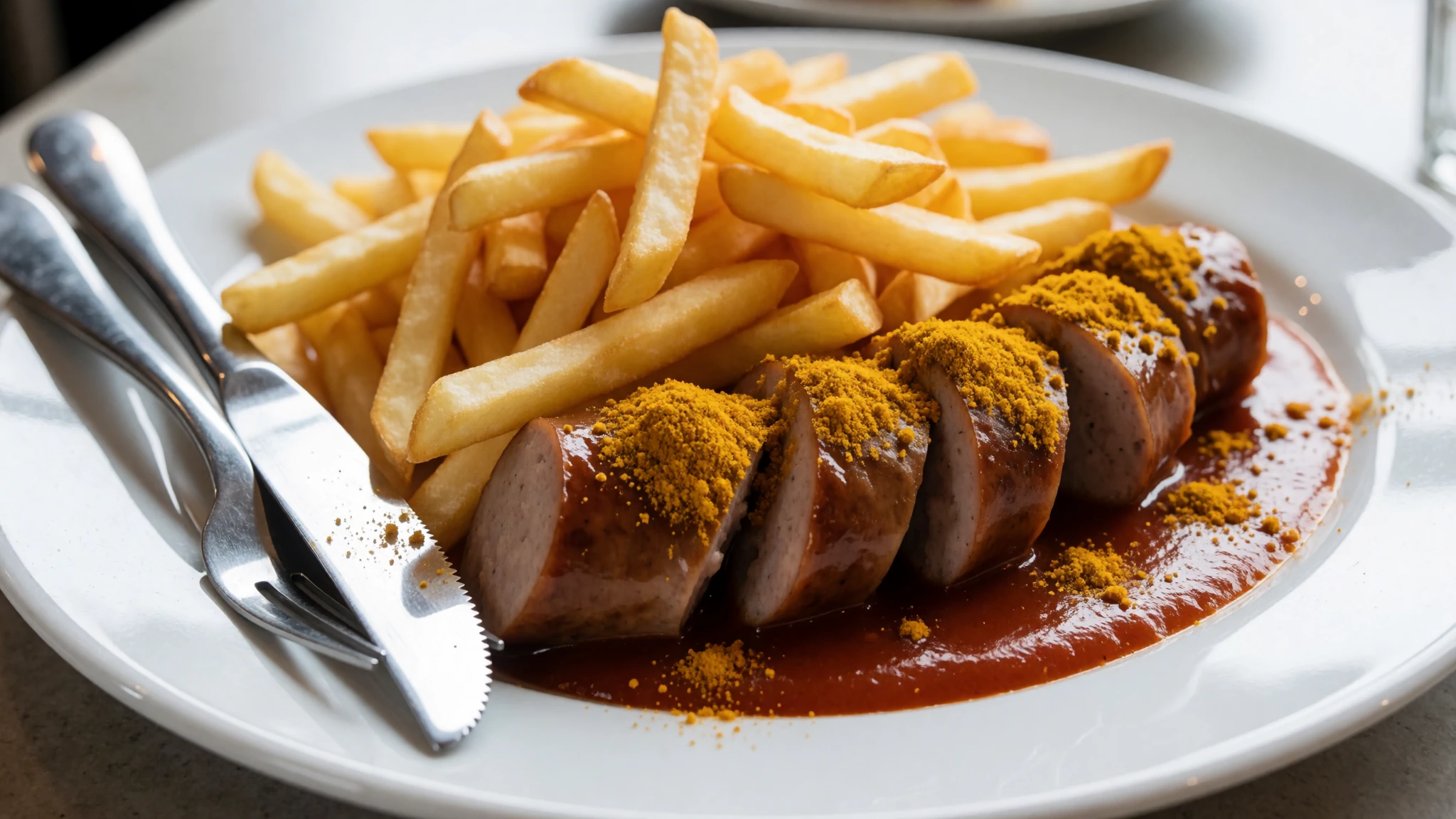
- Reibekuchen with apple sauce — a traditional brewhouse or a Christmas market stall in season
Crisp grated potato fritters, fried until golden, served with apple sauce or sugar. They are a traditional snack in the Rhineland and appear on many brewhouse menus. The contrast of hot, crisp potato and cool apple sauce makes them a good match for a glass of beer.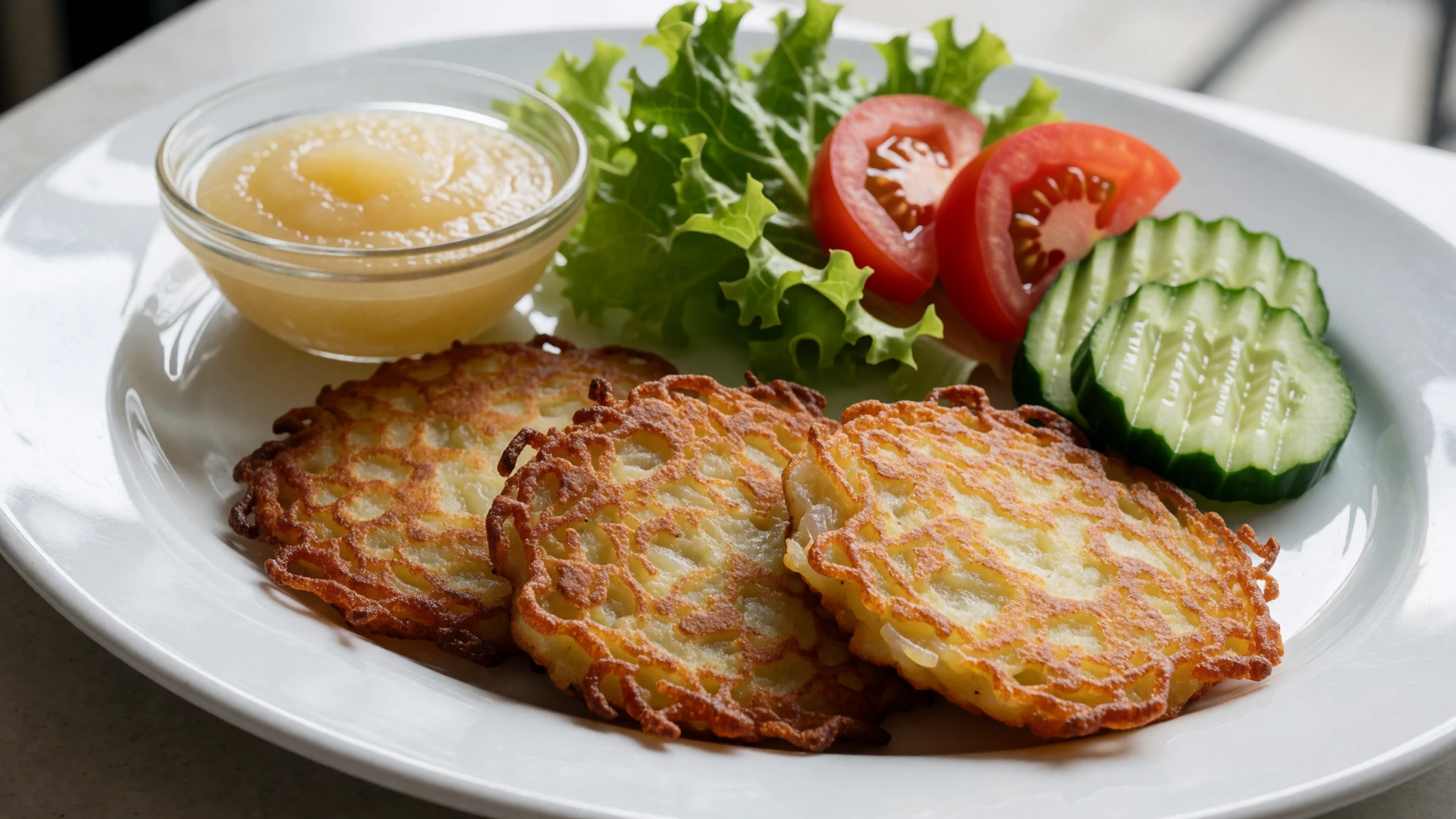
- Savoury and sweet crêpes — a crêperie on one of the lively side streets off the main shopping area
Thin pancakes, both savoury and sweet, made to order. Savoury versions often use buckwheat and come with cheese, ham or egg. Vegetarian and vegan options are common, so a crêperie is a good choice for a mixed group. Service tends to be relaxed, so allow time. - Mezze and vegan sandwiches — small vegan and Middle Eastern cafés in the districts away from the Altstadt
Small Middle Eastern plates such as baba ganoush and hummus, with freshly made flatbread, and sandwiches with grilled halloumi-style cheese. Several small vegan cafés in the city serve fresh food with bold flavours, and they are a good break from heavier German dishes. - Home-style lunch counter — a neighbourhood lunch counter, away from the cathedral crowds
A simple daily lunch with a changing menu, usually cooked from fresh ingredients and served at a counter or a few tables. It is a useful option if you want a proper sit-down meal without the formality of a full restaurant, and it suits lunch after a morning of church visits.
Plan it
Best time. April and September bring the most comfortable temperatures and the first leaves along the Rhine, and October is calm with fewer crowds. Winter brings the Christmas markets and carnival in February, which are lively but busy. July and August are the hottest and wettest months, with highs near 40 °C and frequent downpours, so the river is busy but hard going in the heat.
How long. 2–3
Getting there. Fly into Frankfurt and take a high-speed ICE train, which covers the trip in about an hour. Cologne Bonn Airport is closer to the city but has fewer long-haul links. Cologne Hauptbahnhof sits right beside the cathedral, so the last leg is a short walk. Trains link Cologne with Amsterdam, Brussels and Paris.
Budget. mid
Tips
- Arrive at the cathedral early in the morning, before the tour groups gather in the square
- Check the official site for opening hours and any timed entry for the treasury and tower
- Carry some cash for small snack stands and brewhouse tabs, though most places take cards
- Stay alert for pickpockets in the busy city centre and on the Ring at night
- If you drive, you need a Low Emissions sticker for the city centre, and it must be arranged weeks in advance
Etiquette
- Cover shoulders and knees when entering the cathedral or any other church
- Keep quiet and avoid the sanctuary during services
- Ask before photographing people, especially at religious events
Nearby
Sources
- Wikidata Q4176 (CC0)
- Wikipedia, Cologne Cathedral (rev 1382641982) (CC BY-SA 4.0)
- Wikivoyage, Cologne (rev 5400339) (CC BY-SA 4.0)
- Photo: Cathedral in Cologne, Germany (Thomas Wolf) (CC BY-SA 3.0 de)
- Photo: Kölner Dom Westfassade 2022 (Raimond Spekking) (CC BY-SA 4.0)
- Photo: Übergabe Rohbau Baptisterium Kölner Dom (Raimond Spekking) (CC BY-SA 4.0)
- Photo: Stifterbild des Hillinus-Codex (Public domain)
- Photo: Domschatzkammer Petrusstab (Doppelklecks) (CC BY-SA 4.0)
- Photo: Bau des Doms, Köln, 1855 (Johannes Franciscus Michiels) (Public domain)
- Photo: Rheinpanorama 1856, detail Dom (Johann Franz Michiels) (Public domain)
- Photo: Gezicht op de De Dom van Keulen (Rijksmuseum) (CC0 1.0)


