Bavarian Forest National Park
Bavarian Forest National Park, Germany
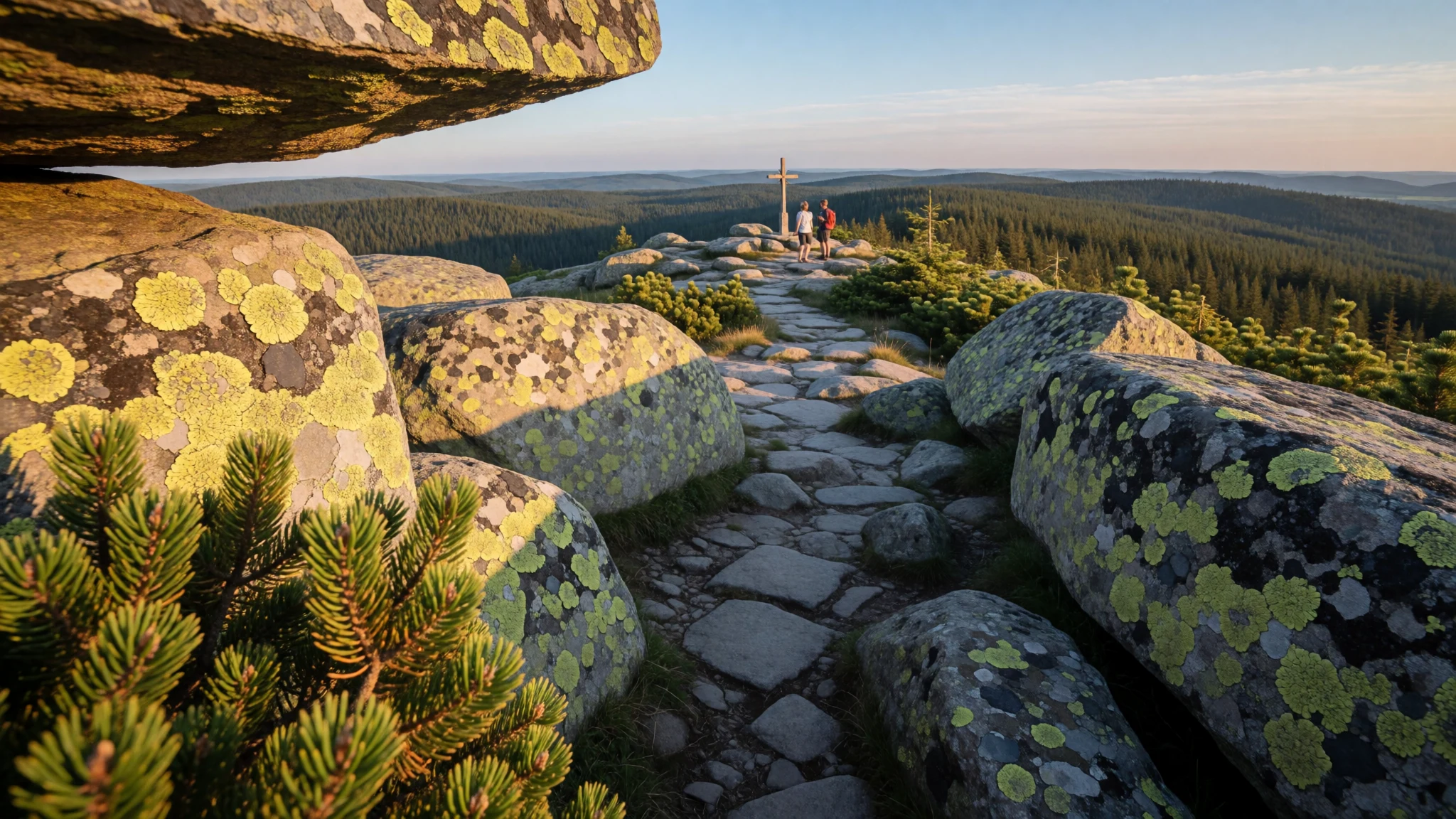
Go to Bavarian Forest National Park for quiet hikes through spruce woods, bogs and ridge views—less a theme park, more a long walk.
The place
Bavarian Forest National Park (Nationalpark Bayerischer Wald) sits in the Eastern Bavarian Forest, right on Germany’s border with the Czech Republic. It was founded in 1970 and, after later expansion, became the German side of a much larger forest landscape shared with the Bohemian Forest across the border.
The feel here is all about woodland and weather. Trails wind through highland forests where Norway spruce is common, with mixed mountain stands of fir, beech and spruce in the valleys and on the slopes. Even though forestry shaped the region for generations, the park’s current approach is to let nature take over again, including dealing with major dieback events rather than constantly “tidying” the forest.
Big views come from the higher peaks around the park: Großer Falkenstein, Lusen and Großer Rachel. Between them are the quieter water-and-wetland corners—raised bogs and bog lakes like Latschensee, plus older meadows (called Schachten) that also extend into the Bohemian Forest.
In practice, the park is busiest in the usual outdoor seasons, and it can get crowded around the most accessible viewpoints and visitor spots. But step onto a less direct route and the atmosphere shifts quickly: fewer people, thicker forest, and that cool, damp air that makes even a short walk feel longer.
Its story
Bavarian Forest National Park has the kind of history you only notice when you start moving between landscapes. The woodland does not behave like a “managed” garden. Instead, it changes over time—some areas recover, some show the marks of tree stress, and some clearings make the understory feel brighter and wilder.
A walk through the park often starts with a simple choice: follow the well-trodden path to a standout view, or keep going into the stretches where the forest closes in. The differences are real. On the easy end, the route offers quick payoff—ridge air, a glimpse of the next valley, and the sense that the mountains are always just beyond the trees. On the deeper end, hiking becomes about rhythm: steady climbs, soft ground near boggy areas, and listening for birdsong where the canopy feels dense.
The story of the park also includes how people argued about what “wilderness” should look like. When large-scale bark beetle impacts hit parts of the high forests, residents reacted differently—some wanted more intervention, others wanted a hands-off approach. Today, the compromise means bark beetle is still dealt with in the surrounding buffer area, while the core idea remains: nature should be allowed to run its course.
That’s why the park can feel surprisingly emotional for such a practical trip. It’s not about seeing everything in one day—it’s about returning to the same forest twice and noticing it has shifted.
What to see
- Baumwipfelpfad Bayerischer Wald (tree-top canopy walkway) — Neuschönau area
Baumwipfelpfad Bayerischer Wald is the park’s most “stand-and-look” option, lifting visitors into the canopy for a slow, forest-level perspective. Expect short routes and steady sightlines rather than a strenuous trek.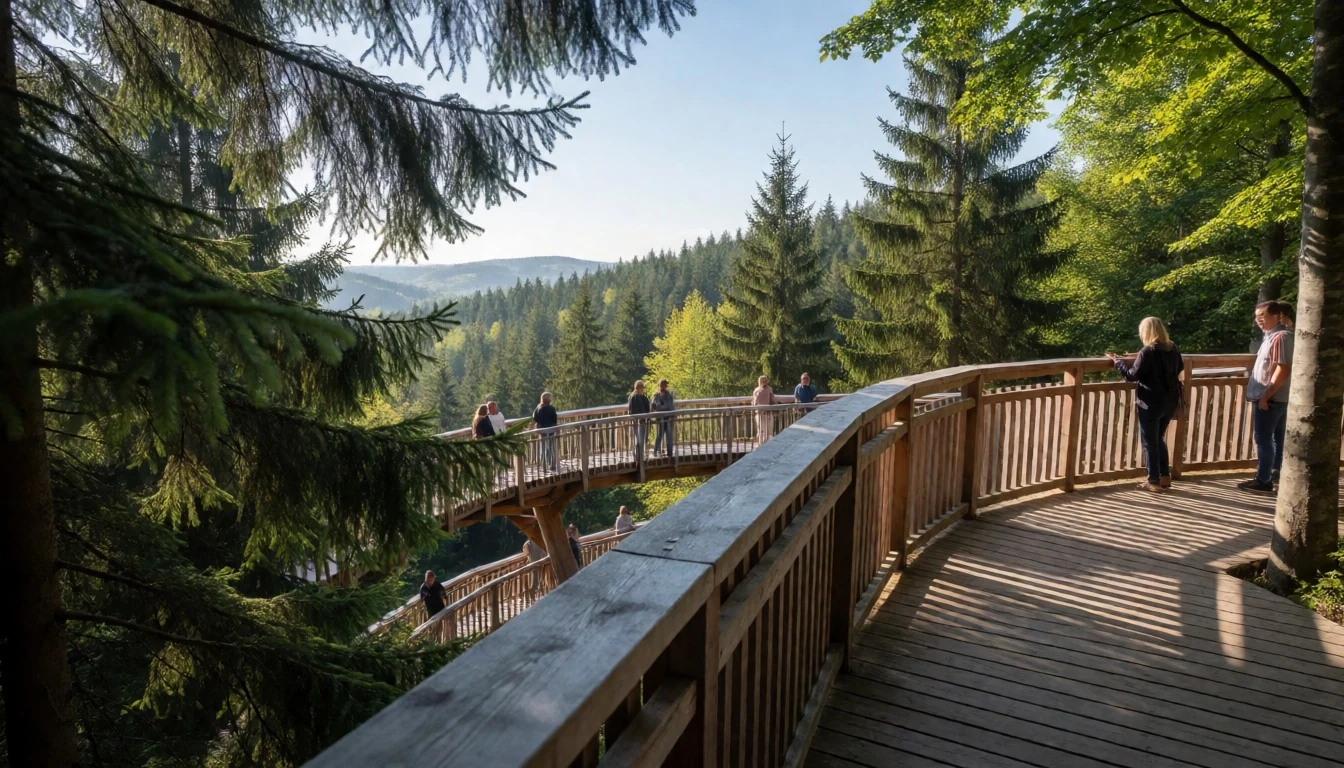
- Lusen mountain viewpoints and ridge routes — Lusen and the surrounding highlands
Around Lusen, the forest opens into higher ground and longer lines of sight over the Bavarian Forest. Routes tend to combine easy path sections with steeper stretches, so pacing matters in mist or after rain.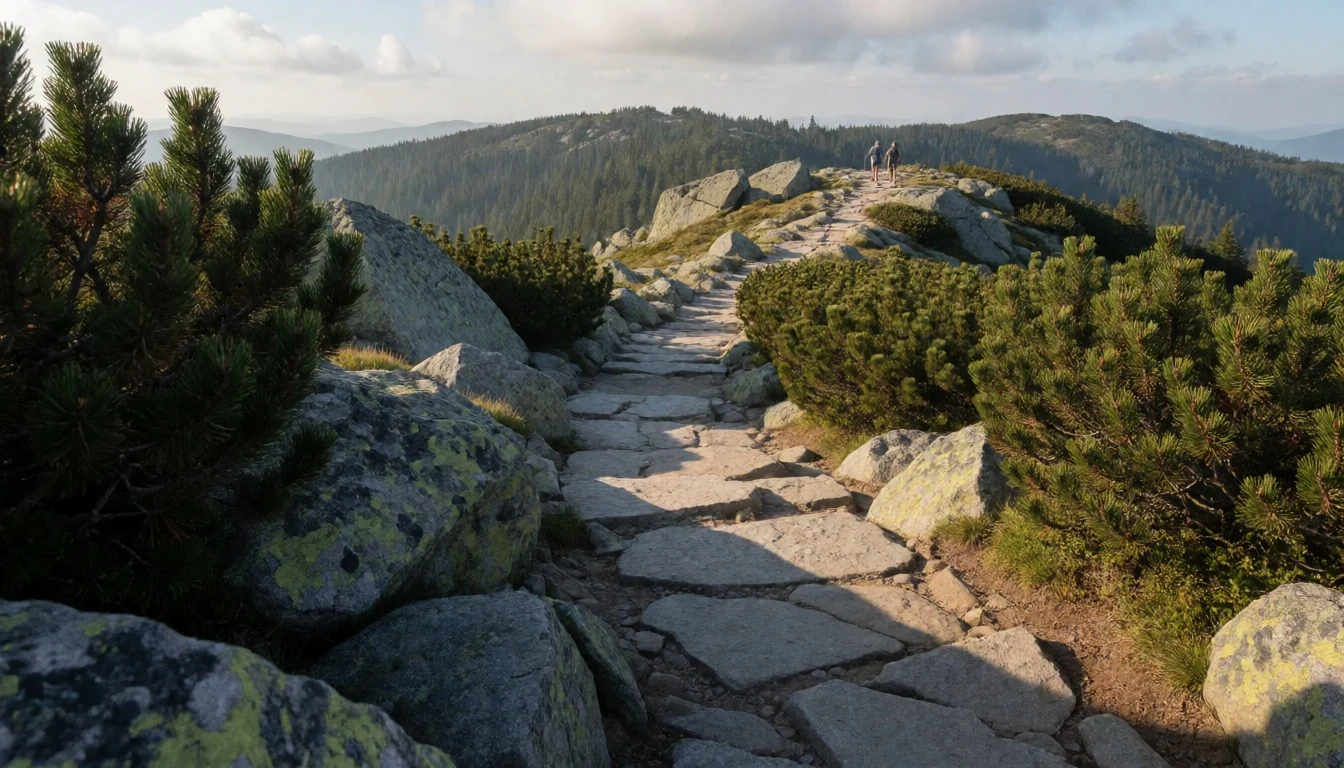
- Rachelsee and the Seewand viewpoint area — Rachelsee and Seewand area
The Rachelsee region is for those who like water and quiet edges to forest routes. The Seewand area offers a dramatic sense of drop and geology, with trails that feel like moving from trees into open viewpoints.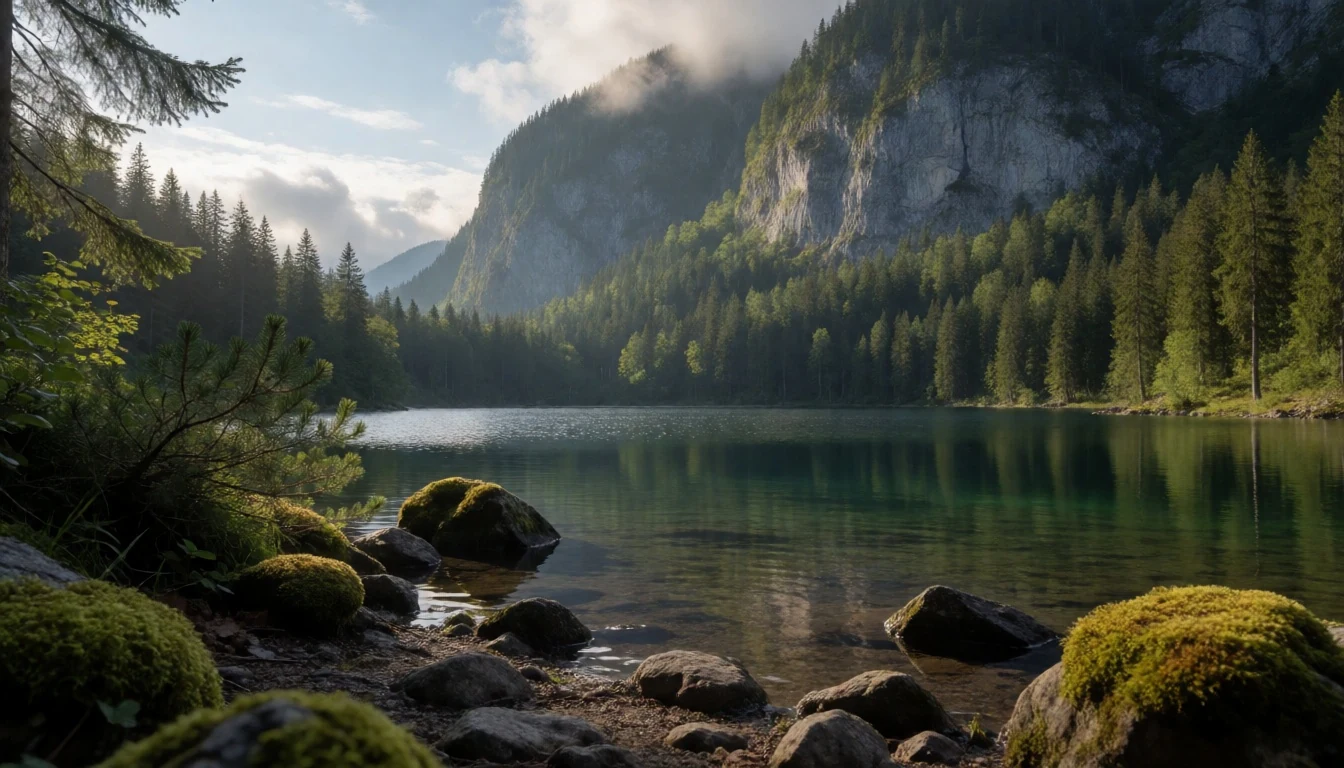
- Schlutergasse high moor (raised bog) — Moor and bog-lake sections of the park
Schlutergasse is a raised bog landscape that reads completely differently from spruce slopes: boardwalk and softer ground, with a colder, wetter atmosphere. It’s ideal for slow observation and learning how bogs function in this region.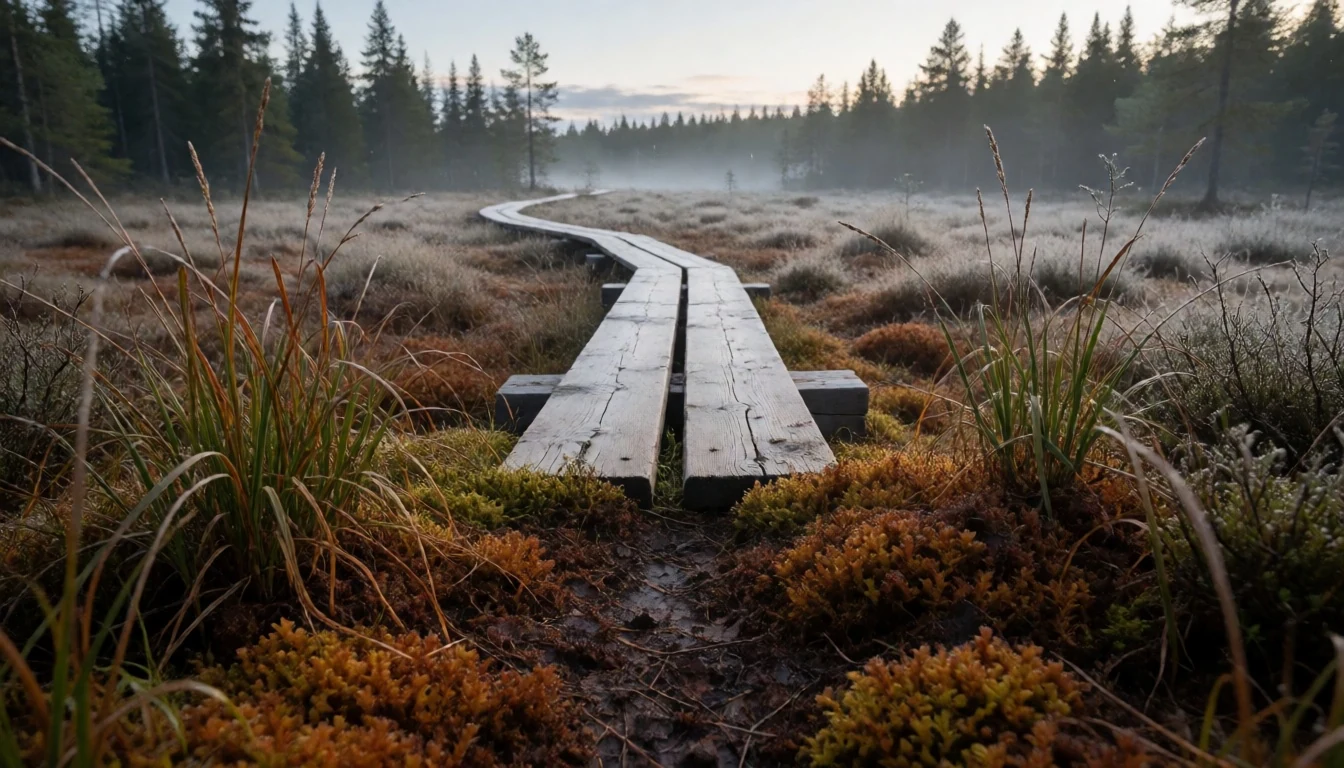
- Park administration area in Grafenau — Grafenau (park administration area)
The Grafenau administration area is where visitors often first orient themselves—maps, practical info and the start point for choosing routes. It’s less scenic, but helpful when deciding what to do based on weather and trail conditions.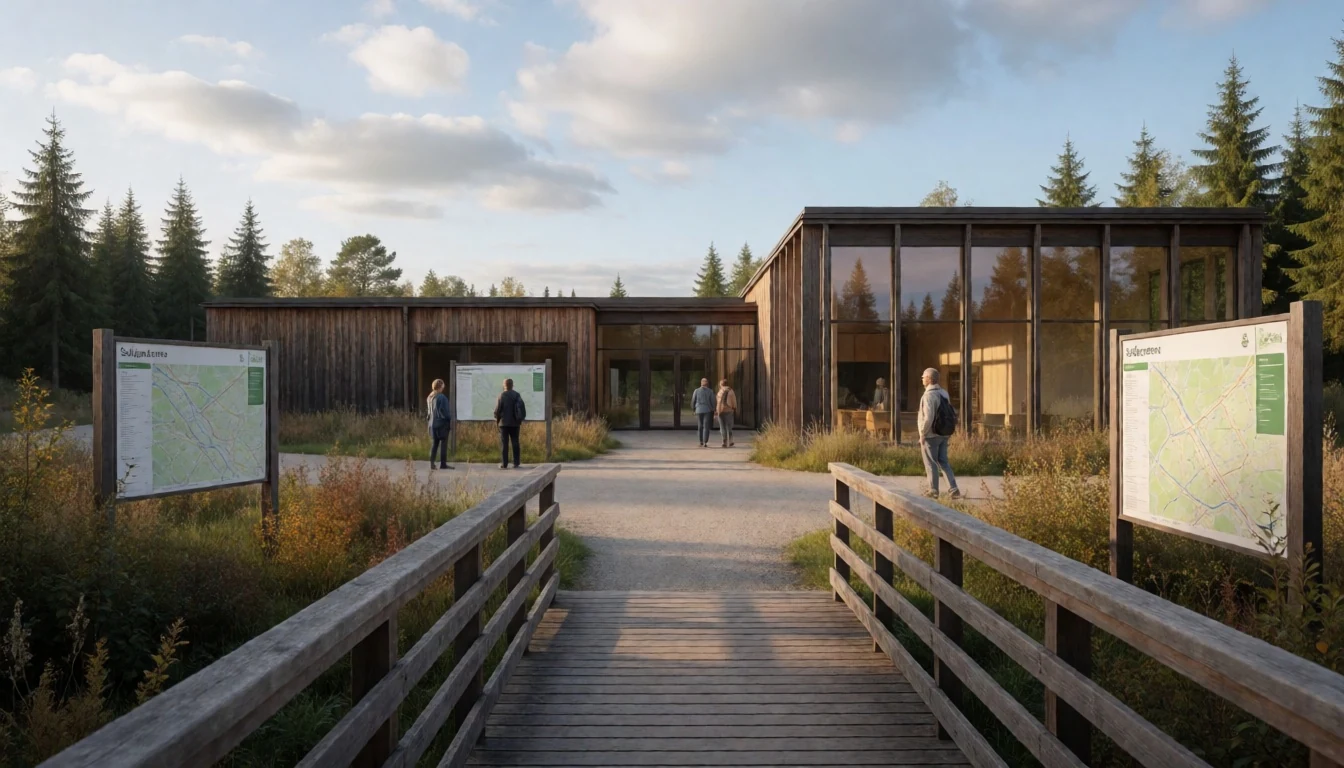
Culture
Bavarian Forest National Park is a working wilderness on the edge of two countries, so culture here is mostly about how people share a landscape. Many visitors come for hiking, and you’ll notice a strong “outdoors first” rhythm: morning departures, layered clothing, and quiet respect for trails. The park’s story also shapes attitudes—some locals prefer more active management during tree dieback, while others expect a hands-off approach, and that debate still echoes in conversations and decisions.
In towns around the park, the influence shows up in small museums, open-air experiences and seasonal events that feel closer to community traditions than to staged entertainment. Food and daily life move at the pace of the seasons, which is handy for travellers: autumn means hearty warming meals, while spring and early winter can bring crisp air and quick weather shifts.
Visitor manners in a forest park are simple: keep to paths, leave bog areas alone (even when they look “walkable”), and treat the canopy and viewpoints like shared spaces where no one wants to be blocked by long stops. If wildlife appears, give it room and keep noise down.
Visitor etiquette: keep to marked trails and stay quiet in the moor and canopy areas so other hikers and wildlife can enjoy the same calm.
What to wear
In Bavarian Forest National Park, traditional dress is more about regional occasions than daily trail wear. When people wear classic Bavarian outfits, it’s often in the form of dirndl for women and lederhosen for men, with the clothing made from sturdy fabrics suited to cooler weather. These outfits usually appear at local festivities rather than on a random hike.
For most visitors, what matters is practical layering. The forest environment can feel cool and damp even in warmer months, and weather can change quickly on higher ground near peaks. Choose moisture-wicking base layers, a warm mid-layer and a waterproof shell. Walking boots with grip are a must: paths can be uneven, and boggy sections can be slippery after rain.
In towns near the park, lighter jackets may work in summer, but for shoulder seasons (spring and autumn) a thicker coat or insulated layer helps. If visiting the park’s visitor-focused areas, comfortable footwear and weatherproof outerwear still win—there’s little point dressing for style when the ground is wet.
What to eat
- Hearty Bavarian-style soup — Town centre restaurants and local eateries around the park
Bavarian comfort soups are common around the park area—think rich, warming broths served as a starter or light meal after hiking. They’re especially comforting on cooler spring or autumn days.
- Trout and other freshwater fish — Local restaurants in the Bavarian Forest region
Freshwater fish shows up on menus in this part of Bavaria, often as a simple, grilled or pan-fried option. It’s a good lighter choice when the weather feels warmer but hiking still works up an appetite.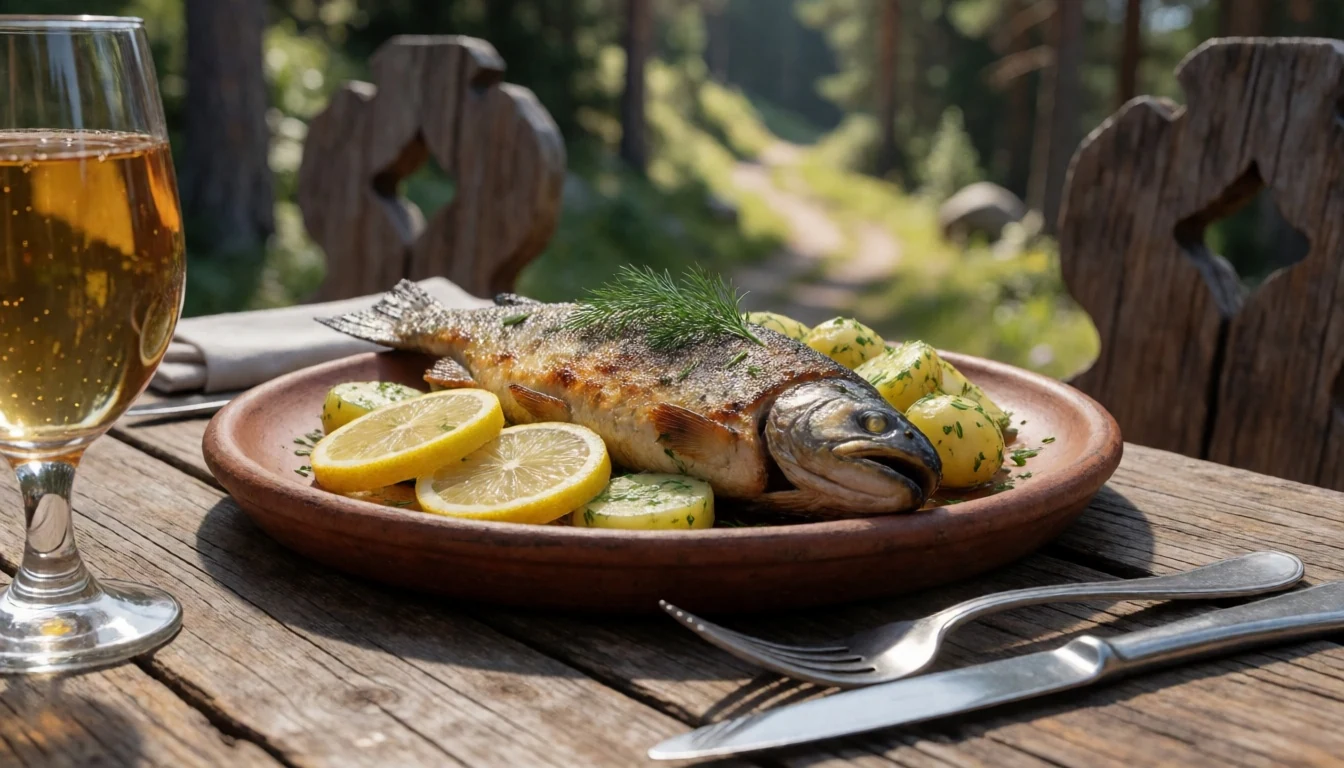
- Potato dishes — Local taverns and traditional kitchens in nearby towns
Potatoes are a reliable comfort-food base in Bavaria, appearing in various forms—from hearty sides to thicker plates that sit well after a long walk. Expect filling flavours designed for cooler weather. - Seasonal fruit desserts — Bakery counters and cafés in nearby towns
Dessert often follows the season here, with fruit-based options that rely on what’s available—commonly apple or berries. These work well after a heavier main when the air outside still feels brisk. - Local sausages and cold cuts — Butcher-style counters and traditional restaurants
Sausages and cold cuts are a frequent menu theme across Bavaria, usually served with breads and simple sides. They’re an easy pre-hike or post-hike meal when the park day starts early.
Plan it
Best time. March–April and October–November for comfortable hiking conditions; spring and autumn tend to feel cooler in the forest than mid-summer. June is part of the wetter spell, and August can be hot and humid in the region.
How long. 3–4
Getting there. Fly or train to Munich (München) or Plattling, then use local transport or regional trains/bus links towards Zwiesel, Bayerisch Eisenstein, Bodenmais and nearby towns for trail access; the final legs are by regional services and short local connections.
Budget. mid
Tips
- Start hikes early when trails feel quieter and the air is cooler
- Choose routes based on weather; mist and wet ground can change how steep a path feels
- Keep the navigation simple—one longer day beats chasing too many viewpoints
- Have snacks and water ready for bog and ridge sections where facilities are limited
Etiquette
- Stay on marked paths, especially around moorland and bog areas
- Respect quiet—don’t treat viewpoints as picnic zones that block access
- If using the canopy walkway, keep movement steady and avoid stopping in choke points
Nearby
Sources
- Wikidata Q704124 (CC0)
- Wikipedia (rev 1364625039) (CC BY-SA 4.0)
- Wikivoyage (rev 5179839) (CC BY-SA 4.0)
- Photo photos/01-lusen-im-bayerischen-wald-2013.jpg (CC BY 3.0 de)
- Photo photos/02-bayerischer-wald-intakt.jpg (CC BY 3.0)
- Photo photos/03-nationalpark-bayerischer-wald.jpg (CC0 1.0)
- Photo photos/04-zonierung-din-a3.jpg (CC BY-SA 4.0)
- Photo photos/05-00-2780-grafenau-niederbayern-geb-ude-np-verwaltung.jpg (CC BY-SA 4.0)
- Photo photos/06-20200728-lusen-blaues-ulen-grenzsteig-grenze-sonstigerwegundsteig-wilder-wald-gregor-wolf(1).jpg (CC BY-SA 4.0)
- Photo photos/07-abendstimmung-im-moor.jpg (CC BY-SA 4.0)
- Photo photos/08-ausblick-auf-den-rachelsee-2.jpg (CC BY-SA 4.0)


