Aachen Cathedral
Aachen Cathedral, Germany
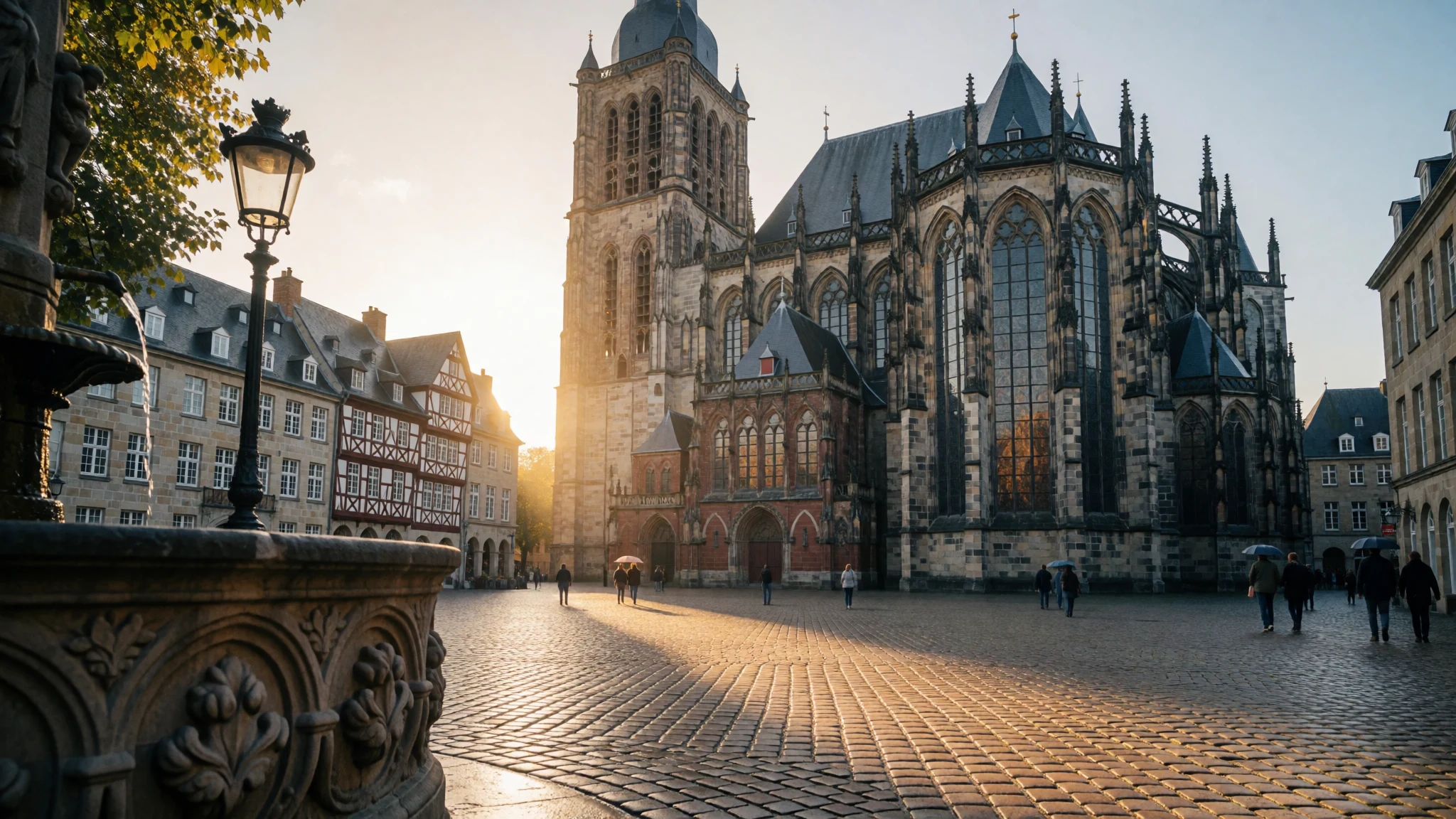
Aachen Cathedral is where Charlemagne’s story meets layered architecture—Carolingian core, later Gothic choir, and centuries of change.
The place
Aachen Cathedral (Aachener Dom) sits in the heart of Aachen, Germany, and it’s still very much a working Catholic cathedral, not a museum you simply walk through. The building’s centre of gravity is the Palatine Chapel, created as the royal chapel for Charlemagne’s palace. Its scale feels surprisingly compact when you first step inside, especially compared with the grand additions that came later.
What makes the cathedral feel “alive” is how many eras are built into one space. The oldest core is Carolingian-Romanesque, shaped by the idea of a palace church, and it carries the influence of earlier Byzantine-style architecture, which shows in its form and spatial rhythm. Then, the choir was added later in a Gothic style, bringing a different kind of verticality and light. If you linger, you can also spot traces of other periods—Ottonian elements around the throne area, and sections that were finished much later using revivalist approaches.
This is also a place where history has been repeatedly tested. The cathedral has endured raids, major restorations, and heavy damage during World War II—yet its basic structure survived and the story continues through ongoing care. Visiting is usually easiest when you plan around crowds: mid-morning can get busy, while early arrival buys you quieter viewing and time to read details without rushing.
Practical note: because it’s a cathedral, you’ll want to keep voices low and movement respectful; services and visitor flows can affect which areas are easiest to access. Check the official site for current visitor options before you go.
Its story
Charlemagne’s Aachen is the starting point of Aachen Cathedral’s story. The Palatine Chapel began under his rule around 796, with construction associated with Odo of Metz. Completion wasn’t a simple calendar moment—there’s correspondence pointing to it nearing finish, and later the chapel was consecrated. Charlemagne was then buried there in 814, which effectively turned the chapel into a focal point for devotion.
By the centuries that followed, the cathedral became a magnet. After Charlemagne’s canonisation, pilgrims arrived in large numbers, and that demand fed into new building work. A Gothic choir hall was added in the era when the pilgrimage flow was at its most intense, and glass “chapel” spaces were consecrated for a major anniversary connected to Charlemagne’s death. Over time, cupola structures, additional chapels, and a steeple also made the complex grow beyond the original palace-chapel idea.
Like many European monuments, it also carries the scars of conflict and restoration. Damage from a Viking raid forced repairs, and the cathedral later suffered during World War II when Aachen faced heavy bombing and artillery fire. The remarkable part is that the basic structure endured. Some artworks had been removed for safety, and other items were protected within the church, so the cathedral could continue telling its long story rather than starting over from nothing.
If there’s a “thread” through all this, it’s that the cathedral keeps being reshaped by belief, politics, and repair—turning one royal chapel into a cathedral with layered identities.
What to see
- Aachen Cathedral (Palatine Chapel core) — Domhof / city centre
Start with the Palatine Chapel area: the Carolingian-Romanesque heart that grew out of Charlemagne’s palace. It feels smaller than many people expect, which is part of the charm—details reward a slow look.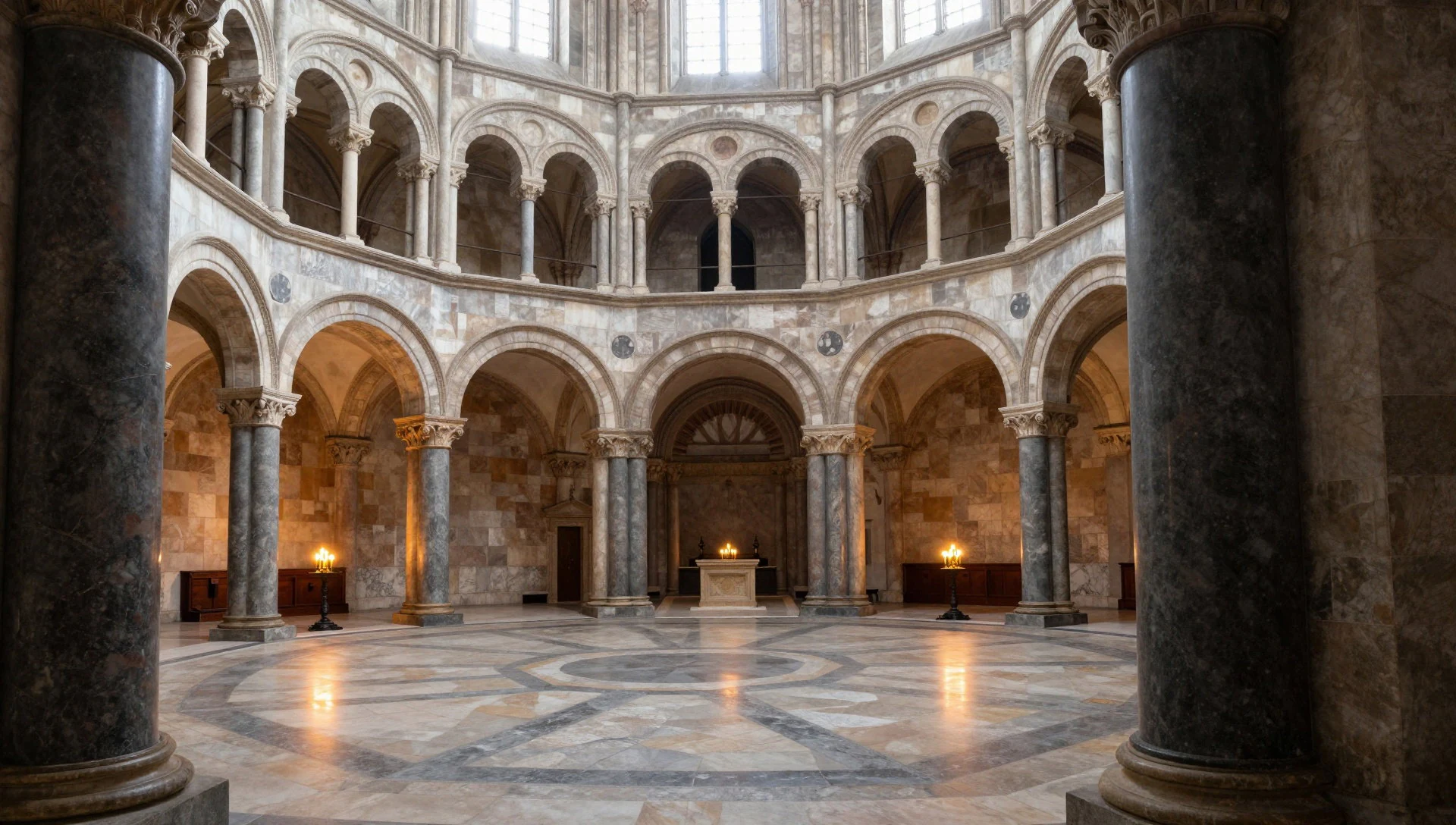
- The Oktogon and interior view — Dom / Aachen city centre
Inside, the Oktogon draws you towards the central geometry. Look for how the later additions frame the older core—this is where the cathedral’s “one building, many centuries” character becomes obvious rather than theoretical.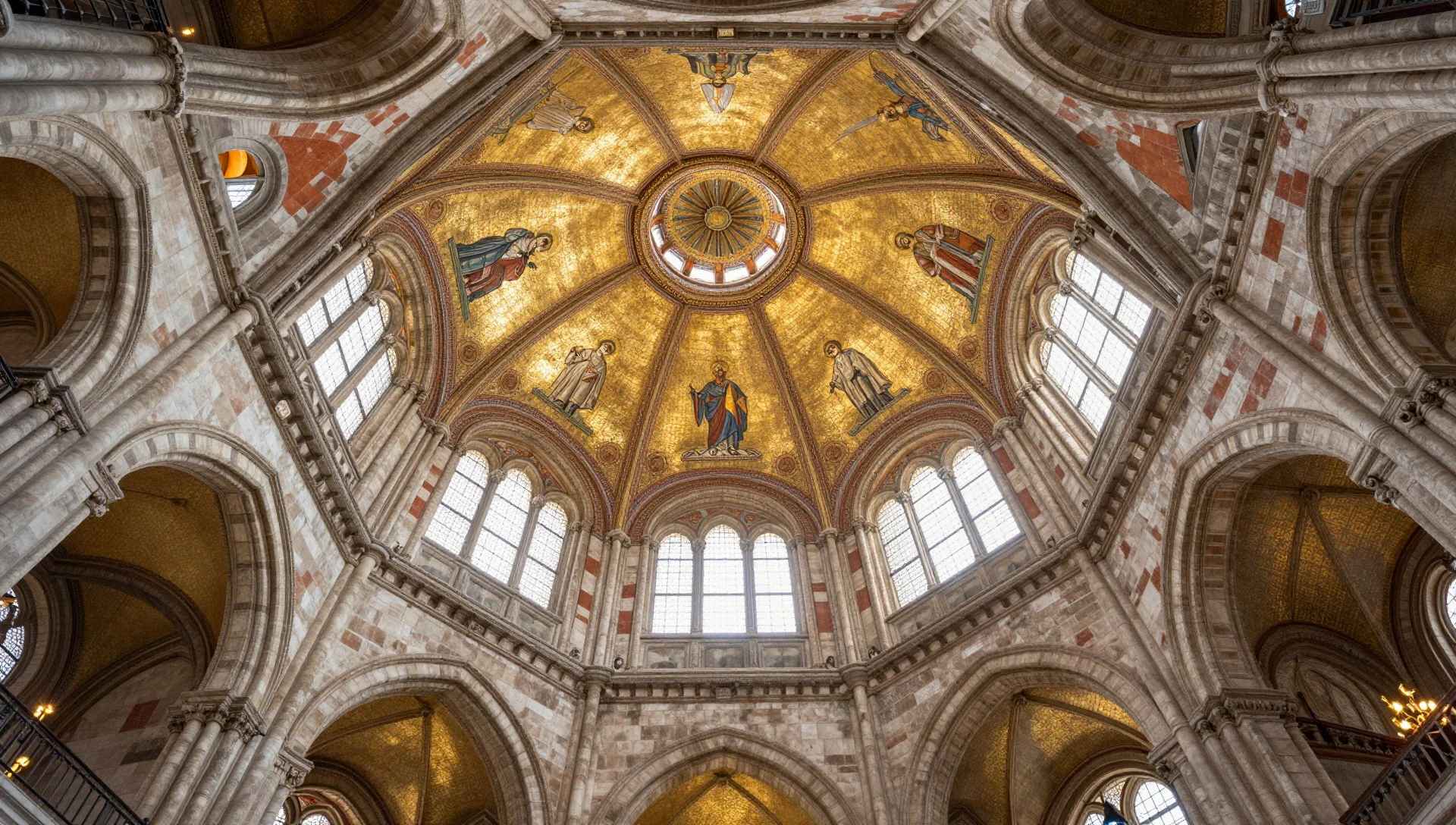
- Barbarossaleuchter (look-through candle gallery view) — Within the cathedral
The view through the Barbarossaleuchter gives a strong sense of depth, with the candle structure acting like a frame. It’s a good moment to pause—this is one of those details you only fully appreciate in person.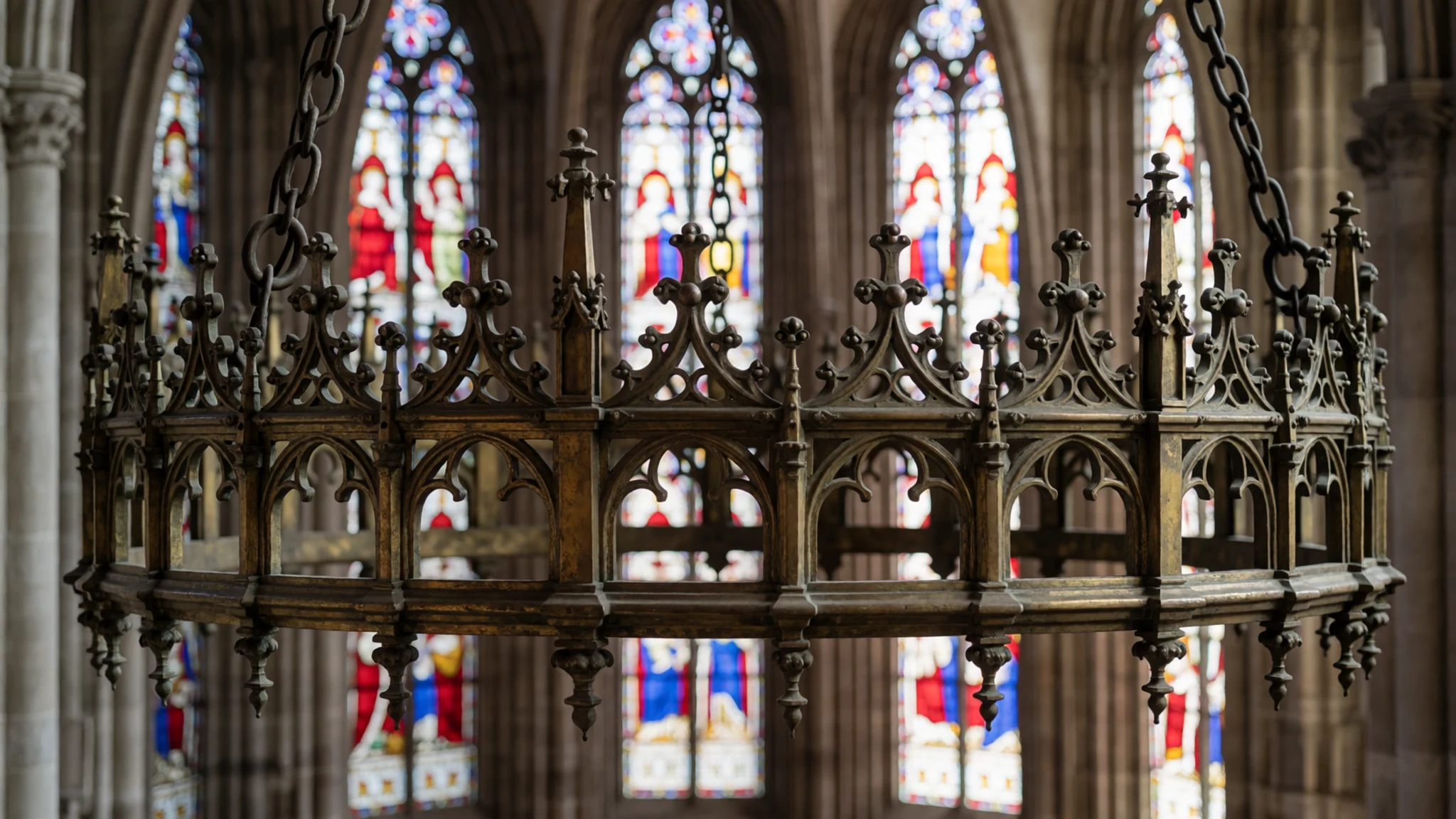
- Bronze portal details — Main entrances / cathedral forecourt
Walk the perimeter and don’t just look up. Bronze fittings and sculpted elements around the entrance area are easy to miss in a quick visit, but they add texture to the cathedral’s overall look and feel.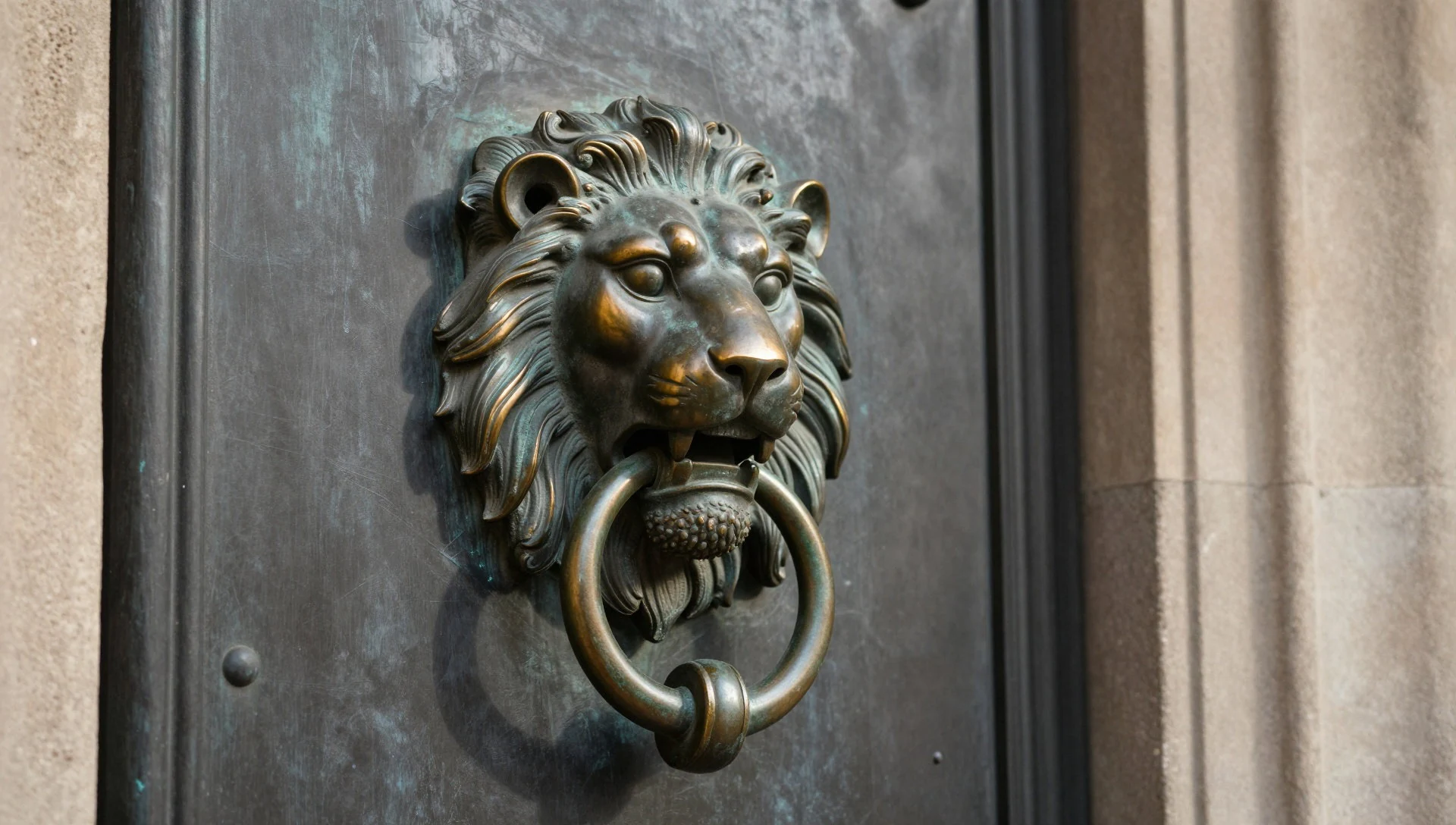
- Cathedral at night (if you catch it) — Annastraße area
If you’re in Aachen after dark, the cathedral’s silhouette from streets near Annastraße is a different experience. Night viewing doesn’t replace the daytime interior, but it’s a lovely way to end the evening.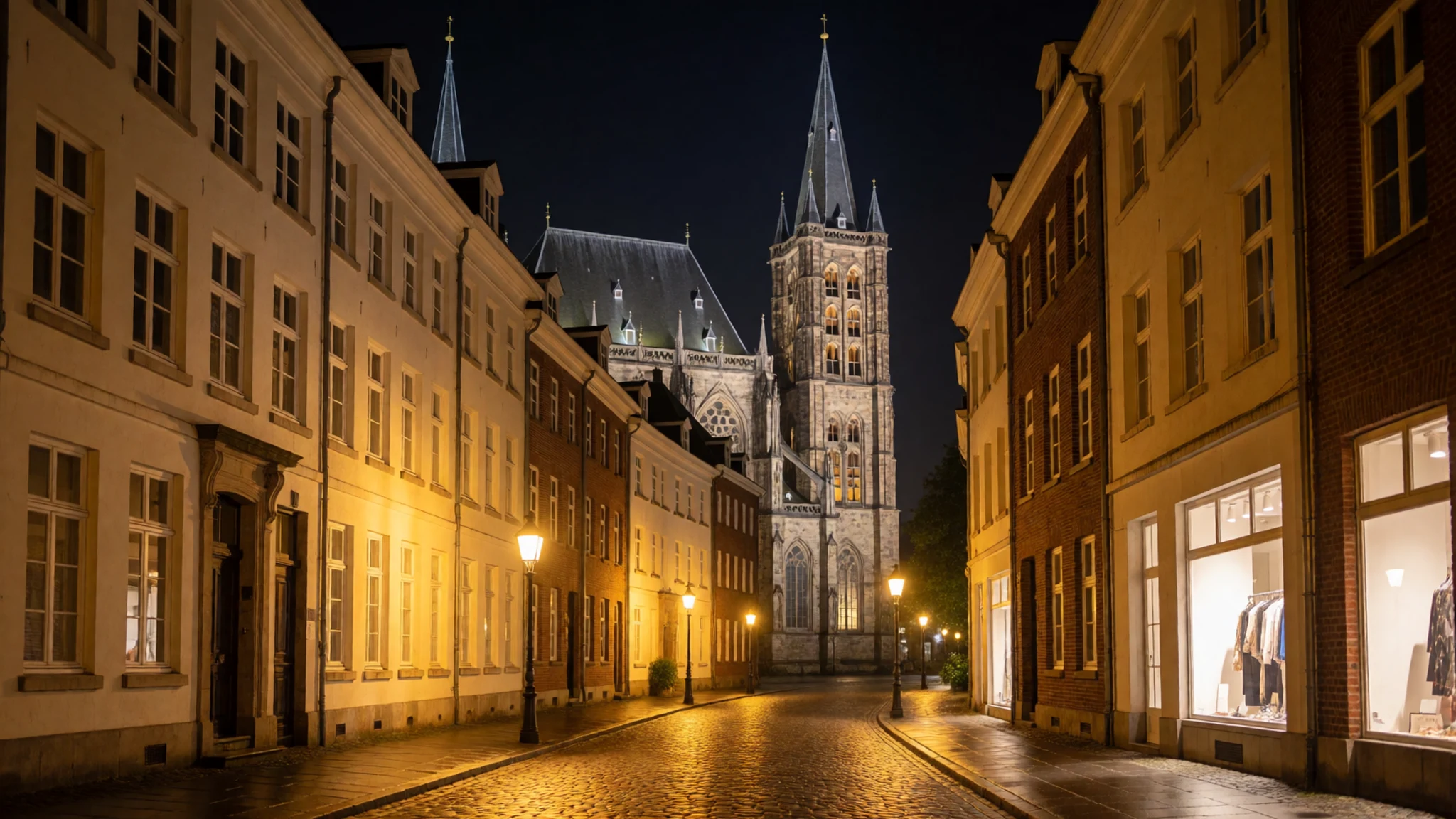
Culture
Aachen Cathedral (Aachener Dom) is a church first and a landmark second, so the atmosphere is more “quiet visit” than “sightseeing rush”. Even when the place is busy, it works best when visitors keep their voices down and move with care—especially near entrances, inside the main worship spaces, and around areas where people may be praying or taking part in services.
Photography can be a bit unpredictable in active churches: lighting is dim, and staff may ask you to pause at certain moments. If you’re planning to photograph interiors, be ready for restrictions and keep your camera time short so you don’t block other visitors.
Dress is worth thinking about. You don’t need formalwear, but showing up in very casual beach clothes can feel out of place in a cathedral setting. In cooler months, local weather can be damp as well, so bring something warm that still looks respectful.
One more thing: crowds can form around guided tour moments and around the most photogenic interior angles. Early in the day tends to be calmer, and late afternoon often gives you a steadier flow.
Visitor etiquette: Keep conversations low and avoid blocking pathways; if you see a sign or step-up area, follow any directions about removing shoes.
What to wear
Aachen Cathedral (Aachener Dom) is a Catholic church, so the “right” clothing is mostly about comfort plus modesty rather than strict dress codes. The cathedral doesn’t require traditional dress from visitors, but Aachen’s wider regional culture means you’ll often see Germans dressed neatly even for sightseeing.
What people wear now: in day-to-day Aachen, you’ll see everyday casual outfits—coats for cooler months, jeans, trainers, and layers. If you visit in spring (around March to April) or in autumn (October to November), expect changing temperatures, so a light jacket plus a warmer layer helps.
Traditional dress and textiles: the cathedral visit doesn’t hinge on regional costumes, but if you’re curious, western and central European regional traditions often involve wool and sturdy fabrics for cooler seasons, along with structured garments suited to walking. In practice, most visitors won’t need to plan around this.
What a visitor should wear: closed, comfortable shoes are important. Stone floors and indoor steps can be slick if they’ve been wet outside, and you’ll likely do a fair bit of standing and slow walking. Bring a layer that covers shoulders if you’re in doubt—especially if you end up joining a quieter, more reflective moment inside. For nights, if you’re out in Aachen after dark, wear warm outerwear; it’s easier to be respectful and comfortable when you’re not shivering.
What to eat
- Döner kebab and Turkish desserts — City centre (near Sultans of Kebab)
For a quick, filling bite, look for döner kebab and Turkish desserts around Sultans of Kebab. It’s the kind of meal that keeps well between cathedral blocks and shopping streets in the centre.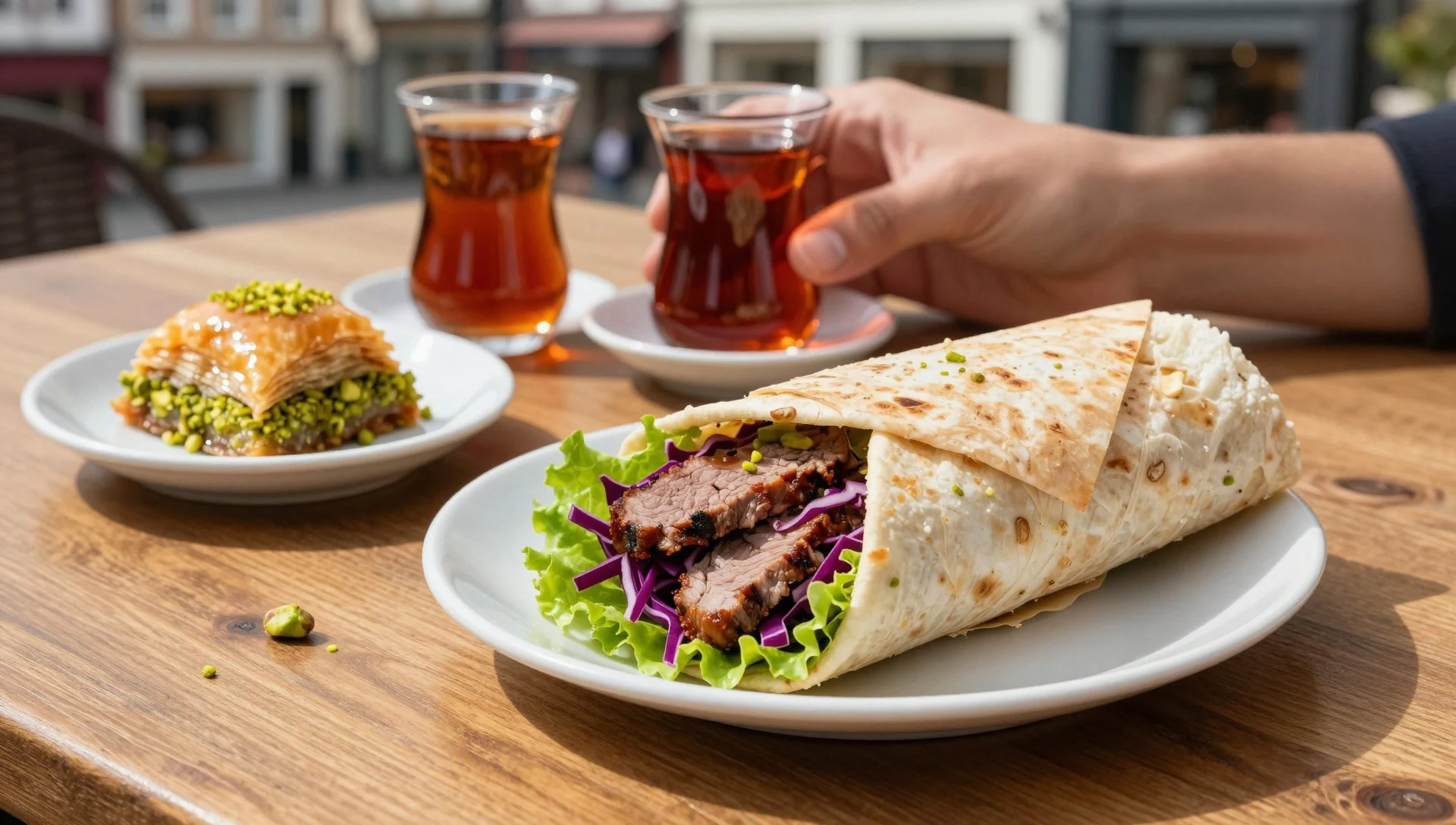
- German set meals (Curry-Palast style) — City centre (near Curry-Palast)
If you want something more German, go for a curry-based dish and comfort-food flavours at Curry-Palast. Aachen’s central eateries make it easy to find hearty lunches without turning it into a whole evening plan.
- Syrian sharing plates — City centre (near Damascus Gate Restaurant)
A Syrian meal is a good change of pace when you’ve been doing churches all day. Damascus Gate Restaurant is one option in the centre, ideal for plate-based eating that suits groups and slower conversations. - Chicken and pizza, budget-friendly — Near Ponttor area (Pont Grill)
Pont Grill is the kind of place that works when you want simple, tasty food without overthinking it. Expect chicken, pizza, and Turkish options—handy after a long walk around Aachen. - Chinese/Thai fast food — Central Aachen (Jakobsimbiss)
When you just need something quick, Jakobsimbiss offers Chinese and Thai flavours in a fast format. It’s a practical choice if the cathedral day runs later than planned. - Café stop for a drink and cake — City centre (Café & Bistro Anvers)
For a calmer pause between sights, Café & Bistro Anvers gives you a sit-down break in the centre. It’s the sort of stop that lets you recharge before heading back out for evening views.
Plan it
Best time. March–April for comfortable spring light and walks; October–November for easier sightseeing temperatures. Avoid relying on perfect weather—Aachen can be grey and damp outside these windows.
How long. 2–3
Getting there. Fly into Düsseldorf (DUS) or Cologne-Bonn (CGN), then take the train; both airports can be reached by taking a train route through Düsseldorf or Cologne Hbf. Aachen’s nearest smaller airport is Maastricht-Aachen Airport (MST), but onward public transport connects via Maastricht—so plan on a train journey from there.
Budget. mid
Tips
- Do Aachen Cathedral early in the day to beat the busiest visiting waves.
- If you want an English guided tour, check the schedule via Dominformation rather than assuming it’s run by the cathedral itself.
- Build in time for interior details—especially around the older core and the different architectural styles.
- Carry some cash as a backup for smaller purchases around the centre, even though many places take cards.
- Schedule a lighter afternoon: Aachen’s central streets are compact, but you’ll cover a lot of ground on foot.
Etiquette
- Keep your voice low and follow any staff guidance inside the cathedral.
- Be ready for photography limitations in active church spaces.
- Dress with modesty in mind and wear shoes suitable for indoor stone floors.
Nearby
Sources
- Wikidata Q5908 (CC0)
- Wikipedia (Aachen Cathedral) (CC BY-SA 4.0)
- Wikivoyage (Aachen) (CC BY-SA 4.0)