Abbey and Altenmünster of Lorsch
Abbey and Altenmünster of Lorsch, Germany
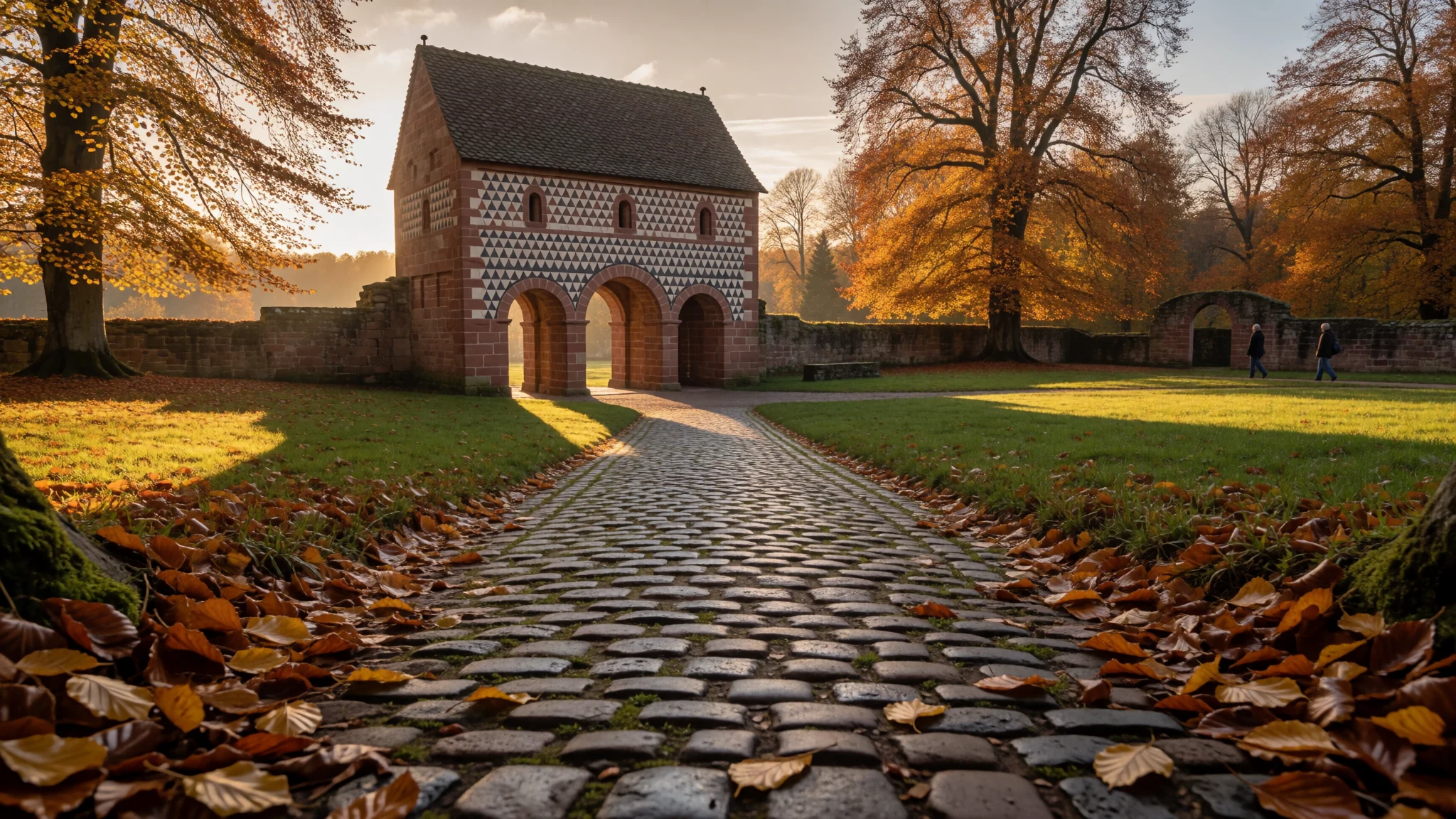
Abbey and Altenmünster of Lorsch is a UNESCO-listed Carolingian complex where gatehouse, church remnants and cloister feel powerfully intact even in ruins.
The place
Abbey and Altenmünster of Lorsch sits in the small town of Lorsch, near Worms in Germany’s Rhineland-Palatinate region. The name you’ll see on maps can sound like a mouthful, but the place is refreshingly straightforward: it’s an imperial monastic site whose surviving structures—stone by stone—trace the life of a major Carolingian monastery.
Today, the complex is experienced as a walk through layers of history rather than a single “building” moment. The Torhalle, a 9th-century gatehouse, anchors the arrival feel; nearby lie parts of the abbey church and sections of wall, with the cloister area carrying the UNESCO emphasis. Even when you’re looking at ruins, the scale reads clearly: thick walls, formal layouts and the sense that this was once a hub, not just a quiet retreat.
Lorsch itself adds an easy buffer day. The town’s Marktplatz (town square) is the kind of place where cafés and ice-cream parlours line up for breaks between visits. It’s also where you can slow down if the abbey grounds feel busy—because crowding here usually comes in waves, not constant queues. If you like architecture, early medieval history, or simply the atmosphere of a carefully preserved monastery precinct, Lorsch works well as a half-day or full-day stop from the surrounding cities.
Its story
Abbey and Altenmünster of Lorsch was founded in 764 as a proprietary church and monastery on the estate of Laurissa. The founders—Frankish Count Cancor and his widowed mother, Williswinda—dedicated it to Saint Peter and Saint Paul, then handed governance to Cancor’s cousin Chrodegang, who became the first abbot.
From the start, Lorsch wasn’t just about quiet worship. Chrodegang helped turn the monastery into a pilgrimage destination by obtaining the body of Saint Nazarius from Pope Paul I. When the relics arrived in July 765, they were deposited with ceremony, and the abbey’s story began to attract visitors from across Europe. A year later, leadership shifted again when Chrodegang resigned as abbot and sent his brother Gundeland as successor.
The monastery’s location also has a “how did they build here?” chapter. A disagreement over property rights prompted a move to a dune formed during the Ice Age, located just a few hundred metres away from the original location near the Weschnitz. The move was resolved through Charlemagne’s involvement, and the abbey became a royal foundation. Later, the main church of Saints Peter, Paul and Nazarius was consecrated in September 774 in the presence of Charlemagne.
Even now, Lorsch carries evidence of that importance. The Lorscher Codex—compiled in the 1170s and held today at the state archive in Würzburg—has been described as a key document for early medieval German history, alongside the famous Codex Aureus of Lorsch.
What to see
- Kloster Lorsch (Abbey and cloister) — Abbey grounds and cloister precinct
The core of Abbey and Altenmünster of Lorsch is Kloster Lorsch, a UNESCO World Heritage complex in Lorsch. Explore the cloister area and the surviving fabric of the abbey, where pre-Romanesque–Carolingian elements are still readable as you move between stone remains.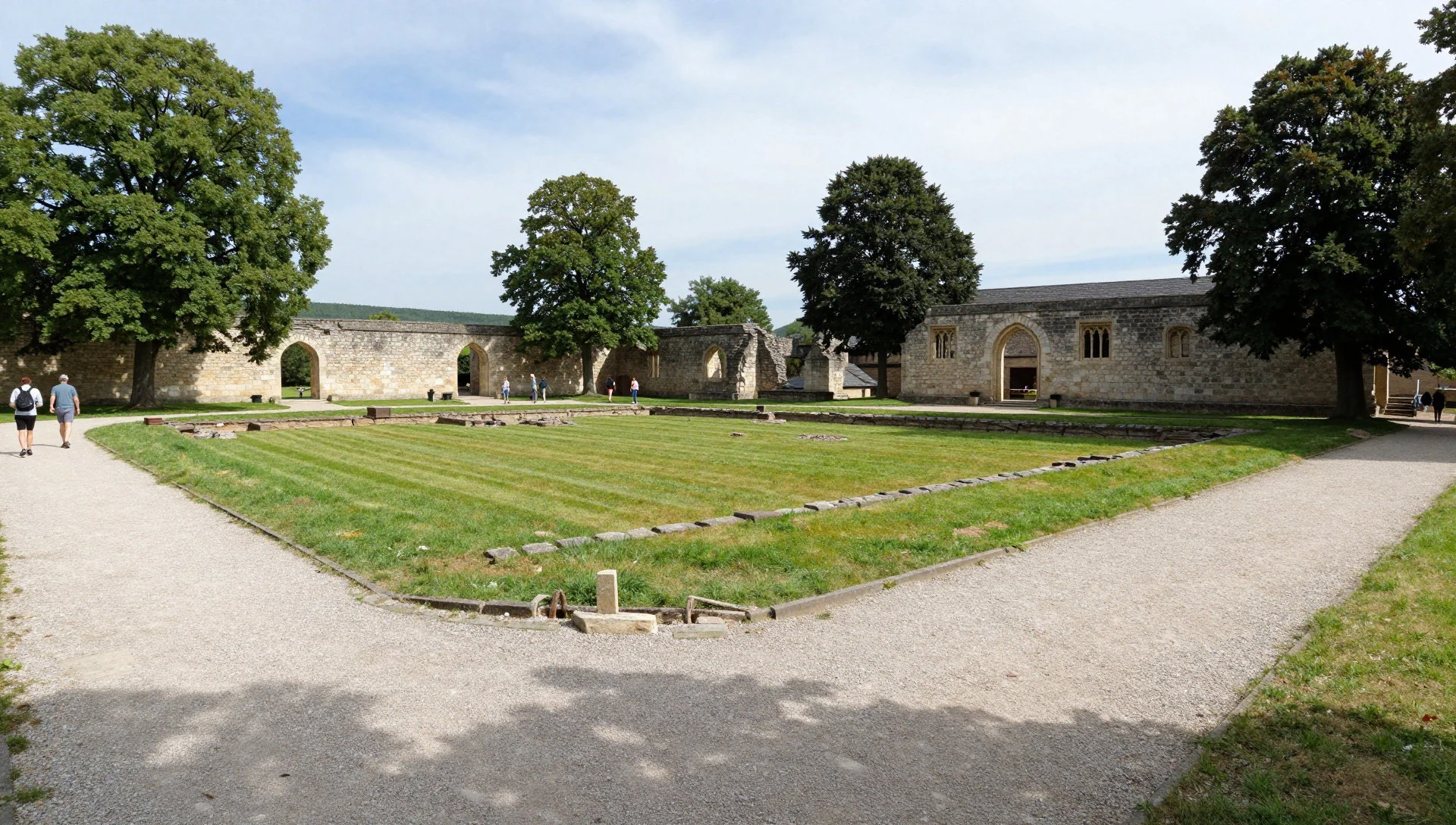
- Torhalle gatehouse area — Approach/entry zone of the abbey complex
Near the entry sequence, the 9th-century Torhalle (gatehouse) gives you a sense of the monastery’s formal boundary. Pair it with nearby walls and building remains so the site feels less like scattered ruins and more like a defended, planned complex.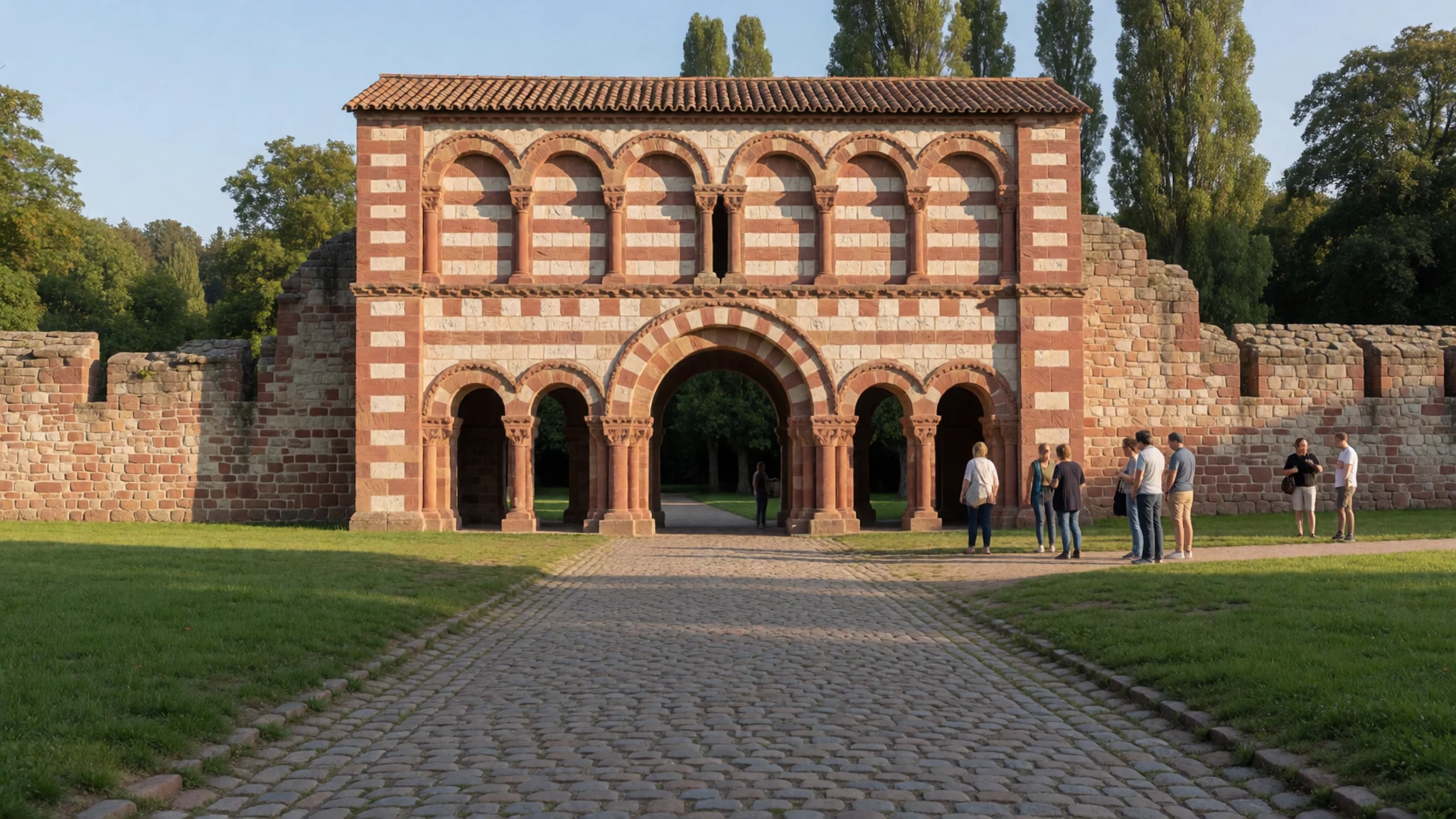
- Monastery wall sections — Perimeter around the abbey remains
Walking the outer edges is the easiest way to understand the scale of the former abbey. Sections of wall still trace the line of the enclosure, helping you picture how the monastery shaped the surrounding area while giving modern visitors long, quiet sightlines.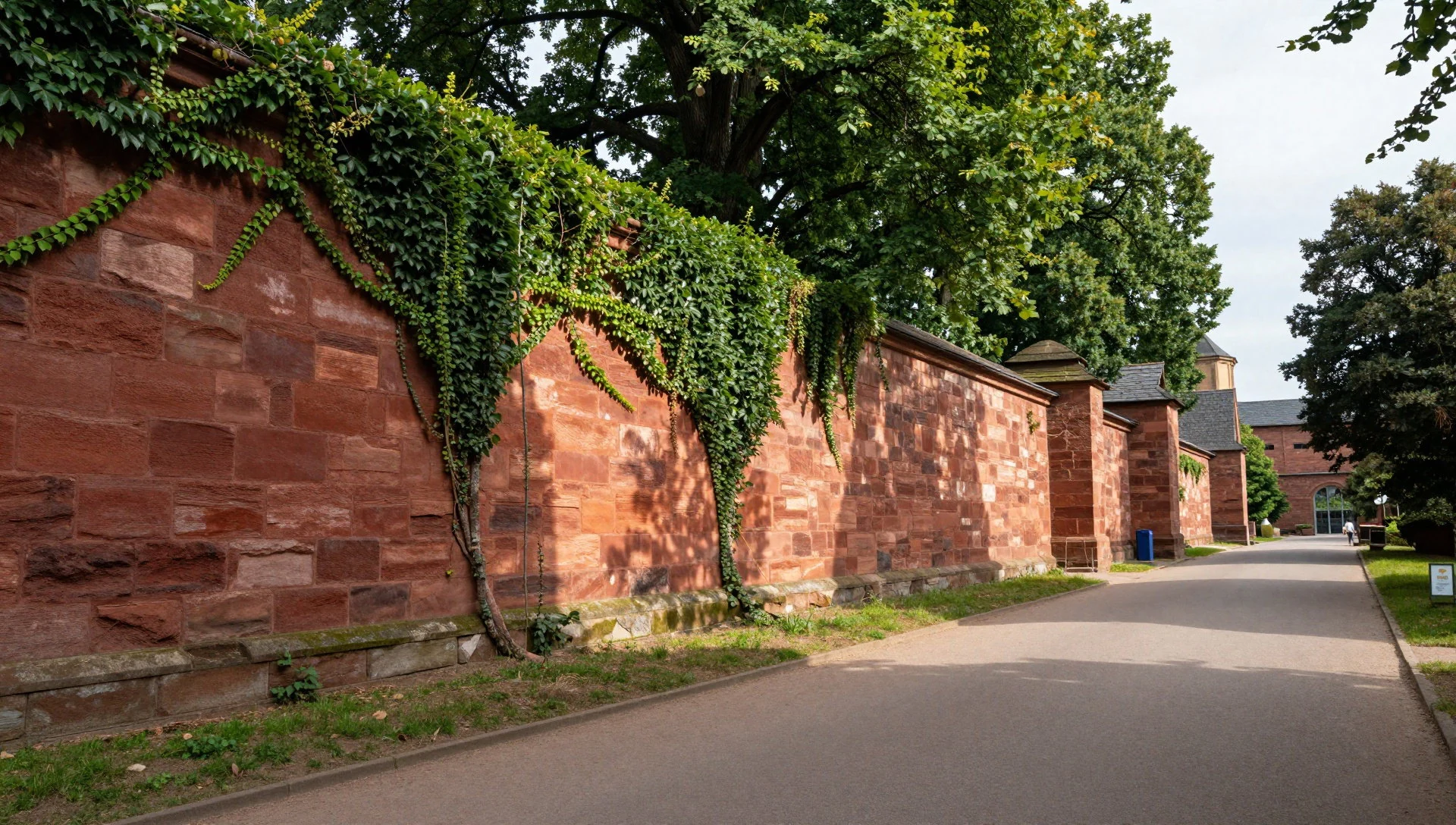
- Church remains and fragments — Inside the abbey precinct near the former church area
Part of the abbey church still stands through fragments, including visible architectural traces of earlier construction. These pieces are small compared with a whole church, but they’re vivid for anyone who likes to “read” buildings—lines, junctions and masonry choices.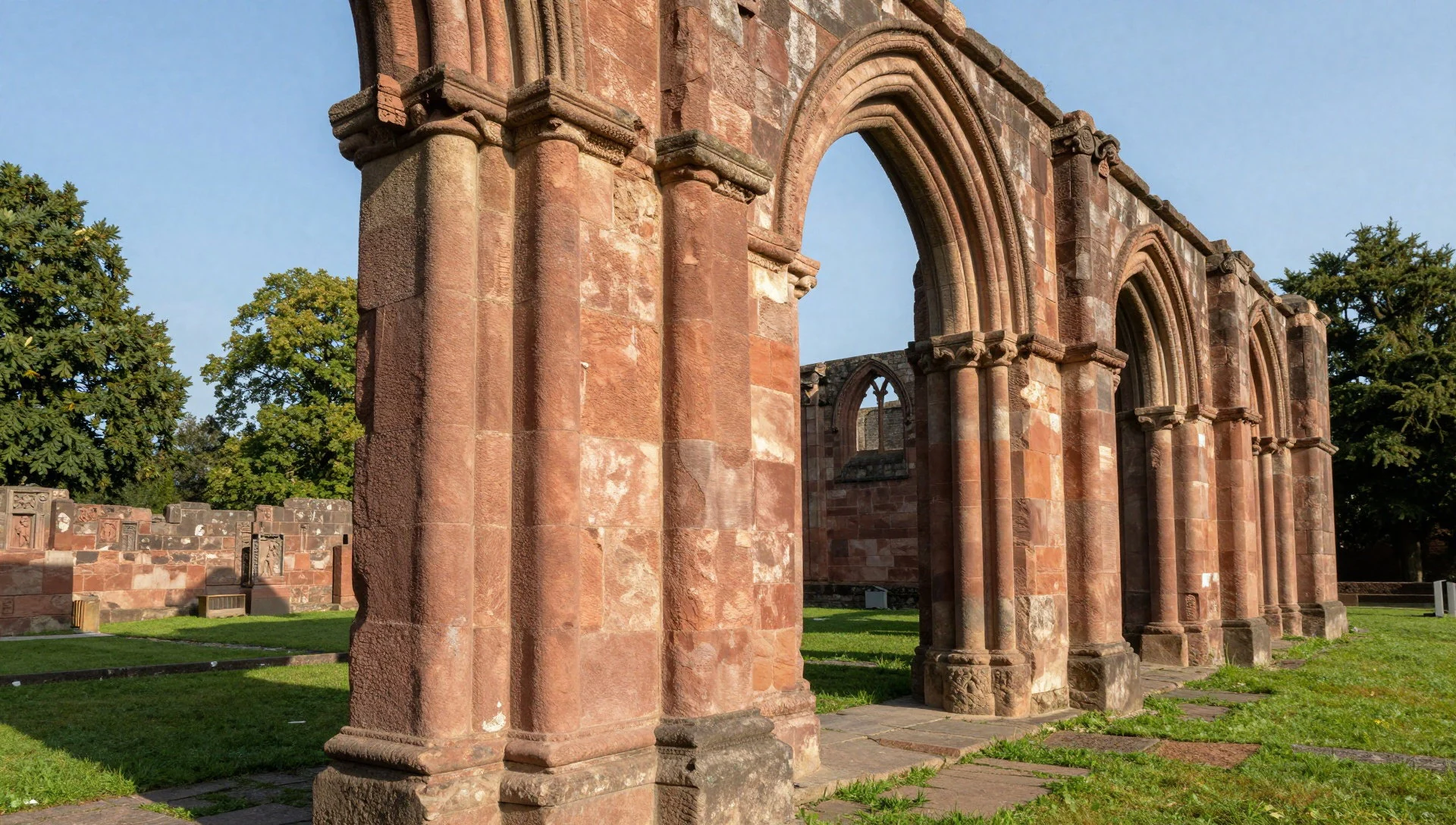
- Lorsch town centre: Marktplatz & Bahnhofstraße houses — Town centre around Marktplatz and Bahnhofstraße
If the abbey grounds are the history lesson, the town streets are the palate cleanser. Around the Marktplatz and along Bahnhofstraße you’ll spot half-timbered houses that make Lorsch feel lived-in—an easy stroll after time in the cloister.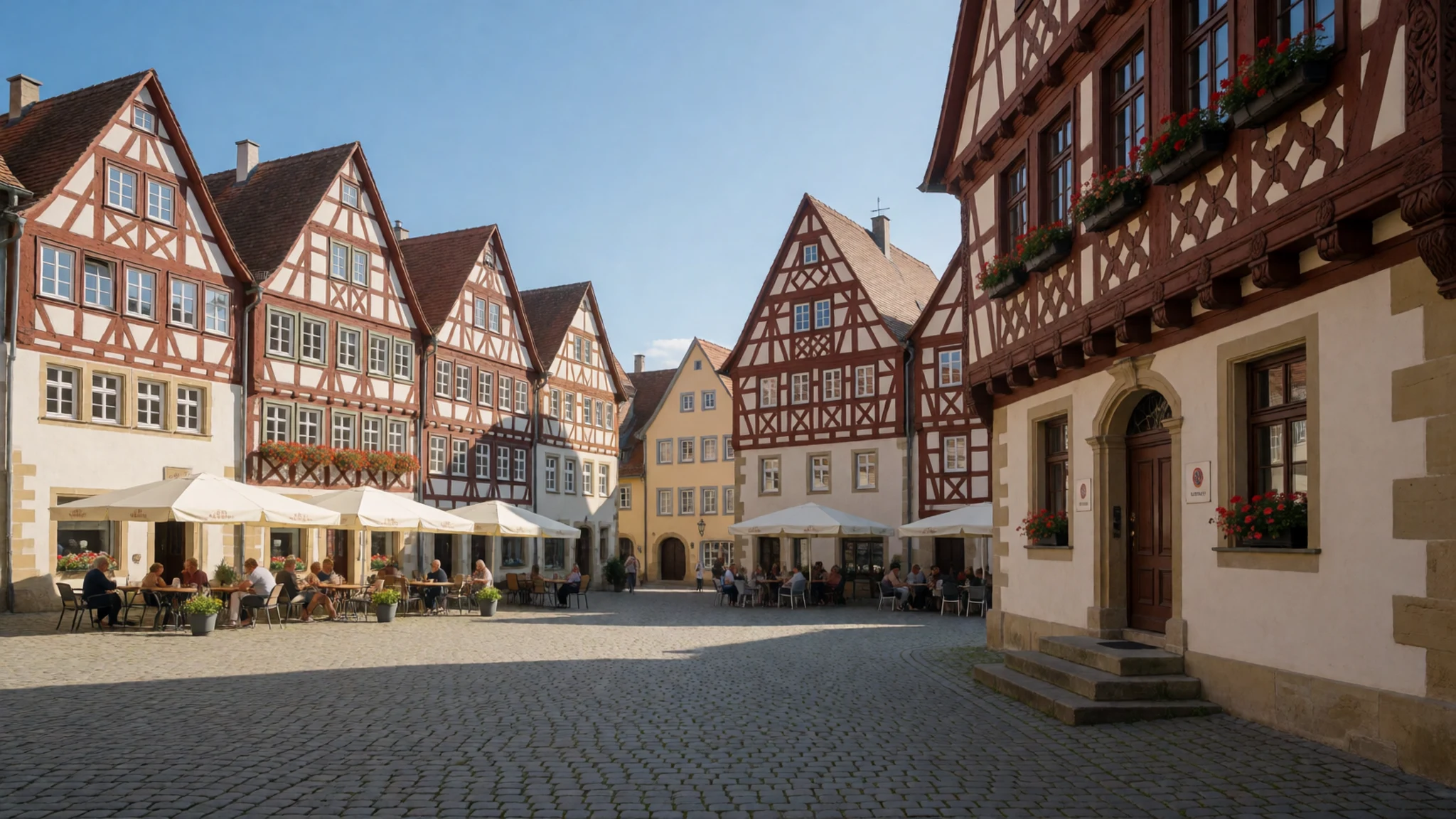
Culture
Abbey and Altenmünster of Lorsch is a calm heritage site, and that calm matters. The grounds are the sort of place where people naturally slow down, so keep voices low and give space to walkers moving through the cloister and around the remains. Because parts of the complex are adapted for modern use, look out for paths and edges where the ground can change from paved surfaces to uneven stone areas.
Dress is usually casual, but modesty helps—especially if you move into spaces that feel church-like or museum-like. If you’re photographing, do it without blocking circulation, and be mindful that other visitors may be reading information boards. Heat can build quickly on open stretches, so plan a drink break in the town centre rather than forcing long, direct routes in the sun.
UNESCO-listed sites often attract school groups and day-trippers, so expect short bursts of crowding, particularly around the main arrival and the clearest viewpoints. Going earlier in the day generally makes the ruins feel more intimate.
Visitor etiquette: Keep to marked paths and keep voices down around the cloister and church remains so everyone can enjoy the quiet.
What to wear
For Abbey and Altenmünster of Lorsch, practical clothing beats fancy. The site includes cloister spaces and pathways around stone remains, so wear comfortable walking shoes with grip—those old stones can be unforgiving after rain. In warmer months, light layers help because you can move between shaded sections and brighter open areas.
Traditional dress isn’t something you’ll typically see on site in Lorsch, but the region’s heritage is visible in the half-timbered town feel and the museum-style setting. Local everyday wear now is straightforward: jeans or trekking trousers, a breathable top, and a light jacket for cooler mornings.
For visitors, aim for modest, low-key clothing if you step into church-adjacent areas or quieter museum rooms—shoulders covered is a good rule of thumb even when it’s not strict. Bring a small bag or bottle of water; you’ll likely want stops around the Marktplatz for cafés and ice-cream parlours. If visiting in autumn or spring, a cardigan or thin waterproof comes in handy for changing weather across the day.
What to eat
- Coffee and cake by the Marktplatz — Cafés around the Marktplatz (town square)
The Marktplatz in Lorsch is packed with café seating, ideal for a mid-visit rest. After walking the abbey grounds, order a hot drink and something sweet while you watch the town flow around you.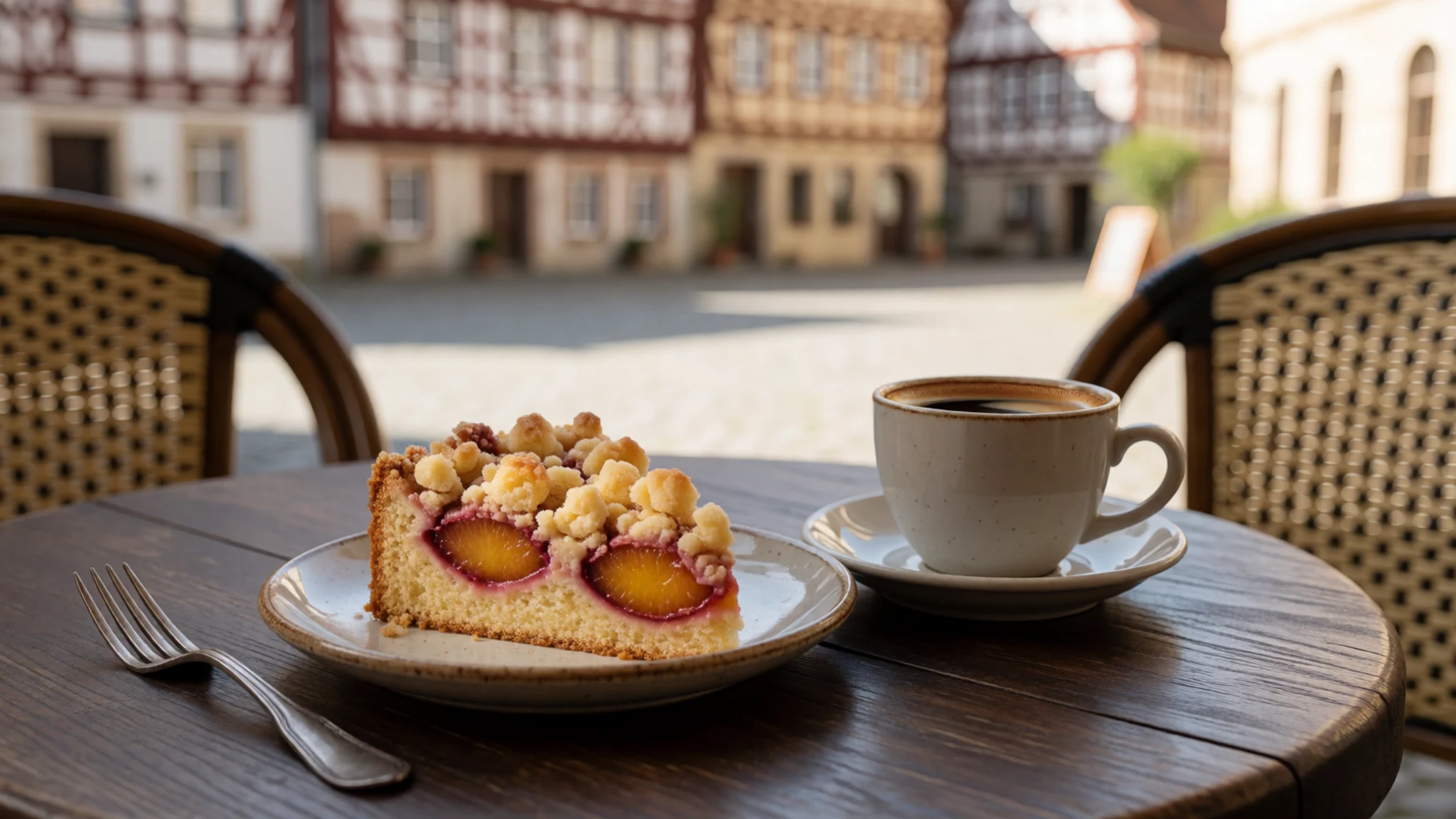
- Ice cream (Eiscafe) — Ice-cream parlours around the Marktplatz
When the weather’s good, Lorsch’s ice-cream parlours are a simple reward after sightseeing. Go for a classic scoop or a sundae and keep it casual while you recharge before the next stretch of walking.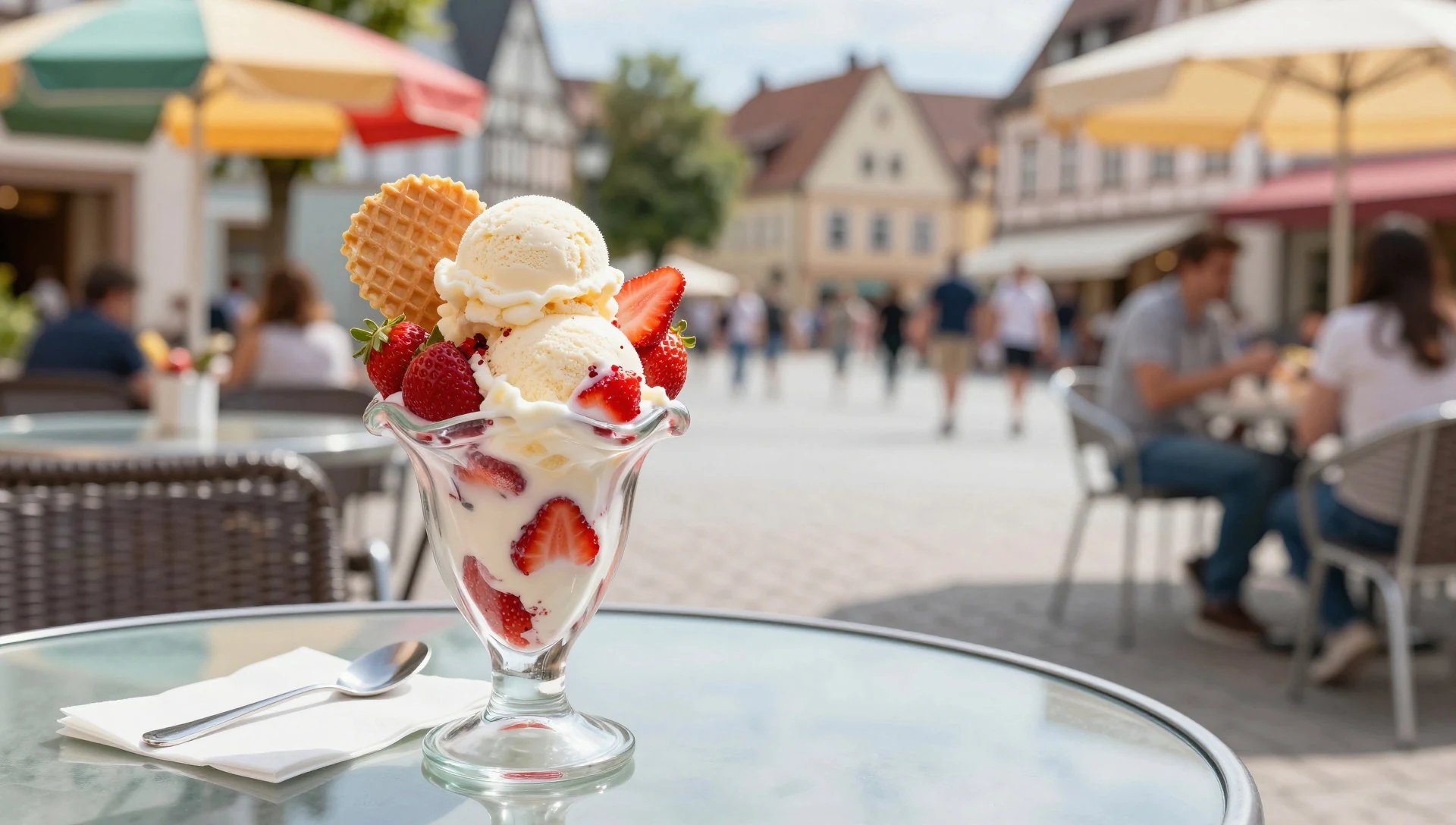
- Casual lunch in town — Street-side eateries in central Lorsch near Bahnhofstraße
For a quick reset between history stops, look for everyday German-style lunches around the town centre—places that cater to day-trippers rather than formal dining. It’s the easiest way to keep the day moving without overplanning. - Market-style snacks — Town-centre market areas around Lorsch
If you catch a local market atmosphere, treat it as snack time rather than a full meal. Grab something small, eat outside, and use the break to regroup before heading back to the abbey precinct.
Plan it
Best time. March–April and October–November tend to suit Lorsch best because the weather is usually comfortable for walking between the cloister areas and town centre; summer can feel warmer during open stretches.
How long. 2–3
Getting there. Arrive by train to the Lorsch area via Mannheim or Worms, then take the regional connections to reach Lorsch itself; from the station, it’s a short local transfer to the abbey grounds.
Budget. mid
Tips
- Plan the abbey walk early so the cloister and church remains feel quieter
- Pair ruins time with a town-centre break at the Marktplatz for cafés and ice cream
- Wear grip-friendly shoes for mixed surfaces around stone remains
- Carry a small amount of cash for small purchases, just in case card options are limited in smaller venues
Etiquette
- Keep voices down and don’t block circulation around the cloister and information boards
- Stay on marked paths around the church remains and enclosure walls
- If photographing, move to the side so others can read and walk through
Nearby
Sources
- Wikidata Q157550 (CC0)
- Wikipedia (rev 1366155008) (CC BY-SA 4.0)
- Wikivoyage (rev 4960093) (CC BY-SA 4.0)