Dessau
Dessau, Germany
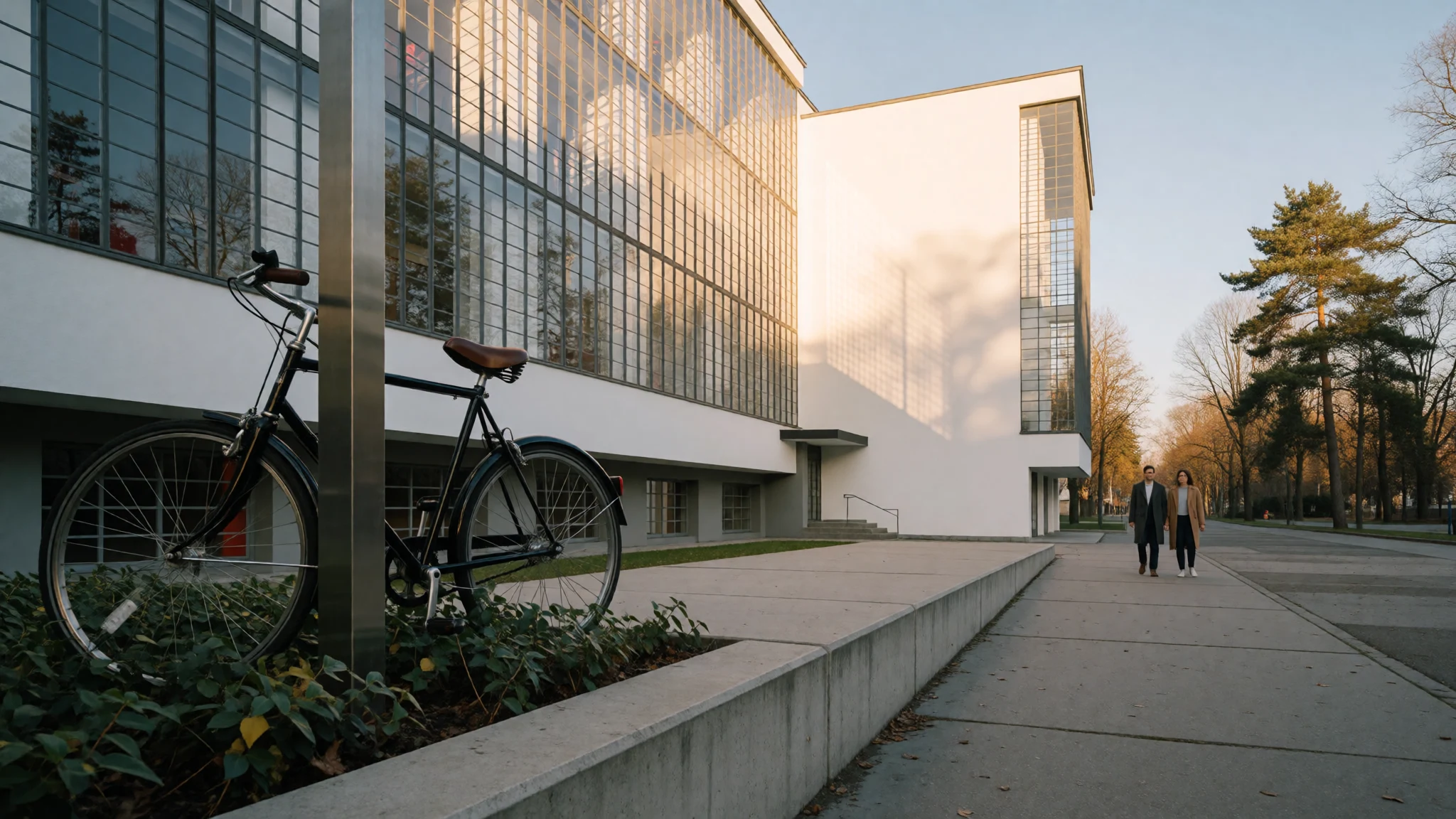
Dessau is a tidy, walkable dose of modernist history—Bauhaus design, palace parks and river scenery all in one trip.
The place
Dessau sits in Saxony-Anhalt, in Germany, with the Mulde and the Elbe meeting close by. It’s also an administrative district of the independent city of Dessau-Roßlau, so the town has that practical, lived-in feel rather than being a theme park. The city’s setting is part of the atmosphere: a floodplain landscape with parks threaded through it, and green edges that make strolling feel natural even when you’re hopping between sights.
The built highlights lean heavily towards early 20th-century modernism. You can see Bauhaus ideas not just in a single building, but across an ensemble of classrooms, teachers’ homes and public-facing design—easy to piece together over a day or two if you like architecture with context. Dessau also offers palaces and landscape parks nearby, where the scenery does the heavy lifting: long lawns, trees, and viewpoints that soften the more angular lines of modernist structures.
Crowds are usually manageable compared with bigger German cities. On popular museum days you’ll still meet groups, particularly around the main Bauhaus sites, but the overall pace stays comfortable. Weather is the real factor: spring and autumn bring the most pleasant walking conditions, while summer can be warm and the river landscape can feel damp. With decent footwear and a flexible schedule, Dessau works well as a short break or as a calmer stop on a longer Germany route.
Its story
Dessau is first mentioned in 1213, and over time it grew from a medieval settlement into a political and cultural centre in the region of Anhalt. Its role shifted through different stages of the Holy Roman Empire, and later through the smaller Anhalt states, with Dessau serving as a seat of governance during key periods.
The city’s most famous chapter is the Bauhaus story. Bauhaus activities were established in Dessau after the school had already made its name elsewhere, and lecturers and artists shaped the city’s creative reputation in the years that followed. The Second World War brought heavy disruption: Allied air raids devastated large parts of the town, and what came after was a rebuilding phase influenced by the GDR era’s concrete slab style. Since reunification, restoration work has helped bring back the historic fabric and kept the architectural legacy visible.
Two other threads sit underneath the modernist spotlight. Dessau has long been tied to music and culture—Kurt Weill is among the better-known names connected with the city—and it has also had a complicated modern history that locals still talk about openly, including the controversies and tragedies that came to international attention in the 2000s. In other words, Dessau isn’t just about postcard architecture; it’s a place where you can trace how design, politics and everyday life have changed together.
What to see
- Bauhaus building — Bauhaus Heritage area
Bauhaus building was designed by Walter Gropius and is a key modernist landmark within the Bauhaus Heritage context. It’s the kind of place where you’ll notice how form and function were treated as one idea, not decoration. Visit when light hits the façades.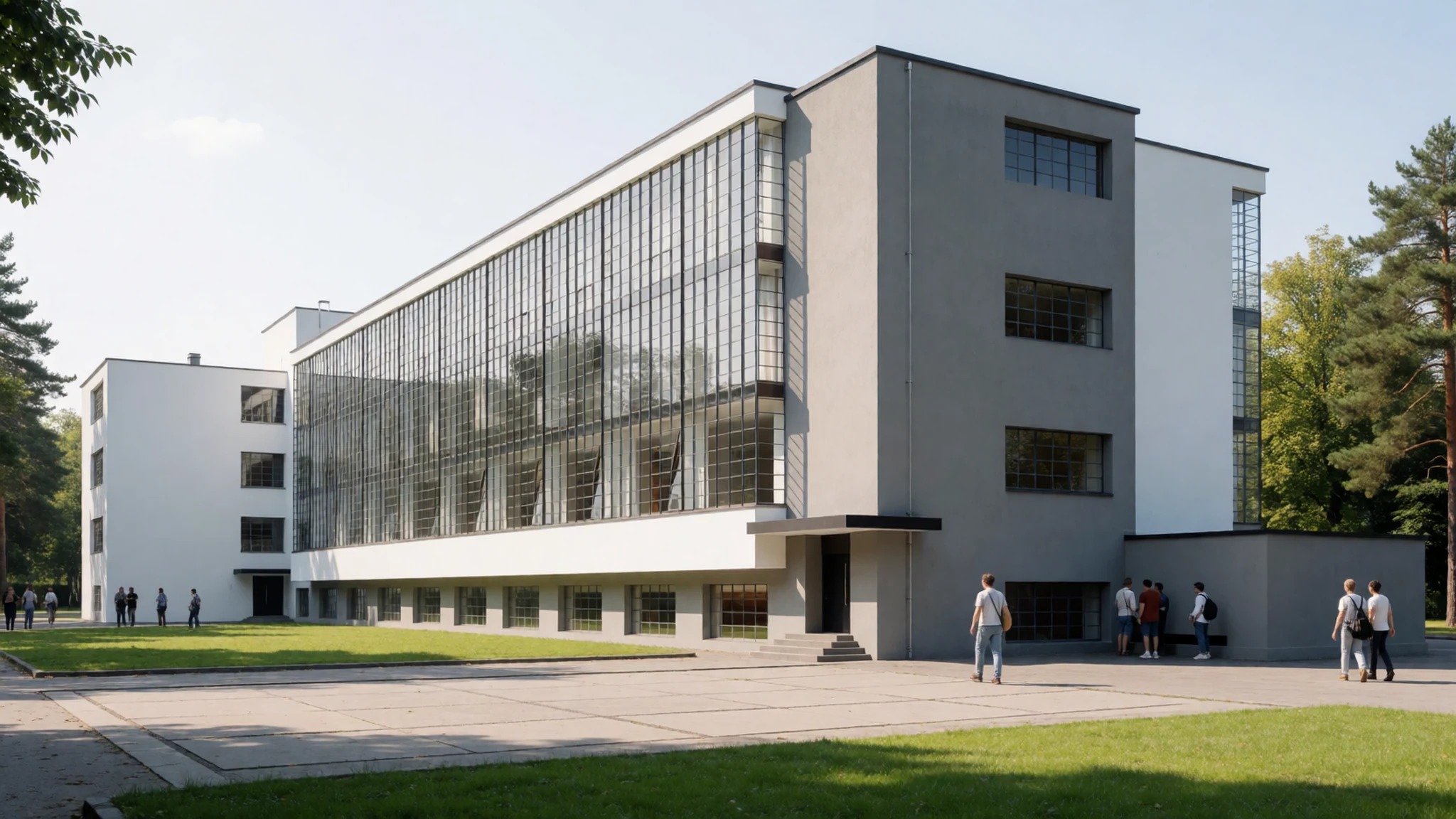
- Masters' Houses — Bauhaus Heritage area
Masters’ Houses are a cluster of homes made for Bauhaus teachers, originally arranged as one house and later expanded into single and double homes. The streetscape makes it easy to understand the Bauhaus approach to everyday living, not only classrooms. Walk slowly between the units.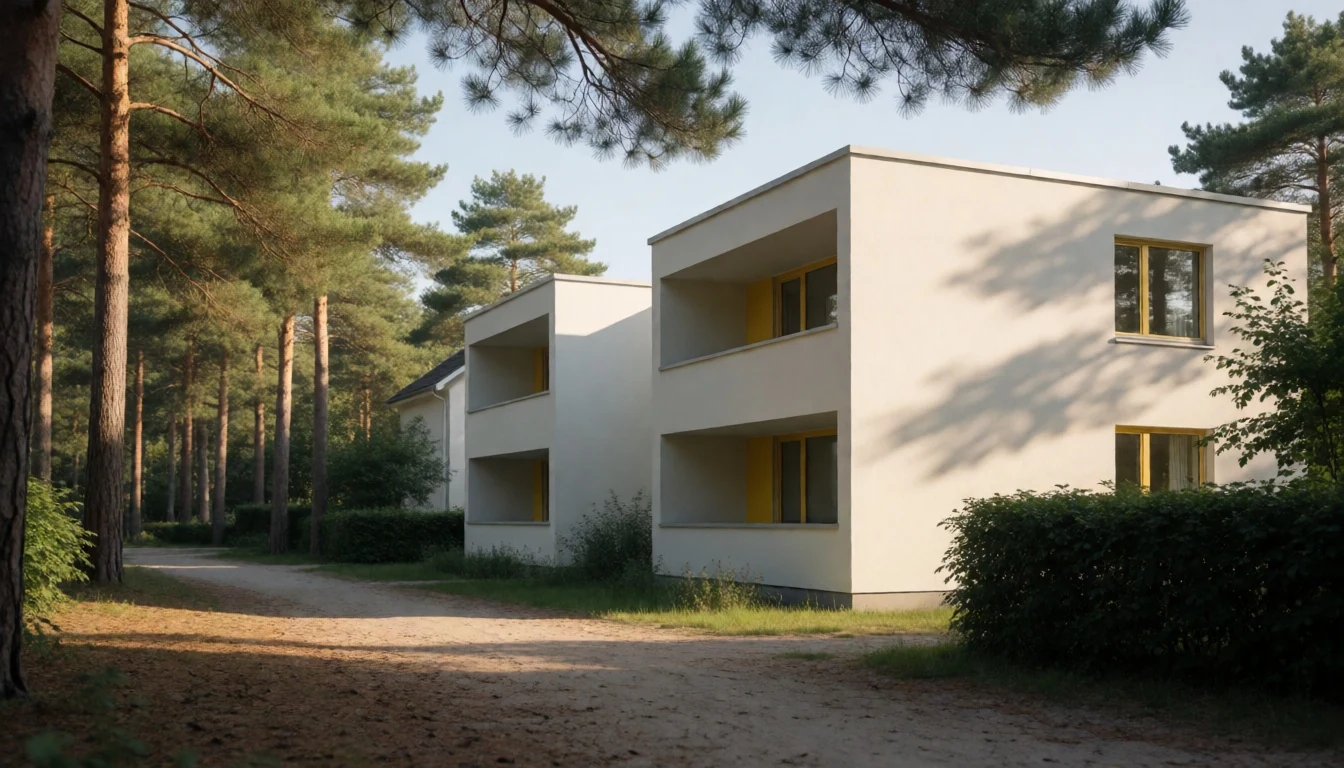
- Bauhaus Museum Dessau — Bauhaus Heritage area
Bauhaus Museum Dessau focuses on design and architecture, with collections that help connect the dots between Bauhaus theory and real-world objects and buildings. Even if you’re not an architecture specialist, the displays make the movement feel tangible—then you can go back outside and look again.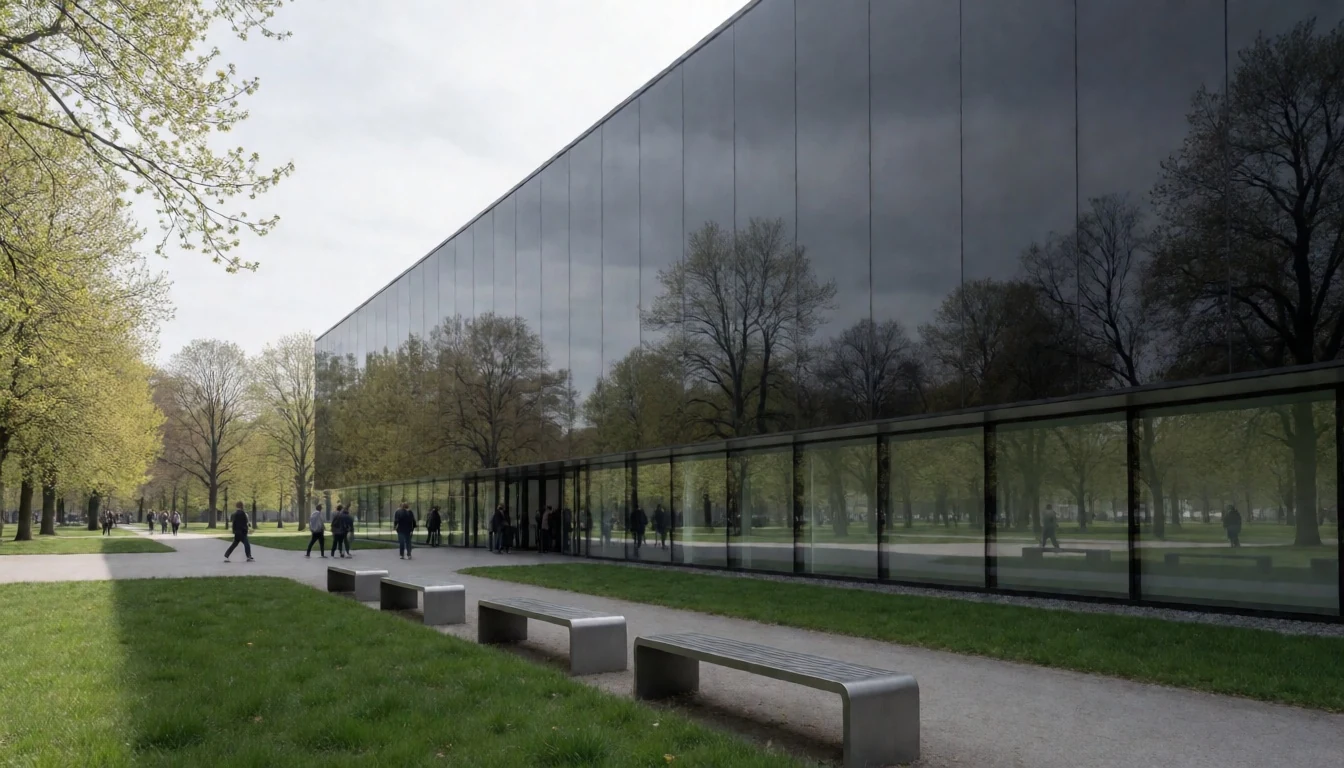
- Siedlung Törten — Southern outskirts (Törten)
Siedlung Törten is a townhouse complex on the southern edge of Dessau and part of the UNESCO listing context for Bauhaus modernism. The layout and repetition of forms show how design thinking moved into housing. It’s a good stop for people who want a ‘lived’ version of modernism.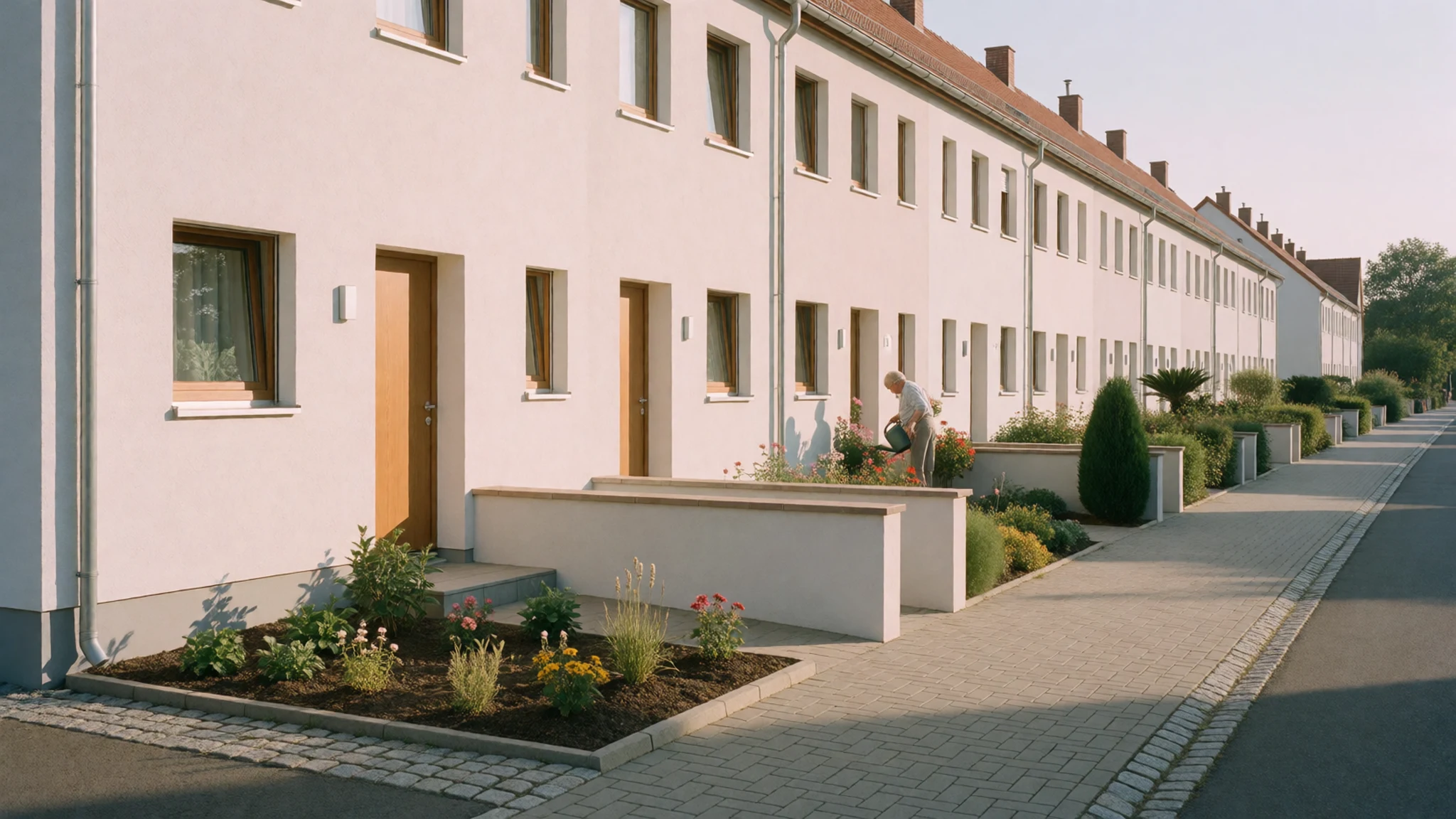
- Luisium — Waldersee / riverside park area
Luisium is an English landscape park that spills into the riverside meadows around Mulde and Elbe. It’s less about buildings and more about landscape composition: lawns, paths and a sense of breathing space. Go in calmer weather for comfortable walking, and keep an eye out for viewpoints along the water.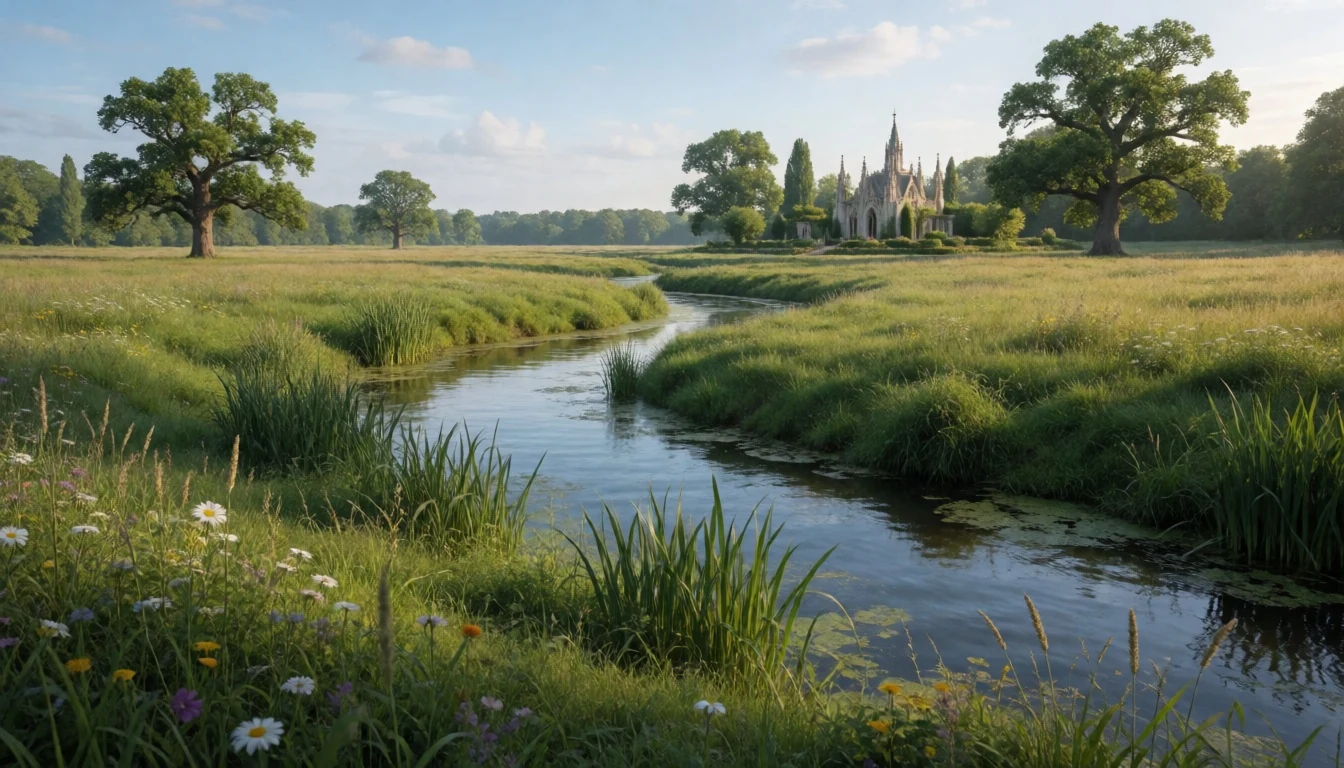
Culture
Dessau’s culture runs through theatres, museums and the local press ecosystem that keeps daily life moving. Anhaltisches Theater with Gregor Seyffert & Compagnie is one of the regular draws, and several museum spaces turn the city into a timeline: a city history museum, art presentations around Georgium Palace, and museums connected to Mosigkau Palace and the Luisium grounds. If you like hands-on learning, Hugo Junkers Technical Museum can be a good contrast to the Bauhaus-heavy itinerary.
Because Dessau is smaller than Berlin or Munich, you’ll often get that ‘group friendly’ feel rather than the press of constant queues. Some venues can be closed at certain times, and the schedules vary, so it’s sensible to check before committing—especially if you’re trying to pair a museum visit with an outdoor park day.
On the journalism side, local outlets include Mitteldeutsche Zeitung, plus free community papers such as Wochenspiegel and Supersonntag. These aren’t just background noise: they’re part of how residents notice events, exhibitions and performances, and that’s often reflected in what visitors can catch while they’re there.
Visitor etiquette: keep voices low in museums and follow any photography signs—no flash or tripods unless staff say it’s fine.
What to wear
Dessau doesn’t have one single “traditional outfit” that dominates the streets the way some tourist cities do. Visitors are more likely to encounter everyday German styling plus a few ceremonial or performance costumes during festival moments.
For a Bauhaus-focused day, you’ll mainly see modern, practical clothes—think layers, comfortable shoes and weather-ready jackets. In warmer months, locals often dress light, while autumn and spring can swing cooler quickly, especially near river parks.
If visiting palace grounds or churches in the wider Dessau region, modesty matters more than fashion. Choose clothing that covers shoulders and avoids very short hemlines if you’re entering religious buildings. Footwear is the real deciding factor: parks and landscape areas have paths that range from smooth walks to uneven ground, so trainers with grip are better than slick soles.
A good packing approach is simple: one warmer layer, one rain layer, and shoes you can walk in for a few hours. If a festival or theatre evening happens to align with your visit, smart-casual is usually safe—comfortable, but slightly dressed up compared with a park stroll.
What to eat
- Thüringer-style Rostbratwurst (grill) — Orig. Thüringer Rostbratwurstgrill area
Try an original Thüringer Rostbratwurst-style grill, the kind of sausage that turns a quick stop into a proper snack. Look for this around grilling stalls and casual eateries, including grill-focused spots in Dessau’s inner areas.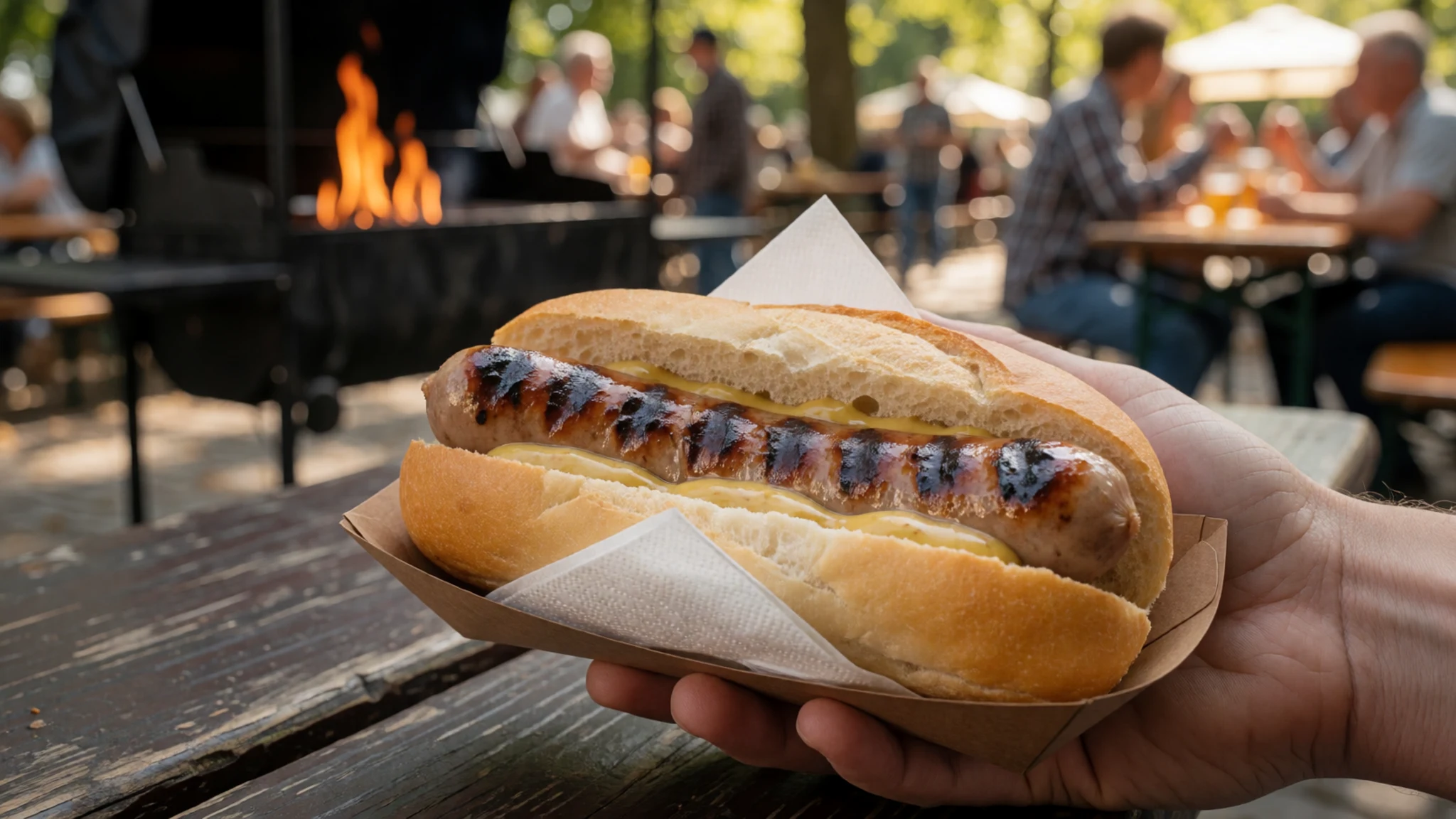
- Kellerklause — Kellerklause
Kellerklause is the sort of place that suits a relaxed meal after sightseeing. It’s a straightforward option when you want something familiar and filling without planning too far ahead.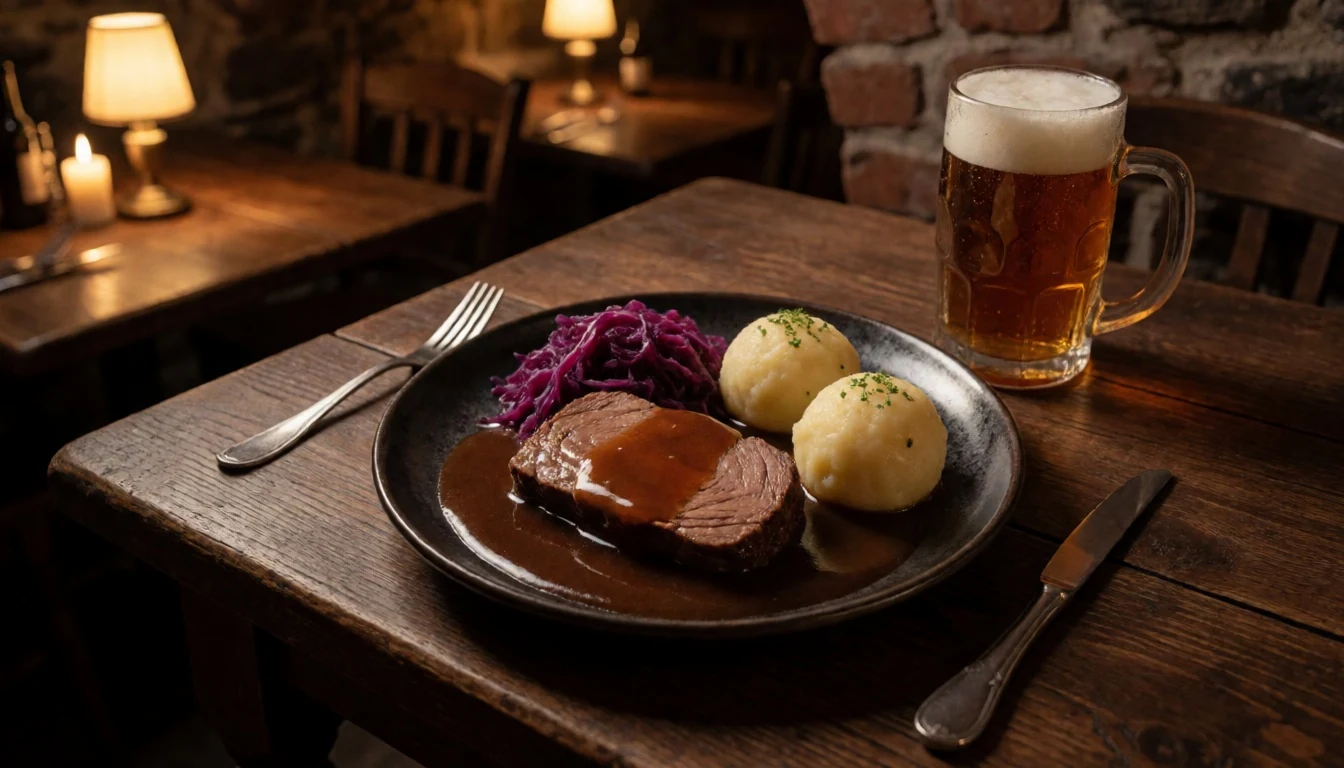
- Döner kebab — Zerbster Straße area (and nearby spots)
For an easy, fast feed, go for döner—there are multiple döner counters around Dessau, so you can pick one that fits your route. It’s ideal for lunch when you’re moving between modernist sites. - Rondell-style snack counter — Rondell Imbiss / BGHM Kantine
Rondell Imbiss / BGHM Kantine type places work well when you want something casual, not fussy. Think quick hot-and-go meals—useful when museums keep you on a tight schedule. - Sushi and Asian cuisine — Asia Cuisine & Sushi in central Dessau
If you fancy something lighter or just different from German classics, Asian cuisine and sushi options are available in and around central Dessau. It’s a good dinner choice on days when you’ve been outside all afternoon. - Local beer hall meal — Brauhaus zum Alten Dessauer
For a classic local brewery meal, look for a traditional beer hall and order hearty, regional plates, ideally with a local beer to match the setting.
Plan it
Best time. April and May for the best walking weather—these months have mild highs and the lowest cold snaps; July and August are the hottest, while the wettest month on average is July.
How long. 2–3
Getting there. By train, aim for Dessau Hbf. Regional services run from nearby cities including Wittenberg, Leipzig, Halle, Köthen and Magdeburg, plus longer-distance rail connections from Berlin; then use local transport or a taxi for the last legs to Bauhaus sites and parks.
Budget. mid
Tips
- Start your Bauhaus day early to keep group tours from clustering in the same entrances.
- Plan museum time for the middle of the day and save parks (Luisium and similar green areas) for clearer hours.
- Have a flexible route: Dessau’s highlights are easier when you walk between clusters rather than chasing every address in one go.
- If you’re visiting during a festival season, book accommodation ahead and expect bigger museum traffic.
Etiquette
- Inside museums, keep voices down and respect any no-photography or no-flash signs.
- Dress modestly for any church or religious venue visits, with shoulders covered if possible.
- In park areas, keep to marked paths and avoid blocking entrances or view points when taking photos.
Nearby
Sources
- Wikidata Q487070 (CC0)
- Wikipedia (rev 1377596418) (CC BY-SA 4.0)
- Wikivoyage (rev 5350374) (CC BY-SA 4.0)
- Photo photos/01-dessaurathaus.jpg (CC BY 3.0)
- Photo photos/02-dessau-cavalierstra-e-1900.jpg (Public domain)
- Photo photos/03-dessau-bauhaus-neu.jpg (CC BY 3.0)
- Photo photos/04-dessau-peter-und-paul-3.jpg (CC BY 3.0)
- Photo photos/05-dessau-uba-05.jpg (CC BY 3.0)
- Photo photos/06-dessau-luisium.jpg (CC BY 3.0)
- Photo photos/07-ein-sonderzug-des-dwe-zum-vulkanausbruch-in-w-rlitz-2005.jpg (CC BY-SA 2.0 de)
- Photo photos/08-elbbruecke-02.jpg (CC BY-SA 2.5)


