Berlin
Berlin, Germany
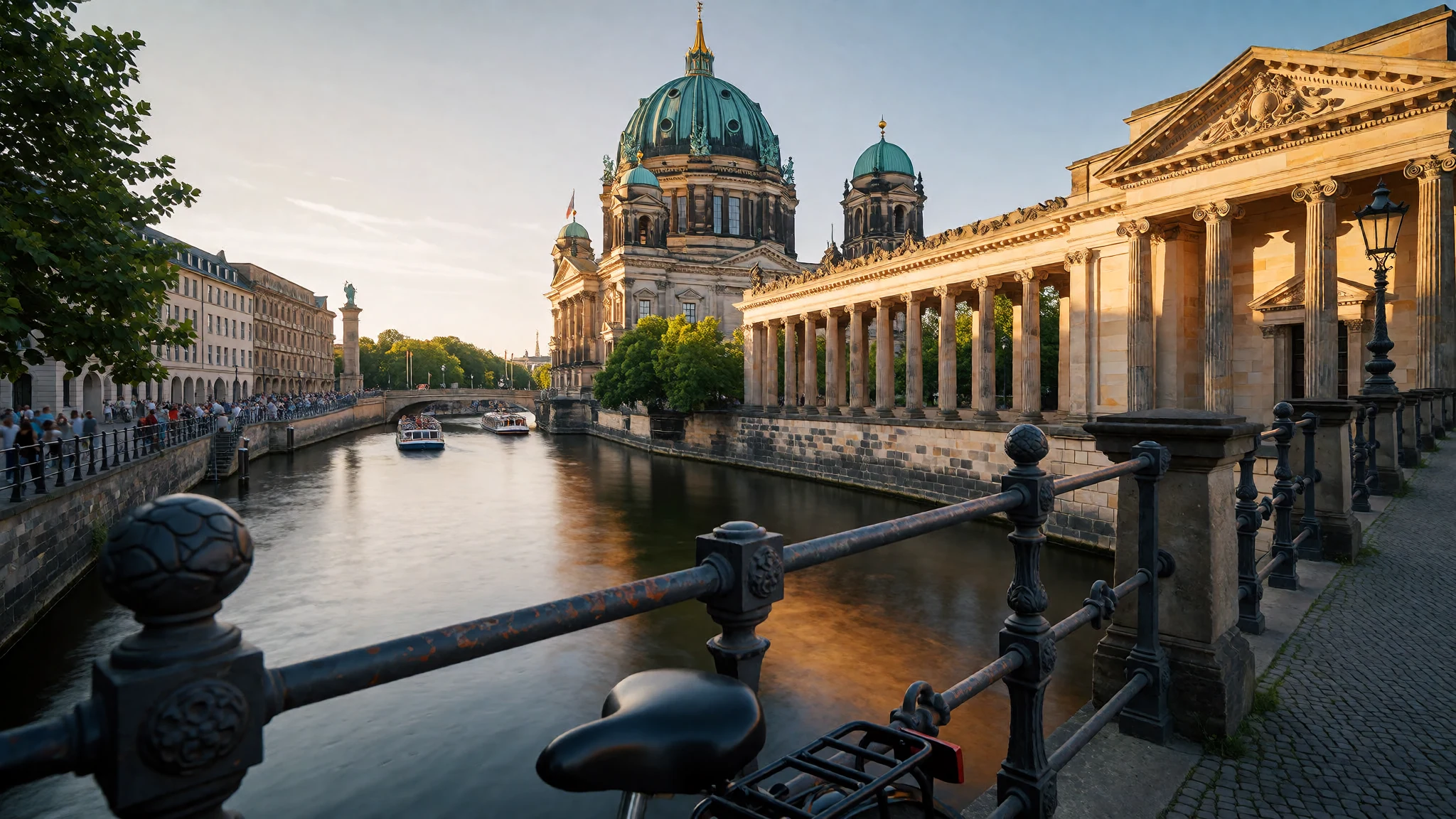
Germany's historic capital combines vast waterside green spaces, landmark neoclassical architecture, and an energetic artistic soul.
The place
Berlin stands in northeastern Germany along the banks of the Spree river, where water and vast green parklands meet a sprawling urban landscape. As the capital and largest city of Germany, this historic metropolis acts as both a federal city and one of the country's individual states. The city was founded in 1237 at an elevation of 34 m above sea level, positioned at the historic crossing of major trade routes across the northern European plain. Today, Berlin forms a central node of European culture, science, and politics, housing millions of residents within its official boundaries. The urban terrain unfolds across twelve distinct boroughs, stretching from preserved natural woodland in the west to wide residential districts in the east. At the heart of the city, historic thoroughfares connect leafy public squares, grand monumental gates, and sprawling museum sites bounded by calm river channels. Open public space defines much of the central district, where former industrial areas and historic river corridors have been transformed into parkland, riverside promenades, and cultural venues. Public transit, including extensive urban rail networks and electric buses, links distant neighbourhoods with remarkable efficiency. Throughout the seasons, the atmosphere shifts from brisk, grey winters to vibrant summer days along the riverbanks, where outdoor cafes and waterside gatherings fill the public squares.
Its story
Berlin traces its urban origins back to medieval settlements along the Spree river, first documented in the thirteenth century. Long before its formal founding, the surrounding lowlands were settled by ancient populations, with early communities forming along the Havel and Spree rivers over thousands of years. Early Slavic communities settled across the region, giving rise to many local place names that endure today across the modern boroughs and suburbs. During the middle ages, the dual trading towns on the river banks grew steadily, eventually developing into a key urban centre. Over subsequent centuries, Berlin expanded its political status, becoming the capital of the Margraviate of Brandenburg and later the Kingdom of Prussia. The city grew rapidly as an industrial and military centre, expanding its footprint through major civic construction projects, grand palaces, and formal avenues. By the late nineteenth century, it became the imperial capital, establishing its role as a principal European hub for industry, science, and governance. The twentieth century brought profound upheaval, transforming the urban fabric through successive eras of conflict, political division, and eventual reunification. Former military grounds, divided border strips, and historic industrial structures were subsequently reimagined into open public parks, memorial venues, and vibrant cultural gathering places. Today, the visible layers of this dramatic history remain written into the streetscape, where restored classical facades stand alongside post-war architecture and modern experimental design.
What to see
- Brandenburger Tor — Mitte
This eighteenth-century neoclassical triumphal arch stands at the western end of Unter den Linden avenue. Long serving as a symbol of both division and national unity, the landmark features grand sandstone columns topped by a bronze quadriga. The surrounding public plaza is a central gathering space for national celebrations and city walks.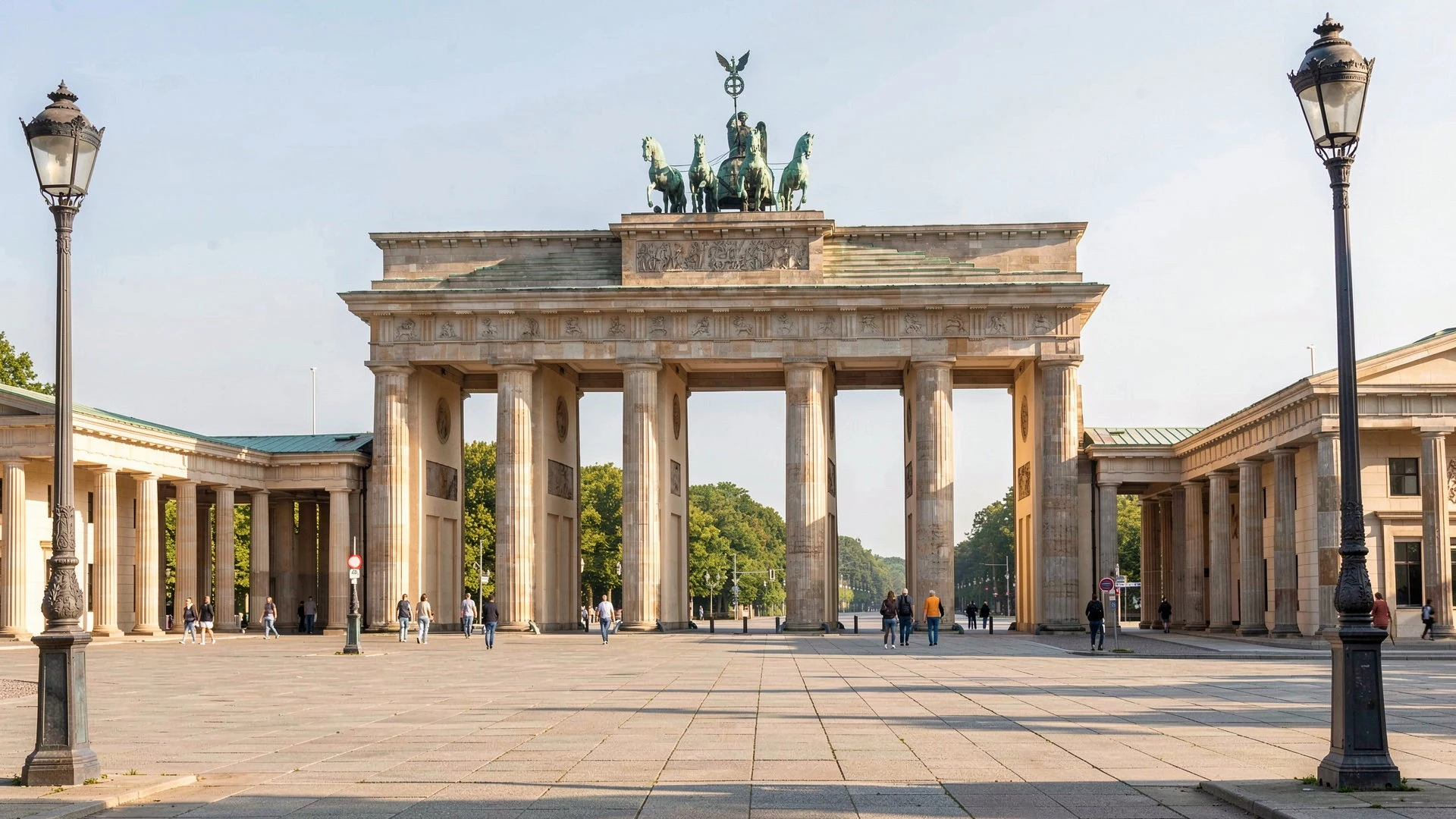
- Museumsinsel — Mitte
Located on a natural island in the Spree river, this famous museum complex houses five world-renowned institutions within striking classical buildings. The surrounding gardens offer peaceful river views, while the complex showcases thousands of years of art, archaeology, and human culture in the heart of central Berlin.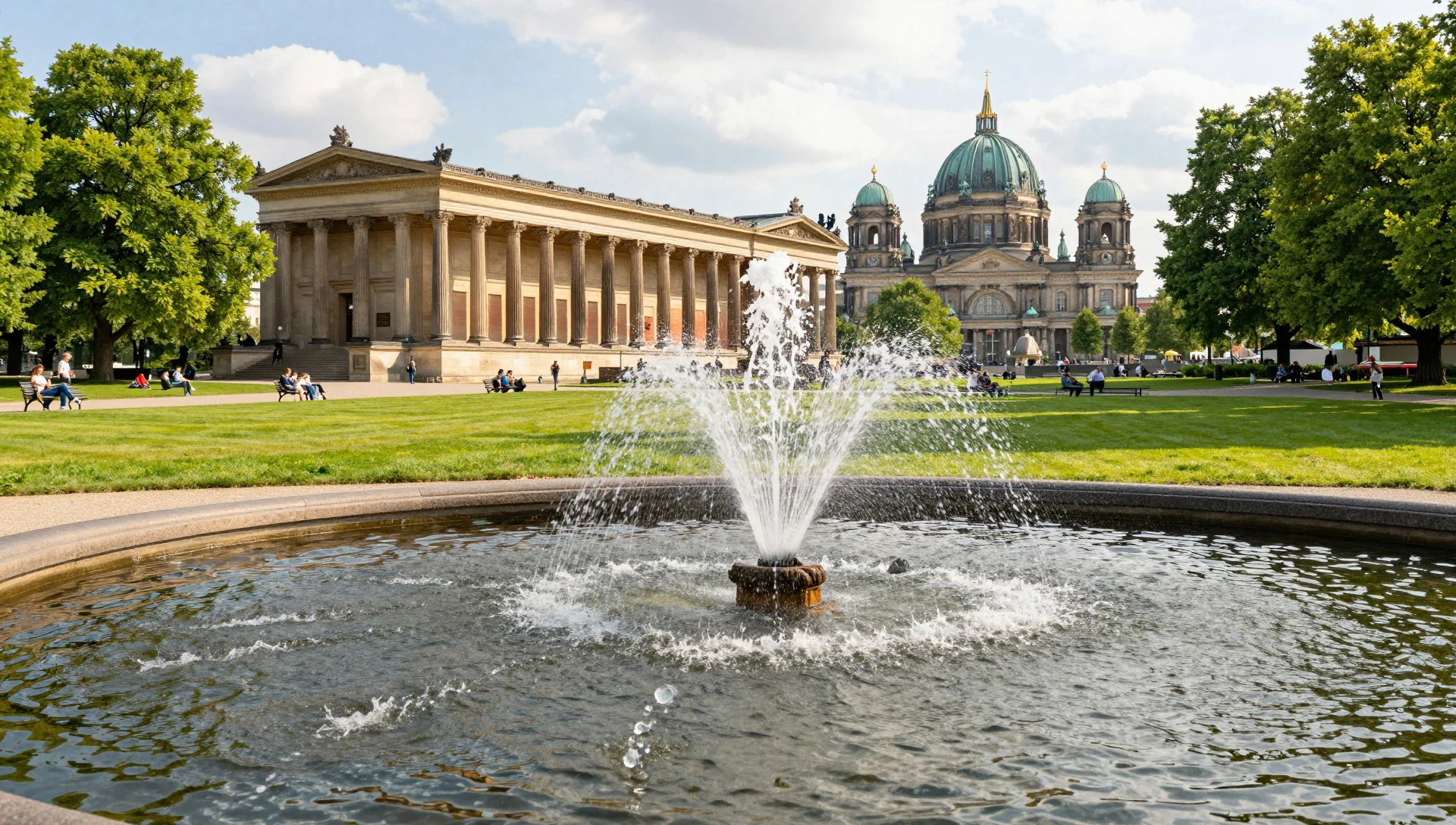
- Reichstag Building — Tiergarten
The historic home of the national parliament combines a historic nineteenth-century facade with a modern glass dome designed by Norman Foster. Visitors can walk up the interior spiral ramps of the glass dome for panoramic views across the capital city skyline and peek down into the parliamentary chamber below.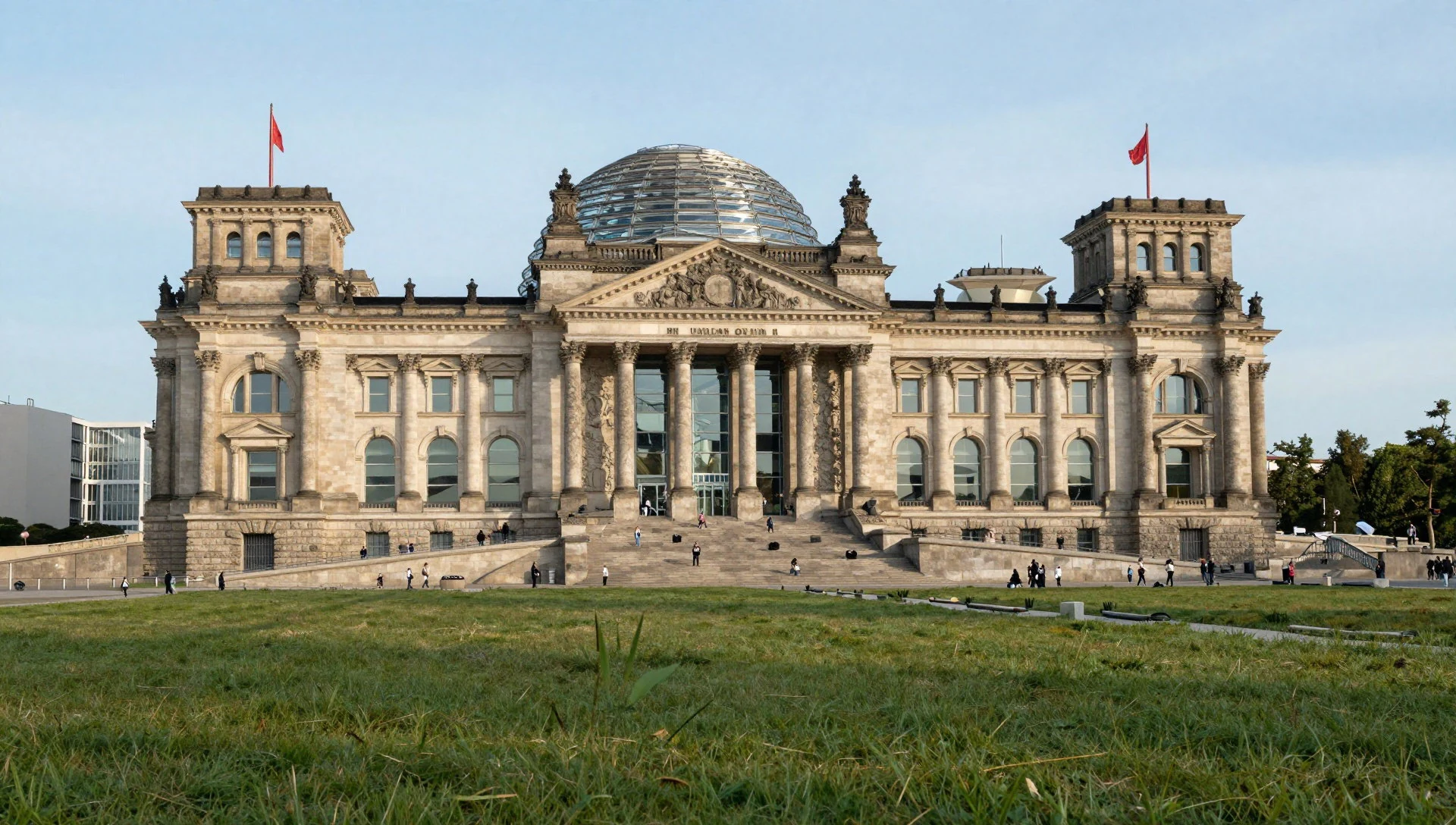
- Public Bus Line 100 — Zoologischer Garten to Alexanderplatz
Taking this regular public double-decker bus route offers an accessible self-guided sightseeing journey across central Berlin. The route connects major landmarks, travelling past the Tiergarten park, victory column, classical avenues, and city square, providing an inexpensive overview of the city's main historical districts.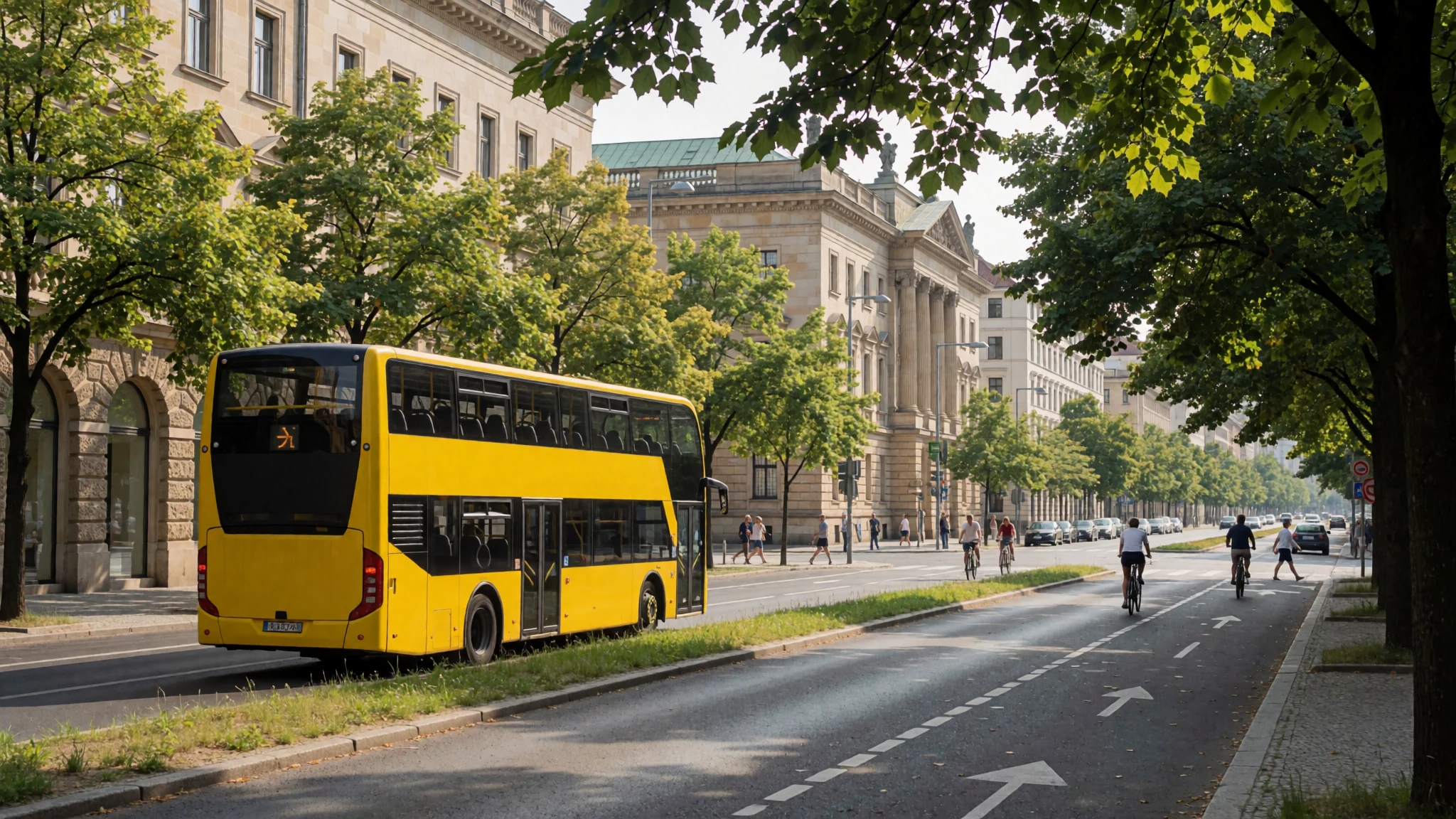
Culture
Berlin is widely recognised for its open, creative, and non-conformist spirit, shaped by decades of artistic experimentation and cultural diversity. The capital hosts hundreds of art galleries, independent studios, and performing arts venues, attracting creators and innovators from around the globe. Music plays a central role in daily life, ranging from world-class classical orchestras performing in historic concert halls to underground electronic music venues operating in repurposed industrial buildings. Public life revolves around neighbourhood cafes, riverside parks, and vibrant community markets where residents gather throughout the week. The city's atmosphere is generally informal, relaxed, and egalitarian, with a strong emphasis on civic independence and outdoor recreation along the canals and riverbanks. Creative design, digital arts, and contemporary publishing thrive alongside traditional theatre and museum collections, fostering an environment where tradition and reinvention coexist smoothly. When visiting galleries, quiet public spaces, or riding public transport, keep noise levels low and avoid photographing people directly without their permission.
What to wear
Traditional regional dress in the surrounding Brandenburg area historically featured practical woollen skirts, linen shirts, embroidered aprons, and dark felt waistcoats tailored for rural farm life and cooler Northern European weather. Today, modern Berlin is renowned for its relaxed, eclectic, and understated urban street style. Residents tend to favour functional, comfortable clothing with a strong preference for dark tones, denim, utilitarian jackets, and vintage garments. Casual attire is acceptable almost everywhere, including fine restaurants, concert halls, and art galleries. For visitors, dressing in practical layers is essential to adapt to changing weather conditions throughout the year. Sturdy, comfortable walking shoes or trainers are indispensable for navigating cobble streets, expansive park grounds, and long museum corridors. During winter, pack a heavy windproof coat, warm scarf, and gloves for cold outdoor walks. In summer, lightweight cotton clothing works best, though bringing a light waterproof jacket or jumper for cooler evenings along the river remains wise.
What to eat
- Currywurst — Street stalls and U-Bahn station snack stands
This iconic Berlin street dish consists of sliced steamed bratwurst sausage covered in a seasoned ketchup sauce and dusted generously with curry powder. Usually served with french fries or bread rolls, it is available across city snack kiosks.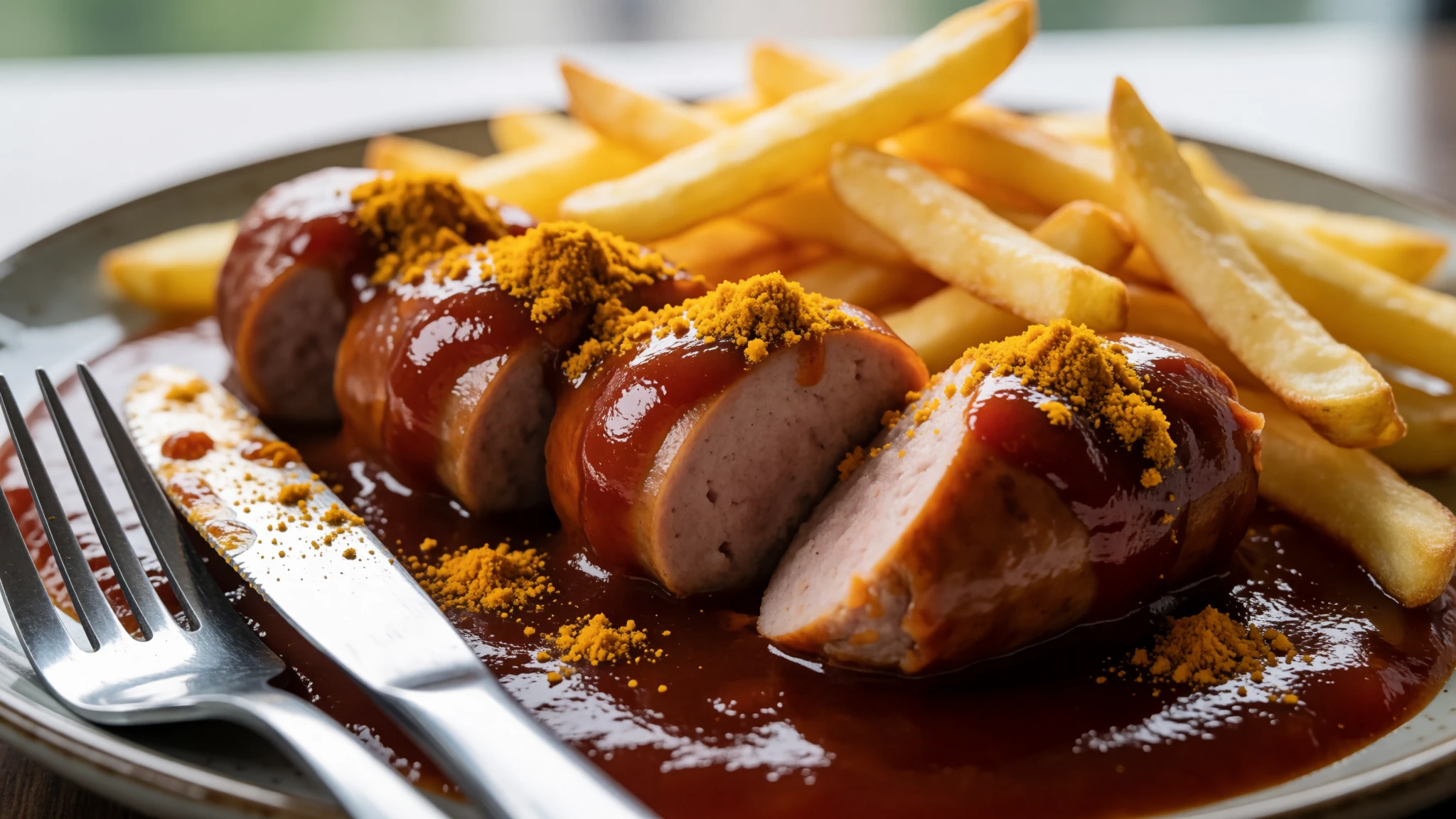
- Döner Kebab — Neighbourhood Turkish eateries and street stands
A beloved local fast food staple brought to the capital by Turkish immigrants. Thinly sliced grilled meat is stuffed inside crisp flatbread alongside fresh cabbage, onions, tomatoes, and garlic or spicy herb sauces, making a hearty, portable meal.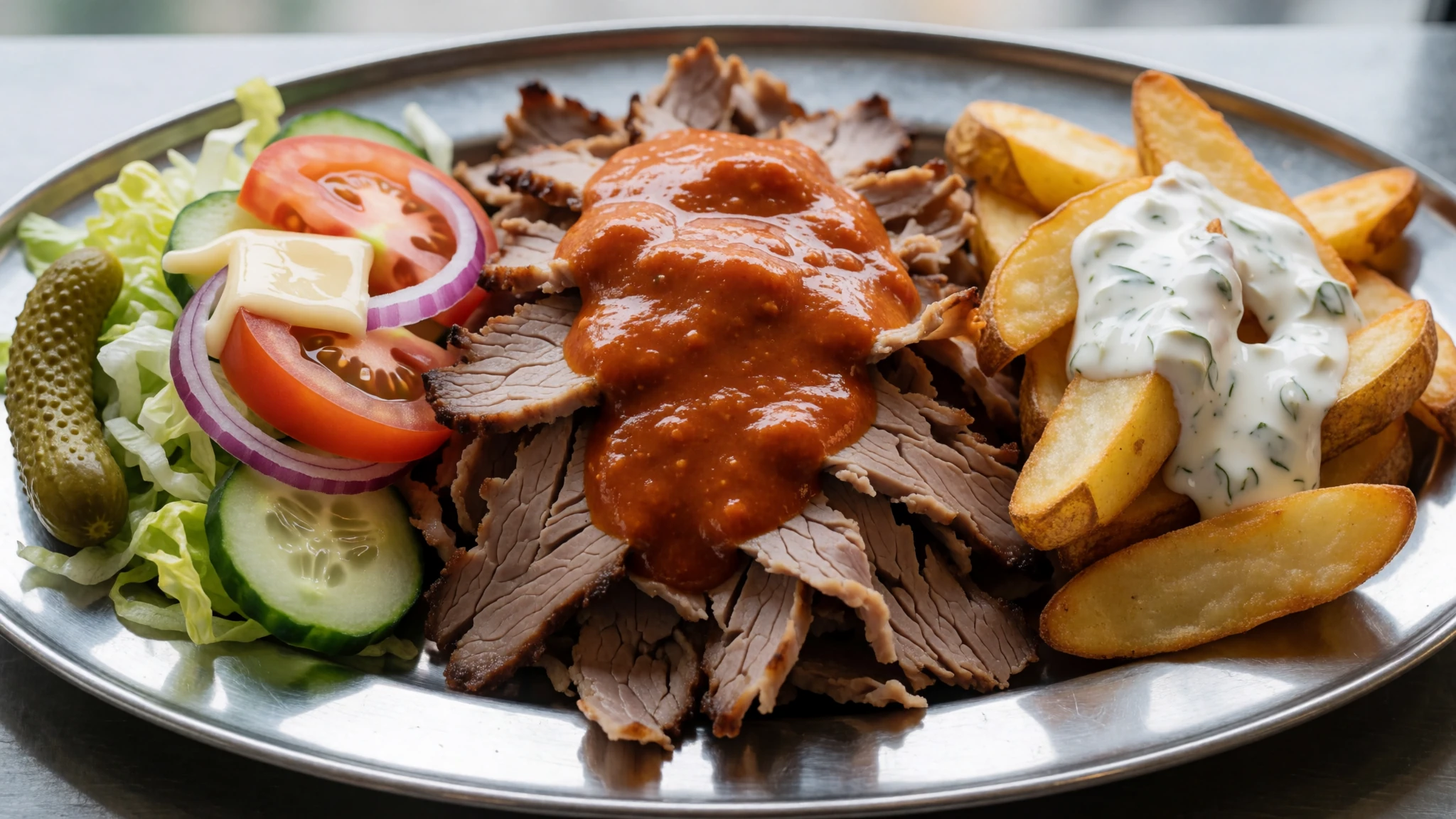
- Berliner Pfannkuchen — Traditional bakeries across the city
These classic sweet yeast pastries are deep-fried until golden, filled with plum butter or red jam, and dusted with powdered sugar or frosted with icing. Local bakeries serve them throughout the year, especially during festive winter celebrations.
- Eisbein — Traditional German taverns and beer gardens
A classic German comfort dish featuring pickled pork knuckle cured and boiled until tender. Served alongside sour sauerkraut, mashed peas, and boiled potatoes, this rich and substantial plate is standard winter fare in classic neighbourhood pubs. - Königsberger Klopse — Classic dining halls and traditional eateries
Tender meatballs cooked in broth and served under a creamy white sauce flavoured with capers and lemon. Accompanied by boiled potatoes and pickled beetroot, this classic regional specialty remains a favourite choice at traditional lunch halls.
Plan it
Best time. May to September for warm weather, outdoor beer gardens, and riverside events; December offers festive Christmas markets, though winter days are short and cold.
How long. 3–4
Getting there. Fly into Berlin Brandenburg Airport (BER), then take the direct FEX or RE regional trains straight to central stations like Hauptbahnhof in around 25 minutes.
Budget. mid
Tips
- Purchase an ABC transit pass if travelling from the airport to cover all transit zones
- Validate your paper public transit ticket at the yellow or red stamping machines before boarding
- Carry some euro cash, as small bakery kiosks and local market stalls often do not accept card payments
- Book dome entry tickets for the Reichstag online well in advance of your visit
Etiquette
- Stand on the right side of escalators and walk on the left to allow commuters to pass
- Do not walk or stand in designated red-paved bicycle lanes along city pavements
- Always separate recyclable glass bottles next to public bins for collectors to retrieve
Nearby
Sources
- Wikidata Q64 (CC0)
- Wikipedia (rev 1382826196) (CC BY-SA 4.0)
- Wikivoyage (rev 5406663) (CC BY-SA 4.0)
- Photo photos/01-cityscape-berlin.jpg (CC BY 3.0)
- Photo photos/02-museumsinsel-berlin-juli-2021-1-cropped-b.jpg (CC BY-SA 4.0)
- Photo photos/03-berlin-mitte-het-berliner-schloss-dm-img-5754-2024-09-07-12-.jpg (CC BY 4.0)
- Photo photos/04-brandenburger-tor-morgens.jpg (CC BY 3.0)
- Photo photos/05-facade-of-the-berlin-cathedral.jpg (CC BY 4.0)
- Photo photos/06-west-facade-of-the-reichstag-building-berlin.jpg (CC BY-SA 4.0)
- Photo photos/07-150418-konzerthaus-berlin-gendarmenmarkt.jpg (CC BY 3.0 de)
- Photo photos/08-seal-berlin-1253.png (Public domain)


