Fethiye
Fethiye, Turkey
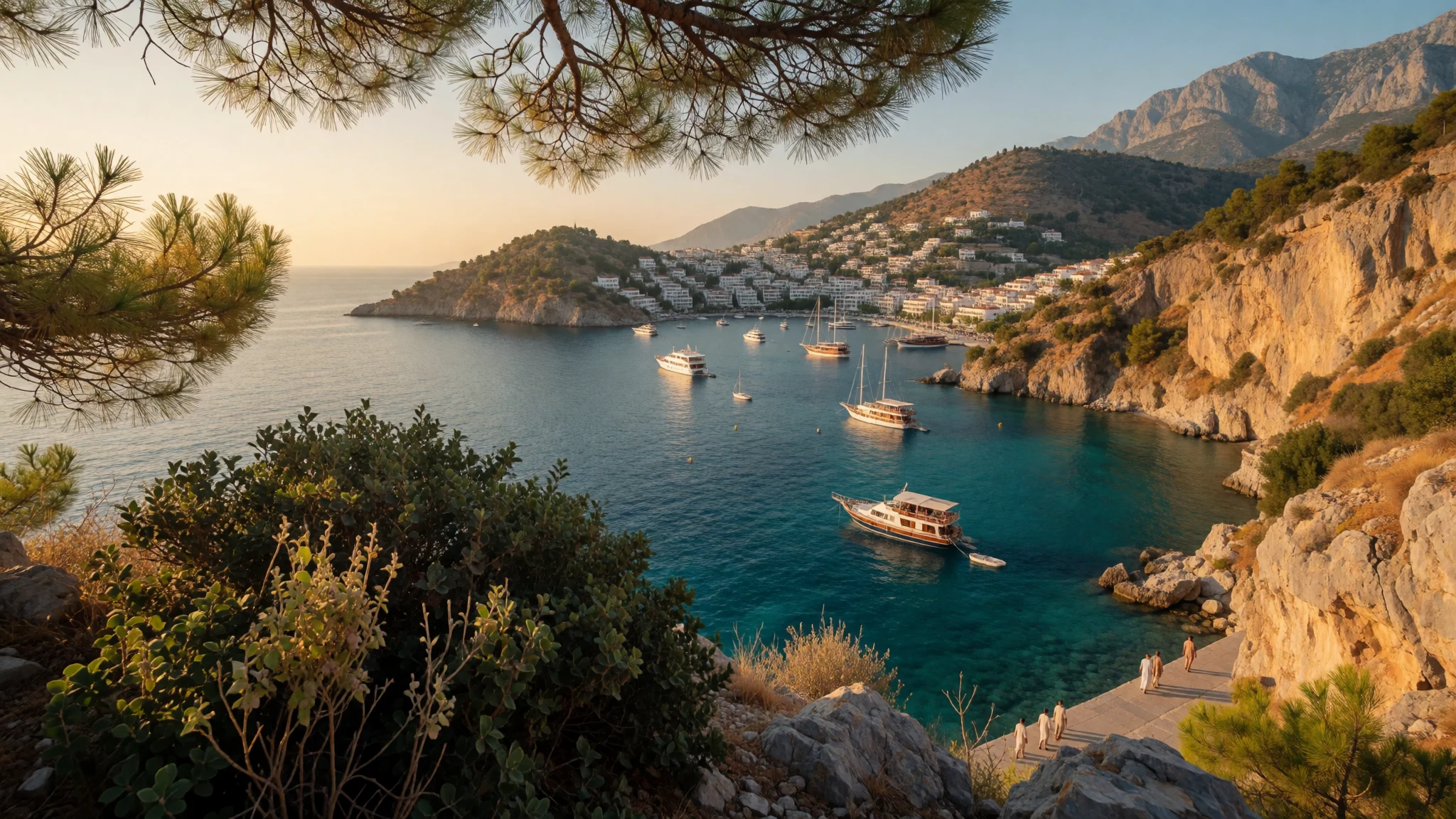
Fethiye pairs a working Turkish port town with rock-cut Lycian tombs, island boat trips and a long Mediterranean season, all within walking distance of the water.
The place
Fethiye sits on a sheltered bay on Turkey's south-western coast, in Muğla Province, and serves as one of the main bases on the Turkish Riviera. About 182,200 people live in the district, so this is a proper town with a bus station, a bazaar and a fish market, not a resort built only for holidaymakers. Pine-clad mountains rise close behind it, while in front an island and a scatter of smaller islets break up the bay. On the south side of town, tombs cut into the cliff face keep antiquity in view from the main streets, and carved stone sarcophagi turn up in ordinary lanes. The waterfront promenade and marina are where residents and visitors mix in the evening, with the bazaar lanes just behind. Summers are long, dry and hot, with daytime averages around 34 °C, and they are getting hotter and drier. Winters are mild and rainy, with daytime averages around 16 °C. Most visitors arrive through Dalaman Airport, about an hour to the west, often on package flights from Europe, so July and August mean crowds, busy boats and heat that makes midday sightseeing a poor idea. Spring and autumn are calmer and kinder for walking. Çalış Beach, at the north end of town, is the nearest place for a swim, and boats to the bay's island leave from the harbour. The road east along the rugged coast towards Antalya starts here.
Its story
Fethiye stands on the site of ancient Telmessos, and the layers of its past are still visible in the town. The Hittites recorded a settlement here around 1700 BC under a very different name. The Lycians left the deeper mark, fortifying the heights above the harbour and carving tombs into the rock. A Lycian legend explains the name: the god Apollo, disguised as a small dog, won the affection of a shy Phoenician princess, and their son was called Telmessos, meaning 'land of lights'. The city fell to the Persian general Harpagos in 547 BC, later joined the Delian League, and eventually became independent again. Telmessos became known for its diviners, who were consulted by kings. Rome absorbed the region, and in late antiquity the buildings that survive suggest real prosperity. Later, much of the city was abandoned during the Arab-Byzantine wars. By the Middle Ages the old name had been forgotten, and the town was called Makri, 'long one', after the island at the harbour mouth. Ottoman rule followed, then a spell under Italian administration after the First World War, before the town returned to Turkey in 1923. In 1934 it was renamed Fethiye in memory of Fethi Bey, an airman who died on an early long-distance flight from Istanbul towards Egypt. The harbour never silted up, but the town lacked rich farmland or trade routes inland, so it stayed modest for centuries.
What to see
- Tomb of Amyntas — Cliff above the south side of town
The best-known of the rock-cut tombs on the cliff above the south side of Fethiye, its carved temple-style front is the image most often used for the town. Climbing the steps gives a view across the rooftops and bay. Go early or late, since the cliff holds the day's heat.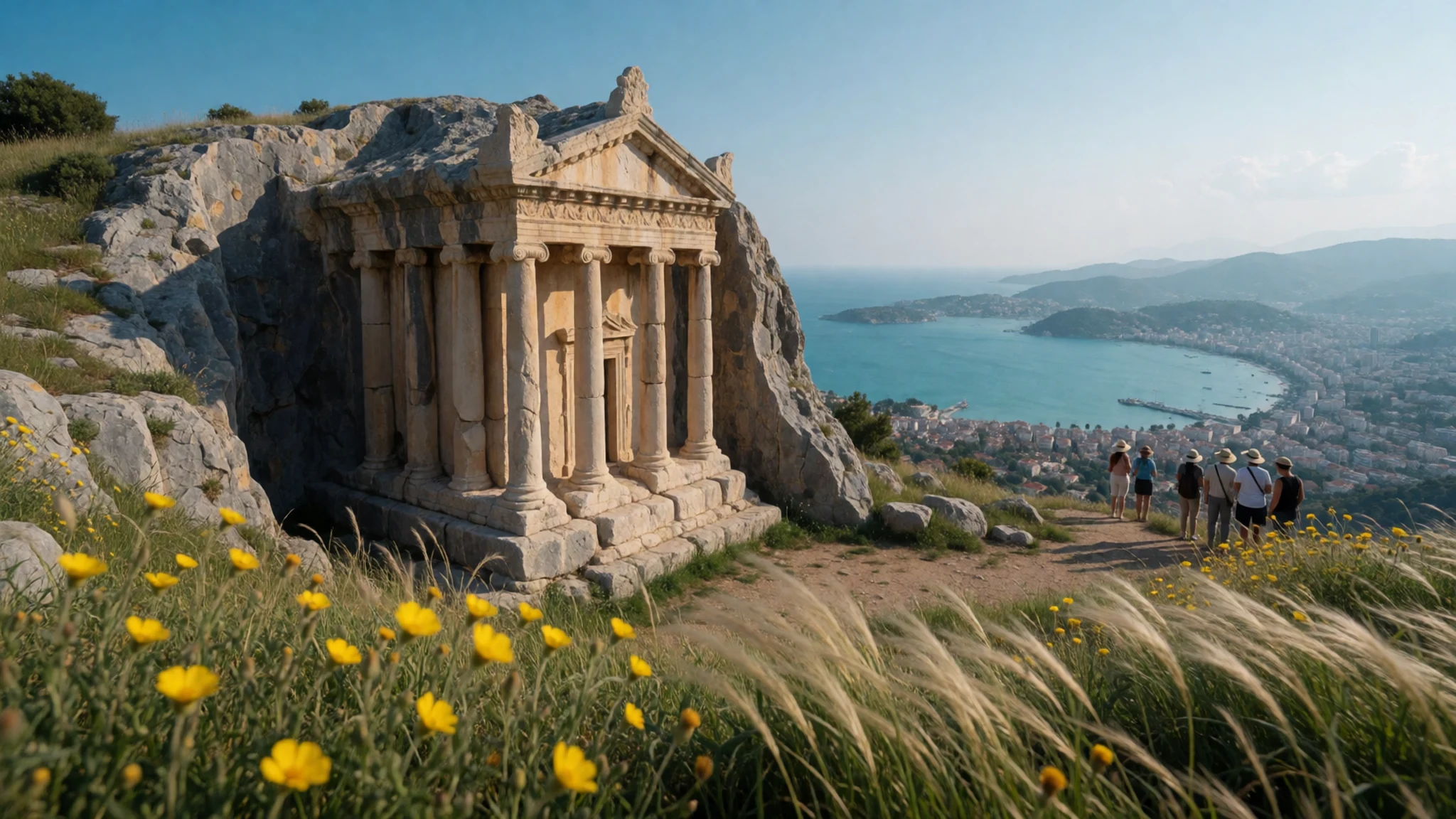
- Lycian sarcophagi in the streets — Central lanes and the foot of Kaya Caddesi
Carved stone sarcophagi stand in ordinary parts of Fethiye, one on the lane running from the post office towards the seafront and another at the foot of Kaya Caddesi, the street climbing to the rock tombs. They cost nothing to see and make a pleasant short walk.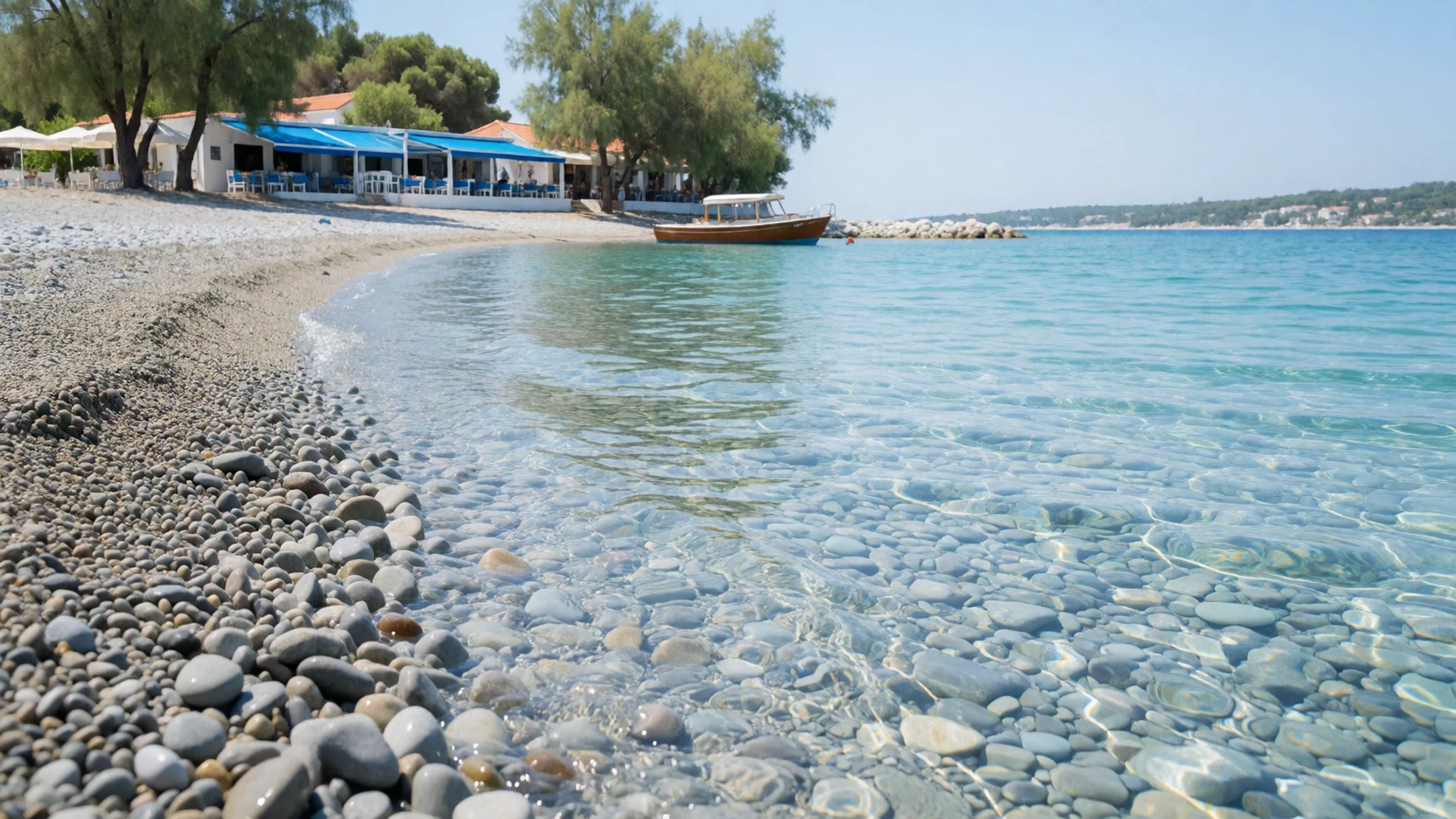
- Fethiye Castle — Hillside west of the tombs
The ruined walls on the hillside west of the tombs were largely raised by the Knights of St John, reusing older stonework and rock tombs. Earthquakes have left only fragments, and access has recently been restricted, so check locally before climbing. It is more a viewpoint than a monument.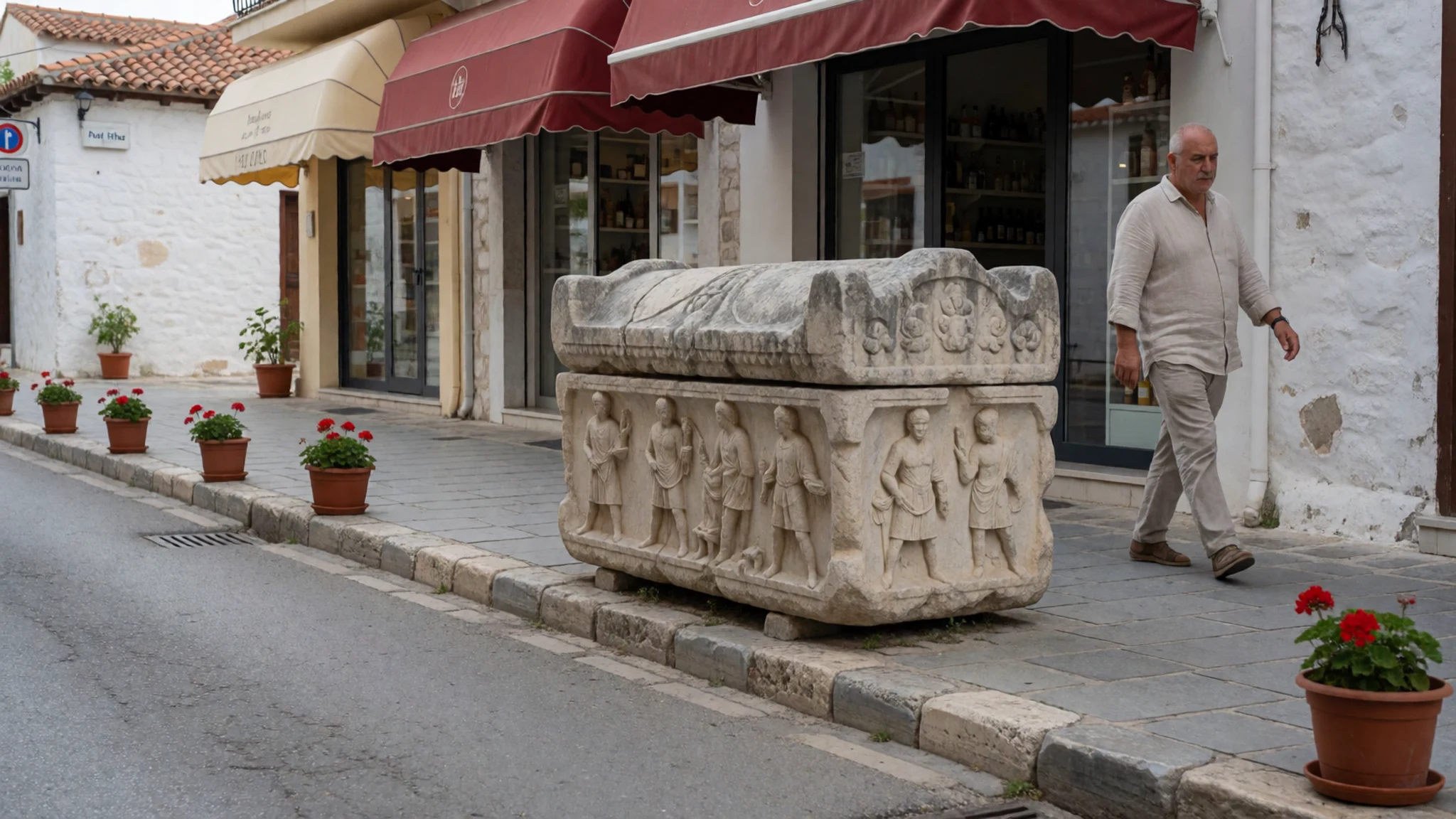
- The ancient theatre by the marina — Marina and main quay
A restored ancient theatre stands beside the marina, a reminder that Telmessos lay under the modern waterfront. The restoration has been criticised for blurring the original structure, so treat it as a short stop on the harbour walk, not a reason to make a special trip.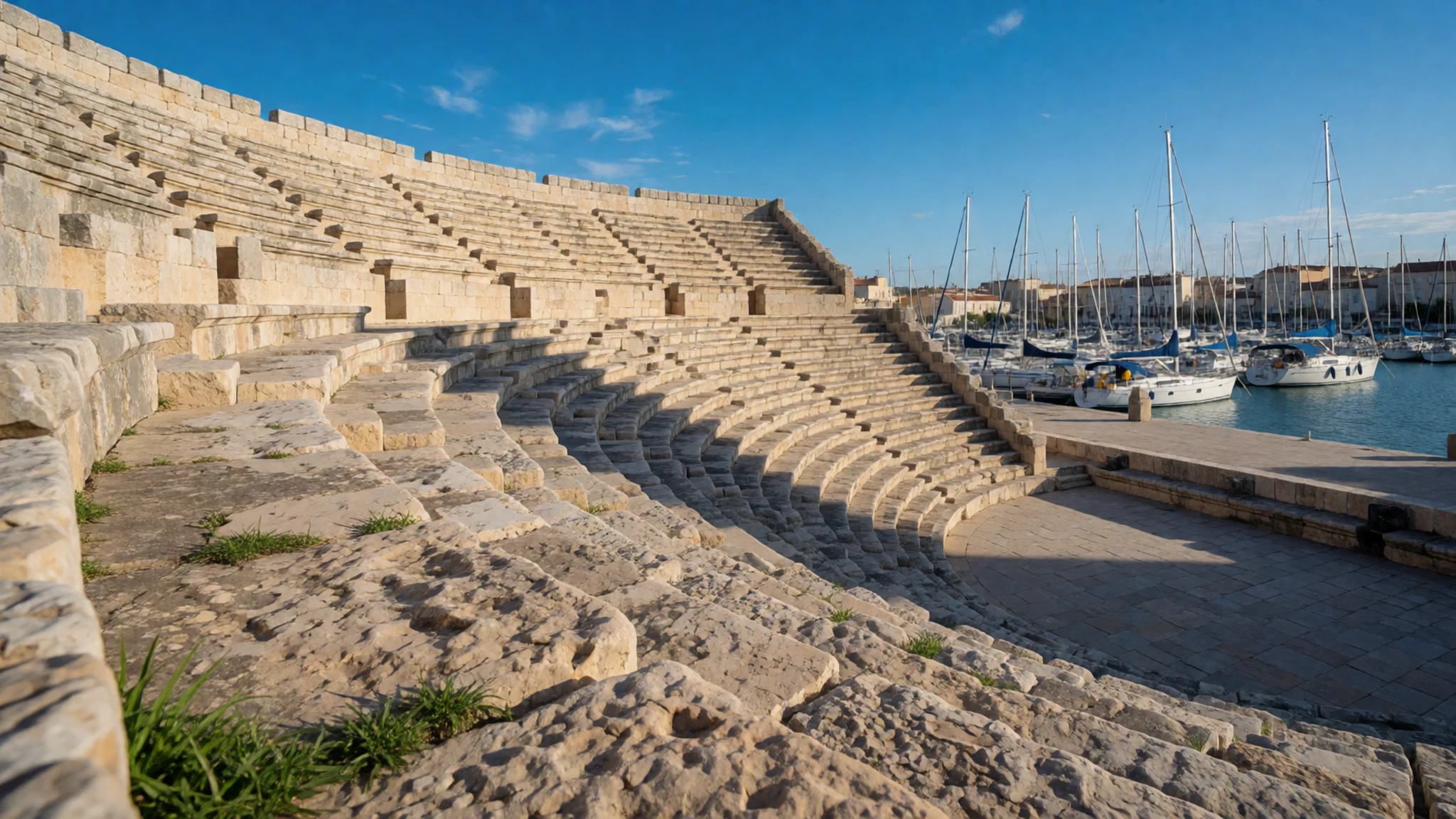
- Fethiye Island (Şövalye Adası) — In the bay, reached by water taxi from the harbour
Also called Knight Island, this island shelters the bay and feels calmer than the mainland. It has simple accommodation, a few places to eat and a pebbly shore. Water taxis run from the town harbour, which makes it an easy half-day escape from the summer crowds.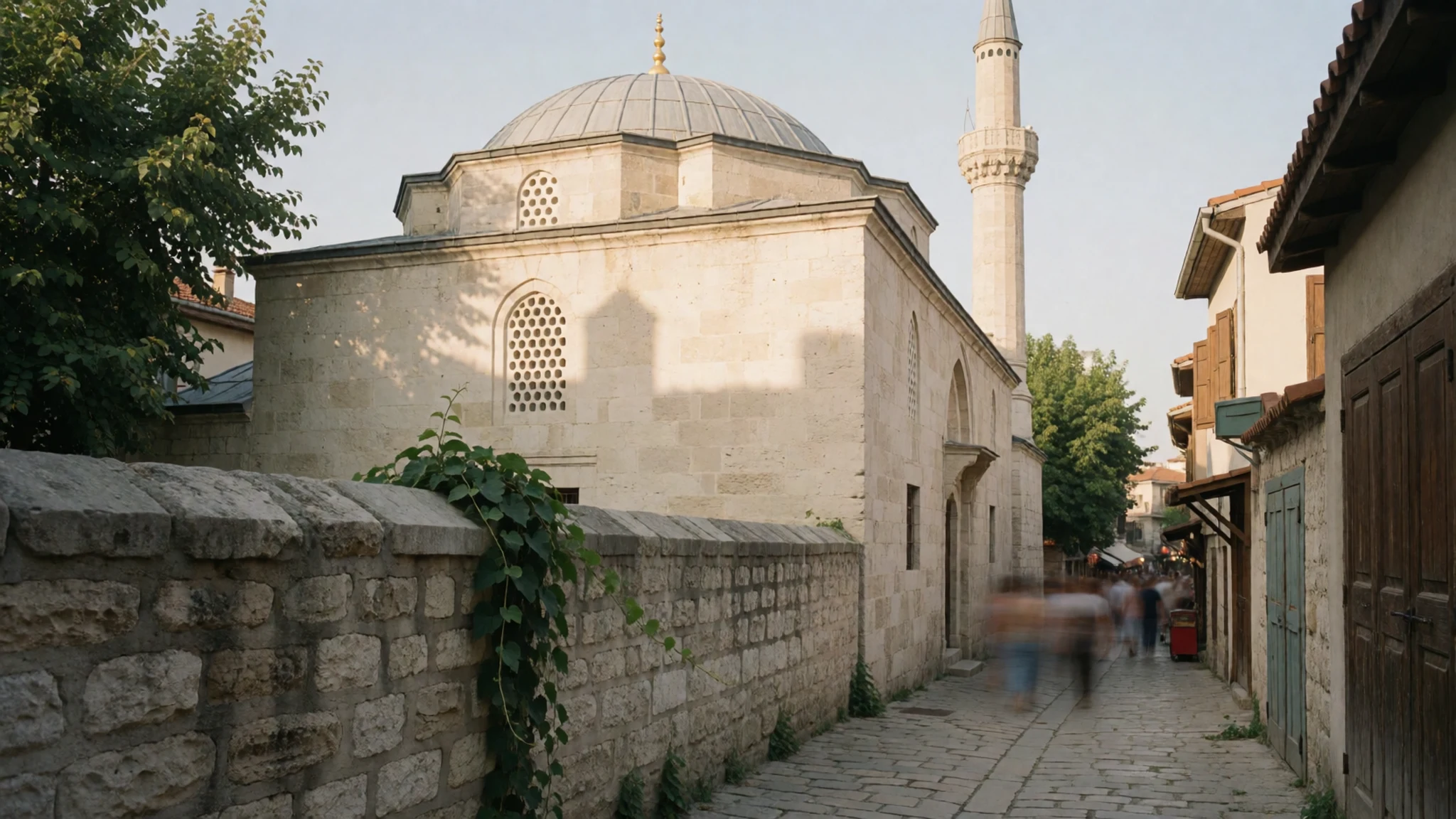
Culture
Fethiye is a Turkish town first and a holiday base second, and daily life follows that rhythm. Mornings start unhurried, meals run long, and tea arrives in small tulip-shaped glasses whether or not it has been ordered. When the heat drops in the evening, people of all ages walk the waterfront promenade, and families, couples and groups of friends gather by the marina. The call to prayer carries across the bazaar and harbour through the day, and the old mosque just off Çarşı Caddesi is a quiet reminder that Fethiye was an Ottoman port long before package flights arrived. Shopkeepers in the bazaar often invite passers-by to sit and look. A friendly no, thank you, with a smile, ends the conversation without offence. Bargaining is normal for rugs, ceramics and souvenirs in the bazaar, but not in restaurants or supermarkets. Hospitality matters here, so accepting a glass of tea is usually taken as warmth, not an obligation to buy. The Lycian tombs, the Greek name Makri that still appears on old maps, and the Ottoman buildings show how many peoples have lived on this bay, and local pride in that mix is real. Cover your shoulders and knees, take off your shoes at the door and keep your voice low when you step into a mosque.
What to wear
In the villages of the hills around Fethiye, older women may still wear şalvar, baggy cotton trousers gathered at the ankle, with a printed or embroidered headscarf, often edged with needle-lace. This dress is mostly seen at weddings, festivals and in daily rural life, not on the town's streets. Cotton is the everyday traditional fabric, while wool and hand-woven kilims belong to the highland pastoral tradition of the wider region. In town, people dress for the heat: light cotton and linen, shorts and sandals along the seafront and at the beach, and neat casual clothes for evenings out. Away from the shore, locals tend to dress a little more modestly than visitors in beachwear. For a visit, pack breathable cotton or linen, a sun hat and sunglasses, and keep swimwear for the beach and boats. Carry a light scarf or shawl so shoulders and knees can be covered at a mosque, and wear trousers or a long skirt for it. Footwear matters more than clothes: the steps to the rock tombs and the castle slopes are uneven, so choose sandals with grip or light walking shoes, and water shoes for pebbly beaches. In winter, bring a waterproof jacket, since rain can be heavy.
What to eat
- Fresh fish from the market — Fish Market (Balık Pazarı), mid-town
At the fish market in the middle of town, you choose your own fish and carry it to one of the surrounding restaurants, which cooks it for you. It is a lively, slightly chaotic way to eat, best in the evening.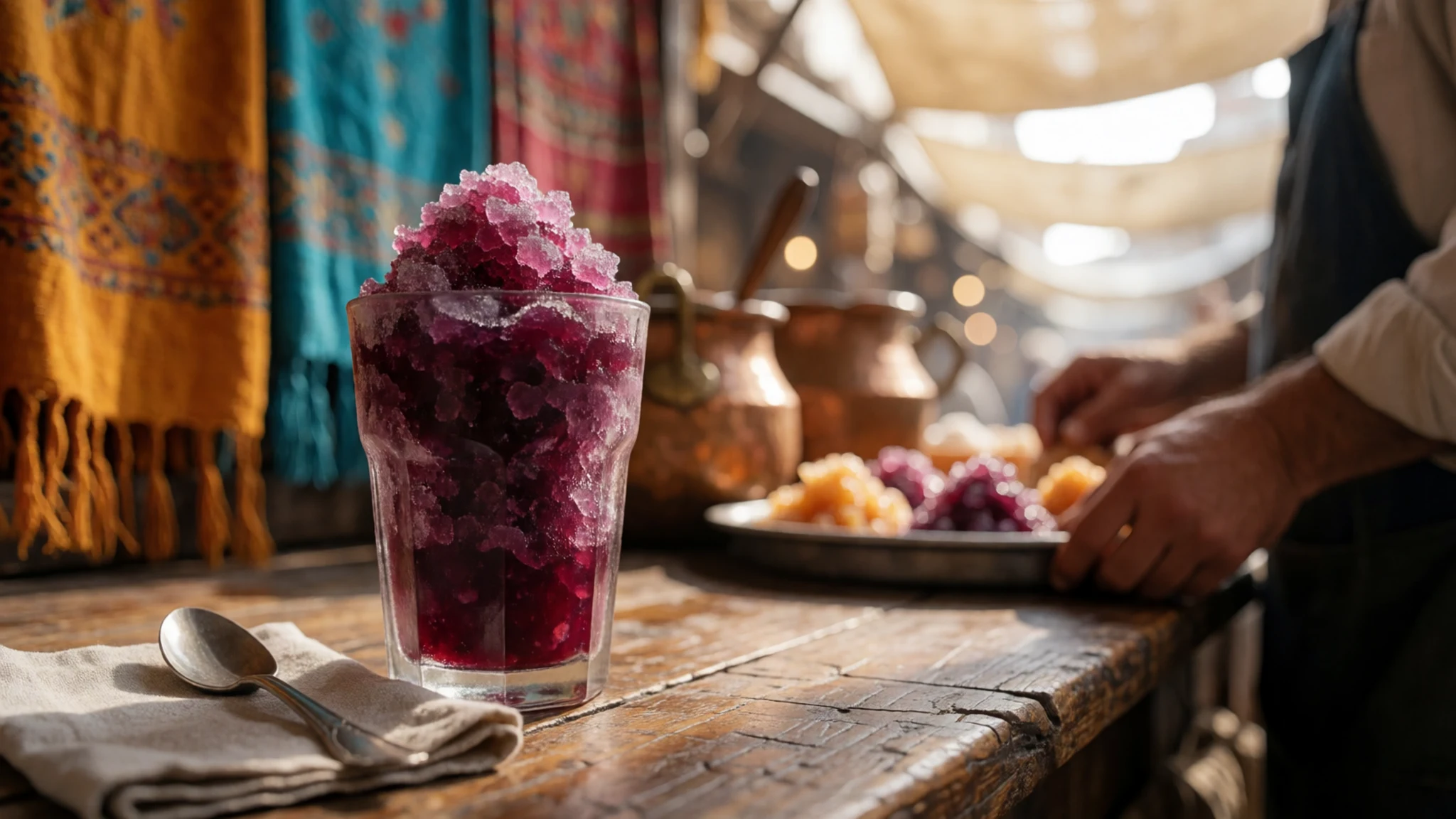
- Kar şerbeti — Cafés and stalls in the town centre
This snow sorbet is a local speciality: a slushy of ice and grape molasses, sweet and cold on a hot afternoon. It is said to use snow from the Taurus Mountains. Look for it at cafés and stalls around the centre.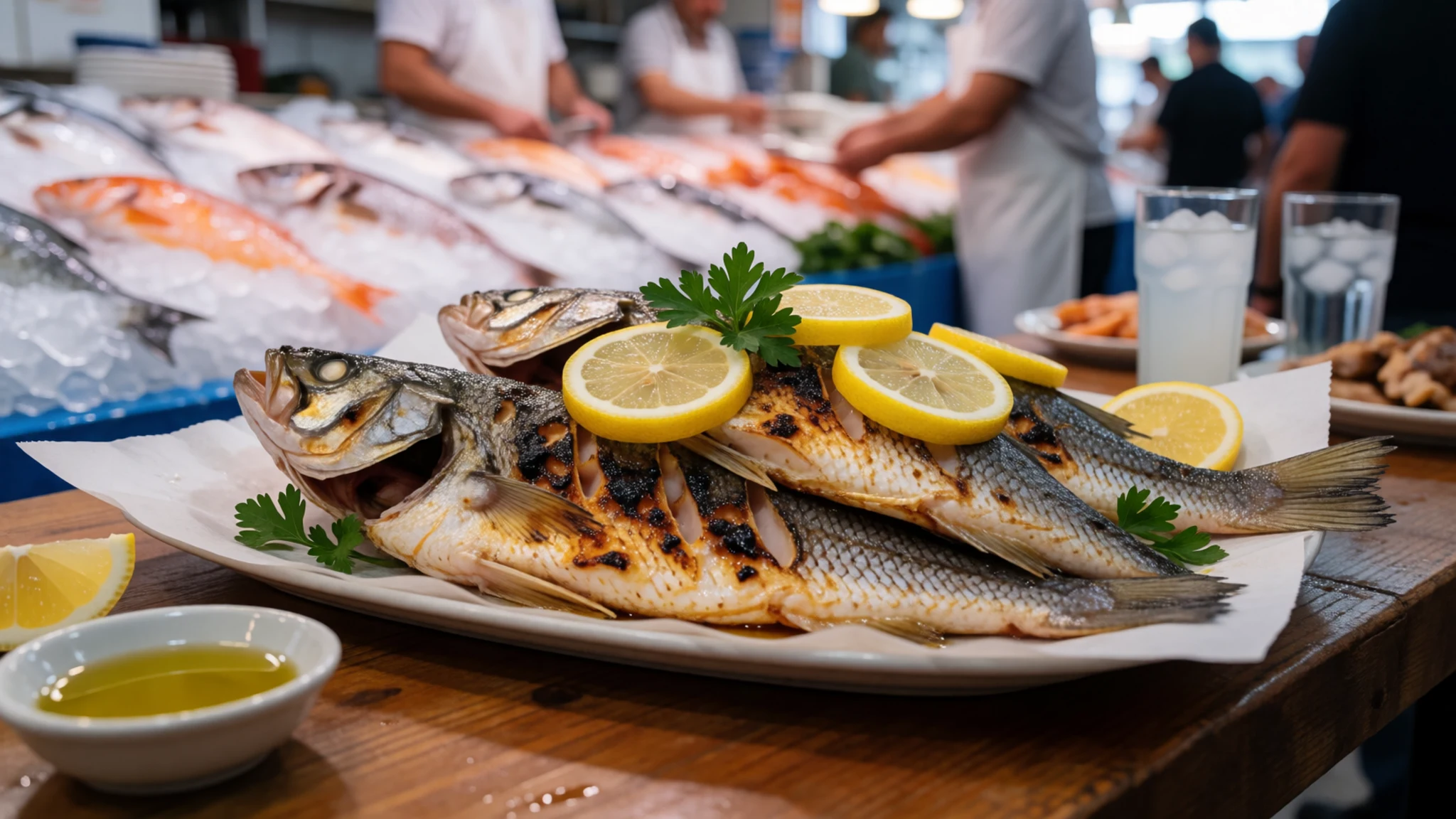
- Kebap — Mid-town restaurants and the bazaar
Grilled and oven-baked meat dishes are staples, served with salad, bread and sides. Mid-town restaurants are popular for them, and quality varies, so look for places busy with local families at lunchtime. - Ayran — Any restaurant or snack bar
A salted yogurt drink served cold, ayran is the usual partner to kebap across Turkey and cuts through grilled meat and heat alike. It is easy to find in any eatery and is a good alternative to fizzy drinks. - Turkish coffee — Cafés around the marina and bazaar
Strong coffee brewed in a small pot and served with the grounds settled at the bottom of the cup. Sip slowly and leave the dregs. It works well after a fish dinner or as a break from the midday sun.
Plan it
Best time. May–June and September–October, when the sea is warm and days are lively without the full summer heat. July and August are hot, with daytime averages around 34 °C, and busy. Winters are mild and rainy, so some boat trips and seaside places are quieter.
How long. 3–4
Getting there. Dalaman Airport (DLM) is the usual arrival point, about an hour west by road. The Havaş airport bus runs via Göcek to Fethiye, so check the current fare and times. Antalya Airport (AYT) is about three hours east by road. Long-distance buses link Fethiye with Istanbul, Ankara, Izmir and Antalya, and arrive at the bus station off İnönü Boulevard.
Budget. mid
Tips
- Visit the rock tombs and castle slopes early in the morning, before the heat builds
- Book boat trips and accommodation ahead for July and August, but keep spring and autumn plans flexible
- Carry some cash for the bazaar and small eateries, though most restaurants take cards
- Drink plenty of water and use sun protection, since summers are long and dry
- Check the official municipality site (http://www.fethiye.bel.tr) for current opening arrangements of sights
Etiquette
- Cover shoulders and knees and remove shoes before entering a mosque
- Ask before photographing people, especially in the bazaar and villages
- Keep beachwear for the beach and boats, and dress a little more modestly in town streets
Nearby
Sources
- Wikidata Q207998 (CC0)
- Wikipedia: Fethiye (rev 1385844235) (CC BY-SA 4.0)
- Wikivoyage: Fethiye (rev 5402007) (CC BY-SA 4.0)
- Photo: Fethiye'den bir görünüm (astolath) (CC BY 2.5)
- Photo: Fethiye Town in Daylight (Alexander Annenkov) (CC BY 2.5)
- Photo: Districts of Province Muğla (Entuluve) (CC BY-SA 4.0)
- Photo: Fethiye by Piri Reis (Public domain)
- Photo: Lycian sarcophagus in ancient Telmessos (Harry John Johnson, 1883) (Public domain)
- Photo: Fethiye in March (Alexey Komarov) (CC BY-SA 4.0)
- Photo: Fethiye bay (Alet123) (CC BY-SA 4.0)
- Photo: Tomb of Amyntas (CC BY-SA 2.5)


