Estación Tapia
Estación Tapia, Uruguay
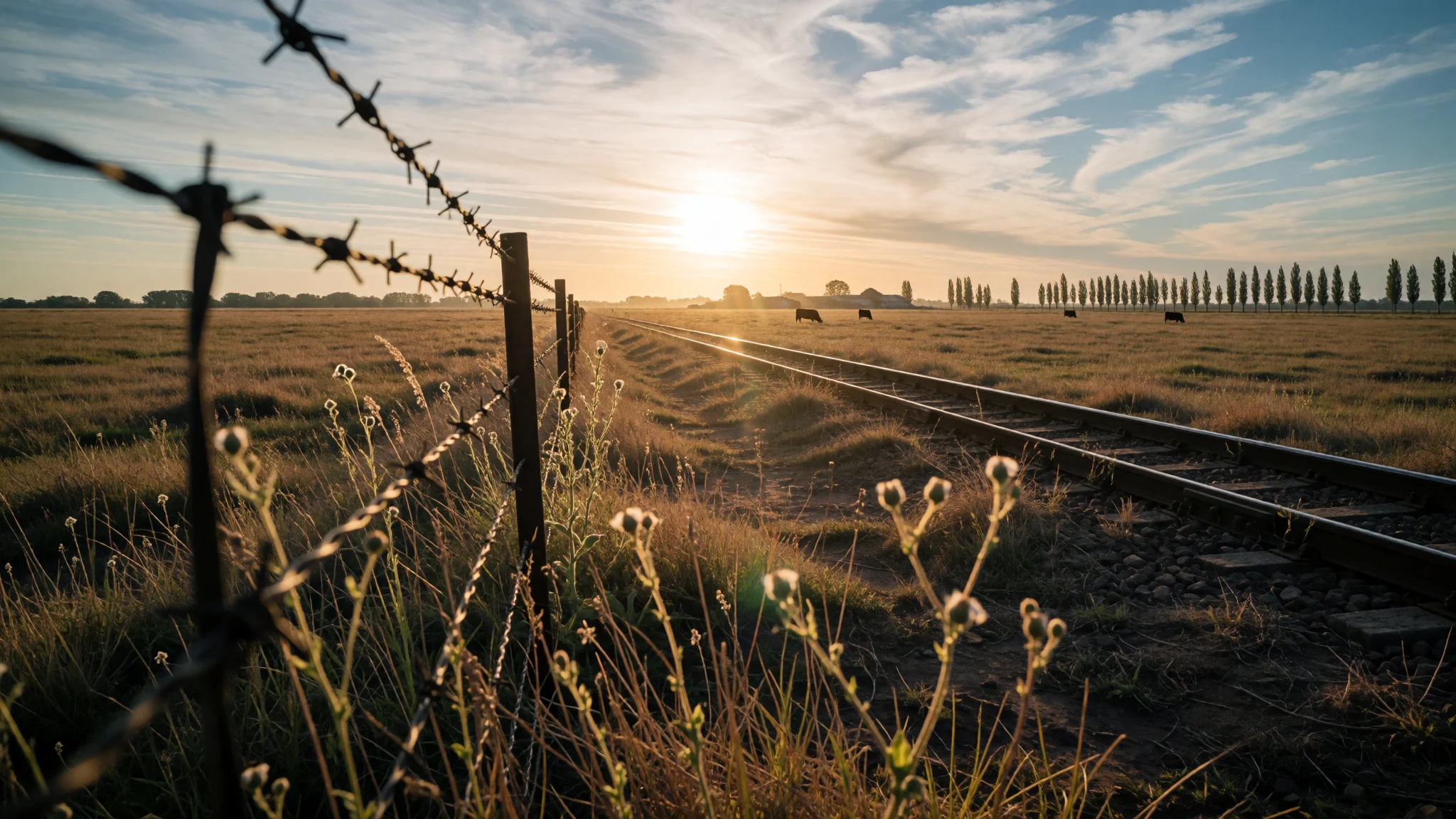
Estación Tapia is a quiet railway village in Canelones, a plain look at working rural Uruguay for anyone happy without monuments.
The place
Estación Tapia is a small village in the Canelones Department of southern Uruguay, home to 330 people. It lies on Route 88, about 12 kilometres east of San Jacinto, in open, low country given over mostly to grazing and farming. The name means Tapia Station, and the railway explains it: the Montevideo–Minas line runs past the south-eastern edge of the village, and settlements of this kind tend to grow where a line and a road meet. To the south-west, a small watercourse called the Arroyo de los Negros wanders through the fields.
This is not a place with a sightseeing circuit. There is no famous building to queue for, and a visit is about atmosphere: wide skies, fence lines, a quiet main road and the scale of a community where neighbours know one another. Anyone expecting a resort or a museum town will be disappointed. Anyone curious about how rural Uruguay actually works will find it a useful stop.
The landscape matters more than the village. Uruguay is mostly flat grassland with no high mountains to break the wind, so weather fronts arrive fast and the sky can change within an hour. Cattle outnumber people across the country by a wide margin, and the pastures around Tapia fit that picture. Because Uruguay lies south of the Equator, the seasons run opposite to those in India and the UK: January is high summer, July is winter, and frost is uncommon but not unknown.
Realistically, Estación Tapia works best as a short rural detour from Montevideo or the coast, paired with the nearby towns and a slow drive along the country roads.
Its story
Estación Tapia has a thinly documented history, and it is better to say so than to invent one. What can be said is that its name and its position point to the railway age, when stations along the Montevideo–Minas line gave scattered farming districts a place to send goods and meet trains. Villages like this often grew from a platform, a shed and a few houses into small communities with a school and a shop.
The wider country supplies the context. The name Uruguay is usually explained as a reference to a river and its brightly feathered birds, and the territory was long defined by rivers, grassland and cattle. Ranching shaped rural life, and some older droving methods are still used in places. Industry followed the herds: at Fray Bentos, in the west of the country, a former meat-processing plant survives as a reminder of how pastureland fed distant markets.
Movement of people is the other thread. Italian immigration left its mark on Uruguayan kitchens and family names, while in recent decades many highly trained Uruguayans have left to work abroad, a drain that small rural places are often affected by. The 330 residents of Estación Tapia live inside that larger story, a quiet one shaped by the rail line, the road and the land around them.
For a visitor, the sensible approach is to treat the village as a window onto rural Canelones. Asking local people what they remember of the station, and how the railway has changed, will teach more than any plaque is likely to.
What to see
- The village and its station site — Estación Tapia, on Route 88
The centre of Estación Tapia is small enough to walk in a few minutes. The interest lies in how the village lines up with the railway at its south-eastern edge: the road, the track and the houses show clearly why a settlement formed here. Go slowly and keep to public streets.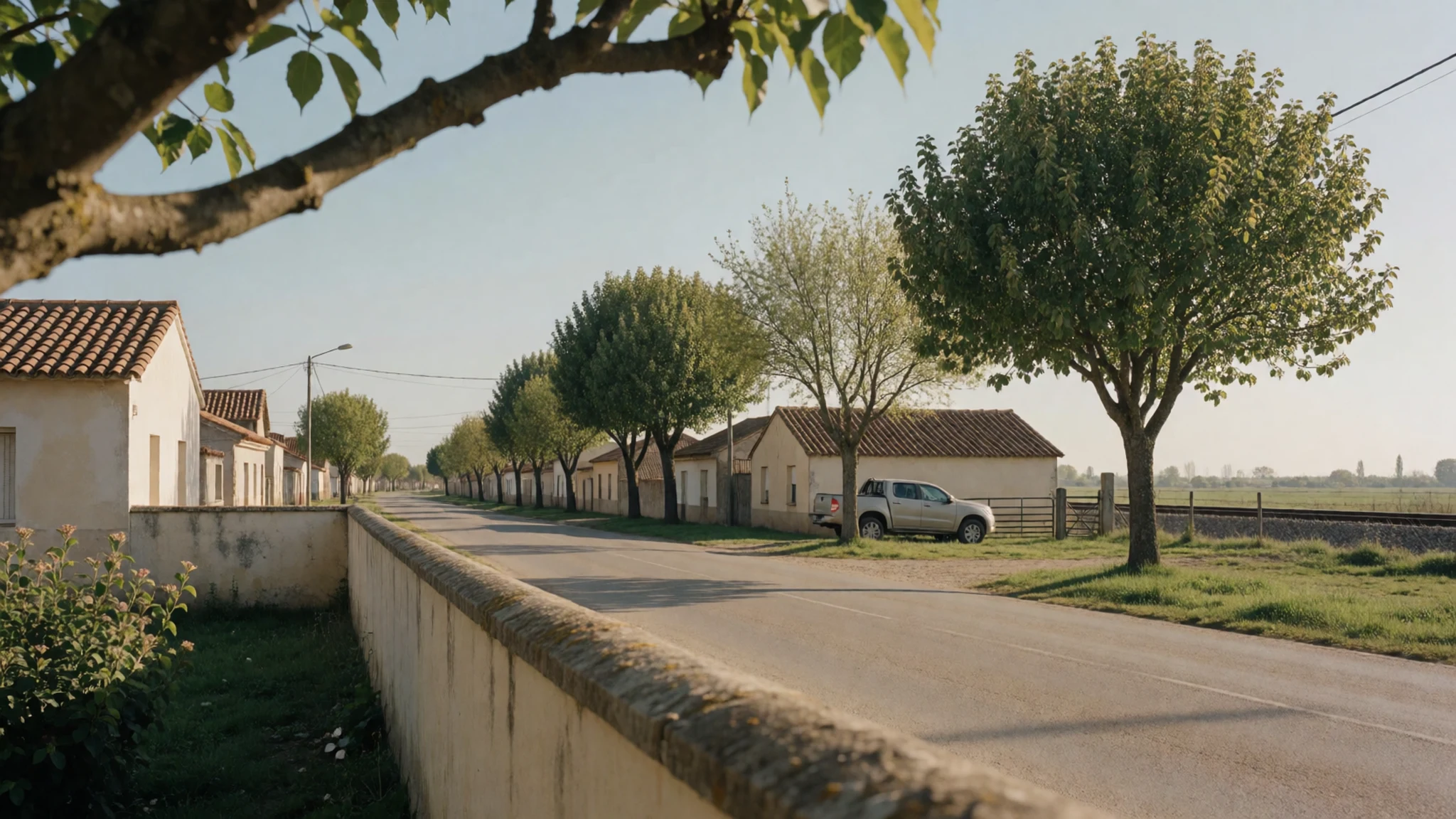
- The Montevideo–Minas railway line — South-eastern edge of the village
The track passing the village is the reason Tapia exists. Watching the line cut across the grassland gives a feel for how railways opened up the interior. Treat the tracks as live, cross only at proper crossings, and check locally whether any passenger service stops nearby.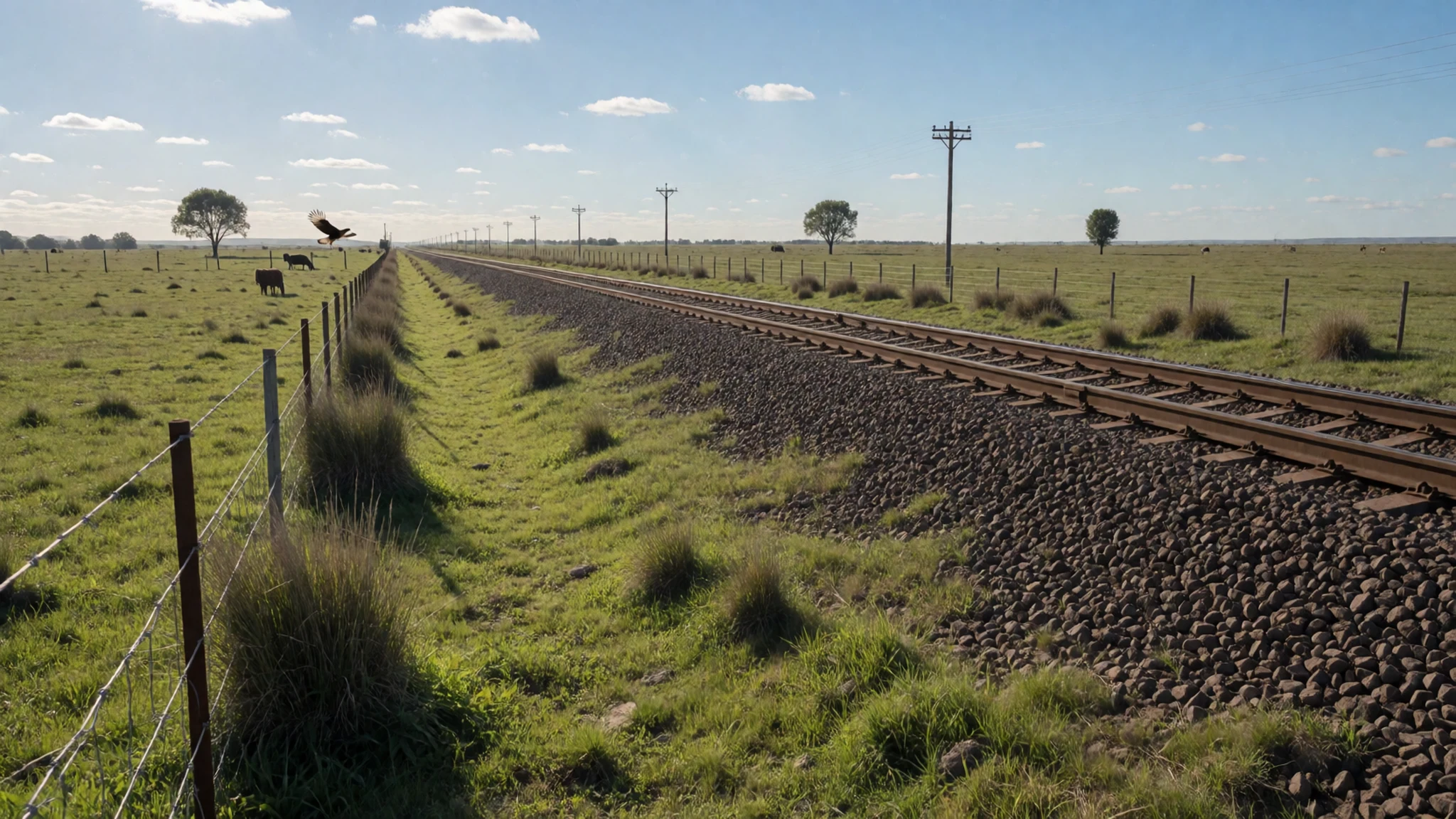
- Arroyo de los Negros — South-west of the village
This modest stream drains the farmland south-west of Estación Tapia. It is not a swimming or boating spot, but its line of trees and reeds draws birds and breaks up the flat pasture. Look from public roads or bridges, and ask before entering private farmland.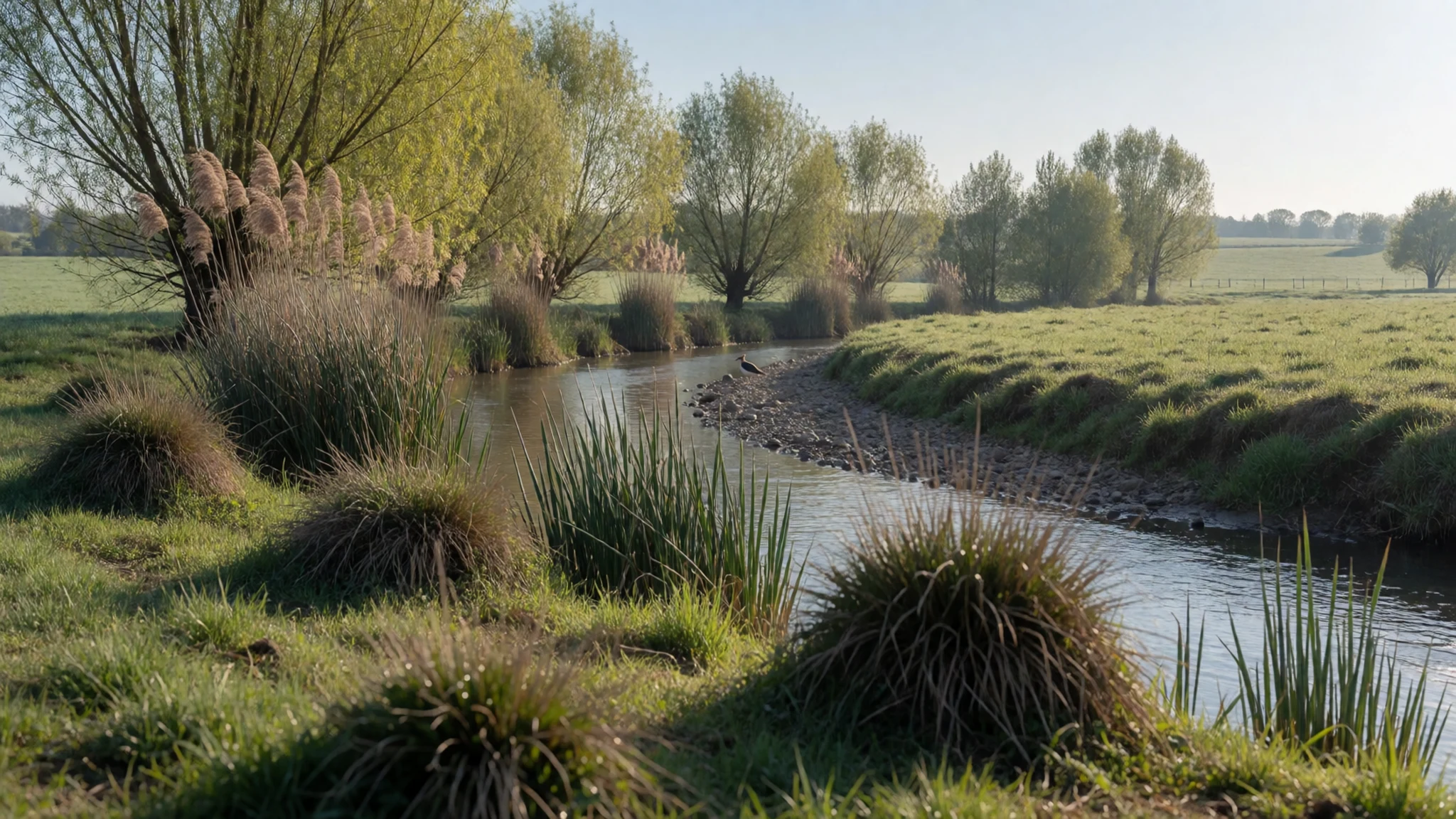
- Route 88 to San Jacinto — Road west of the village
The drive along Route 88 toward San Jacinto, about 12 kilometres west, is a good way to see working country: cattle, fences, farm gates and big skies. San Jacinto offers a larger town for fuel, supplies and a meal. Early morning light is kindest for photographs.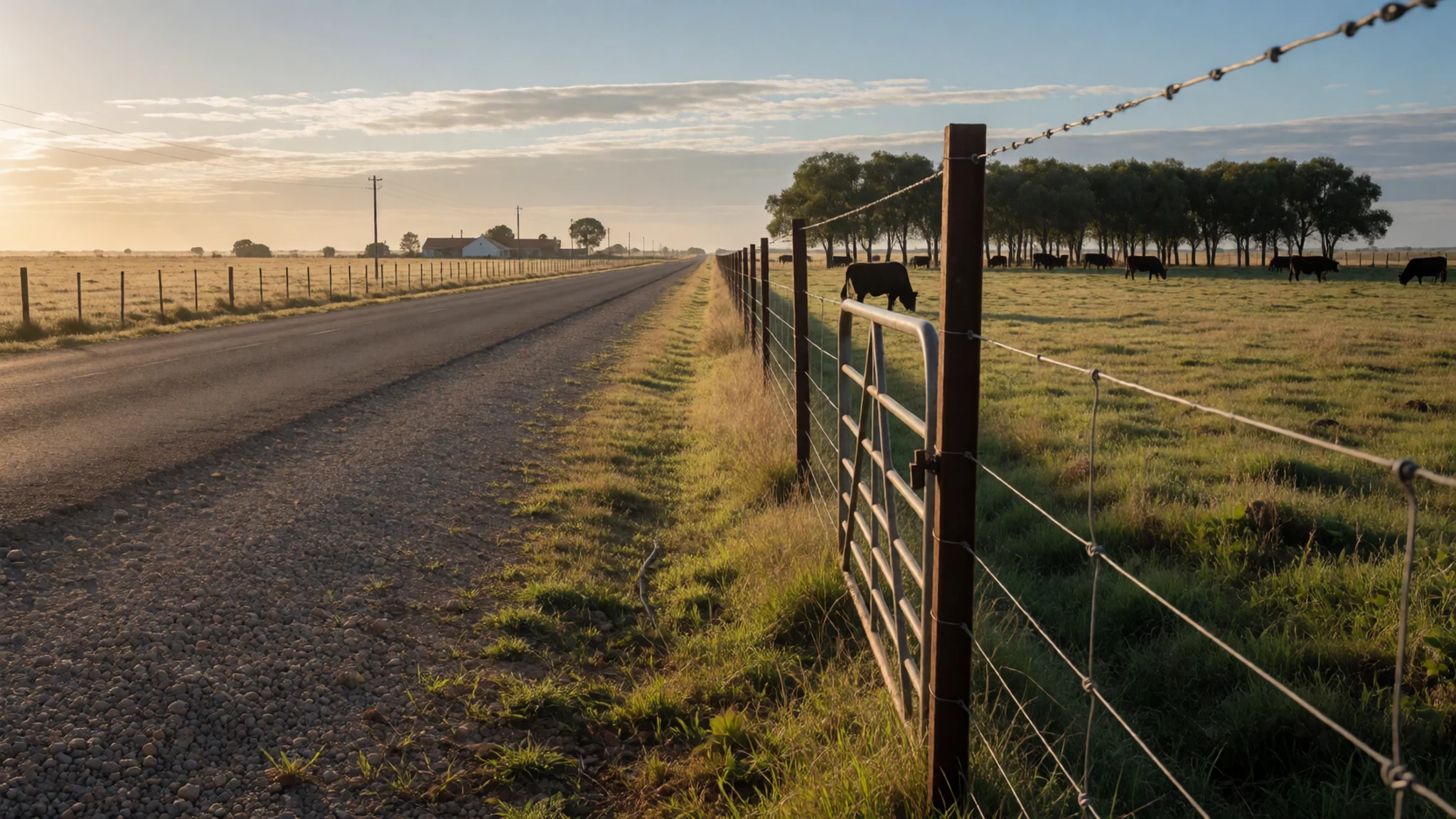
- Estancias of the interior — Countryside across Canelones and beyond
Visitors who want more than a roadside look can arrange a stay or day visit at an estancia, a working ranch, somewhere in the interior. These offer birdlife, horses and an introduction to cattle country. Book ahead through the ranch itself and confirm what is included.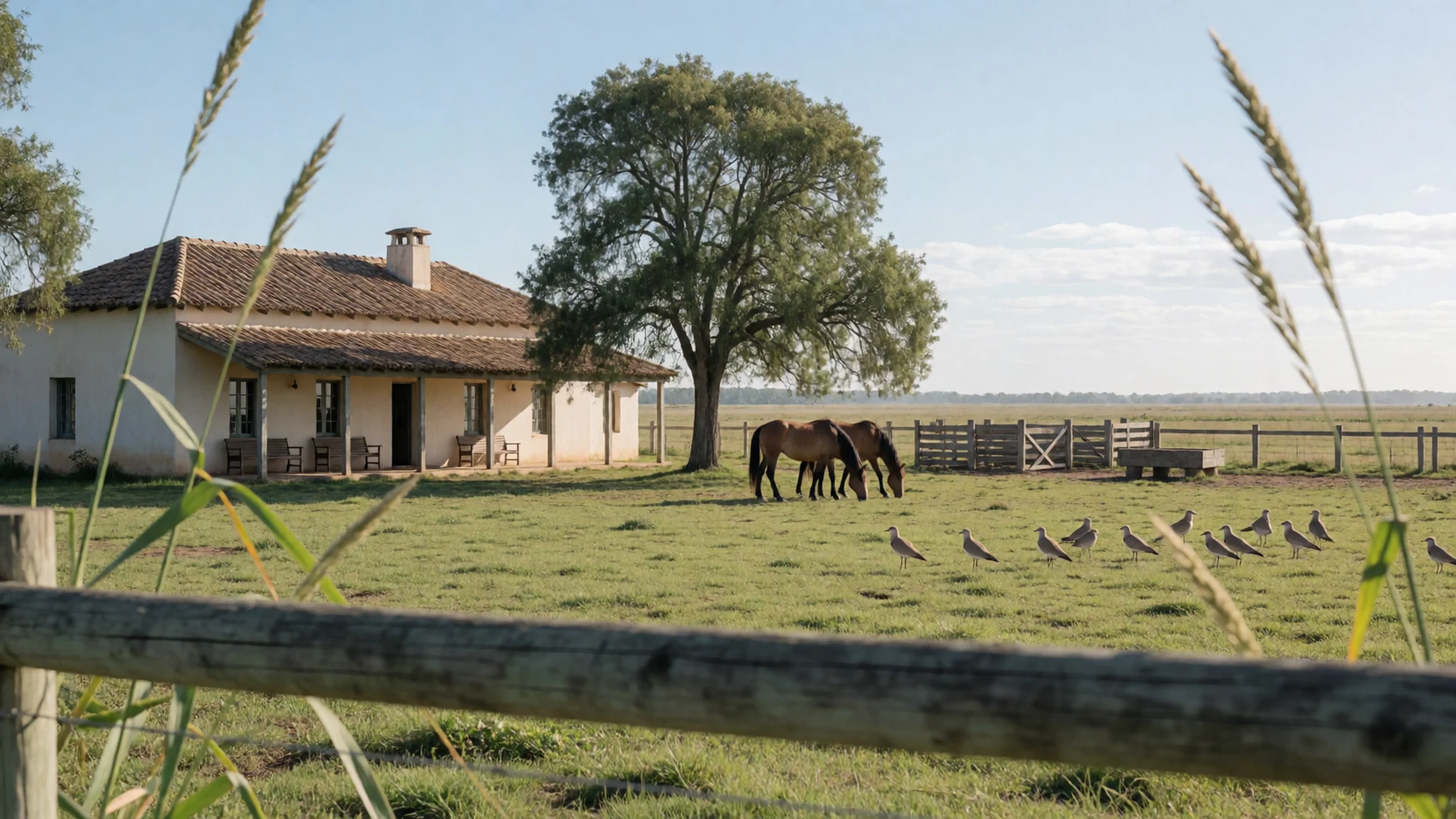
Culture
Estación Tapia is a rural community, and its customs follow those of small-town Uruguay: unhurried, polite and private. Church and state are kept apart in Uruguay, and most people describe themselves as Catholic without being regular churchgoers, so religion rarely shapes a visitor's day. The country also has a reputation for social progressiveness, and visitors of all backgrounds generally report a relaxed reception, including in the countryside.
Greetings matter. People commonly greet each other, and often acquaintances and new friends, with a kiss on the cheek, and a quiet hello when entering a shop is simply expected. The social habit most visitors notice is mate: people carry a gourd and a thermos of hot water to drink the bitter yerba mate infusion all day, alone or passed around a group. It is a ritual of friendship more than a drink.
Rural life runs on weather, cattle and family, and conversation with a stranger often begins there. A few words of Spanish help far more than English in a village this size. Evenings are quiet, and weekends are for family meals, often built around grilled meat.
The pace of service is relaxed, and rushing a shopkeeper or a farmer reads as rude. Being curious, polite and a little patient is the surest way to be welcomed.
In a village this size, greet people you pass with a nod or a friendly buen día, and ask before photographing anyone, their home or their animals.
What to wear
Estación Tapia has no dress of its own, but rural Uruguay shares the gaucho tradition of the Río de la Plata grasslands. The classic working outfit includes bombachas de campo, loose cotton or wool-blend trousers gathered at the ankle; a boina, a flat wool beret; a wool poncho against wind and cold; a faja, a broad sash at the waist; and leather boots or soft canvas alpargatas. It is worn on ranches, at country festivals and for parades, and some older men still wear parts of it daily.
Day to day, people in a village like this dress simply: jeans, work trousers, shirts, football shirts, sturdy shoes and, in winter, wool jumpers and padded jackets. Many carry a mate gourd and thermos as an accessory. Nothing about local dress is formal or flashy, and visitors in neat casual clothes will not stand out.
For a visitor, the weather is the guide. Dress in layers, since fronts bring sudden wind and rain, and pack a light waterproof and a sun hat for summer. Closed, comfortable shoes suit dusty or muddy roadsides and farm tracks. No strict modesty rules apply, though covered shoulders and knees feel respectful if a church is open. In winter, bring a warm jacket, as the wind across flat land feels colder than the thermometer suggests.
What to eat
- Asado — Family grills, country restaurants and parrillas in nearby towns
Asado is meat cooked slowly over embers, usually beef, with sausages and offal alongside. It is the centre of weekend gatherings in cattle country. Look for a parrilla in San Jacinto or another nearby town, and expect a long, relaxed meal.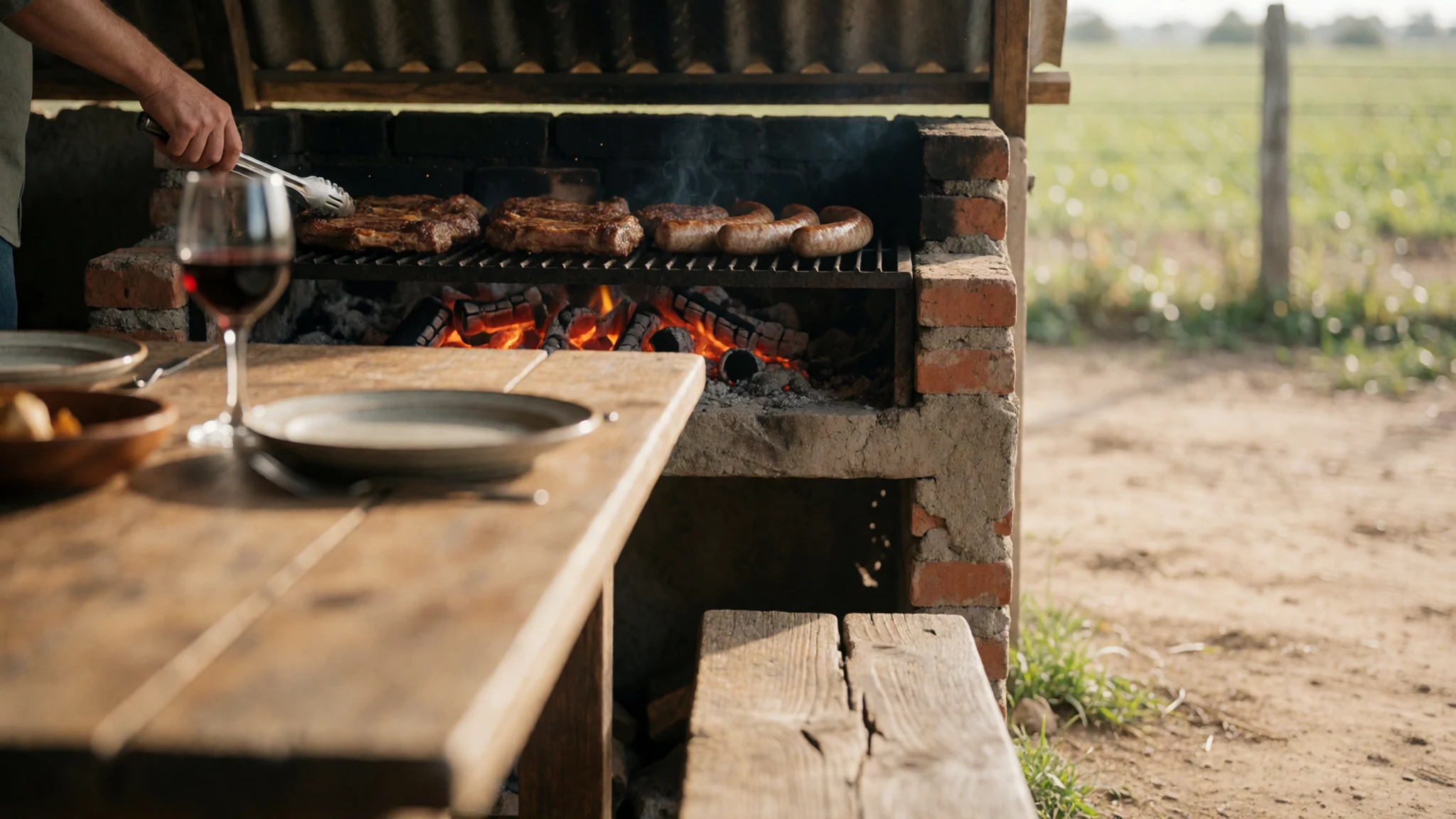
- Empanadas — Bakeries and small shops in nearby towns
Empanadas are hand-sized baked or fried pies filled with meat, cheese or ham. They make a cheap, portable lunch for a road day. Ask for a mix and eat them warm, as bakeries often sell out by midday.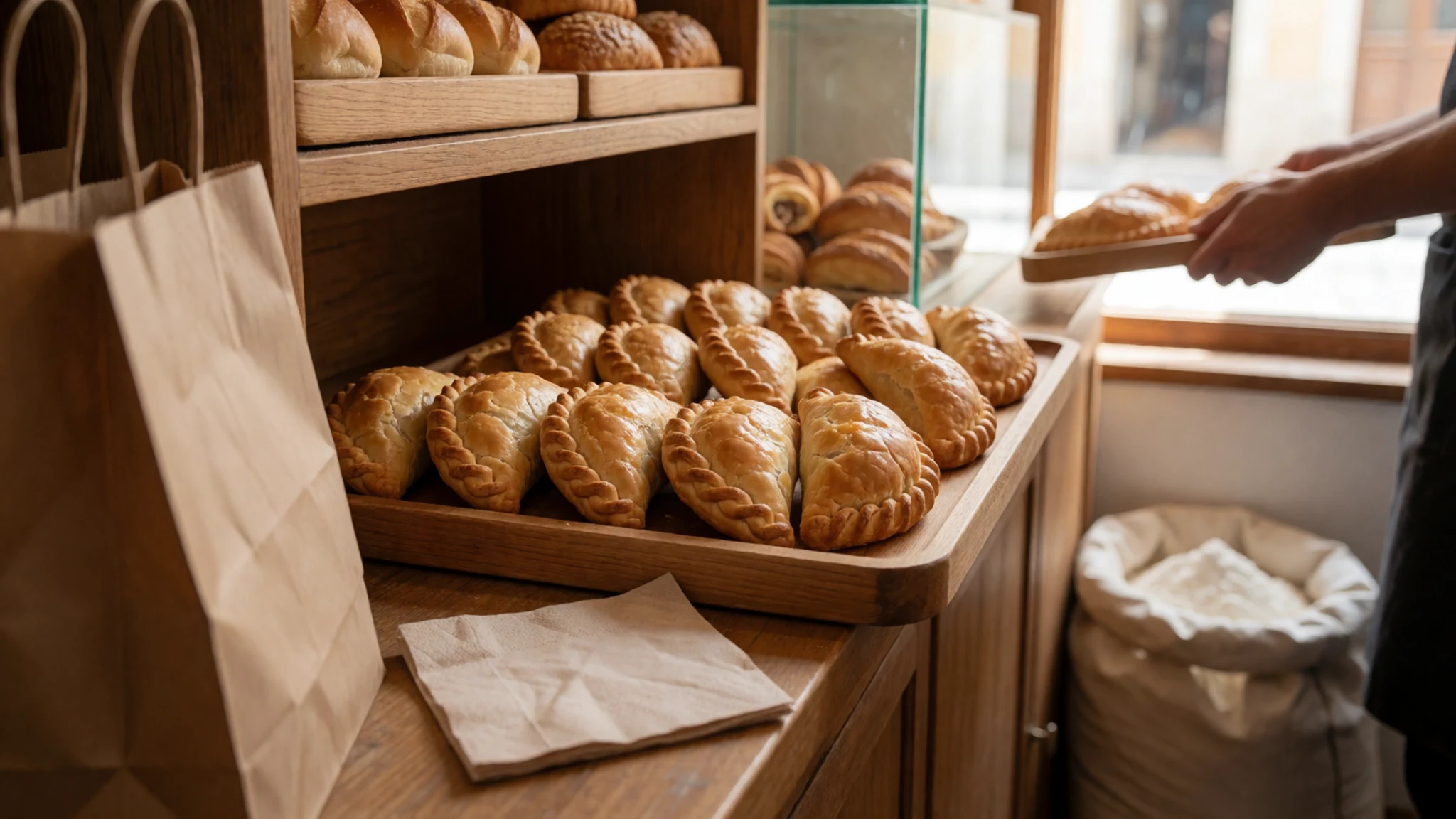
- Chivito — Snack bars and cafés in towns along the road to Montevideo
The chivito is a hearty steak sandwich piled with ham, cheese, egg, tomato and lettuce, often served with chips. It is Uruguay's well-known fast meal, and is heavy enough to count as dinner. Share one if appetites are modest. - Pasta and ravioli — Family eateries and restaurants in town centres
Italian immigration left Uruguay with a strong pasta habit, and ravioli, gnocchi and tallarines appear on most menus. Sauces are often mild and creamy or tomato-based. Vegetarians should check whether a sauce contains meat before ordering. - Mate — Carried by locals; kit sold in supermarkets and general stores
Mate is made from yerba leaves steeped in hot water and sipped through a metal straw, usually without sugar. It is rarely served in cafés, so visitors who want to try it need a gourd, a packet of yerba and a thermos, or an invitation to share.
Plan it
Best time. October–November (spring) and March–April (autumn) for mild days and green or golden fields. December–February is summer and warm, while June–August is winter, cool with occasional frost, and weather fronts and wind can arrive quickly in any season.
How long. 1
Getting there. Fly to Carrasco International Airport near Montevideo, then travel by road toward San Jacinto and continue east on Route 88 for about 12 kilometres to Estación Tapia. A hire car is the simplest option for the last leg; check locally for buses and whether any passenger train stops at the village.
Budget. mid
Tips
- Treat Estación Tapia as a half-day or day detour from Montevideo or the coast, and check accommodation options in advance, since a village this size may have none
- Carry some cash and fill the fuel tank and water bottle in a larger town such as San Jacinto before heading out
- Pack layers and a waterproof, as wind and rain can arrive suddenly on open, flat land
- Indian passport holders should check visa requirements with a Uruguayan embassy before booking; UK citizens can enter visa-free for up to 90 days
- Speak a few words of Spanish, as English is unlikely to be widely spoken in a small village
Etiquette
- Greet people politely and ask before photographing individuals, homes or animals
- Treat railway tracks as live and cross only at marked crossings
- Respect private farmland: stay on public roads and close any gate you open
Nearby
Sources
- Wikidata Q121961 (CC0)
- Wikipedia: Estación Tapia (rev 1378096114) (CC BY-SA 4.0)
- Wikivoyage: Uruguay (rev 5432731) (CC BY-SA 4.0)