Montevideo
Montevideo, Uruguay
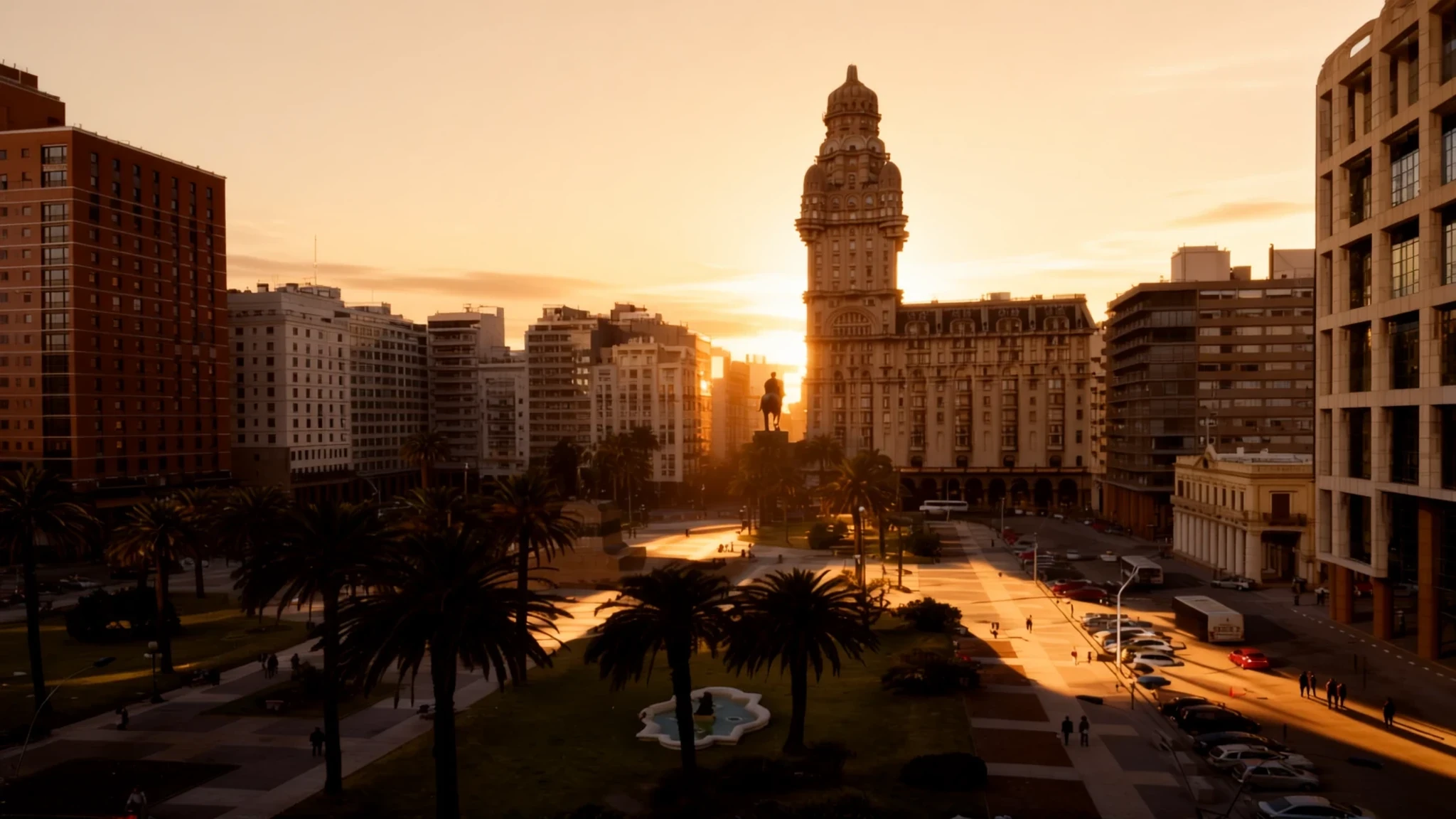
Montevideo is a relaxed capital on the Río de la Plata, with old-town streets, lively music and a waterfront made for slow afternoons.
The place
Montevideo is the capital of Uruguay and by far its largest city, home to about 1.3 million people. It sits on the southern coast, on the north-eastern bank of the Río de la Plata, the broad estuary that gives the waterfront the feel of a seaside town rather than a continental capital. The city is compact enough to cross on foot in a morning, though its neighbourhoods change character quickly. The old town around Plaza Independencia holds government buildings, theatres and the Art Deco towers that shape the skyline. Further east, Pocitos and Punta Carretas offer long beachfront promenades, cafés and calmer residential streets. Parque Rodó has become the centre of night-time life, with bars and venues clustered around it. Montevideo is also the seat of Mercosur and ALADI, the regional trade blocs, which gives the city an unusual role in South American diplomacy. Its pace is relaxed and orderly, and it ranks at the top of Latin American cities in a Mercer quality-of-life survey. Expect plenty of coffee, grilled meat and long lunches, and weather that can turn breezy off the water.
Its story
Montevideo began as a fortified outpost on the bay, and its early history is a story of rival empires claiming the same stretch of coast. A Portuguese garrison built a fort on the hills above the bay in the early eighteenth century, but a Spanish expedition sent from Buenos Aires forced it out and began settling the site. The first residents were families from Buenos Aires, followed by settlers from the Canary Islands, and the Spanish gave the town the long name San Felipe y Santiago de Montevideo, later shortened to the name we use today. The exact founding date is debated, because no single official document records it. A diary kept by the expedition's leader points to 1726, and that is the date the city now uses. Independence from Buenos Aires as a real city took several more years to secure. For a short period in the early nineteenth century British forces held the city, before local defenders drove them out. Over the following decades the port passed between Spanish, Portuguese and Brazilian control and the wider Río de la Plata provinces, and by the nineteenth century it had become the capital of the new republic of Uruguay.
What to see
- Plaza Independencia — Old town, city centre
Plaza Independencia is the square at the heart of Montevideo, where the old town meets the commercial centre, and it is the natural starting point for a walk. The main commercial avenue runs from it, and the square holds several monuments and the entrance to the old town. Wikivoyage notes that on the last Saturday of September the museums and historical places nearby open for a special day. Go in the morning, when the square is quiet and the light suits photographs.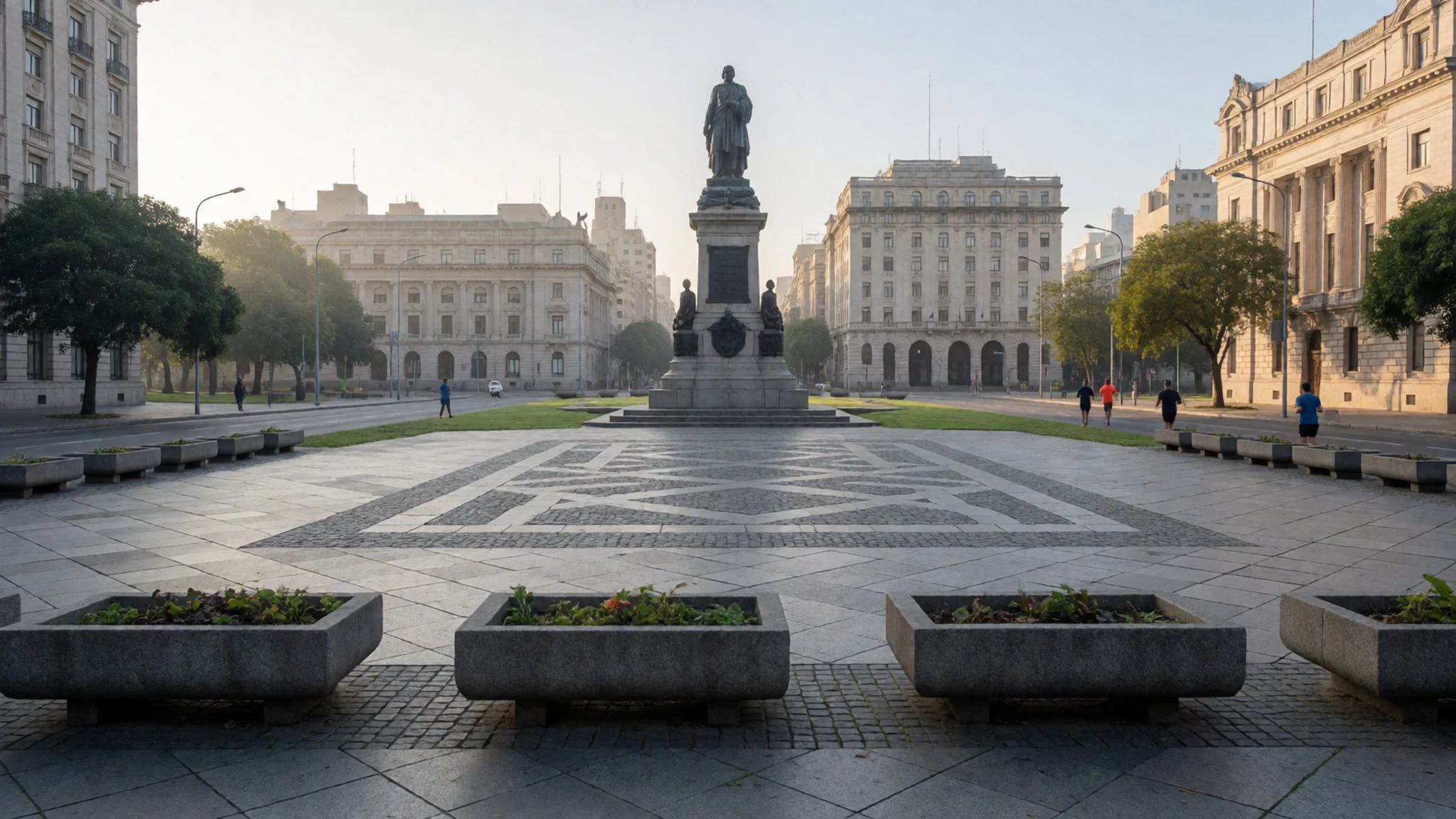
- Palacio Salvo — Plaza Independencia
The Art Deco tower on the eastern side of Plaza Independencia still dominates the skyline, and Wikivoyage describes it as once the highest building in South America. Its tiered profile and ornate top make it easy to spot from across the bay. It is best seen from the square or along the waterfront, where it stands out against the sky. Check the official site for any visiting arrangements before going inside, since access can change.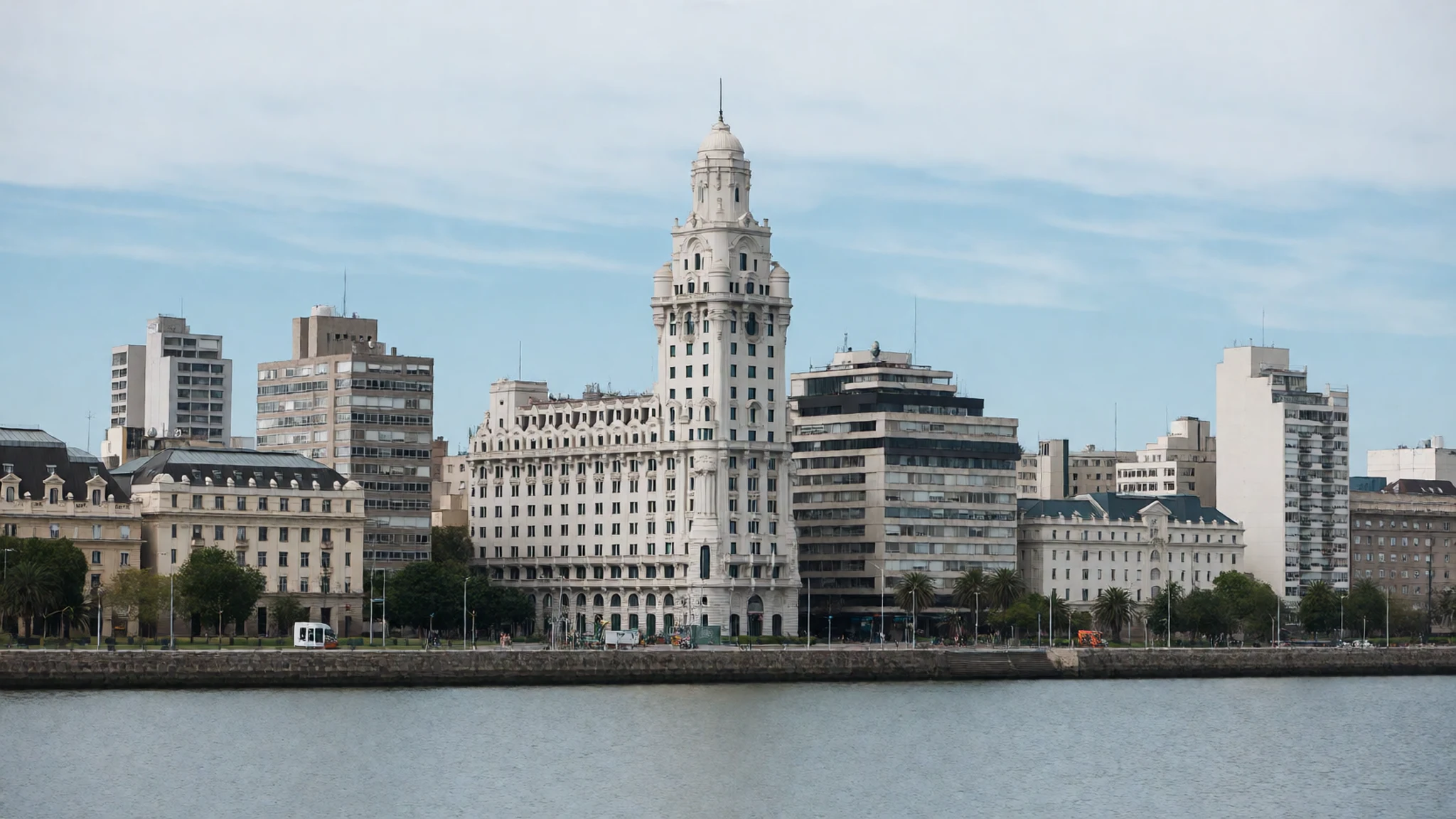
- Mausoleo de Artigas — Plaza Independencia
A large monument in the middle of Plaza Independencia honours José Gervasio Artigas, one of the heroes of Uruguayan independence. Beneath it lies the mausoleum, which is open at weekends, so a weekend visit is the easiest way to see inside. The monument is a useful landmark for orienting yourself in the square, and the surrounding paving makes a good place to pause and look up.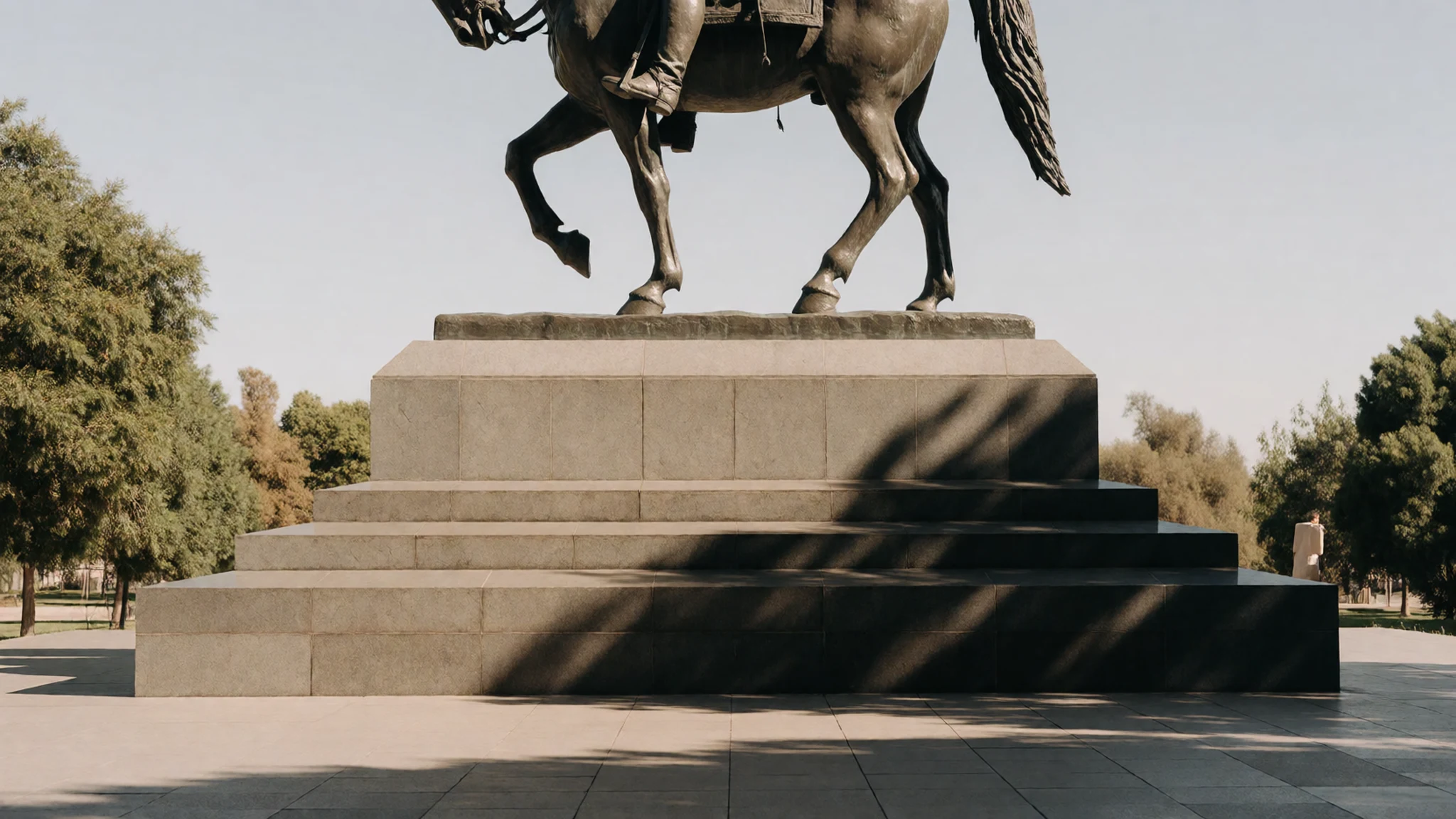
- Palacio Estévez — Plaza Independencia
This building served as the office of Uruguayan presidents until the mid-1980s, and today it is a museum of the presidency. Its formal rooms show how the country's executive power has been housed over time, and the displays give useful context for the square outside. The palace sits beside the current presidential office, so both can be seen together. Opening times change, so check the official site before visiting.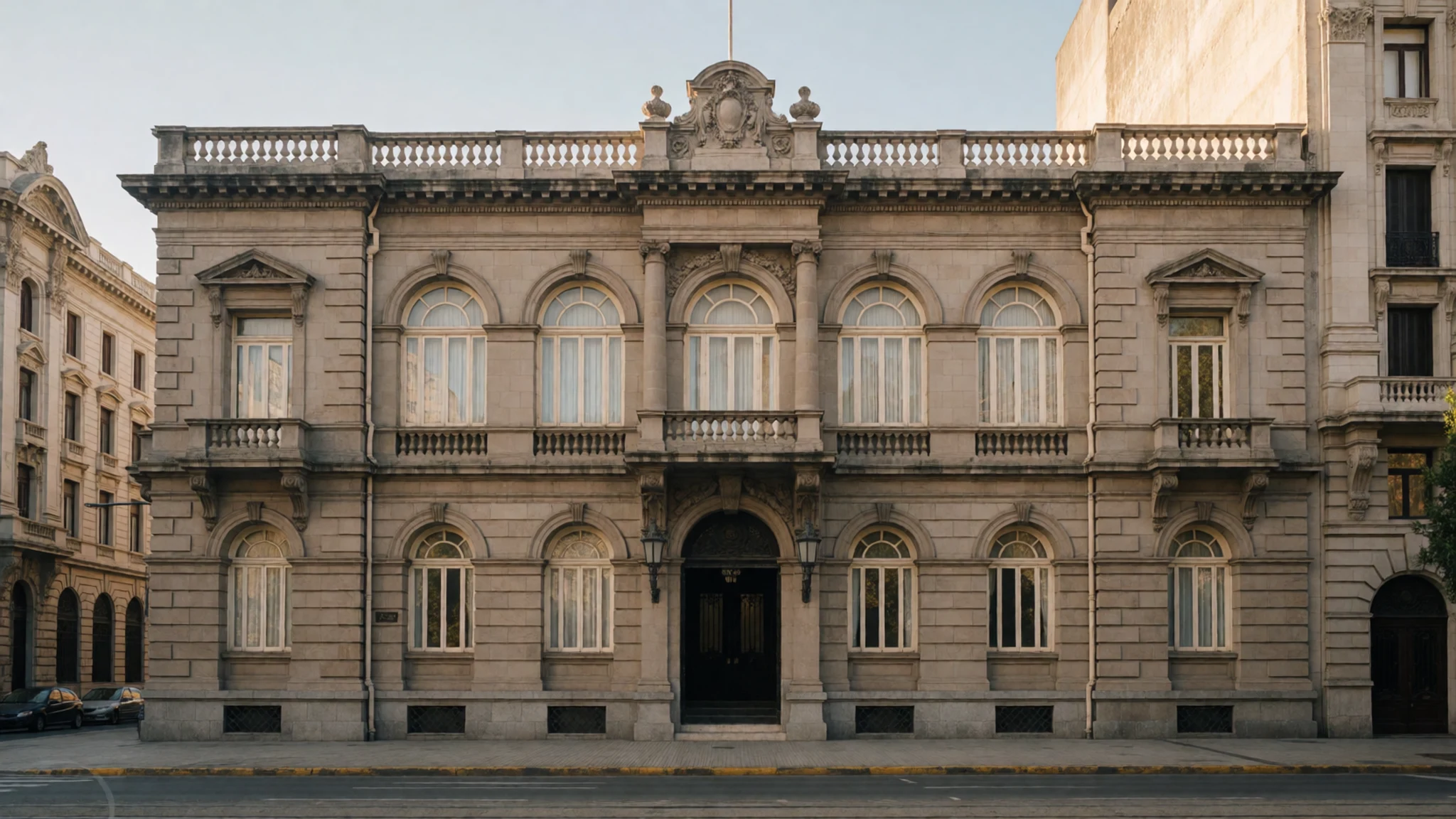
- Torre Ejecutiva — Plaza Independencia
The current presidential office stands next to the former palace on the square, a modern contrast to the older buildings around it. It is a working government building rather than a museum, so the view is from outside. Pause on the pavement for a photograph and keep to the public areas, since security staff may ask people to move along.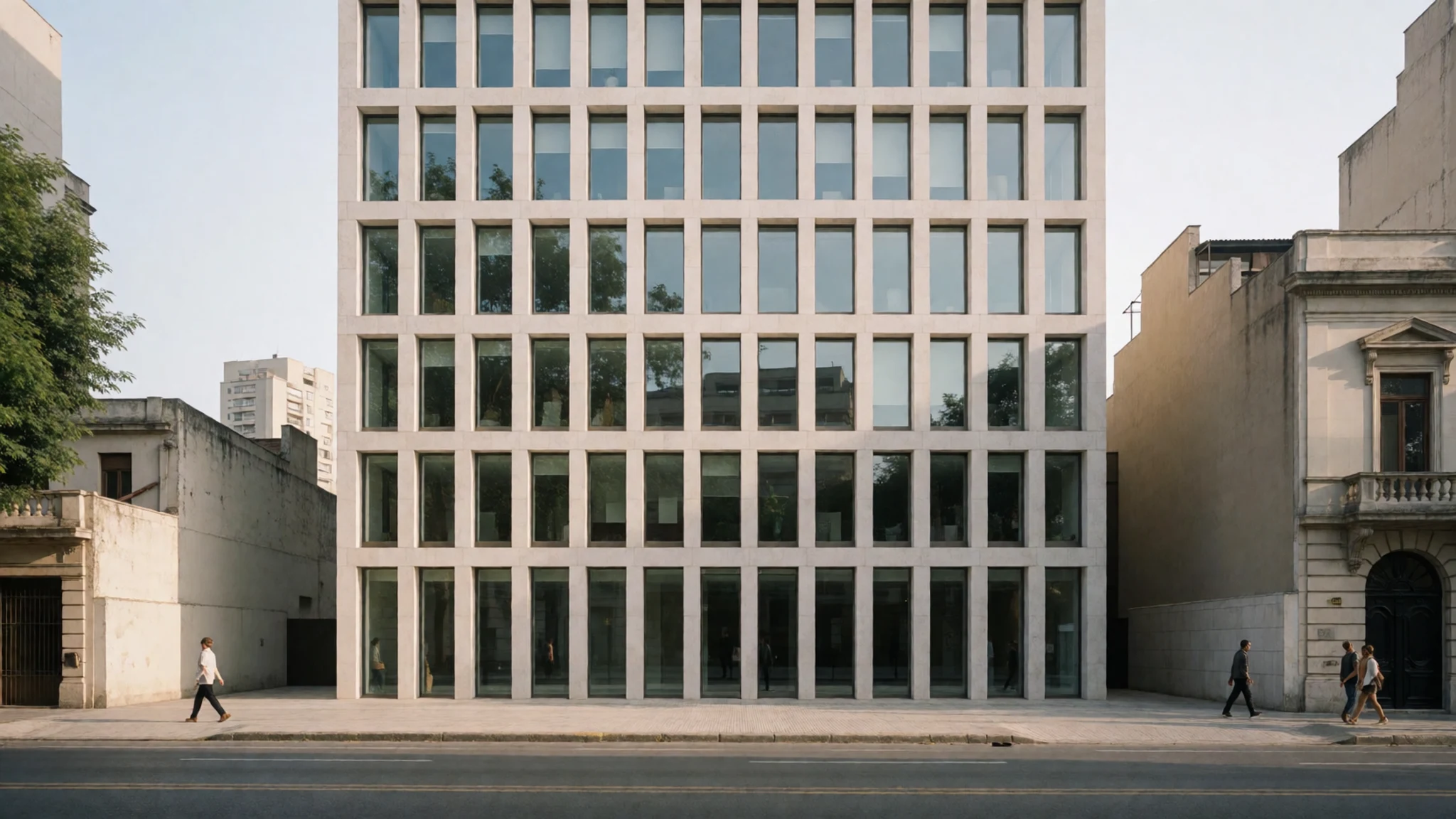
Culture
Montevideo's nightlife has shifted in recent years towards Parque Rodó, where many bars, restaurants and venues cater to younger crowds after dark. Smoking is banned in any public place with a roof, under a presidential decree, and the sale of alcohol is restricted at certain businesses during late-night and early-morning hours. The city has been part of the UNESCO Creative Cities Network for literature, which reflects a long tradition of writers and poets. Music matters as much as books. Uruguayan tango as a dance took shape in the city's neighbourhoods around the turn of the last century, and candombe and murga are the other two main styles, heard at street parades and in clubs. Montevideo is also the centre of Uruguayan cinema, from commercial releases to documentaries and experimental work. Conversation tends to be relaxed and friendly, and people often gather over mate, the bitter herbal drink shared from a single cup. Accepting a turn in a mate circle is a welcome gesture. Do not light up in any enclosed public space, since the smoking ban covers every place with a roof.
What to wear
Montevideo dresses much as other Latin American capitals do, with a relaxed everyday look and a few regional touches. Uruguay's traditional dress is most associated with the gaucho of the countryside, with a wide-brimmed hat, loose bombacha trousers gathered at the ankle, a woollen poncho and leather boots. It is seen more at rural festivals than on city streets. The materials are practical: wool, cotton and leather, chosen for wind and open country. Candombe drummers and murga performers, whose traditions are strong in the city, wear colourful costumes made for movement and parades. In everyday life, people in Montevideo wear jeans, simple dresses, knitwear and sneakers, dressing a little more formally for the theatre, a dinner out or a government office. A visitor should pack layers, because the wind off the river can make the city feel cooler than the forecast suggests. Comfortable closed shoes matter for the hills and uneven pavements of the old town. Smart casual is enough for most restaurants, though a jacket is welcome at the theatre. Light clothing suits warm days, and a waterproof jacket is worth carrying in any season.
What to eat
- Grilled beef (parrilla) — Mercado del Puerto, by the port
Grilled beef from the parrilla is the dish most visitors come for. At the Mercado del Puerto, a touristy market hall by the port, restaurants cook cuts over open charcoal and serve them with salad. Pick a place where the grill is in view and arrive hungry.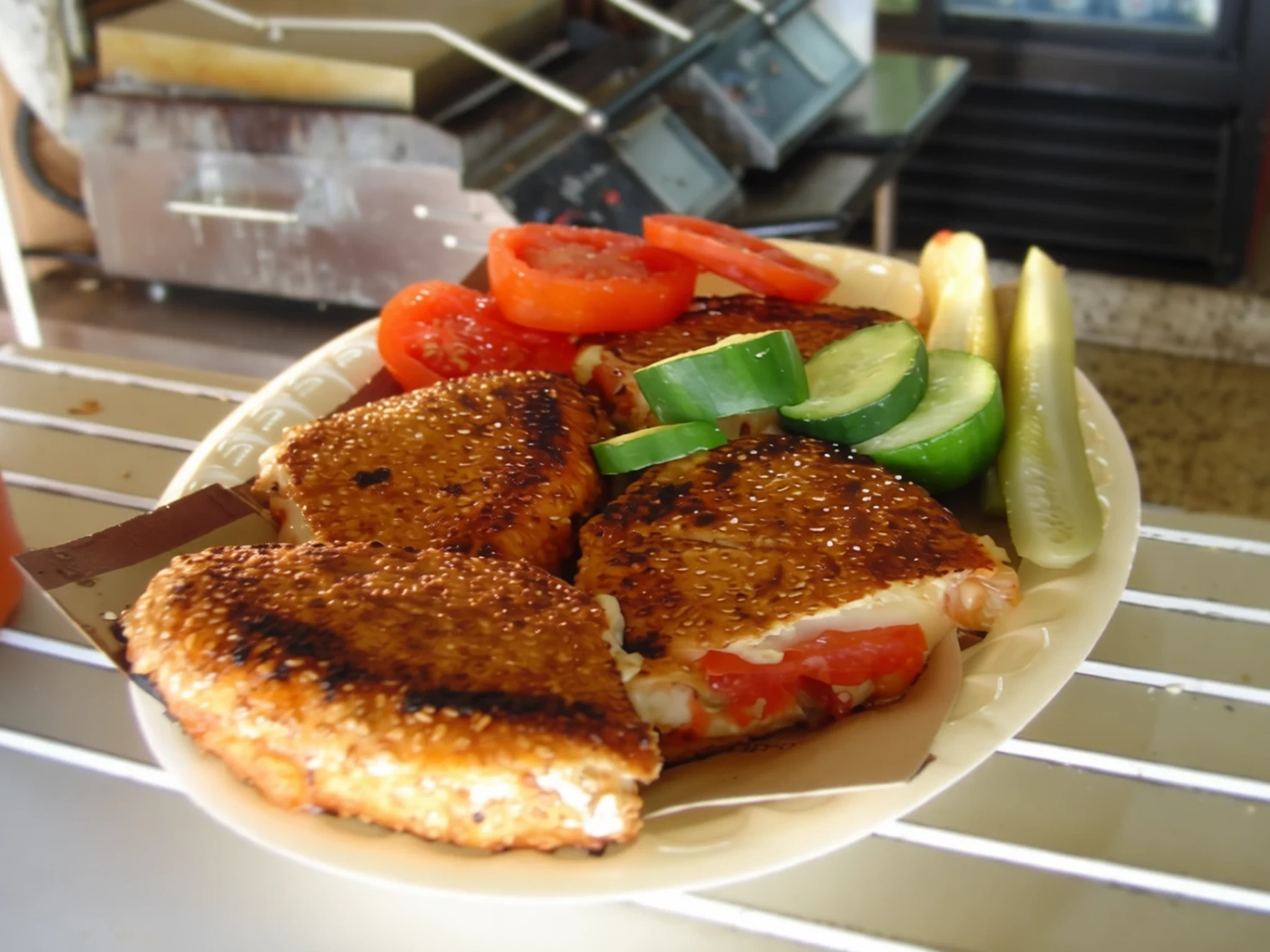
- Chivito — Lunch counters around Plaza Independencia and the centre
The chivito is Uruguay's signature steak sandwich, piled with ham, cheese, egg and salad. Most eateries across the city serve it, and lunch counters near Plaza Independencia are a good place to order one. Portions are generous, so it suits a lighter appetite.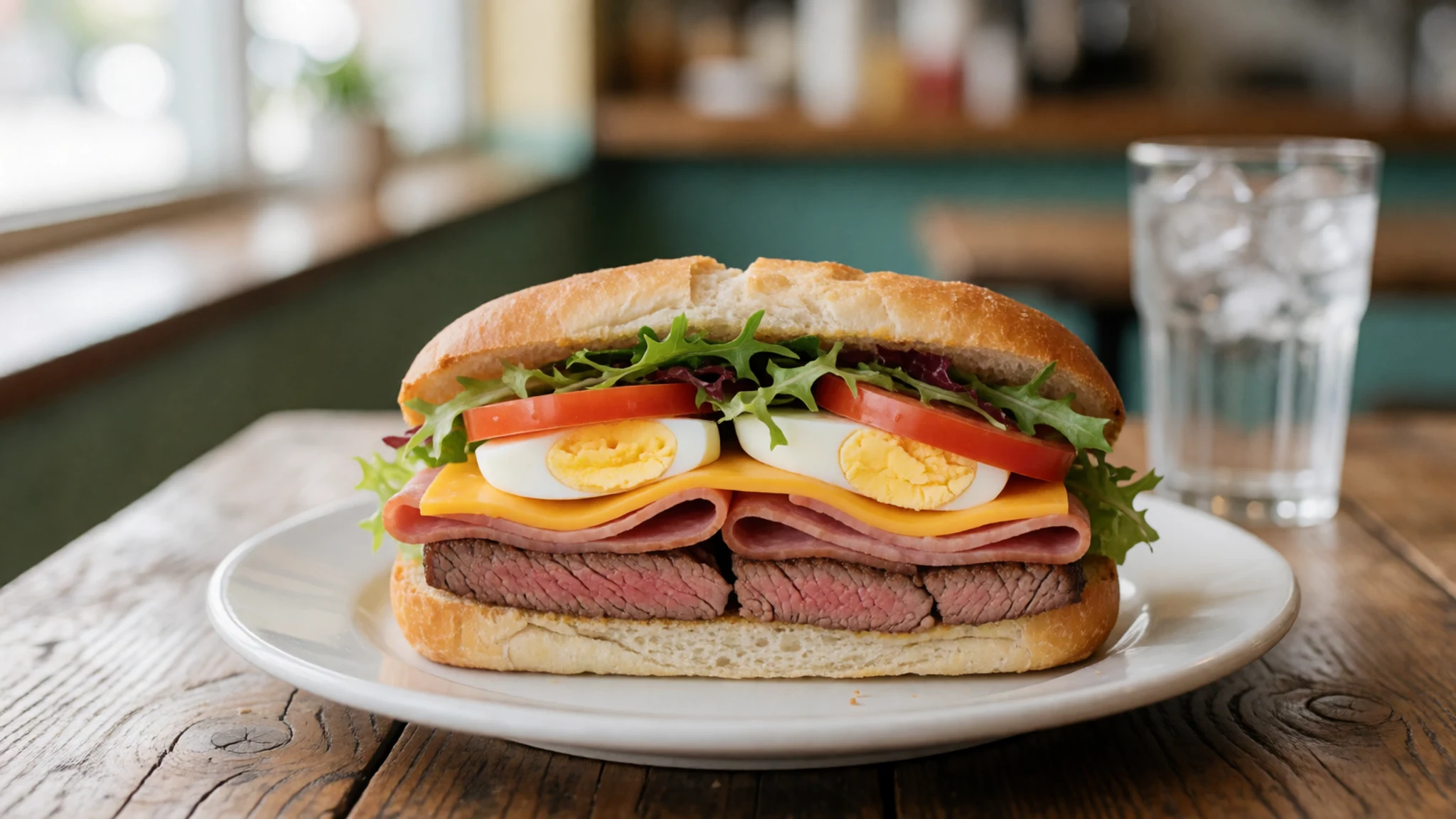
- Mercado de la Abundancia: produce and cured meats — Mercado de la Abundancia, old town
The Mercado de la Abundancia is a traditional market in the old town, with stalls selling fresh vegetables, fruit and cured meats. Some of its restaurants serve steak and paella, so you can eat at the market or buy provisions for a picnic. - Paella by the harbour — Mercado del Puerto, port area
Paella is widely available in the port area, where several restaurants at the Mercado del Puerto serve it alongside grilled meat. It suits a group well, since it is cooked in a large pan and shared. Ask the staff how long it takes, as it is made fresh. - Home-style Uruguayan lunch — Self-service eateries in the city centre
Buffet-style lunch counters near the centre serve home-style Uruguayan dishes, and they are often a sensible choice for a midday meal. Expect rice, vegetables and simple roasts, served quickly and without fuss. Go at lunchtime, when the choice is best and the food is freshest.
Plan it
Best time. March–April and October–November suit walking best: the weather is usually mild, and the city is less crowded than in midsummer. Summer brings warmer days and a lively coast, while winter is quieter and cooler. Check current forecasts, because the wind off the river can change the feel of the day quickly.
How long. 2–3
Getting there. Carrasco International Airport is the main airport, and frequent buses run from it into the city, taking about an hour and a half. Intercity coaches arrive at the Tres Cruces bus station east of the centre, and the last leg into town is a short bus or taxi ride.
Budget. mid
Tips
- Use Plaza Independencia as your starting point for walks around the old town
- Visit the Mercado del Puerto at lunchtime, when the grills are running
- Carry cash for small eateries and markets, and check card acceptance before ordering
- Check opening times for the museums on the official site before you plan your day
- Bring layers and a windproof jacket for the waterfront
Etiquette
- Do not smoke in enclosed public places, since the ban covers any place with a roof
- Ask before photographing people at markets or during street parades
- Keep to the posted hours for alcohol sales at shops, which are restricted late at night
Nearby
Sources
- Wikidata Q1335 (CC0)
- Wikipedia: Montevideo (rev 1383030737) (CC BY-SA 4.0)
- Wikivoyage: Montevideo (rev 5411398) (CC BY-SA 4.0)
- The City (198895997), photo 01, Marcelo Campi (CC BY 3.0)
- The City (198895997) cropped, photo 02, Marcelo Campi (CC BY 3.0)
- Palacio Legislativo 01, photo 03, Eduardo Ruggieri (CC BY 3.0)
- Montevideo Teatro Solis, photo 04, Ermell (CC BY-SA 4.0)
- Obelisco de los Constituyentes de 1830, photo 05, Gabboe (CC BY 3.0)
- Palacio Salvo, photo 06, Coolcaesar (CC BY 3.0)
- Torre de ANTEL, photo 07, CITY MVD (CC BY 3.0)
- Bay View (139649779), photo 08, Marcelo Campi (CC BY 3.0)


