Colonia del Sacramento
Colonia del Sacramento, Uruguay
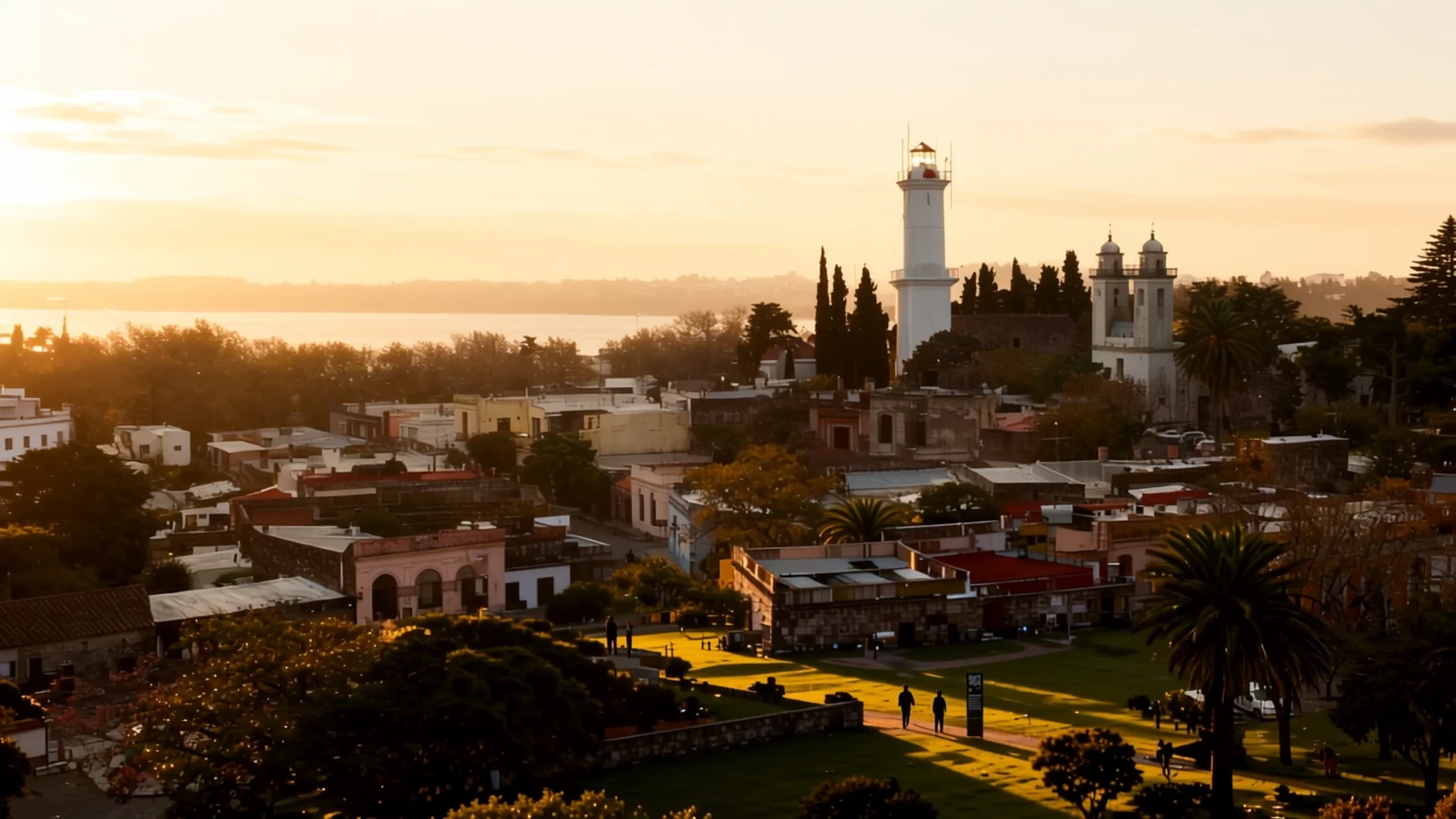
A quiet, cobbled colonial town across the river from Buenos Aires, best for slow walks, old walls and long lunches.
The place
Colonia del Sacramento sits by the Río de la Plata in southwestern Uruguay, facing Buenos Aires across the water. It is the departmental capital of Colonia and home to about 32,000 people, so it feels more like a small market town than a big city. Its heart is the historic quarter, a cluster of low houses, tiled roofs and narrow streets with an irregular plan that follows the lie of the land down to the river, and this part of the town is protected as a UNESCO World Heritage Site.
The old town takes an afternoon to walk, though you will probably want longer. The lanes are cobbled and uneven, so flat shoes matter more than fashion. Many houses have been restored with whitewashed walls, wooden shutters and bright doors, while others stand half-finished or quietly fading, which gives the streets a layered, unhurried feel.
Modern Colonia is not only a museum town. The local economy includes textile production, a free trade zone, a polytechnic centre and government offices, so people go about ordinary business alongside the visitors. Day trips from Montevideo and Buenos Aires keep the historic quarter busy around midday, and it quietens in the evening once the coaches have left. Early mornings and sunset along the waterfront are the calmest times to be there.
The climate is mild and humid. Summers are warm, winters are cool with occasional frost and fog, and rain falls fairly evenly through the year. Pack layers, a light rain jacket and sun protection, because the wind off the river can make a warm day feel cooler than it is.
Its story
The town was founded in 1680, when the Portuguese Crown, newly restored, wanted a foothold on the River Plate opposite Buenos Aires. An expedition under Manuel Lobo arrived with several ships, a few hundred soldiers, craftsmen and stonecutters, and a battery of guns. The party landed on San Gabriel Island and began a post there that January.
The Spanish were not pleased to have a rival so close. Forces from the nearby Spanish settlements moved against the post, and within months the Portuguese had been forced out. A treaty signed the following year handed the site back to Portugal, but control kept shifting. Over the following decades the town changed hands several times between the two crowns, and for a while it was part of Brazil, until Uruguay became independent.
The strategic value came from its position. It sat between Portuguese Brazil and the Spanish territories of the River Plate, and it grew into a smuggling port. Cattle hunted on the wild plains across the water supplied hides for export to Rio de Janeiro, while wood and food came in by sea. Settlers also tried growing wheat, hemp and grape vines.
Under the Portuguese governor Francisco Naper de Lencastre, the settlement was rebuilt in stone and mud with tile roofs. The city walls were enlarged and a fortified tower was added. That history explains the streets you walk today: an Iberian grid, later Uruguayan buildings, and a fortified edge that survives in gates and ruins.
What to see
- The lighthouse — Lighthouse area, the western edge of the old town
Colonia's lighthouse is the place to get your bearings. For a nominal fee you can climb to the top and look over the rooftops of the old town and across the river. On a clear day, people say Buenos Aires is visible on the horizon, though haze often hides it. Go in the late afternoon for softer light, and check the official site for current opening hours.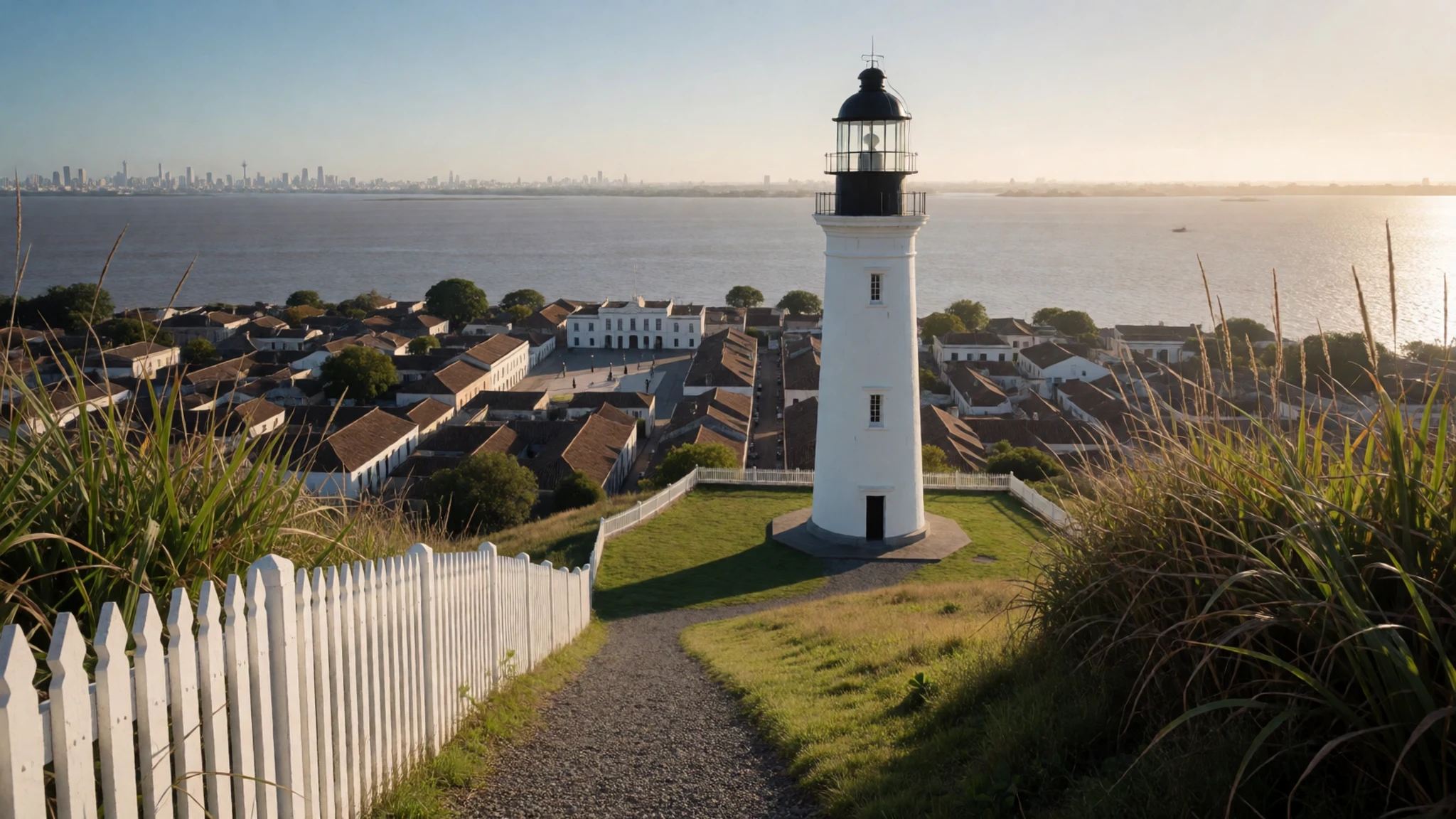
- Portón de Campo — The land-side gate of the historic quarter
The Portón de Campo is the old city gate, with its drawbridge and the surviving ruins of the walls beside it. The gate is a short walk from the lighthouse and makes a good first photograph on arrival. Go early, before tour groups gather, and look closely at the stonework for repairs made over the centuries.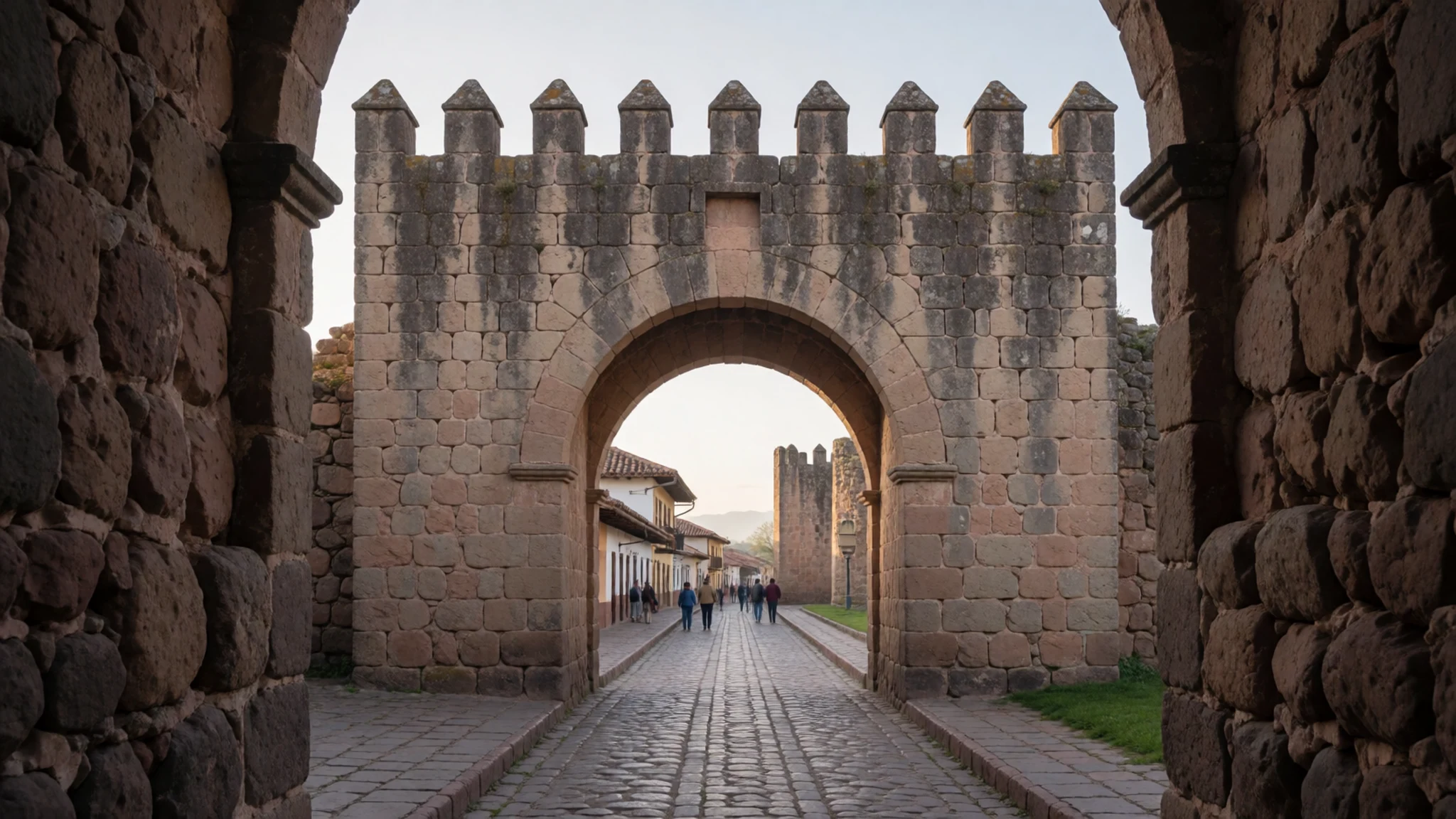
- Calle de los Suspiros — Inside the historic quarter, near the main square
Calle de los Suspiros, the Street of Sighs, is the lane most people photograph first. From its cobbles the view runs toward the main square, a shot you will recognise from guidebooks. Its name is romantic, but the street is simply a row of old houses, several restored in bright paint. Expect to share the view with other visitors at midday.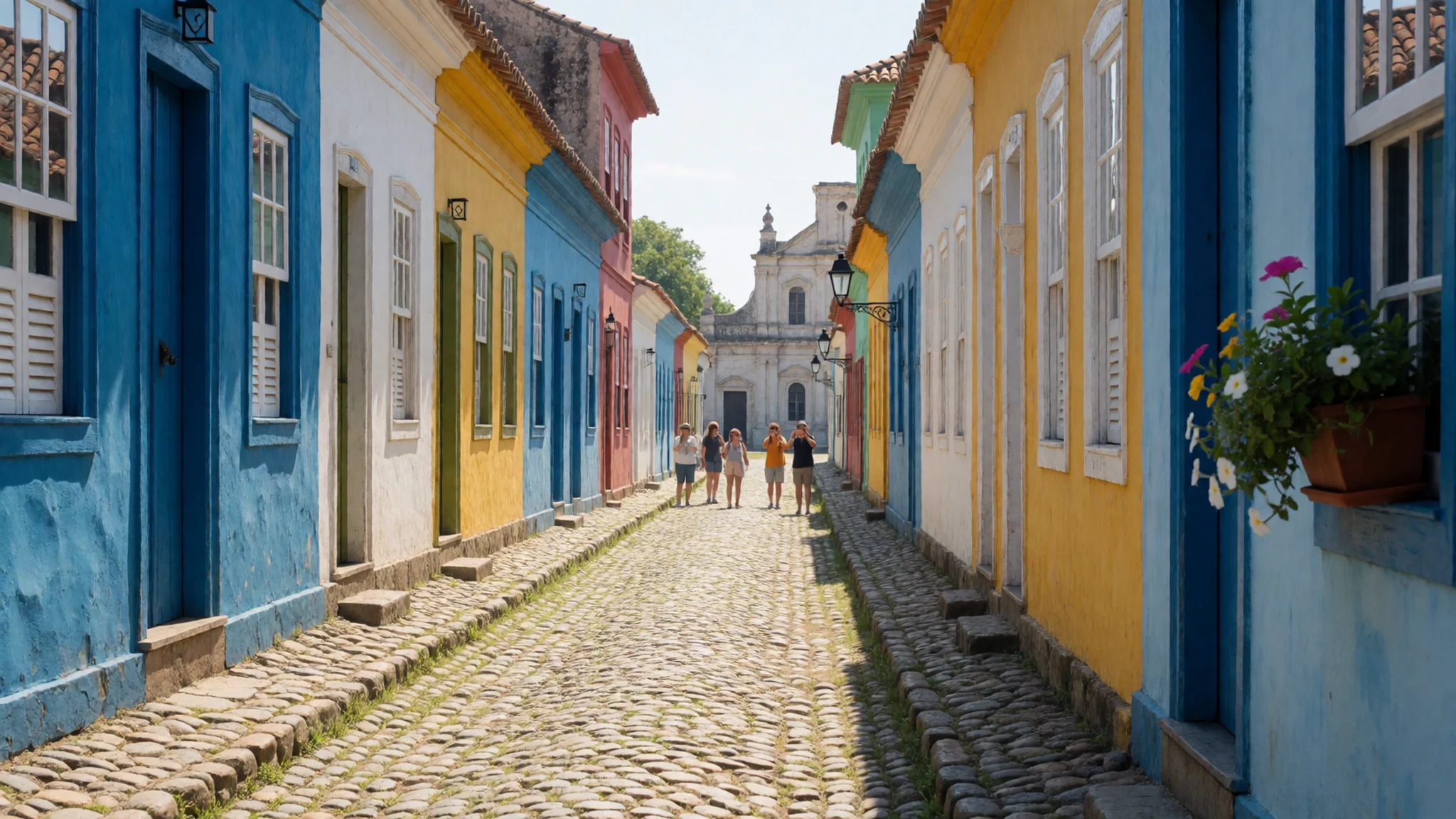
- The House of the Viceroy — Historic quarter, by the waterfront
The so-called House of the Viceroy is a reconstruction, built partly on the foundations of the original, so treat it as a window into the old town rather than a perfectly preserved building. Look for the whale skeleton on display just to the west, which many visitors find more memorable than the house itself. Check the official site for opening times.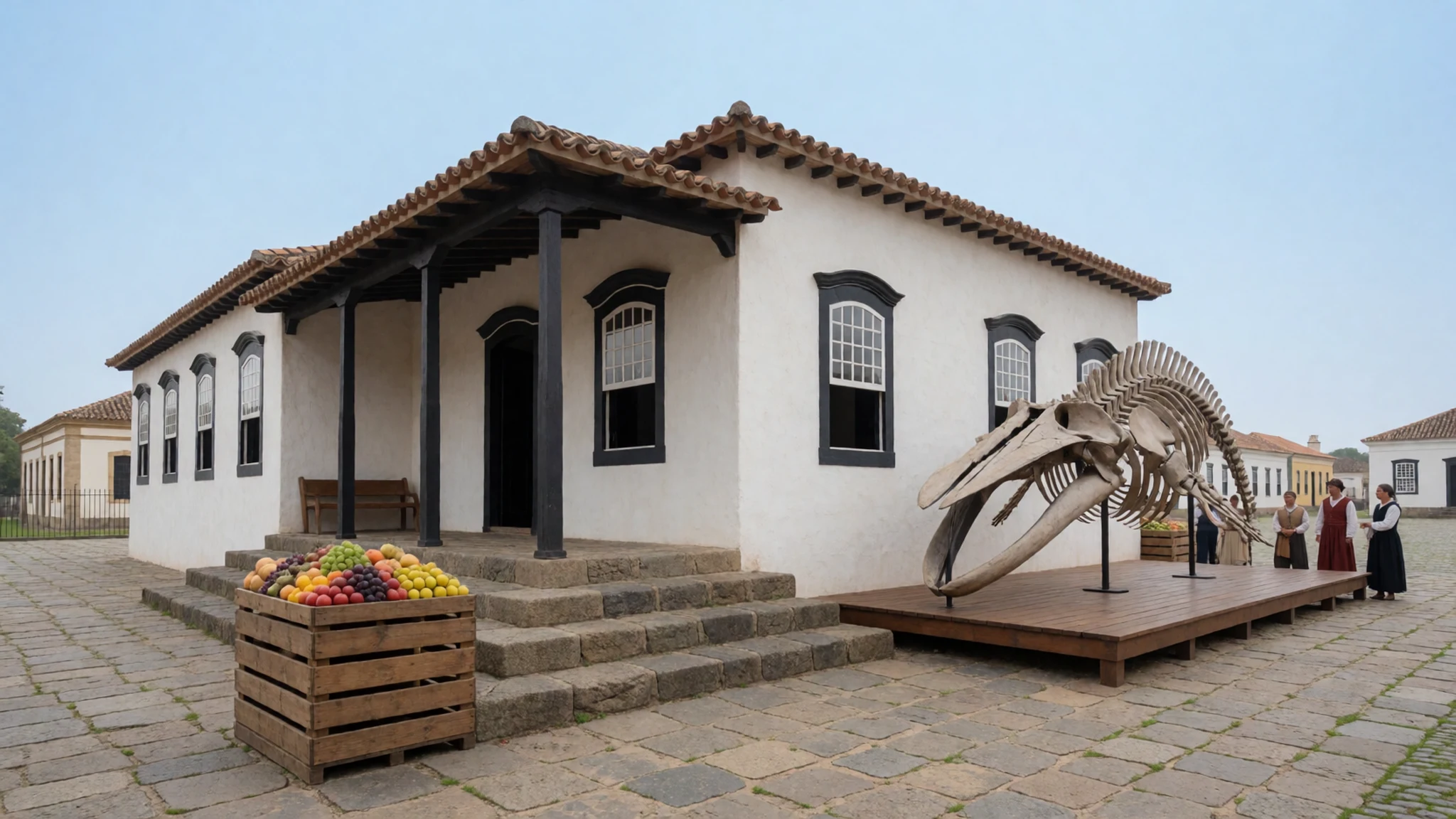
- Paseo de San Gabriel — The seafront walk beside the old town
The Paseo de San Gabriel runs along the shore with a long white handrail, and it is the simplest way to watch the river at your own pace. It suits a morning walk or a sunset stroll. The path has little shade, so bring a hat in summer and carry water.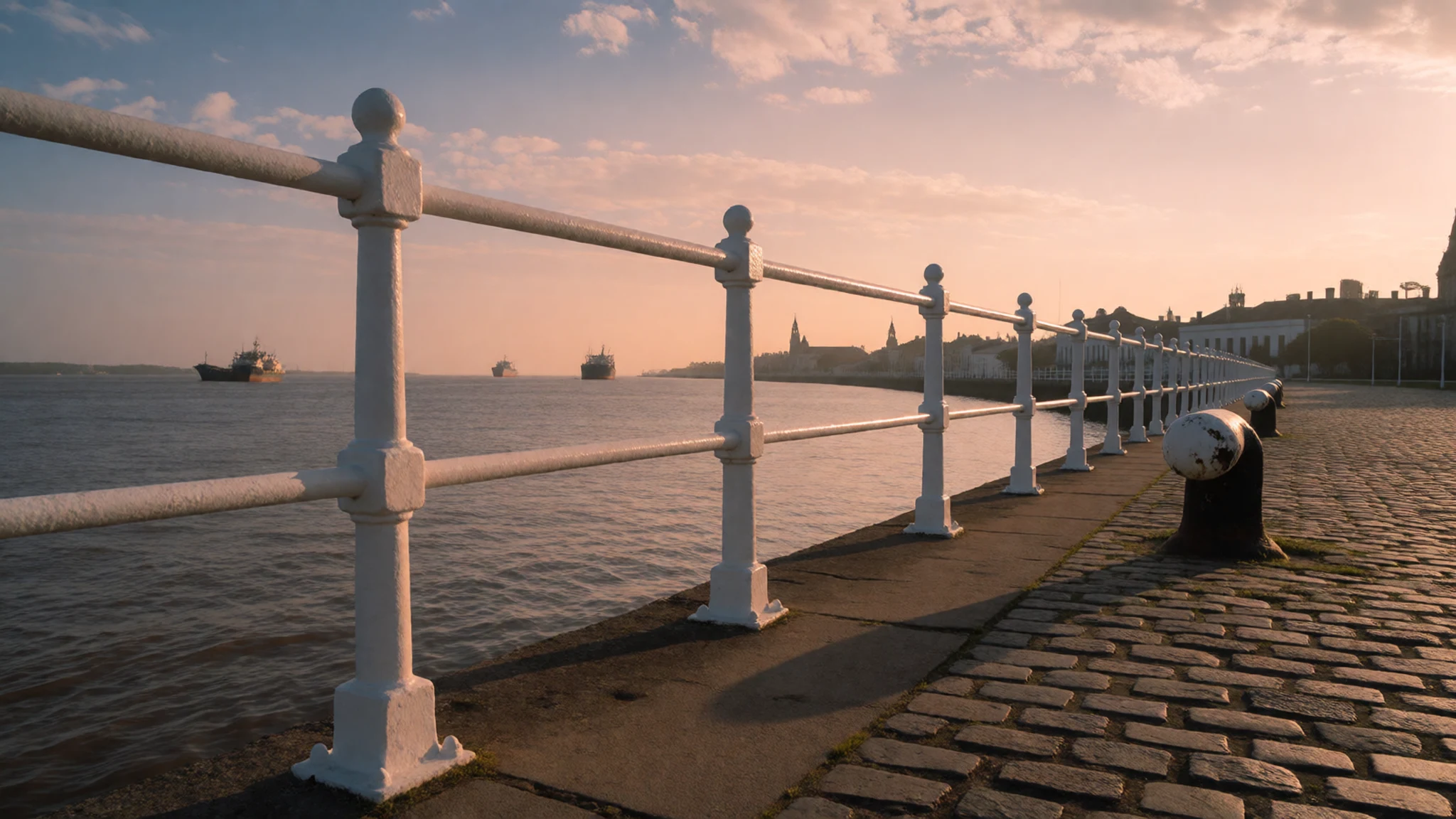
Culture
Colonia is a small, relaxed town where people live alongside the visitors, so local customs are mostly about everyday courtesy. Life moves at an unhurried pace, lunch is often a long affair, and some shops still close for a midday break, so plan your errands around it. A brief greeting before asking for something is appreciated in bakeries and small shops. Mate, the bitter herbal tea shared from a single gourd, is central to daily life, and you may be offered it. Accept with thanks, or decline politely, but avoid passing the gourd back without the usual courtesy. Ask before photographing people at work or in their homes, and keep your voice down on residential streets after dark.
What to wear
The traditional dress of this part of Uruguay is the gaucho outfit worn across the Río de la Plata plains: a wide-brimmed hat, a woollen poncho for cold nights, baggy bombacha trousers and leather boots, often with a knife at the belt. Wool, leather and cotton were the working materials, and woven woollen ponchos and blankets remain the textiles most associated with the region. Today gaucho dress appears mainly at rural festivals and horse events rather than on the streets of town.
What people wear now is ordinary. Jeans, sneakers and light jackets are common, and in summer you will see shorts and t-shirts. Most locals walk the old town in casual clothes, and people dress up mainly for a night out.
For a visit, choose flat, grippy shoes, since the cobbles are uneven and the paths by the river can be sandy. Layers help, because mornings can be cool and foggy while afternoons warm quickly. Carry a light rain jacket for drizzle and a hat and sunglasses for the glare off the water. No strict dress code applies at churches, but modest clothing suits them, and swimwear belongs at the beach rather than in the town centre.
What to eat
- Empanadas — A casual empanada counter or takeaway in the old town
Empanadas are baked or fried pastry pockets, filled with beef, onion, egg or cheese. Buy them from a casual counter in the old town, where they are quick, inexpensive and easy to eat on a bench by the river. Ask about spice if you want a milder filling.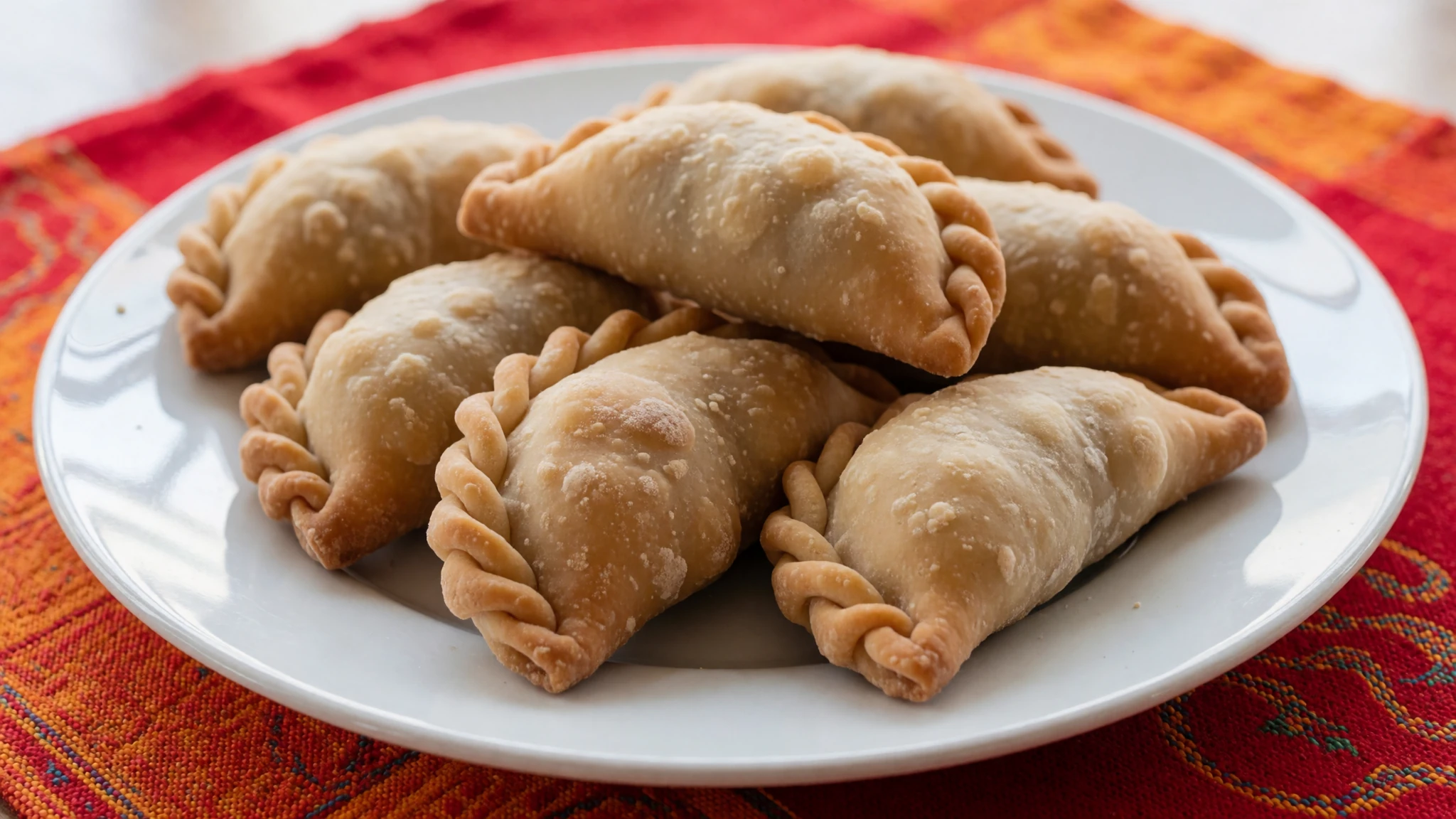
- Pies (tartas) — A small pie shop near the main square
Small pie shops sell slices of savoury and sweet pies, a good midday snack for a walking day. The sweet pies are generous, so share a slice if you are not very hungry. Choose a shop that displays its pies at the counter so you can see the fillings.
- Asado — Grill restaurants (parrillas) on the waterfront and in the old town
Asado is beef grilled slowly over wood or charcoal, and it is the region's signature lunch. Parrillas on the waterfront serve it in generous portions, so order one plate to share. For something lighter, many eateries also grill fish or chicken. - Alfajores — Bakeries and grocery shops in the old town
Alfajores are two shortbread-style biscuits sandwiched with dulce de leche, often dusted with coconut or coated in chocolate. They keep well, so they make good gifts for the journey home. Check the packet for the filling and any allergen notes before you buy. - Jams and jarred fruit — Farm-style shops and delis on the main streets
Jams and jarred fruit are sold in shops around town, often alongside local wine and cheese. They make a good souvenir, but check the rules on carrying jars and liquids before you fly. Ask the shop whether you can taste before you buy.
Plan it
Best time. October, when spring is mild, and April, when autumn is cooler and quieter after the summer crowds. Summers are warm and busy, and winters are cool, with frost and fog on some mornings.
How long. 2–3
Getting there. Buses run from Montevideo's Tres Cruces terminal almost hourly, and the trip takes roughly three hours depending on stops. The bus station is a short walk from the old town, near the port. Ferries from Buenos Aires are another option; check the official site for current schedules.
Budget. mid
Tips
- Buy bus tickets ahead in summer, when services fill, although you can still pay on board if seats remain
- Visit the old town early or in the evening to avoid day-trip crowds
- Carry cash for small bakeries and markets, and keep a card for larger restaurants
- Bring water and a hat, because the sun off the river is strong in summer
Etiquette
- Follow posted rules at the lighthouse and other sites, and do not climb walls or barriers at the ruins
- Ask before photographing people, especially at work
Nearby
Sources
- Wikidata Q56064 (CC0)
- Wikipedia: Colonia del Sacramento (rev 1381272714) (CC BY-SA 4.0)
- Wikivoyage: Colonia (rev 5400344) (CC BY-SA 4.0)
- Photo: Portuguese Museum tile panel, Fulviusbsas (CC BY 3.0)
- Photo: The Attack of Nova Colonia, William Elliott (Public domain)
- Photo: Portón de Campo, Herbert Brant (CC BY 3.0)
- Photo: Calle San Pedro, Herbert Brant (CC BY 3.0)
- Photo: 1866 Wharf, Herbert Brant (CC BY 3.0)
- Photo: Waterfront, Helge Høifødt (CC BY 3.0)
- Photo: Calle Real, Flc1980 (CC BY 3.0)
- Photo: Calle Misiones de los Tapes de Noche, Flc1980 (CC BY 3.0)


