Cabo Polonio
Cabo Polonio, Uruguay
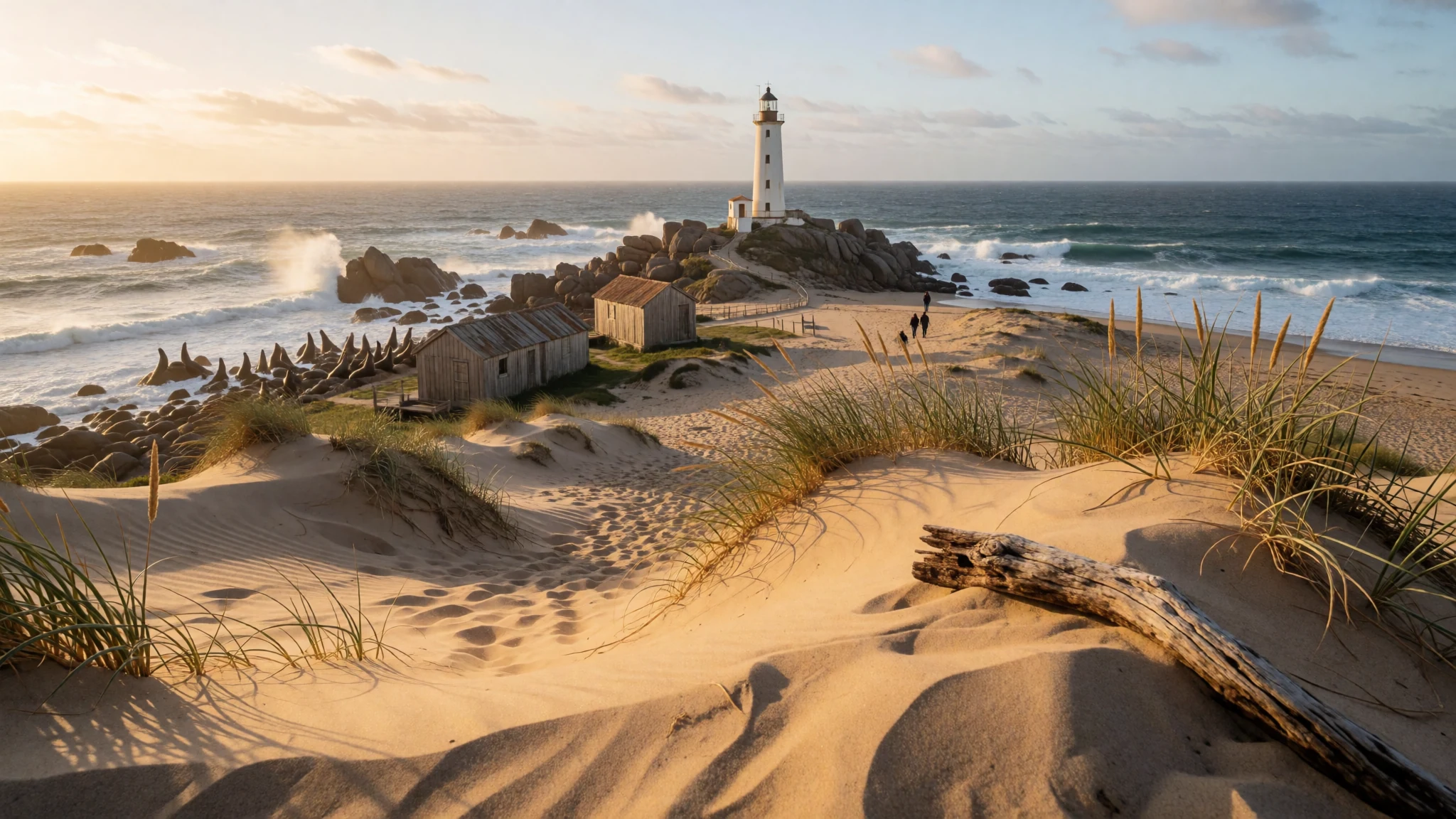
Cabo Polonio offers a rare Atlantic escape without paved roads, mains electricity or streetlights, anchored by wild dunes and barking sea lions.
The place
Cabo Polonio sits on the rugged eastern coast of Uruguay within the Rocha Department, occupying the tip of a rocky peninsula that juts boldly into the Atlantic Ocean. This remote settlement is attached to the mainland by a sprawling tombolo formed entirely by wind-driven sand deposits. Visitors arriving at the fringe of the cape immediately notice its distinct isolation from modern infrastructure, as no tarmac roads lead into the hamlet. Instead, the final approach requires traversing miles of shifting dunes on foot or aboard specialised heavy vehicles that navigate the sandy terrain. The village environment relies heavily on alternative energy sources, utilising wind power and private generators to sustain a handful of guesthouses and small grocery shops, while residents draw fresh water from local wells or harvest rain. During the quieter months of the year, the year-round resident count remains tiny, numbering only a little over one hundred people. However, this tranquil atmosphere shifts dramatically when the warmer summer weather arrives, drawing large crowds of holidaymakers seeking a rustic beach retreat far removed from urban congestion. The cape remains protected within a designated natural area, safeguarding its fragile dune ecosystems, native wildlife, and sweeping ocean vistas against overdevelopment. Walking through the sandy lanes reveals a cluster of simple wooden cabins facing the crashing surf, unpaved pathways where dogs roam freely, and an untamed coastline shaped entirely by maritime winds and Atlantic tides.
Its story
Cabo Polonio holds a long maritime history shaped by treacherous coastal waters, indigenous heritage, and colonial ambition. Human presence across the wider area stretches back thousands of years, with ancient hunter-gatherer groups seasonally occupying the region to fish and hunt the abundant marine life. Archaeologists have identified ancient shell mounds and indigenous artefacts near nearby streams that document centuries of seasonal habitation. Long before European ships mapped the South American coastline, the offshore rocky islets supported massive colonies of marine mammals that drew native groups to the shores. During the colonial era, the treacherous waters surrounding the cape proved disastrous for numerous vessels navigating the Atlantic shipping lanes. Dozens of Spanish, Portuguese, English, and German ships wrecked upon the hidden reefs and treacherous shallows near the islands. One notable disaster occurred in the eighteenth century when a Spanish vessel ran aground near the southern beach while journeying toward Buenos Aires. Although the ship broke apart after a week, the entire crew survived and the captain's surname eventually became permanently attached to the cape. In the nineteenth century, permanent human settlement began to take root as workers established dwellings near the shoreline to harvest sea lion populations. Throughout subsequent decades, the isolated community slowly evolved from a seasonal fishing and hunting outpost into a cherished retreat for artists, writers, and travellers seeking solitude.
What to see
- Colony of seals and sea lions — Offshore islands and rocky southern shore
Cabo Polonio maintains the largest marine mammal colony in the country, occupying the rocky offshore islands and occasionally hauling out onto the mainland beaches. Visitors can observe hundreds of large seals and sea lions basking on the rocks, barking across the surf, and swimming gracefully in the rough Atlantic rollers.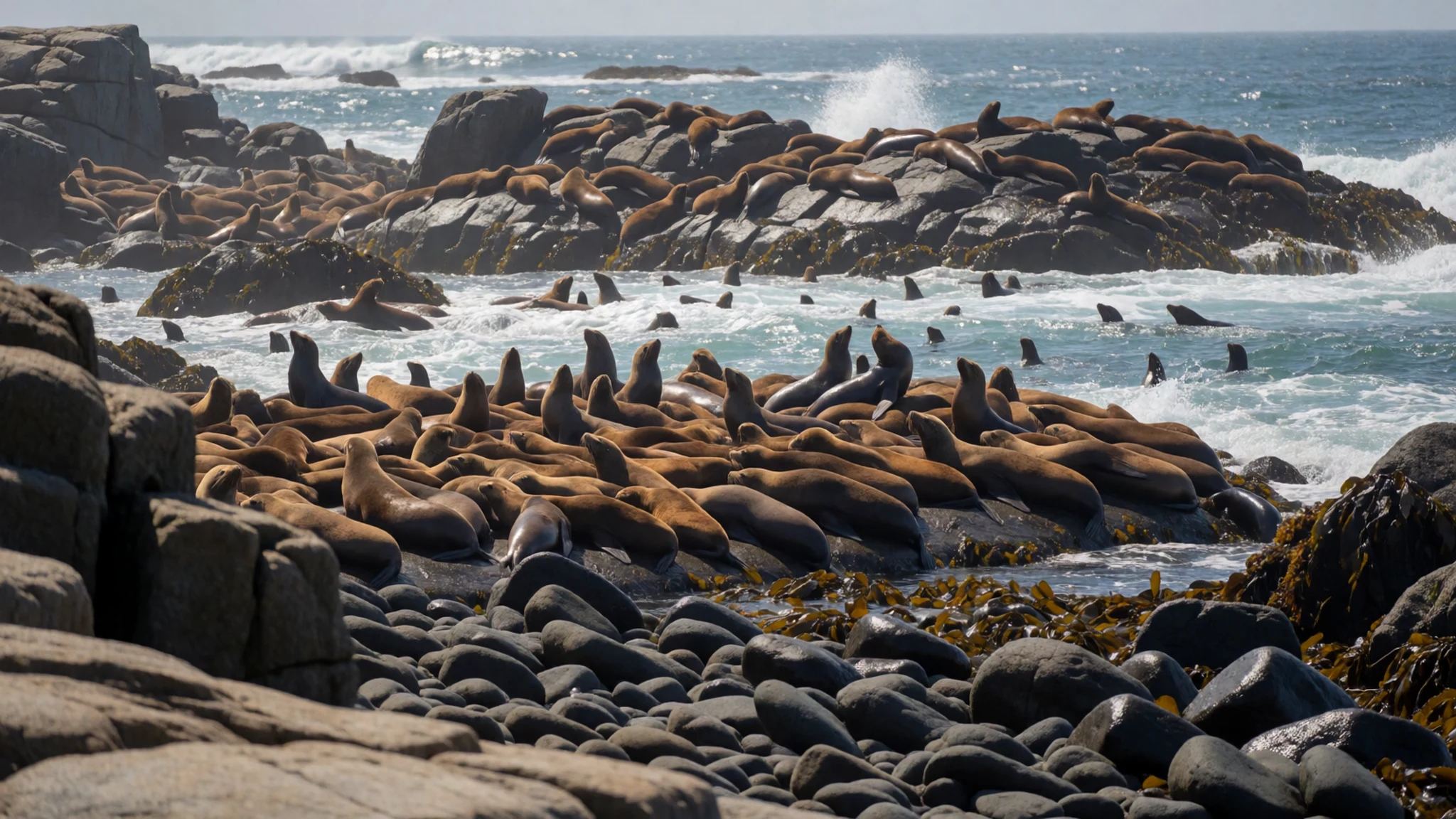
- Cabo Polonio Lighthouse — Central rocky promontory
Standing tall on the rocky tip of the peninsula, the historic lighthouse provides power from the national grid and serves as the prominent landmark of the settlement. Climbing up the spiral staircase rewards visitors with panoramic views sweeping across the entire village, the sandy tombolo, and the vast expanse of the ocean.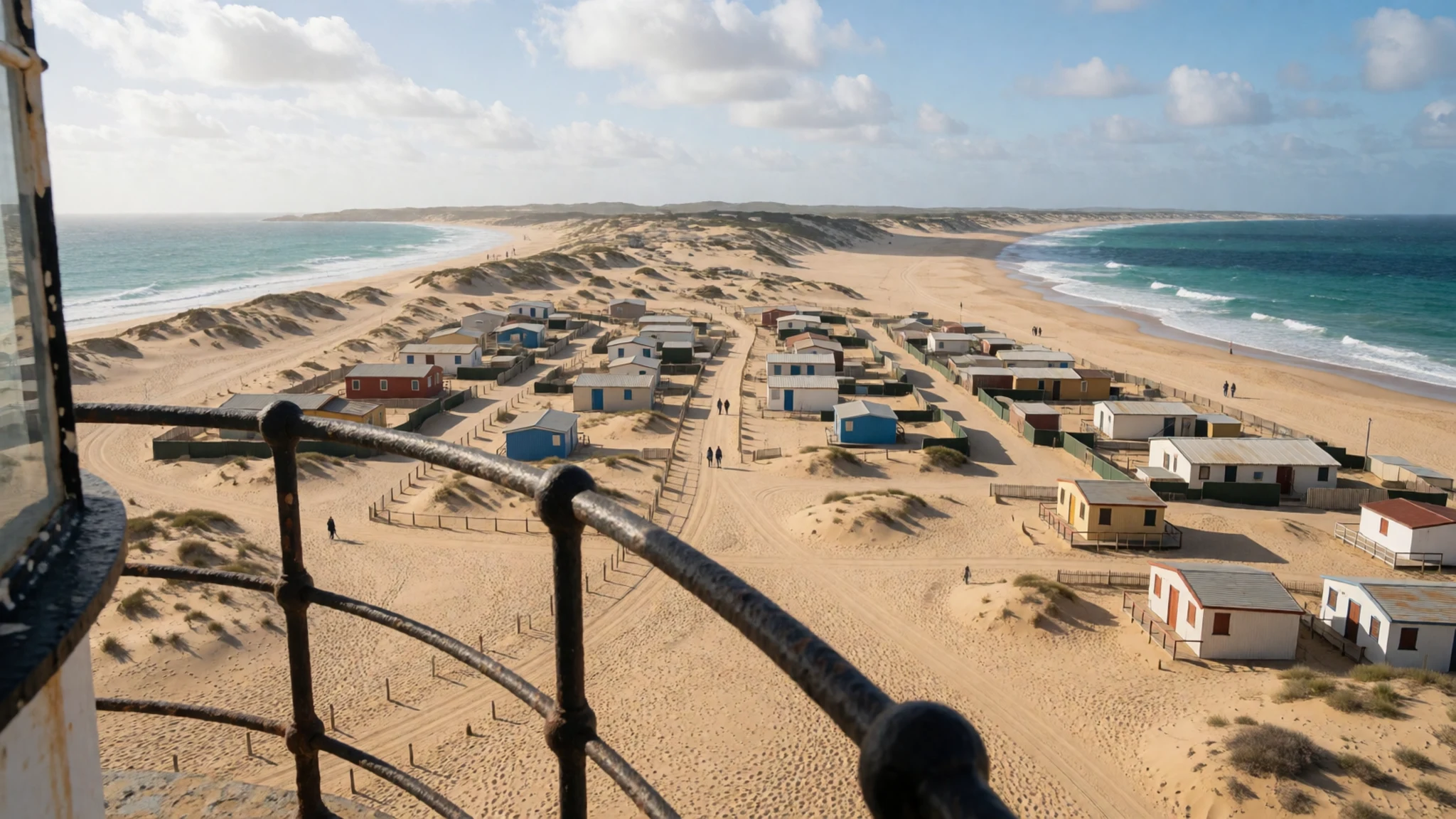
- Playa de la Calvera — Northern shore of the cape
This wide northern beach curves gracefully along the Atlantic shoreline, flanked by rolling dunes and weathered fishing boats resting on the sand. It serves as the primary arrival point for visitors walking from neighbouring coastal settlements or watching the dramatic shifts of coastal weather roll across the bay.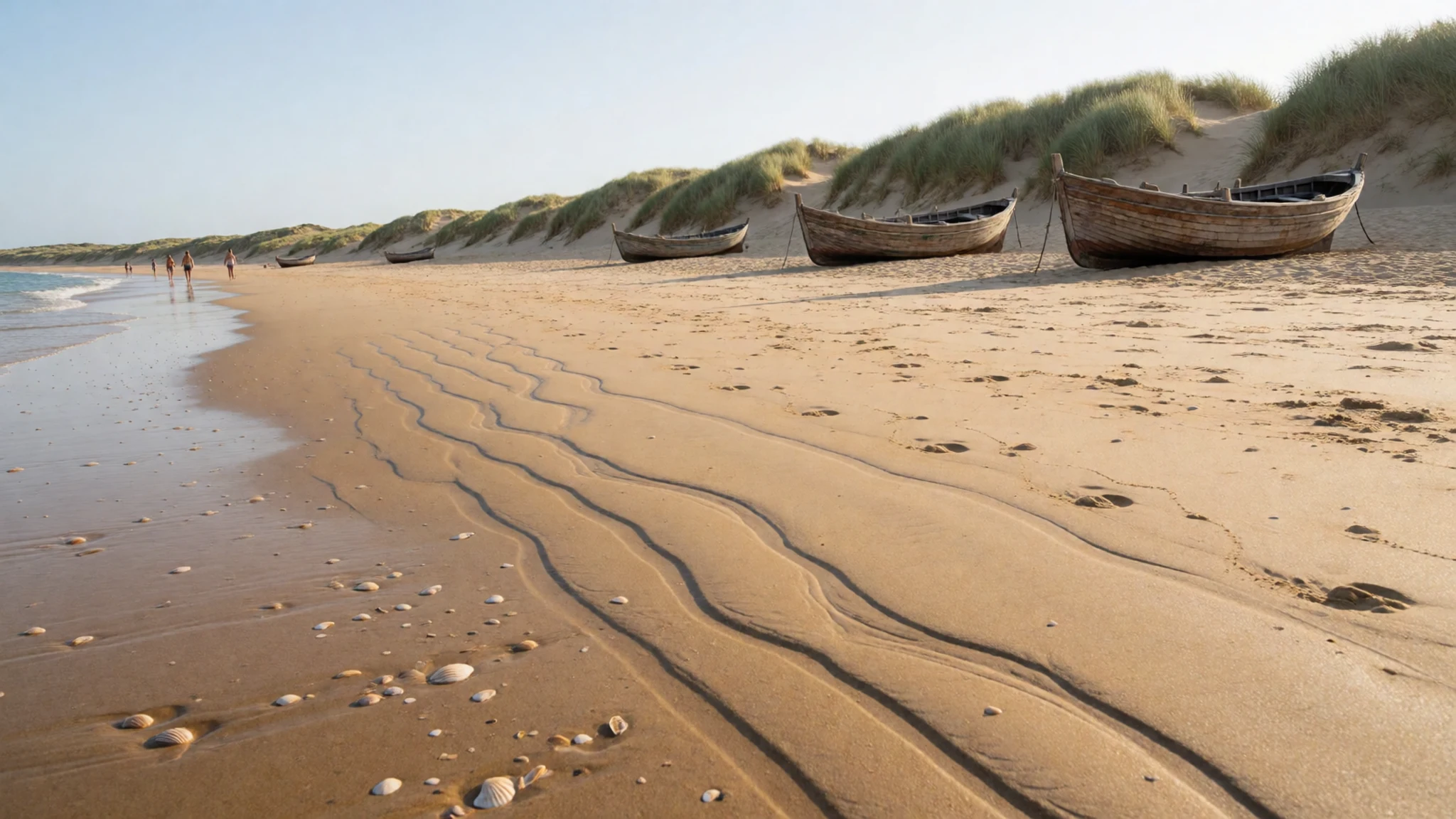
- Cerro de la Buena Vista — Northern inland dune fields
Rising above the surrounding landscape as the area's highest natural elevation, this prominent hill once served as a historical border marker during eighteenth-century colonial treaties between Spain and Portugal. Walking to the summit offers expansive vistas overlooking the endless dunes, coastal lagoons, and the wild Atlantic horizon.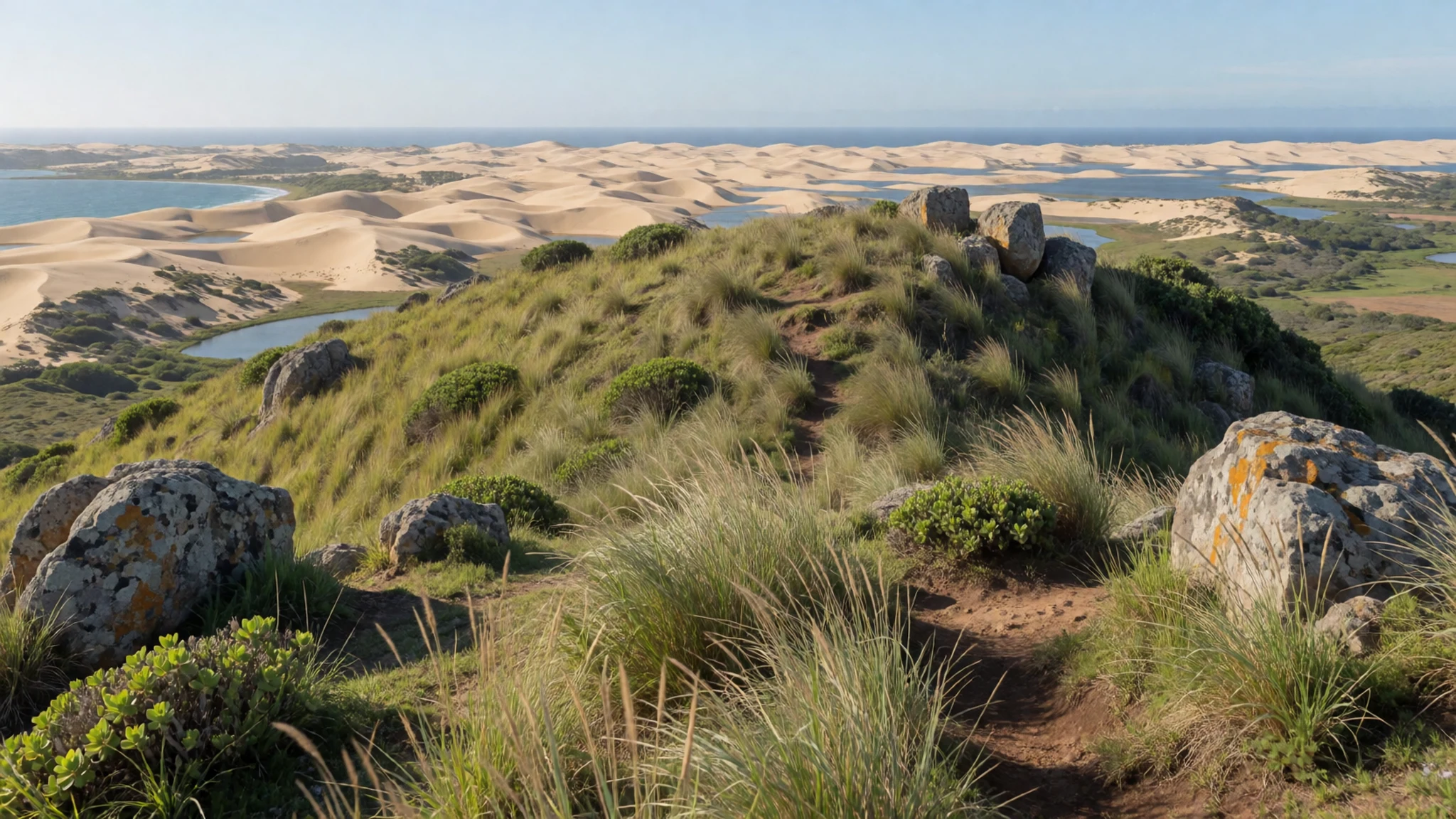
Culture
Cabo Polonio fosters an independent bohemian culture shaped by decades of isolation, artistic expression, and deep respect for the natural environment. Residents and long-term visitors embrace a slower, unhurried pace of daily life where simplicity replaces luxury and community bonds remain strong. Because the village lacks municipal power grids and paved streets, locals have cultivated a self-reliant ethos, sharing generators, conserving well water, and living in harmony with the shifting sands and Atlantic winds. Traditional values centre on protecting the surrounding national park, preserving the wild sea lion colonies, and maintaining the rustic architectural character of the wooden cabins. Visitors will find an open, welcoming atmosphere in the local eateries and gathering spaces, where conversations stretch late into the evening under starlit skies free from urban light pollution. When interacting with local residents and protecting the fragile coastal ecosystem, remember to respect the wildlife by maintaining a safe distance from sea lions and packing out all personal rubbish.
What to wear
Clothing in Cabo Polonio is entirely practical, casual, and adapted to an outdoor coastal environment swept by strong ocean breezes and shifting sands. There is no formal traditional dress unique to the cape, though generations of local fishers, lighthouse keepers, and artisans have long favoured durable workwear suited to maritime labour. Today, residents and returning summer visitors dress in relaxed beach attire, including sturdy denim, cotton shirts, windbreakers, and warm layers for chilly evening breezes off the Atlantic. Because paved surfaces do not exist within the settlement, footwear requires careful consideration. Visitors should pack comfortable walking sandals, sturdy canvas shoes, or hiking boots capable of handling deep sand trails and rocky shoreline paths. Bringing a lightweight waterproof jacket or windbreaker is essential, as sudden coastal weather changes and ocean spray are common throughout the year.
What to eat
- Arroz con Mariscos — Summer beachfront restaurants and rustic village eateries
A hearty seafood rice dish prepared with fresh catches from local Atlantic waters, often featuring clams, mussels, and fish simmered with garlic, tomatoes, and regional herbs.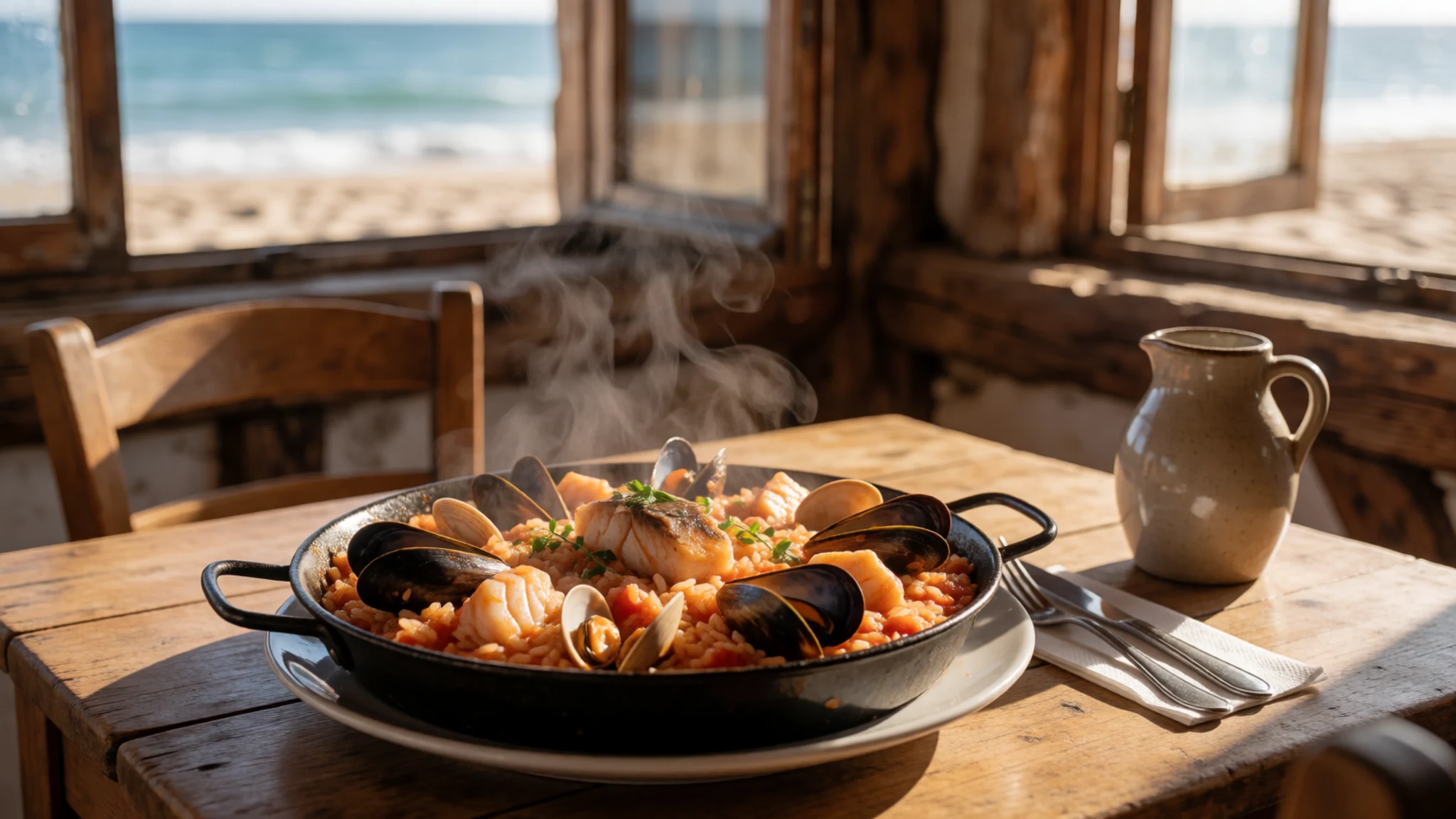
- Tortas Fritas — Small village bakeries and roadside food stalls
Traditional deep-fried golden dough pastries served hot and dusted with sugar or sprinkled with salt, enjoyed as a comforting snack during breezy coastal afternoons.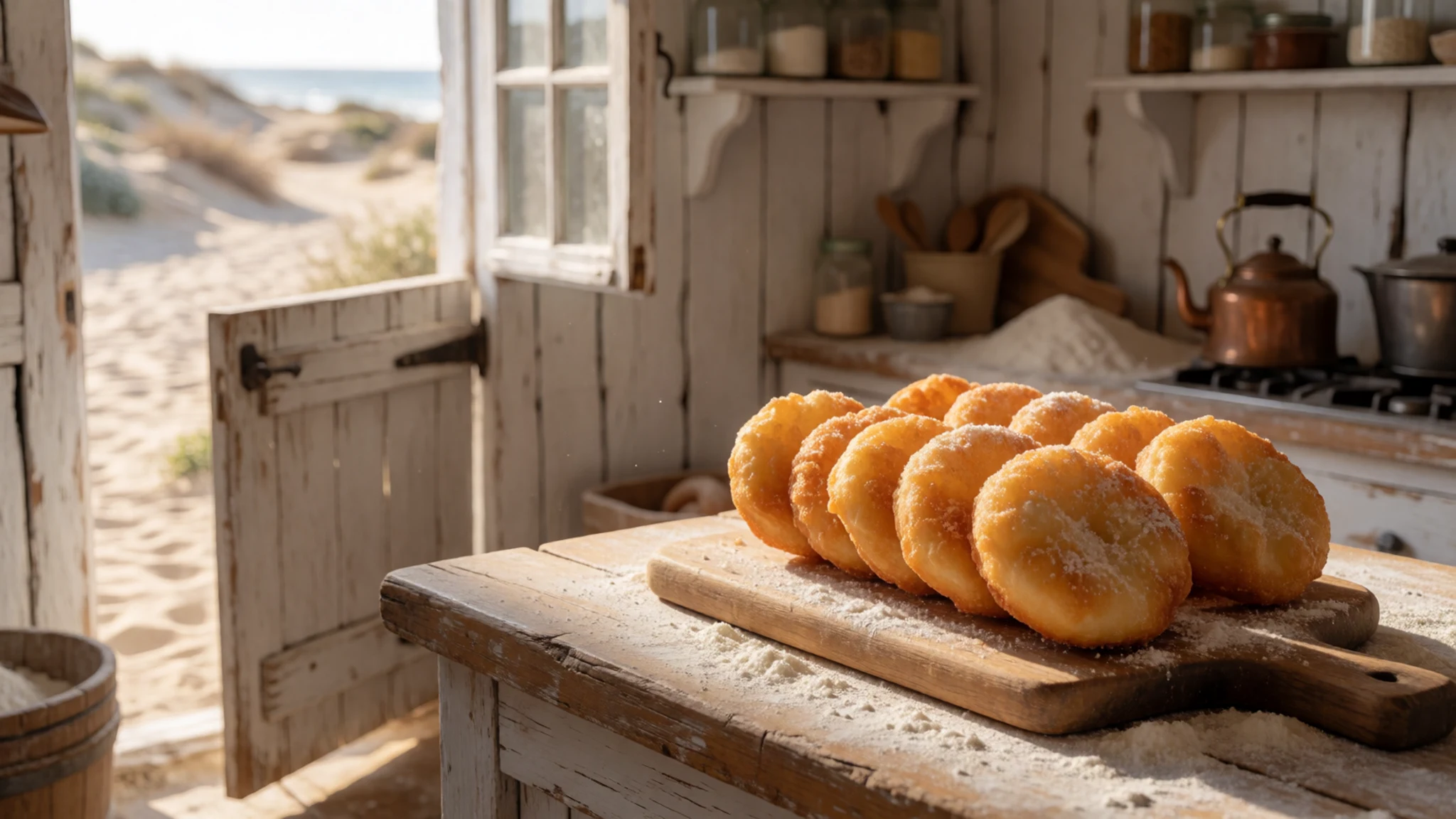
- Asado de Cordero — Local grills and seasonal dining establishments
Slow-roasted Rocha lamb cooked over open wood fires, imparting a rich, smoky flavour that reflects the pastoral traditions of the surrounding countryside. - Pescado del Día — Family-run seaside dining rooms
Fresh fish caught daily by local coastal fishermen, simply grilled with olive oil, lemon, and herbs to highlight the clean flavours of the South Atlantic. - Empanadas Criollas — Local grocery stores and small neighbourhood snack bars
Flaky baked or fried pastry turnovers filled with seasoned minced meat, onions, olives, and hard-boiled egg, perfect for a quick meal between beach walks.
Plan it
Best time. December to February brings lively summer beach weather and open services, while November and March offer quieter walks with milder temperatures.
How long. 2–3
Getting there. Take a bus from Montevideo or Rocha to the highway stop at Portal del Cabo, then transfer to a specialised 4x4 truck for the final sandy track into the village.
Budget. mid
Tips
- Book accommodation well in advance if visiting during the peak summer holiday season
- Bring sufficient cash as card payment facilities are unreliable or unavailable in many village shops
- Pack light luggage or a backpack rather than wheeled suitcases, which are impossible to pull through deep sand
- Carry a torch or headlamp for navigating unlit sandy pathways after dark
- Conserve fresh drinking water carefully, as supplies rely entirely on local wells and rainwater harvesting
Etiquette
- Keep a respectful distance from sea lions resting on the beaches and rocks
- Pack out all personal rubbish to help preserve the fragile national park ecosystem
- Respect local quiet hours and the rustic simplicity of a village without street lighting
Nearby
Sources
- Wikidata Q1024895 (CC0)
- Wikipedia (rev 1377955257) (CC-BY-SA 4.0)
- Wikivoyage (rev 5117803) (CC-BY-SA 4.0)
- Photo 01-cabo-polonio-desde-el-faro.jpg (CC BY 3.0)
- Photo 02-dunasvalizas-uy.jpg (CC BY 3.0)
- Photo 03-parque-nacional-cabo-polonio-1.jpg (CC BY 3.0)
- Photo 04-p-nacional-cabo-polonio-05.jpg (CC BY 3.0)
- Photo 05-pareja-sapos-copulando.png (CC BY-SA 4.0)
- Photo 06-cabo-polonio-rocha.jpg (CC BY 3.0)
- Photo 07-hasta-pronto.jpg (CC BY 3.0)
- Photo 08-cabo-polonio-uruguay.jpg (CC BY 3.0)


