Punta del Este
Punta del Este, Uruguay
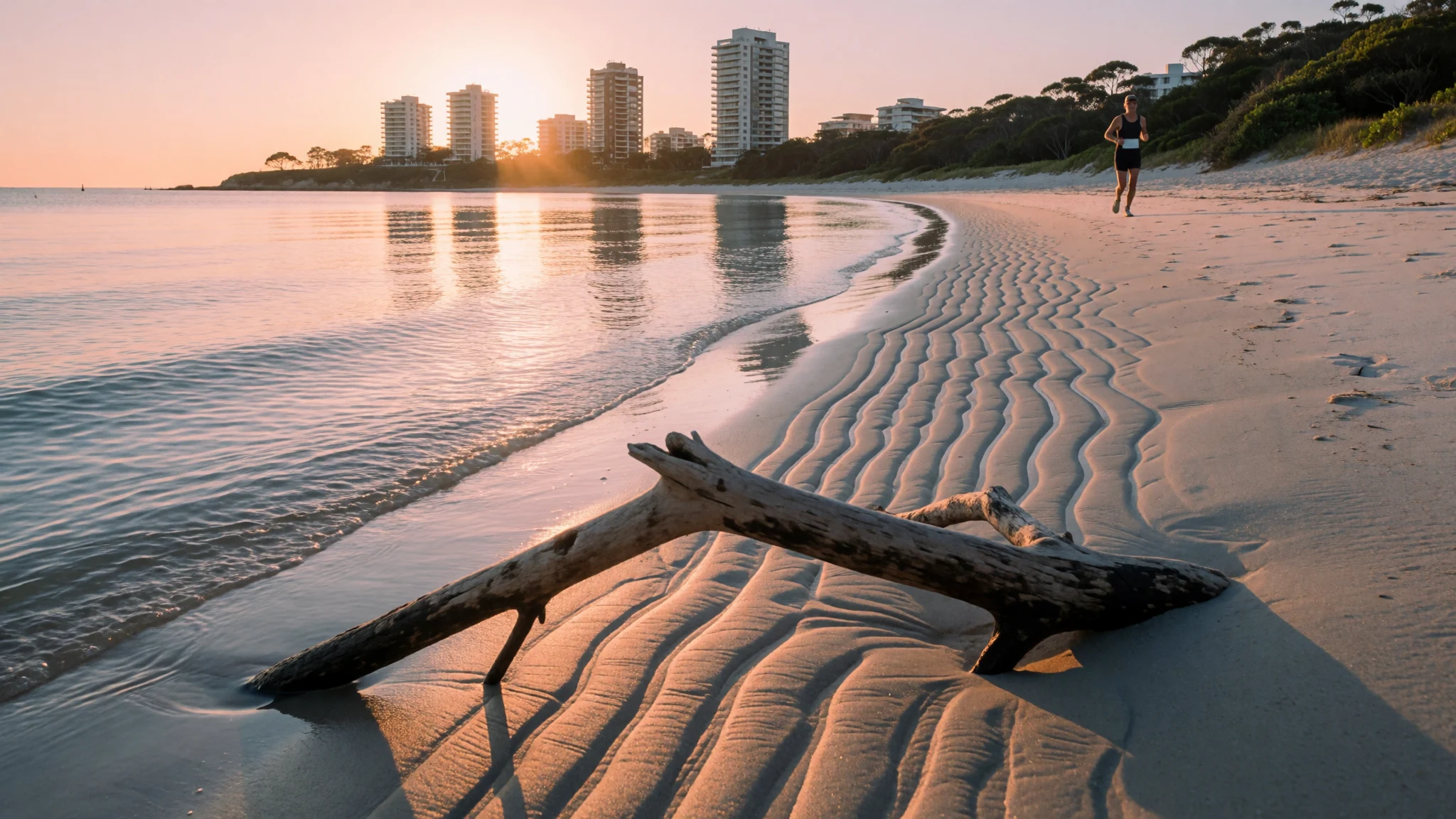
Punta del Este delivers sweeping Atlantic beaches, dramatic modernist architecture, and a lively summer social scene on the Uruguayan peninsula.
The place
Punta del Este sits on a narrow sandy peninsula along the Atlantic coastline in southeastern Uruguay, within the Maldonado Department. What began as a modest settlement eventually evolved into a prominent coastal destination drawing travellers from across the Americas. The surrounding geography creates a distinct dual character: the gentle, protected waters of Playa Mansa face the western bay, while the bracing waves and stronger surf of Playa Brava meet the open ocean on the east. Because of its upscale seaside developments, marinas, and lively summer calendar, commentators often compare its cultural rhythm to Mediterranean hotspots or coastal enclaves in North America. Beyond the high-rises and crowded shores, the broader municipality encompasses protected natural environments such as coastal lagoons, forested botanical reserves, and offshore islets. The port area serves as a focal point for boating enthusiasts, while nearby coastal villages and art-filled neighbourhoods extend the relaxed holiday atmosphere well beyond the central peninsula. Visitors navigating the urban grid find wide avenues, craft squares, and a distinct maritime climate that shifts rapidly between warm sunshine and brisk oceanic winds.
Its story
Punta del Este and its surrounding coastal areas saw early European contact when Spanish explorers arrived during maritime expeditions. Actual colonization of the wider Maldonado territory began later through Portuguese expansionist movements along the Atlantic seaboard. Decades later, during the Cisplatine War, military forces under the banner of the United Provinces of the Río de la Plata engaged in armed operations attempting to secure the strategic peninsula garrison. Through the final decades, the local terrain consisted largely of shifting sand dunes and barren coastline until a visionary landowner purchased thousands of acres of uninhabited terrain. He established a vast botanical sanctuary by importing trees and saplings from across the globe, allowing resilient pines, eucalyptus, and acacias to propagate across the dunes and transform the landscape. Official municipal recognition came when authorities declared the settlement a village, followed decades later by full city status as coastal tourism began to accelerate. The destination experienced alternating waves of economic prosperity and shifting visitor demographics, facing tourism declines during periods of regional political uncertainty before experiencing a major real estate boom characterized by soaring apartment towers, luxury hotels, and modern resort complexes that shaped its current skyline.
What to see
- Casa Pueblo — Punta Ballena
Perched on the cliffs of Punta Ballena, this striking white Mediterranean-style complex was designed by a renowned local artist to resemble a giant sculpted building. Visitors can explore its labyrinthine galleries, view exhibitions, and watch the sun sink into the ocean.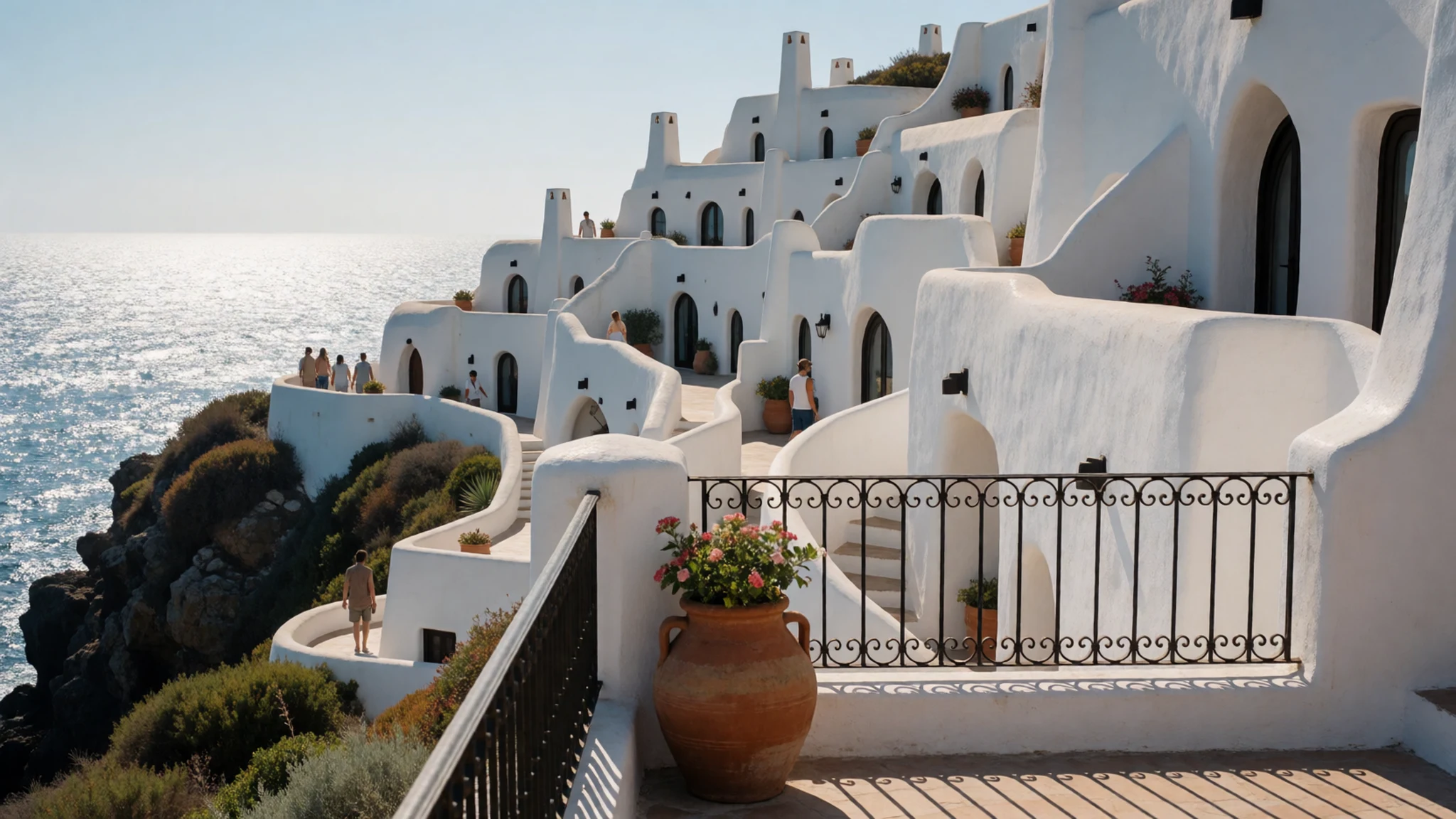
- Isla de Lobos — Offshore Atlantic
Located a short boat ride offshore, this protected rocky reserve hosts the largest colony of sea lions in the southern hemisphere. Boat excursions depart regularly from the local port, allowing travellers to observe thousands of marine mammals resting along the rugged shores.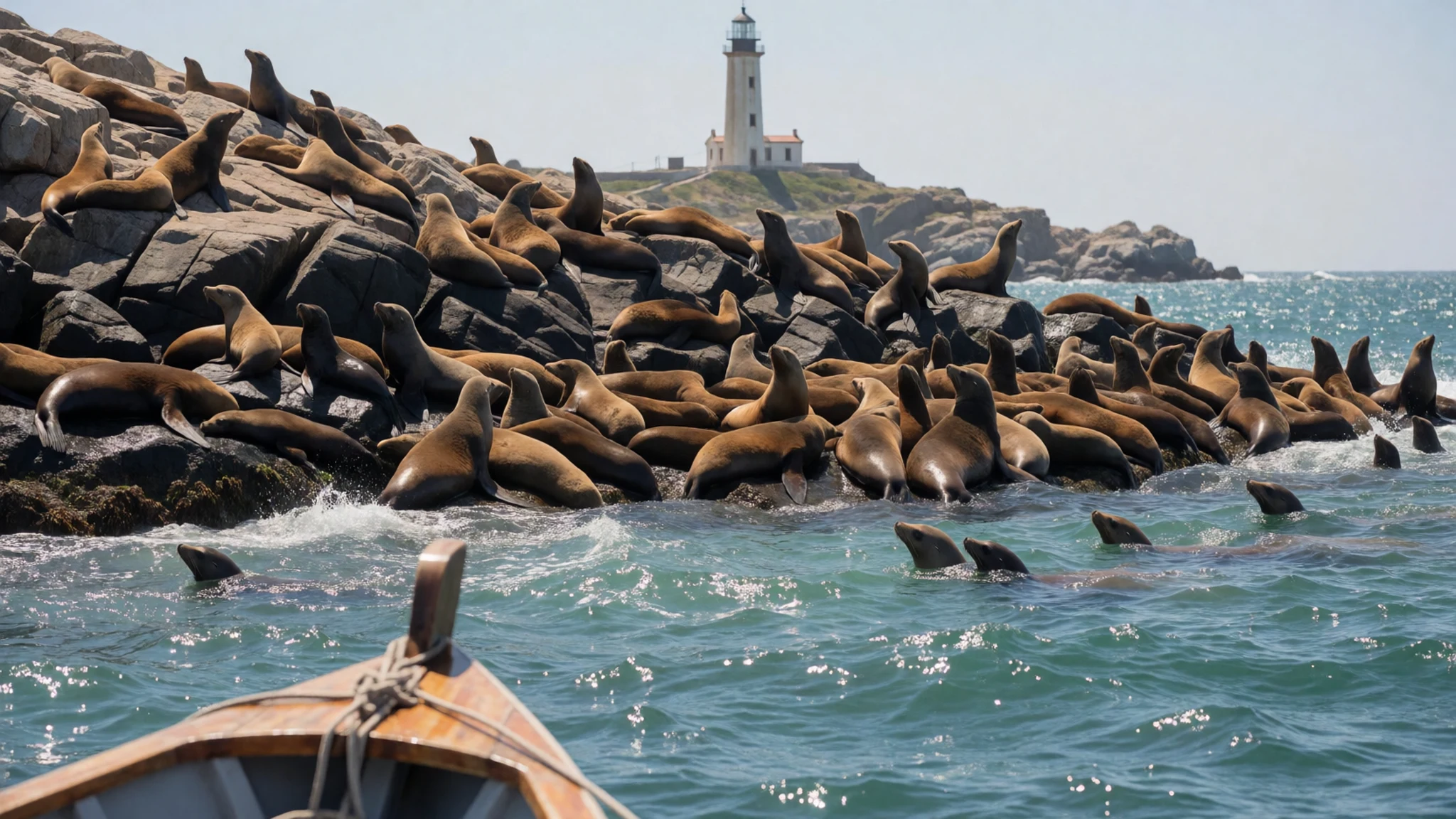
- Museo del Mar — La Barra
Situated in the nearby coastal locality of La Barra, this quirky museum features extensive maritime exhibits, including preserved skeletons of marine mammals and a collection of southern hemisphere seabirds recovered from stormy shores.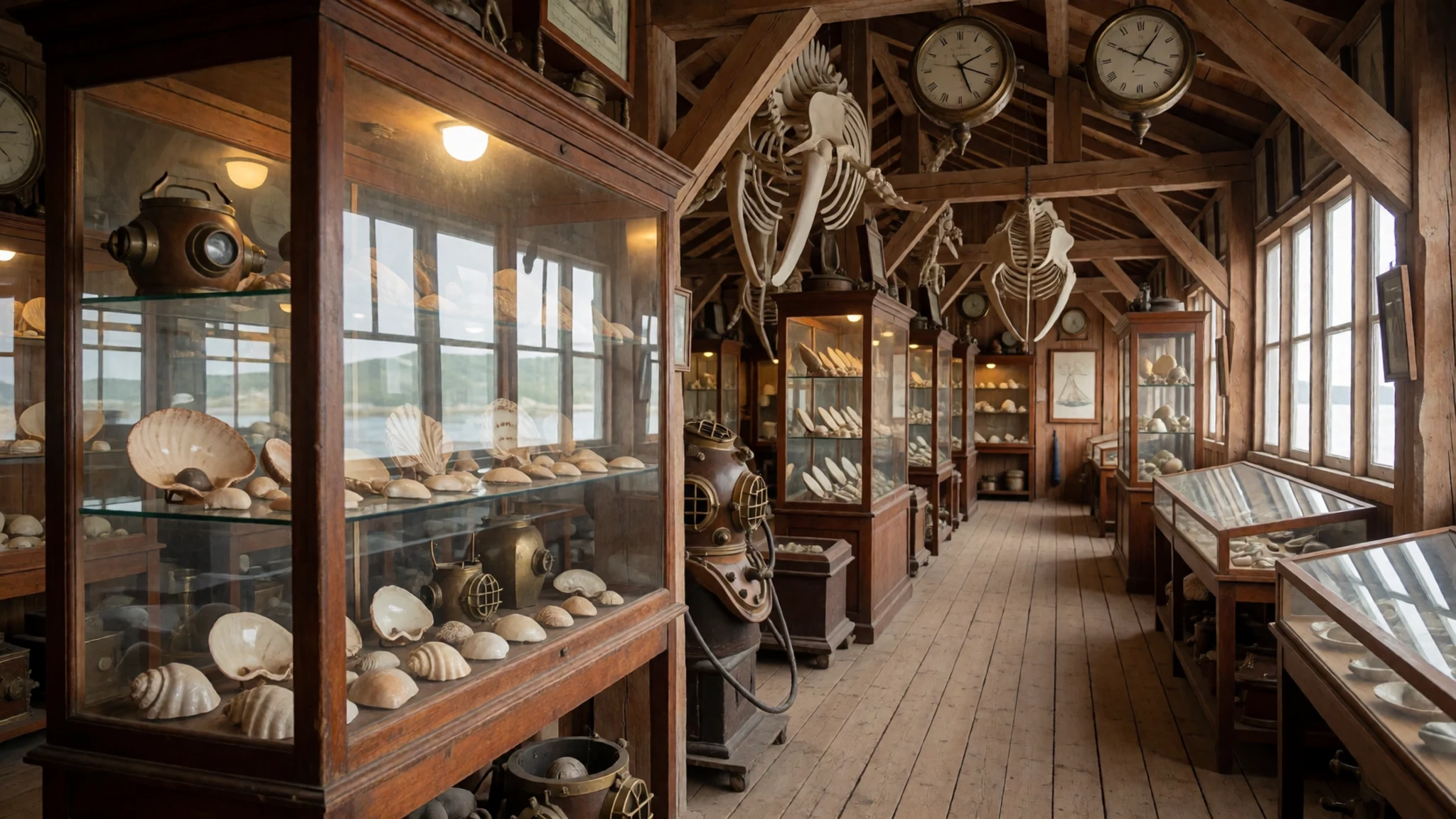
- Playa Mansa and Playa Brava — Peninsula Coastline
These contrasting shorelines define the peninsula. Playa Mansa offers calm, sheltered waters ideal for relaxed swimming on the bay side, while Playa Brava faces the open ocean and features the iconic giant fingers sculpture rising directly from the coastal sand.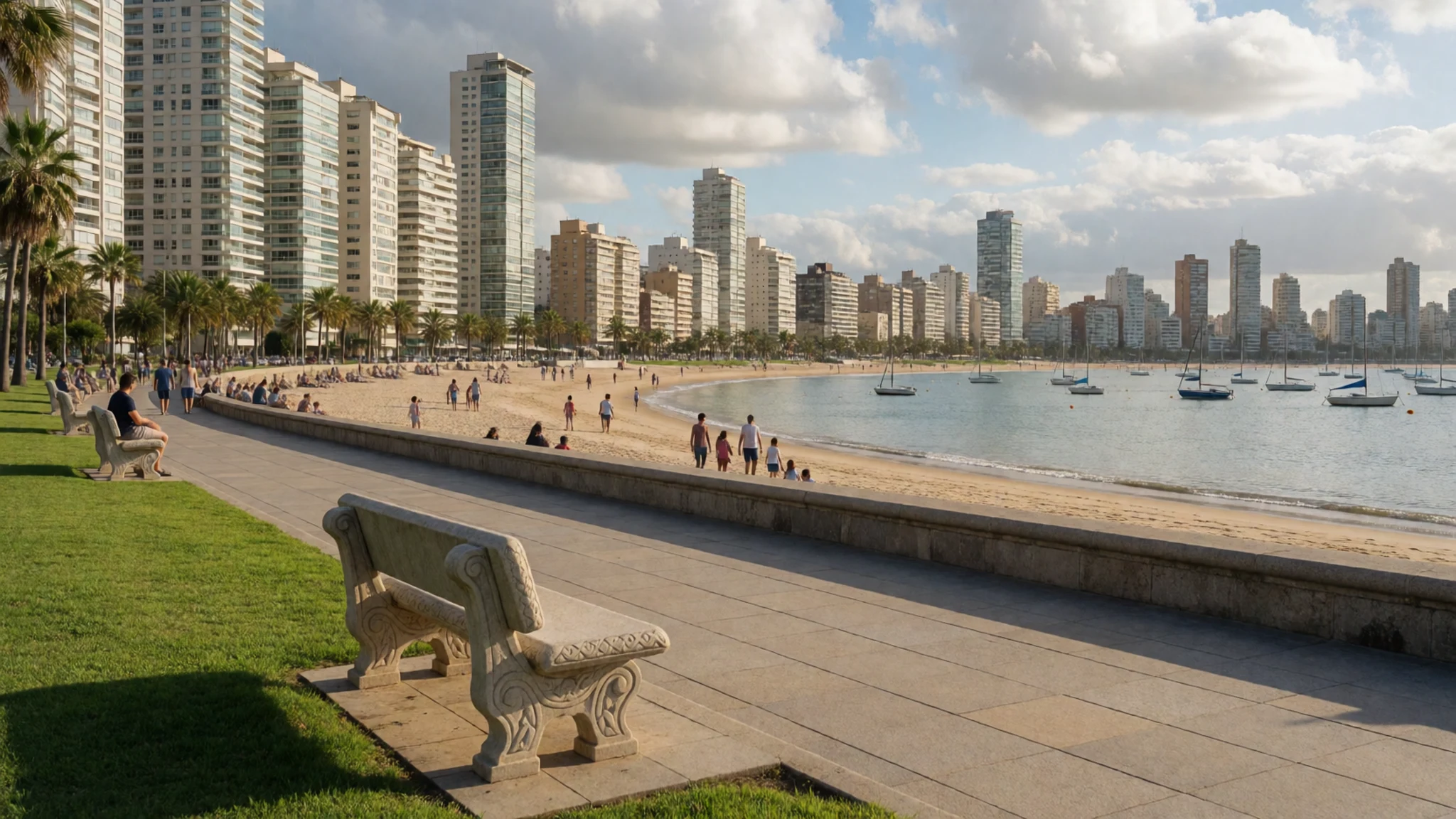
- Candelaria Church — Central Peninsula
Positioned near the historic port area, this distinct blue-and-white parish church serves as the principal Catholic temple in the resort city. Its maritime-themed architecture and prominent coastal setting make it a frequent stop for visitors exploring the older streets.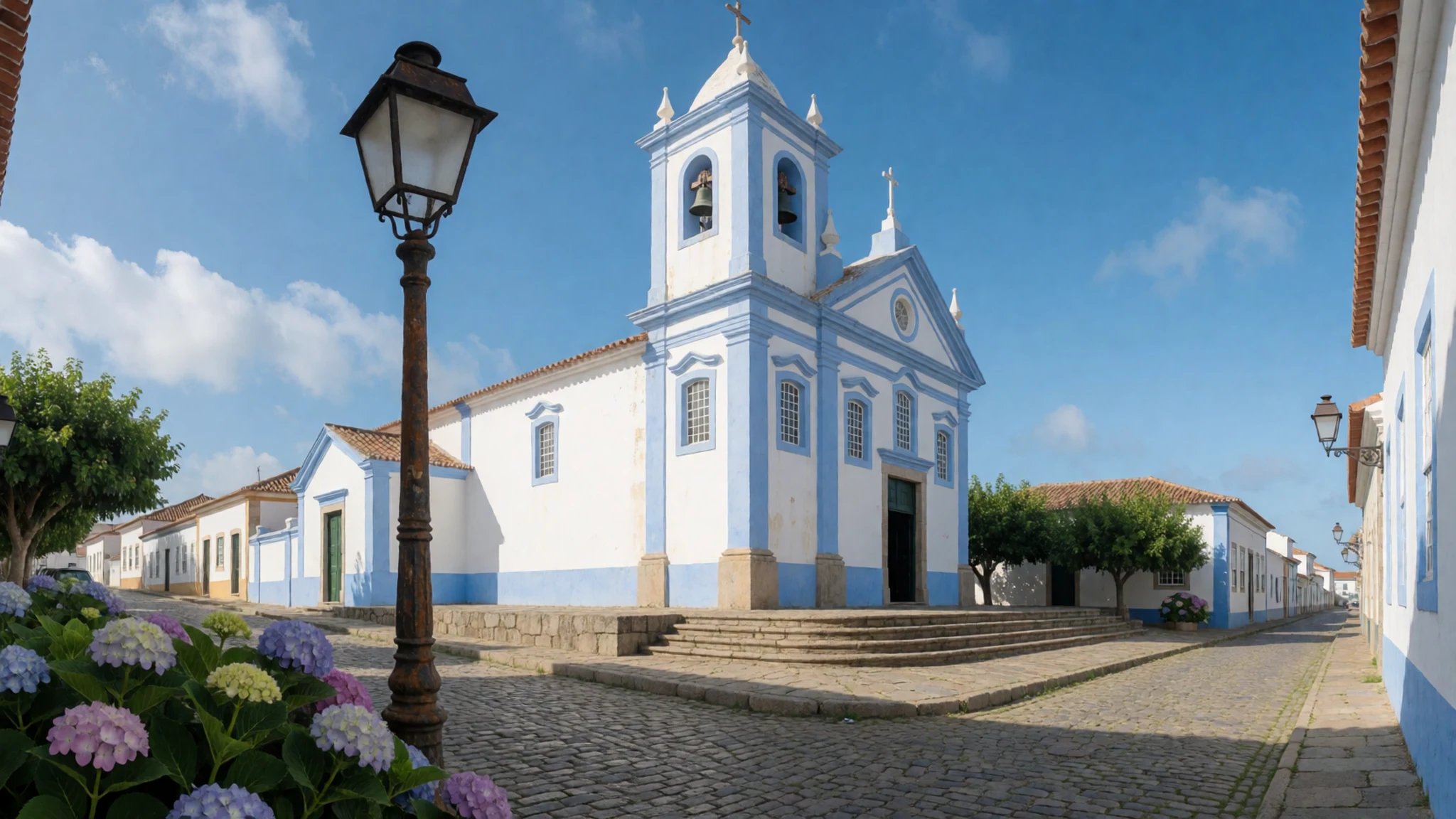
Culture
Punta del Este operates on a relaxed yet cosmopolitan rhythm, heavily influenced by seasonal migration from neighbouring countries during the warmer months. The local social fabric blends traditional Uruguayan customs with an international resort atmosphere, where outdoor dining, beach culture, and evening gatherings take precedence. Residents and long-stay visitors place a high value on leisure, art, and outdoor recreation, reflected in the numerous galleries, craft markets, and open-air cultural events scattered across the peninsula. Traditional music, social asado gatherings, and late-night social venues form an integral part of daily life, particularly when holidaymakers arrive in large numbers. While Spanish is the primary language spoken throughout the municipality, English and Portuguese are widely understood in hotels, restaurants, and upscale commercial establishments due to the diverse influx of international tourists. When entering smaller shops or greeting service staff, a polite greeting is customary, and tipping around ten percent is standard practice in sit-down eateries. Always respect local coastal environments by carrying away all personal rubbish from the beaches and protected natural reserves.
What to wear
Fashion in Punta del Este reflects its status as an upscale coastal resort, combining relaxed beachwear with sophisticated European-inspired styling. Traditional Uruguayan attire, such as gaucho-inspired leather accessories and woven woollen ponchos, occasionally appears in craft markets, but the contemporary street style leans heavily toward breezy resort chic. During the sun-drenched summer season, locals and international visitors favour lightweight linen shirts, tailored cotton shorts, oversized sunglasses, and designer swimwear for lounging by the shore or strolling along the marina promenades. As evening approaches and temperatures drop with the ocean breeze, wardrobes shift toward elegant casual wear, including lightweight blazers, smart trousers, and stylish knitwear suitable for upscale dining and vibrant nightlife venues. Visitors should pack versatile layers, comfortable walking shoes for exploring uneven cobblestone streets or sandy paths, and sturdy sun protection including wide-brimmed hats and reliable UV-blocking sunglasses. Modesty norms are relaxed near the coast, but appropriate evening attire is expected when frequenting fine dining establishments and luxury hotel lounges.
What to eat
- Chivito — Local grills and casual diners across the city
Widely regarded as the national sandwich of Uruguay, this hearty dish consists of thinly sliced steak combined with ham, melted cheese, tomatoes, lettuce, mayonnaise, and often a fried egg, usually served alongside a generous portion of crispy golden fries.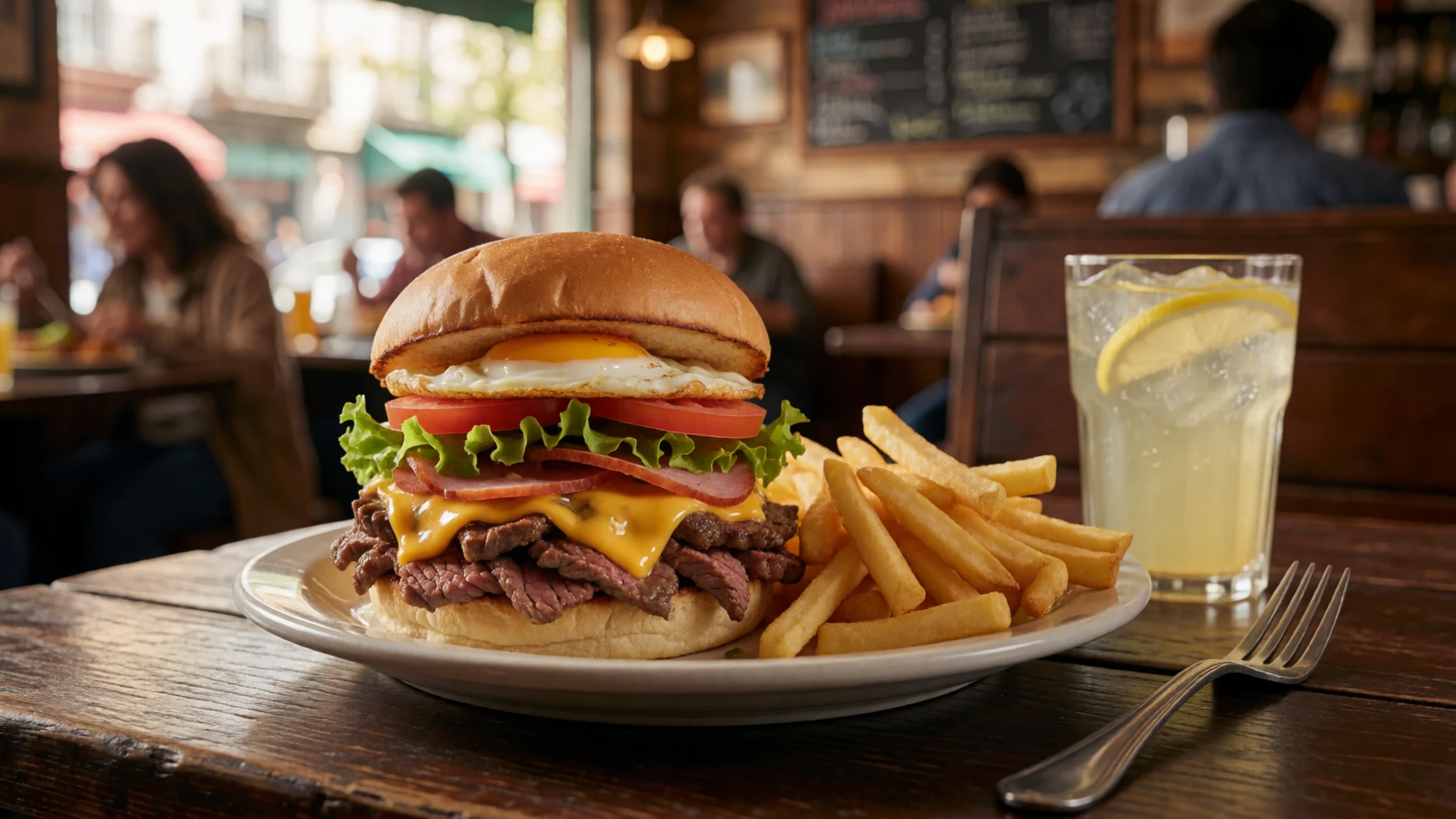
- Asado — Traditional parrilladas throughout the peninsula and mainland
A cornerstone of local culinary culture, featuring premium cuts of beef slow-cooked over wood coals on traditional iron grills. Meat is seasoned simply with coarse salt to highlight the exceptional quality of local livestock.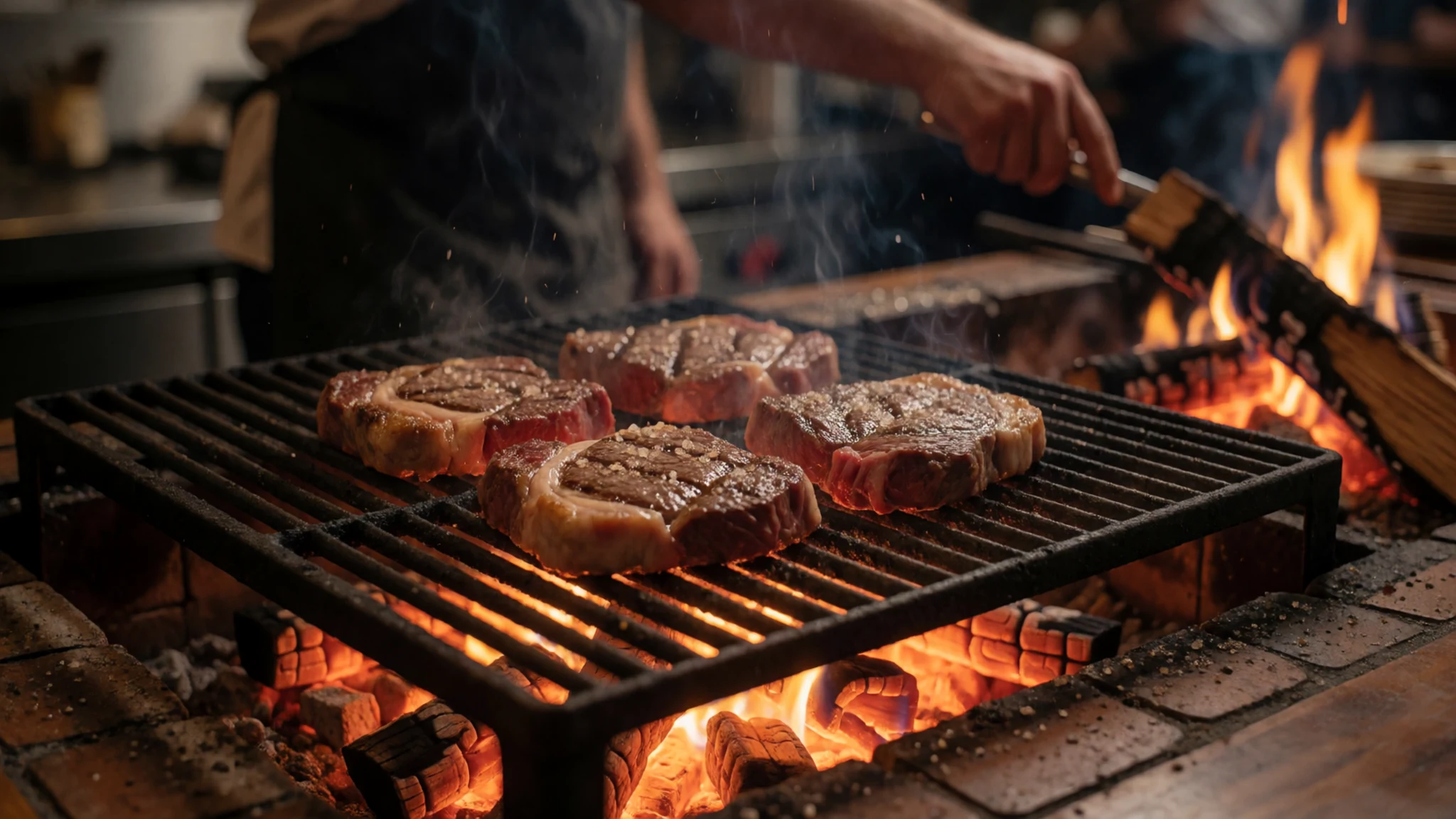
- Belgian Waffles at Hotel L'Auberge — L'Auberge Hotel and Tea House
A beloved local tradition served at a charming historic hotel tearoom, featuring freshly baked crispy waffles drizzled with rich artisanal chocolate, dulce de leche, or fruit sauces, enjoyed near a landmark brick water tower. - Medio y Medio — Traditional bars around the port and central market areas
A signature regional beverage created by blending sweet sparkling wine with dry white wine, offering a refreshing and effervescent drink that is traditionally ordered at historic taverns and lively portside bars. - Fresh Seafood Paella — Waterfront restaurants overlooking the yacht harbour
A flavourful coastal dish incorporating locally caught fish, squid, mussels, and shrimp simmered with saffron-infused rice, reflecting the maritime heritage of the Atlantic shoreline and the nearby fishing ports.
Plan it
Best time. December through February offers peak summer beach weather and vibrant social life, while March and April provide a quieter atmosphere with milder temperatures.
How long. 3–4
Getting there. Fly into Montevideo International Airport (MVD), then take a direct bus or rental car for the one-and-a-half-hour journey along the coast to Punta del Este.
Budget. high
Tips
- Book accommodation and transport well in advance if visiting between Christmas and mid-February carnival periods.
- Use local buses to travel easily between the peninsula, Maldonado, and nearby coastal villages.
- Carry a mix of local currency and international cards for restaurants, shops, and transport.
- Pack a windbreaker or warm sweater, as coastal breezes can turn chilly even after warm summer days.
Etiquette
- Greet shopkeepers and service staff politely when entering local establishments.
- Remove litter from beaches and respect protected wildlife reserves.
Nearby
Sources
- Wikidata Q56069 (CC0)
- Wikipedia (rev 1378151525) (CC BY-SA 4.0)
- Wikivoyage (rev 5243833) (CC BY-SA 4.0)