Dumaguete
Dumaguete, Philippines
Dumaguete is an easygoing university city on the Negros coast, good for slow days, old churches, campus walks and boat trips to nearby islands.
The place
Dumaguete is the capital of Negros Oriental, a flat and compact coastal city on the south-eastern side of Negros island in the Philippines. It sits on a plain near the mouth of the Banica River, with the Bohol Sea and the Tañon Strait to the east and the land rising gently towards neighbouring Valencia in the west. Within its province it covers less land than any other city or municipality, so the centre is easy to cross by tricycle, on a hired motorbike or simply on foot. What gives the place its character is education. Four large universities and several colleges draw students from across the Visayas and Mindanao, and the cafés, cheap cafeterias, bookshops and late-night eateries around the campuses are built for them. Silliman University, founded in the American period, is the best-known campus, and its tree-shaded grounds work as a cultural quarter, with a church, museums, an auditorium and a small zoo. The seafront promenade along Rizal Boulevard is where residents walk in the evening, and police are noticeable there. The climate is tropical monsoon, with a wet season from June to November and a drier stretch from December to May. April and May are the hottest months, and afternoons can feel heavy. Dumaguete works well as a base for the volcano slopes inland and the islands and dive sites offshore, though the city itself rewards slow, unhurried days more than a checklist of sights.
Its story
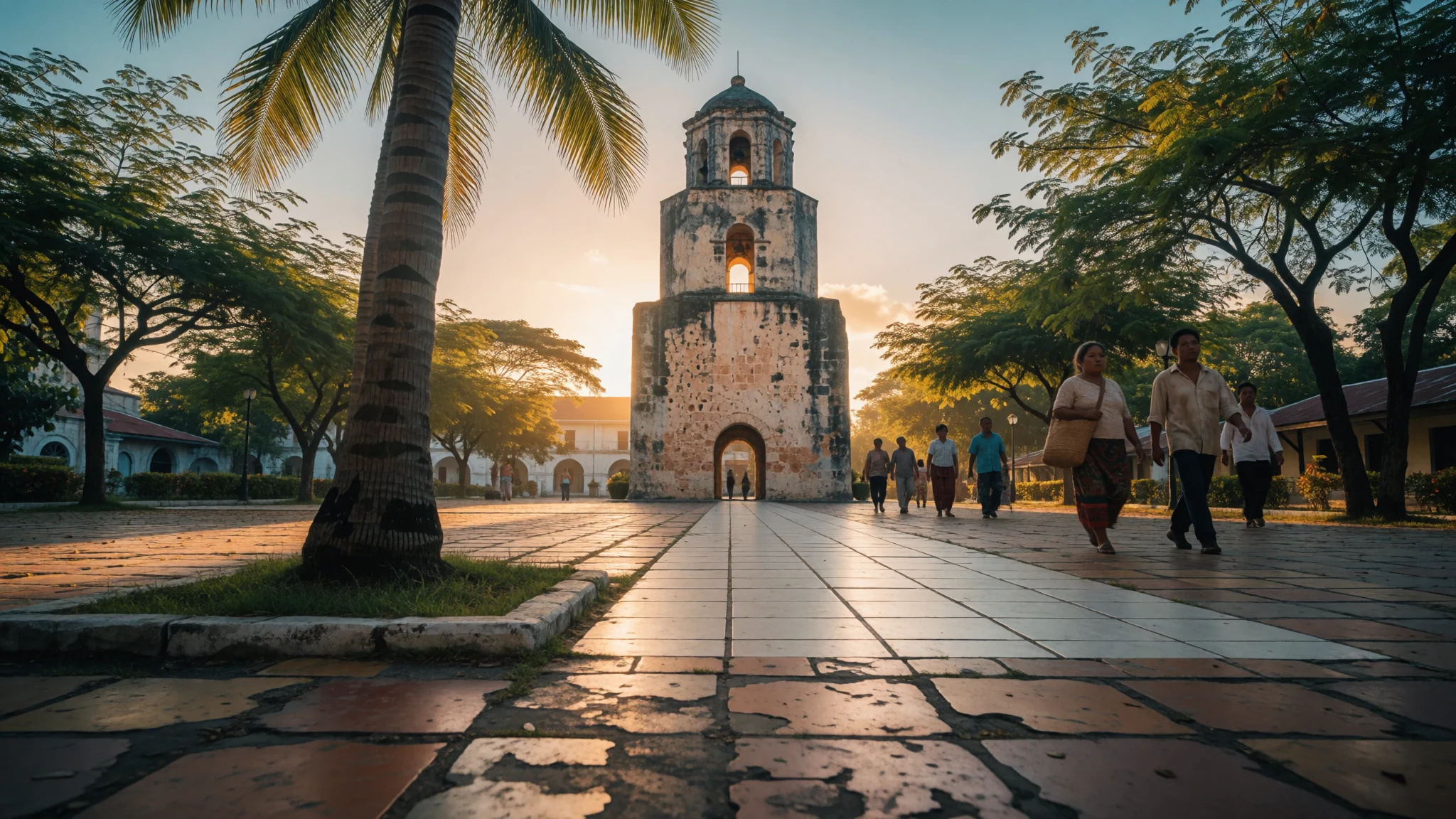
Dumaguete has older roots than its Spanish-era churches suggest. Archaeologists studying this part of Negros have argued that a chiefly polity, busy with trade and craft production, was already established around the Tanjay river centuries before Spanish ships arrived, and local tradition also speaks of settlers from Borneo who mixed with Cebuano-speaking neighbours. Under Spain the town grew into a prosperous district, and near the end of colonial rule a royal decree split Negros into two provinces, Oriental and Occidental, with Dumaguete named capital of the eastern one. Its bell tower dates from this period and once served as a lookout against sea raiders from Mindanao. When revolution reached Negros at the close of the Spanish era, revolutionary forces marched on the town, found the Spanish gone from the island, and a short-lived Negros Republic was declared. The Americans who followed regarded the Negros elite as dependable allies, and that relationship brought Presbyterian missionaries and, with them, Silliman University, the first American-founded university in Asia. It shaped the town into the student city it remains. In the Second World War, Japanese forces landed at Dumaguete in May, and the province surrendered soon after. Many residents fled to the interior mountains, where guerrilla groups kept up resistance for the rest of the occupation. The rebuilt, outward-looking town that emerged afterwards is the one visitors meet today.
What to see
- Bell Tower — Old centre, by the plaza
Dumaguete's Bell Tower stands beside the cathedral as a surviving piece of Spanish-era defence. It began as a watchtower, raising the alarm when raiders approached by sea from Mindanao. Today it is a quick stop in the old centre, best seen in the soft light of early morning or evening, when the plaza fills with walkers. - Cathedral of Santa Catalina — Old centre, by the plaza
The Cathedral of Santa Catalina is a Roman Catholic church built during Spanish rule, with thick stone walls that have outlasted generations of storms and repairs. The main plaza is laid out beside it. Services run through the week, so visitors should step in quietly, dress modestly and treat it as a working place of worship first. - Silliman University Hall — Silliman University campus
Silliman Hall dates from the early American period and shows Victorian Stick Style carpentry, an unusual sight in the tropics. The wider campus is pleasant for walking under old trees, and it holds a church with stained glass, museums and a small zoo, so an unhurried morning here covers a lot of ground. - Silliman University Anthropology Museum — Silliman University campus
The Anthropology Museum holds Philippine artefacts excavated from different parts of the country, some of them hundreds or even thousands of years old. It is small enough to finish in under an hour. Opening days can follow the academic calendar, so check with the university before making a special trip. - Silliman Zoo — Near the Silliman campus
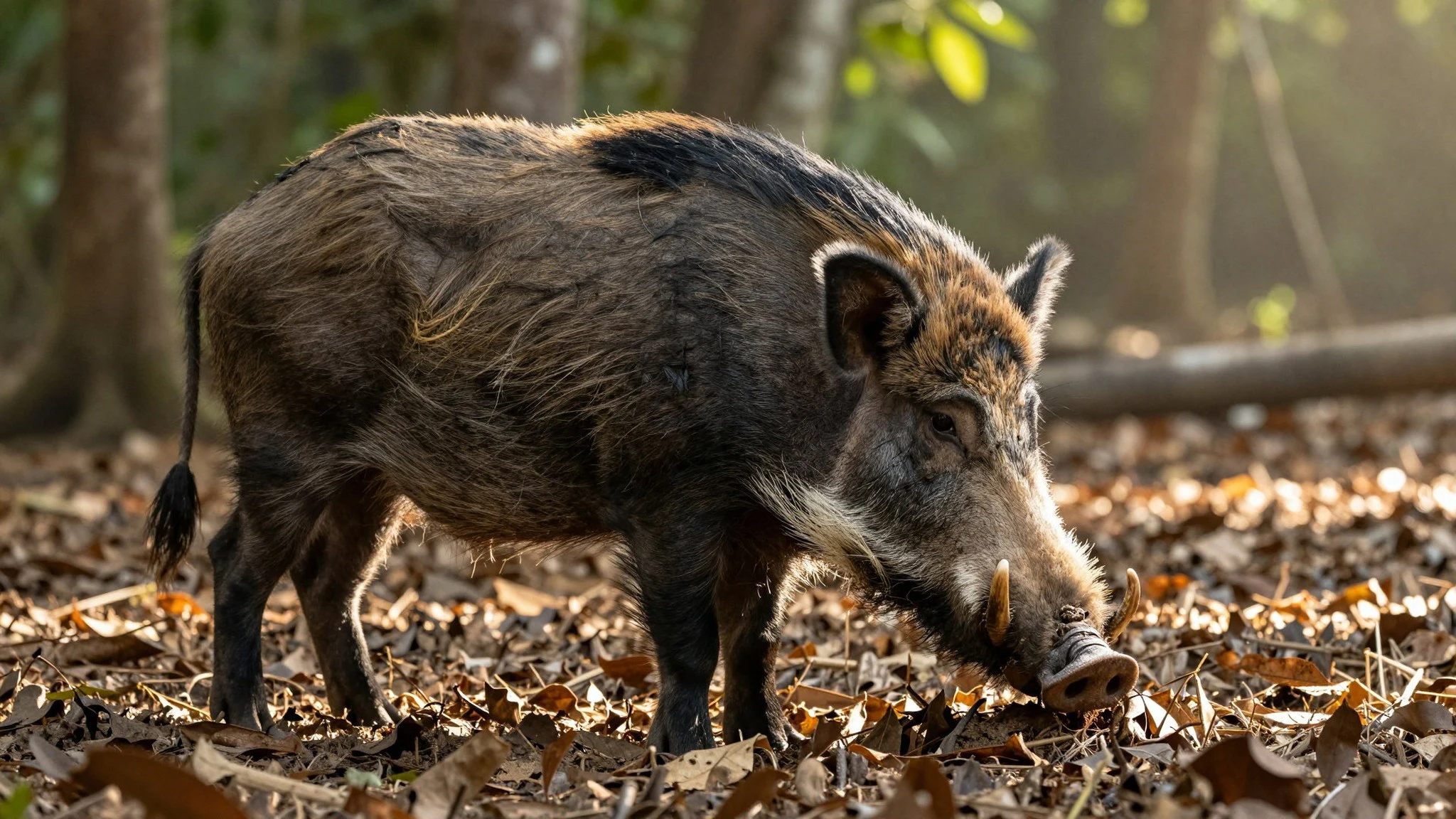
Silliman Zoo keeps native Philippine animals that are seldom seen elsewhere, including spotted deer, warty pigs and crocodiles. It is modest rather than polished, and its conservation work depends on visitor support, so a donation helps. Go early, before the midday heat makes both the animals and the walking sluggish.
Culture
Dumaguete's culture is shaped by its mix of Catholic and Protestant heritage, Visayan hospitality and the constant presence of students. Cebuano is the everyday language, English is widely understood, and conversation tends to be friendly and unhurried. The city has a long reputation for reading, writing and theatre, helped by Silliman University and the other campuses, and the cultural calendar follows the academic year, with performances, talks and exhibitions concentrated in term time. Evenings belong to the seafront promenade, where families, couples and joggers share the walkway and street vendors set up as the light fades. Churches are central to community life, and the old cathedral and the university church each draw their own congregations. Visitors will also notice how security-conscious the town is: many large houses sit behind walls and gates, businesses pull down metal shutters at closing time, and guards at some malls and department stores check bags or scan customers with hand-held detectors before entry. This is routine and is not a sign of trouble, and it is best met with patience and a smile. Beggars and touts exist but are generally mild by regional standards, and a polite refusal usually ends the matter. At churches such as the Cathedral of Santa Catalina, cover your shoulders and knees, keep your voice low during services, and ask before photographing worshippers.
What to wear
Dumaguete follows the national pattern of dress. The traditional formal garment for men is the barong Tagalog, a lightweight embroidered shirt worn untucked, usually made of piña (pineapple fibre) or jusi (a sheer silk-like cloth), and seen at weddings, graduations and official events. Women's formal dress is the baro't saya or the terno, with its stiff butterfly sleeves, and hand-woven hablon cloth from the Visayan islands appears in scarves, bags and occasional dresses. Day to day, people wear light T-shirts, shorts, jeans and sandals, with school and university uniforms visible on weekdays and neat, short-sleeved office wear in the centre. Beach clothes stay near the beach, and locals dress a little more smartly for church and for government offices. A visitor should pack light cotton or linen that dries fast, a sun hat, sunglasses and high-factor sun cream, because the climate is hot all year and especially so in April and May. Bring a thin rain jacket for the wet months from June to November. Sandals suit the city streets, while sturdy closed shoes with grip are better for volcano trails and wet paths. For churches, carry a shawl or light shirt to cover shoulders, and wear knee-length shorts or skirts.
What to eat
- Silvanas — Bakeries and gift-food shops in the town centre
Silvanas are frozen wafers of cashew meringue filled with buttercream and rolled in crumbs, a sweet that many Filipinos associate with Dumaguete. They are sold at bakeries and gift-food shops around the centre. Eat them cold, and expect to buy a box to carry home. - Budin — Local bakeries and the public market
Budin is a dense, lightly sweet cake of the kind made from cassava and coconut, common across the Visayas. It suits a mid-morning coffee or an afternoon snack, and the plainer local bakeries and market stalls tend to sell it fresh and cheaply. - Shawarma in pita — Small stalls and counters near the university streets
Beef or chicken shawarma wrapped in pita is a student staple here, cheap, filling and often finished with a sharp white sauce. Cheese can be added. It is a good quick supper after a day of walking, eaten on the street or at a counter. - Cafeteria-style Filipino meals — Cafeterias near the campuses and the plainer eateries away from the central strip
Student cafeterias serve pick-and-point Filipino plates: rice with a stew, grilled fish or pork, and a vegetable dish. They are the most economical way to eat well, and the plainer ones away from the central strip are where locals eat. - Chinese-style fried rice with siu mai — Casual Chinese-Filipino eateries in the centre
Pork or beef fried rice served with steamed siu mai dumplings reflects the Cantonese-influenced fast food found in Philippine towns. Vegetable fried rice is a good option for those who avoid meat. It is usually quick, filling and easy on the budget.
Plan it
Best time. December to March is the most comfortable stretch: the dry season has begun, rain is light and the heat has not yet peaked. April and May are the hottest months, while June to November is the wet season, with heavier rain and a greater chance of disrupted boat trips.
How long. 2–3
Getting there. Fly from Manila or Cebu to Dumaguete, or take ferries and buses (which cross by ferry for part of the route) from either city. For international arrivals, Mactan-Cebu International Airport is the easier connection. Bohol's Panglao Airport also links to Dumaguete by ferry. In town, tricycles and taxis cover the last leg.
Budget. low
Tips
- Allow plenty of time when changing planes in Manila or Cebu, because security queues at terminal entrances can be long, and carry a printed copy of your confirmed flight itinerary.
- Do the walking, sightseeing and boat trips in the morning, before the heat builds in the afternoon.
- Carry some cash for small eateries, tricycles and market stalls, and keep a card for larger shops.
- Expect bag checks and metal-detector wands at the entrances of malls and department stores.
- Check opening days for the Silliman museums and zoo before going, as they may follow the academic calendar.
Etiquette
- Dress modestly and keep your voice low inside churches, and ask before photographing people at worship.
- Greet people politely and be patient with security checks, which are routine in the city.
- Decline touts and beggars calmly and with a smile; this is usually enough.
Nearby
Sources
- Wikidata Q111387421 (CC0)
- Wikipedia: Dumaguete (rev 1385174230) (CC BY-SA 4.0)
- Wikivoyage: Dumaguete (rev 5435153) (CC BY-SA 4.0)
Wildlife
- Visayan spotted deer (animal)
The Visayan spotted deer is a small, endangered forest deer that likes to wander after dark. In Dumaguete you can meet it at Silliman Zoo, which cares for animals from the Philippines that are rarely seen elsewhere. Since it is mostly active at night, it may be resting or hidden when you visit, so be patient. Watch calmly from the visitor side, keep your voice low, listen to the zoo keepers, and never feed it.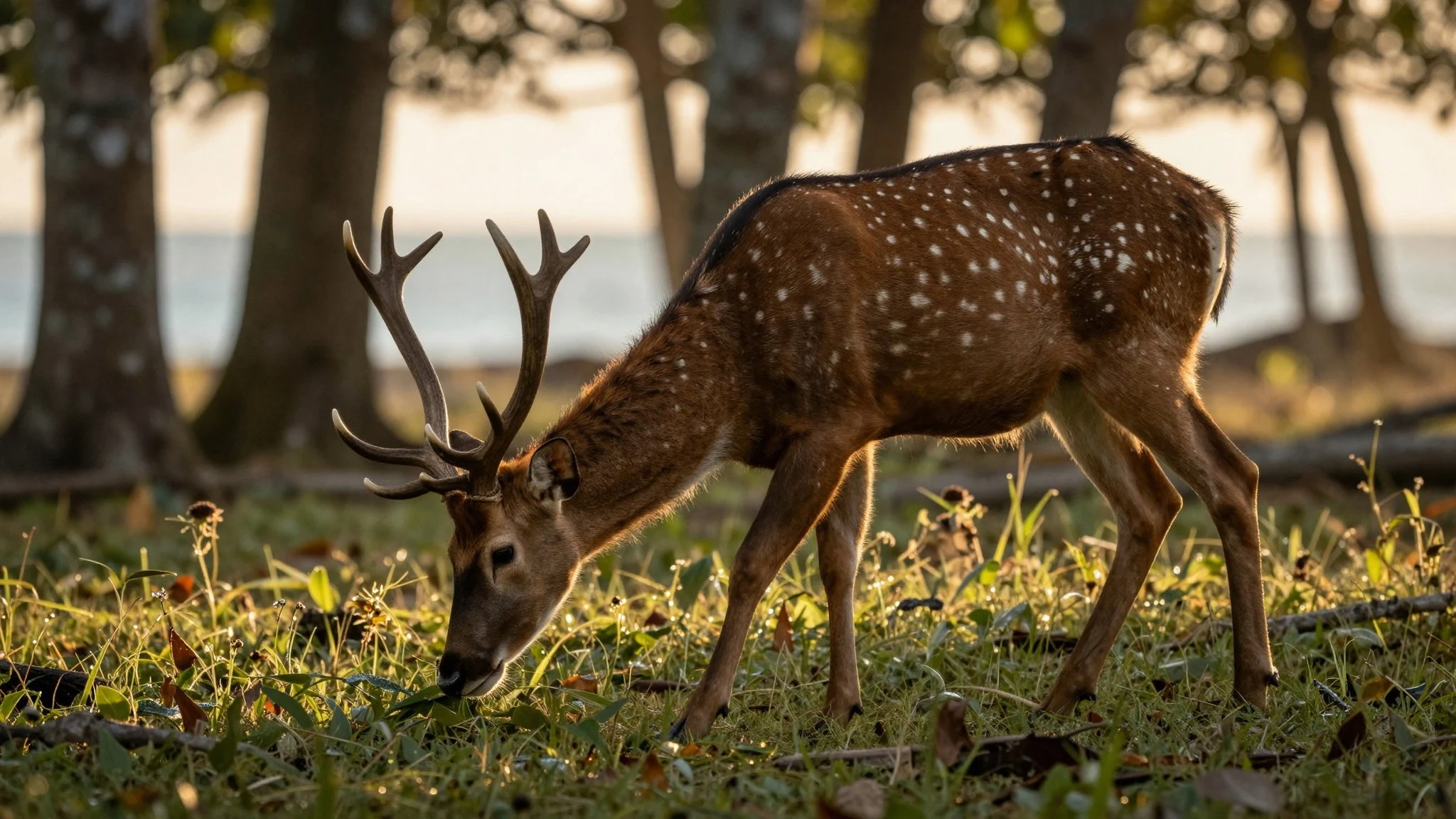
- Philippine warty pig (animal)
The Philippine warty pig is a wild pig with tufty hair on its head and jaws and four bumpy warts on its face; the males also grow tusks. In Dumaguete, look for it at Silliman Zoo, home to native animals that are rarely seen elsewhere. It is probably most active at night, so a visit may find it resting. Keep your distance, stay quiet, follow the keepers' guidance, and never feed it, as the species is vulnerable and declining.