Dortmund
Dortmund, Germany
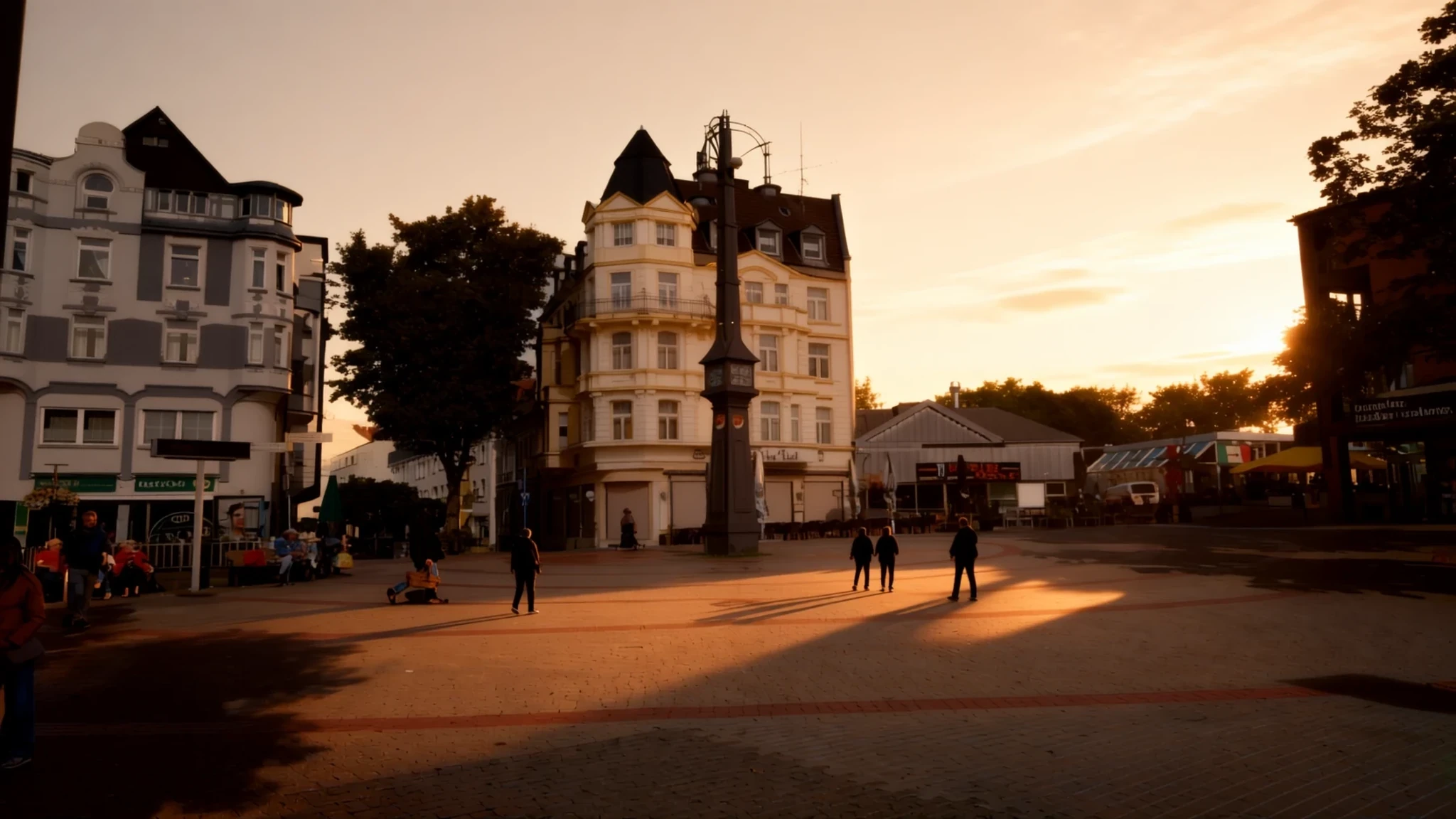
Dortmund mixes Ruhr history with lively city-centre architecture and easy day trips, without the crowds of Germany’s biggest drawcards.
The place
Dortmund sits in North Rhine-Westphalia and anchors the eastern Ruhr, on the Emscher and Ruhr rivers. It’s a working city rather than a postcard city: trams and buses weave through a landscape shaped by industry, while the centre still feels social and human, especially around the city’s old marketplace and civic buildings.
The vibe is surprisingly easy to explore on foot. Alter Markt and the surrounding streets give you a sense of how the city lives now—cafés, errands, and people moving between shops and culture venues. A short detour brings you to landmarks that tell a different story: the Neo-Renaissance character of Altes Stadthaus, the church history at Marienkirche, and the distinctive “U” skyline presence of Dortmunder U, once connected to the city’s industrial life.
Weather-wise, Dortmund is a proper European city: spring is often mild and green, autumn turns crisp, and winter is the dampest and chilliest time if you’re out for long. The river and parks help, but the Ruhr’s wind can cut through quickly.
Because Dortmund is big but not “super-famous”, crowds are usually manageable. You’ll still see weekend bustle in the centre, and major events can swell numbers near performance venues and the U-Tower area. For day-to-day travel, plan for straightforward transit, comfortable walking shoes, and a bit of flexibility—this is a city where local culture matters as much as the headline sights.
Its story
Dortmund’s story begins with a hillfort called the Sigiburg overlooking the River Ruhr near its meeting with the Lenne. Later, the ruins of the Hohensyburg castle sit on the same ground, a reminder that this area has been strategic for a long time.
The first official mention lands around the year 882 under the name Throtmanni. The town’s early importance shows up in gatherings that took place there, including an ecclesiastical council in 1005 and an imperial diet in 1016. In the Middle Ages, Dortmund developed as a key city in the region connected to the Rhine, Westphalia, and the Netherlands Circle of the Hanseatic League, which helped trade and wealth flow through the place.
Conflict and disaster are part of the record. The Thirty Years’ War brought destruction and a drop in significance, and the city later went through a major shift with industrialisation, when coal, steel, and beer helped define the Ruhr’s economy. The most devastating chapter came in World War II, when heavy bombing raids destroyed most of the inner-city buildings on 12 March 1945.
Even with that rupture, Dortmund’s identity didn’t vanish; it reassembled. Churches and civic architecture survived or were replaced, and modern cultural spaces now sit alongside older urban layers. The result is a city where the past is visible in street plans, façades, and place names, while day-to-day life keeps moving—work, leisure, and creativity all sharing the same streets.
What to see
- Alter Markt — City centre (Innenstadt)
Alter Markt is Dortmund’s long-running marketplace area, still acting as a social hub in the centre. It’s a good place to start for the feel of the city, with pedestrian movement and plenty of everyday life around it rather than staged sightseeing. Look for the mix of historic layout and modern streetscape.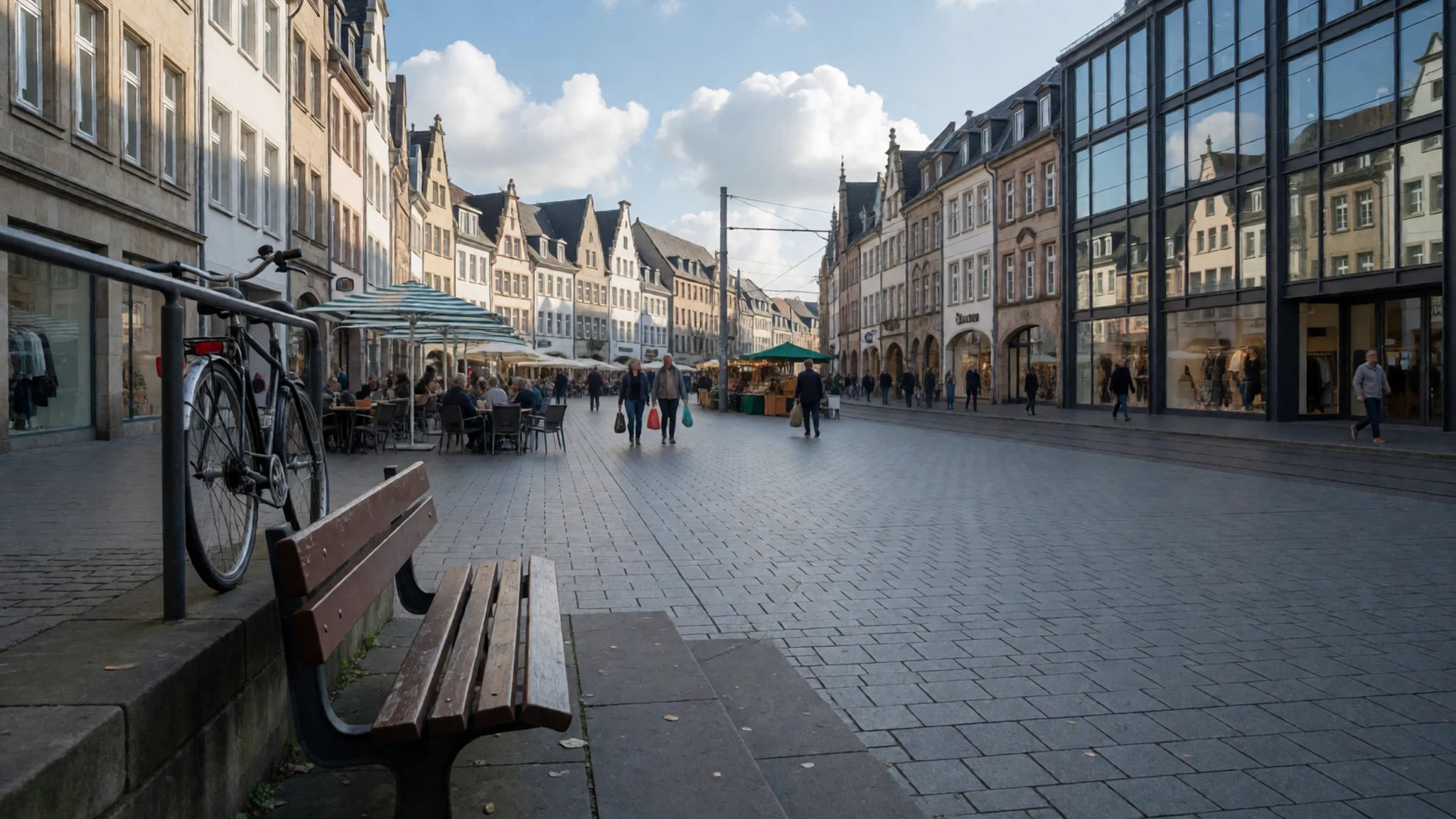
- Altes Stadthaus — City centre (Innenstadt)
Altes Stadthaus is Dortmund’s Old Civic Hall, known for its Neo-Renaissance façade and the eagle detail representing the city. The building is a strong visual anchor for the civic side of Dortmund, and it photographs well from across the square. Even if you only do a quick look, it sets the tone for the centre’s architecture.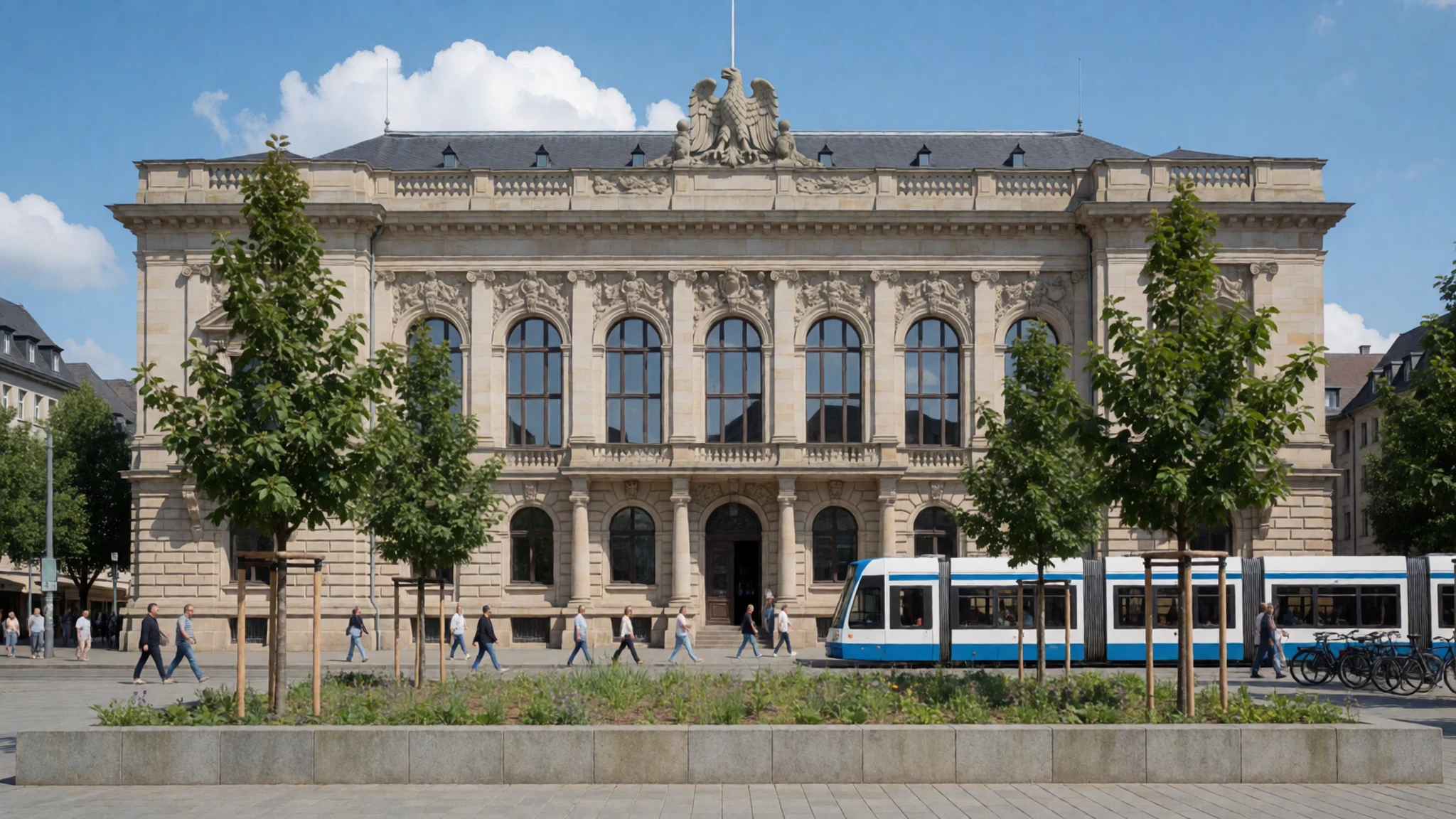
- Dortmunder U — City centre / near Ostwall area
Dortmunder U is Dortmund’s “U-Tower”, a landmark many visitors use as a reference point. The tower connects the city’s industrial past with current creative life; you’ll see it framed by urban energy, workshops, and cultural programming. It’s also an easy stop when moving between central streets and museums.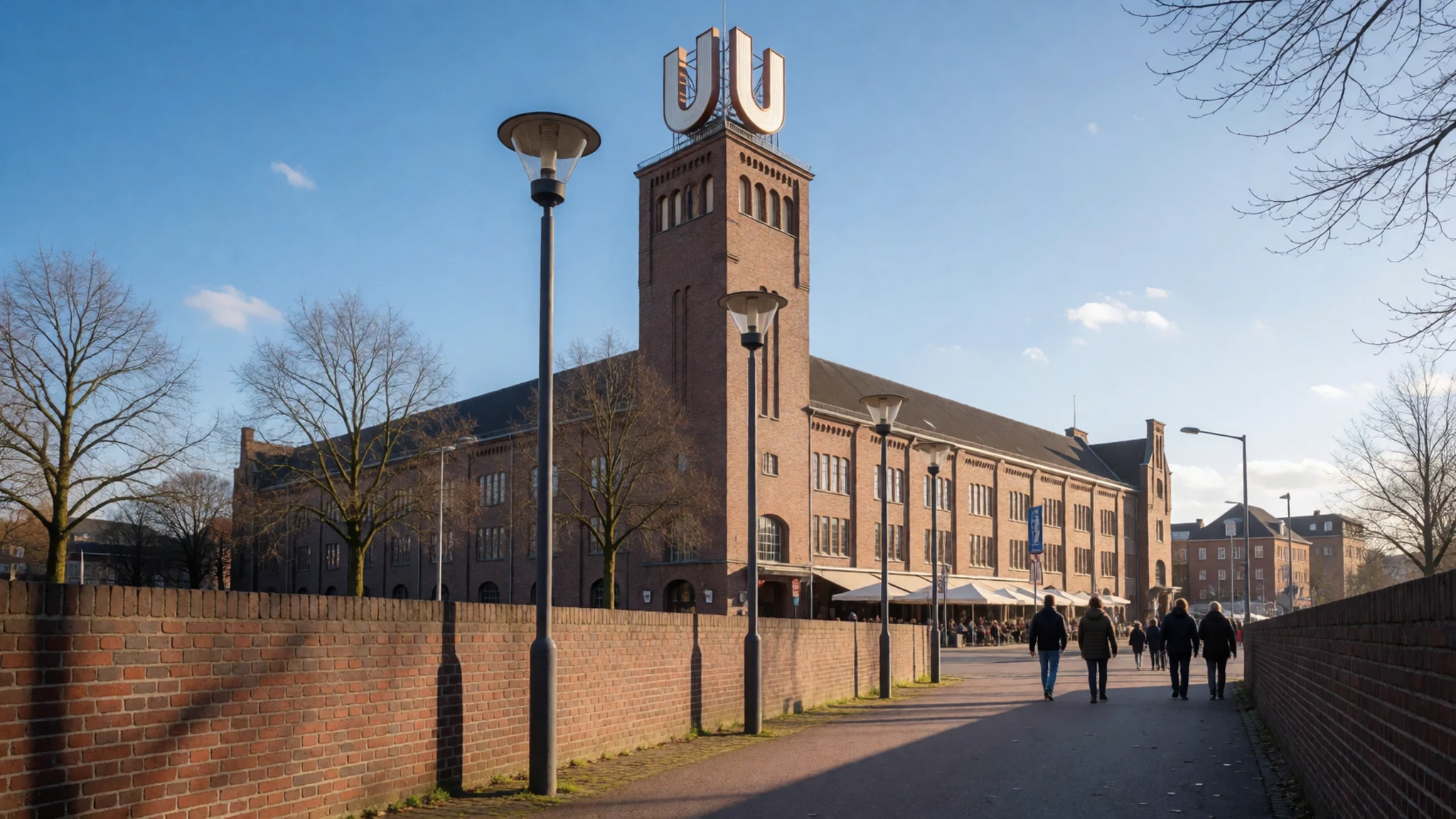
- Marienkirche — Innenstadt, near Westenhellweg
Marienkirche stands at the eastern end of Westenhellweg in the Innenstadt and is known as the oldest church building still standing in Dortmund’s inner city. The church is a quiet contrast to the bustle of shopping streets, with a calm exterior that makes a simple pause worthwhile. It’s a good “architecture + atmosphere” stop.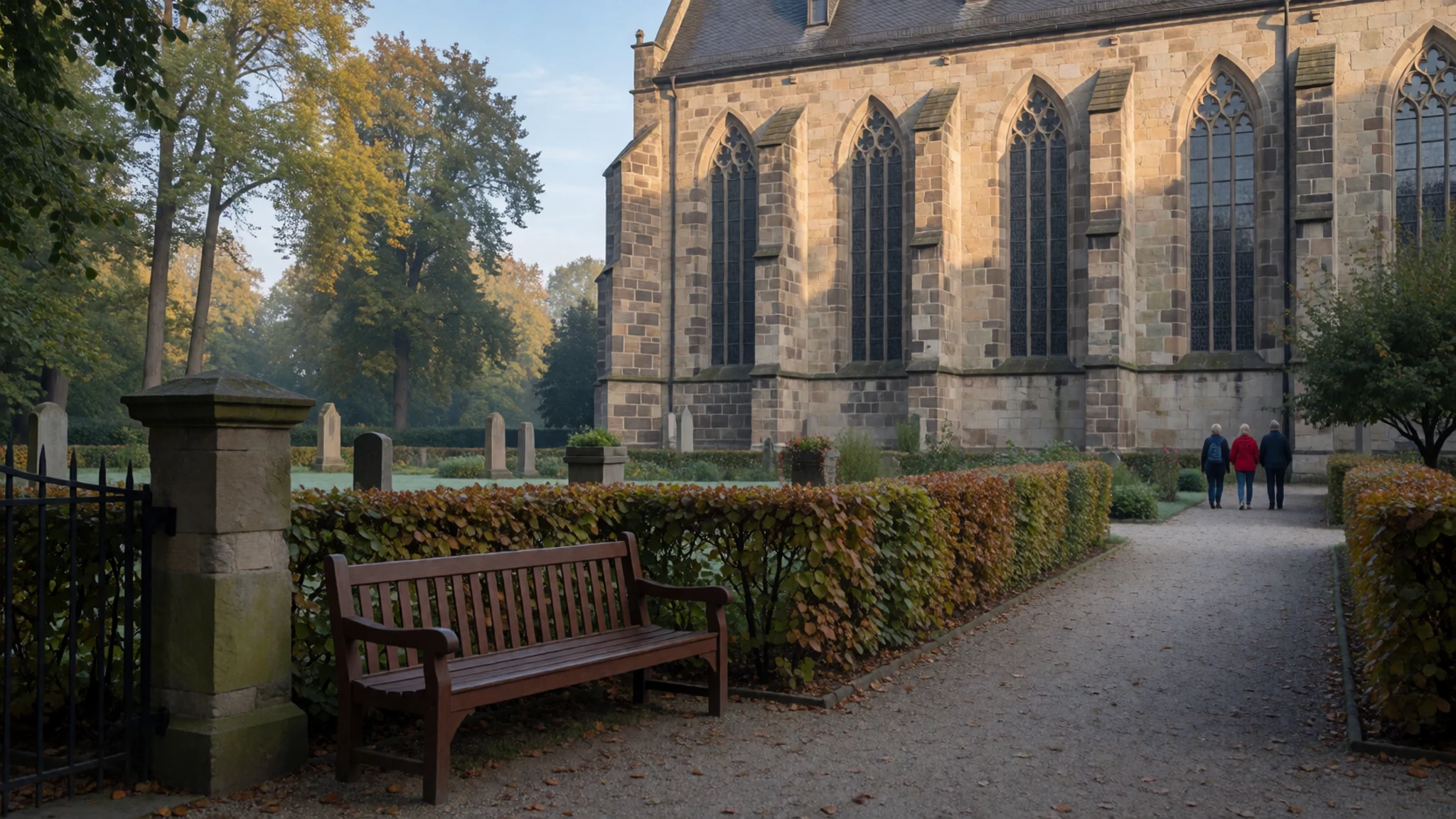
- Kokerei Hansa — Huckarde district
Kokerei Hansa is an industrial monument in Huckarde district, linked to the Ruhr’s industrial heritage trail. For visitors, it’s one of those places where history feels physical: structures, textures, and the sense of how industry shaped daily life. The setting also makes it ideal for a slower walk and photos.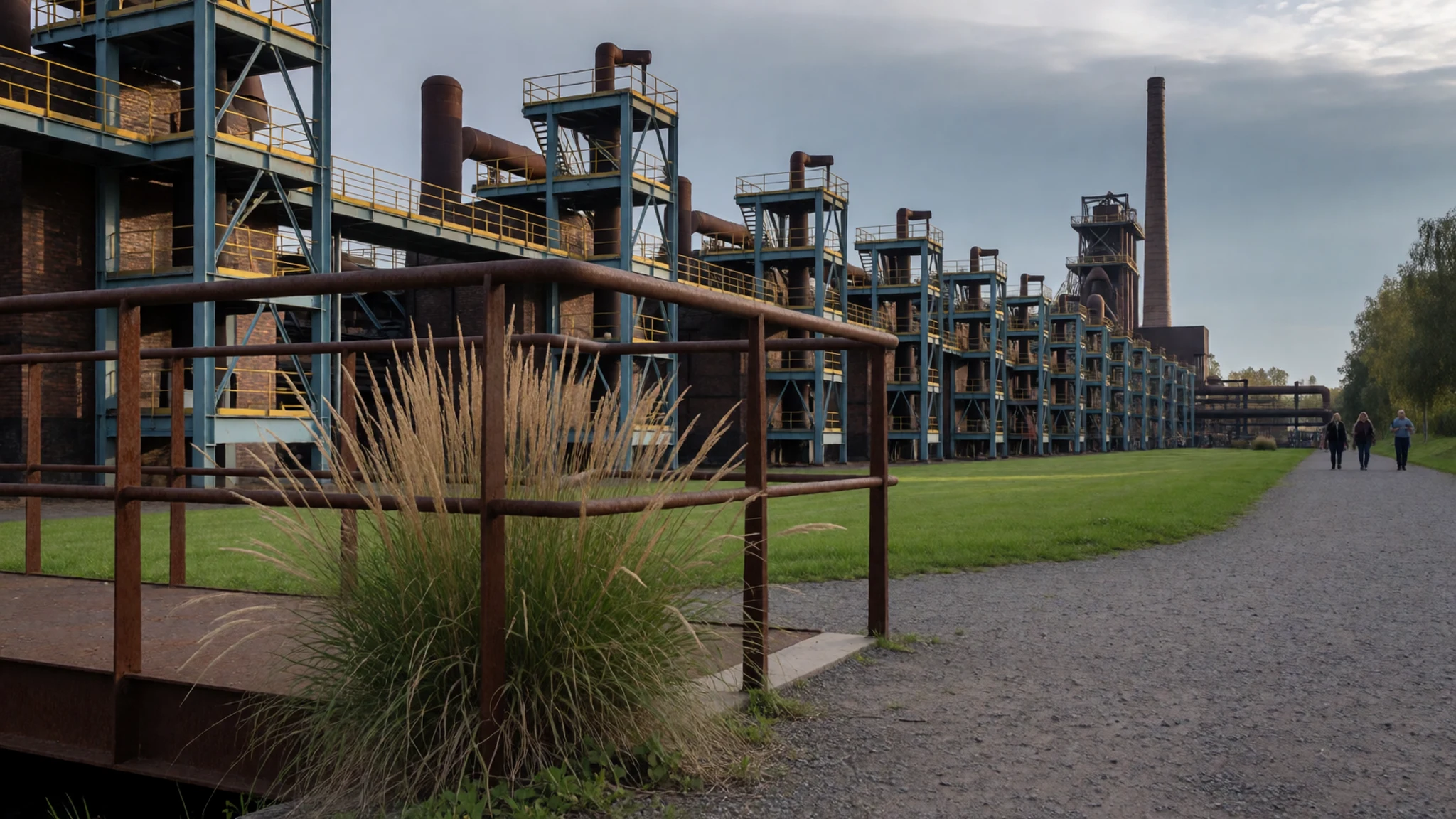
Culture
Dortmund’s culture leans heavily into music and performance, with a calendar that tends to feel “local” in the best way. The city has long ties to orchestral work and opera: the orchestra founded in 1887 and the Opernhaus Dortmund reopened after war damage, with the Konzerthaus Dortmund among the venues operated by Theater Dortmund. If you like theatre and live music, Dortmund can deliver without you needing to hunt across multiple cities.
There’s also a strong creative-economy thread connected to Dortmunder U. Once a brewery, the “U” has become a European centre for creative work and arts, with the Museum am Ostwall among its cultural offerings.
For jazz lovers, Domicil Jazz Club is widely known, including for being ranked among the best jazz venues by the magazine DownBeat.
What does that mean on the ground? People gather for performances and events, and the city’s public spaces tend to feel occupied even when the weather isn’t perfect. If Dortmund’s industrial background is all about coal and steel, its cultural side is about rhythms, stages, and community.
Visitor etiquette: keep your phone on silent in churches and concert spaces, and queue politely for entry during popular event nights.
What to wear
Dortmund doesn’t have a single “everywhere” traditional outfit that locals wear daily, but Westphalia and the wider North Rhine-Westphalia region do have textile traditions tied to regional festivals, church life, and holiday gatherings. When traditional dress appears, it’s usually for events—think embroidered blouses and skirts, or more formal regional garments worn for parades and performances rather than everyday streetwear.
What people wear day to day in Dortmund is modern European casual: jeans, trainers, light jackets, and layers that suit changing weather. Even in warmer months, evenings can cool down, and winter can feel damp.
For visitors, the practical approach wins. Wear comfortable footwear for walking between the city centre streets and the industrial sites around the Ruhr trail, because surfaces can be mixed—tram areas, cobbles, and longer outdoor paths. In religious buildings such as Marienkirche and St. Reinoldi, choose clothing that covers shoulders and keeps hemlines sensible, and bring a light layer for entry where doors may be drafty. A small umbrella or rain jacket is worth packing in wetter months—Dortmund rain shows up without much warning.
What to eat
- Böckels Beste (currywurst and fries) — Near city-centre streets around Alter Markt
Böckels Beste is known for German currywurst with fries, a straightforward Ruhr comfort-food option when you want something fast and filling. It’s the kind of meal that fits market and city-centre wandering.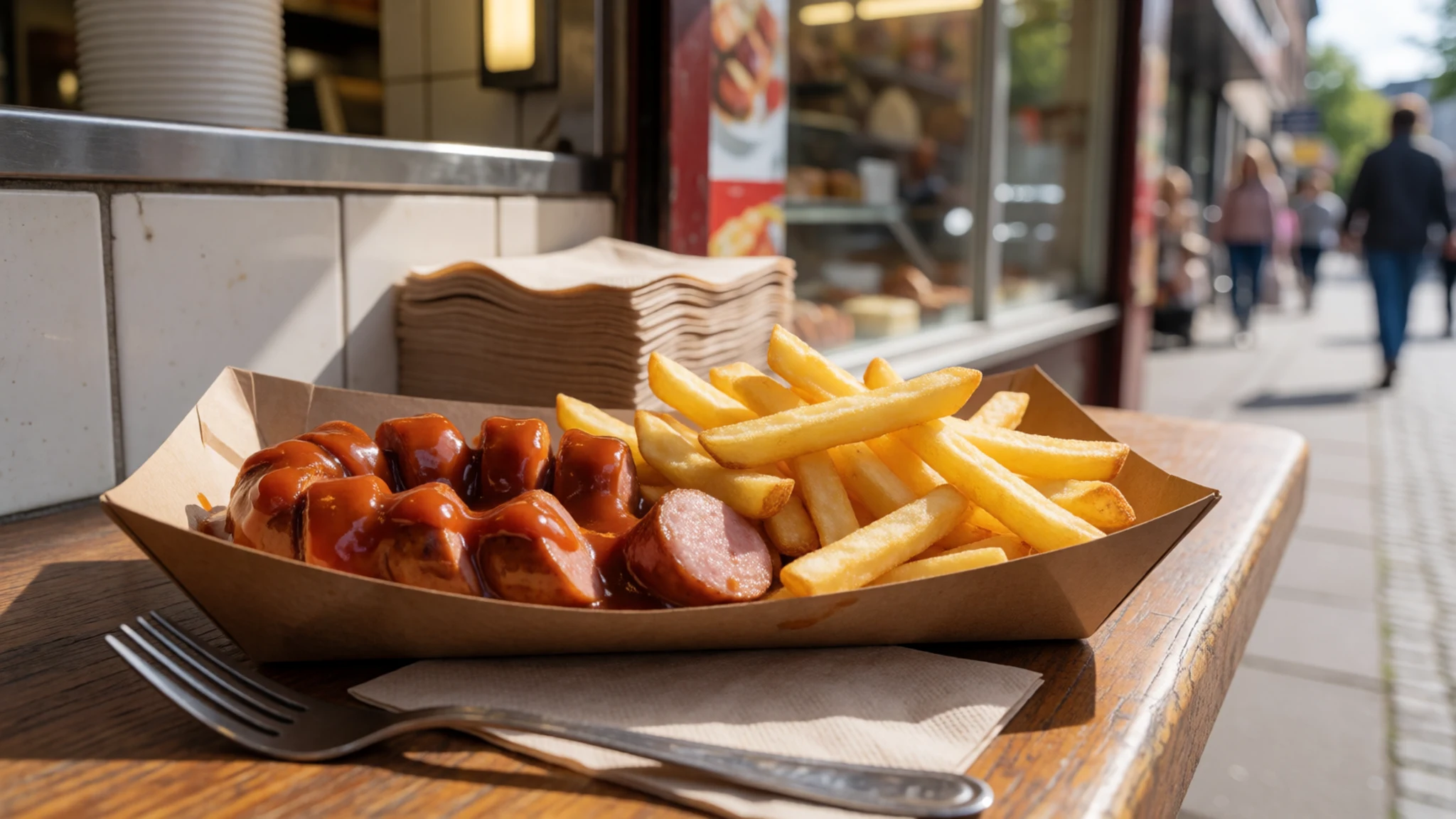
- Crepe-Moni (savoury and sweet crepes) — City centre (near Westenhellweg area)
Crepe-Moni focuses on crepes, with both savoury fillings and sweet options. It’s an easy stop for a quick snack between sights, especially if you’re pacing a self-guided day.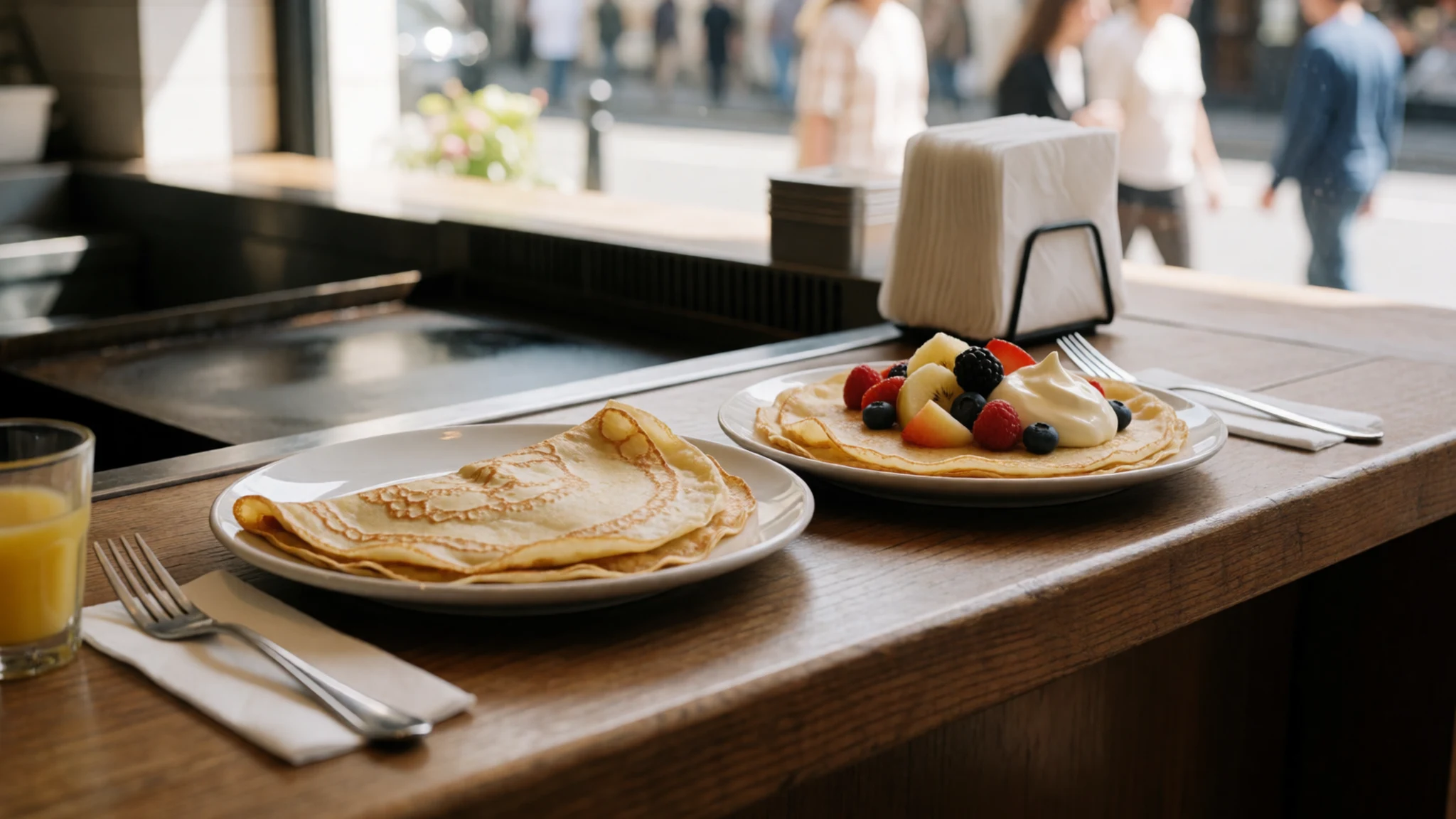
- Kartoffel Pott Marienkirche (potato pot fast food) — Near Marienkirche in the Innenstadt
Kartoffel Pott Marienkirche serves potato-based “pots” in different variations, including vegetarian and vegan options. It’s a filling, casual eat that works well when the weather is chilly and you want something warming. - Müllinger´s (crepes) — City-centre walking zone
Müllinger´s is another crepe stop offering a mix of savoury and sweet choices. If one crepe place has a queue, this is a nearby alternative for keeping your day moving. - Wochenmarkt Dortmund (prepared food at the weekly market) — Weekly market in Dortmund city centre
The Wochenmarkt Dortmund is a weekly market where prepared food is part of the experience, not just shopping for ingredients. It’s a good place to sample a few small bites and balance heavier meals with lighter snacks. - Wurst Willi (currywurst and fries) — City-centre area near main pedestrian routes
Wurst Willi is built around currywurst and fries, another classic for anyone trying Ruhr-style street food. It’s a handy late-morning or early-evening option when you want something uncomplicated.
Plan it
Best time. May to August is the most comfortable stretch for walks, with the hottest temperatures, while October to November is cooler and tends to stay damp; winters are the chilliest and wettest months.
How long. 3–4
Getting there. Fly into Dortmund (via local transport) or use a major German hub such as Cologne/Bonn area, then connect by rail to Dortmund Hauptbahnhof; from the station, trams and buses make the centre and nearby sights straightforward.
Budget. mid
Tips
- Start in the city centre early to beat weekend bustle around Alter Markt and main shopping streets
- Route your day with a “centre + one out-of-centre” idea: for example, Marienkirche/Altes Stadthaus first, then Dortmunder U or an industrial stop
- Plan for rain: carry a compact jacket and expect quick weather changes
- For industrial heritage areas, allow extra time to slow down for photos and reading the site context
- If a performance at Opernhaus Dortmund or Konzerthaus Dortmund is on your list, check the schedule ahead so the rest of the day can fit around it
Etiquette
- Keep voices down and switch phones to silent in churches and performance venues
- In religious buildings, dress modestly with shoulders covered and avoid shorts or very revealing tops
- Follow any queueing rules at ticket desks and museum entrances, especially on event nights
Nearby
Sources
- Wikidata Q1295 (CC0)
- Wikipedia (rev 1384642536) (CC BY-SA 4.0)
- Wikivoyage (rev 5401229) (CC BY-SA 4.0)
- Photo photos/01-dortmund-altes-stadthaus-dortmund-20180305155944.jpg (CC BY-SA 4.0)
- Photo photos/02-platz-der-deutschen-einheit.jpg (CC BY-SA 4.0)
- Photo photos/03-dortmund-oper-kaufmann.jpg (CC BY 3.0)
- Photo photos/04-union-brauerei-dortmund.jpg (CC BY 3.0)
- Photo photos/05-nrw-dortmund-friedensplatz-altes-stadthaus-04.jpg (CC BY 3.0)
- Photo photos/06-reinoldikirche-dortmund-01.jpg (CC BY-SA 4.0)
- Photo photos/07-dortmund-by-braun-hogenberg-middle-size-109096638.jpg (Public domain)
- Photo photos/08-probsteikirche-baegert-altar-1470-marien-reinoldi.jpg (Public domain)


