Donsol
Donsol, Philippines

Donsol is a slow Bicol fishing town where the sea, a famously gentle giant fish and simple beach days set the pace.
The place
Donsol is a low-lying coastal municipality in Sorsogon province, near the southern end of Luzon in the Philippines' Bicol region. It sits only about 13 metres above sea level, and its population of 51,781 is spread across a patchwork of barangays, the smallest units of local government, from a compact town centre to farming and fishing villages along the shore. Most residents speak Eastern Miraya, a Bikol language, though Tagalog and English are widely understood around the tourist strip. The setting is rural rather than polished: coconut palms, rice and vegetable plots, fishing boats pulled up on grey-brown sand, and small resorts strung along the beach road. Nothing here is a grand monument. The draw is the sea, and the rhythm of a working town that happens to host visitors. Distance explains why it feels remote. Donsol lies about 94 km from Legazpi, the usual gateway, and about 571 km from Manila by road, so most travellers fly to Legazpi and finish the journey overland. Expect heat, humidity and water whose clarity changes with weather and plankton. Donsol works best as a base for two or three unhurried days: early boat trips, long meals of fresh fish, evenings on the sand. It suits people who are content with simple rooms, patchy phone signal and plans that bend to the weather and the boatmen's judgement.
Its story
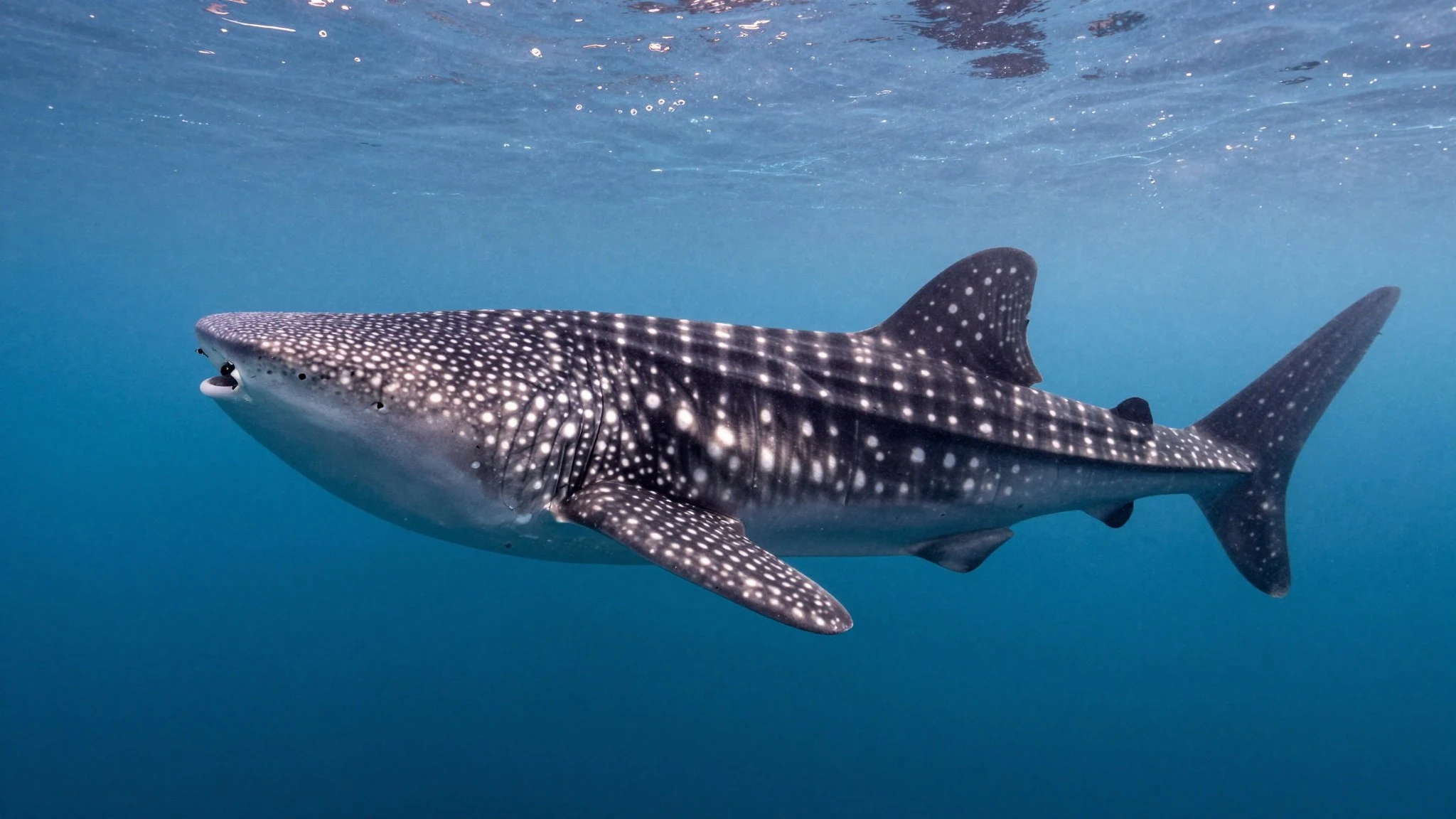
Donsol became known far beyond Sorsogon because of the butanding, the local name for the whale shark. Plankton-rich water draws these huge, slow, filter-feeding fish close to the coast, and in the past they gathered here for much of the year, from November to June, with sightings peaking from February to early May. An adult can reach about 12 metres in length. Word spread among divers and wildlife enthusiasts, and a small fishing town found itself with a visitor economy. The community response matters as much as the animals. Boat crews and trained interaction officers were organised through a visitor centre, swimmers were briefed on strict guidelines, and the idea was that watching, rather than touching or chasing, could give residents a living and the sharks a reason to be left in peace. Donsol remains a town of modest incomes, and the share of residents living in poverty has fallen over recent years while staying a real concern. The present-day picture is less tidy than the old postcards. Sightings have become scarce, and current guidance says the sharks are now mostly met by scuba divers rather than on surface swims. Any encounter should be treated as luck, not a promise, and operators should be asked what is actually being seen this season. The town's fortunes still lean on the sea's moods, and on how carefully its visitors behave.
What to see
- Whale shark interaction and the Visitor Centre — Barangay Dancalan
Donsol's whale shark encounters begin at the Visitor Centre in Barangay Dancalan, where swimmers register, are briefed and are assigned an interaction officer. The rules are strict and worth respecting. Sightings are now unreliable, so ask staff what has been seen recently before paying for a boat.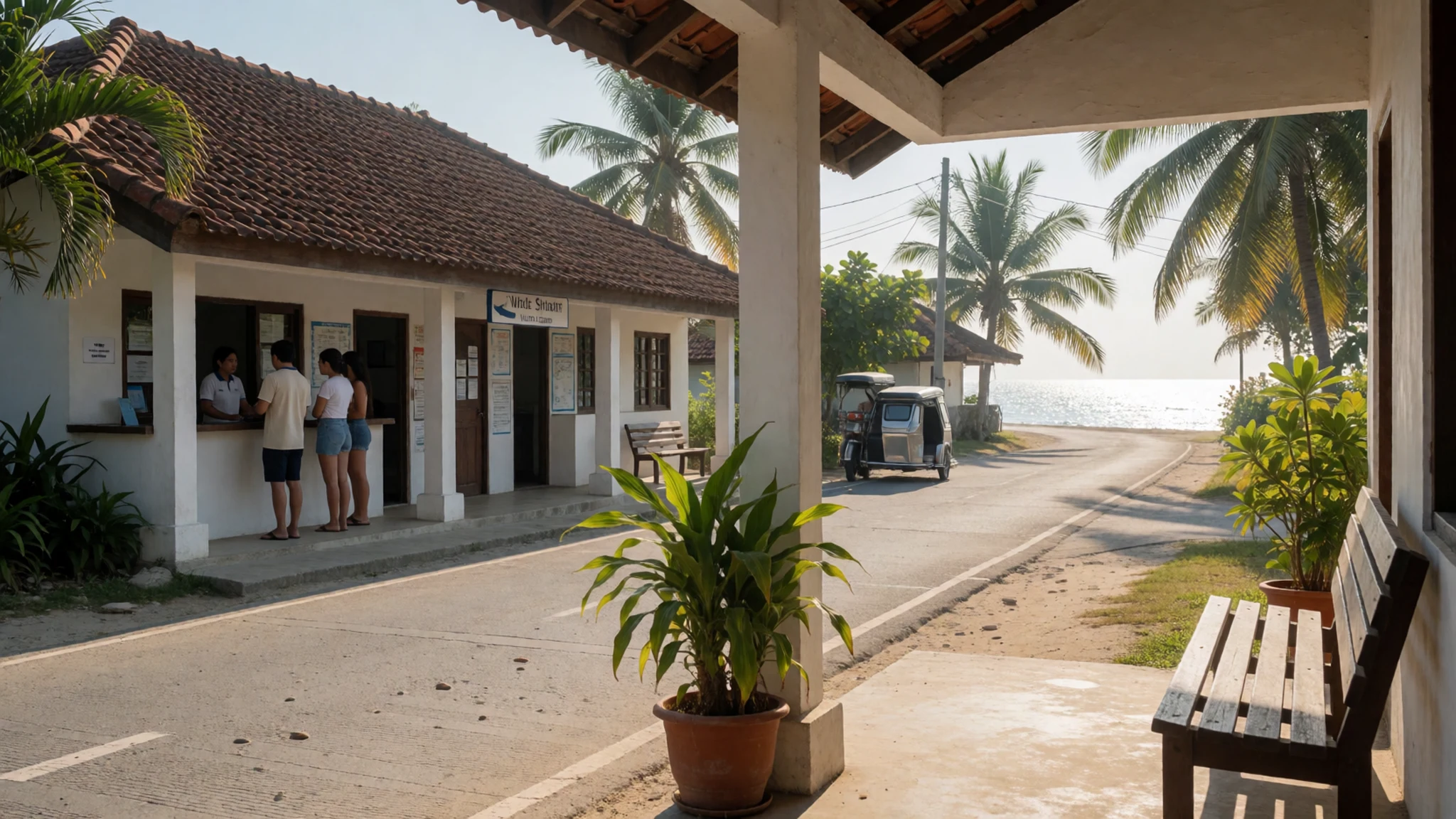
- Guided naturalist tours — Donsol coast
Some operators run guided whale shark trips between February and May, with naturalist guides who get into the water with the group and know how to keep a safe, respectful distance. Packages sometimes start in Manila. Compare what is included, and check the town's official site for current arrangements.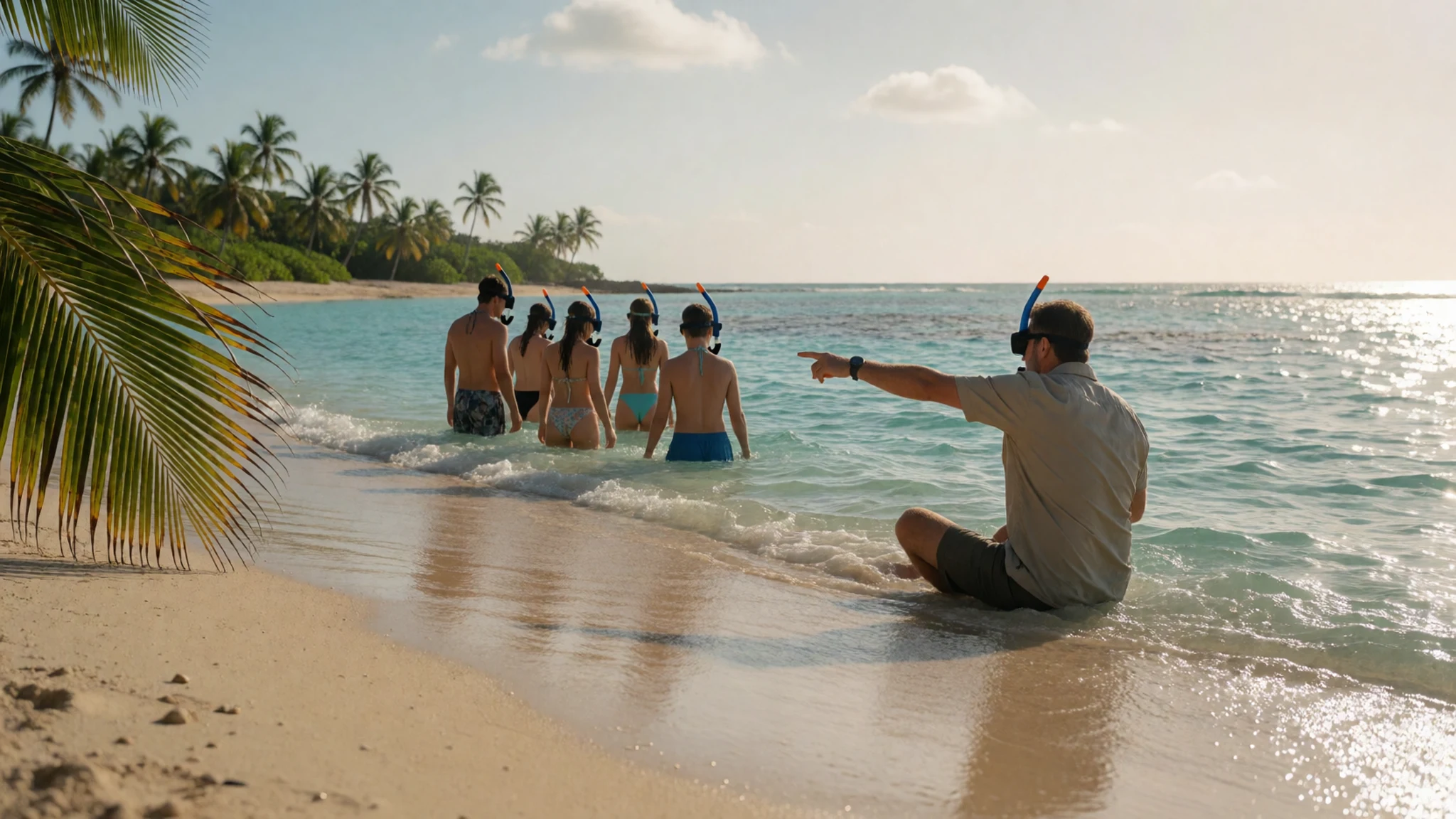
- Diving at San Miguel Island and Manta Bowl — Offshore from Donsol
Because surface sightings have dwindled, scuba diving is now the more likely way to meet whale sharks. Dive centres near the tourist office run courses and day trips to San Miguel Island and Manta Bowl, and one resort is PADI accredited. Minimum group sizes can apply, so ask early.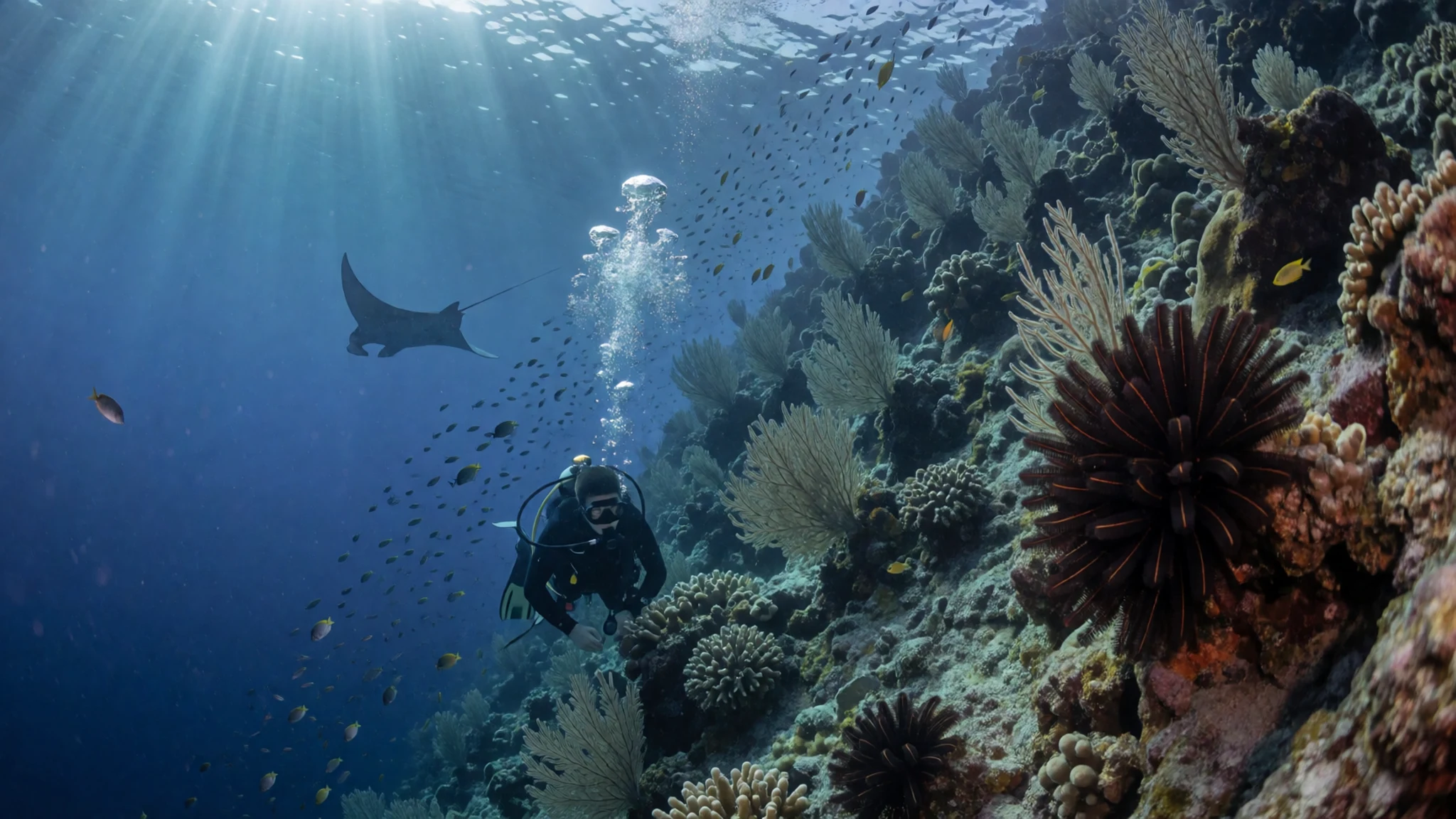
- Island hopping and snorkelling — Donsol coast and nearby islands
Dive operators and resorts also arrange island-hopping and snorkelling outings on calmer days. These are simpler and more reliable than hunting for sharks, and they give a feel for the local marine life. Boat trips depend on weather, so keep a day spare in the plan.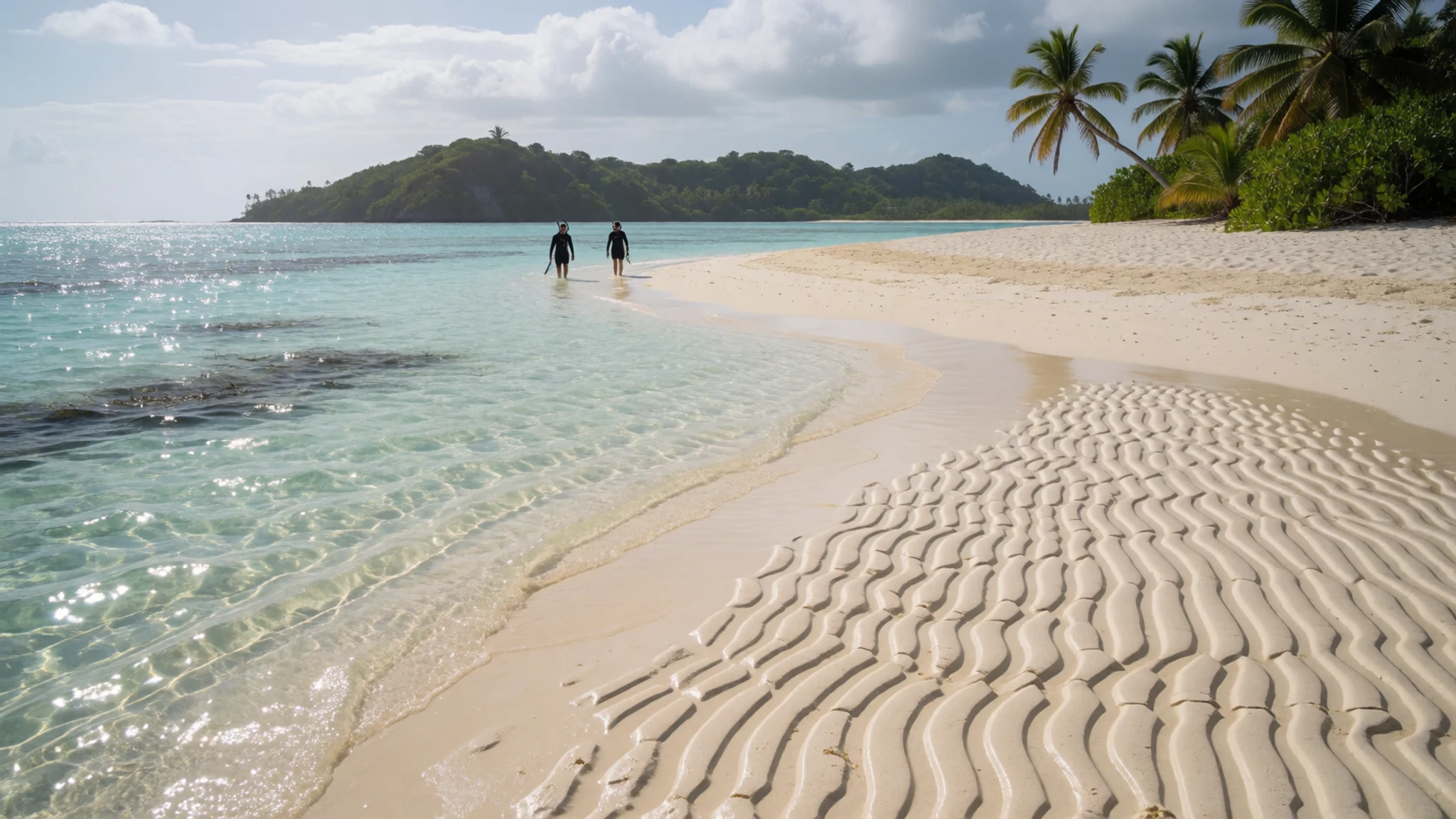
- Beach sunsets — Donsol beachfront
The beach road is the town's evening living room. Fishing boats sit on the sand, resort restaurants light up and the sky turns orange and pink over the water. It costs nothing, needs no booking and makes a good end to a hot day of boat trips.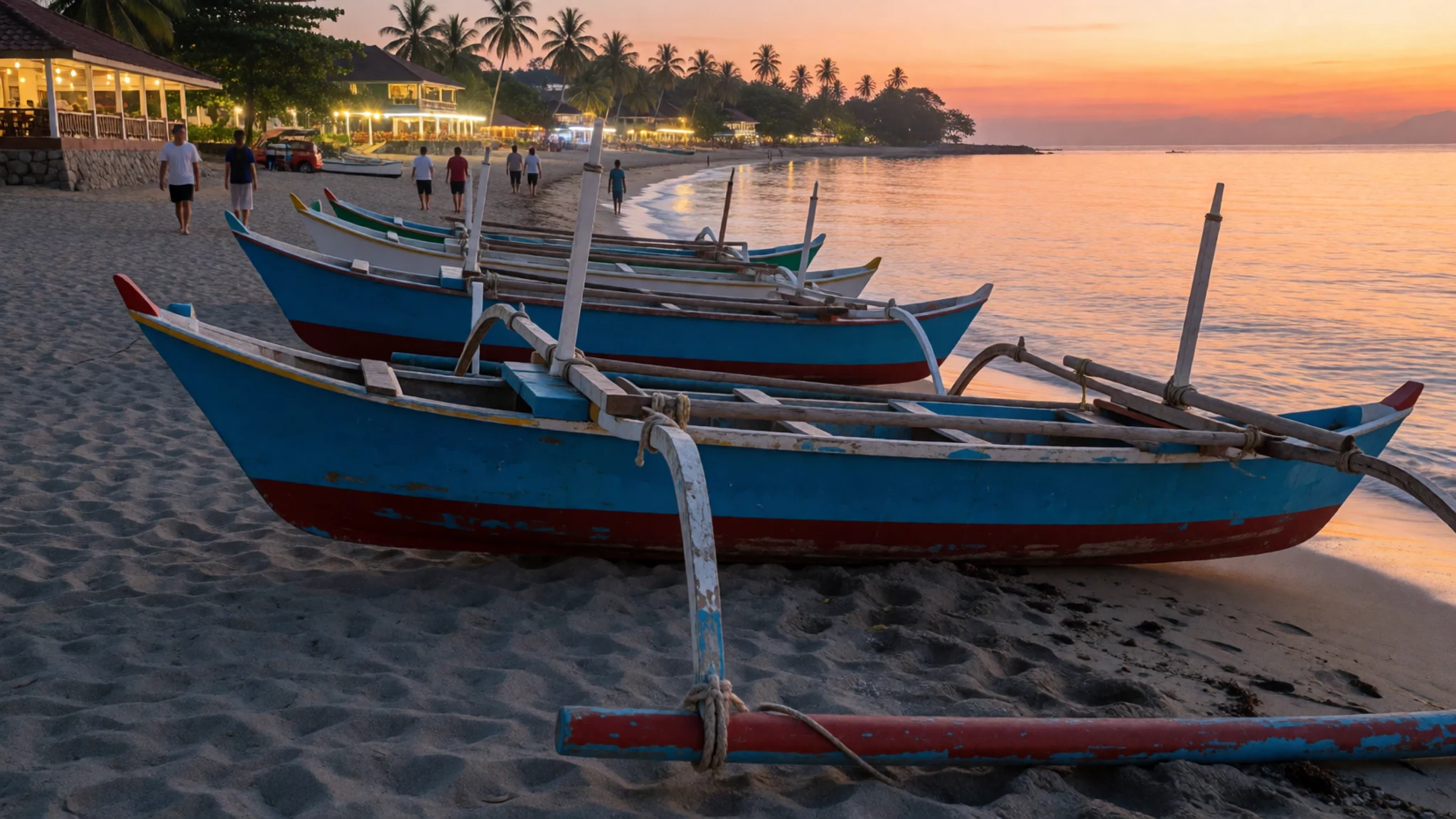
Culture
Donsol is a largely Catholic town, and church life shapes the calendar. Each barangay has its own patron saint, and each holds an annual fiesta with a Mass, a procession, music, shared meals and open houses where visitors are often welcomed as guests. Iglesia ni Cristo is the second largest religious community, with several local congregations, so the town is not uniform in belief or practice. Life here is organised around the sea and small farms. Fishing crews leave early, and families tend to eat together at the main meal. Bikol is the everyday language, with Tagalog and English as useful bridges, and a few local words offered with a smile are appreciated. Tourism has added a second layer of work: boatmen, guides, resort staff and the interaction officers who look after swimmers. These are neighbours with a stake in the sea staying healthy, which is why the rules around wildlife are taken seriously rather than treated as red tape. Courtesy counts for a lot. People are generally friendly and unhurried, and impatience with boat schedules or weather delays is the quickest way to look out of place. Fiestas are the best chance to see local life at full volume, but accommodation fills up around them and the streets get busy. Etiquette: ask before photographing people, especially children and anyone at church or a fiesta, and follow the guides' instructions about keeping your distance from marine wildlife.
What to wear
Donsol's traditional dress follows national Filipino patterns rather than a distinct local costume. Formal occasions bring out the barong tagalog, a lightly embroidered shirt worn untucked, made from piña (pineapple fibre) or jusi, a sheer blended cloth. Women wear the baro't saya or the terno, a dress with stiff, raised butterfly sleeves, usually for fiestas, weddings and church events. The wider Bicol region is also known for abaca, a banana-family fibre woven into mats, bags and textiles. Day to day, people wear what suits heat, humidity and work: cotton T-shirts, shorts or light trousers, flip-flops, caps and broad hats. Fishing and boat crews favour old shirts and quick-drying shorts, and in the evening families dress a little more smartly for church or a meal out. For visitors, light, quick-drying clothing is the best choice. Pack a rash vest or long-sleeved swim top for sun protection in the water, a hat, and sandals that can get wet. Reef-safe sunscreen is considerate to the sea. Beachwear is fine on the sand and boats, but cover shoulders and knees when entering a church or visiting the town hall, and put a shirt on when walking through the town centre. A thin rain jacket is useful, as showers can arrive quickly and boat journeys can be breezy.
What to eat
- Grilled fish from the day's catch — Beachfront restaurants and resort eateries along the beach road
Donsol's best meals are simple: whole fish picked from the day's catch and cooked to order, usually grilled and served with rice and a dipping sauce. Several beachfront places let diners choose their own fish, which keeps things fresh and honest.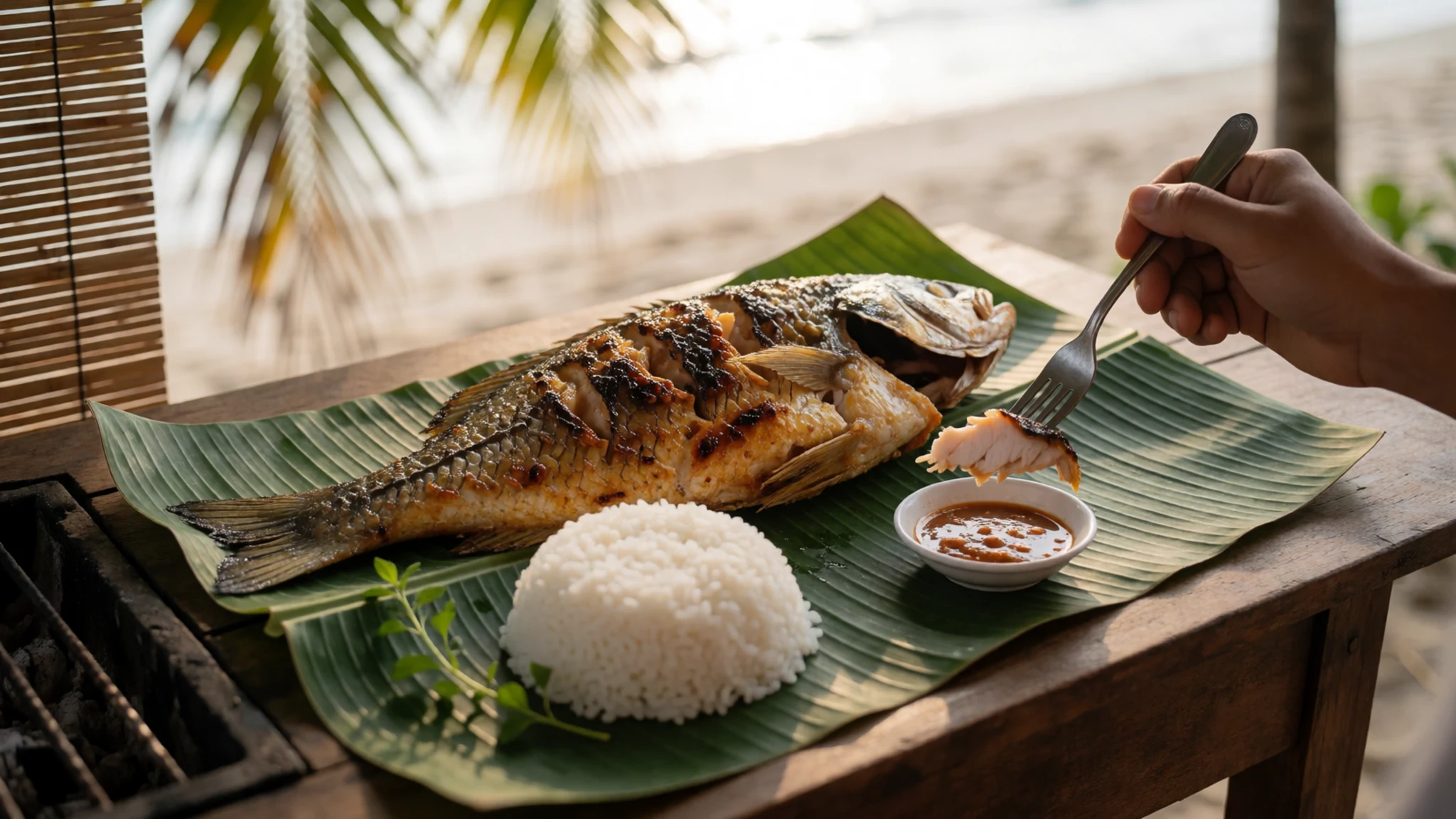
- Crabs, prawns and shellfish — Resort restaurants, many of which welcome non-guests
Crabs, shrimps and other shellfish come steamed, grilled or in a garlicky sauce, and arrive with plenty of rice. Order what the kitchen recommends that day, and ask about size and weight before ordering so there are no surprises.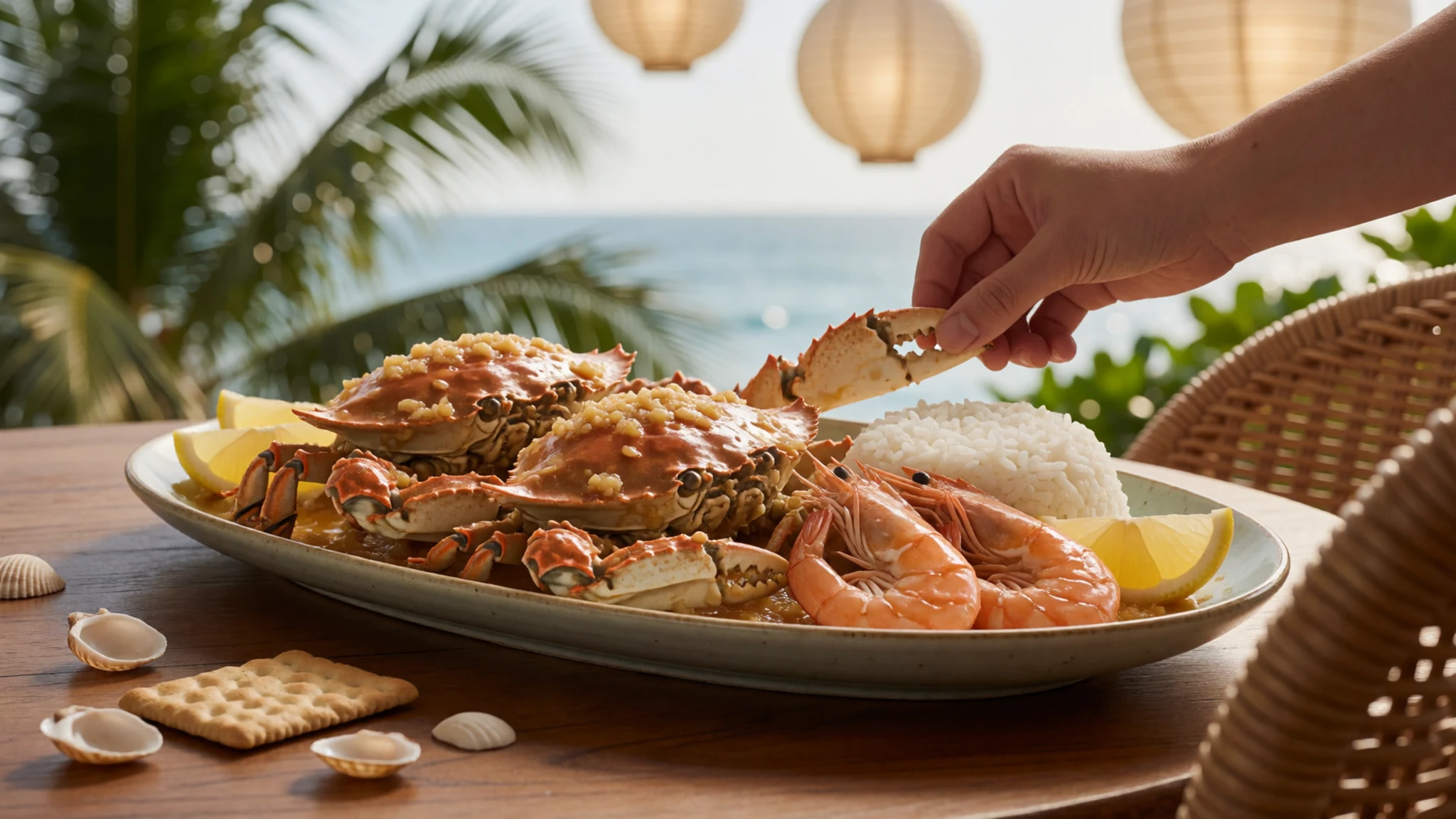
- Laing — Small family eateries in the town centre and near the market
A Bicol classic of dried taro leaves slowly cooked in coconut milk with chilli, often with a little pork or fish. It is rich, earthy and spicy, and best eaten with plain rice. Ask for the heat level if you are unsure. - Bicol express — Local carinderia-style eateries and fiesta tables
Pork stewed with coconut milk and plenty of green chillies, a dish that shows how fond the region is of heat and cream together. It is filling and fiery, so order it alongside something milder such as grilled fish. - Filipino breakfast with fresh vegetables — Beach resorts that serve breakfast, lunch and dinner
Resort kitchens serve rice with eggs, fried fish or cured meat, and some source vegetables and meat from nearby farms. It is a sturdy start before a boat trip, and often comes with strong coffee.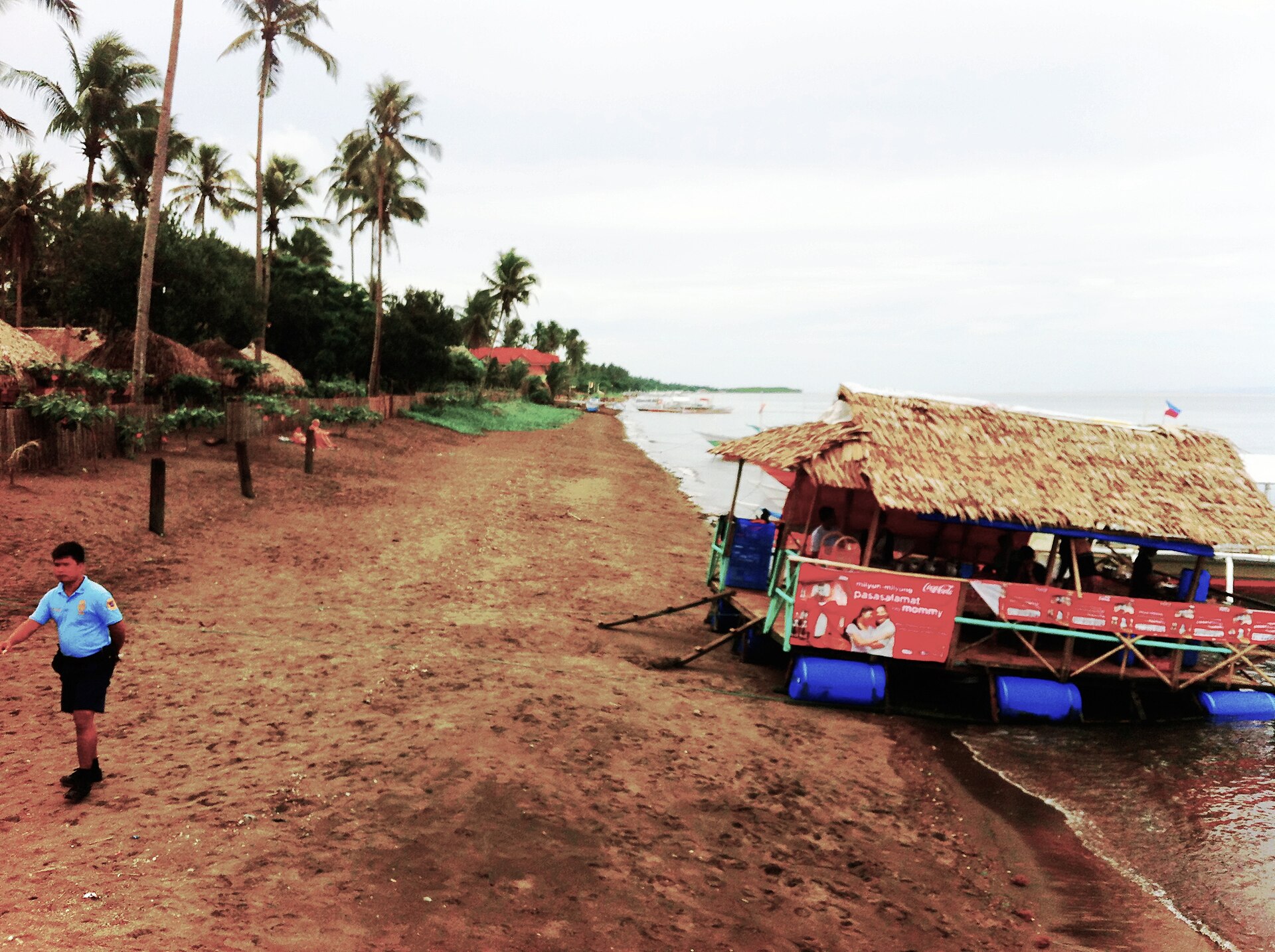
Plan it
Best time. February to May is the main window: it is the historical peak for whale shark sightings and a drier, hotter stretch of the year. November to January can be wetter and rougher at sea, so trips are more likely to be cancelled. Sightings are unreliable in any month, so treat them as a bonus.
How long. 2–3
Getting there. Fly from Manila or Cebu to Legazpi, about 94 km away, then take a public minivan or a private van to Donsol; buses also run from Manila, about 571 km by road, either direct or via Legazpi. Check the municipality's official site, http://www.donsol.gov.ph/, for current visitor information.
Budget. low
Tips
- Ask the Visitor Centre or your operator what has been sighted recently before paying for a whale shark trip
- Book boats and dive trips a day or two ahead in February to May, and keep a spare day for weather
- Carry cash, as small eateries, boatmen and some resorts may not take cards, and ATMs can be limited
- Bring sun protection, a refillable bottle and a dry bag for phones and cameras
- Check current prices and operating dates on the official site or with the operator, as they change
Etiquette
- Follow the interaction officer's rules in the water: no touching, chasing or flash photography of marine animals
- Ask before photographing people, and dress modestly in churches and at fiestas
- Be patient with weather and boat delays, as local crews make safety calls for good reasons
Nearby
Sources
- Wikidata Q174192 (CC0)
- Wikipedia: Donsol (rev 1375799206) (CC BY-SA 4.0)
- Wikivoyage: Donsol (rev 5401219) (CC BY-SA 4.0)
- Donsol — jackylim (photo 01) (CC BY 3.0)
- donsol -Philippines — jackylim (photo 02) (CC BY 3.0)
- Flag of Donsol, Sorsogon — Municipal Government of Donsol (photo 03) (Public domain)
- A floating restaurant on a Donsol beach — Liisalaukkanen (photo 04) (CC BY 3.0)
- Colorful Sunset — AwOiSoAk KaOsIoWa (photo 05) (CC BY 3.0)
- Donsol — AwOiSoAk KaOsIoWa (photo 06) (CC BY 3.0)
- Donsol — AwOiSoAk KaOsIoWa (photo 07) (CC BY 3.0)
- Donsol — AwOiSoAk KaOsIoWa (photo 08) (CC BY 3.0)


Wildlife
- Whale shark (animal)
Think of the whale shark as the biggest fish in the world, a slow giant that drifts along and strains tiny food from the water. In Donsol people call it the butanding, and the town became famous well beyond Sorsogon because of it. This reading cannot tell you the best season, time of day or exact waters, so ask locally before you plan. As a sensible rule for any wild animal, go with a guide, keep your distance, stay calm and quiet, and never feed it.