Cyzicus
Cyzicus, Turkey
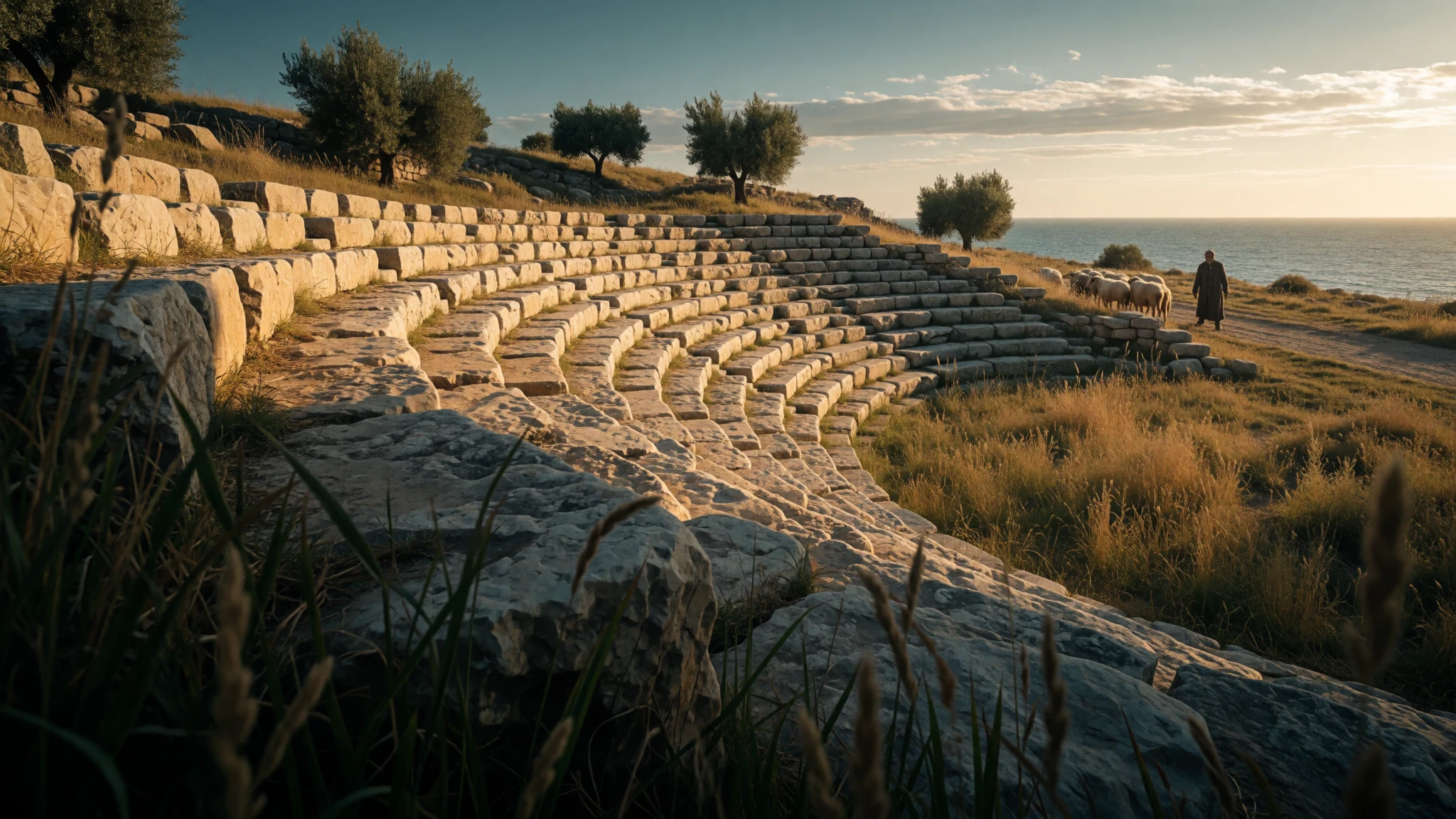
Cyzicus is a vast ancient Greek port on the Sea of Marmara, where scattered ruins, an amphitheatre and olive-green hills sit beside Turkish seaside towns.
The place
Cyzicus was an ancient Greek city in Mysia, in what is now Balıkesir Province, north-western Turkey. It stood on the landward side of the Kapıdağ Peninsula, which the Greeks called Arctonnesus. The peninsula was once an island in the Sea of Marmara. A narrow link formed in historic times, whether through an earthquake, silting or human effort, and the strip of land has since widened into a broad isthmus. Some accounts credit Alexander the Great with building the first road across it.
The ruins lie beside the roads to Erdek and Bandırma, and the site is protected by Turkey's Ministry of Culture. The ancient city is about 5 km east of Erdek, today's resort town. Do not expect a tidy archaeological park with a single ticket gate. The remains are spread across fields, farmland and the edge of a modern town, so the place feels more like a landscape with ruins in it than a monument to walk around in an hour.
Erdek itself is a domestic holiday town, popular with Turkish families because it can be reached from Istanbul in a day. Its population was largely Greek until the deportations that followed 1923, and the peninsula still carries traces of that period, such as the former Kirazlı monastery. Beaches, camping strips and small guesthouses line the coast. Offshore, ferries link Erdek to the Marmara islands. Visitors who like quiet, slightly rough-edged archaeology and a seaside afternoon will get the most out of it.
Its story
Tradition says Cyzicus was founded by Pelasgians from Thessaly at the time of the Argonauts. Later it received settlers from Miletus, with a traditional date of 756 BC. Its real rise came near the end of the Peloponnesian War, when control of the sea routes between Greece and the Black Sea mattered most. As Athens and Miletus faded, Cyzicus grew rich on its position.
In 410 BC the Athenian commander Alcibiades defeated a Spartan fleet in a major naval battle off the city. The city passed between Athenian and Spartan influence during the war, and then, under the peace of Antalcidas in 387 BC, it was handed to Persia along with the other Greek cities of Asia.
Cyzicus was also a money town. Its gold staters were a staple currency across the ancient world until Philip of Macedon's coinage replaced them. The city's own coin, the cyzicenus, was worth 28 drachmae. The philosopher Eudoxus of Cnidus founded a school here before taking his pupils to visit Plato in Athens, and he died around 350 BC.
The port stayed important for centuries, controlling traffic through the Marmara. It was abandoned around 440 AD. Earthquakes and the silting of the channel had by then changed the geography that made it rich, and the stones were later quarried for other buildings.
What to see
- Kyzikos main site — Erdek and Bandırma roads
The ancient city covers fields and scrub on the shoreward side of the peninsula. Many structures survive only as fragments or tunnel-like vaults, so it rewards slow wandering rather than a checklist. The scale of the remains makes clear how large this port city once was.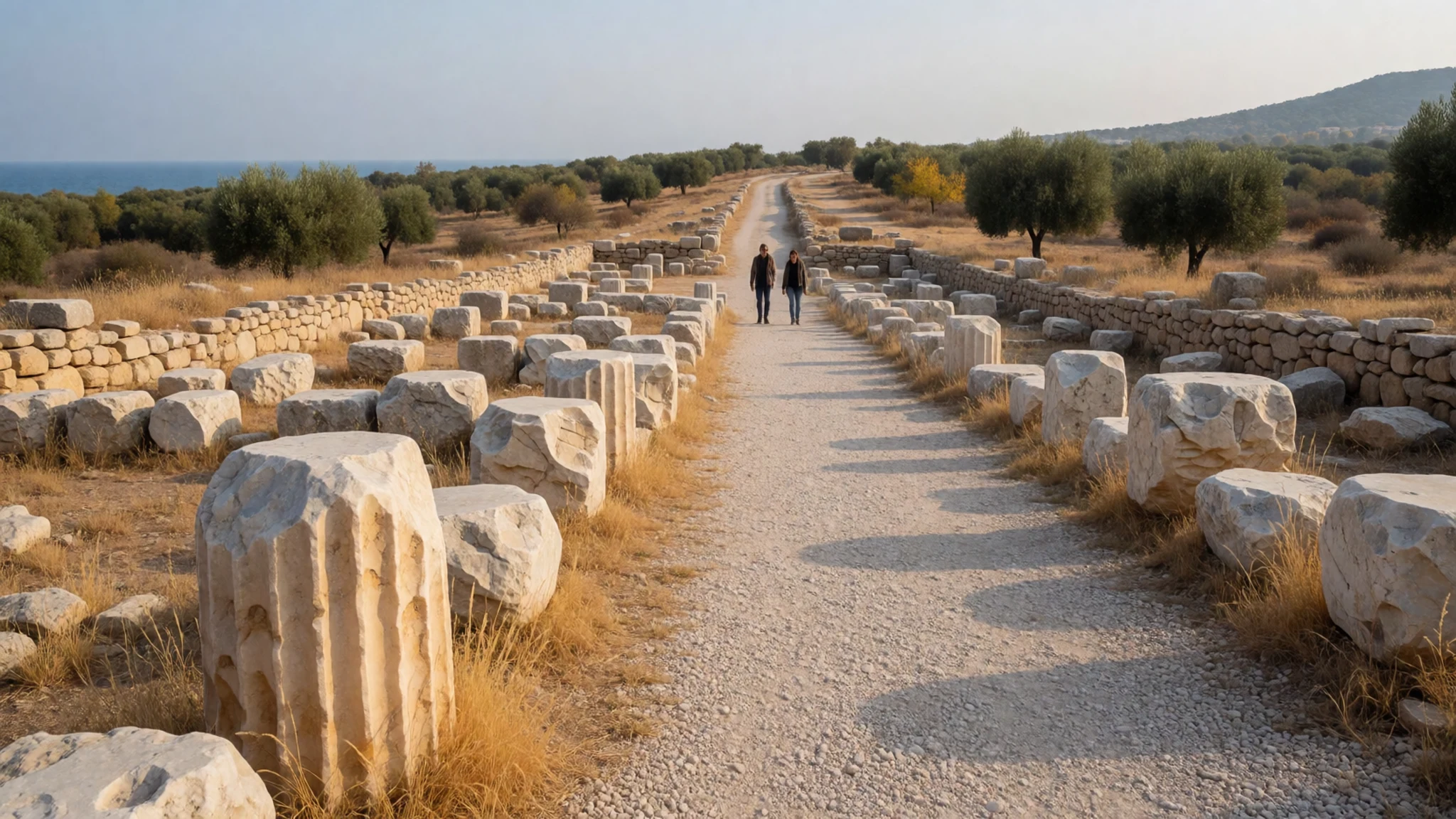
- Kyzikos amphitheatre — Eastern edge of the site
The amphitheatre stands at the eastern edge of the site, and driving round to it is easier than walking from the main area. Its distance from the harbour shows the city's extent. The grassy bowl and broken arches photograph well in low evening light.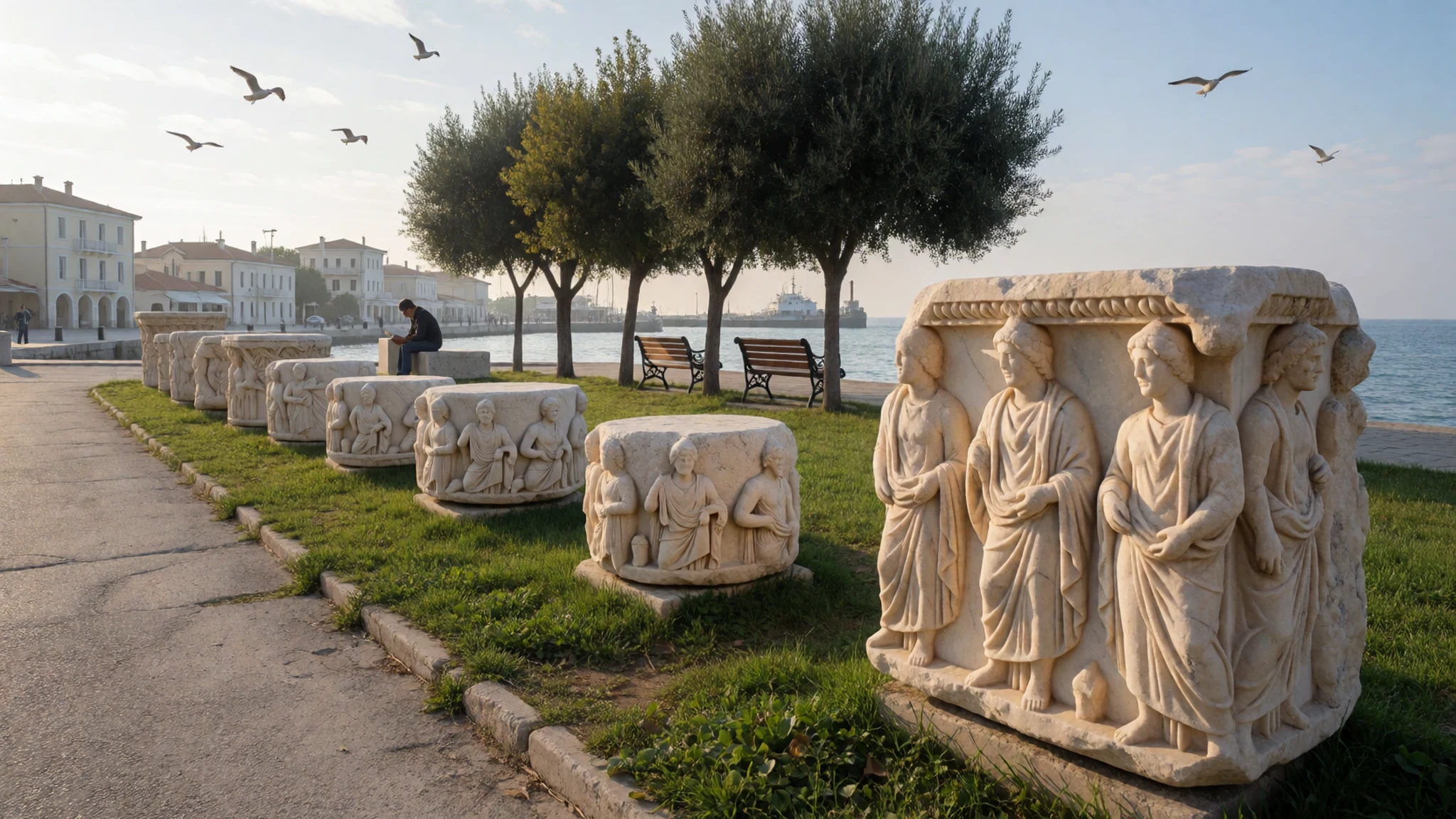
- Open-Air Museum, Erdek — Erdek harbour
A small park of ancient monuments near the ferry port, below Hükümet Caddesi. Access is free and open at all hours. Some stones are scratched with graffiti and show damage, so treat it as a short stop with a bit of context rather than a main attraction.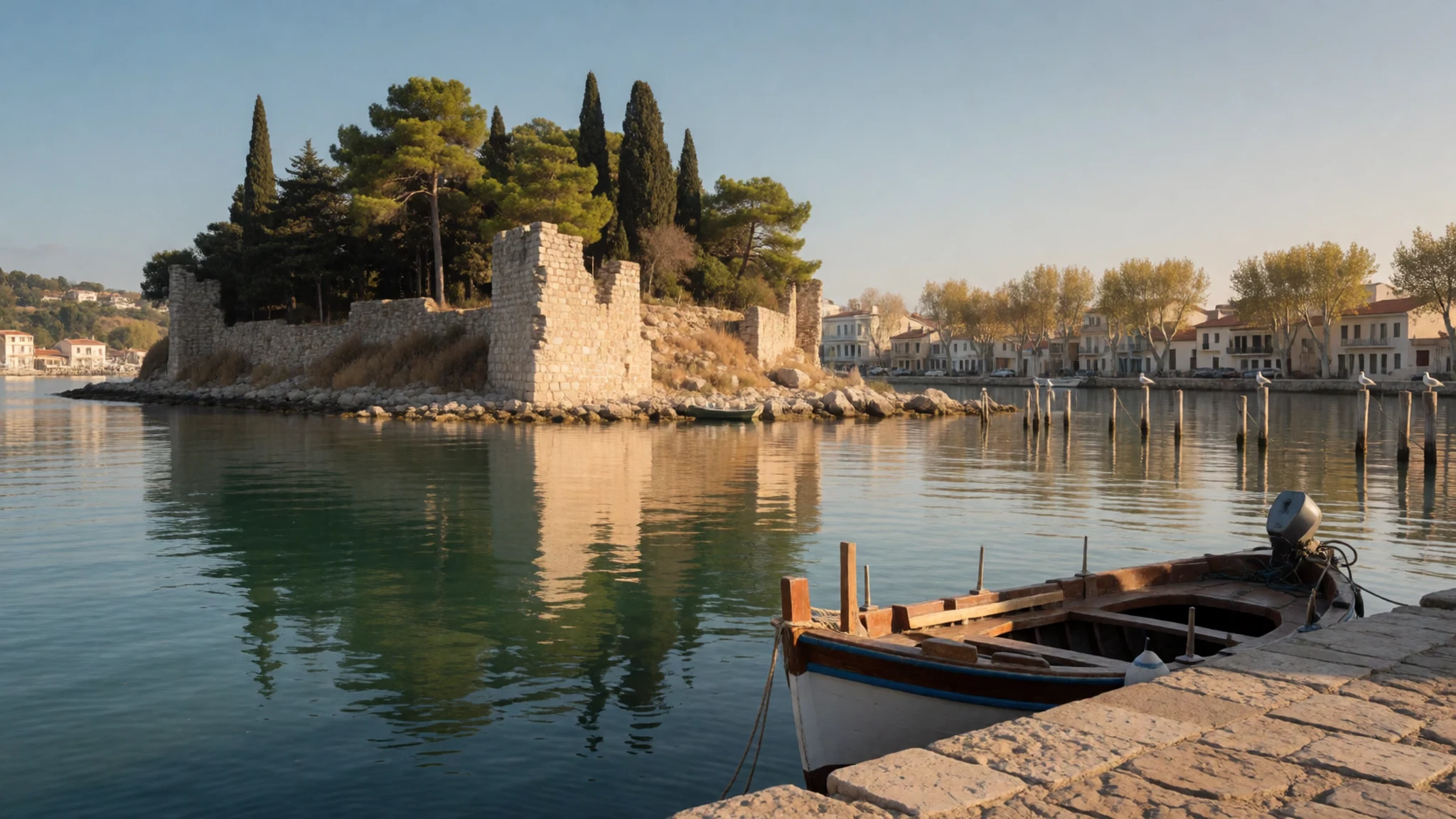
- Harbour islet — Erdek harbour
A small wooded islet at the edge of the harbour carries late Byzantine ruins and hot springs. It has been a monastery, a quarantine station and a spa, and is now an open-air museum. It is a pleasant, short outing alongside the main ruins.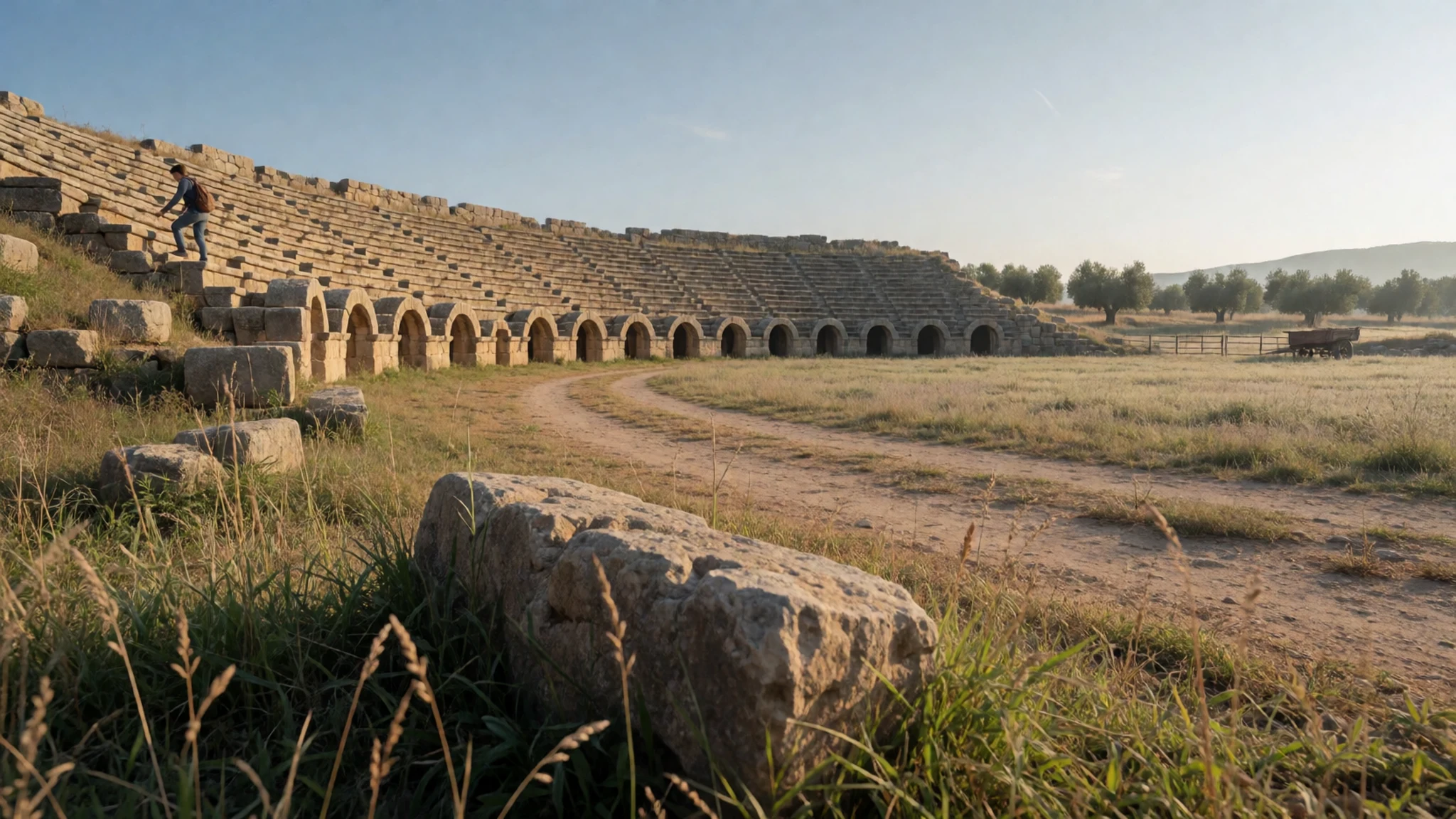
- Kirazlı monastery — Kapıdağ Peninsula
This was a Greek monastery, active from the 19th century until 1923, when its community was deported. It is a quiet reminder that the peninsula's recent history is as layered as its ancient one. Go with local directions, as the approach is not always well signed.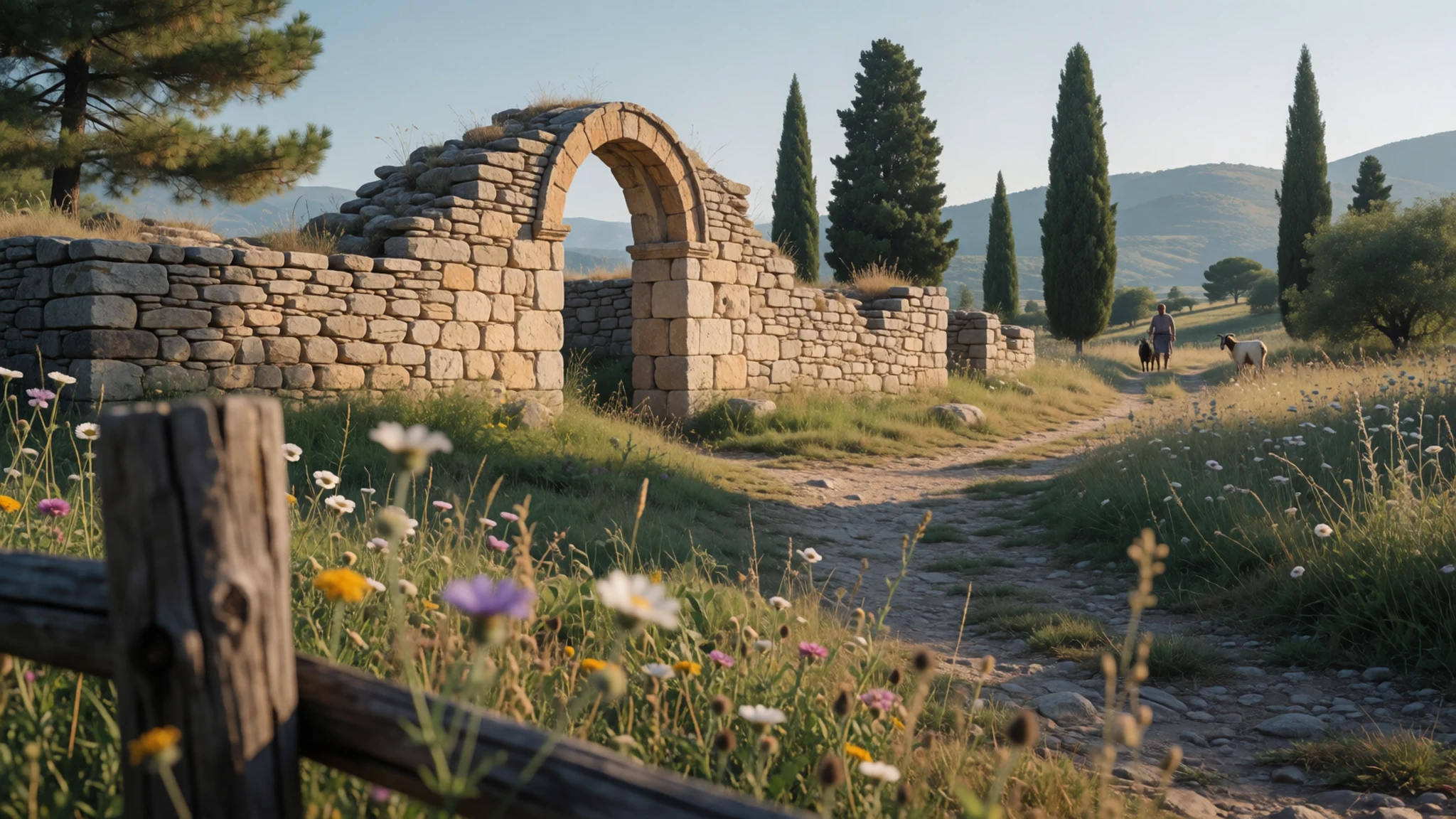
- Archaeological Museum, Istanbul — Istanbul (off-site)
Many Cyzicus finds are not on the site at all. A 6th-century BC Greek charioteer from the city is in Istanbul's Archaeological Museum, and a funerary banquet stele is in the Louvre. If the ruins feel sparse, these pieces help fill in the city's wealth.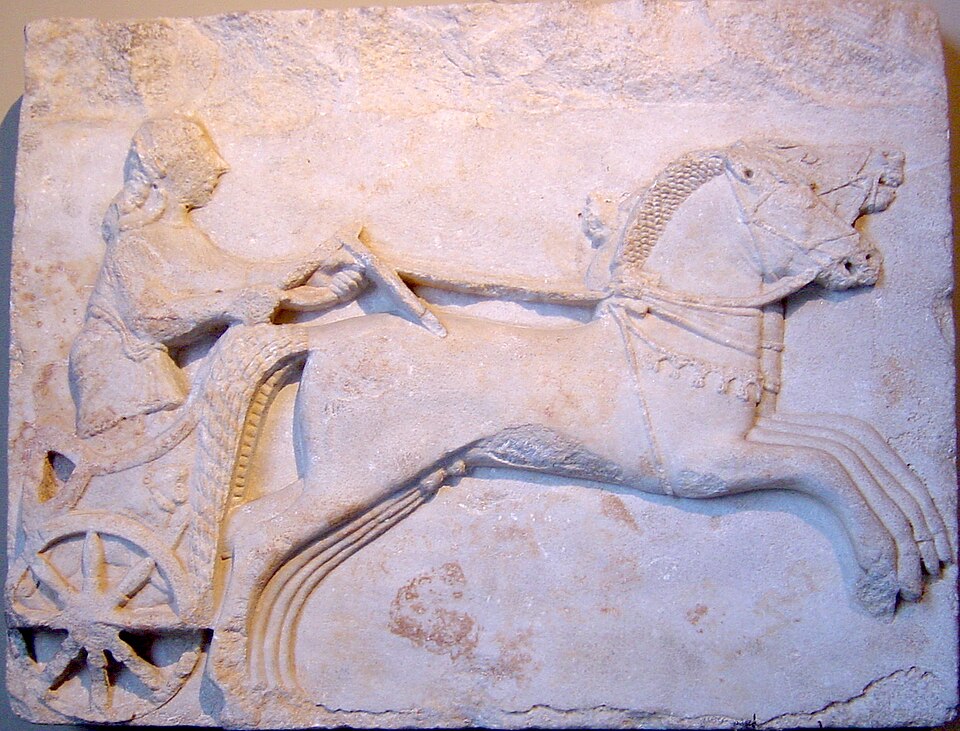
Culture
Cyzicus sits in a part of Turkey where ancient Greek, Byzantine, Ottoman and modern Turkish history lie on top of one another. The Greek city traded across the Marmara and minted its own coin. Later the area had a large Greek Orthodox community, which was deported after 1923, and the monastery at Kirazlı is one of its remnants. Today the culture is that of a Turkish seaside district.
Erdek and the peninsula live mostly on domestic tourism. Families come from Istanbul and other nearby cities for beach weekends, camping and fish suppers by the harbour. Summer evenings are social: people stroll the waterfront, sit over tea or beer, and children play late. Out of season the town is quiet and local, with tea houses full of regulars.
The ruins have little formal interpretation, and locals use the fields around them for farming and walks. That ordinary use is part of the place. Some land near the coast belongs to the navy, and areas signposted TSK, for Türk Silahlı Kuvvetleri, are military and unwelcoming to visitors.
Please do not climb on or chip at the ancient stones, and do not photograph or enter any area marked TSK.
What to wear
Cyzicus has no distinct local costume to speak of today. In antiquity the Greek city's people would have worn woollen and linen chitons and cloaks, and the sculptures and funerary reliefs in museums show these draped garments. In the later Ottoman period the Greek and Turkish communities of the coast had their own regional dress, but that has largely vanished from daily life, surviving only in folk-dance costumes and museum displays.
What people wear now is ordinary Turkish seaside clothing. In summer that means shorts, T-shirts, sundresses and swimwear on the beaches, with lightweight cotton the norm. Older residents and visitors from conservative towns may dress more modestly, and some women wear headscarves. In the evening, people often put on a smarter shirt or dress for a waterfront dinner. In winter, coats and wool layers are needed because the Marmara wind can be sharp.
A visitor should dress for walking through open fields and uneven stone. Sturdy shoes or trainers with good grip matter more than anything else, since paths are rough and often overgrown. A hat, sunscreen and a light long-sleeved top help on exposed ground in summer. Swimwear belongs on the beach and not in town. If you visit a working mosque in Erdek, cover shoulders and knees, and women should carry a scarf for the head.
What to eat
- Fresh grilled fish — Eateries along Erdek harbour
The Marmara coast offers a daily catch, usually grilled whole and served with salad and lemon. Ask what came in that morning and order by the type of fish rather than the price list.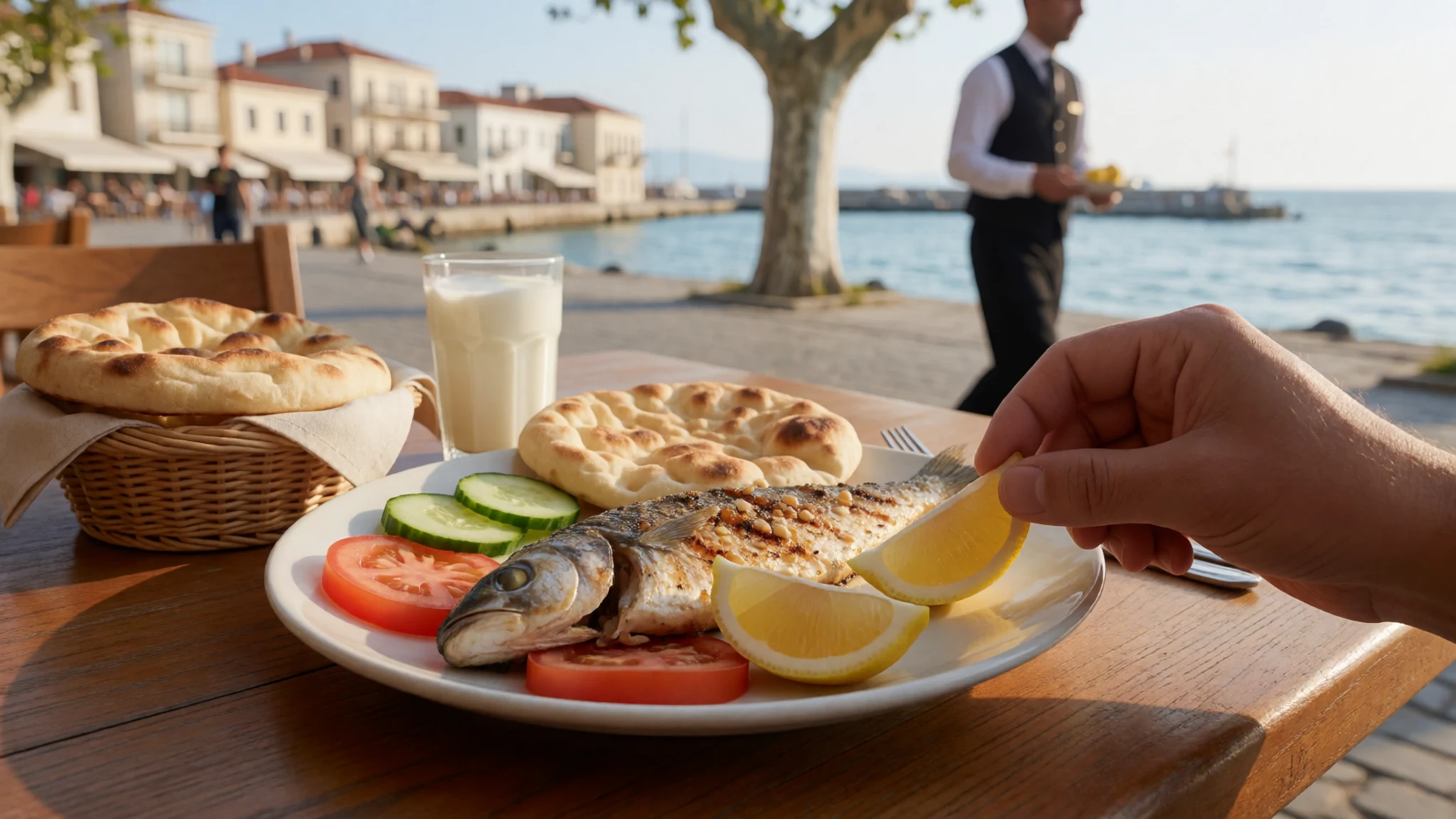
- Fish and chips — Small stalls and eateries by the harbour
A casual harbour-side take on fried fish with chips, popular with families after a beach day. It is quick, simple and cheap, and easy to eat on a bench facing the water.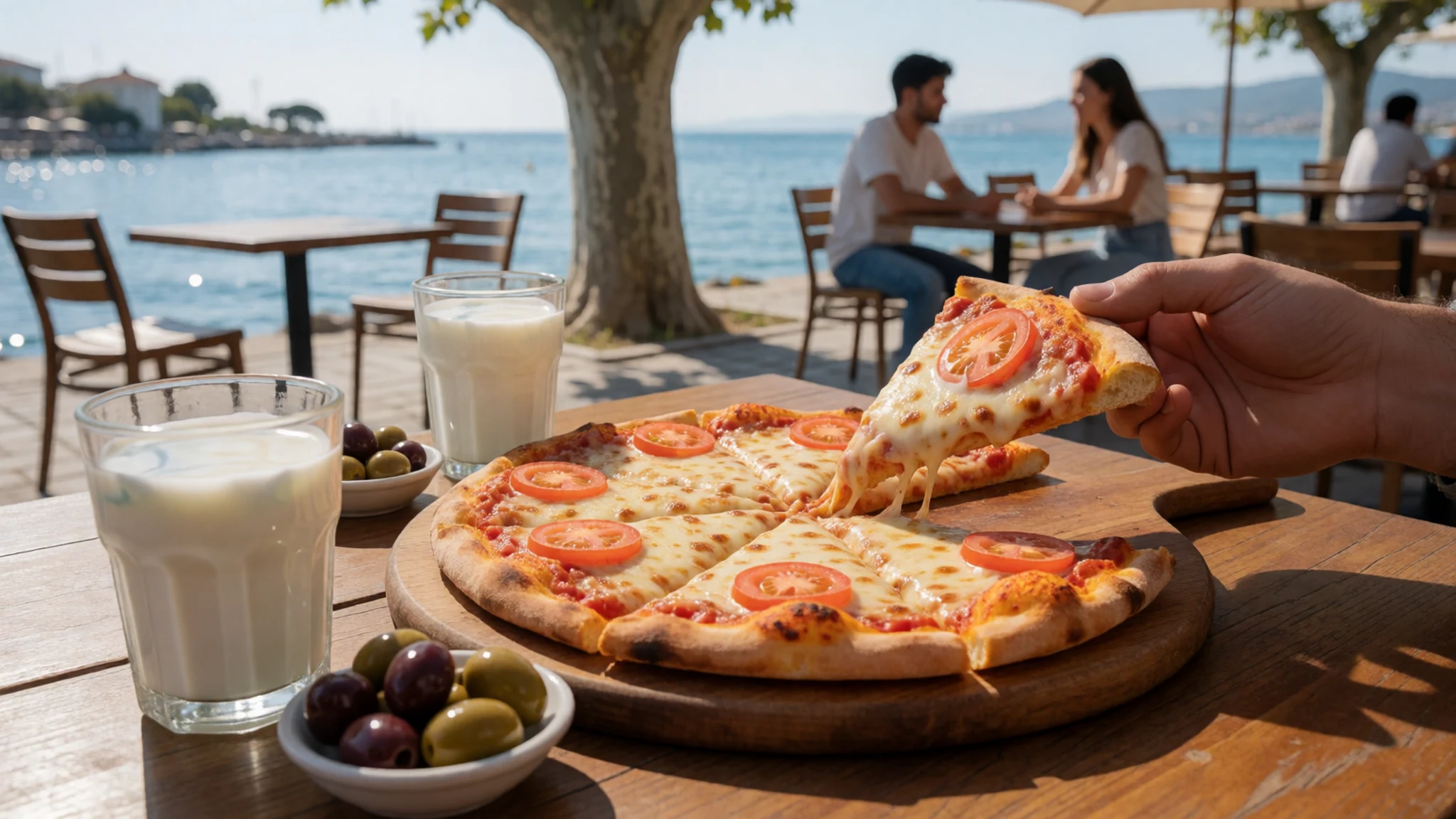
- Kokoreç — Kokoreç shops near the harbour
Seasoned lamb intestines wrapped around a skewer, grilled over charcoal and chopped into a sandwich with spices. It is a robust street food, best eaten hot and late in the evening. - Meze and rakı — Waterfront restaurants on the beachfront to the north-west
Small plates of cold vegetables, cheese and seafood, traditionally paired with rakı in the evening. Order a few to share and let the table build slowly over a long sunset. - Pizza and snacks — Harbour area cafés and takeaways
Casual pizza and quick snacks serve the holiday crowd in summer. They are not regional specialities, but they are reliable for families and for a fast meal between sights.
Plan it
Best time. Late spring (May–June) and early autumn (September–October) are comfortable for walking the ruins and swimming. July and August are busiest with Turkish holidaymakers, and winter is quiet, windy and cool, with some seasonal places closed.
How long. 1–2
Getting there. Fly to Istanbul, then take a fast ferry to Bandırma, or travel by bus from Bursa or by train from Izmir. Minibuses run often between Bandırma and Erdek, taking roughly 20 minutes. They generally drop passengers at the central roundabout, which lies 300 metres north of the ferry terminal. The ruins lie between the two on the Erdek and Bandırma roads, so a car or taxi is useful.
Budget. low
Tips
- Hire a car or taxi for the ruins, as the amphitheatre is far from the harbour
- Wear sturdy shoes, since paths are uneven and overgrown
- Bring water and sun protection, as there is little shade on site
- Book beach accommodation ahead in July and August
- Check ferry times locally if you plan to visit the Marmara islands
Etiquette
- Do not climb or chip at ancient stones
- Avoid any area signposted TSK, as it is military land
- Dress modestly when entering a mosque
Nearby
Sources
- Wikidata Q615449 (CC0)
- Wikipedia: Cyzicus (rev 1372636193) (CC BY-SA 4.0)
- Wikivoyage: Erdek (rev 5034560) (CC BY-SA 4.0)
- Photo: Bandırma Cyzicus 2874 (Dosseman) (CC BY-SA 4.0)
- Photo: Greek charioteer from Cyzicus (G.dallorto) (CC BY-SA 2.5)
- Photo: Naiskos stele, Cyzicus, Louvre (CC BY 3.0)
- Photo: Cyzicus amphitheatre 15 (Izabela Miszczak) (CC BY-SA 4.0)
- Photo: Kyzikos coin, circa 550-500 BC (CNG Coins) (CC BY 3.0)
- Photo: Kyzikos coin, Portrait of Timotheos (CNG) (CC BY-SA 2.5)
- Photo: Cyzicus amphitheatre 10 (Izabela Miszczak) (CC BY-SA 4.0)
- Photo: 1745 map of Cyzicus (Pococke) (Public domain)


