Cuetzalan
Cuetzalan, Mexico
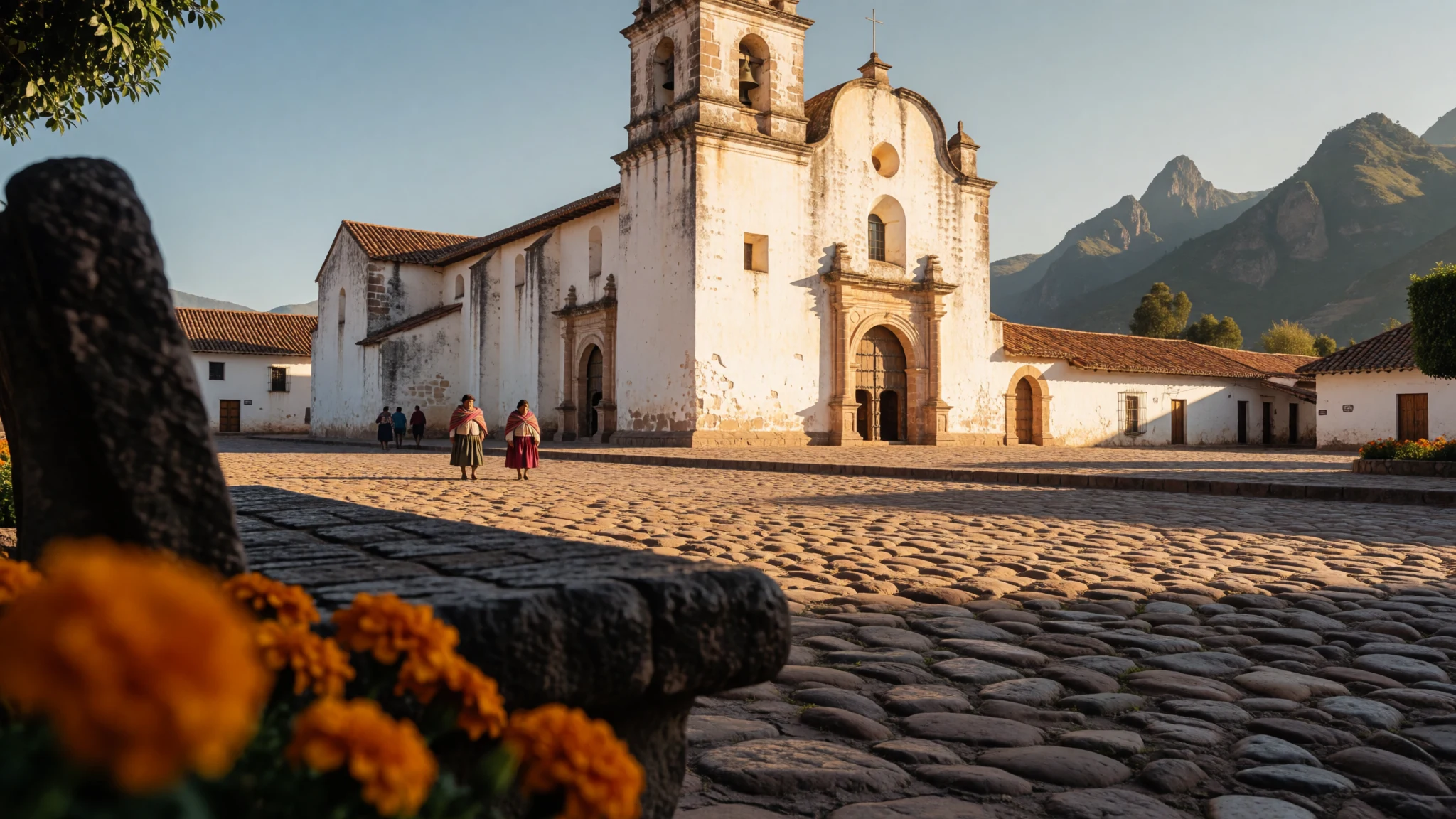
Cuetzalan is a foggy hill town where Nahua and Totonac traditions, coffee, waterfalls and caves sit within a short walk or ride of each other.
The place
Cuetzalan is a small hill town in the Sierra Norte of Puebla, home to about 6,400 people and perched at 932 m above sea level. The state capital, also called Puebla, is 183 km away by road, and the journey winds up through coffee plots, bamboo groves and cloud forest before the town appears. The climate is subtropical and humid. Rain is frequent, fog often rolls down from the forested slopes into the streets, and the average temperature of 23 °C keeps most months mild, although summer can bring hot days. The layout follows the slope: cobbled lanes tip steeply away from the main square, houses have red-tile roofs and whitewashed walls, and church towers pop up between rooftops at almost every turn. Stalls spread through the streets around the parish church on market days, selling coffee, fruit, crafts and herbs. Most residents are mestizo, but Nahua and Totonac communities live in the surrounding hills, and many bring their own languages, dress and food into town, so Spanish is not the only language overheard. The weather deserves honesty: a clear view over the forest is never guaranteed, and a wet afternoon is more likely here than in a lowland town. The place rewards slow walking, early starts and a rain jacket, and weekends and the October festival bring the heaviest crowds. A day trip from Puebla is possible, but staying overnight lets the fog lift and the evening quiet settle.
Its story
Cuetzalan's written history begins in 1547, when Franciscan friars settled the area and laid out a town around a church. People had lived in these hills long before that. Nahua and Totonac communities farmed the slopes, and the ruins at Yohualichan, a short drive north of the centre, belong to a Totonac city built in the early Classic period, at about the same time as the better-known site of El Tajín. The colonial settlement grew as a mission town and a trading place for the surrounding villages, and that role has never entirely gone: farmers still bring coffee, fruit and craft goods to the square. The first church was altered and renovated repeatedly through later centuries, and a second, neo-gothic church was added on another side of town, decorated with small clay jugs. The name comes from the quetzal, the long-tailed bird, and the Dance of the Quetzals keeps that link alive at festivals. Cuetzalan kept a strong indigenous presence through all of this, and dances, costume and regional dishes continue as part of ordinary life rather than as staged heritage. Today coffee cooperatives and small community-run enterprises give the town an economy built on those older ties, with visitors adding to it rather than replacing it.
What to see
- Parroquia San Francisco de Asís — Main square
The parish church is the town's first Christian church, begun by the Franciscans in 1547 and renovated many times since. It faces the main square beside the municipal palace, and its steps are the town's meeting place. Inside, the mood changes with services, so step in quietly. The square outside is the easiest place to get your bearings.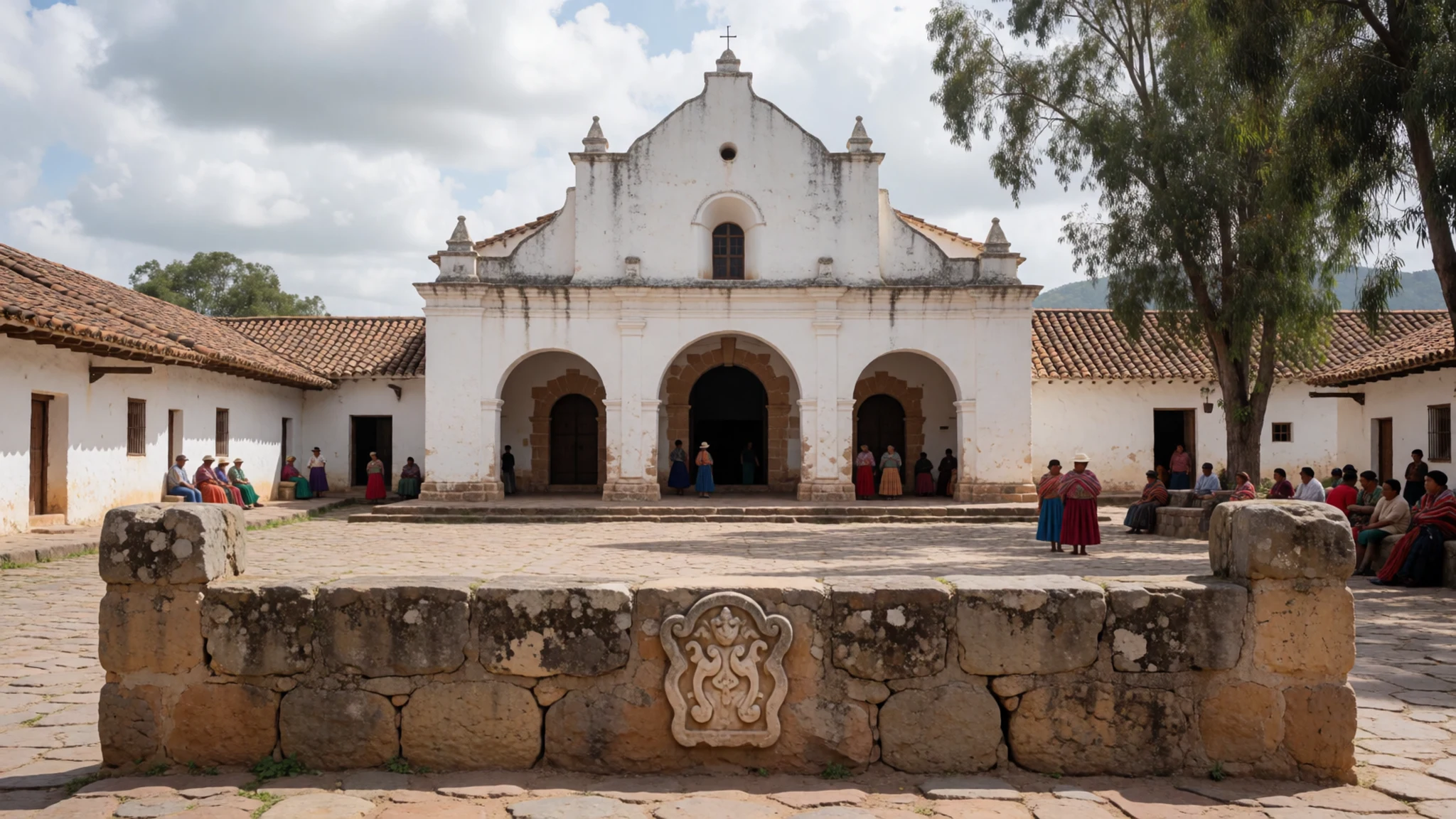
- Voladores in the church square — In front of the parish church
The voladores are men who climb a tall pole, then descend on ropes, turning slowly toward the ground while one dancer stays at the top playing a flute and drum. It is a Totonac and Nahua ritual before it is a spectacle, so ask locally when it takes place and watch respectfully from the edge.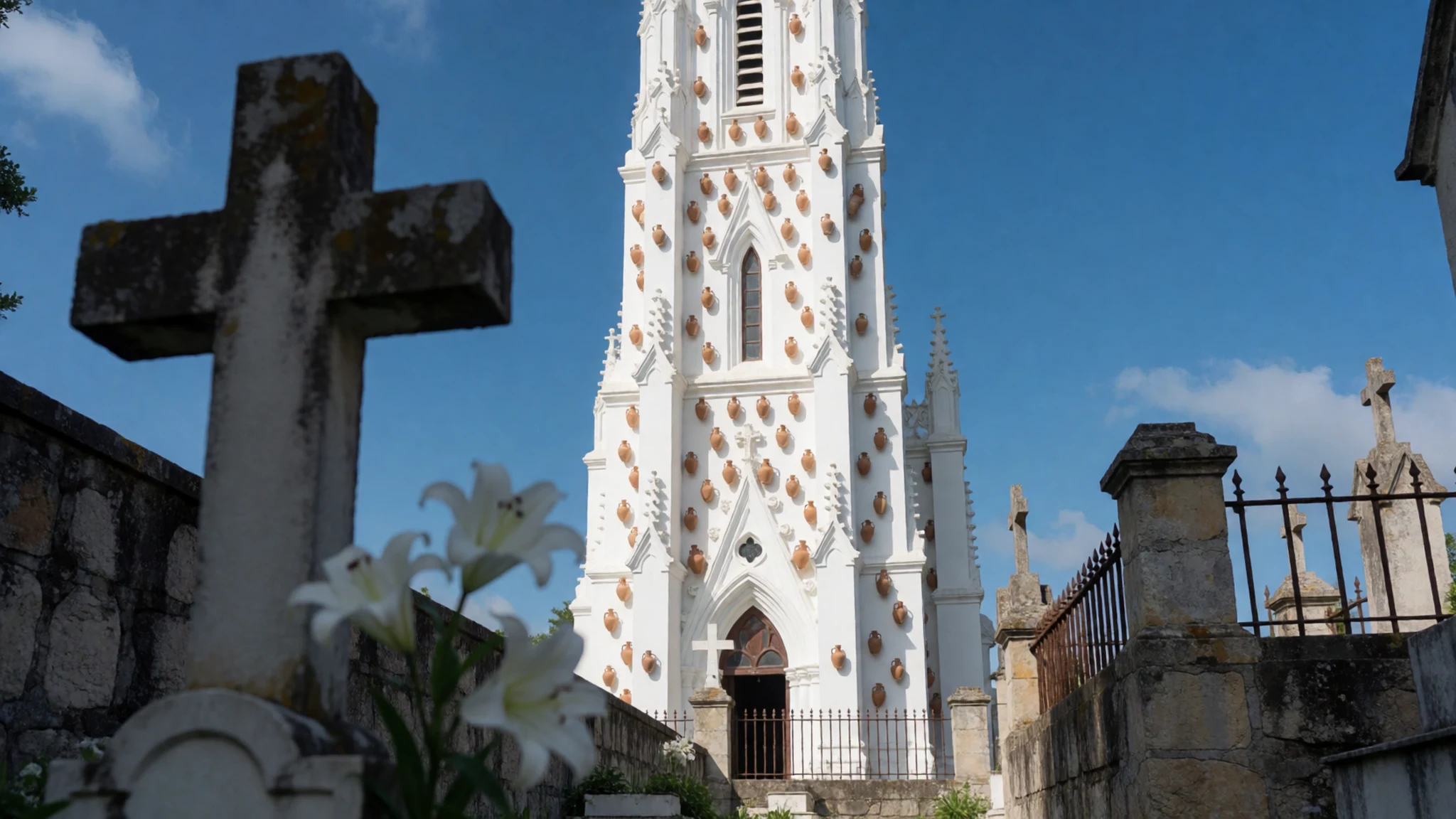
- Iglesia de los Jarritos — Lower town
This neo-gothic church takes its name from the small jugs set into its decoration. The tower looks unusually tall for such a narrow building, and the way in leads through the cemetery, which feels odd the first time. It is a quiet stop away from the market bustle, a short walk down from the centre.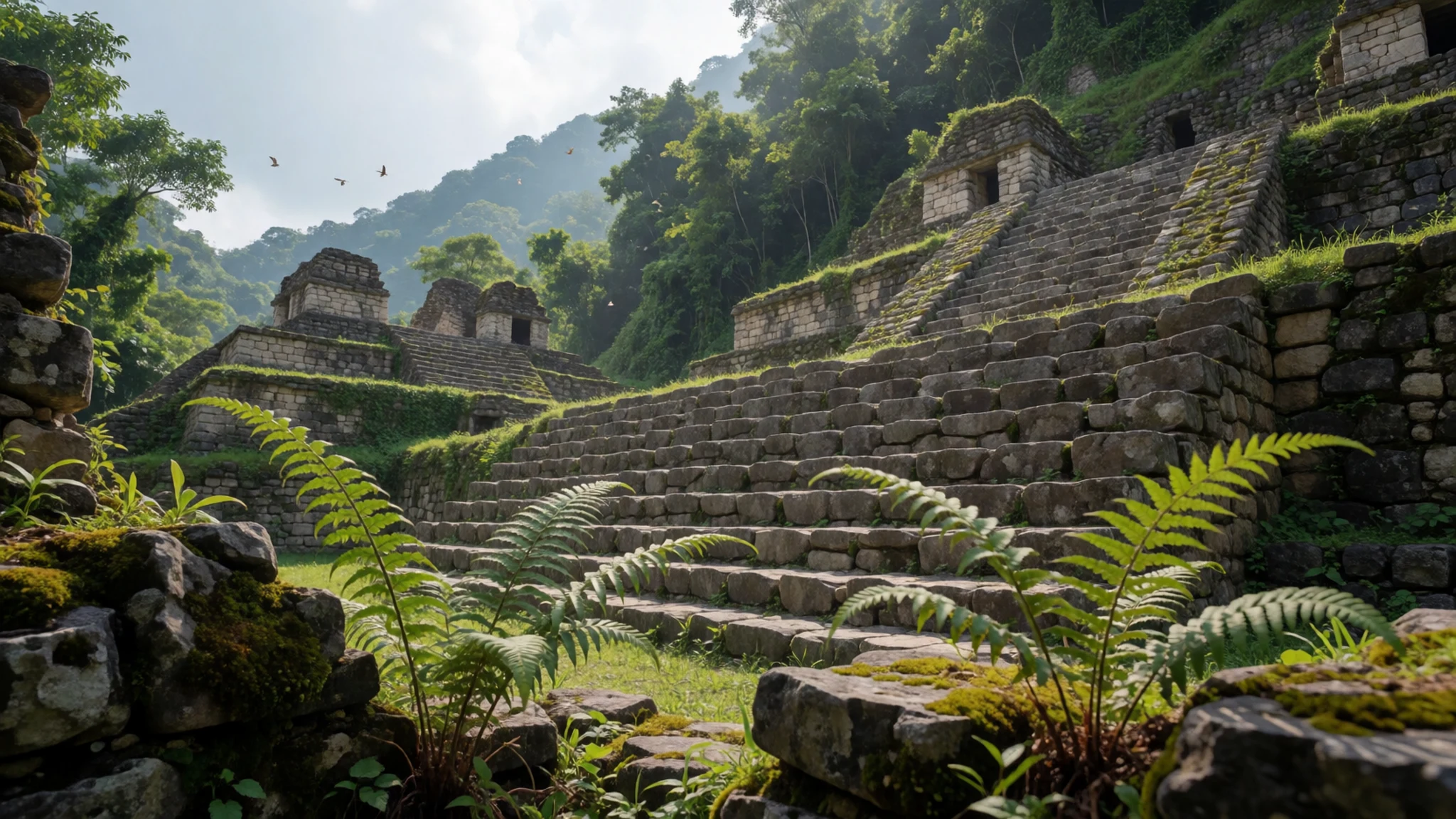
- Yohualichan — North of the town
Yohualichan is an archaeological site that was once a small Totonac city, built in the early Classic period and contemporary with El Tajín. Broad stepped platforms rise among trees and grass. It is a calm place compared with bigger ruins. Check the official municipal website before going, as opening arrangements can change.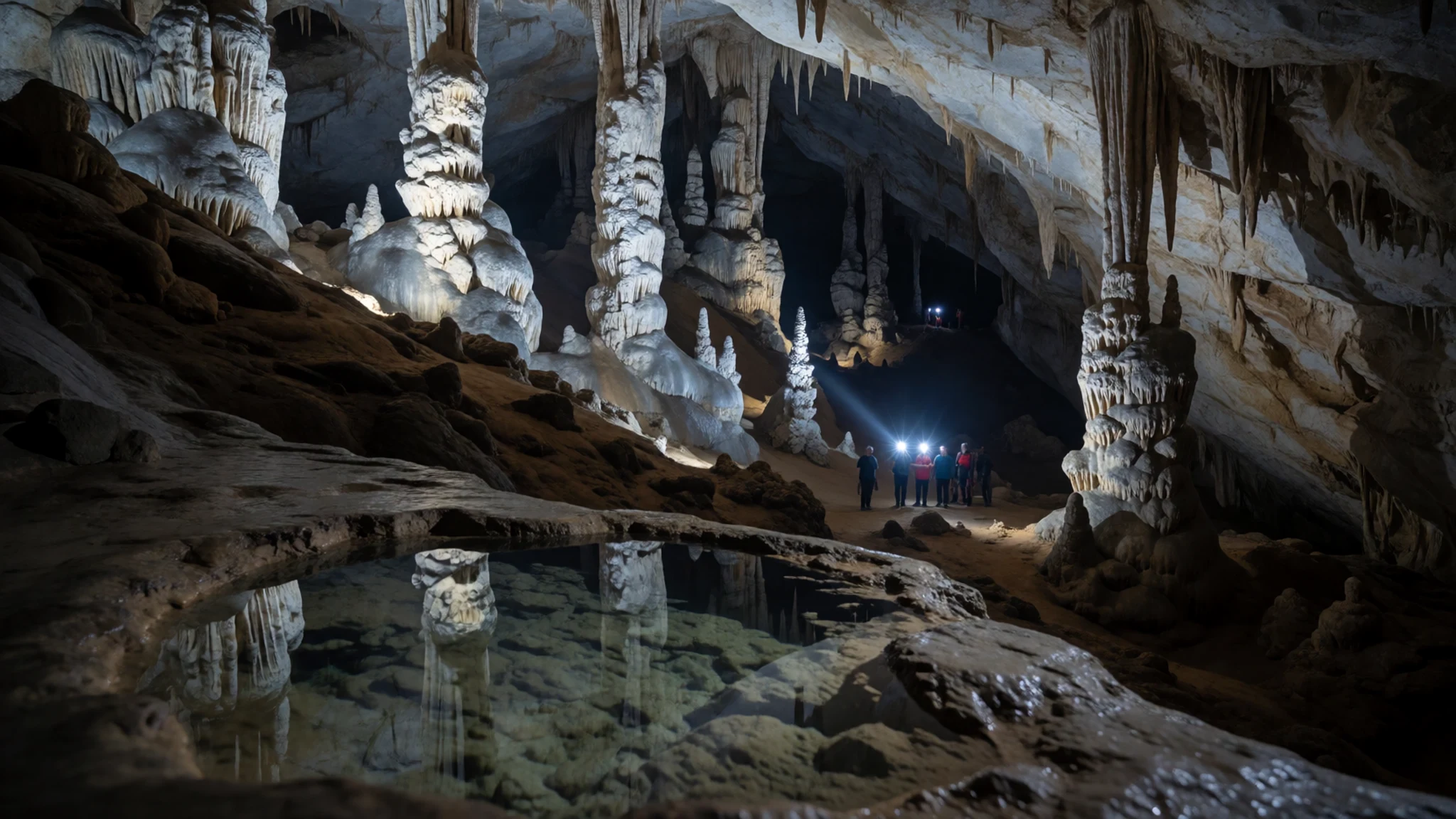
- Gruta del Duende — South-east edge of town
This is a large karst cave system aimed at adventure seekers, with camping and a range of guided packages from gentle explorations to muddy, demanding ones. Choose a route that matches your fitness, wear shoes you do not mind ruining, and ask the operator about conditions after heavy rain.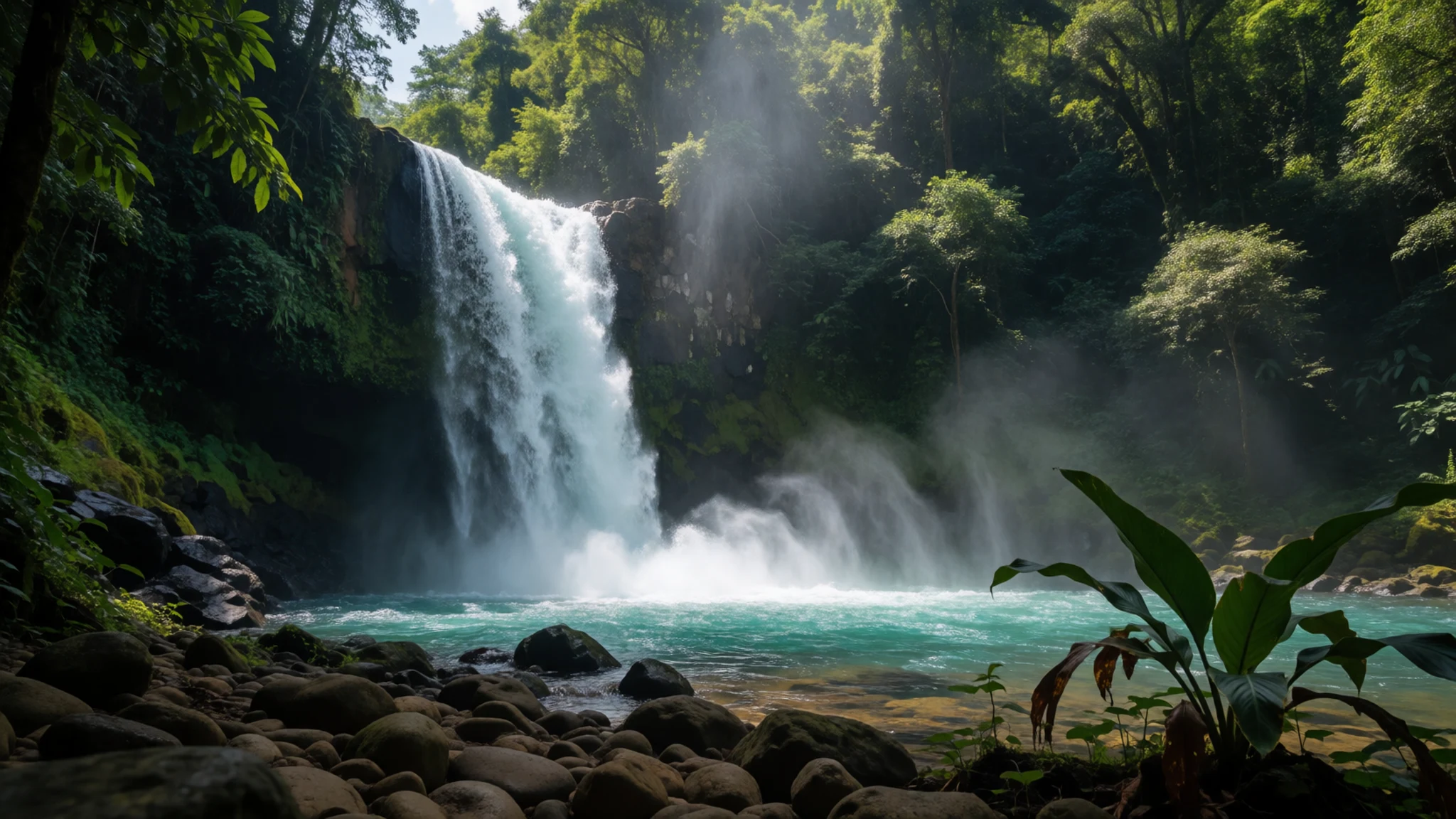
- Waterfalls on the Tecolutla River — River valley below the town
A hiking trail links several falls along the Tecolutla River: Cascada de las Brisas, Las Golondrinas, El Salto, La Escondida and Tres Caídas. It is possible to see them all in one long day, but rain changes the paths and water levels, so ask locally about current conditions before setting out.
Culture
Cuetzalan is a place where Nahua and Totonac customs belong to the weekly routine rather than being a performance for outsiders. Dances still mark the festive calendar, among them the Dance of the Quetzals, in which dancers wear large feathered headdresses that recall the bird the town is named after. The voladores, who spin down from a high pole, carry ritual meaning that is older than the friars. Religious and regional feasts are decorated with wax work, flowers and arches, and craft families pass on wax art, embroidery and weaving between generations. Catholic and indigenous beliefs sit side by side: saints' days are marked with processions, music and fireworks, and the first week of October brings the Feria del Huipil y Café, which celebrates embroidered garments and local coffee. Spanish is widely spoken, but Nahuatl and Totonac are heard in the market, and a greeting in Spanish is always welcome. Coffee growing, much of it organised through cooperatives, supports many households in the hills. Fiestas can be noisy at odd hours, so light sleepers may want earplugs. Ask permission before photographing anyone in traditional dress, especially dancers, voladores and market vendors, and accept a refusal with a smile.
What to wear
Cuetzalan's traditional dress comes from its Nahua and Totonac communities. Women's clothing centres on the huipil, a loose embroidered tunic, and the quechquemitl, a shoulder cape in cotton decorated with floral patterns in bright thread; the Feria del Huipil y Café in early October is built around these garments. Nahua women are often seen with a wrapped headcloth. Men's traditional clothing is simpler: white cotton shirt and trousers, a palm-leaf hat and a woven bag. Traditional dress appears at fiestas, in church on feast days, at dances and, among some older women, on ordinary market days. Everyday clothing now is what is worn across Mexico: jeans, t-shirts, light jackets, trainers and rubber boots when it rains. Visitors should plan for layers: light cotton by day, a fleece for foggy evenings and a waterproof for the showers that arrive without much warning. Shoes with good grip matter more than style, because the cobbles are steep and slick when wet, and closed shoes or sturdy sandals with straps suit the waterfall trails and caves. Churches expect covered shoulders and knees. Embroidered pieces make good souvenirs; buying directly from makers and asking whether a piece is hand-embroidered supports local craft.
What to eat
- Yolixpa — Liquor and craft shops around the main square
Yolixpa is the local herbal liqueur, made from aguardiente infused with many aromatic herbs such as mint, basil, thyme and sage. The traditional version is bitter, while modern ones are often sweetened with piloncillo. Sample several and compare; sips are plenty.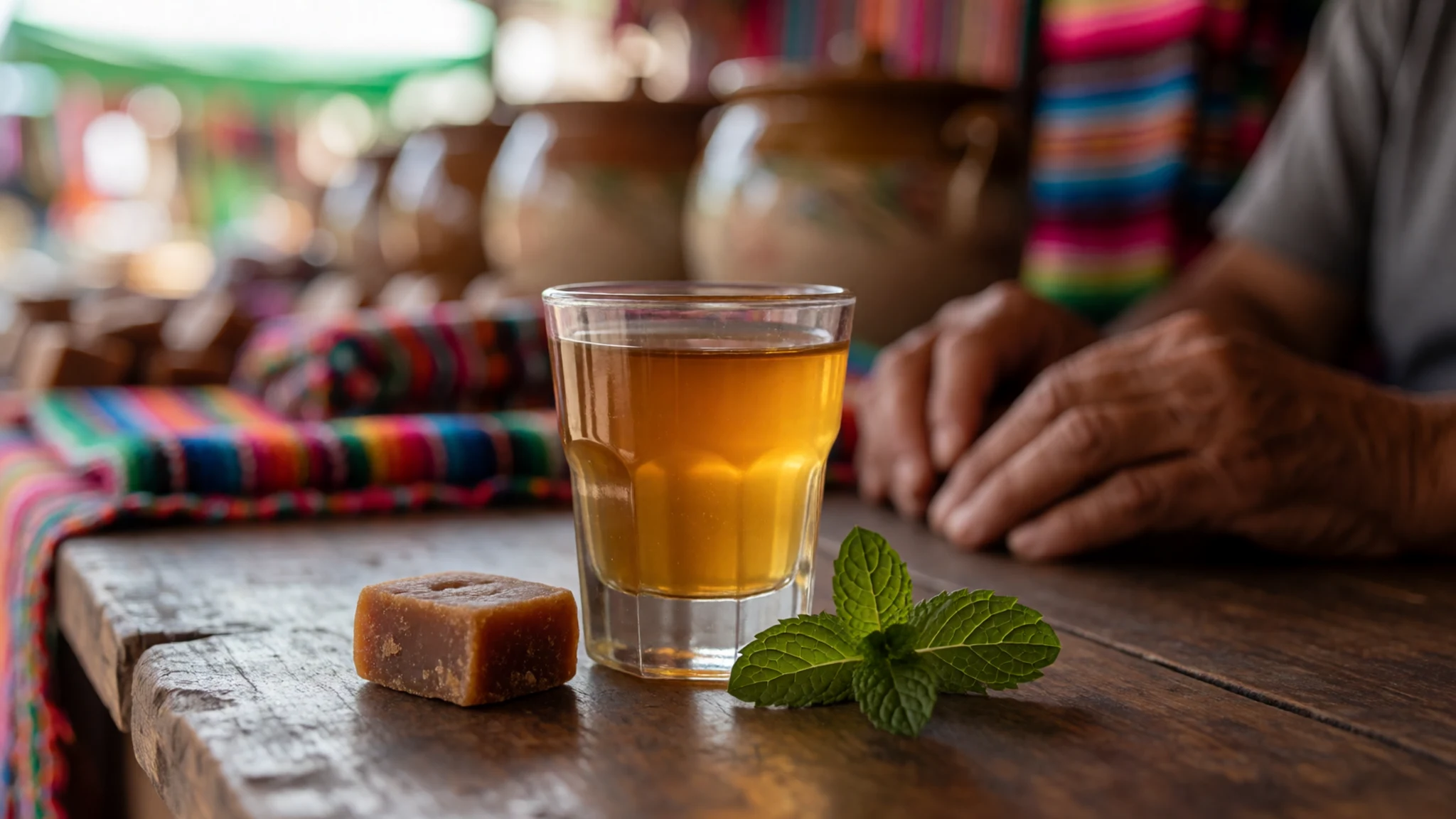
- Local coffee — Cooperative cafeterias and small cafés in the centre
Coffee is grown on the surrounding slopes, and many growers sell through cooperatives. A cup here is usually brewed strong and served black or with milk and sugar on the side. Buying beans to take home is a straightforward way to support the hills.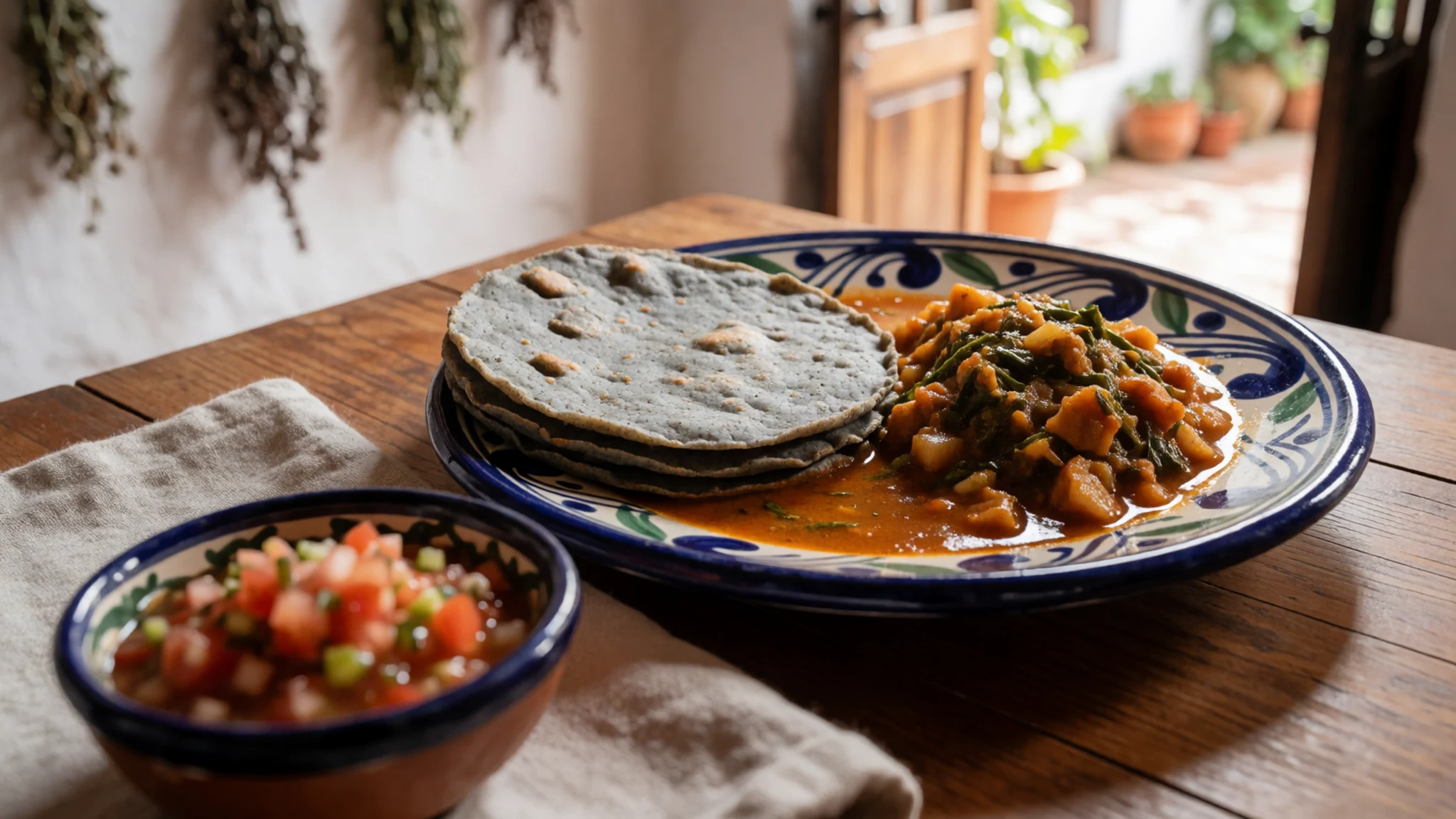
- Regional daily menu — Traditional regional restaurants near the square
Traditional regional eateries often write up a daily menu listing the dishes cooked that day, which is the best way to meet local cooking. Ask what is regional rather than defaulting to familiar Mexican plates; staff are usually happy to explain. - Tamales — Market stalls and street vendors on market days
Tamales are steamed parcels of maize dough with savoury fillings, wrapped in leaves and eaten warm. They make an easy, cheap breakfast or snack when the weather turns damp. Fillings vary by cook, so ask what is inside. - Family breakfast — Small family restaurants on the streets around the centre
Family-run eateries serve filling Mexican breakfasts such as eggs, beans, tortillas and chilaquiles, usually with coffee. They are budget-friendly and a good start before a day of hills and waterfalls.
Plan it
Best time. March–April for mild days before the summer heat, and October–November for cooler air and the Feria del Huipil y Café in the first week of October. Rain and fog can arrive in any month, so pack for both, and expect hot days in summer.
How long. 2–3
Getting there. Fly into Mexico City or Puebla. From Puebla's CAPU bus terminal, take a bus to Tlatlauquitepec (about 2½ hours), then a taxi or shared combi for the last 45 km, about 30 minutes. From Mexico City's TAPO station, ADO runs a daily direct bus, about 6 hours; check the operator for current times and fares.
Budget. low
Tips
- Allow time for steep cobbled streets and carry a light rain jacket
- Visit waterfalls and caves with a local guide or after asking about conditions, especially after rain
- Bring some cash for markets, small eateries and craft stalls
- Book accommodation early for the first week of October and for weekends
- Start walks and sights in the morning, before fog and afternoon showers settle in
Etiquette
- Ask before photographing people in traditional dress
- Dress modestly and keep voices low inside churches
- Treat the voladores and dances as rituals, not staged entertainment
Nearby
Sources
- Wikidata Q2651808 (CC0)
- Wikipedia: Cuetzalan (rev 1377587680) (CC BY-SA 4.0)
- Wikivoyage: Cuetzalan (rev 5400667) (CC BY-SA 4.0)
- Photo: Voladores frente a la Parroquia de San Francisco, Danielllerandi (CC BY 3.0)
- Photo: Ciudad de Cuetzalan, Connorlong90 (CC BY-SA 4.0)
- Photo: Escalinatas de Yohualichan, Noyolcont (CC BY 3.0)
- Photo: 7 30 Cuetzalan, Anibal Clavel (CC BY 3.0)
- Photo: Árboles de bambú, Cuetzalan, Amanda Mora Camarillo (CC BY-SA 4.0)
- Photo: Arte en cera de Cuetzalan, Luce051 (CC BY-SA 4.0)
- Photo: Cafeteria Tosepan en Cuetzalan 01, PetrohsW (CC BY-SA 4.0)
- Photo: Cafeteria Tosepan en Cuetzalan 02, PetrohsW (CC BY-SA 4.0)


Wildlife
- Quetzal (animal)
Think of the quetzal as the town's own namesake: a small, splendid forest dweller that gives Cuetzalan its name and inspires a lively traditional dance honouring nature. It makes its home in tropical forest, especially misty mountain woods, and favours fruit from laurel-family trees, though it sometimes catches small creatures. I cannot say when or where in town it appears, so ask a local guide. Watch from a respectful distance, keep your voice low, and never offer it food.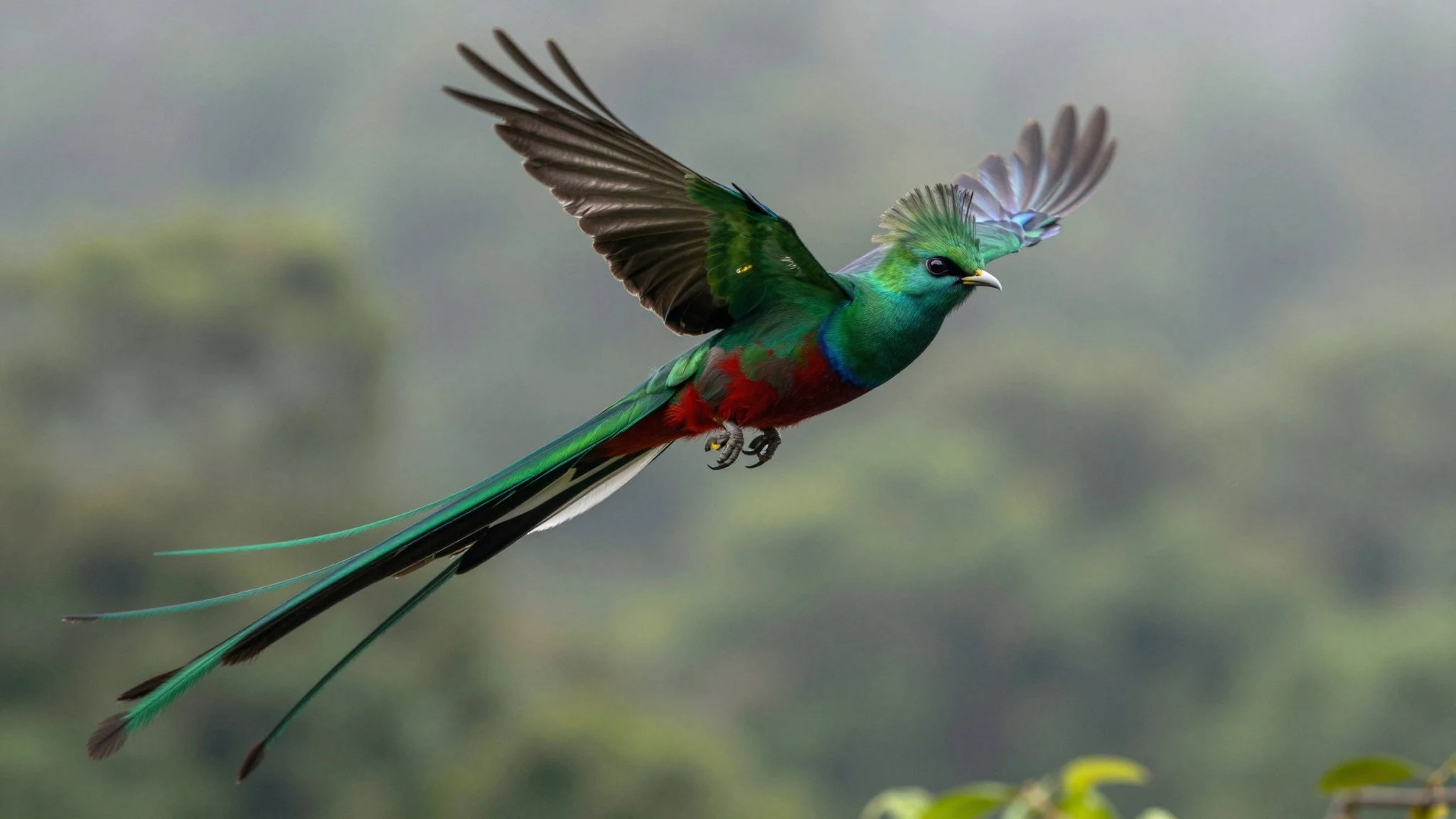
- Quetzal (bird)
Think of the quetzal as the town's own namesake: a small, splendid forest dweller that gives Cuetzalan its name and inspires a lively traditional dance honouring nature. It makes its home in tropical forest, especially misty mountain woods, and favours fruit from laurel-family trees, though it sometimes catches small creatures. I cannot say when or where in town it appears, so ask a local guide. Watch from a respectful distance, keep your voice low, and never offer it food.