Cuatro Ciénegas
Cuatro Ciénegas, Mexico
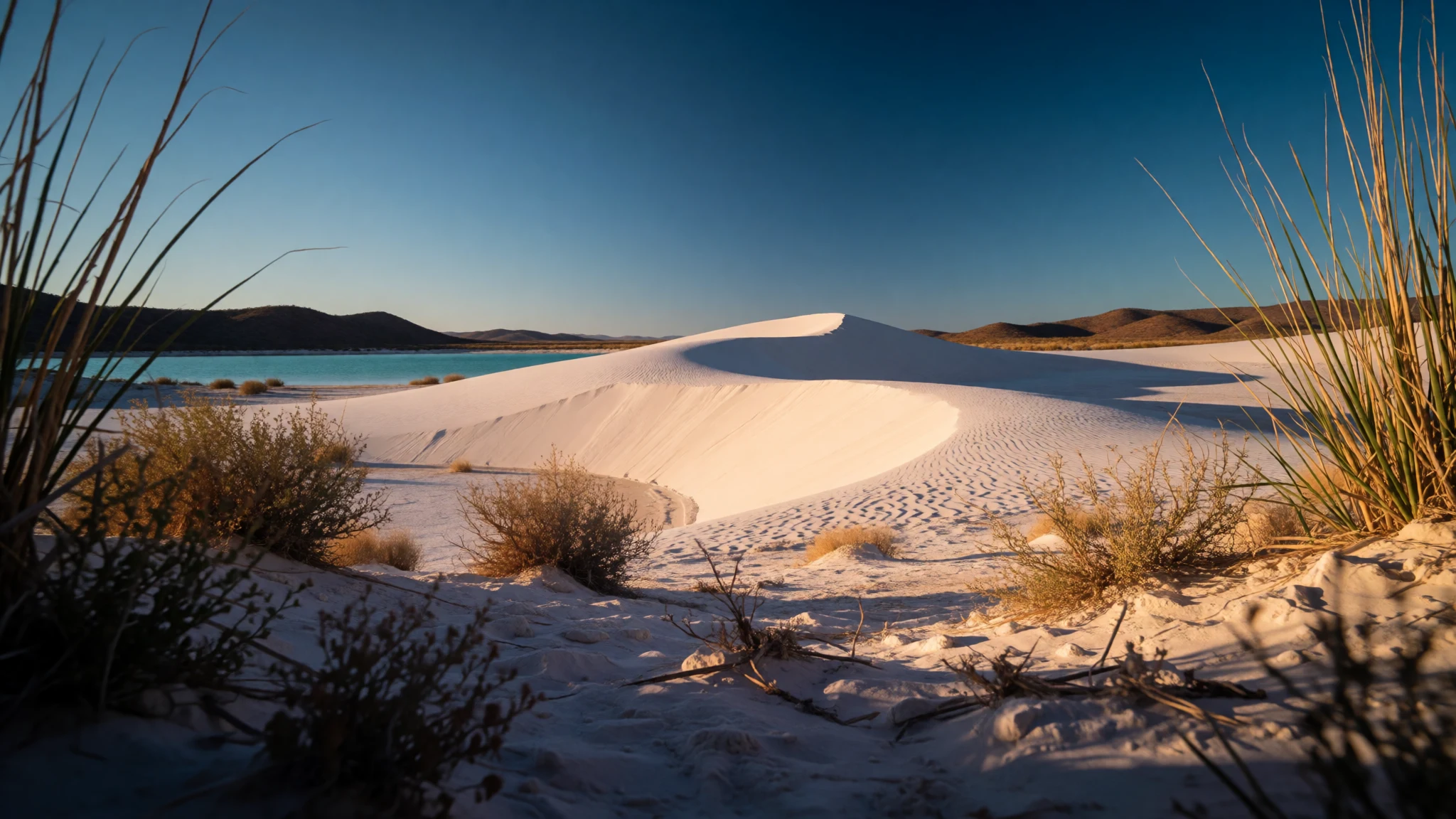
Cuatro Ciénegas is a desert town in Coahuila where springs surface as blue pools and white gypsum dunes roll beside them.
The place
Cuatro Ciénegas sits in the desert of the northern Mexican state of Coahuila, a small town whose name means "four marshes". Early settlers chose it because springs rose out of dry ground and spread into wetlands and shallow lakes. That contrast defines the place: pale mountains and scrubby plain on every side, and then, close to town, pools in startling blue and green. The town is the seat of a municipality of the same name. It is quiet and low-built, with a plaza, a handful of simple guesthouses and eateries, and farmland watered by the same springs. Most visitors come for the protected wetlands of the surrounding basin, which shelter many species found nowhere else, and for the gypsum dunes, white sand made of calcium sulfate rather than quartz. The basin is a biosphere reserve, so access is managed: some pools have viewing platforms and marked trails, while others are best reached with a local guide. Heat is the main practical fact. Summers are fierce, shade is scarce, and midday on open ground is hard work, which is exactly why the water looks so inviting. Winter days are mild and nights can turn cold. Distances look short on the map, but the roads are rural, so a car, or a guide with one, makes the days easier. Nightlife and big-hotel comfort are not on offer here; the appeal is stillness, clear water and wide skies.
Its story
Cuatro Ciénegas has been lived in for thousands of years. Excavations around the basin point to early inhabitants who stayed close to the springs and used peyote in ritual, which tells us the water was drawing people long before any Spanish map named it. The colonial record is messier. Several attempts at settlement failed in the area before a lasting town was established by Antonio Cordero y Bustamante, a Spanish officer and administrator, at the very start of the nineteenth century. The first name was long and devout, Nuestra Señora de los Dolores y Cuatro Ciénegas. It later became Villa Venustiano Carranza, and then settled on the shorter name used today, though the town is still formally Cuatro Ciénegas de Carranza. The Carranza in that title is the town's most famous son. Venustiano Carranza was born here and went on to serve as President of Mexico during the years of the Revolution, and local pride in him is easy to see in street names and civic memory. The second chapter of the story is scientific and conservation-minded. Researchers have long been drawn to the isolated pools, where life has evolved in separation, and the basin's protection as a reserve is now part of how the town sees itself. Water is both the reason for the settlement and the thing most worth guarding.
What to see
- Poza Azul — Short drive from the town
Poza Azul is a protected wetland a short drive from the town and one of the best-known pools in the reserve. A small exhibition hall shows the local plants and animals, and viewing platforms and self-guided trails make it the easiest first stop. Go early, before the heat, and keep to the paths.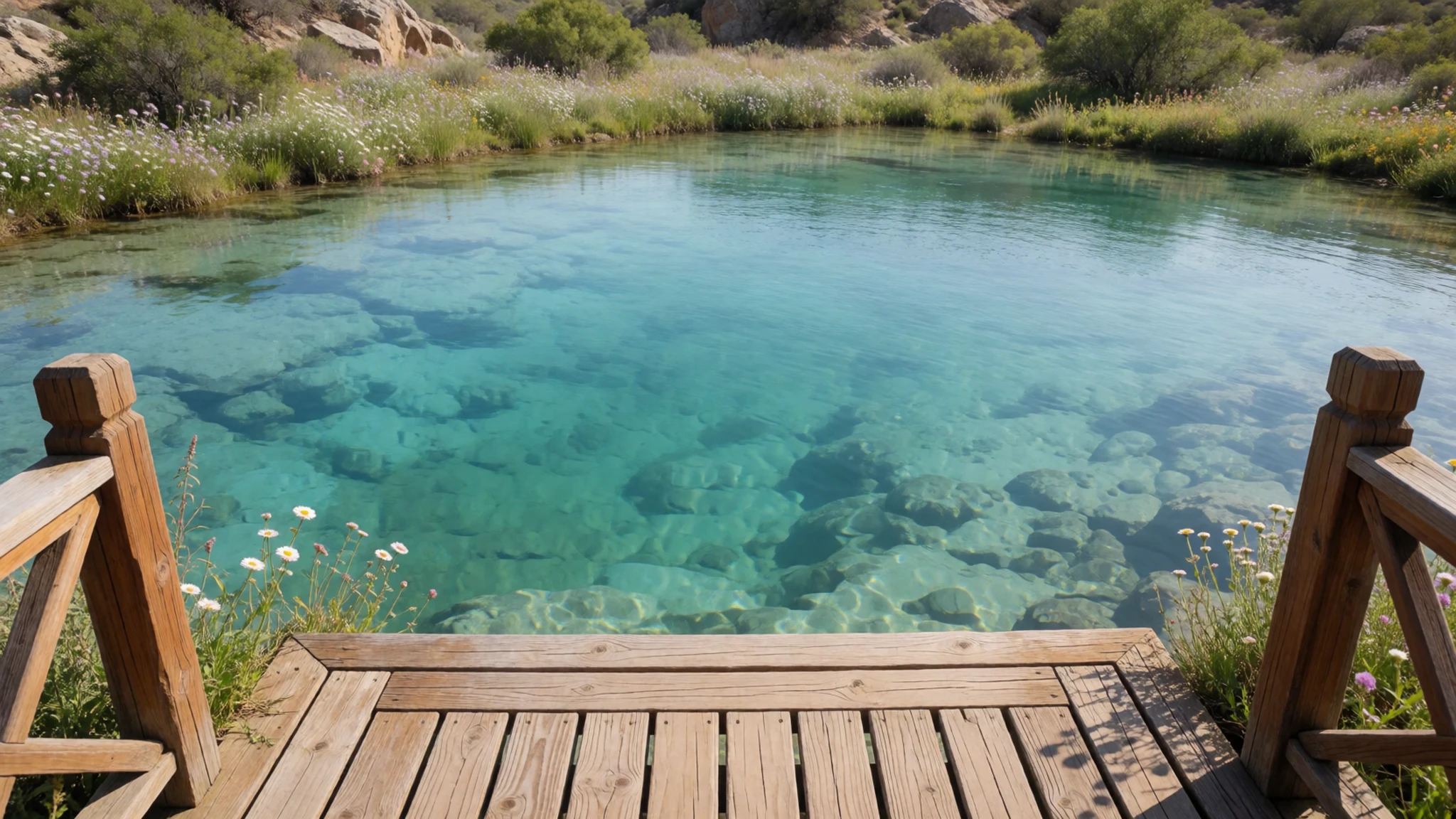
- Las Dunas de Yeso (the white dunes) — In the reserve, outside the town
The white dunes cover a broad area of pale sand made of calcium sulfate, so it stays cooler underfoot than ordinary quartz sand. The ridges glow at sunrise and sunset, and the colour against the dark mountains is the reason to time a visit for the edges of the day. Take water and sun protection.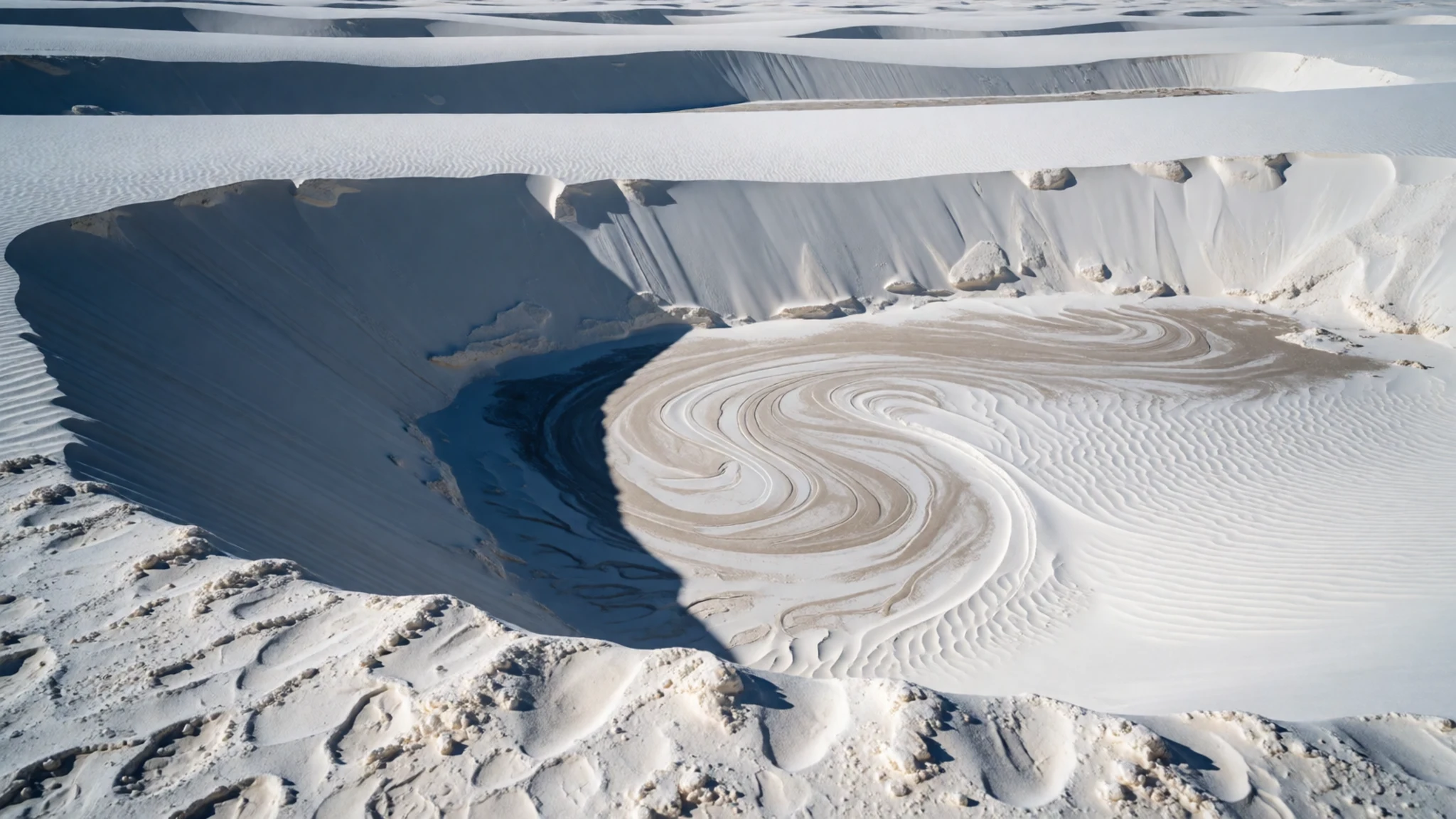
- La Poza de la Becerra — Along the highway towards Torreón
La Poza de la Becerra, "the pool of the calf", lies along the highway towards Torreón and forms part of the biosphere reserve. The area holds many species found only in this region, so it rewards slow looking rather than ticking off a view. Check the reserve's current rules on access before going.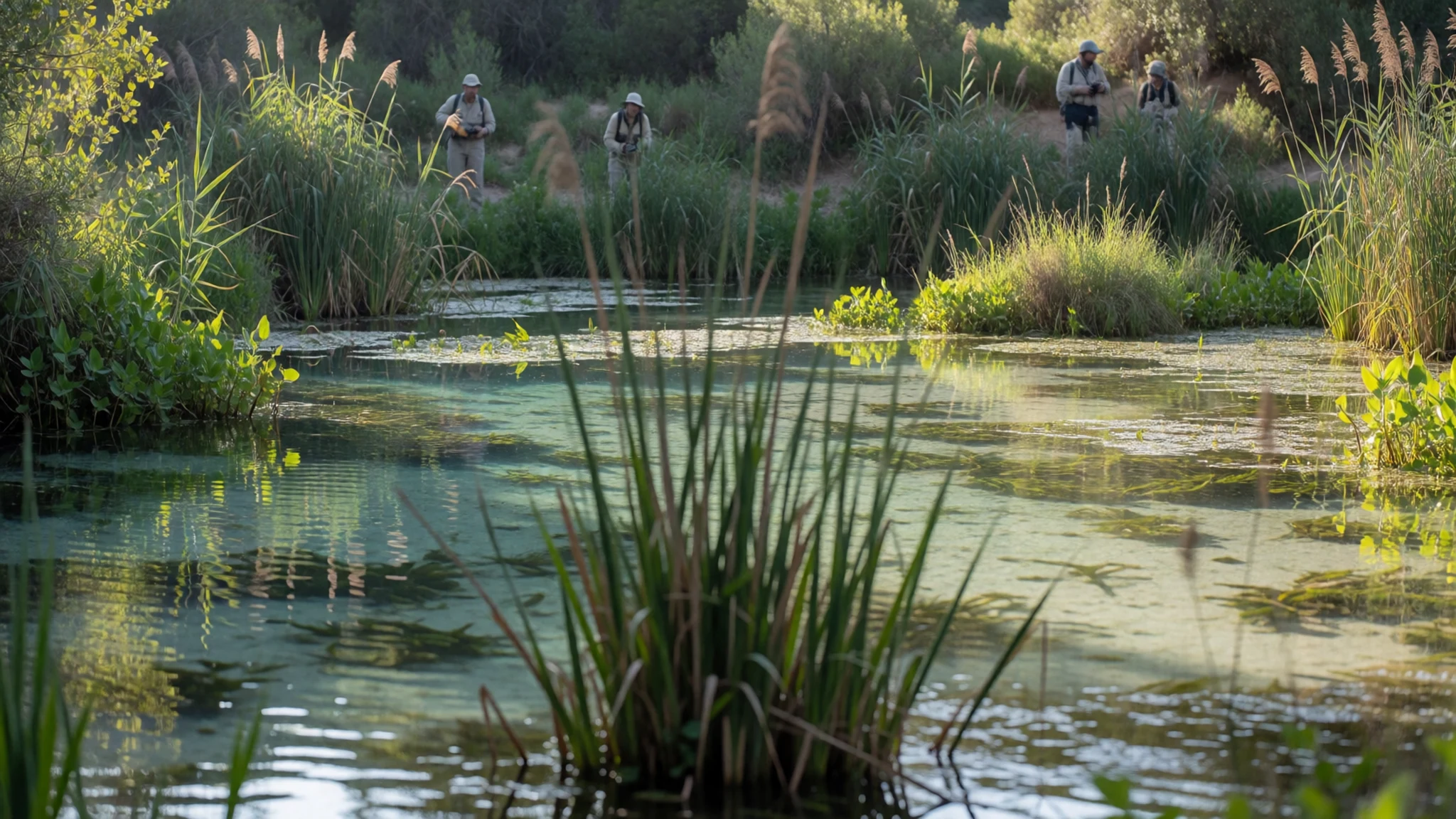
- Poza Churince — Further along the highway towards Torreón
Poza Churince is a spring-fed area farther along the same highway, where the water runs at varying temperatures. It is a good place to understand how the basin works: springs rise, spread, and feed the wetlands downstream. Guides can explain what is open and what is closed to protect the habitat.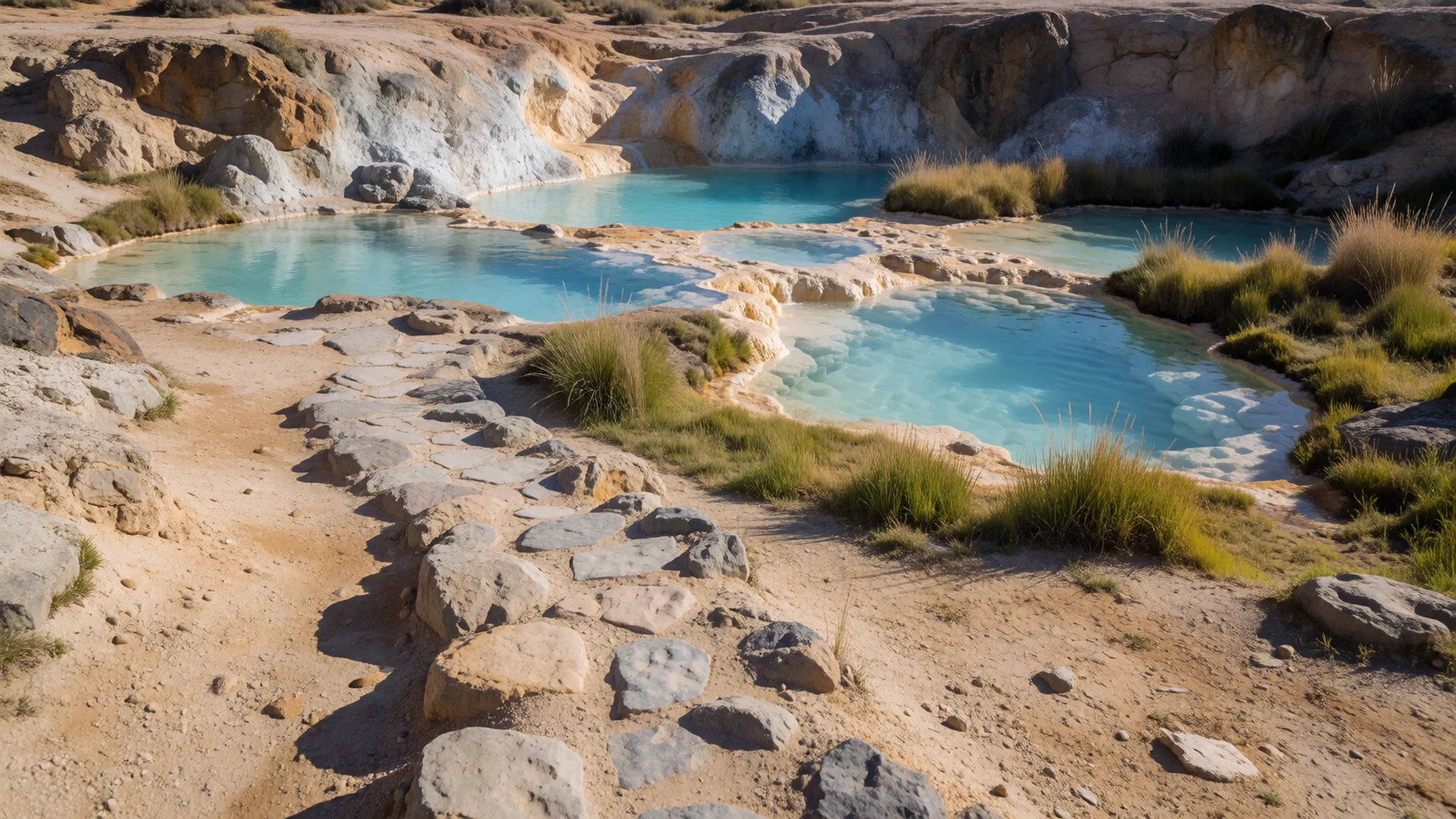
- Las Playitas — Close to the town
Las Playitas is a broad stretch of wetland close to the town, which makes it handy when time or energy is short. The edges are reedy and quiet, and birds are easy to spot in the cooler hours. It suits a gentle half-day alongside a walk through the town plaza.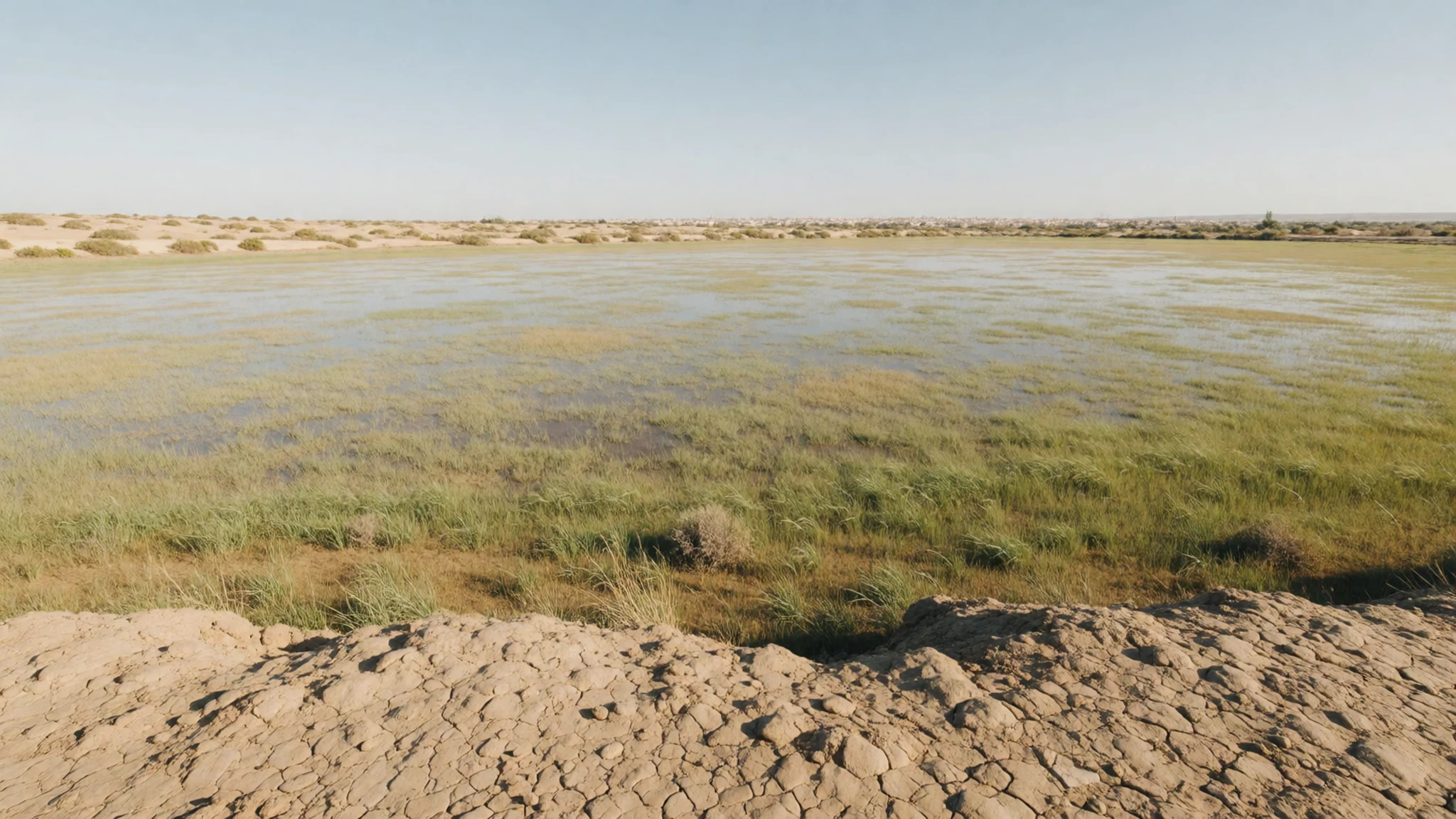
Culture
Cuatro Ciénegas is a small northern Mexican town, and its culture is shaped by ranching, farming and the desert. Family comes first: shops close for long midday breaks, and evenings gather people in the plaza to talk while children play. Catholic feast days bring processions, music and food stalls, and they are worth seeing if your dates line up. Northern Mexican taste shows in the radio, the ranchera and norteño music drifting from pickup trucks, and in the hospitality, which is warm but unhurried. Pride in Venustiano Carranza runs through civic life, and local people are glad to talk about him if asked. The newer layer of identity is the wetlands themselves. Many residents work as guides or run guesthouses and eateries, and the idea that the water is a shared inheritance is widely felt. Conversations about drought, farming and the pools are common and not abstract, because irrigation and the springs draw on the same supply. Spanish is the working language; a few greetings and thanks go a long way, since English is not widely spoken outside tour contacts. Visitors should stay on marked paths and out of the pools unless reserve staff or a guide say otherwise, because the wetlands' life is fragile and many species live nowhere else.
What to wear
Cuatro Ciénegas has no single regional costume that people wear day to day. The older working dress of the northern ranch country is still the reference point: straw or felt hats, long-sleeved cotton shirts, denim, leather belts and boots, and for fiestas a more polished version with embroidered or pressed shirts and good boots. Women's dress for church feasts and local celebrations tends to be modest and tidy, in cotton or light synthetic fabrics, sometimes with a shawl. Textiles in the wider Coahuila region include the woven Saltillo sarape, a wool blanket with bold stripes and diamond patterns that is more a regional craft than a daily garment here. Today, people wear what suits the heat: light shirts, jeans or long skirts, caps and hats, and sturdy shoes or sandals. Football shirts and branded caps are common. Visitors should dress for sun and dust first. Choose breathable long sleeves, a wide-brimmed hat, sunglasses and high-factor sun cream, and carry a layer for cool winter evenings and early mornings. Walking shoes with grip suit the trails, and water shoes can help where swimming is permitted. Shorts and vests are fine at the pools, but cover up a little when visiting the church or walking through the town, where dress is more conservative than at a beach resort.
What to eat
- Cabrito — Grill restaurants in town, especially at weekends
Cabrito is young goat, roasted slowly until the outside is crisp and the meat tender, a signature of northern Mexican cooking. Look for it at family-run grill restaurants and at weekend gatherings, usually served with tortillas, salsa and beans.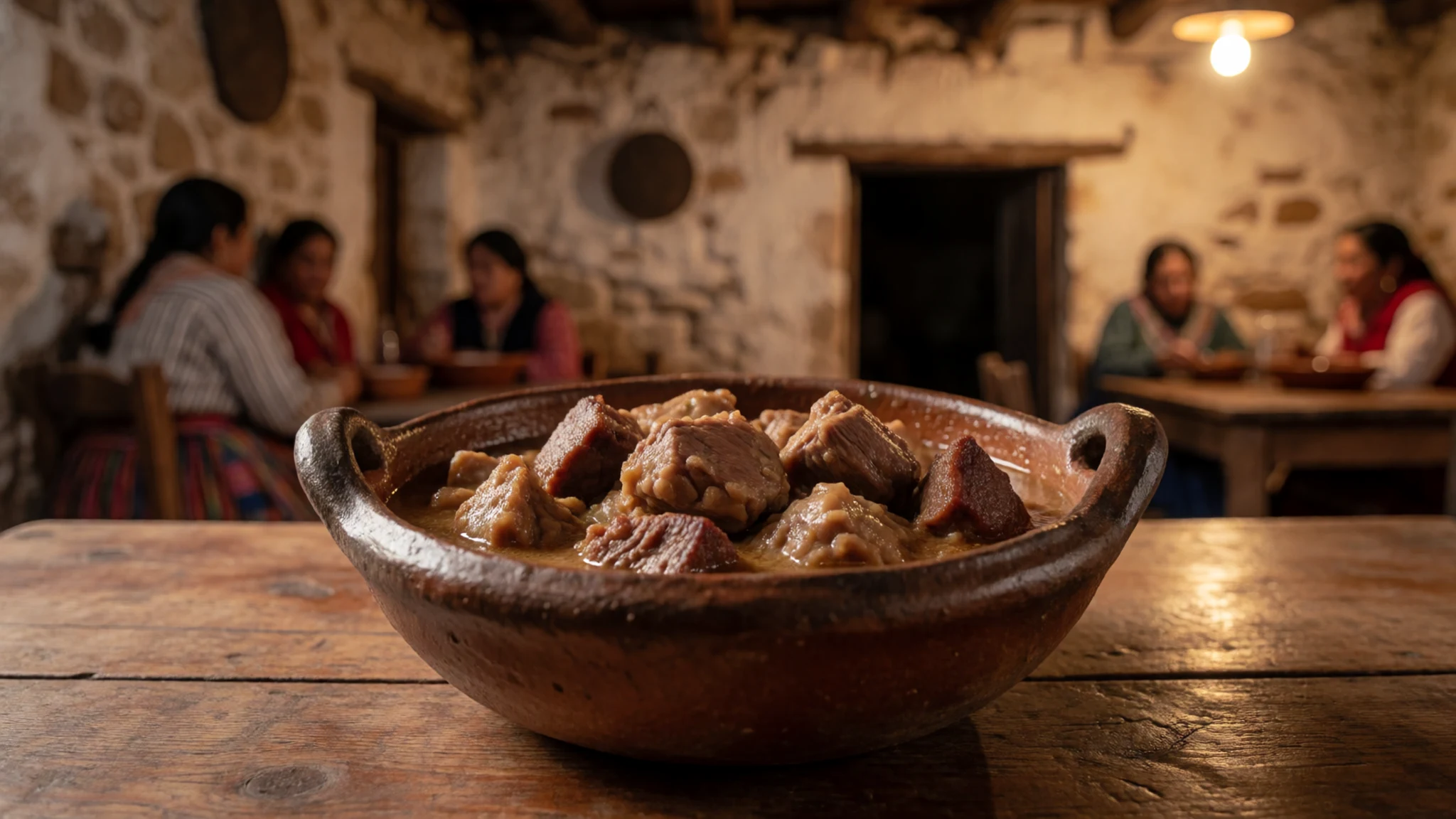
- Discada — Evening stalls and casual eateries around the plaza
Discada is a ranch-style mix of meats such as beef, pork and sausage, cooked together on a large round disc over a fire with onion, pepper and chilli. It is hearty, shared food, usually ladled into tortillas.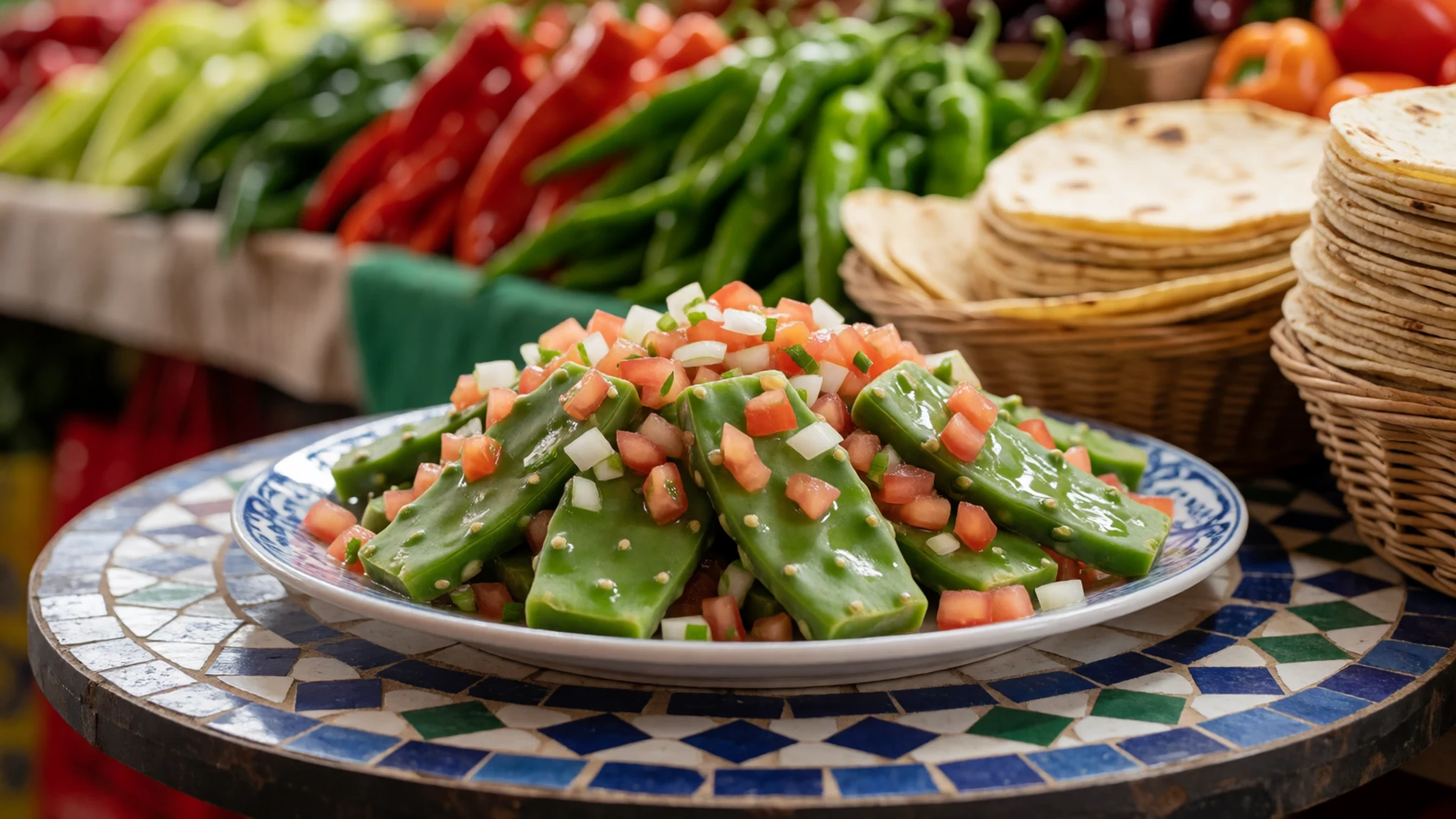
- Flour tortillas — Small tortillerías and breakfast counters in town
Northern Mexico leans on wheat rather than maize, so soft flour tortillas turn up with almost every meal here. Fresh ones, warm from the griddle, are filled with meat, beans or cheese, and are an easy breakfast or lunch. - Asado de puerco — Home-style comedores serving the midday meal
Asado de puerco is pork stewed in a dark red chilli sauce until the meat falls apart. It is a home-style dish in the north, rich and mildly spicy, and often eaten with beans and tortillas. - Pecan and milk sweets — Small shops near the plaza and roadside stalls
Northern Mexico is known for sweets made with pecans and milk, such as candied nuts and fudgy squares. Cuatro Ciénegas is a good place to try a few, and they travel well as gifts. Ask what is made locally before buying.
Plan it
Best time. March–April and October–November, when days are warm rather than punishing and the desert light is clear. Summer is very hot with little shade, and winter nights can be cold.
How long. 2–3
Getting there. Fly to Torreón or Monclova if you want the shortest road journey, or to Monterrey for more flight choices, then continue by road; the last leg is a rural highway drive, so hiring a car or arranging a transfer is the practical choice. Check current road and bus options locally before you travel.
Budget. low
Tips
- Visit the pools and dunes early in the morning or late in the afternoon to avoid the worst heat
- Carry plenty of water, sun protection and some cash, since small eateries and guides may not take cards
- Ask the reserve office or your guesthouse which pools are open and whether a guide is needed before you set out
- Book guesthouses ahead for holiday weekends, as the town is small
- Check official reserve information for current access rules and fees rather than relying on old advice
Etiquette
- Stay on marked trails and do not enter protected pools unless staff or a guide confirm it is allowed
- Take all rubbish with you and never use soap or sun cream in the water
- Ask before photographing local people
Nearby
Sources
- Wikidata Q20137220 (CC0)
- Wikipedia: Cuatro Ciénegas (CC BY-SA 4.0)
- Wikivoyage: Baja California (state) (CC BY-SA 4.0)