Crocodile Island
Crocodile Island, New Zealand
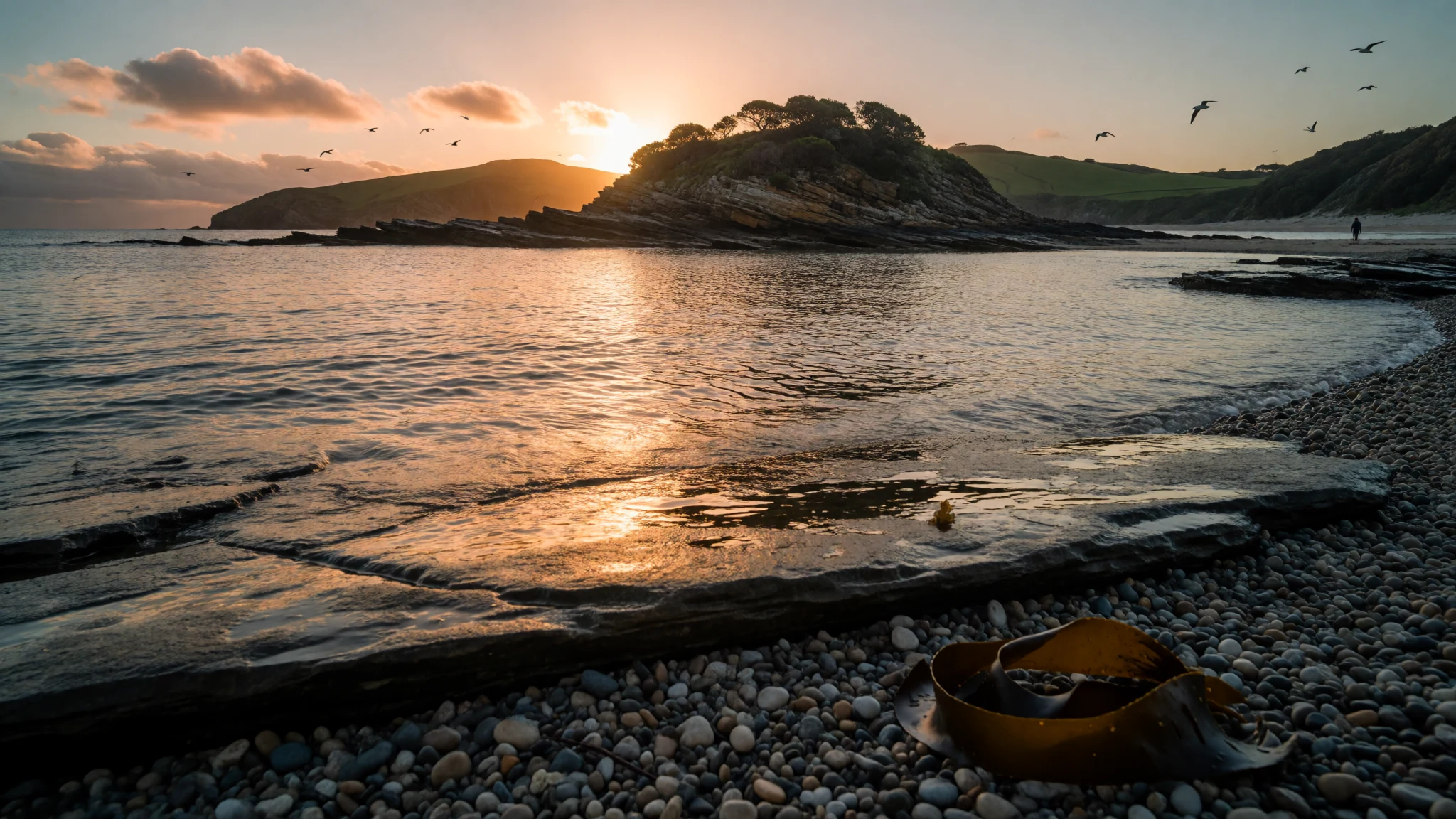
Crocodile Island is a small, low island in Lake Turkana, best enjoyed as a quiet view of water and shore.
The place
Crocodile Island, also called Central Island, is an island in Lake Turkana in Kenya with a recorded elevation of 550 m. That one figure says a good deal. This is a low island, not a volcanic cone or a ridge to climb, and its character comes from the waterline: rock, surf or still water depending on the day, with a wide sky above. By its coordinates it lies in Lake Turkana in Kenya, where the surrounding waters support local fishing and wildlife.
It is also thinly documented, and that deserves saying plainly. The material available for this reading holds no visitor centre, no published trail and limited access. Crocodile Island is best treated as something to look at from the shore or from the water, with any plan to go further checked first with local authorities and the people who look after the coast.
The name causes confusion. Also known as Central Island, Crocodile Island sits in Lake Turkana in Kenya, and an online search for the name will lead directly to it. The two share a label and nothing else.
The island's striking volcanic landscape is worth noticing. Its cones and craters carry histories that belong to local communities. Seen that way, the island makes more sense as one piece of a longer coast than as a destination on its own: a pause to look at the sea, followed by the beaches, cafés and walks on the mainland nearby.
Its story
The story of Crocodile Island is mostly a story of its unique landscape, because geology is what the record holds. Records give two names: the English label, Crocodile Island, and the local name, Central Island. The English name was very probably given for a shape, a profile seen from the water that someone thought resembled a reptile's back. That is an inference rather than a documented fact, but it is the kind of naming sailors have done on coasts all over the world.
The local names read differently. Local descriptions highlight its volcanic craters and active fumaroles. Taken together, the features suggest a striking volcanic sanctuary. No source available here confirms early human history there in detail, so that reading stays a suggestion.
What can be said with more confidence is the wider geographical picture. The shores of Lake Turkana have been travelled and fished by local communities for generations, and the island serves as a stark landmark in the lake. Later sailors added their own names, often practical or playful, on top of older ones.
Anyone who wants the real account of this particular island should consult wildlife authorities or local guides, rather than rely on guesswork. This reading tries to keep what is known and what is guessed clearly apart.
What to see
- The island from the shore — Mainland coast facing the island
The simplest way to see Crocodile Island is to look at it from the nearest stretch of mainland coast. A low island of 8 m changes with the light and the tide, so a second look later in the day is often worth more than a long first one. Ask locally for the best vantage point.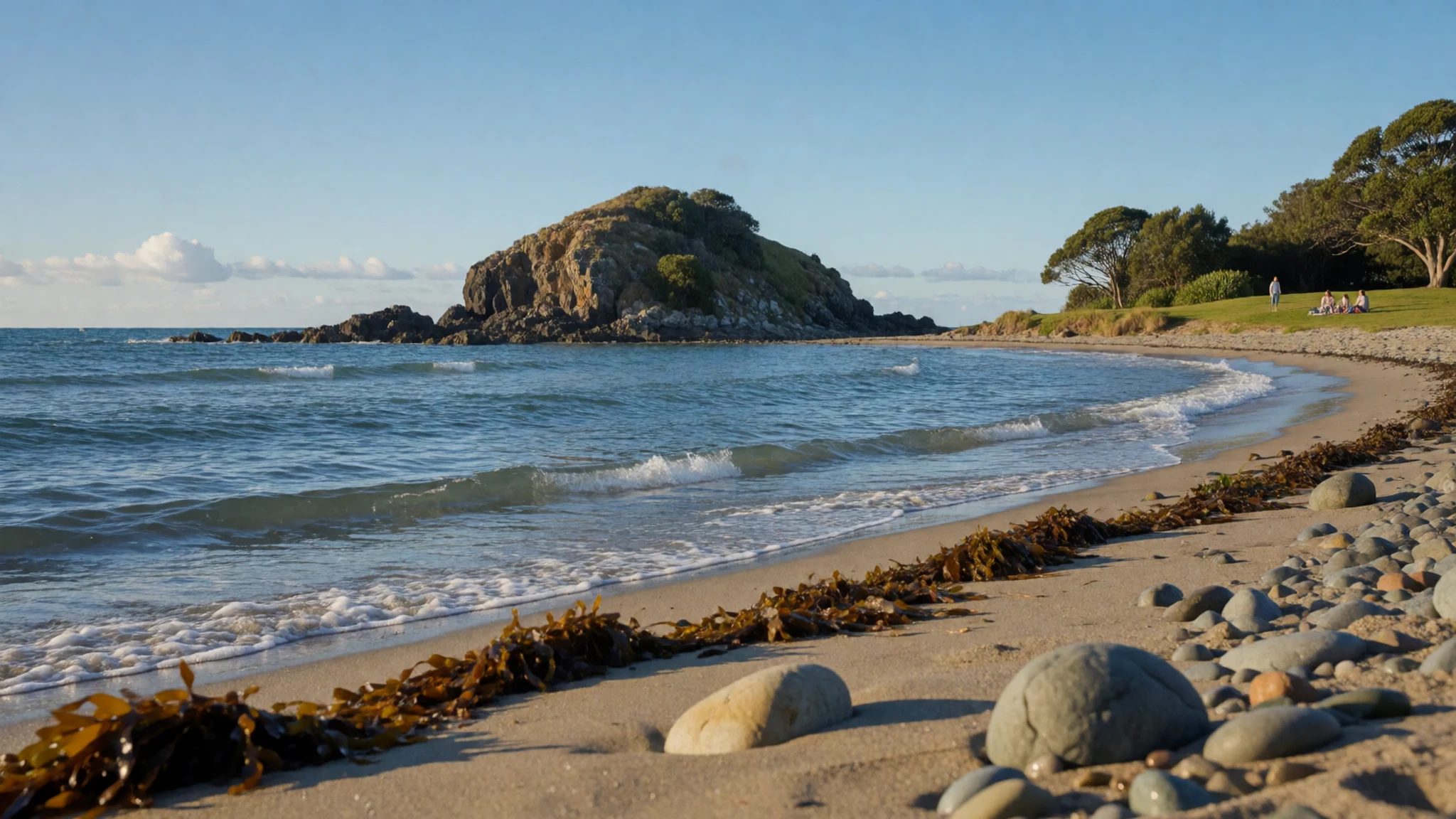
- The shoreline at low tide — Foreshore near the island
Where access is safe and permitted, the foreshore at low tide is where a small island's character shows: rock shelves, pools, weed and shellfish. Tides and swell on this coast can change quickly, so check tide times, keep children close and never turn your back on open water.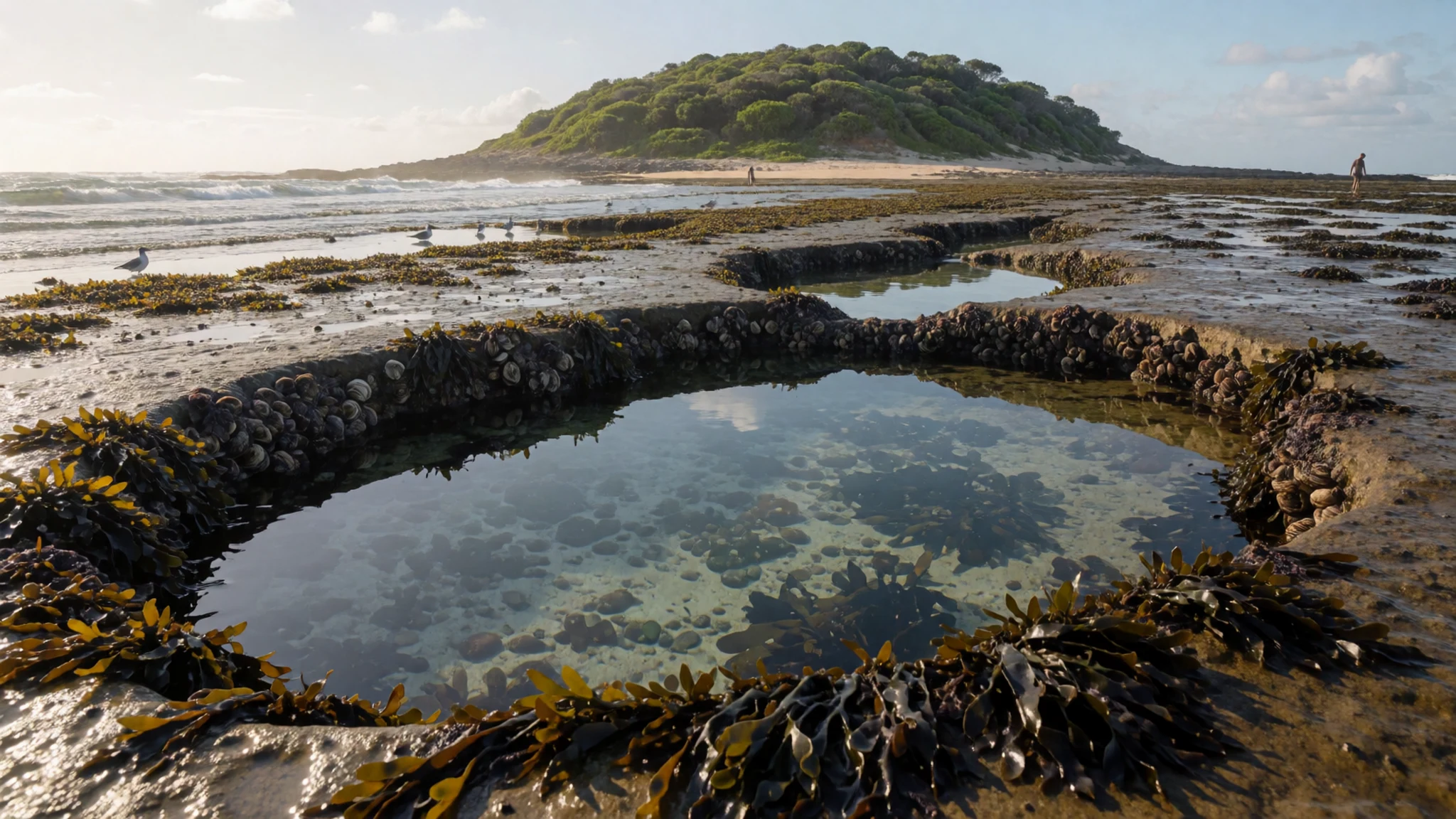
- First light over the water — Open shoreline near the island
An island this low reads best as a dark shape against a pale sky, and early morning is usually calmest, with fewer people and flatter water. Photographers and quiet walkers tend to prefer it. Cloud and wind can change the picture entirely, so a flexible plan beats a fixed one.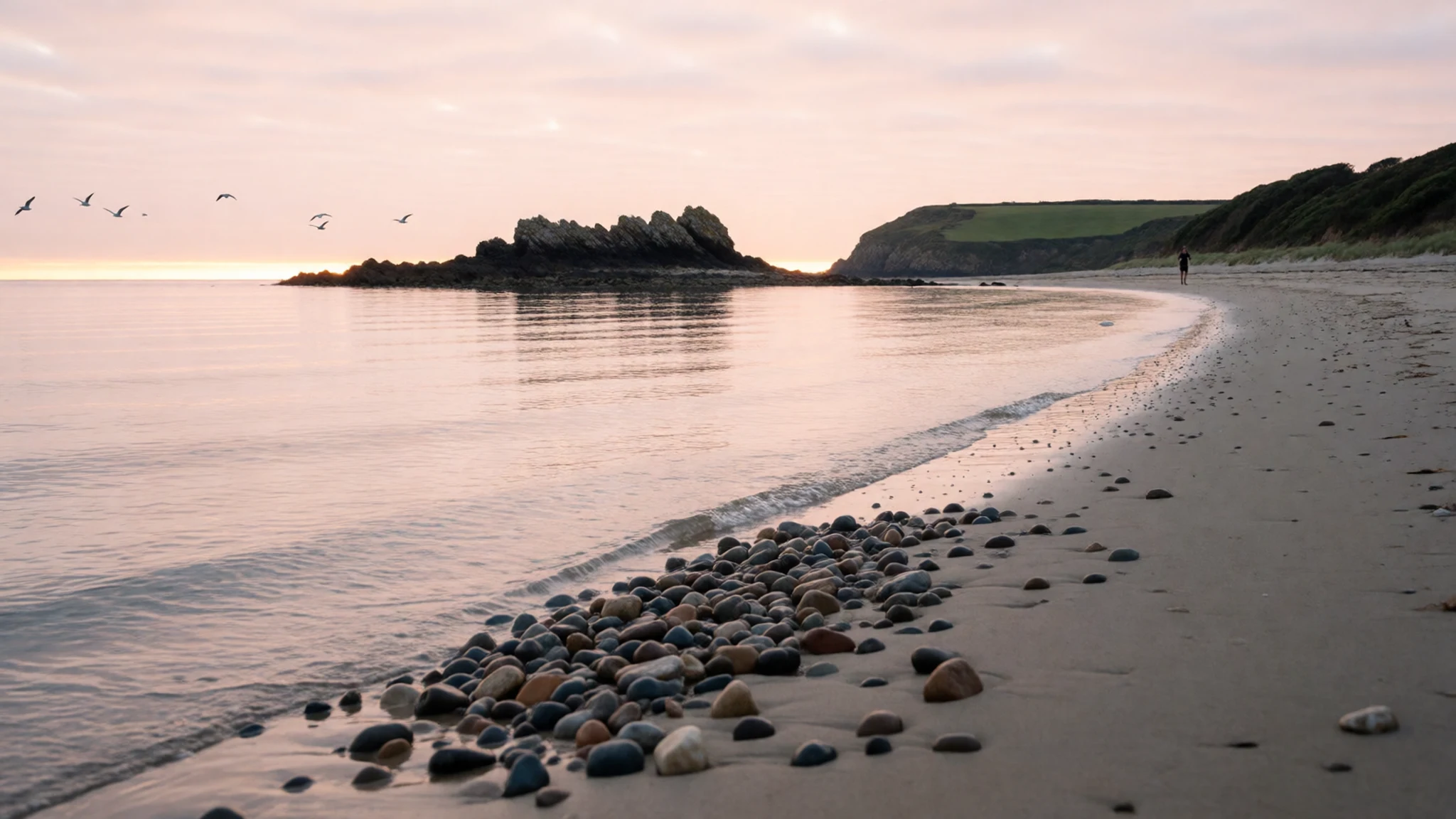
- Coastal paths on the mainland — Coastline north of Auckland
Stretches of the Lake Turkana shoreline offer views and rugged approaches close to islands like this one. Which routes are open, and how long they are, is best confirmed with a local information centre or council website, since conditions, closures and tides vary through the year.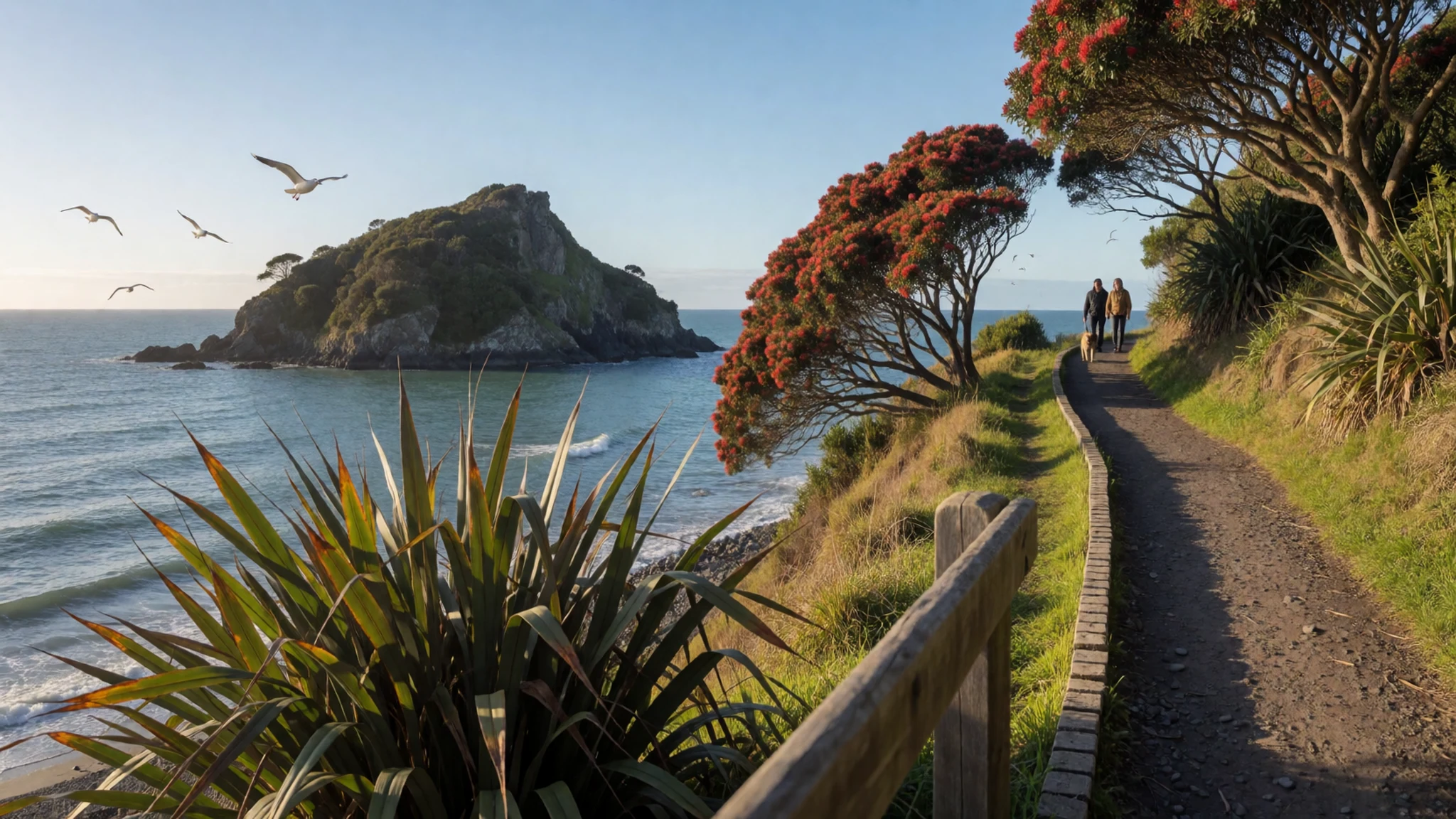
- Seabirds and shore life — Shore and water around the island
Islands in Lake Turkana often draw waterbirds and crocodiles, and Crocodile Island is a major breeding site for Nile crocodiles. Binoculars help, and distance helps more: birds nesting or resting on rocks are easily disturbed, so watch from the beach rather than approaching by foot or boat.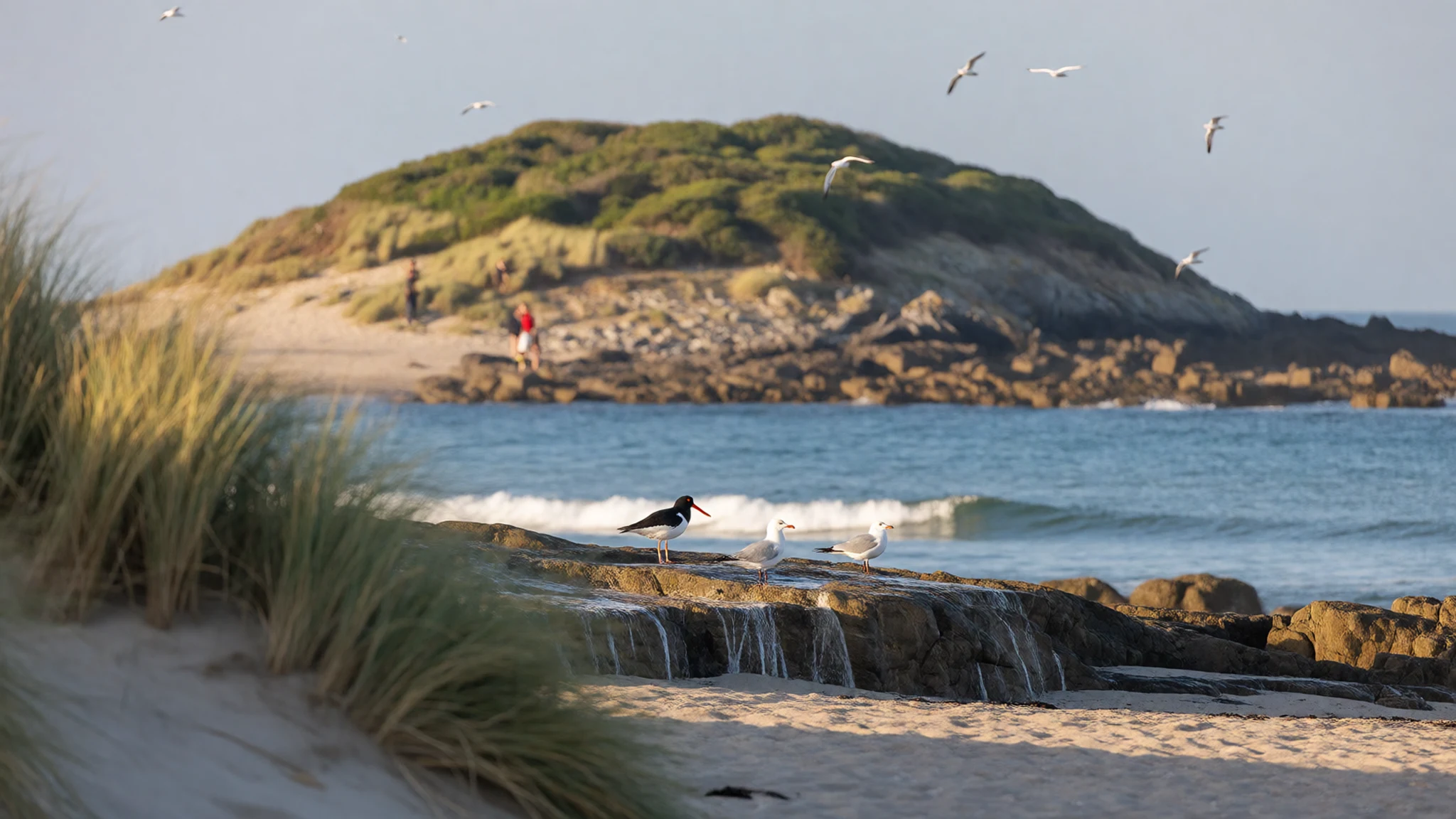
Culture
Crocodile Island sits in a region shaped by local Turkana culture and traditions, and the lake's environment is central to the area's identity. Names here are not labels alone; they often record the people, events and wildlife tied to a site. Hearing a name pronounced correctly, and learning what it means, is a small courtesy that locals notice and appreciate.
One idea worth knowing is local wildlife guardianship: the view that the people of the area look after its land, water and wildlife for those who come after. It shapes how coasts and islands are managed, from shellfish limits to closed areas where birds nest. Rules that look strict on a sign usually have this thinking behind them.
Modern coastal life here is relaxed and outdoorsy. Beaches are public space for swimming, walking dogs where allowed, fishing from rocks or boats, and Sunday afternoons with a picnic. Weather decides plans, and people are comfortable changing them. Conversation tends to be direct and friendly without being formal, and small talk about the sea, the wind or the forecast is a normal way to begin.
Because so little is published about this island, local knowledge is the best guide, and asking politely is usually welcomed. Before landing on or collecting anything from any small island or shoreline here, ask locally about access, because some coastal sites are sacred or protected, and take all rubbish home with you.
What to wear
Traditional attire in Crocodile Island's part of Kenya reflects the pastoral and local heritage of the Turkana people. Beads and traditional leather garments are often worn at ceremonies such as dances and important community occasions. Ornate beadwork is a prominent feature of traditional dress and is seen at festive gatherings. Ornaments carved from local materials or crafted from beads are worn as treasures and gifts.
Everyday clothing on this coast is practical and casual. Shorts, T-shirts, hoodies, fleece, waterproof jackets and wool layers are common, and flip-flops or sandals appear on the beach in almost any weather. Smart clothes are kept for work, events and weddings. People dress for wind and rain as much as sun, because the weather can swing within a day.
Visitors should pack for the coast. A wide-brimmed hat, sunglasses and high-factor sunscreen matter more than most people expect, as the sun is strong even on cloudy days. A windproof, waterproof layer is sensible in any season, and a warm top for evenings is wise. Rocky shorelines call for closed shoes, reef shoes or sturdy sandals with grip. Swimwear is normal on beaches, but cover up when walking into town or a café. If visiting local communities, dress respectfully and follow local customs when entering homesteads.
What to eat
- Fish and chips — Any seaside takeaway shop in the coastal towns
Fresh fish, usually fried in batter, with hot chips, wrapped in paper and eaten near the water. It is the classic New Zealand seaside meal and tastes best on a harbour wall or beach, ideally with a few gulls watching hopefully nearby.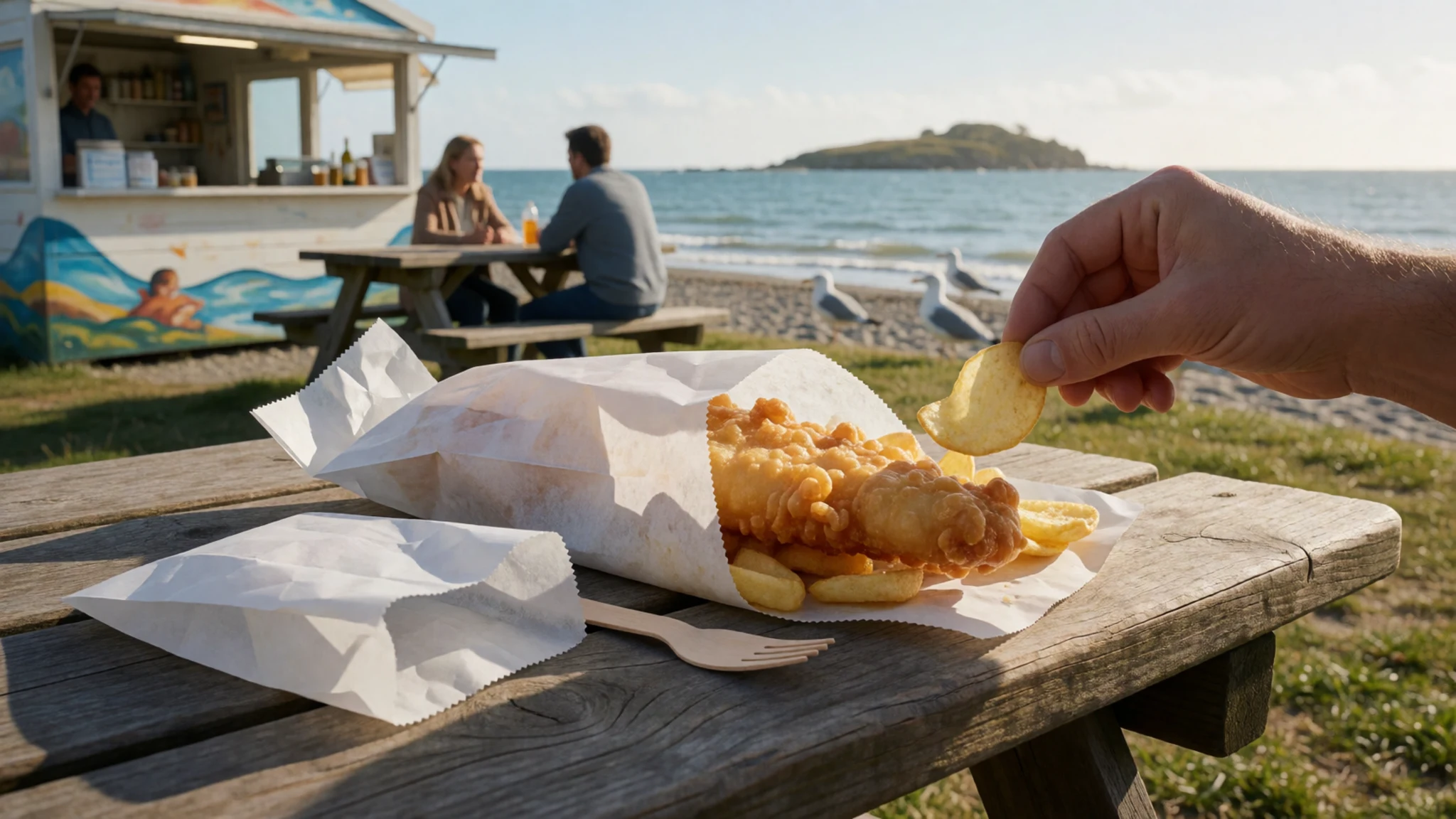
- Green-lipped mussels — Seafood counters and waterfront cafés
Fresh fish from the lake, caught locally by fishermen. They are steamed with garlic, white wine or coconut, or served chilled with sauces. Locally farmed mussels are widely available and make a light, good-value seafood dish.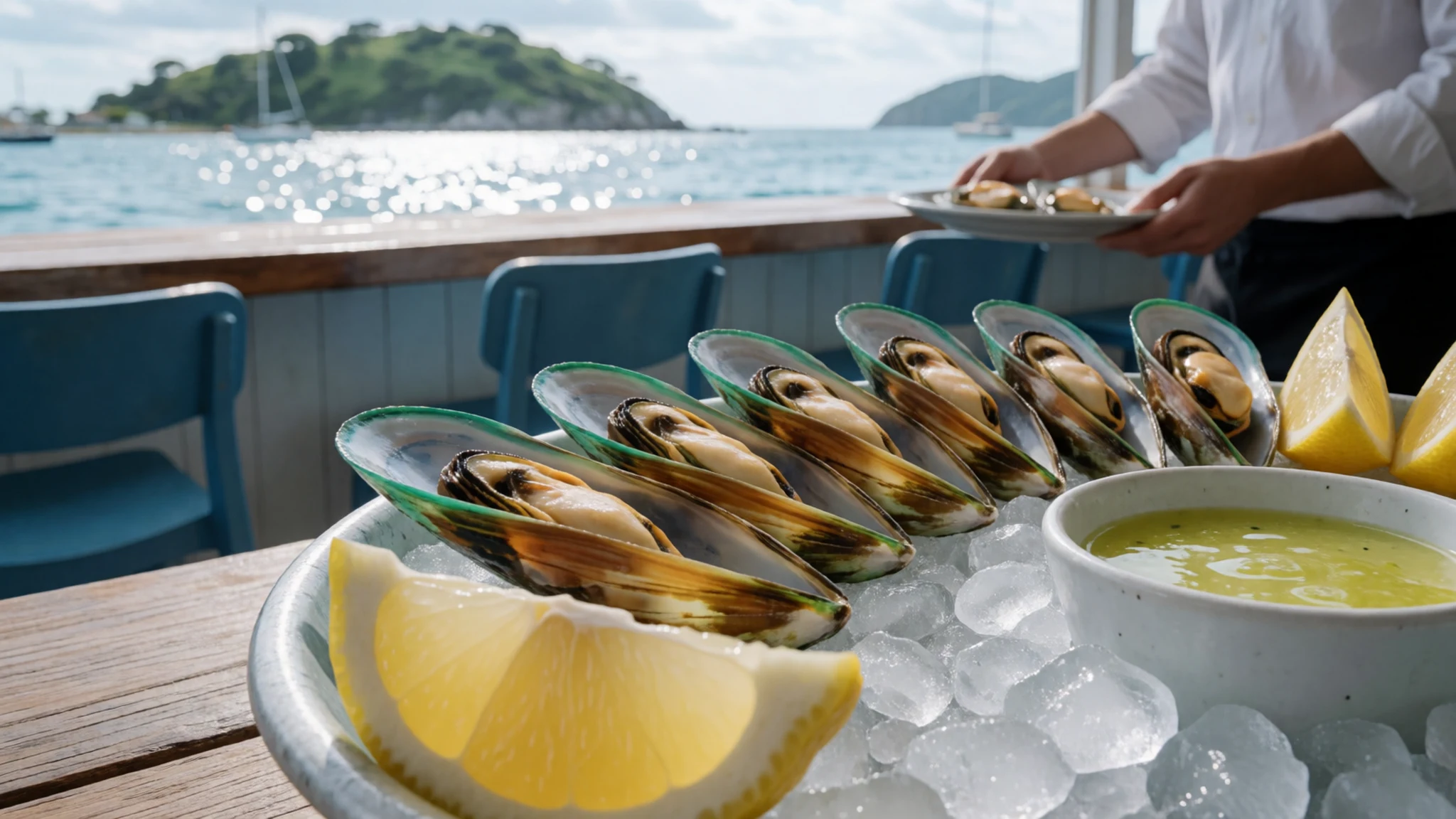
- Meat pie — Neighbourhood bakeries and petrol-station food counters
A hand-sized pastry pie filled with minced beef, gravy and often cheese or mushroom, eaten hot from a paper bag. It is the standard road-trip and beach-day snack, and bakeries compete fiercely over theirs, so asking a local for a favourite is easy conversation. - Pavlova — Cafés, bakeries and home-style dessert counters
A crisp meringue shell with a soft marshmallow centre, topped with whipped cream and fruit such as kiwifruit and berries. Sweet treats and baked goods appear at family tables and celebrations, especially on holidays. It appears at family tables and celebrations, especially in summer. - Hāngī — Community events and Māori cultural experiences
A Māori way of cooking meat and vegetables slowly in an earth oven, traditionally with heated stones, giving a soft, smoky flavour. It is usually prepared for community gatherings or cultural experiences, so ask local tourism offices which events welcome visitors. - Flat white — Almost any café in town or by the beach
A smooth espresso coffee with steamed milk and a thin layer of microfoam, served in a small cup. It is the default order in New Zealand cafés and a good excuse to sit down after a windy coastal walk and watch the weather.
Plan it
Best time. January and February are the warmest stretches in this part of Kenya with mean daily highs around 27.0°C and lows of 14.0°C, offering long daylight and dry conditions. The transition months bring varied conditions. The wettest months are July and August with over 100 mm of rain, bringing cooler daily highs around 17.6°C to 17.7°C.
How long. 1
Getting there. Travel to northern Kenya toward Lake Turkana, then arrange local transport by boat or vehicle to reach the shore facing the island. Check locally for boat access, since none is confirmed in the sources used here.
Budget. mid
Tips
- Check the official council or Department of Conservation websites for access, closures and rules before travelling
- Look at tide times and the marine forecast before any shoreline walk
- Carry water, sun protection and a waterproof layer, as the weather changes quickly
- Book accommodation early for the summer holidays, when coastal towns fill up
- Take cash and a card, as small beach kiosks and markets may not take both
Etiquette
- Take all rubbish with you and leave shells, rocks and plants where they are
- Keep well back from nesting or resting birds and do not land on protected islands
- Greet people politely and ask before photographing anyone, especially at cultural sites
Nearby
Sources
- Wikidata Q32169876 (CC0)
- Wikipedia: Crocodile Island (rev 1365732091) (CC BY-SA 4.0)
- Wikivoyage: Crocodile Island (CC BY-SA 4.0)
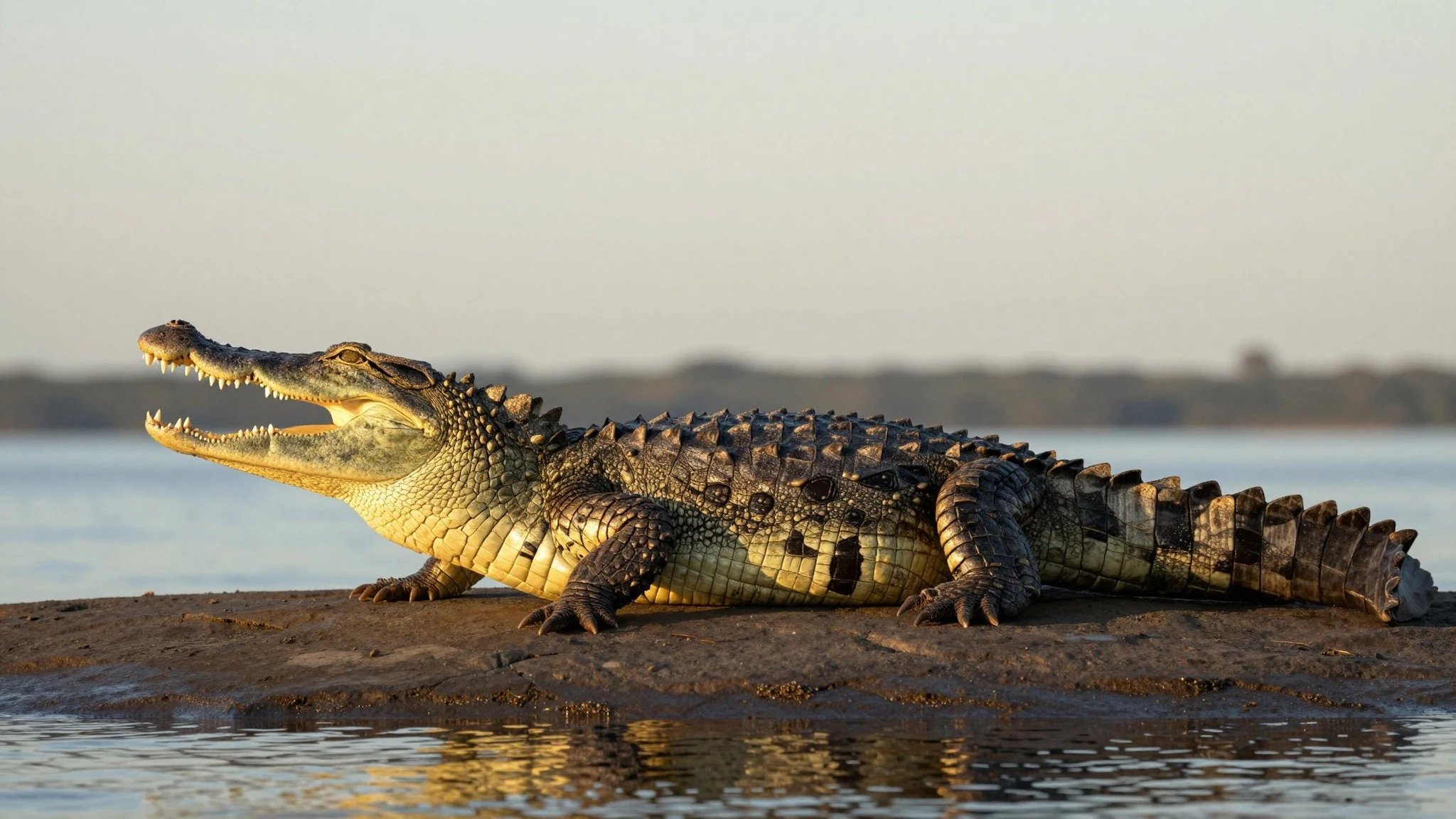
Wildlife
- Nile crocodile (animal)
The Nile crocodile is a huge, scaly reptile of African waters, a bit like a living log with a very big smile. Crocodile Island, in Lake Turkana, Kenya, is an important place where these crocodiles breed, and the lake shelters one of the largest undisturbed groups of them. Ask your guide about the best time to look. Watch from a safe distance, stay quiet and still, go only with a local guide, and never feed them, however calm they seem.