Coromandel Peninsula
Coromandel Peninsula, New Zealand
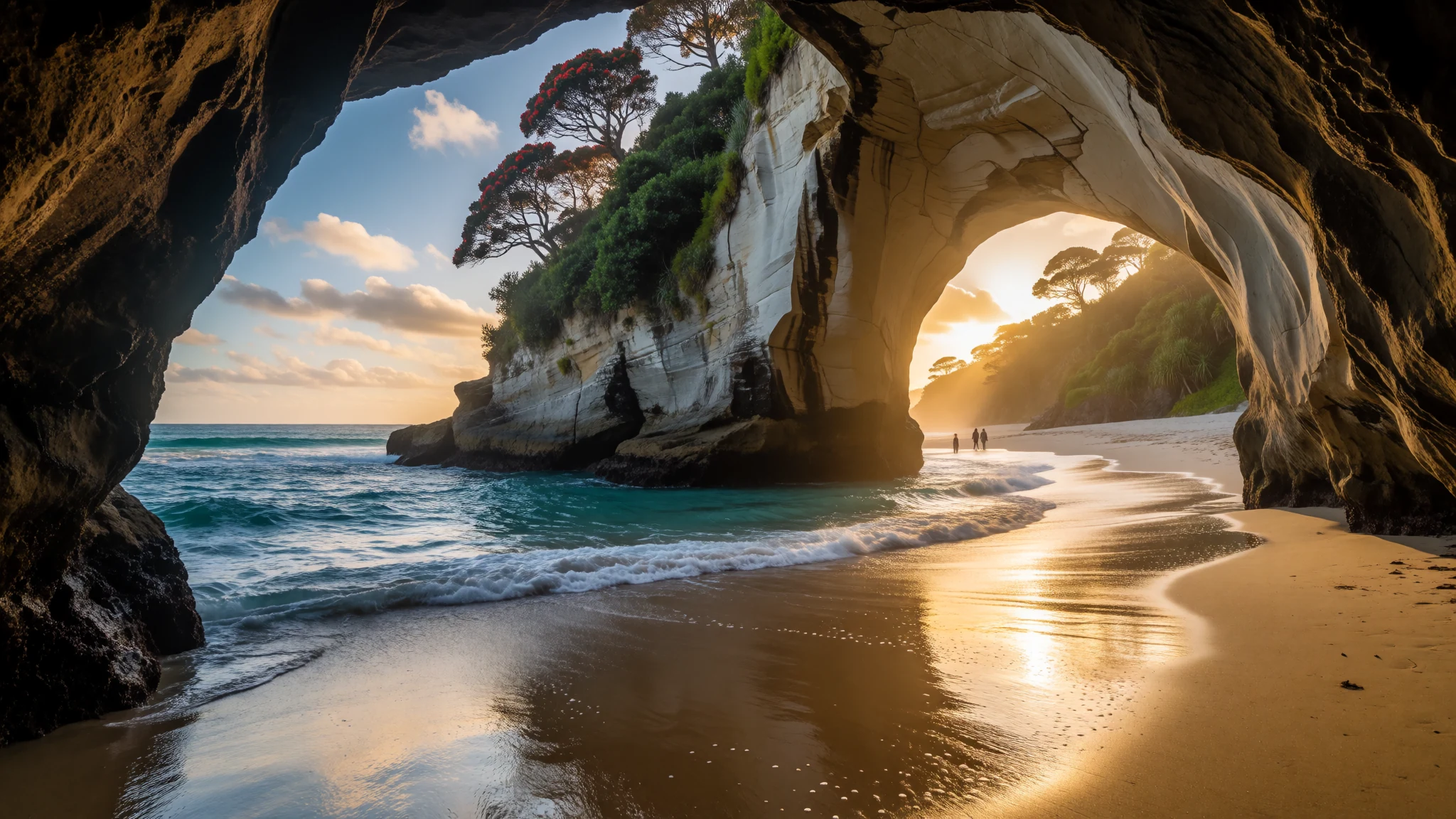
The Coromandel Peninsula offers wild coastal bush, hidden thermal sands and quiet seaside settlements within easy reach of the North Island's biggest cities.
The place
The Coromandel Peninsula on the North Island of New Zealand forms a natural maritime barrier, protecting the Hauraki Gulf and the Firth of Thames in the west from the vast expanse of the Pacific Ocean to the east. Almost the entire population of the district lives on the narrow coastal fringes that front the gulf and the Bay of Plenty. On clear days, the peninsula is easily seen from the far shore of the Hauraki Gulf. The terrain is notably steep, hilly, and heavily forested, with the central Coromandel Range forming a rugged spine along its length. At the northern tip, the Moehau Range rises to the highest elevations in the district. Although the area sits remarkably close to major urban centers on the North Island, its mountainous interior and remote northern reaches remain largely undeveloped, quiet, and sparsely populated. Visitors find a landscape dominated by dense native bush, winding coastal roads, hidden bays, and tidal estuaries that reward unhurried exploration. Small townships and artistic communities are dotted along the coastline, connected by a highway network that clings closely to the shore. The ocean dominates daily life here, shaping the climate, the local economy, and the unhurried pace of the settlements that hug the waterline.
Its story
Long before European vessels arrived in these waters, the Coromandel Peninsula held immense strategic and cultural significance for local Māori iwi. Archaeological sites across the region reveal deep histories of settlement, resource gathering, and trade. Most notably, the Tahanga Quarries of Opito Bay served as a vital regional source of high-grade basalt, often referred to as karā or pakawera. During the early Māori Archaic period, master craftspeople travelled to these quarries to extract stone specifically for manufacturing heavy-duty cutting tools and adzes. These durable basalt implements were subsequently traded across wide areas of New Zealand, helping to shape early maritime and forest-clearing technologies. Later centuries brought European traders, timber millers, and gold prospectors who carved tramlines through the ancient kauri forests and established bustling coastal ports. While the sawmills and mining shafts have long since closed, the heritage of both early Māori settlement and the nineteenth-century industrial boom remains visible in local place names, preserved valley walks, and historic town museums dotted throughout the district.
What to see
- Cathedral Cove — Hahei
Accessible via a scenic coastal walking track or by boat, this famous marine reserve features a massive natural stone archway connecting two secluded sandy beaches. The dramatic white cliffs, crystal clear water, and overarching pohutakawa trees create one of the most photographed coastal landscapes in the country, drawing swimmers, snorkelers, and walkers throughout the warmer months.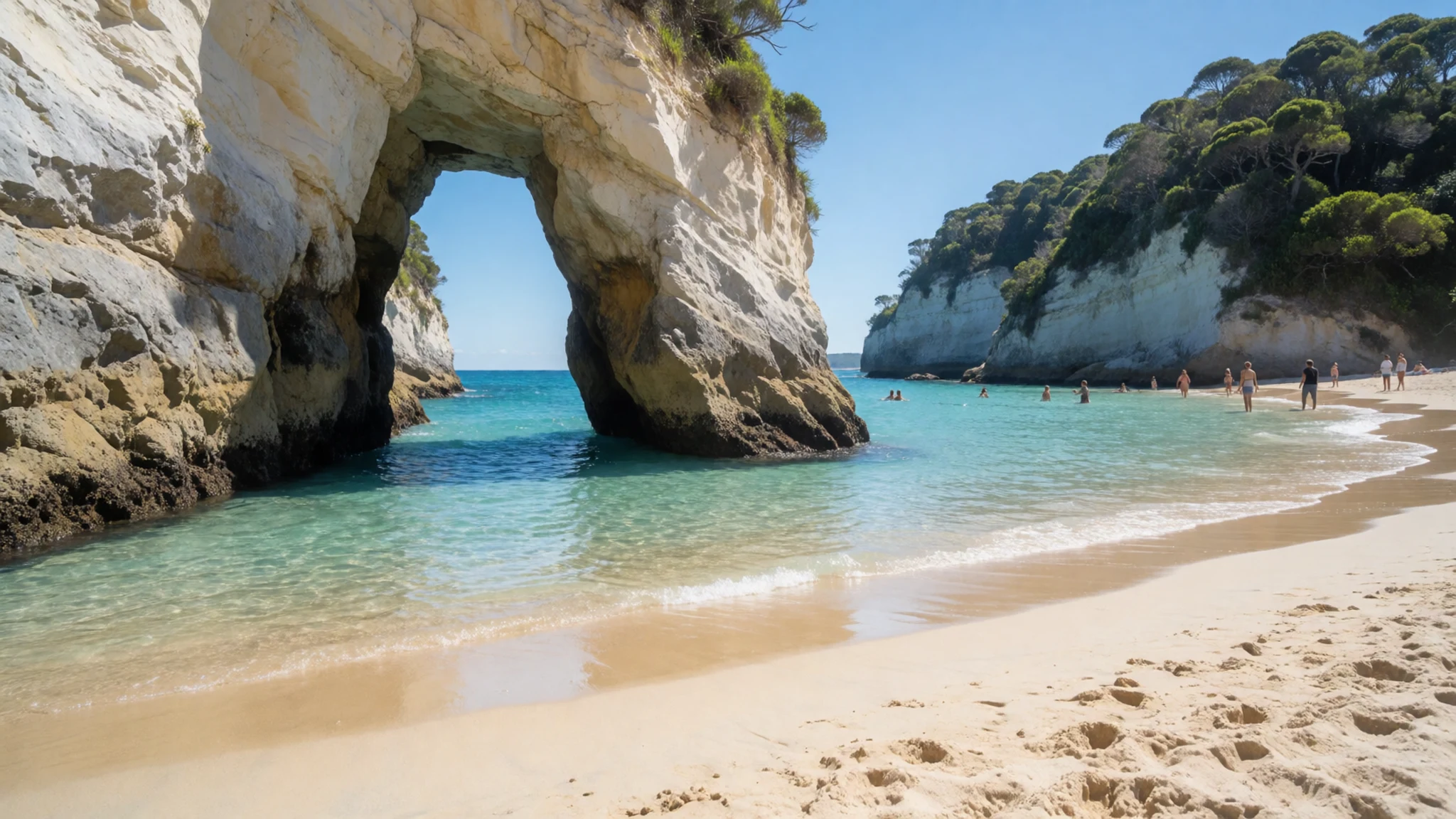
- Hot Water Beach — Mercury Bay
Underground thermal springs bubble up through the sand at this dramatic ocean beach during low tide. Visitors arrive armed with spades to dig out their own natural mineral spa pools right on the shoreline before the incoming tide washes the excavations away. The atmosphere is consistently lively as travellers and locals alike race the incoming waves to secure a comfortable steaming pool.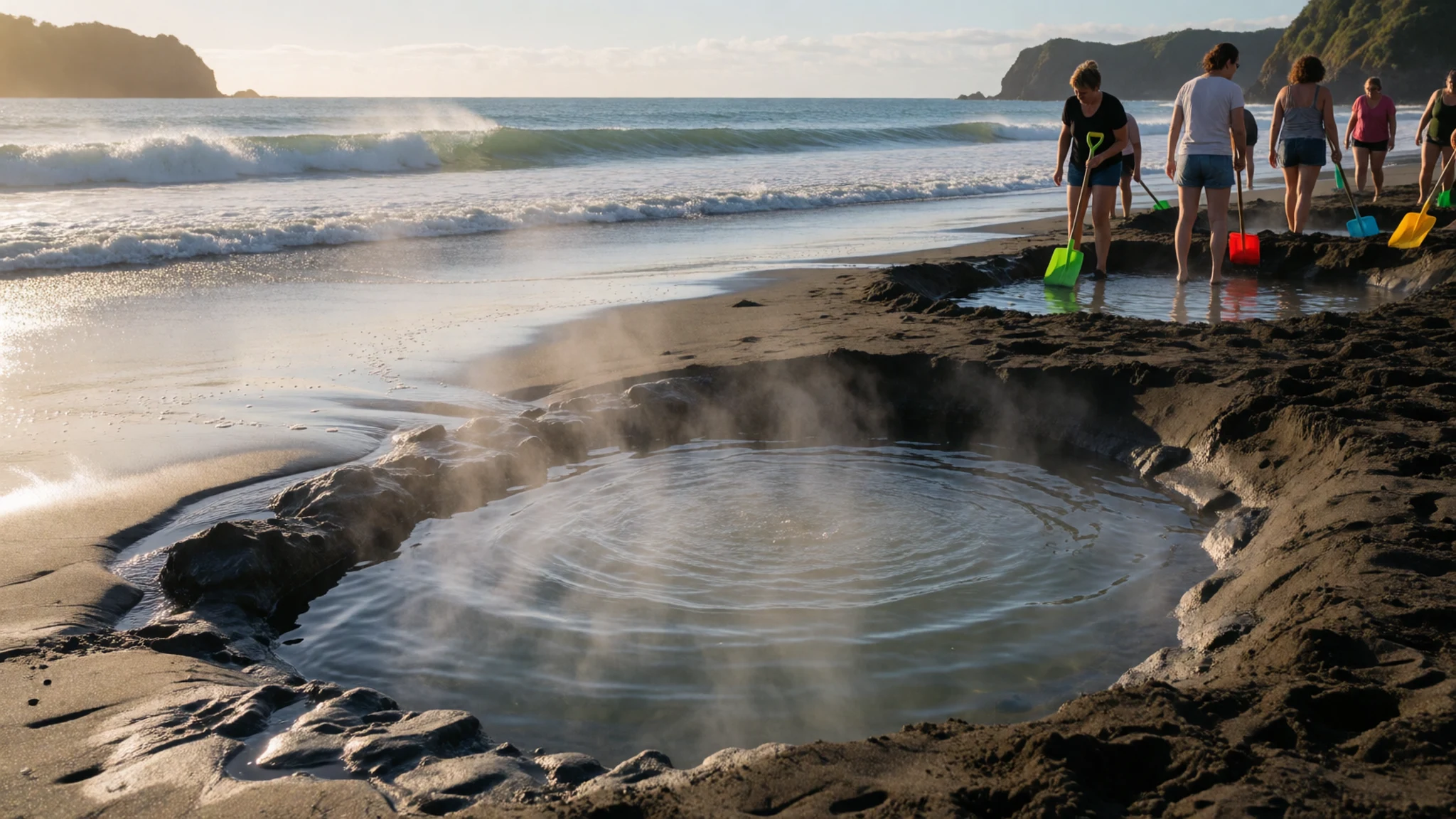
- Driving Creek Railway — Coromandel Town
Conceived and constructed as a private pottery-yard project by local sculptor Barry Brickell, this narrow-gauge mountain railway winds steeply through regenerating native forest and tunnels. Visitors ride small diesel trains past brick kilns and replanted kauri trees, enjoying panoramic views over the surrounding valleys and gulf waters while learning about local conservation efforts and eccentric engineering.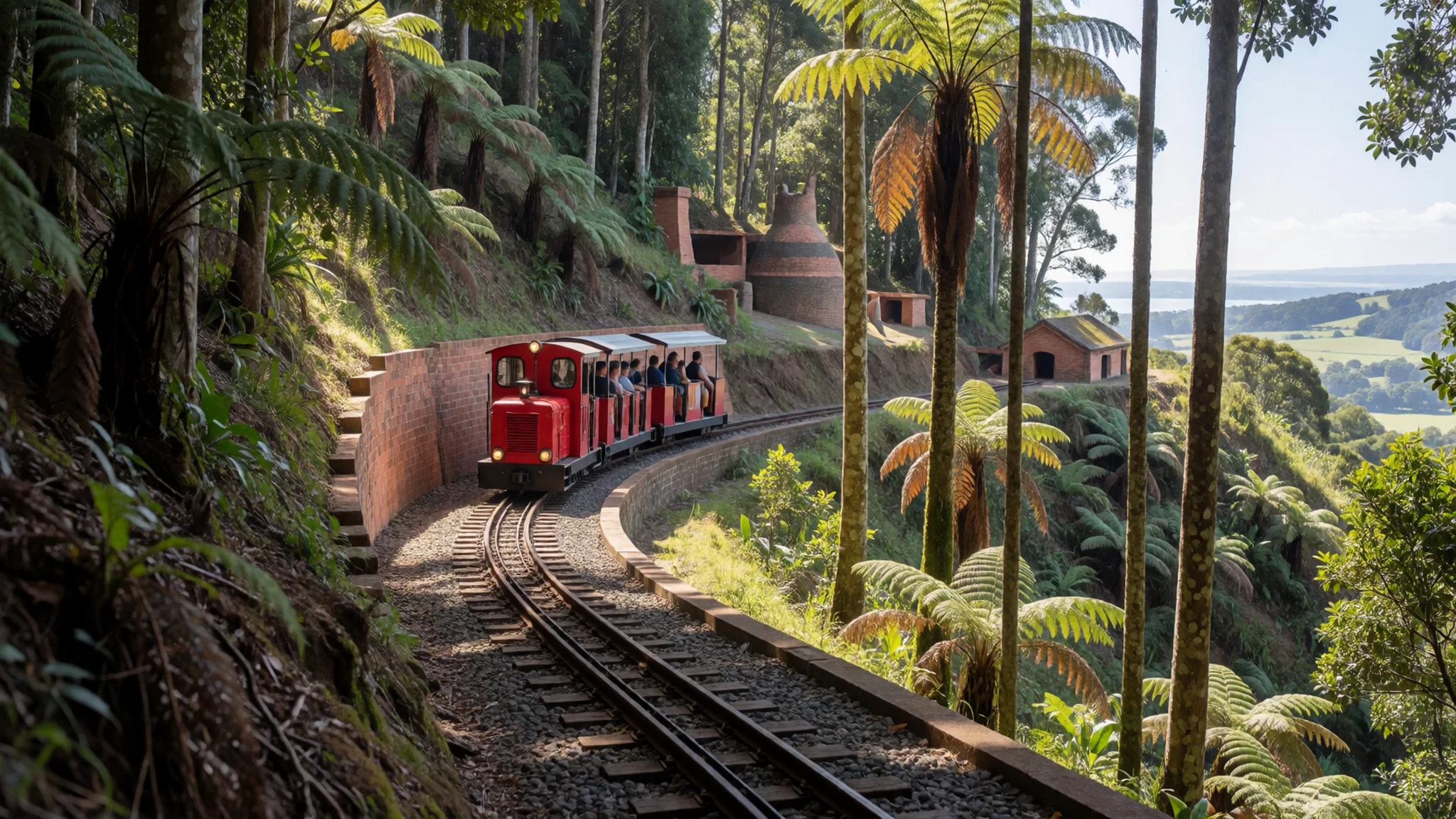
- Thames Coast Road — Thames Coast
This winding coastal highway hugs the western shoreline of the peninsula, offering uninterrupted views across the Firth of Thames as it snakes northwards. In the early summer months, the overhanging branches of native trees burst into brilliant red blossoms that drape across the tarmac, creating a magnificent corridor of colour that attracts photographers, cyclists, and road-trippers from all over the region.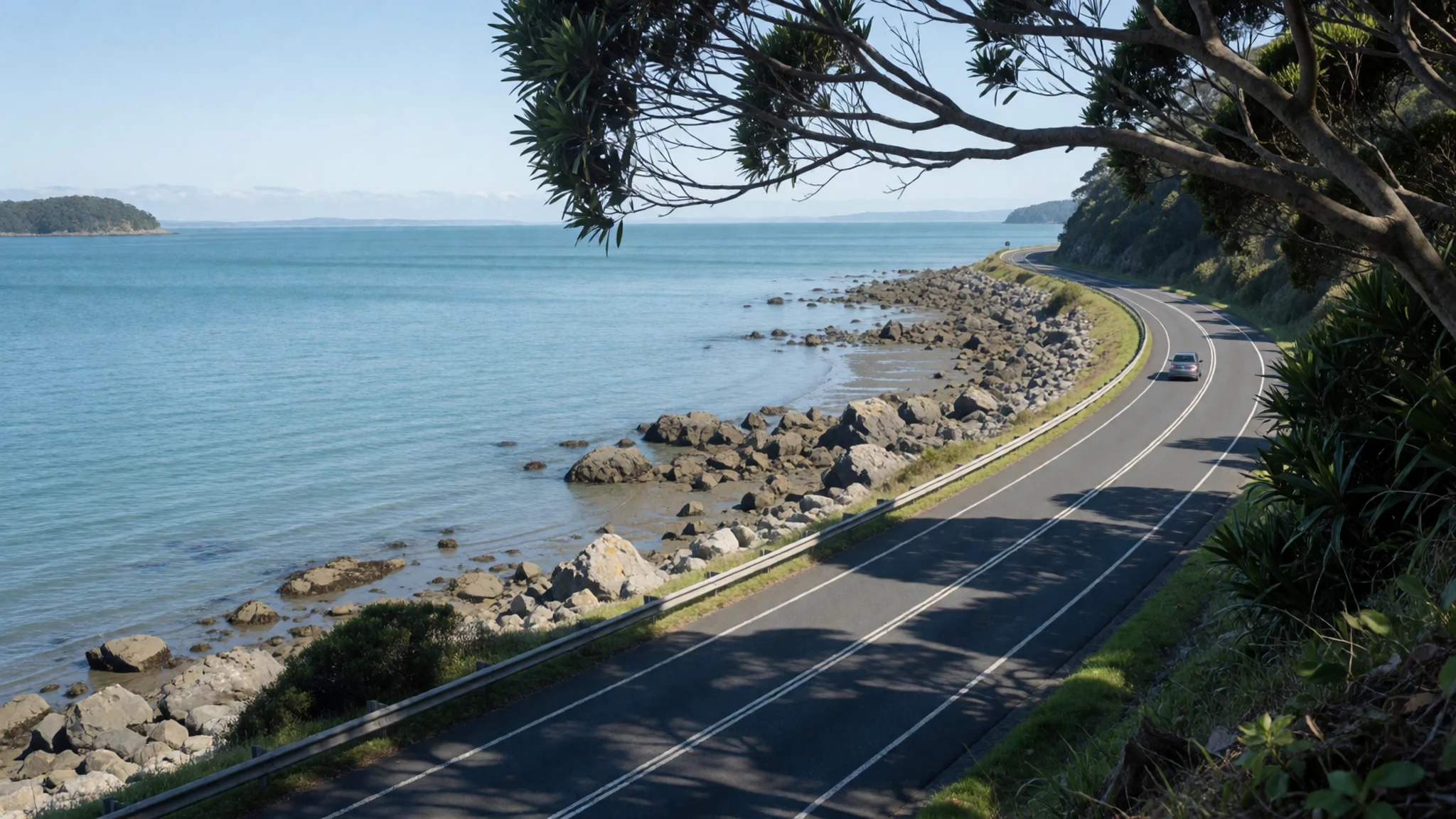
Culture
The Coromandel Peninsula maintains a deeply relaxed, coastal way of life shaped by generations of artists, craftspeople, environmental conservationists, and outdoor enthusiasts. Communities here place a strong emphasis on protecting their natural surroundings, from community tree-planting initiatives along the coastal strips to volunteer groups maintaining inland walking tracks. Local art trails and open studio weekends reflect a thriving creative culture inspired by the dramatic seascapes and forest light. Visitors will encounter a warm, unpretentious hospitality in local tearooms, community markets, and historic pubs where stories are freely shared. Traditional Māori culture is deeply woven into the identity of the district, with local iwi acting as guardians of ancestral lands, coastal waters, and sacred kauri groves. Respect local tapu (sacred) areas and always stay on marked walking tracks to protect regenerating native forests and sensitive kauri root systems from disease.
What to wear
Clothing on the Coromandel Peninsula is entirely practical, casual, and adapted to an outdoor lifestyle centered around beaches, bush walks, and coastal roads. Locals generally wear comfortable, weather-resistant clothing such as durable denim, cotton shirts, fleece jackets for cooler coastal evenings, and sturdy footwear or sandals suited for sandy tracks and uneven terrain. Traditional Māori weaving and garments are reserved for formal cultural ceremonies, hui, and community gatherings rather than daily streetwear. Visitors should pack layers including a reliable waterproof shell, as coastal weather can change swiftly from bright sunshine to sudden rain showers. Sturdy walking boots or trainers are essential for exploring forest tracks, while swimwear, sunhats, and light sun-protective layers are mandatory for spending time on the beaches. Smart casual attire is adequate for local restaurants and pubs, though swimwear should be strictly confined to the immediate beach areas.
What to eat
- Fresh Snapper — Local fishmongers and coastal eateries
This popular coastal fish is celebrated across the district for its delicate flavor and firm texture. It is commonly served fresh from local boats, lightly battered in seaside takeaways, or smoked to perfection using traditional methods.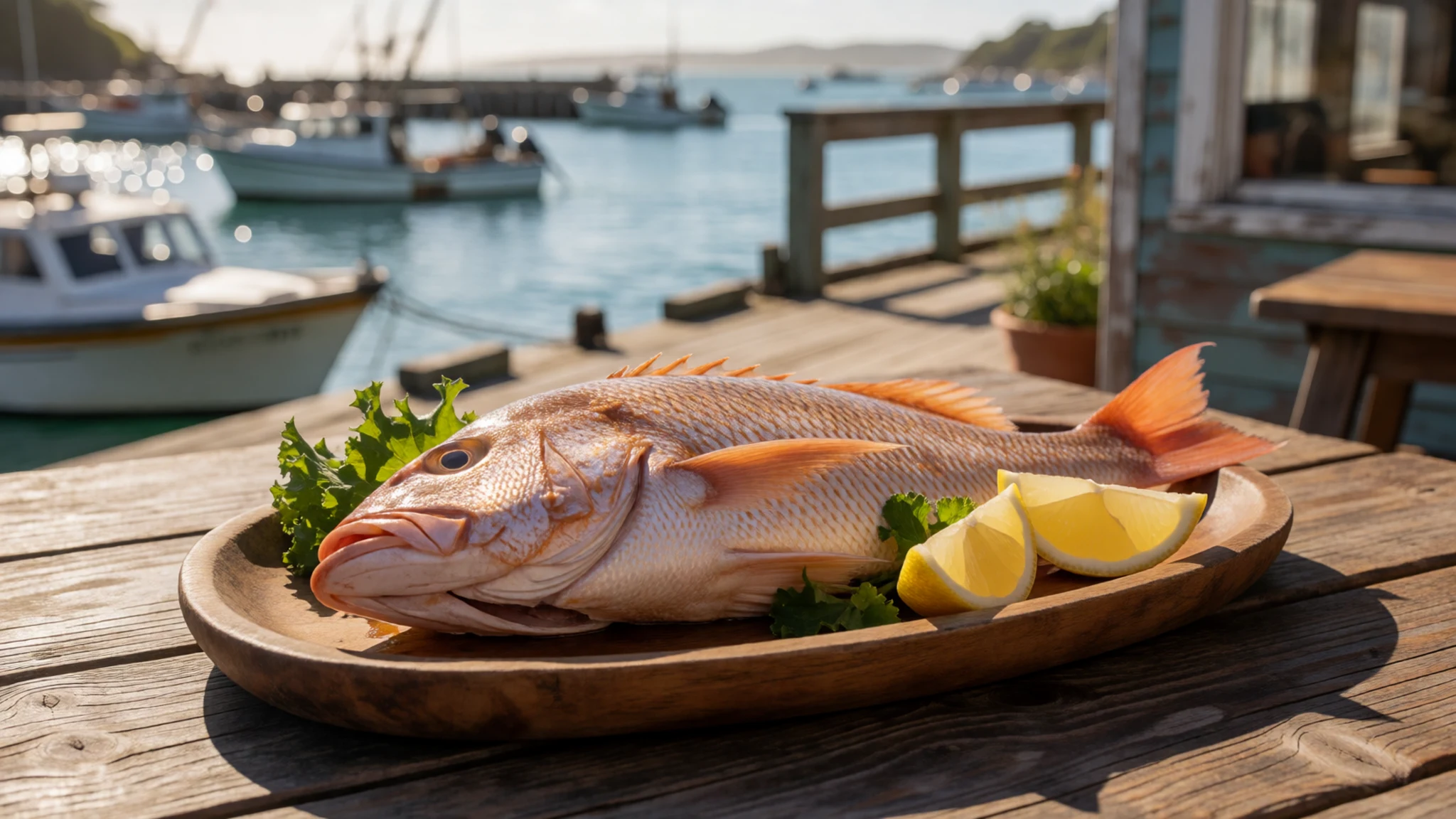
- Green-Lipped Mussels — Seafood stalls and waterfront restaurants around Whitianga and Thames
Farmed sustainably in the pristine waters of the Firth of Thames and the Hauraki Gulf, these large, distinctive shellfish are prized for their sweet meat and vibrant emerald shells. They are typically steamed in white wine, garlic, and fresh herbs.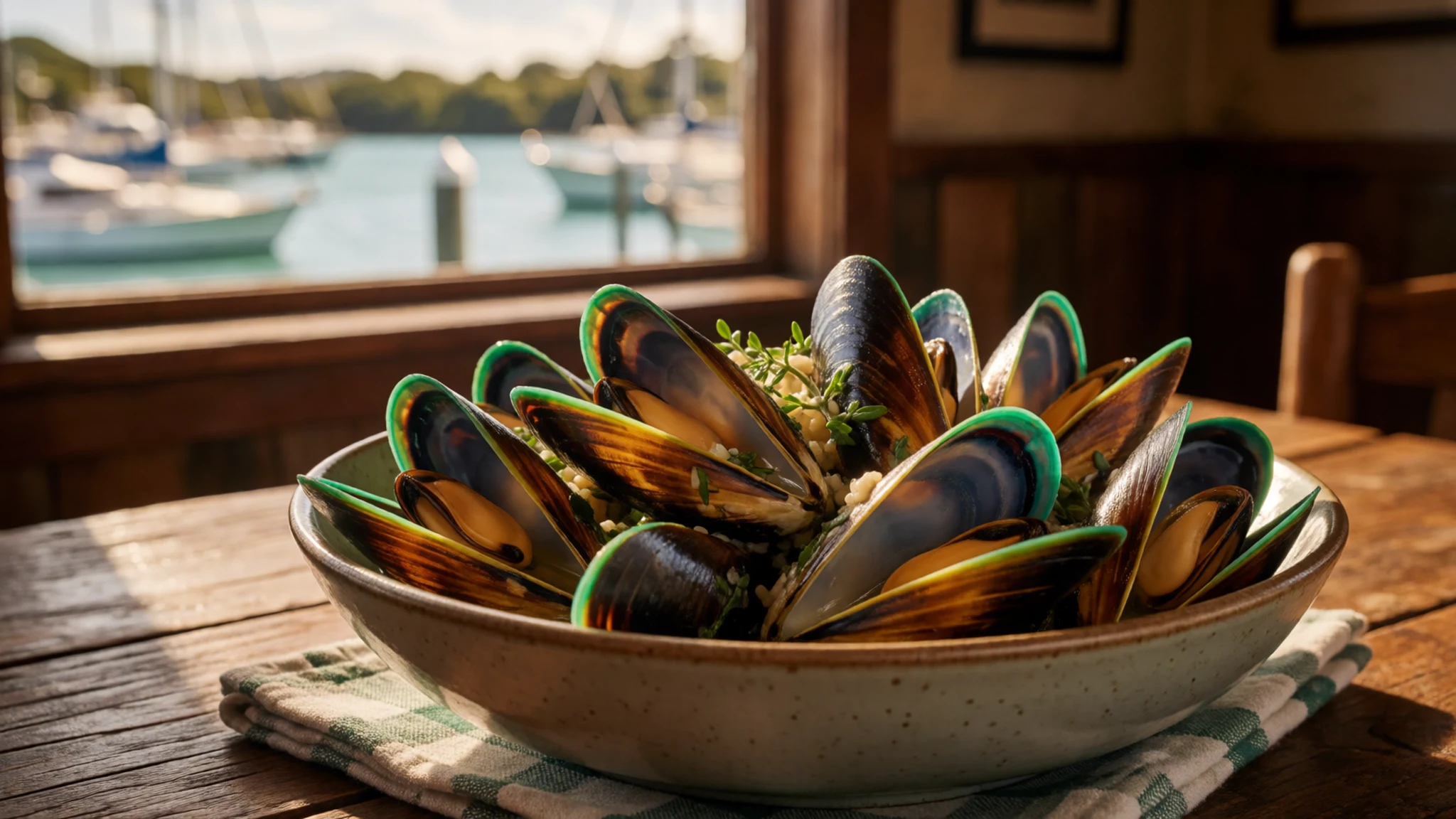
- Spiny Crayfish — High-end coastal dining rooms and specialist seafood markets
Regarded as a luxurious local delicacy, the local rock lobster is harvested from clear coastal reefs. It is usually enjoyed simply prepared with garlic butter to let the rich, sweet flavour of the shellfish shine through. - Local Scallops — Whitianga seafood festivals and regional harbour markets
Plentiful in the clean tidal waters surrounding the peninsula, fresh scallops are harvested seasonally and celebrated during regional food festivals. They are generally pan-seared quickly with a squeeze of fresh lemon juice.
Plan it
Best time. December to March brings warm summer weather and flowering coastal trees, though the region is busiest during the domestic school holiday period in January.
How long. 3–4
Getting there. Fly into Auckland or Hamilton, then hire a car or catch an intercity coach service for the 90-minute drive to Thames, the western gateway to the peninsula.
Budget. mid
Tips
- Hire a vehicle to properly explore the winding coastal highways and remote bays.
- Check local tide timetables before heading out to visit Hot Water Beach or coastal walking tracks.
- Carry cash for small rural honesty boxes, craft stalls, and remote rural tearooms.
- Bring your own spade if you plan on digging a thermal pool at Hot Water Beach.
Etiquette
- Stay strictly on marked walking tracks to prevent the spread of kauri dieback disease.
- Respect local conservation rules in marine reserves and take all rubbish away with you.
Nearby
Sources
- Wikidata Q763064 (CC0)
- Wikipedia (CC-BY-SA 4.0)
- Wikivoyage (CC-BY-SA 4.0)