Auckland
Auckland, New Zealand
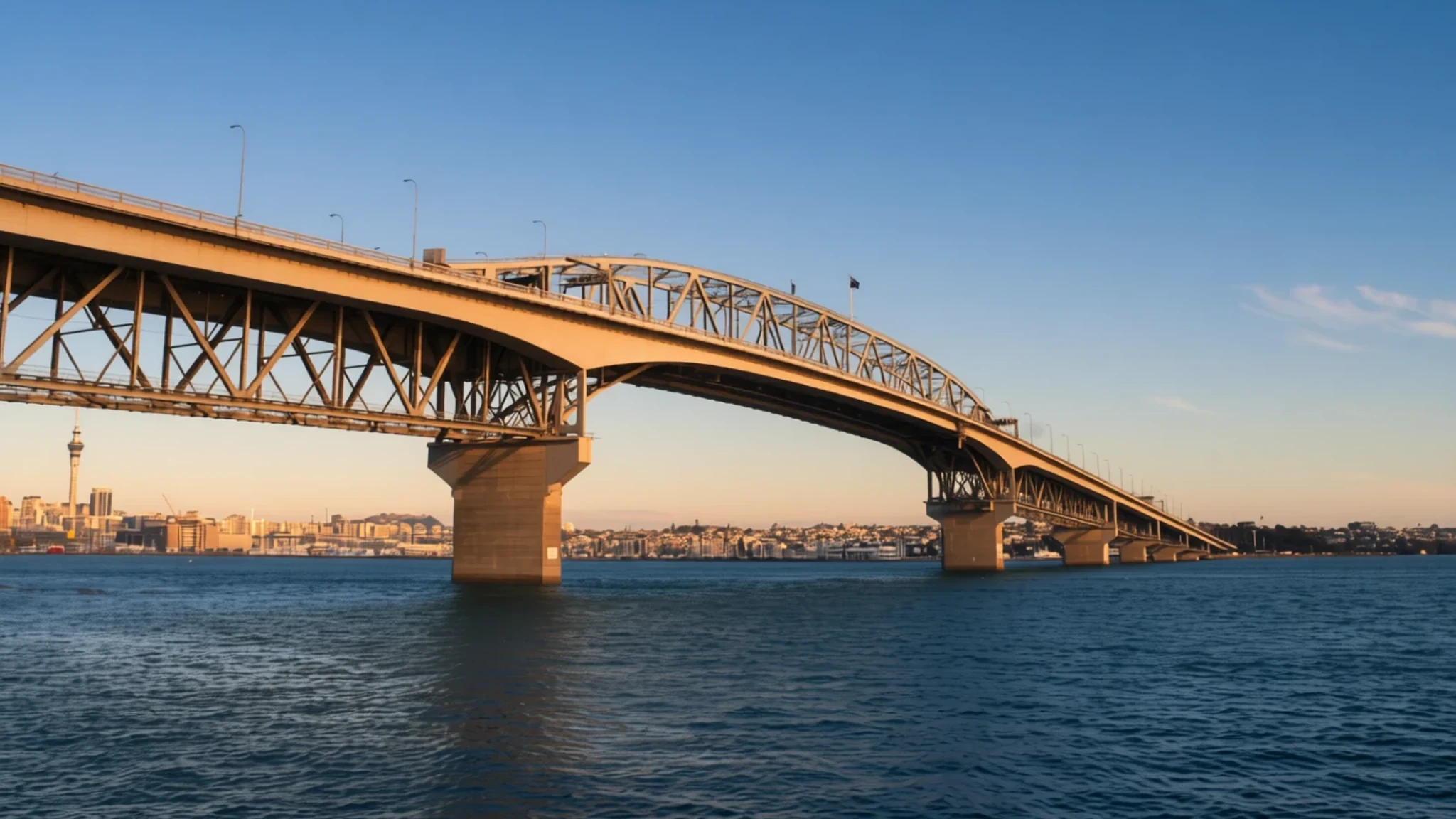
Auckland is a harbour city built across volcanic hills, with the country's biggest food scene, galleries and museums, and easy day trips onto the water.
The place
Auckland sits on a narrow isthmus in the north of New Zealand's North Island, and it is the country's largest city by a clear margin. The population is about 1.47 million, enough to bring motorway traffic, glass towers and a busy port into the centre, though the core remains walkable and the suburbs spread out into hills and beaches. Two harbours lie on either side of the central land: the Waitematā opens to the Pacific, and the Manukau faces the Tasman Sea.
The skyline rises among volcanic cones, and the wider Auckland Volcanic Field has 53 volcanic centres in total. Many of these hills have become parks, so the landscape stays green even in dense neighbourhoods. Rainforest covers the ranges to the west, and islands of the Hauraki Gulf lie offshore, reached by ferry. The central business district is compact, so most sights can be reached on foot or by bus.
Weather is mild for much of the year. Winters are wet and windy, while summers bring large crowds to beaches and harbour venues. Traffic and housing costs are the complaints most residents raise, and public transport is improving but still patchy beyond the core, so plan trips around bus, train and ferry timetables and check them on the official site.
Auckland works best as a base for a few days rather than a final stop. Cafés and bars cluster in neighbourhoods such as Ponsonby, Parnell and the waterfront, and each has its own feel. Visitors who spend a day on the water or a morning on a volcano usually leave with a clear sense of how the city is laid out.
Its story
Auckland's history begins with Māori settlement of the isthmus, which took place around 1350. Those early communities valued the rich, fertile soil and built many pā, fortified villages, mainly on the volcanic peaks. By the early eighteenth century Te Waiohua, a confederation of tribes including Ngā Oho, Ngā Riki and Ngā Iwi, was the dominant group, with major pā at Maungakiekie (One Tree Hill), Māngere Mountain and Maungataketake. That confederation fell apart after its paramount chief was killed in battle, and from the mid-eighteenth century Ngāti Whātua Ōrākei held the isthmus. The population was estimated at around 20,000 before European contact.
Later, firearms spreading from the north changed the balance of power. Wars between iwi led many groups to withdraw to quieter areas, so the isthmus was relatively sparsely settled when European newcomers began to arrive. In March 1840, the paramount chief Apihai Te Kawau signed the Treaty of Waitangi in the Manukau area where his people farmed. Later that year, William Hobson, the Lieutenant-Governor, decided on Auckland as the capital of the new British colony, a choice that set the city's growth in motion.
Auckland expanded quickly after that, with its harbours drawing trade and migrants. Today the city's Māori heritage remains visible in place names, in volcanic sites kept as public parks, and in the continuing role of iwi in the region.
What to see
- Mount Eden (Maungawhau) — Mount Eden, south of the city centre
Mount Eden, or Maungawhau, is one of the city's volcanic cones and the easiest way to read Auckland's layout. The climb is short but steep, and the summit crater is grassed over, with a path around its rim. From the top the two harbours and the central towers come into view. Go early or late in the day, as the slopes offer little shade and weekends bring crowds.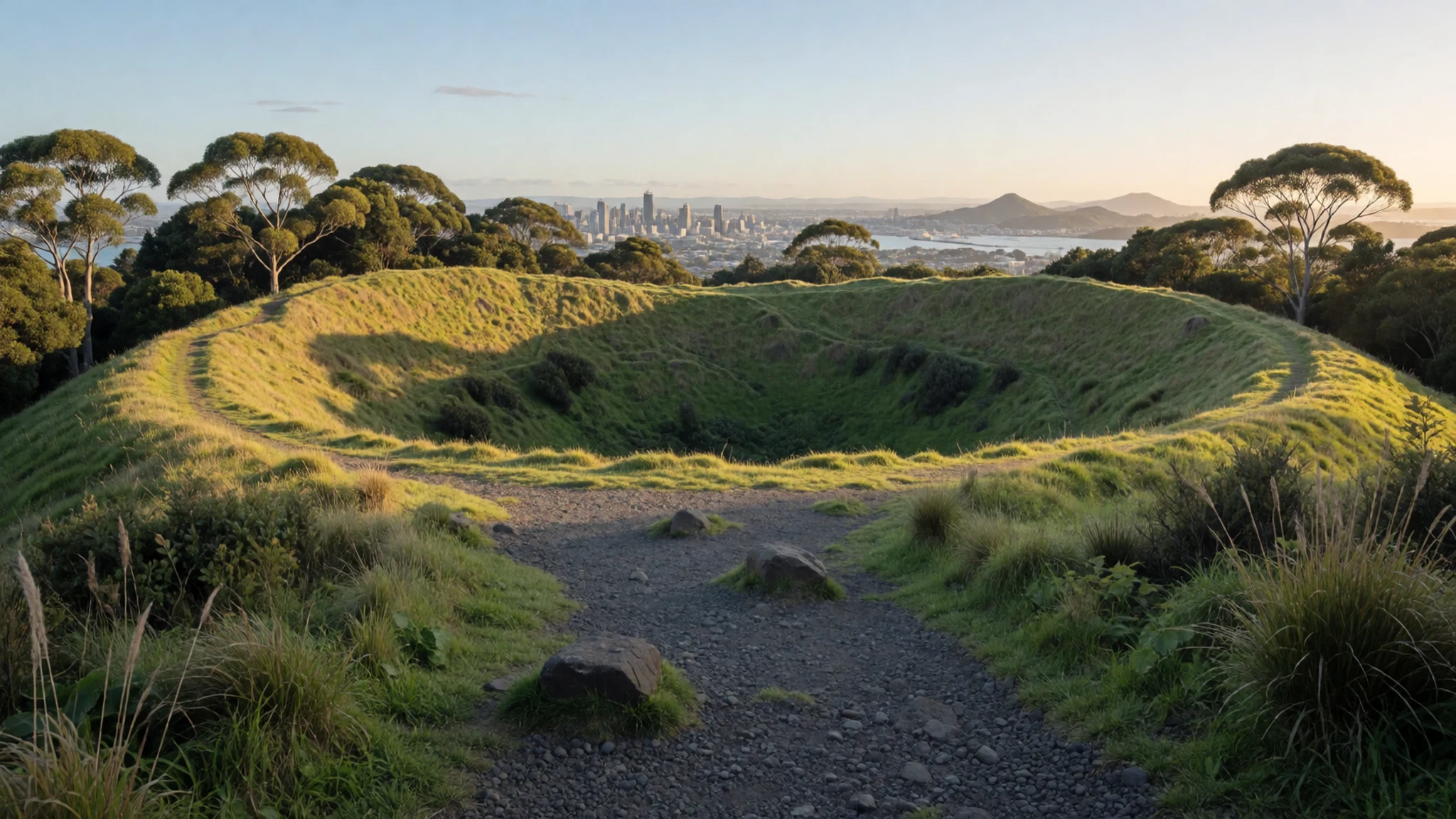
- One Tree Hill (Maungakiekie) — Epsom, south of the city centre
One Tree Hill, Maungakiekie in Māori, is a volcanic cone on the southern edge of the central city. It was once a major pā, and its broad summit is open grassland with wide views across the isthmus towards both coasts. It is a quieter spot than the city centre, so bring water and a jacket, since the wind can be strong on the top.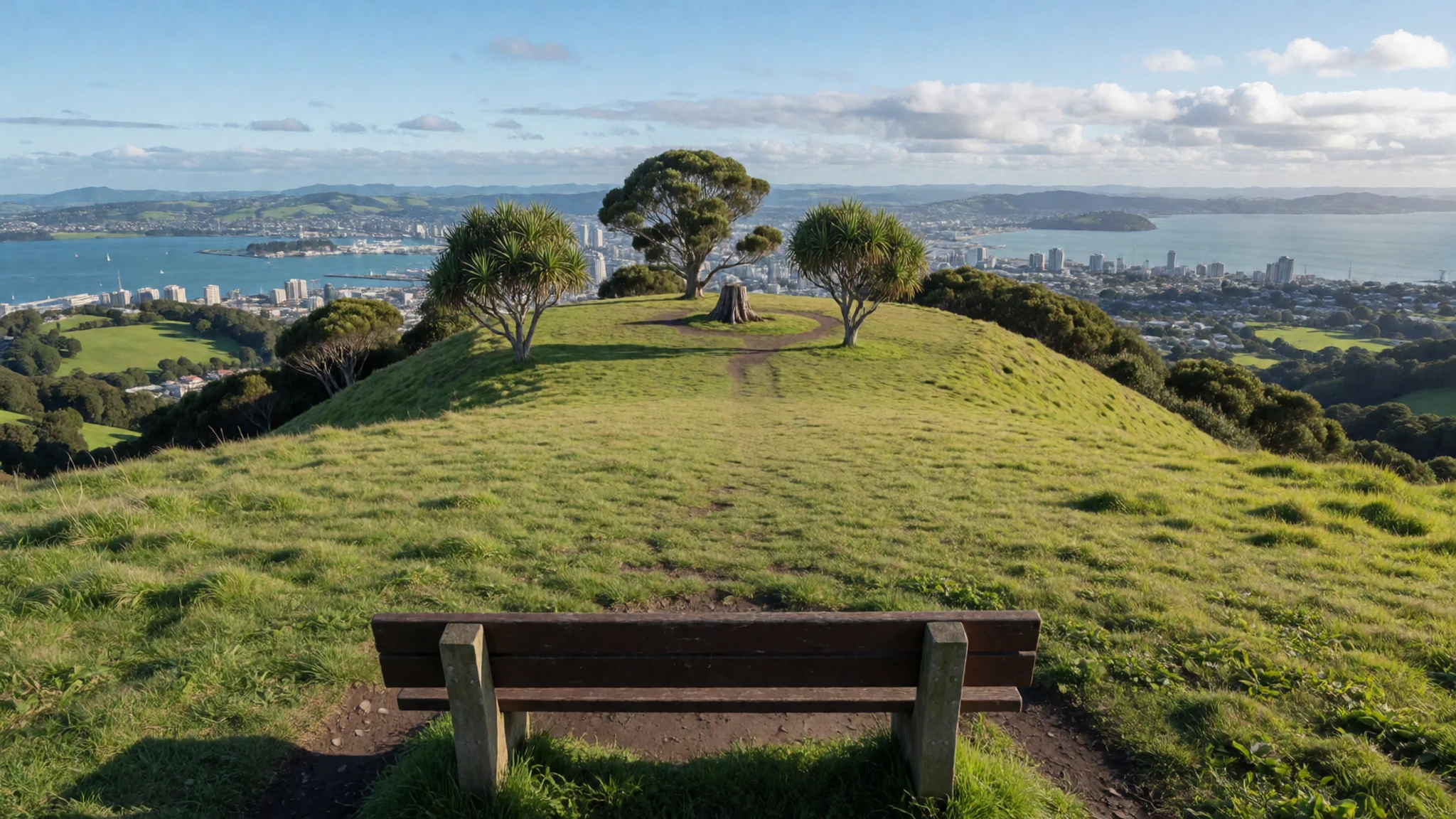
- Toi o Tāmaki, Auckland Art Gallery — Kitchener Street, edge of Albert Park
Toi o Tāmaki, Auckland Art Gallery, is the country's largest collection of art, mixing New Zealand and international work. The building on the edge of Albert Park is a landmark in its own right. Touring exhibitions from overseas arrive regularly, alongside talks, films and family workshops. There is a café and a shop. Check the official site for opening hours and any admission charge before going.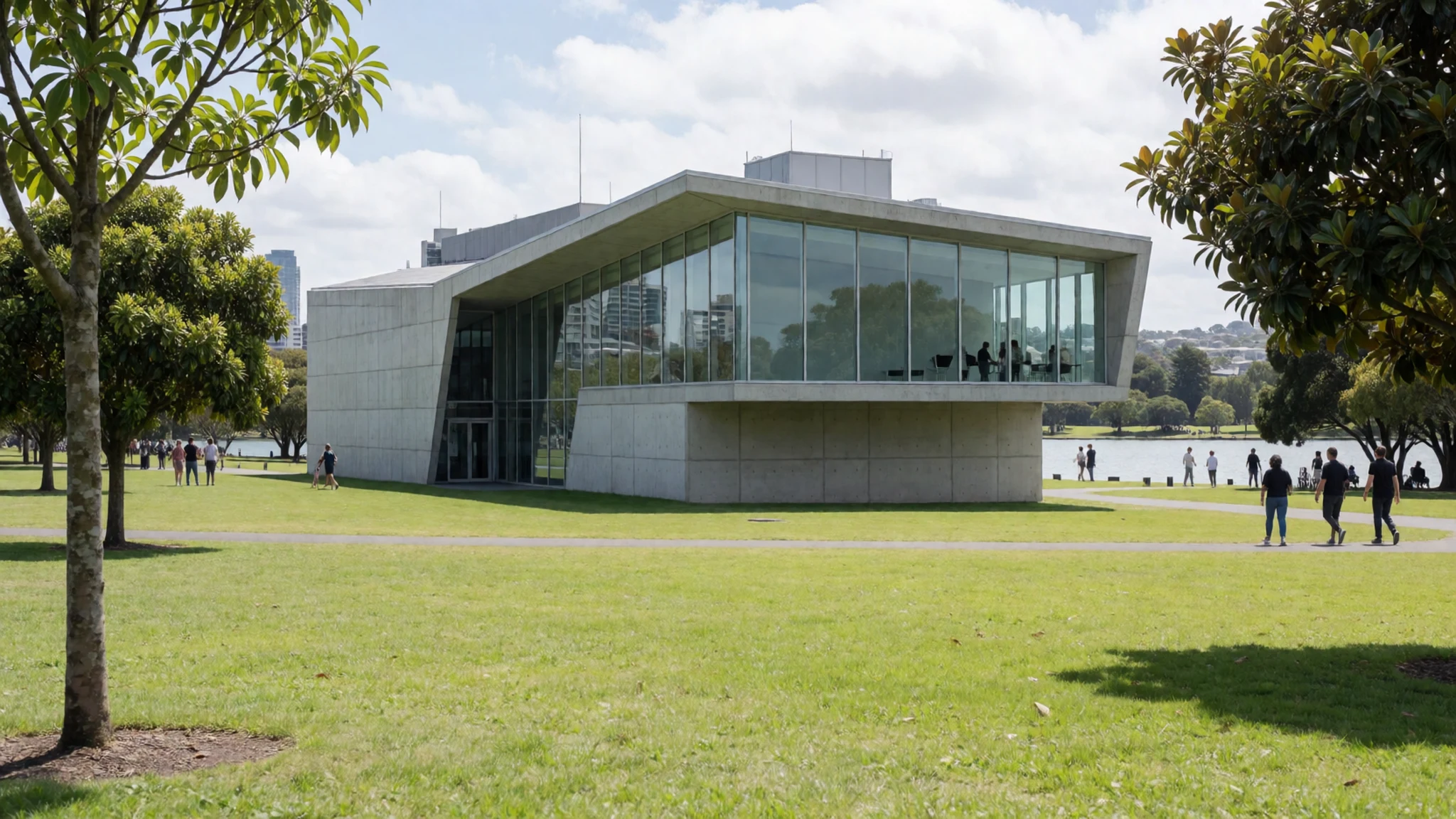
- Auckland War Memorial Museum — Auckland Domain, Parnell
The museum stands in the Auckland Domain, the city's oldest park, on a prominent rise above the Waitematā. Its collections range from natural history to Māori and Pacific material, and the displays are spread across the building. Winter gardens and open lawns nearby suit a walk afterwards. Allow half a day and check the official site for times and charges.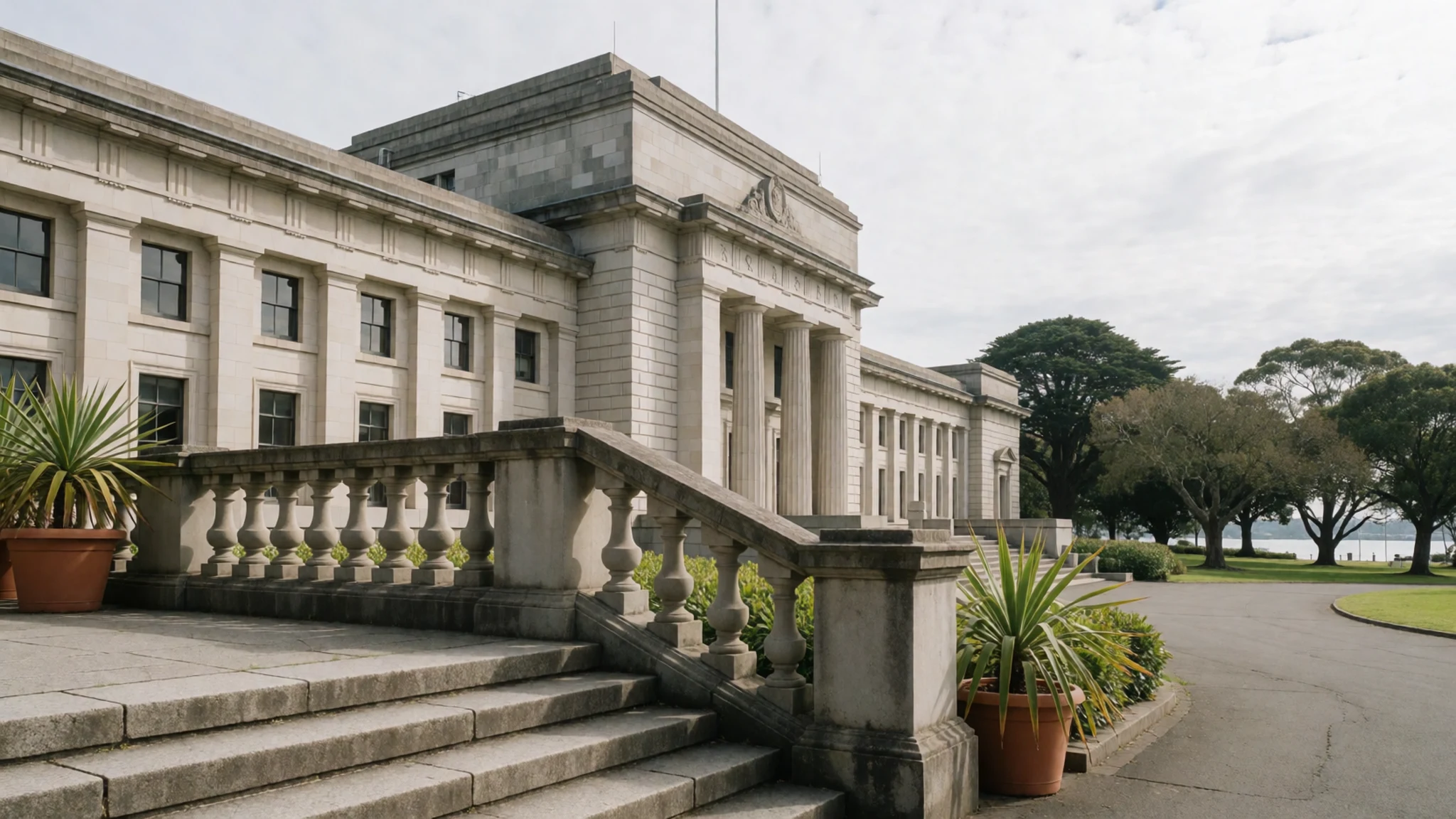
Culture
Auckland is home to people from many backgrounds, and Māori culture is part of everyday life, from place names to the iwi whose land the city sits on. Mild weather and an outdoor habit shape much of the social life, with beaches, parks and harbour walks busy on summer weekends. Sailing is central to the city's identity, and its nickname, the City of Sails, reflects how close the water is for most residents. Locals often raise traffic, housing costs and rising crime when asked about the city's downsides, so keep those conversations open rather than dismissive. Cafés and restaurants do not expect tipping, though a polite thank you goes a long way. Public transport can be crowded at peak hours, so offer seats on buses to older people and parents with young children. At a marae or a Māori cultural site, follow the host's protocol and remove your shoes when asked.
What to wear
Traditional Māori dress in the Auckland region was built from natural fibres. Flax, harakeke, was woven into cloaks such as the kahu and korowai, with decorative borders in taniko patterning, and feather cloaks were made with kiwi and other bird feathers for ceremonial occasions. These garments are worn at formal events and ceremonies rather than in everyday life.
Today people in Auckland dress in a relaxed, practical way: jeans, sneakers, light jackets and sun hats, with a rain layer always nearby. Office workers in the central business district tend towards smart casual, and the city's cafés and bars welcome casual clothes.
A visitor should pack layers, since a sunny morning can turn windy or wet by afternoon. Sun protection matters all year because the UV is strong. Sturdy shoes with grip suit the volcanic cones and the steep paths of the Waitākere Ranges. For a marae visit, dress modestly with shoulders and knees covered, and carry a removable layer so you can look respectful without overheating.
What to eat
- Asian street food in the food courts — the food courts near Queens Arcade at the bottom of Queen Street, and Food Alley on Albert Street
Noodle soups, dumplings, curries and rice dishes from across Asia make some of the most affordable meals in the centre. Choose a busy stall with a line, since fast turnover keeps the food fresh. Seating is basic, so expect to eat standing up or at shared tables.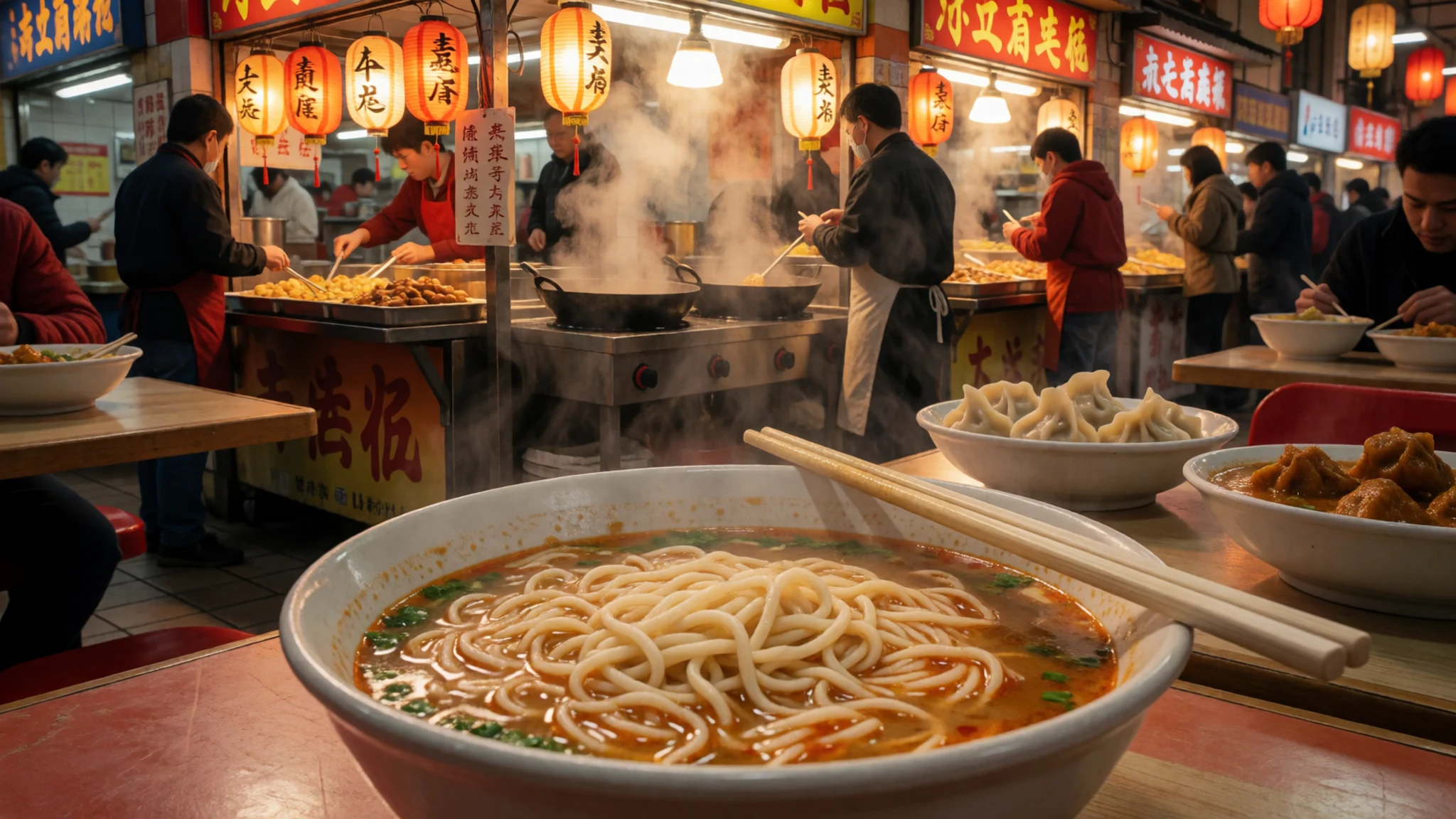
- Mixed plates at the Elliott Street food courts — Elliott Street, near Wellesley Street
The two food courts on Elliott Street offer a broader mix, with predominantly non-Asian dishes at Elliott Stables and a range of Asian stalls next door. Good quality and reasonable value are the draw here, so arrive before the lunchtime rush. Menus change, so check the stall list on arrival.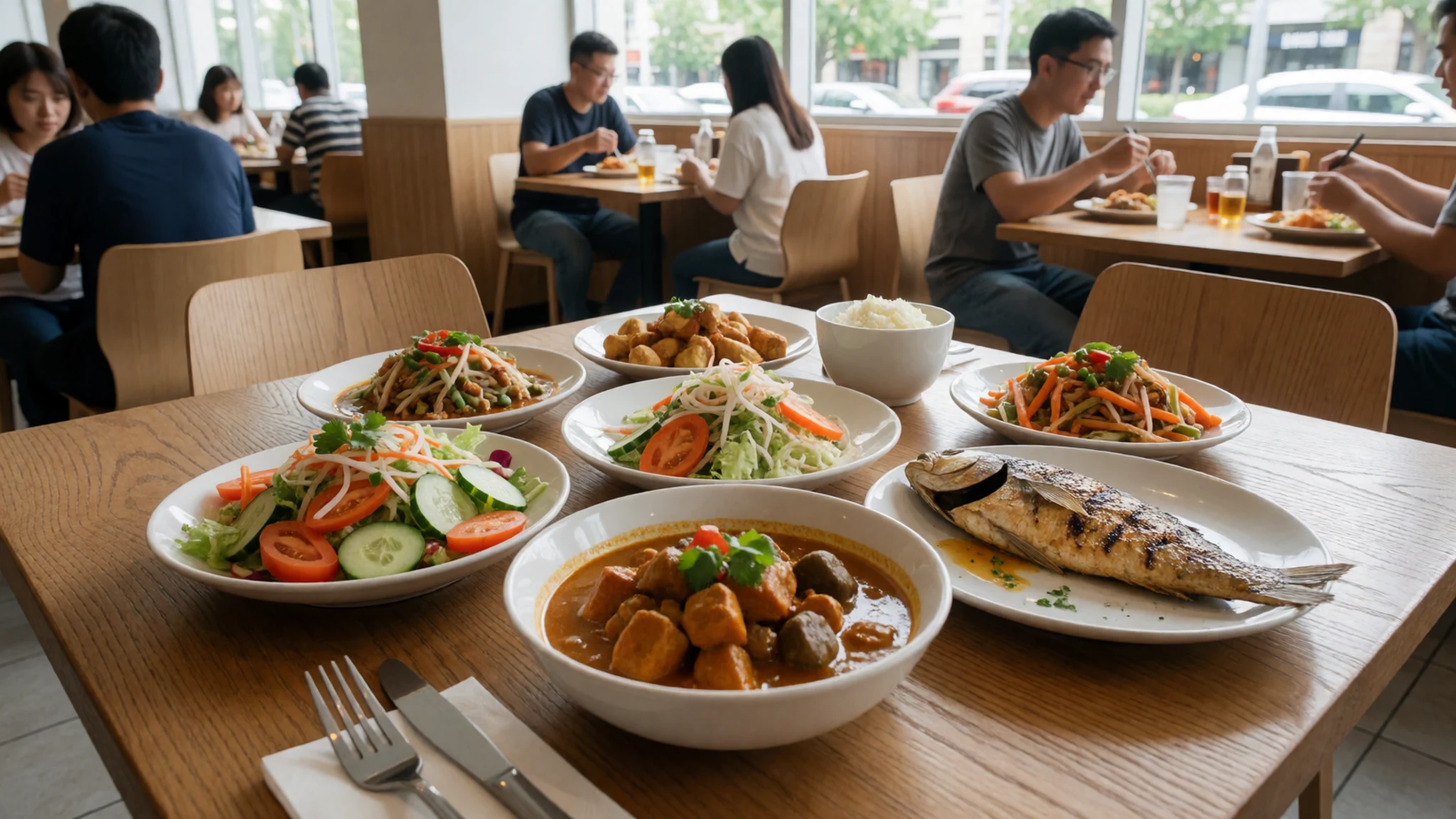
- Bar food and eateries in Britomart — the city centre's Britomart precinct, located by the waterfront
Britomart on the waterfront holds a varied set of bars and eateries, with Vietnamese, Mexican and Japanese options among them. The precinct suits an early evening, when the harbour is still bright. Book ahead for weekend tables. - Ice cream from Giapo — Britomart, city centre waterfront
Giapo is a popular stop for ice cream in Britomart, with inventive flavours that change through the year. Eat it on a bench by the waterfront as you walk. In summer the queue can be long, so go in the late afternoon or on a weekday. - Weekly night markets — rotating locations around the city, each on a different night
Auckland's night markets run once a week at different locations, so check the schedule on the official site to find one on your dates. Stalls sell street food from many cuisines, and the atmosphere is relaxed and family-friendly. Bring some cash as a backup, since card payment is not guaranteed at every stall.
Plan it
Best time. December to March is the warmest and most settled season, with long days and busy beaches. Late spring and early autumn are milder and quieter. Winter brings more rain and wind.
How long. 2–3
Getting there. Auckland Airport is the main international gateway, with buses or taxis into the centre. Inter-city coaches leave from the InterCity Sky City bus terminal on Hobson Street, the Northern Explorer train arrives at Strand Station, and Te Huia runs from Hamilton. From the south, State Highway 1 leads into the city.
Budget. mid
Tips
- Book accommodation early for summer weekends and holiday periods
- Use buses and ferries at peak times, as motorway traffic is heavy
- Walk the volcanic cones early or late, when the slopes are cooler and quieter
- Pack a rain layer all year, since the weather can turn quickly
- Carry some cash for night markets and small stalls, and check transport timetables on the official site
Etiquette
- Remove shoes when asked at a marae or a Māori home
- Ask before photographing people at cultural performances or ceremonies
- Keep to marked tracks on volcanic cones to protect the vegetation
Nearby
Sources
- Wikidata Q37100 (CC0)
- Wikipedia (rev 1380365811) (CC BY-SA 4.0)
- Wikivoyage (rev 5412530) (CC BY-SA 4.0)
- Photo 01-auckland-cbd.jpg (CC BY 3.0)
- Photo 02-auckland-skyline-may-2024-2.jpg (CC BY-SA 2.0)
- Photo 03-00-0399-auckland-city-hall-new-zealand.jpg (CC BY-SA 4.0)
- Photo 04-cathedral-of-saint-patrick-and-saint-joseph-cropped.jpg (CC BY 2.5)
- Photo 05-one-tree-hill-auckland-nz-2.jpg (CC BY 2.5)
- Photo 06-auckland-war-memorial-museum-nz-2.jpg (CC BY-SA 2.0)
- Photo 07-nz-ak-renall-street-1.jpg (CC BY-SA 4.0)
- Photo 08-auckland-harbour-bridge-sunset-cropped.jpg (CC BY 2.5)


