Abel Tasman National Park
Abel Tasman National Park, New Zealand
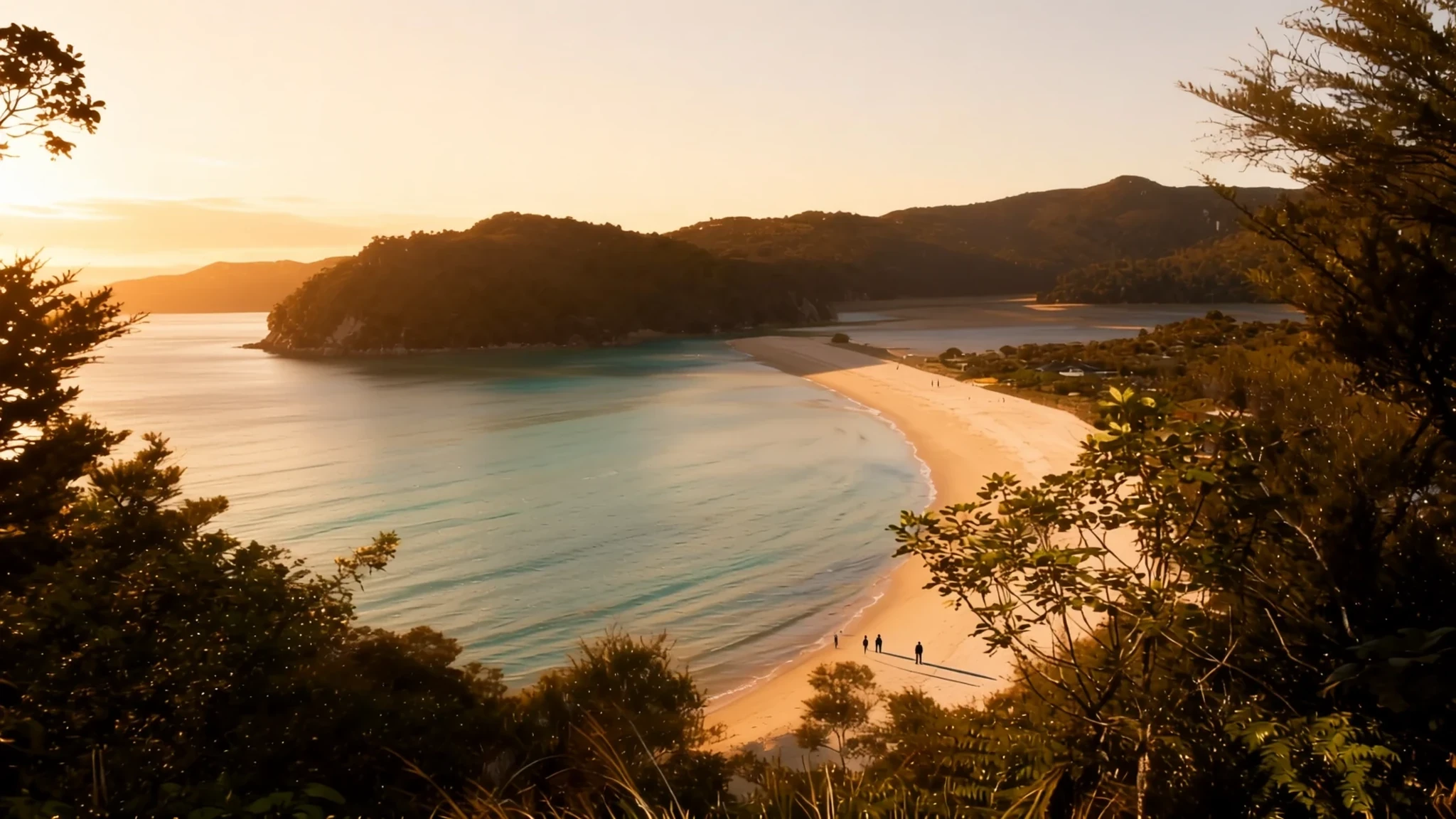
Walk golden golden-sand coves and turquoise estuaries in New Zealand's smallest yet most treasured coastal sanctuary.
The place
Abel Tasman National Park sits quietly at the northern tip of New Zealand's South Island, framed by Golden Bay and Tasman Bay. Though it is the smallest of the nation's protected wilderness areas, it draws travellers from across the globe who come to walk its celebrated coastal paths and paddle its sheltered waters. The terrain is an intricate patchwork of sculpted granite headlands, dense beech forests, and tidal estuaries that fill and empty with the rhythm of the ocean. Unlike the stark, alpine grandeur found further south, this northern sanctuary offers a milder, sun-drenched maritime climate where native birdlife thrives beneath a leafy canopy. Visitors traverse swaying swing bridges strung high above tumbling streams, step across sun-bleached golden beaches where the bush meets the surf, and follow sandy tracks that wind past quiet lagoons. While human hands have altered parts of the landscape through historical milling and farming before protection arrived, the wilderness is deeply resilient. Today, conservation efforts focus on restoring the native flora and fauna, allowing visitors to experience a living coastal ecosystem where regenerating forests shelter bellbirds, fantails, and pacing weka along the shoreline.
Its story
The history of Abel Tasman National Park is layered deep with Māori heritage and European maritime lore. For centuries before foreign sails reached these shores, indigenous iwi such as Waitaha, Rapuwai, Muaūpoko, and later Ngāti Tūmatakōkiri occupied the coastal fringes. They built fortified settlements, harvested rich seafood from the estuaries, and cultivated kūmara in sheltered pockets of fertile soil. In December 1642, Dutch explorer Abel Tasman dropped anchor in Golden Bay, marking the first recorded European sighting of the islands. Centuries later, the landscape faced intense modification as settlers cleared forests for timber, grazed livestock, and quarried stone. The transformation spurred passionate conservationists into action. Driven largely by the tireless campaigning of ornithologist Pérrine Moncrieff, who fought to preserve the native habitat, the government formally established the park in December 1942 to mark the tercentenary of Tasman's voyage. A representative of the Dutch crown attended the opening ceremony, cementing an enduring international link. In the decades since, the park has grown through dedicated community crowdfunding and land additions, transforming a scarred landscape back into a protected sanctuary for future generations to explore.
What to see
- Abel Tasman Coast Track — Eastern and northern coastal boundary
A world-famous coastal path winding along golden beaches, native beech forests, and dramatic granite headlands. Walkers encounter tidal inlets that require careful timing with the local tide schedule, swaying swing bridges, and panoramic viewpoints overlooking the sparkling turquoise waters of the northern bays.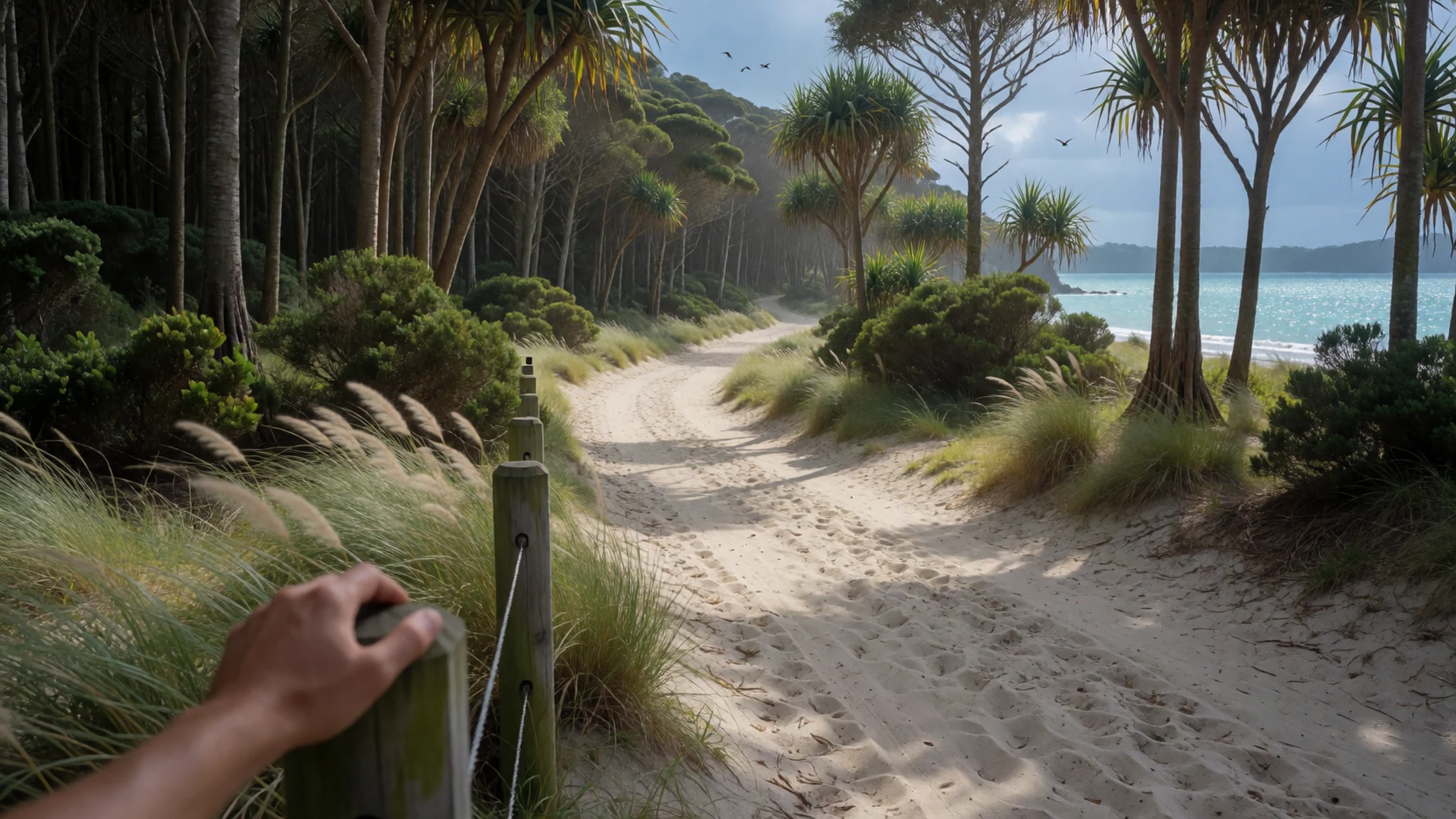
- Cleopatra's Pool — Inland from Torrent Bay and Anchorage
A picturesque rock pool featuring a smooth, natural, moss-lined waterslide carved into the stone by cascading fresh water. Located roughly an hour's walk inland from Torrent Bay or Anchorage, it requires a careful boulder hop across a rushing stream to reach the refreshing swimming spot.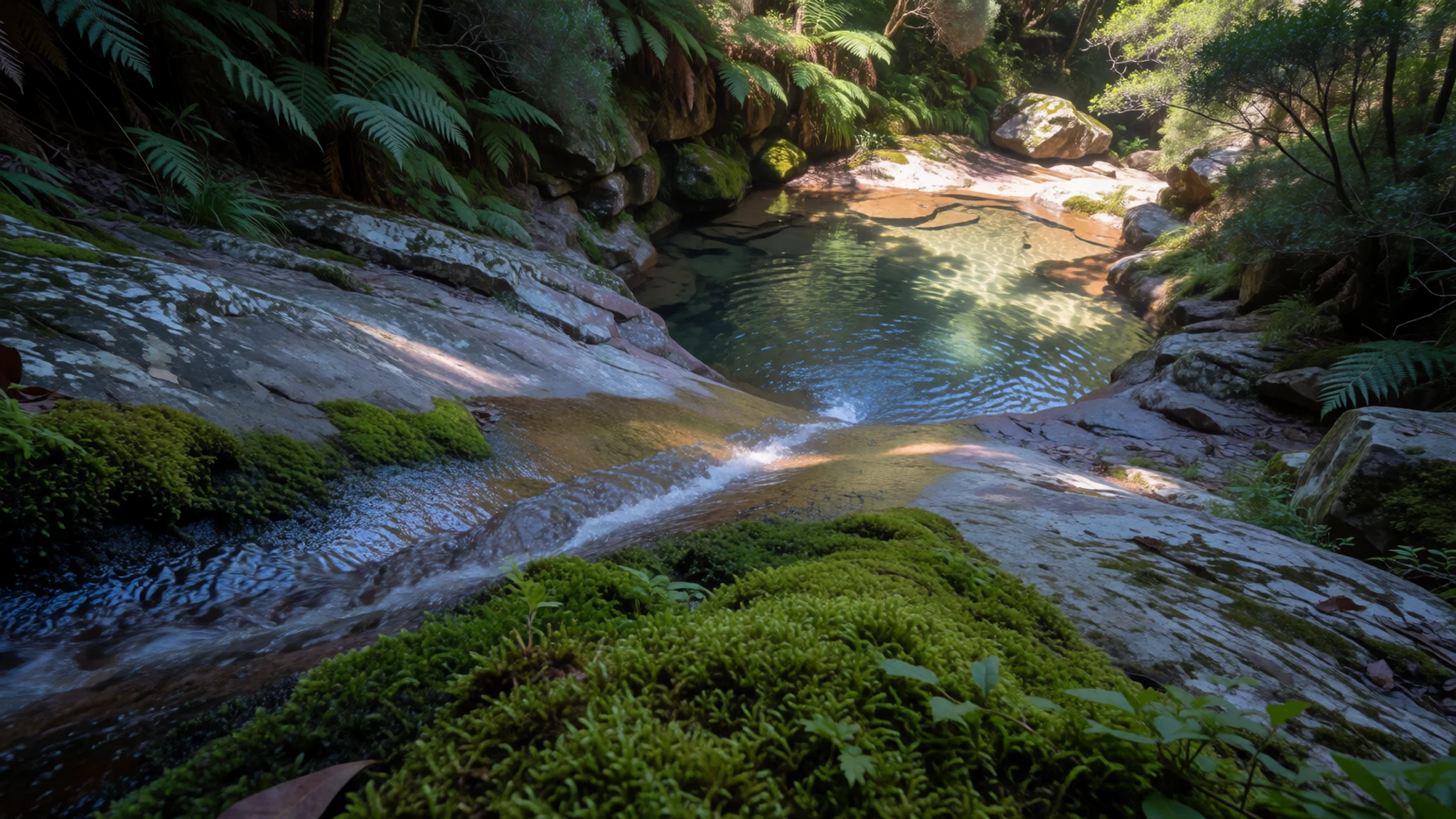
- Tonga Island Marine Reserve — Offshore near Bark Bay and Onetahuti
A protected marine haven offshore where large colonies of playful New Zealand fur seals sun themselves on the rocks and dart through the clear coastal breakers. Visitors can observe the marine mammals from the water on guided kayaking excursions or from coastal walking vantage points.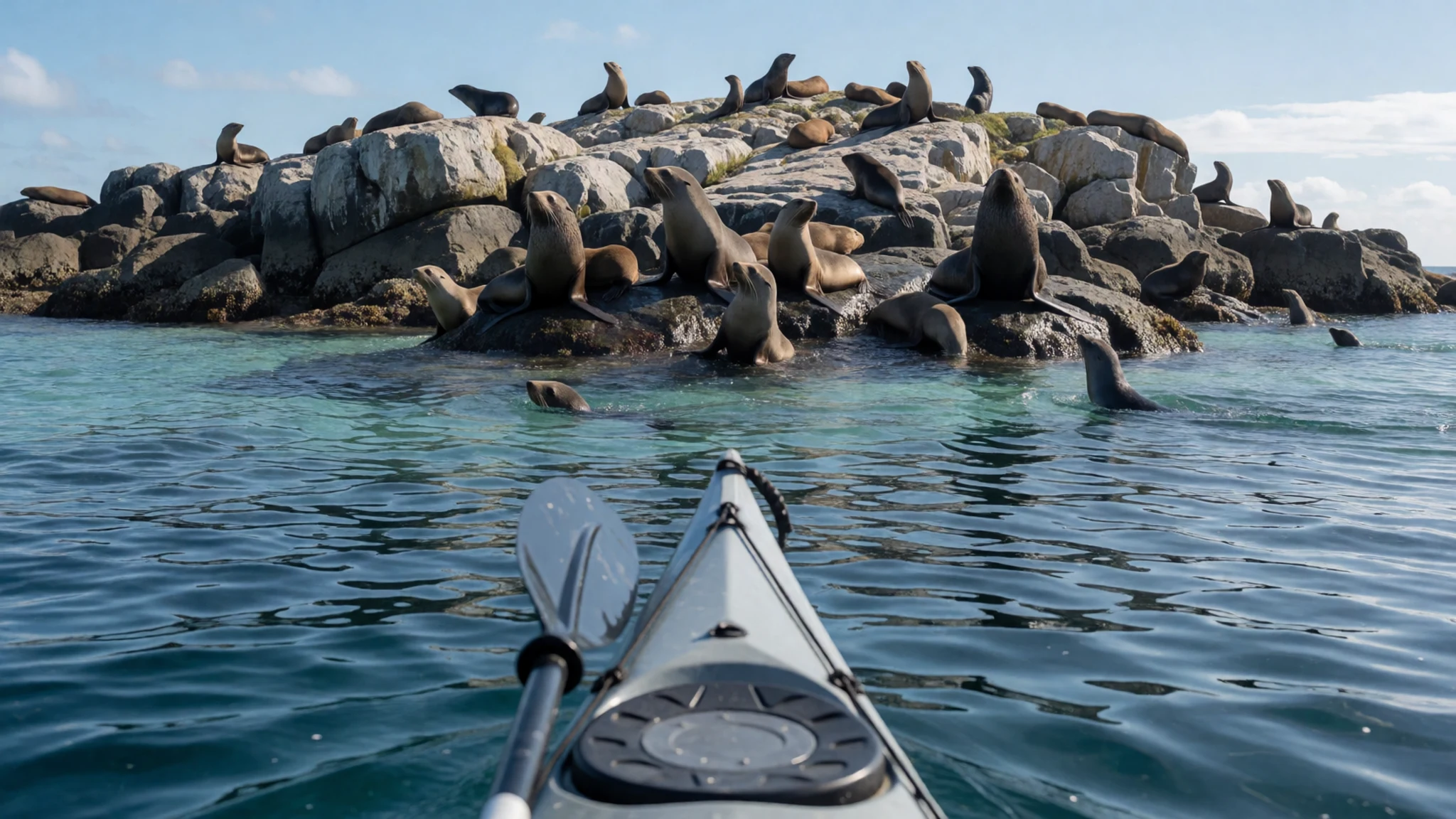
- Wainui Falls — Golden Bay northern entrance
A stunning waterfall tucked deep within a lush valley of nikau palms and towering ferns at the northern gateway near Golden Bay. Reached via an easy, shaded walking track that follows the course of the Wainui River across picturesque wooden footbridges.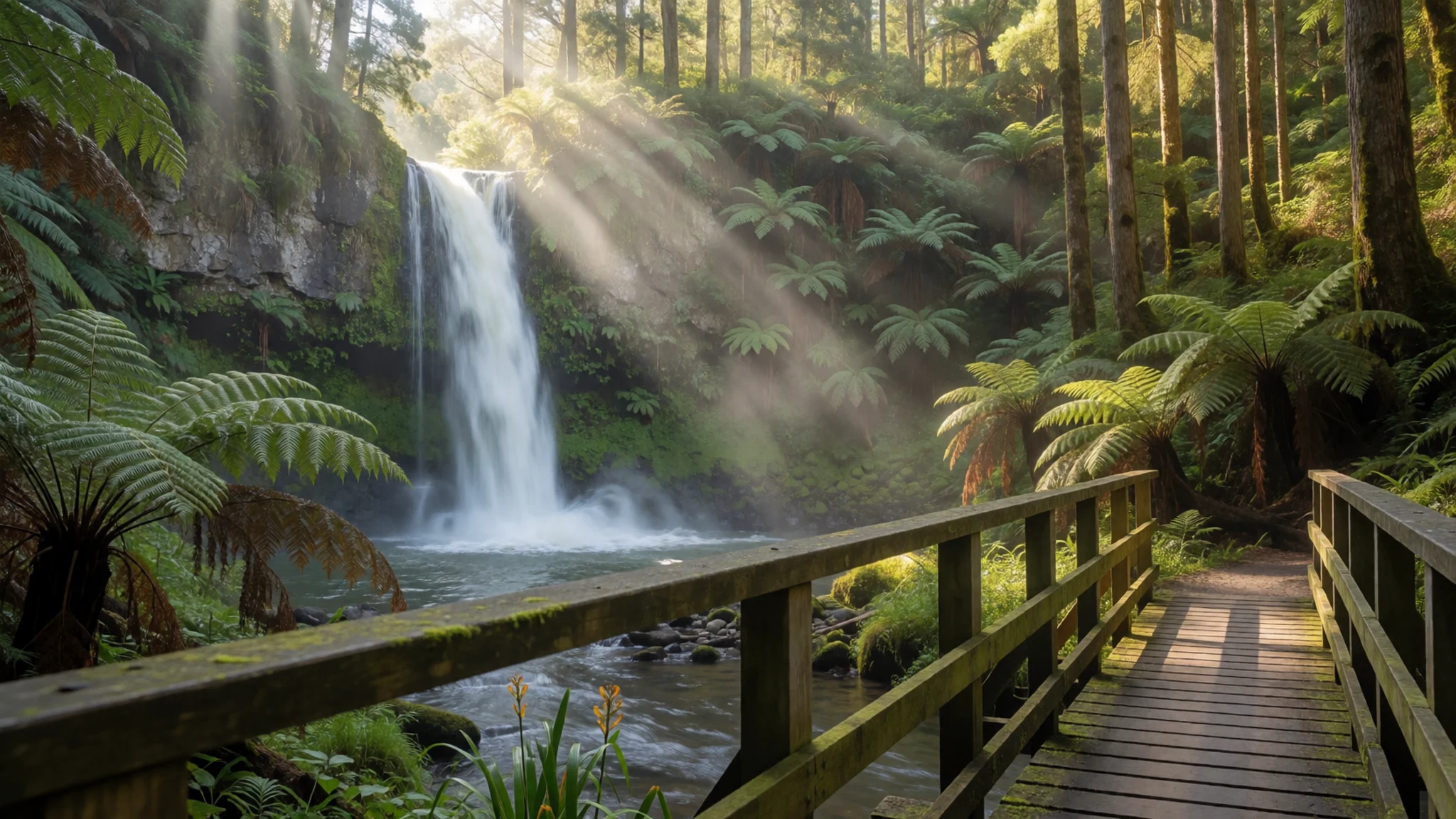
- Torrent Bay — Central coastal area
A tranquil tidal estuary and historic settlement area featuring expansive sandy flats at low tide and reflective turquoise waters when the sea returns. It serves as a popular resting place for both coastal walkers and sea kayakers navigating the sheltered bays.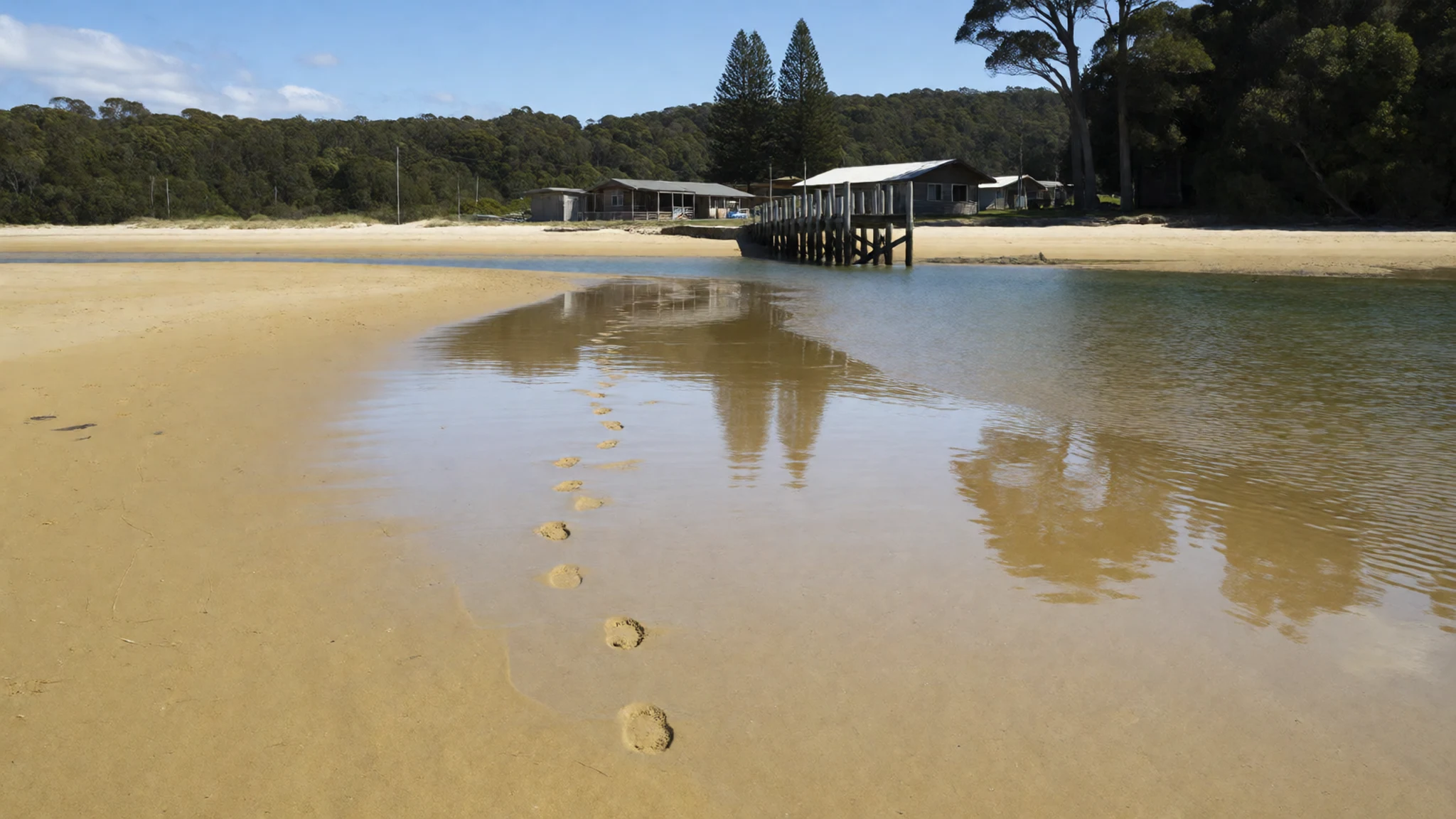
Culture
The cultural fabric of Abel Tasman National Park is deeply woven with indigenous Māori traditions and modern New Zealand conservation values. The land and coastal waters are regarded as taonga, or treasure, requiring collective stewardship and respect for natural rhythms. Traditional gathering practices, storytelling, and deep genealogical connections to the forests and tides continue to shape how local iwi interact with the environment. Modern visitors share these spaces with a strong community of conservation volunteers, kayakers, and hikers who embrace a philosophy of minimal impact. Respect for wildlife and ancient heritage sites governs daily movement through the park. Always carry out every scrap of rubbish you bring in to protect the pristine coastal ecosystem.
What to wear
Outdoor practicality defines what people wear in Abel Tasman National Park. Traditional clothing is not worn as everyday attire here, though cultural respect is observed at local marae outside the park boundaries. Today, hikers and kayakers dress in modern technical gear suited for coastal adventuring. Quick-drying synthetic layers, moisture-wicking tops, and lightweight trousers are essential for active days on the trail. Weather can shift quickly from blazing sunshine to coastal squalls, making a waterproof shell jacket mandatory year-round. Footwear requires sturdy, worn-in walking boots or durable sports sandals capable of handling wet river crossings and tidal sand flats. Sun hats, UV-protective sunglasses, and reliable swimwear are packing essentials for every traveller heading out onto the golden beaches.
What to eat
- Backcountry Rations — Packaged supplies brought from Nelson, Motueka or Takaka supermarkets
Lightweight, dehydrated camping meals and trail snacks carried in by hikers for cooking at Department of Conservation huts or campsites.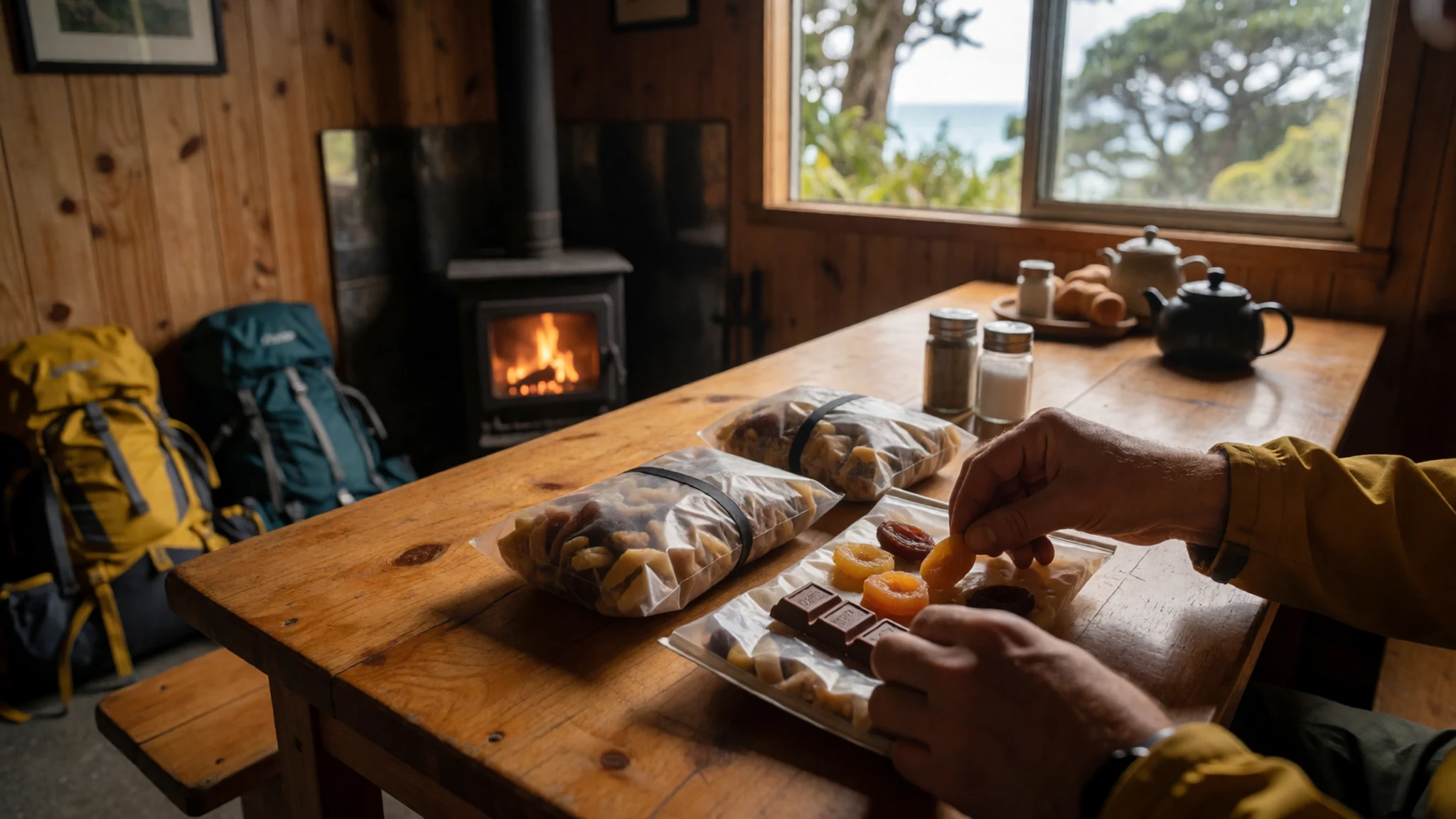
- Awaroa Lodge Café — Awaroa Bay
A licensed wilderness dining spot serving seasonal dishes, hot drinks, and artisan meals set deep within the regenerating native forest.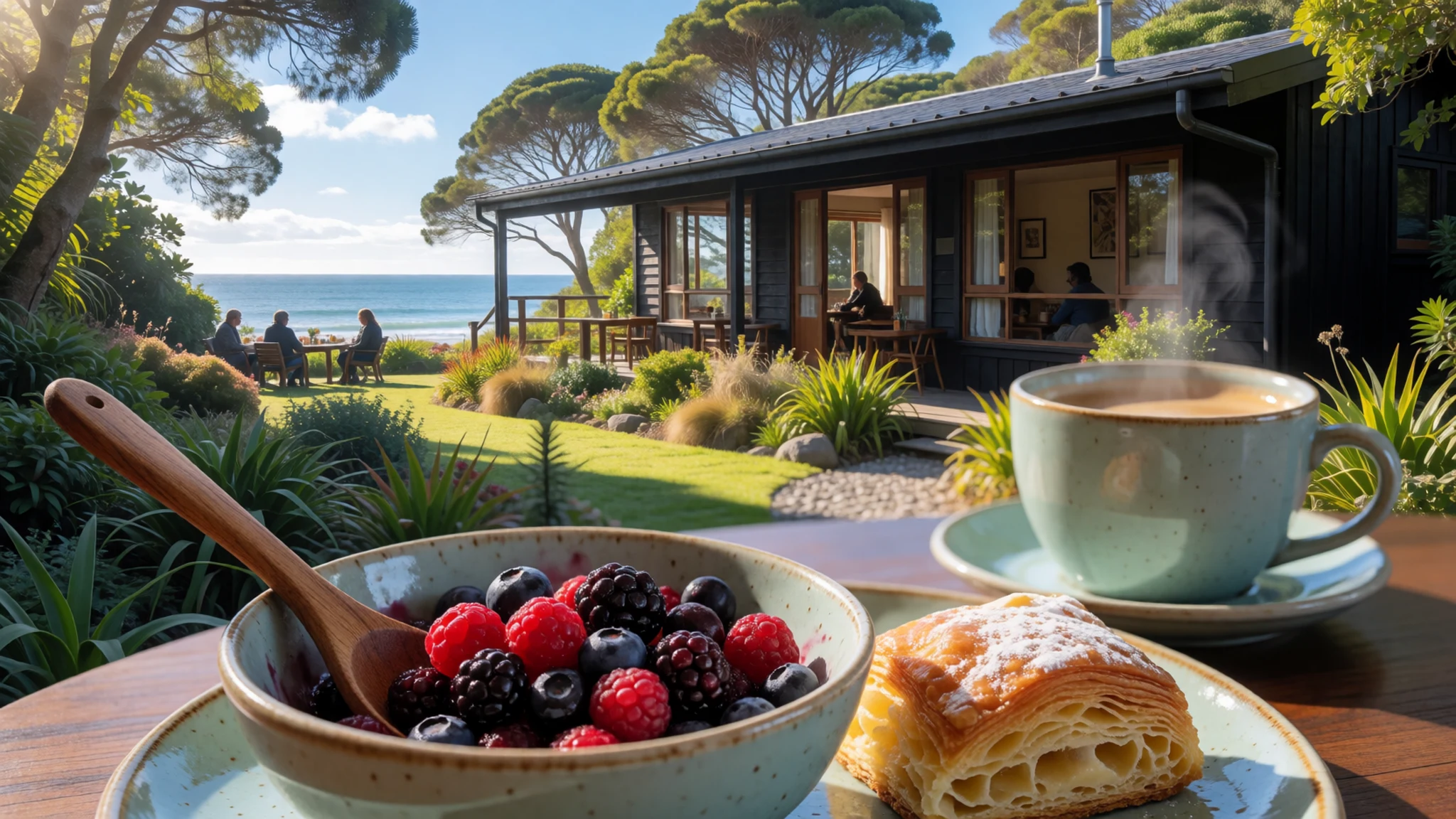
- Kaiteriteri Bakery Pies — Kaiteriteri township
Classic New Zealand savory meat pies, pastries, and fresh cabinet snacks enjoyed before boarding a water taxi into the park. - Fresh Local Apples — Local roadside stalls and markets around Motueka
Crisp orchard fruit harvested from the surrounding fertile valleys of the Nelson and Tasman districts, perfect for refreshing trail snacks.
Plan it
Best time. December to March brings warm summer weather and ideal swimming conditions; shoulder months like November and April offer quieter tracks and milder walking temperatures.
How long. 3–4
Getting there. Fly into Nelson airport, then rent a car or catch a connecting bus to Marahau, Kaiteriteri, or Wainui to access the park trailheads and water taxis.
Budget. mid
Tips
- Check the local tide timetable before setting out on coastal tracks with tidal crossings
- Book Department of Conservation huts and campsites well in advance during peak summer
- Pack effective insect repellent to ward off persistent sandflies along the shoreline
- Carry all rubbish out with you as there are no bins or shops inside the park
- Bring a water purification method or treat tap water provided at backcountry huts
Etiquette
- Keep at least a safe distance from fur seals resting on the rocks
- Pack out all waste and leave natural features undisturbed
Nearby
Sources
- Wikidata Q318357 (CC0)
- Wikipedia (rev 1343389219) (CC BY-SA 4.0)
- Wikivoyage (rev 5090648) (CC BY-SA 4.0)
- Photo 01 (Public domain)
- Photo 02 (CC BY-SA 4.0)
- Photo 03 (CC BY-SA 2.0)
- Photo 04 (CC BY 3.0)
- Photo 05 (Public domain)


