Christchurch
Christchurch, New Zealand
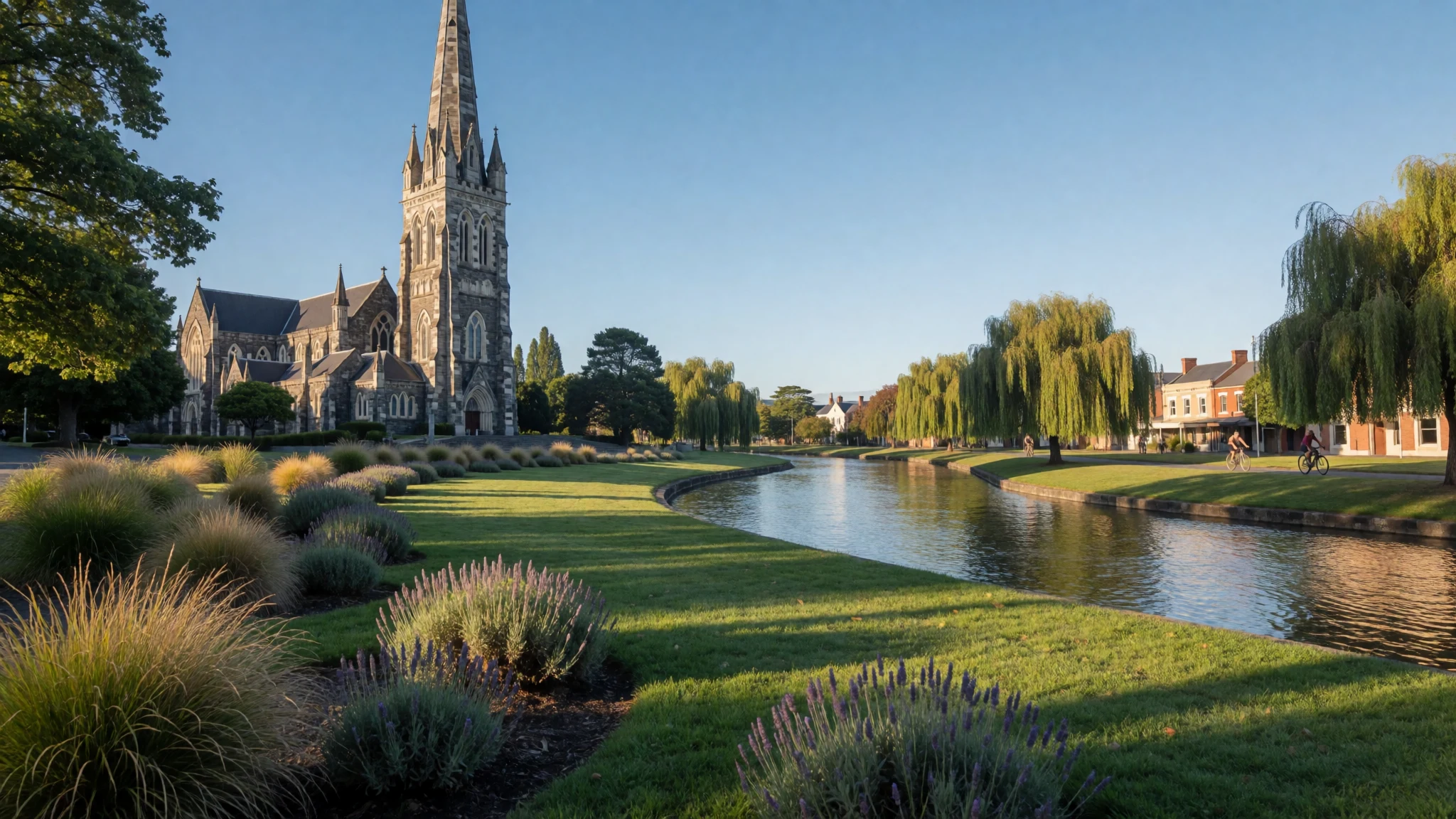
Christchurch is a flat, green South Island city, rebuilding after its 2011 earthquake, where English garden habits meet Māori heritage and the Pacific.
The place
Christchurch, known in Māori as Ōtautahi, is the largest city in the South Island, home to about 383,000 people. It sits near the middle of the island's east coast, on the edge of the Canterbury Plains, where the land meets Pegasus Bay and the Pacific Ocean. To the south rise the old volcanic hills of Banks Peninsula. The city itself is mostly flat, at an average of about 20 m above sea level, so cycling and walking are easy. Only the Port Hills break the horizon. The Avon, or Ōtākaro, winds through the centre between lawns and willows, with a large park along its banks. That riverside green is the best explanation for the 'Garden City' nickname. The city has a reputation for Englishness, from its street layout and church spires to its gardens, but a Māori history runs underneath it, and the Māori name is now widely used beside the English one. The climate is temperate oceanic with moderate rainfall, which in practice means mild, changeable weather and a rain layer worth carrying in any month. Honest expectations help: the centre is still a mix of fine restored stonework, new buildings and empty lots left by the earthquake years, so it rewards slow wandering more than a checklist.
Its story
Christchurch stands on land that was once mostly wet ground: swamp, marsh and grassland, broken by stands of tall kahikatea, mataī and tōtara, with tougher scrub such as akeake, taupata and ngaio on the coastal dunes. Birdlife was abundant. Traces of people appear in the thirteenth century, and lasting settlement is clear by the fourteenth. The first communities, later grouped as the Waitaha, sheltered in coastal caves around what is now Sumner and hunted moa. Around the turn of the sixteenth century the Kāti Māmoe iwi travelled south from the North Island's east coast, moved into the Christchurch basin and eventually controlled much of Canterbury. The European city took its name in 1848, the first settlers arrived in December 1850, and the newcomers reshaped the landscape quickly. Forest was burned to make pasture, predators were brought in, and many native bird species vanished locally. The most recent turning point came on 22 February 2011, when an earthquake damaged the centre, including the Arts Centre and the city's cathedral. Rebuilding has since run for well over a decade. That is why modern architecture, temporary structures and restored Victorian-style stonework stand side by side, and why the city feels like one still deciding what it wants to look like.
What to see
- Arts Centre — Central city
The Arts Centre in Christchurch is a block of Gothic Revival stonework that began as a university campus and now holds studios, shops and cafés. The 2011 earthquake damaged it badly. Reconstruction was mostly complete by late 2022, with two buildings still waiting. The courtyards show original masonry and repair work together.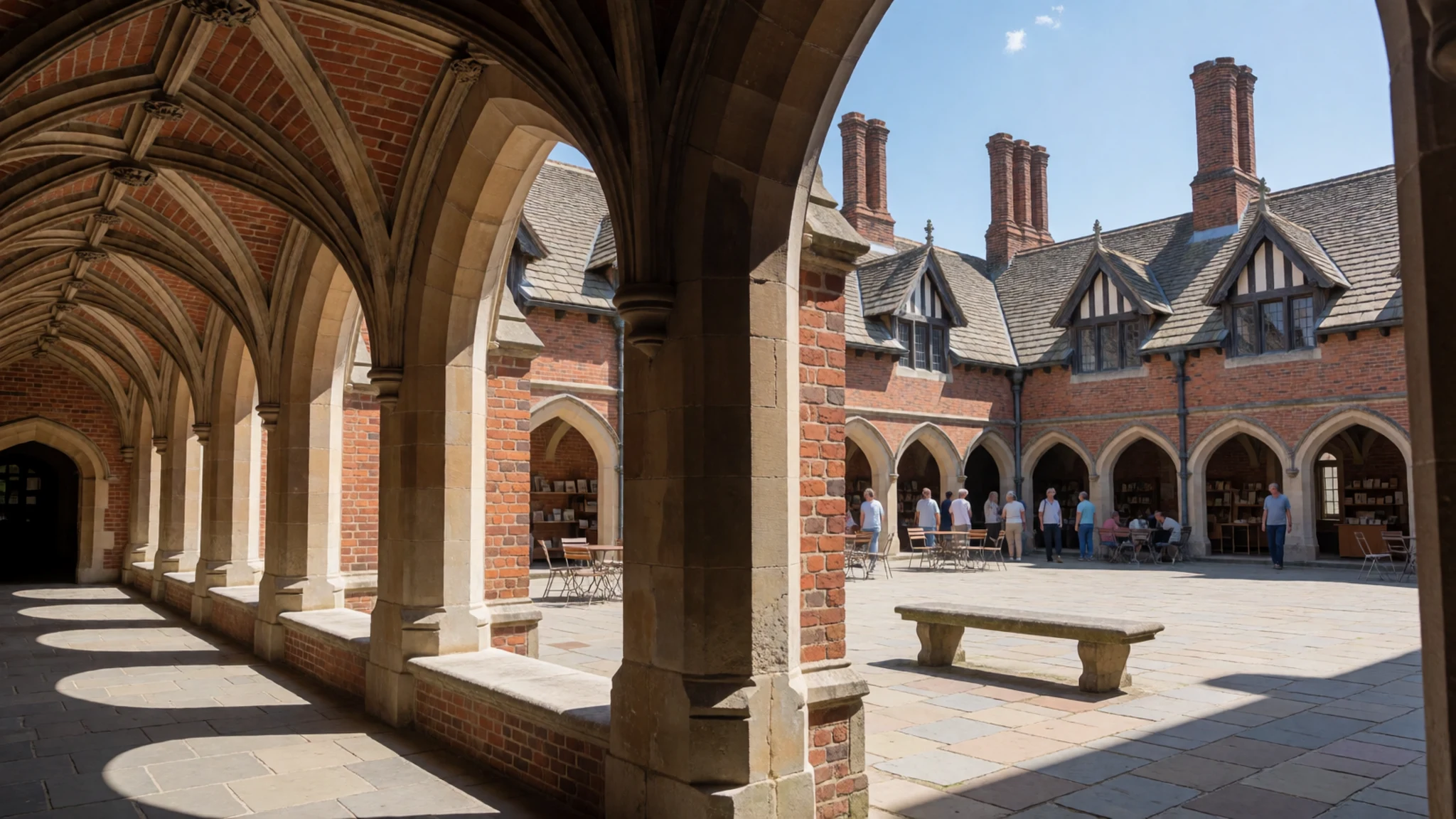
- Christchurch Art Gallery — Central city
Christchurch Art Gallery opened in 2003 and looks after a collection of several thousand items, alongside visiting exhibitions. It makes a sensible wet-weather stop, and its building is striking at dusk. Opening arrangements and any charges for special shows change, so check the gallery's official site before going.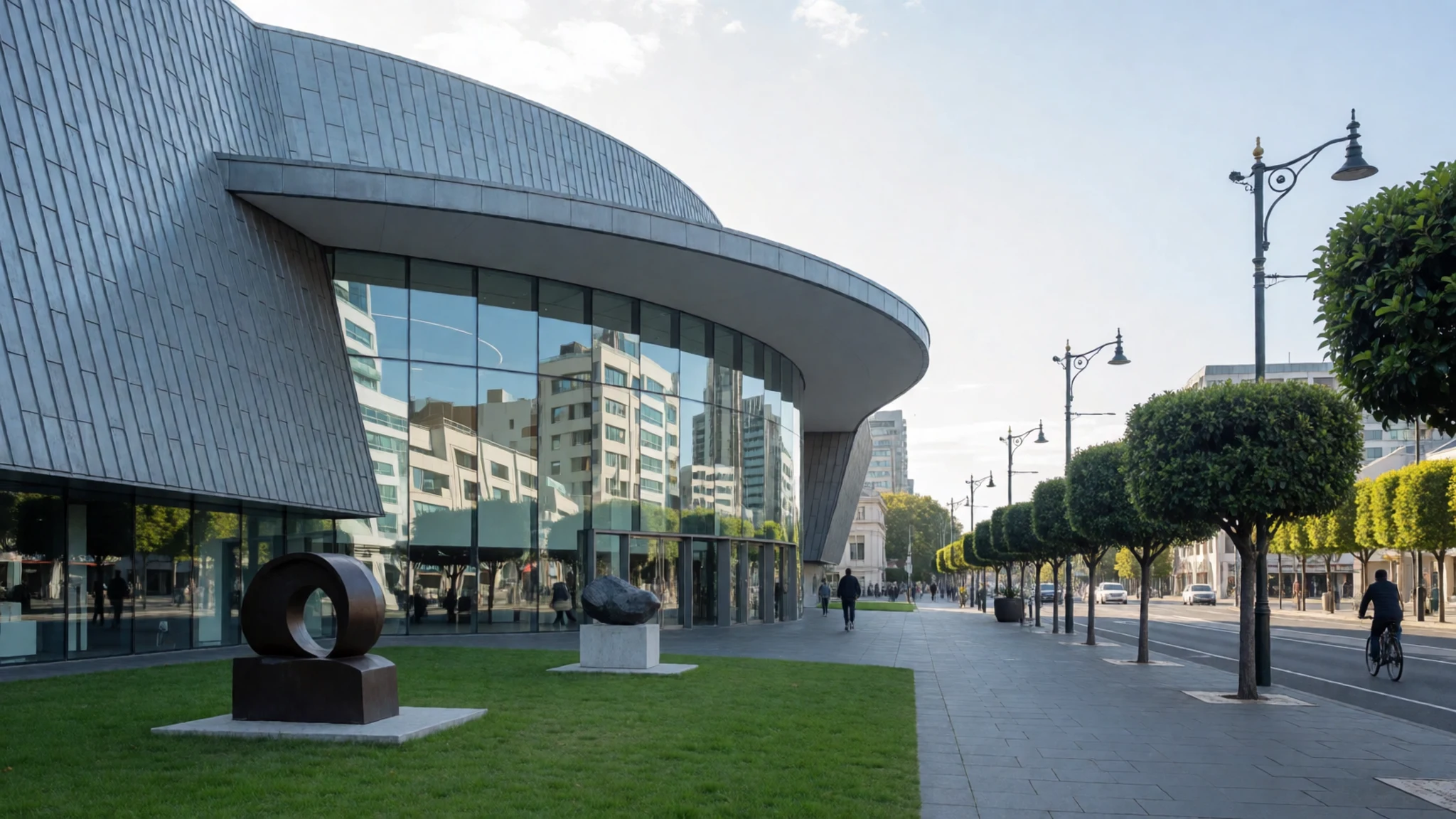
- Cardboard Cathedral — East of the centre
The Cardboard Cathedral in Christchurch was designed by the Japanese architect Shigeru Ban, known for using cardboard in buildings. Finished in August 2013, it serves as the temporary Anglican cathedral while the damaged ChristChurch Cathedral awaits its future. It is a calm, unusual place to sit for a few minutes.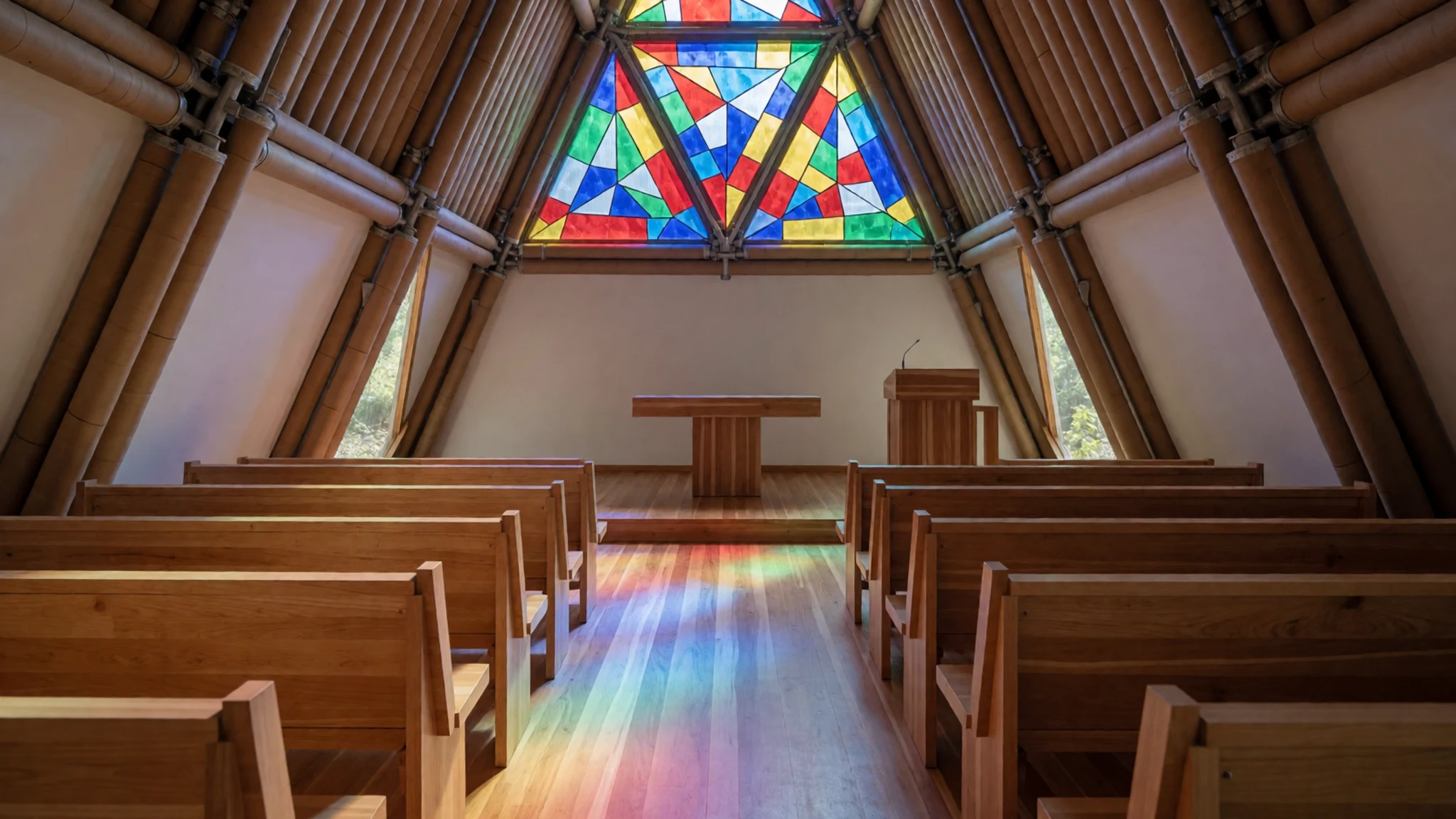
- St Michael and All Angels Church — Central city
St Michael and All Angels is a wooden Anglican church from 1872 that came through the earthquakes with only minor damage, closing for about three months. In a city of reconstruction, it offers a rare look at a Victorian-era interior as it was built. Check for visiting times.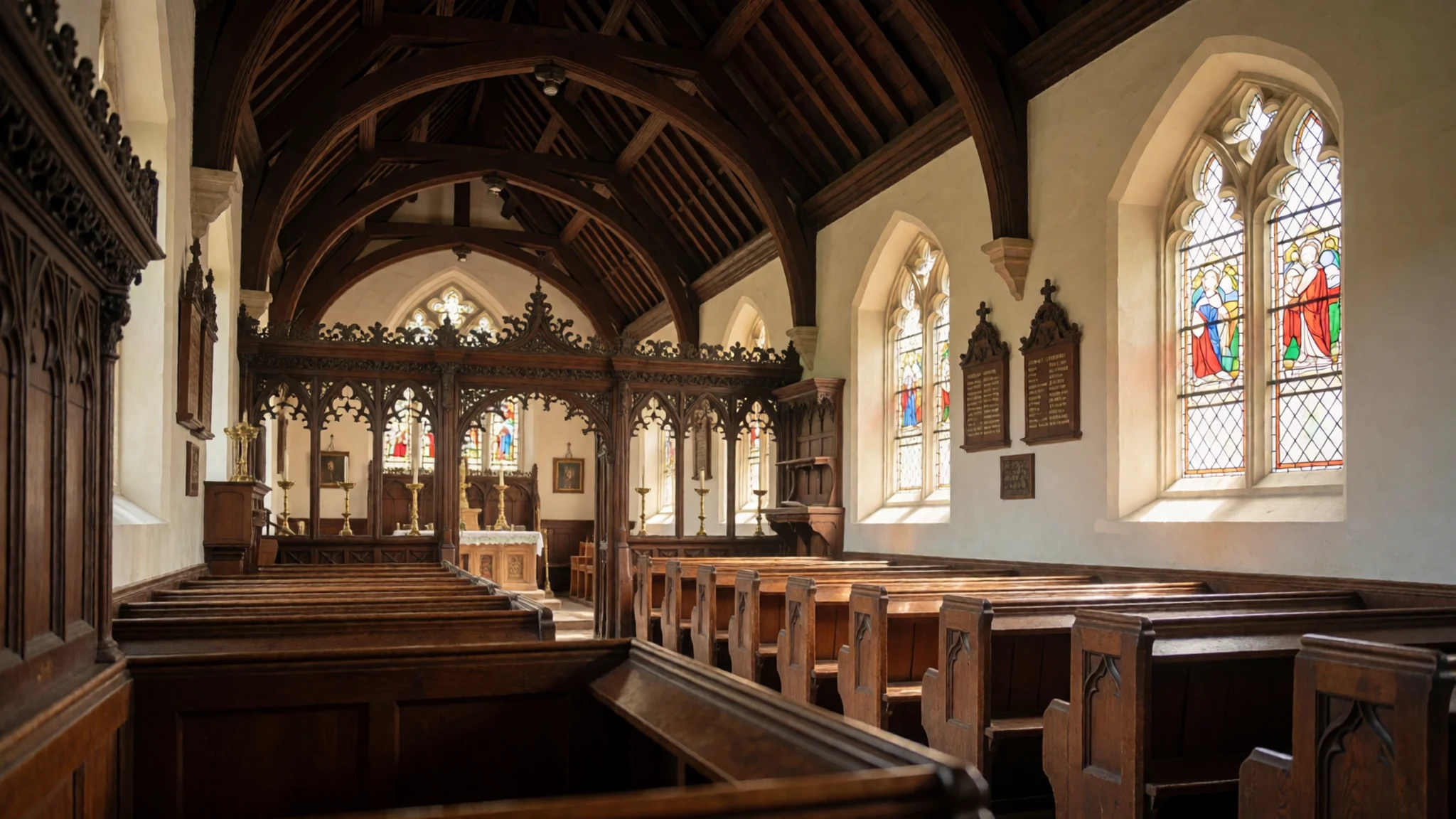
- Sumner — Seaside suburb, east coast
Sumner is a seaside suburb of Christchurch, surveyed and named in 1849, and the area around it holds the coastal caves where early Waitaha settlers sheltered. Today it is a place for a beach walk, a coffee and a look at the hills behind. Take a windproof layer, since the sea air can be brisk.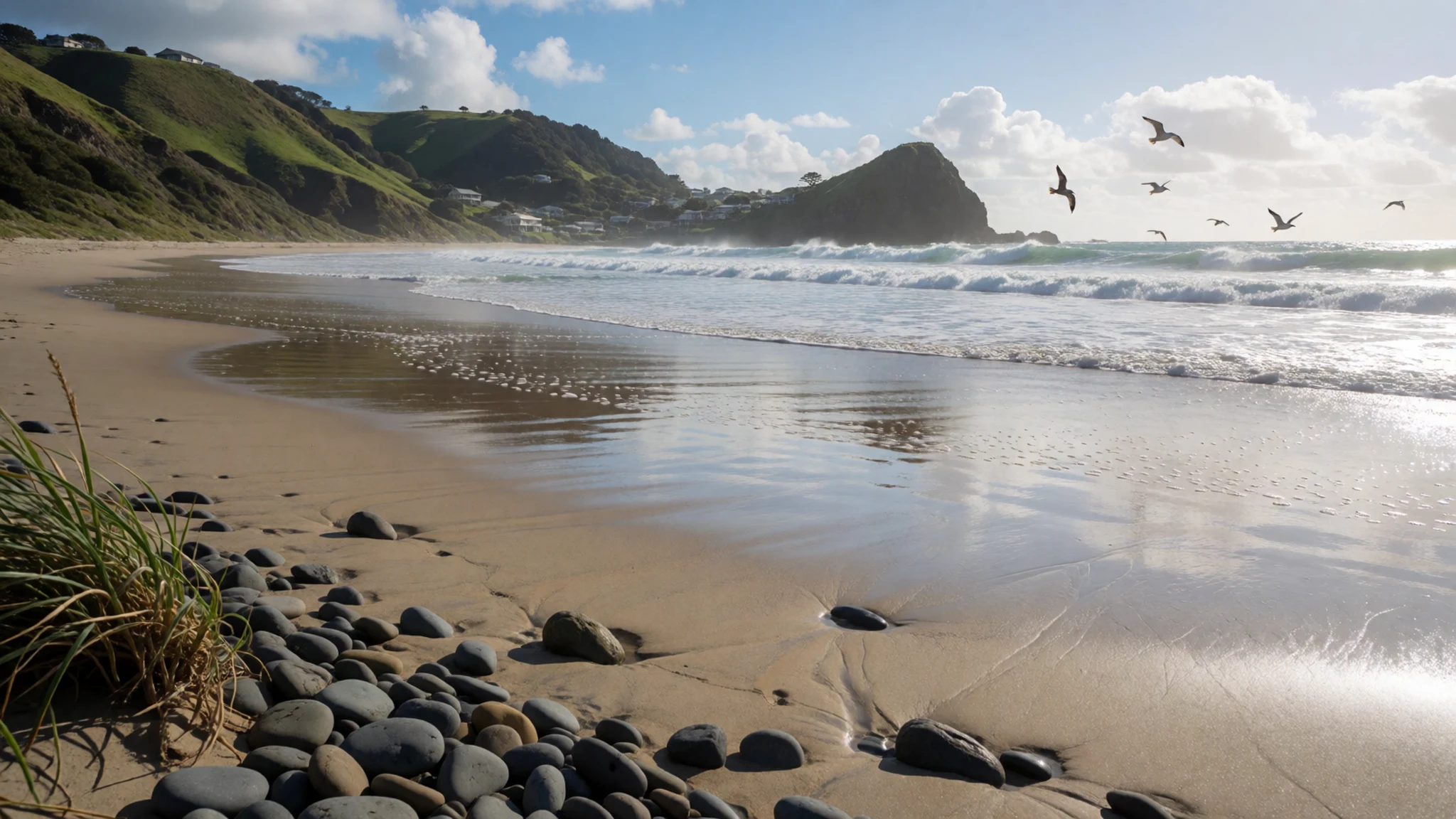
Culture
Christchurch carries two cultural inheritances at once. Ōtautahi is the Māori name, and Waitaha and Kāti Māmoe history lies beneath a city that later styled itself on English models, with Gothic Revival stone, church spires and a river fringed by lawns. The Arts Centre shows the mix well: a former university campus that now works as a place for studios, cafés and small shops. Art is a steady thread in local life. The city has a public gallery and a centre for contemporary work by New Zealand artists, and the years after the earthquakes pushed temporary and street art into empty lots across the centre. Cinema has a long local history too. Most picture houses once clustered around Cathedral Square, suburban cinemas followed, and the Hollywood in Sumner, which opened in 1938, closed in 2022 for refurbishment and returned under a newer cinema chain. An art-house cinema on Moorhouse Avenue became the home of the city's film festivals and its film society. Local life is outdoorsy and unhurried, centred on parks, the river, the beaches and weekend markets. Rebuilding is a shared subject, and residents are usually happy to talk about how the city has changed. Visitors should ask before photographing people at Māori cultural events and follow any signs asking for shoes to be removed at a marae or meeting house.
What to wear
Christchurch has no single city costume, but the Māori traditions that belong to the region are rich in textiles. The best known is the korowai, a cloak woven from harakeke (flax) fibre and finished with feathers or tassels, worn on formal and ceremonial occasions. The piupiu, a flax skirt that rattles as the wearer moves, is seen at performances and celebrations, and pounamu (greenstone) pendants are worn as treasured personal and family pieces. Everyday dress in the city is practical and relaxed. People favour layers, jeans, trainers, waterproof jackets and merino wool, with dark colours common in town and shorts and sun hats on warm days. Smart-casual is enough for most restaurants and galleries. Visitors should dress for changeable weather: a light waterproof, a warm mid-layer even in summer, and a hat and sunscreen, because the sun is strong on clear days. Comfortable closed shoes suit the flat city and park paths, while grippy walking shoes are better for the Port Hills and Banks Peninsula tracks. Modesty rules are light. At a marae or a church, a tidy outfit with covered shoulders is a respectful choice, and shoes may need to come off at the door.
What to eat
- Manuka-smoked salmon — Specialist delis and smokehouses
Salmon smoked over manuka wood is one of the local pleasures, with a gentle sweetness and a deep smoky flavour. Delis in the suburbs sell it by the piece, which makes an easy picnic lunch, eaten on bread or crackers by the river.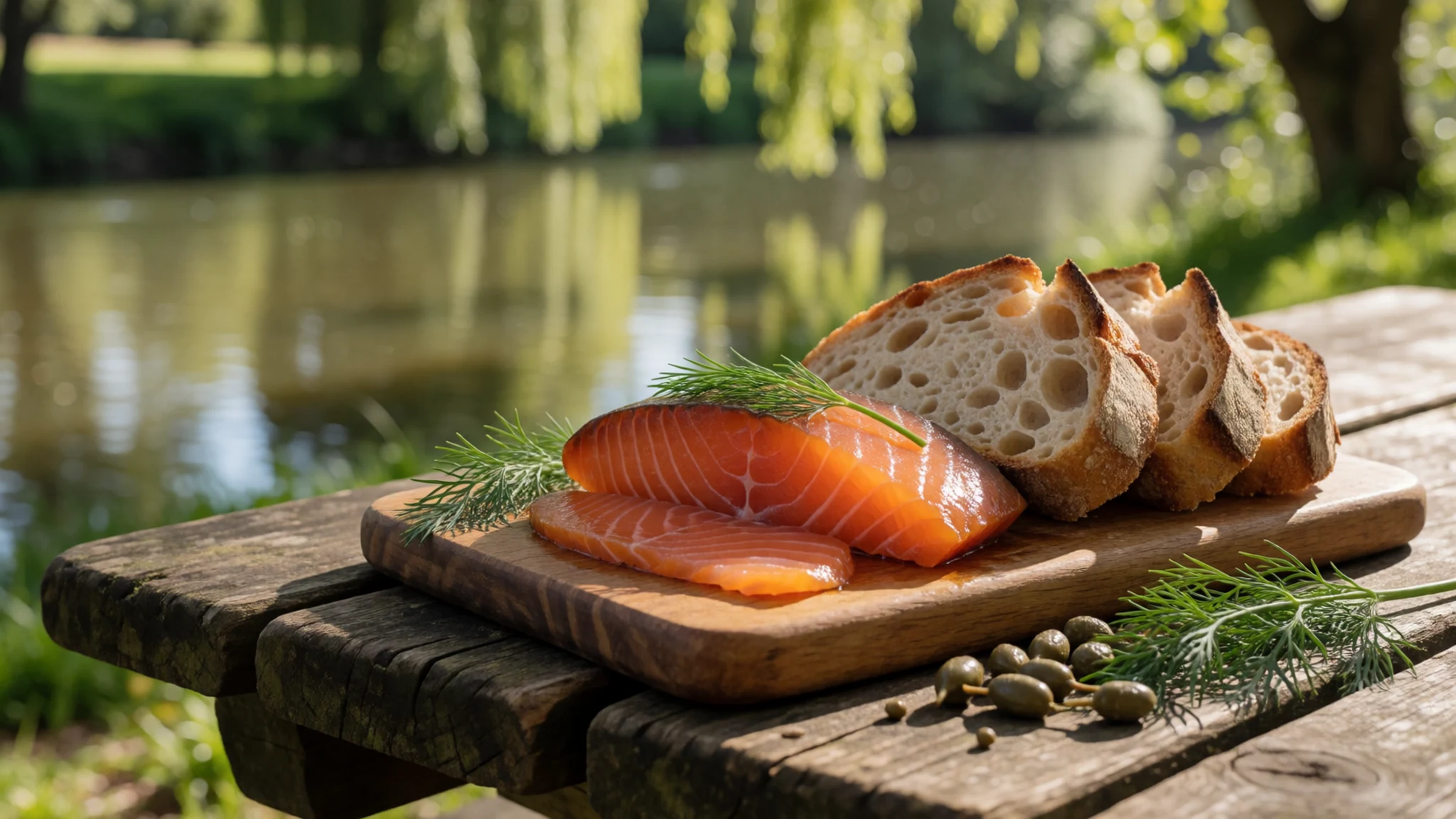
- Canterbury lamb — Restaurants and pub kitchens across the city
Lamb from the Canterbury farmland is a regular on menus here, usually roasted or grilled and served with seasonal vegetables. Pub dining rooms and good restaurants in the centre are the easiest places to try it.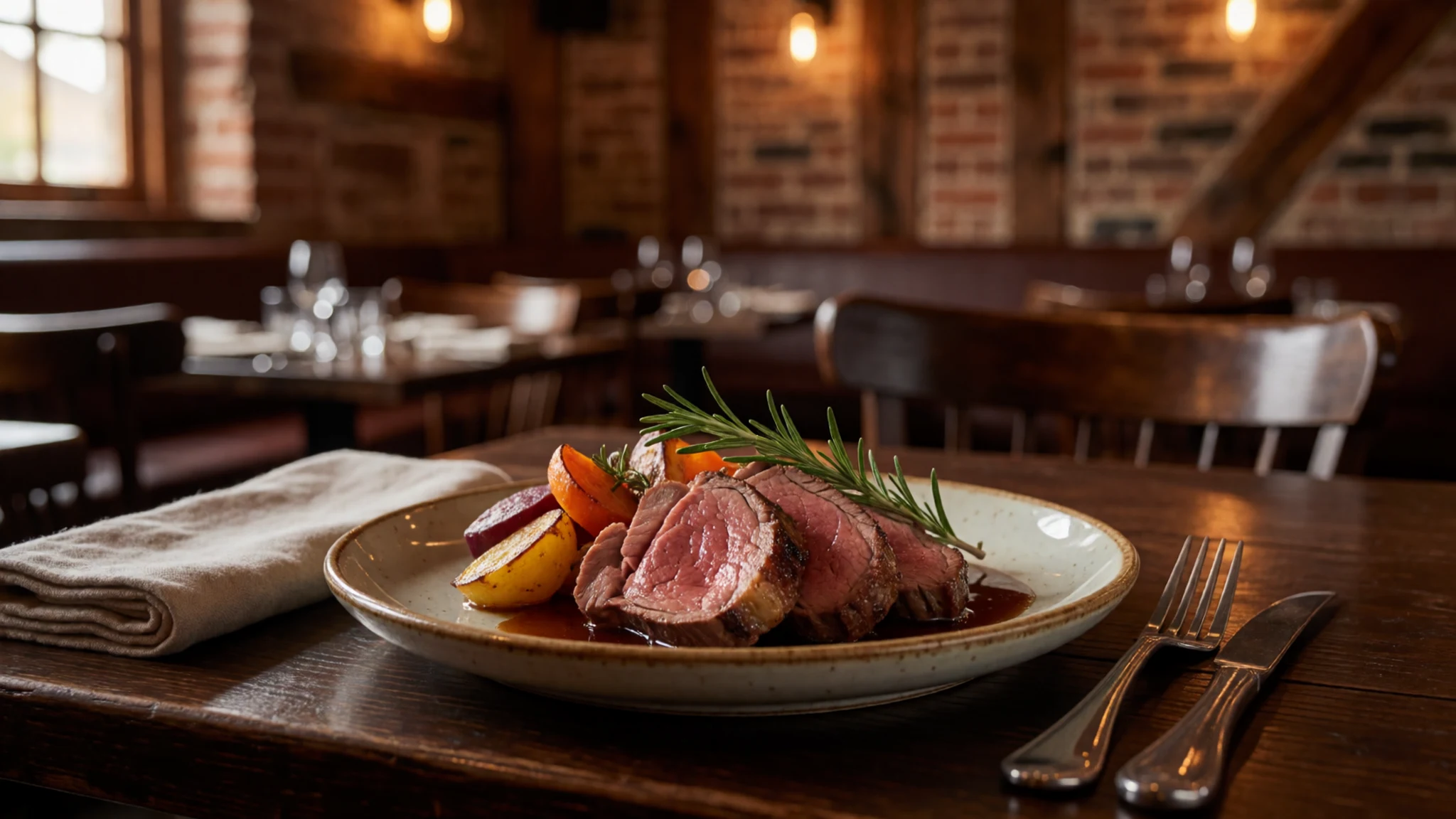
- Whitebait fritters — Cafés and seafood counters, in season
Whitebait are tiny, delicate fish, usually cooked into an egg-bound fritter and eaten hot with lemon or inside a white-bread sandwich. They are seasonal, so ask whether they are available at a café or seafood counter. - Meat pie — Neighbourhood bakeries
The savoury pie is a daily habit in New Zealand: mince, steak or cheese in flaky pastry, bought warm from a bakery and eaten on the move. Local bakeries in any suburb sell them, usually next to sweet slices and filled rolls. - Chinese vegetarian meals — Small eateries in the suburbs
Christchurch has small, well-liked eateries serving Chinese vegetarian dishes, a good option for anyone avoiding meat. Look in the outer suburbs rather than the centre, and check current opening times locally before travelling across town.
Plan it
Best time. December to March, when days are long and the weather is at its warmest. Christchurch experiences a mild maritime climate with a moderate level of rain, so wind and showers can turn up in any month, making a waterproof layer worth carrying year-round.
How long. 2–3
Getting there. Fly into Christchurch Airport, which is linked to the city centre by public buses, door-to-door shuttles and taxis; check the city council website (https://www.ccc.govt.nz/) for current services and fares. Christchurch also lies where State Highways 1 and 73 meet, so driving from elsewhere on the South Island is straightforward.
Budget. mid
Tips
- Allow a half-day for the Arts Centre and the nearby gallery, since the two sit close together
- Carry a waterproof and a warm layer even in summer, because the weather changes quickly
- Hire a bicycle or walk: the city is flat and the riverside paths are easy
- Check the official sites of churches and galleries for current opening arrangements, since the rebuild changes them
- Wear sunscreen and a hat on clear days
Etiquette
- Ask before photographing people at Māori cultural events
- Remove shoes when entering a marae or meeting house, or wherever signs request it
- Keep voices low inside churches, including the temporary cathedral
Nearby
Sources
- Wikidata Q79990 (CC0)
- Wikipedia: Christchurch (rev 1385075342) (CC BY-SA 4.0)
- Wikivoyage: Christchurch (rev 5406744) (CC BY-SA 4.0)
- Photo: Bot. Garten mit Peacock-Brunnen und Arts Centre, Christchurch, Neuseeland (Bgabel) (CC BY-SA 2.0)
- Photo: Panorama of northern parts of Christchurch Central City, New Zealand (Michal Klajban) (CC BY-SA 4.0)
- Photo: New Regent Street, Christchurch (Bernard Spragg. NZ) (CC0 1.0)
- Photo: View towards Akaroa from Little Akaloa Road (Michal Klajban) (CC BY-SA 4.0)
- Photo: Christchurch Hospital and Hagley High School, 2007 (Phillip Capper) (CC BY 2.5)
- Photo: Sumner, Christchurch NZ (Bernard Spragg. NZ) (CC0 1.0)
- Photo: Christchurch Art Gallery, Christchurch, New Zealand (Michal Klajban) (CC BY-SA 4.0)
- Photo: Ōtautahi Christchurch city logo 2024 (Unclesi86) (CC0 1.0)


