Con Dao Islands
Con Dao Islands, Vietnam
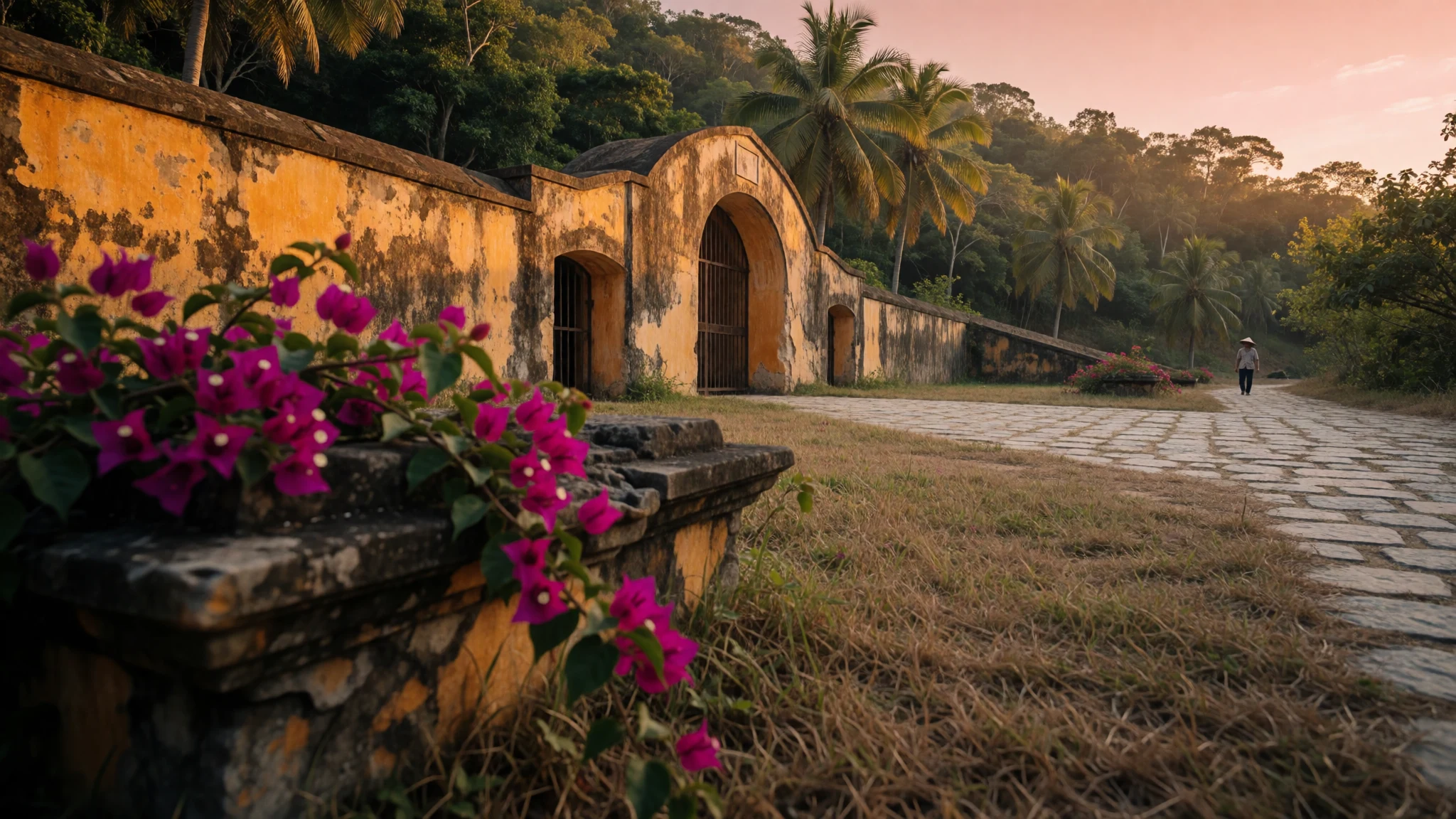
Con Dao Islands pair protected jungle, quiet reefs and turtle beaches with a sobering prison history, all far from Vietnam's mainland crowds.
The place
Con Dao Islands (Côn Đảo) form an archipelago off the southern coast of Vietnam, reached from Ho Chi Minh City by a short flight or a longer sea crossing. Côn Sơn is the main island and the only one with a real town, a harbour, a market and the airport. That airport sits just 2 m above sea level on the island's northern tip, a good way from the town, so every arrival involves a road transfer along the coast.
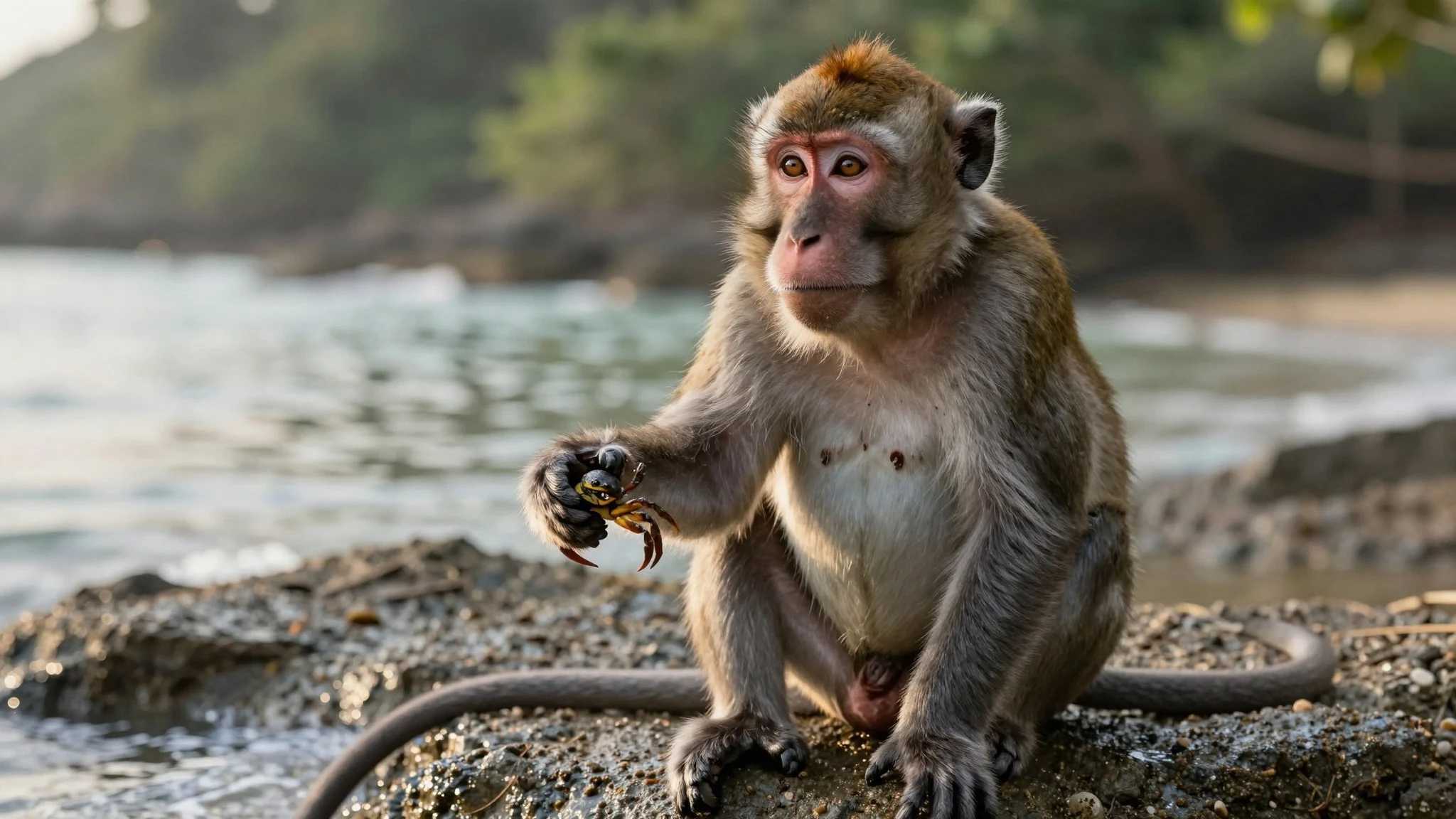
The character of the place comes from what has been left alone. Most of the land belongs to a national park, so the interior is forest rather than resort, home to the black squirrel and crab-eating macaques. The surrounding waters are largely a no-take marine protected area, which is why divers and snorkellers come for the reefs. Beaches are plentiful and mostly empty by the standards of Thailand or Bali, though tourism is growing and the quiet may not last.
Town life is small and slow. Fishing boats come and go, a handful of eateries serve lunch to visitors and locals alike, and many Vietnamese visitors arrive for a very different reason: to pay respects at the sites of the old prisons and the cemetery. That mix of leisure and remembrance shapes the mood. Evenings are quiet, nightlife is minimal, and the island suits people who want sea, forest and history rather than a party. Medical care is basic and the mainland is far away, so it is worth arriving with insurance and a plan.
Its story
Con Dao Islands carry two stories that sit uneasily side by side: a wild natural refuge and a place of confinement. Under French colonial rule the archipelago was known as Poulo Condore, and its isolation made it a convenient site for holding political prisoners. Sending dissidents across open water, to an island with no easy way off, was cheaper and quieter than guarding them on the mainland.
The prison system grew through the twentieth century and kept operating after the French left. Governments in the south went on holding their opponents here, and the cells known as the tiger cages became notorious far beyond Vietnam. The network eventually spread to several camps plus outlying buildings. Conditions were severely overcrowded, and the number of inmates who died is believed to run to many thousands. For Vietnamese people the cemetery is therefore a national place of remembrance, and the island is a pilgrimage as much as a holiday stop.
Today the old camps stand open to visitors, alongside a small museum that traces the island's history. Walking through the cells is heavy going, and most people find a guide adds a great deal. The story has a second thread too. The same remoteness that suited jailers also spared the forests and reefs from heavy development, which is part of why the national park and marine reserve survive. Conservation here is not without controversy, as outside bodies have questioned how the park has been run, so local advice is worth seeking.
What to see
- Côn Đảo prison camps — Côn Sơn town
The old prison camps stand in and around Côn Sơn town, and several are open to the public. Tickets are sold at the camp in the town centre, so start there. Cells, courtyards and exhibits show how crowded and brutal confinement was. A guide from the revolutionary museum makes the visit far clearer. Allow a half day.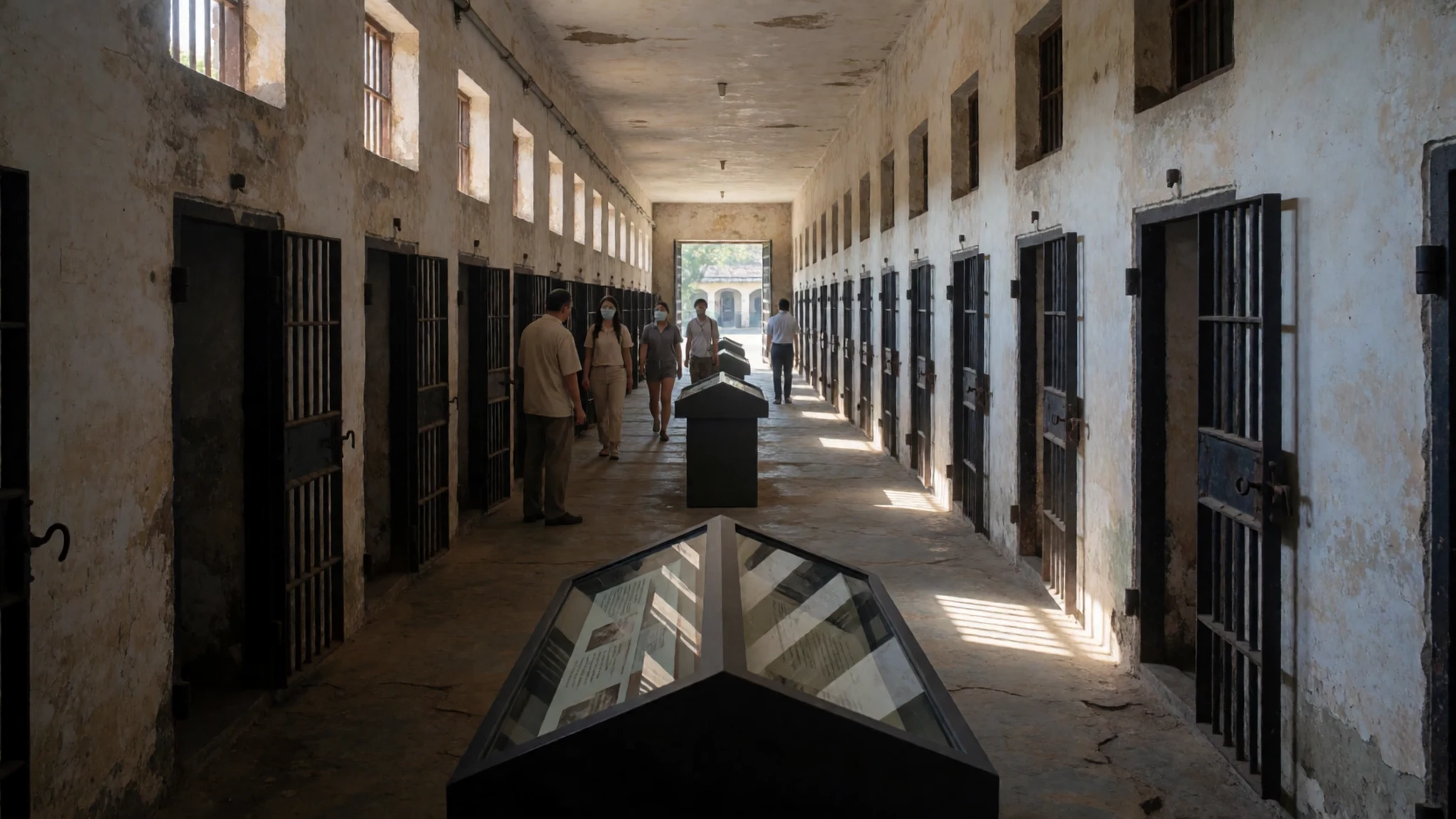
- Hàng Dương cemetery — Near Côn Sơn town
The cemetery is a national shrine for prisoners who died on the island, and Vietnamese visitors often come specifically for it. Many leave incense and flowers, especially at night. Expect a quiet, respectful atmosphere. Cover shoulders and knees, keep voices low, and never walk over graves or ride a motorbike through.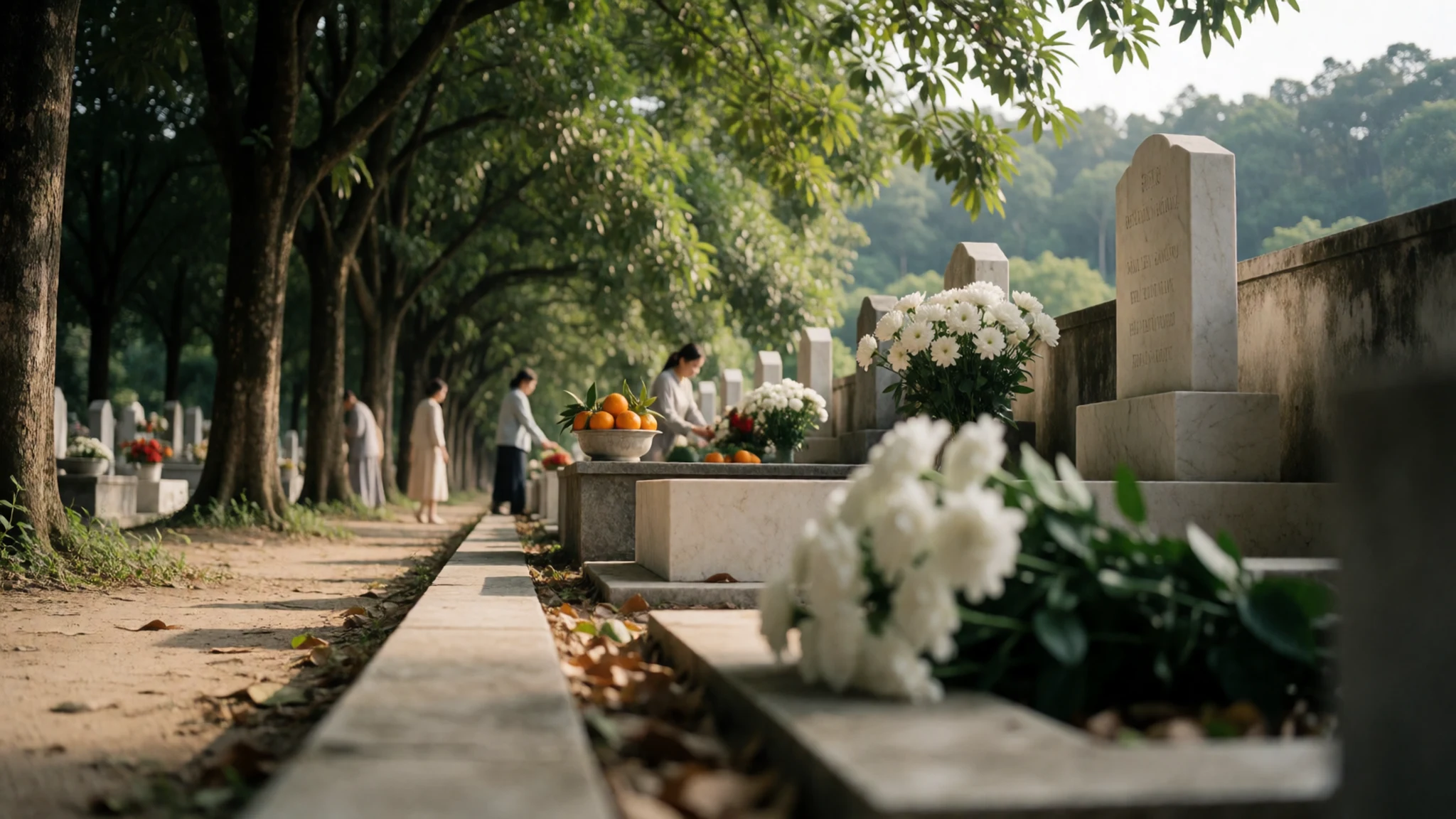
- Turtle nesting tour — National park beaches, off Côn Sơn
Turtles nest on protected beaches within the national park, and tours are booked through the park office. With luck, visitors may see a female laying eggs. The season runs only from June to early September, so outside those months the trip is not worth planning around. Follow guides' rules on light and distance.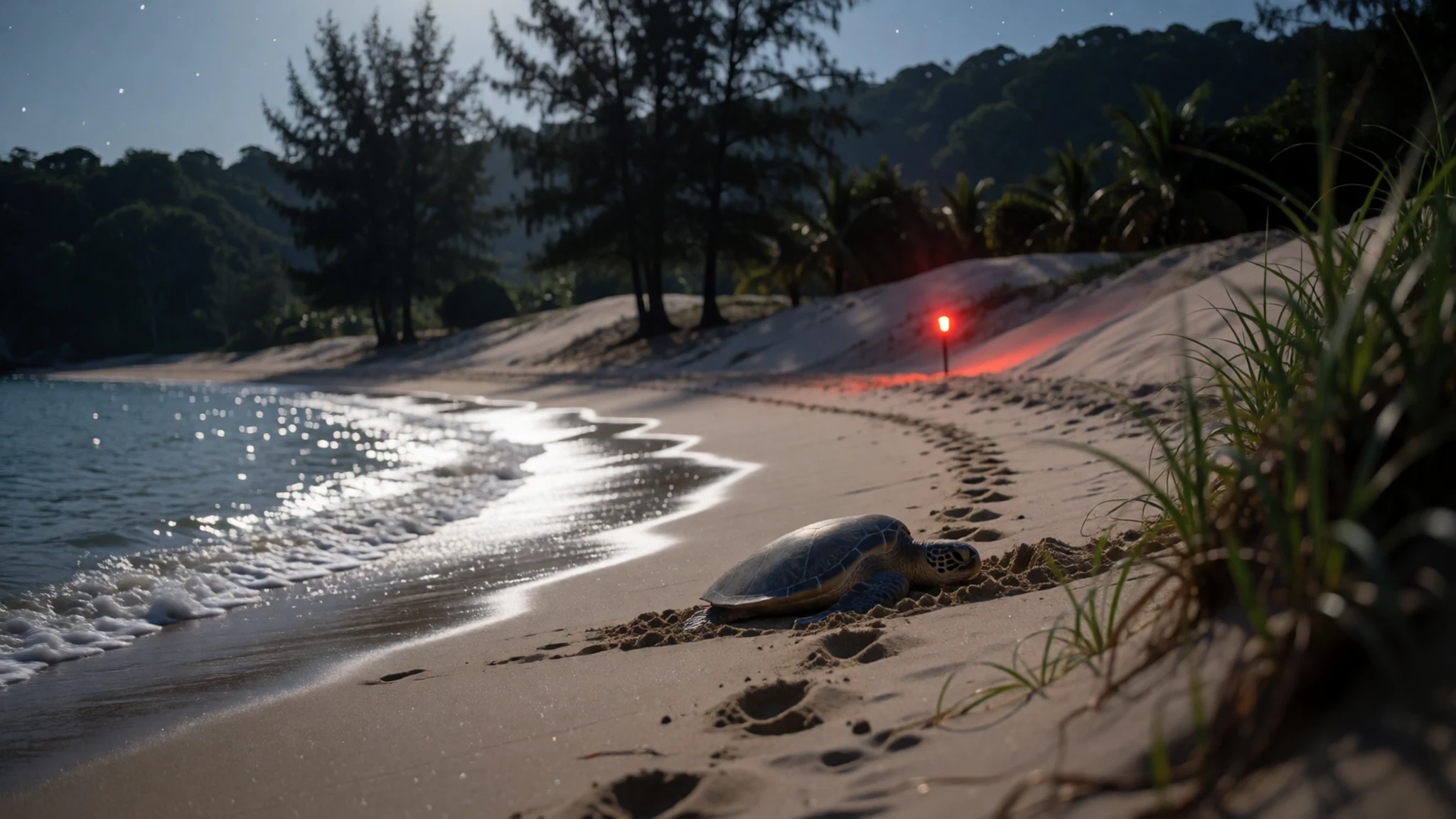
- Diving and snorkelling — Reefs around Côn Sơn
Several PADI and SSI operators run daily dive and snorkel trips, some from resort beaches and some from the town. Because the reefs sit in a protected area, marine life is varied. Beginners can take courses, and non-divers can usually join snorkelling boats. Compare operators and check current certification and safety records.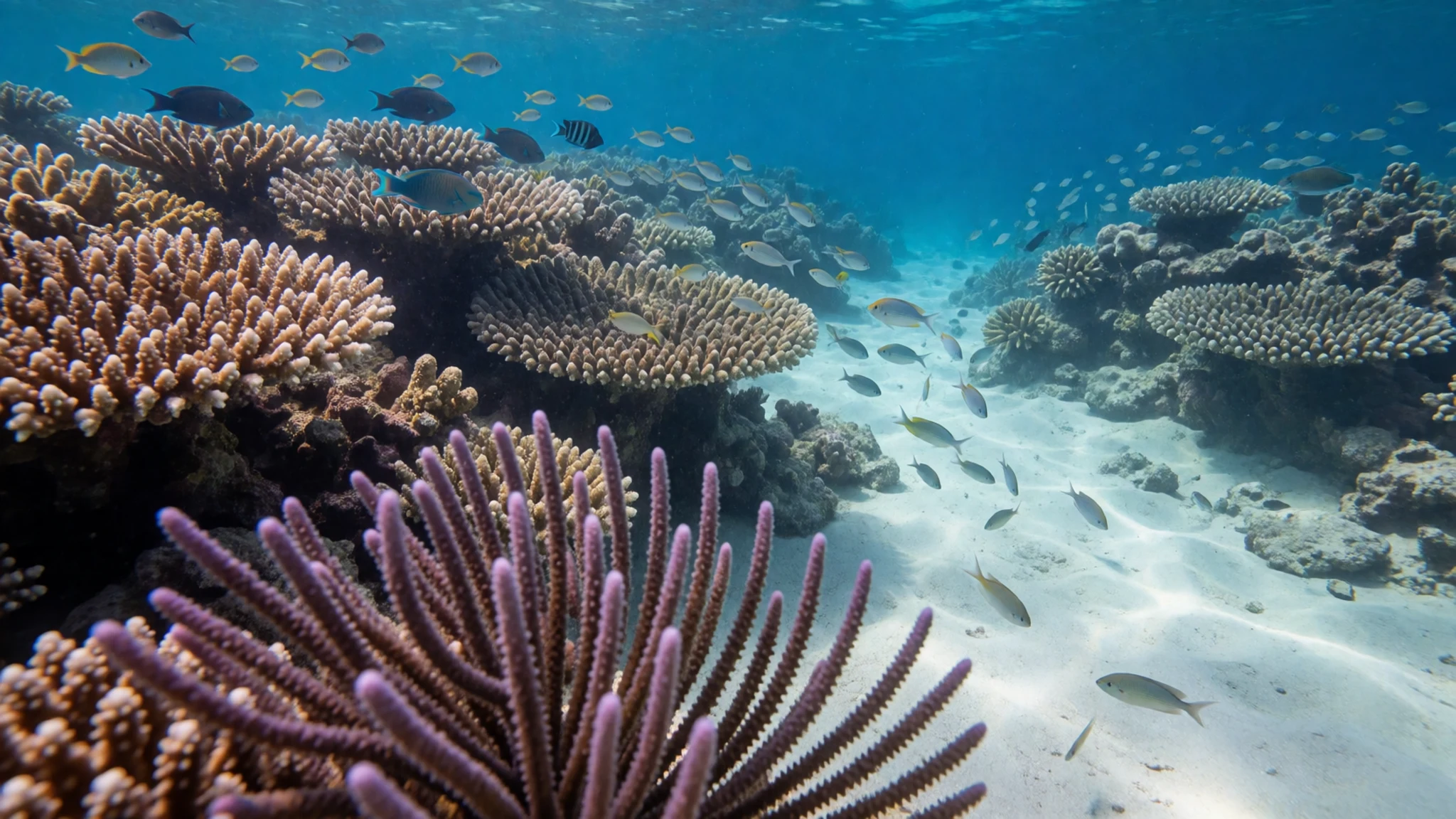
- Con Dao Airport — Northern Côn Sơn
The airport is the usual way in, with flights from Ho Chi Minh City landing on a short strip at the northern end of Côn Sơn. The terminal is small and the setting green. It is worth knowing where it is, since the town is a long drive away, and the official site lists current operations.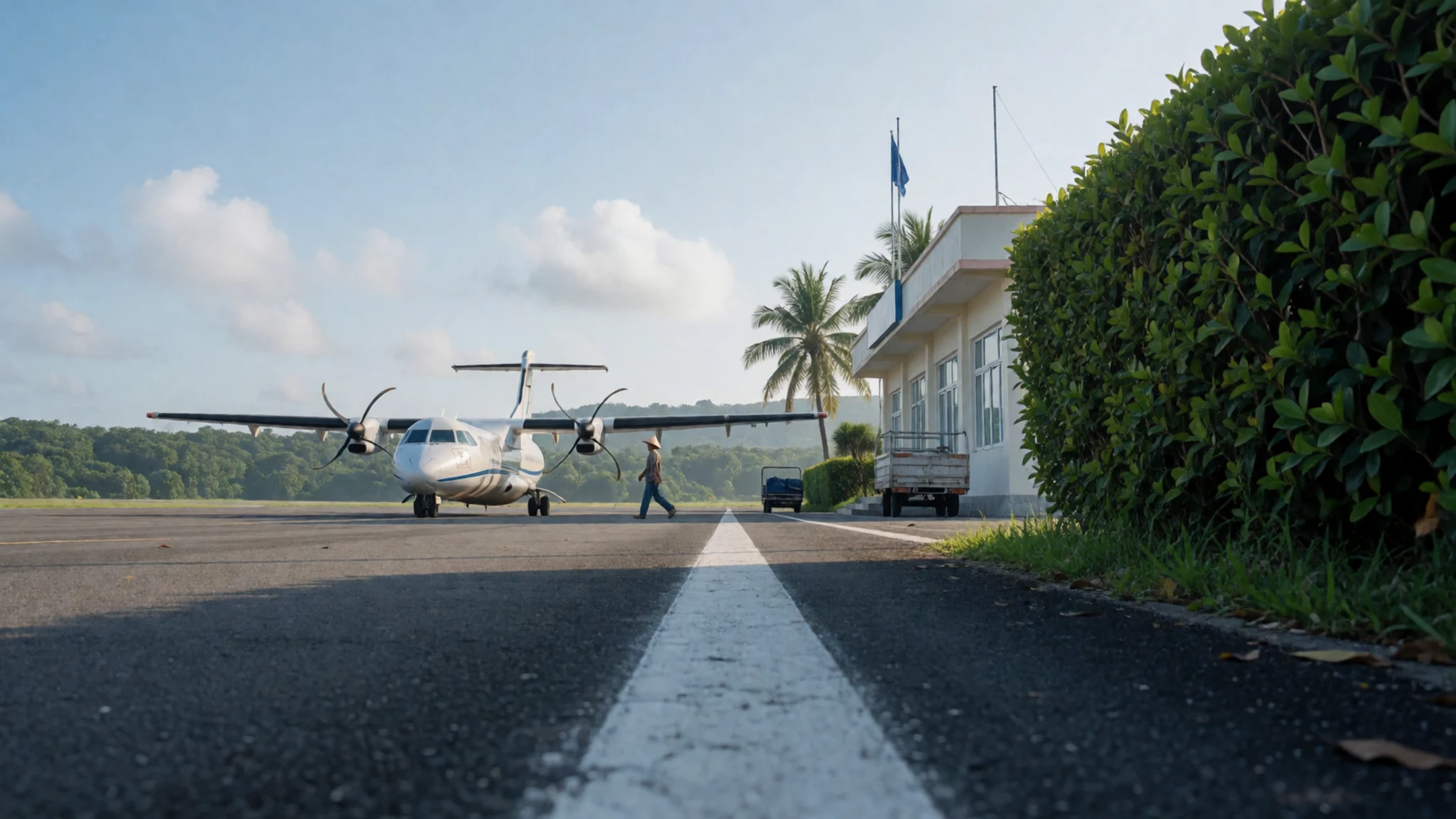
Culture
Con Dao Islands have a culture shaped less by festivals and crafts than by memory. For many Vietnamese families the archipelago is where relatives were held or died, so the cemetery and prison camps are treated as sacred ground. Visitors from the mainland come in groups, often in quiet reflection, carrying incense, flowers and fruit as offerings. Foreign tourists are welcome, but the tone is set by those who come to mourn.
Beyond the memorials, everyday life revolves around the sea. Fishing crews work from the harbour and spend long stretches away, so the town's rhythm shifts when boats return. Locals generally speak Vietnamese, and English is patchy outside places used to tourists, so a few polite phrases help. Staff in small eateries and shops are friendly, and spending in family-run places, local markets and independent services spreads the benefit around, whereas money from larger operators tends to concentrate in a few hands.
The island has also become a conservation community, with rangers, researchers and dive operators working around turtles and reefs. Visitors are asked to follow park rules, avoid disturbing wildlife and never buy or eat turtle products. Alcohol is available in restaurants and some street gatherings, but behaviour that would pass in a beach resort can cause offence near memorial sites. Evenings are quiet, so noise carries.
At the Hàng Dương cemetery and the prison camps, wear clothes covering your shoulders and knees, speak quietly, and never step on graves.
What to wear
Con Dao Islands have no dress tradition of their own, so the clothing seen here is Vietnamese. The best-known traditional garment is the áo dài, a long, fitted tunic split at the sides and worn over loose trousers, usually cut from silk or a silk-like fabric. It appears at weddings, school ceremonies, Tết (Lunar New Year) and official events. The conical hat, nón lá, is made of palm leaf and still shades workers in the sun.
Day to day, locals dress for heat and work. Fishermen and market traders wear light cotton shirts, long trousers or shorts, rubber sandals and wide hats. Many women riding motorbikes cover arms and faces with long sleeves, gloves and masks against the sun. Younger residents wear T-shirts and jeans, while staff at resorts and dive shops wear branded polo shirts or swimwear.
Visitors should pack for a hot, humid island with sudden rain. Light cotton or quick-dry layers, a wide-brimmed hat, reef-safe sun protection and a thin rain jacket cover most days. Swimwear is fine at the beach and on boats, but cover up when walking through town. For the cemetery and prison camps, bring a shirt with sleeves and trousers or a long skirt, since shorts and bare shoulders are frowned upon. Sandals suit beaches, but trainers or sturdy walking shoes are better for forest trails and uneven prison grounds. If walking in the national park, long trousers help against insects and scrub.
What to eat
- Noodle soup — Small lunch eateries in Côn Sơn town
Local lunch eateries around Côn Sơn town serve bowls of noodle soup, typically with broth, herbs and a choice of meat or fish. It is a cheap, filling midday meal, and the busiest places tend to be the ones locals pick.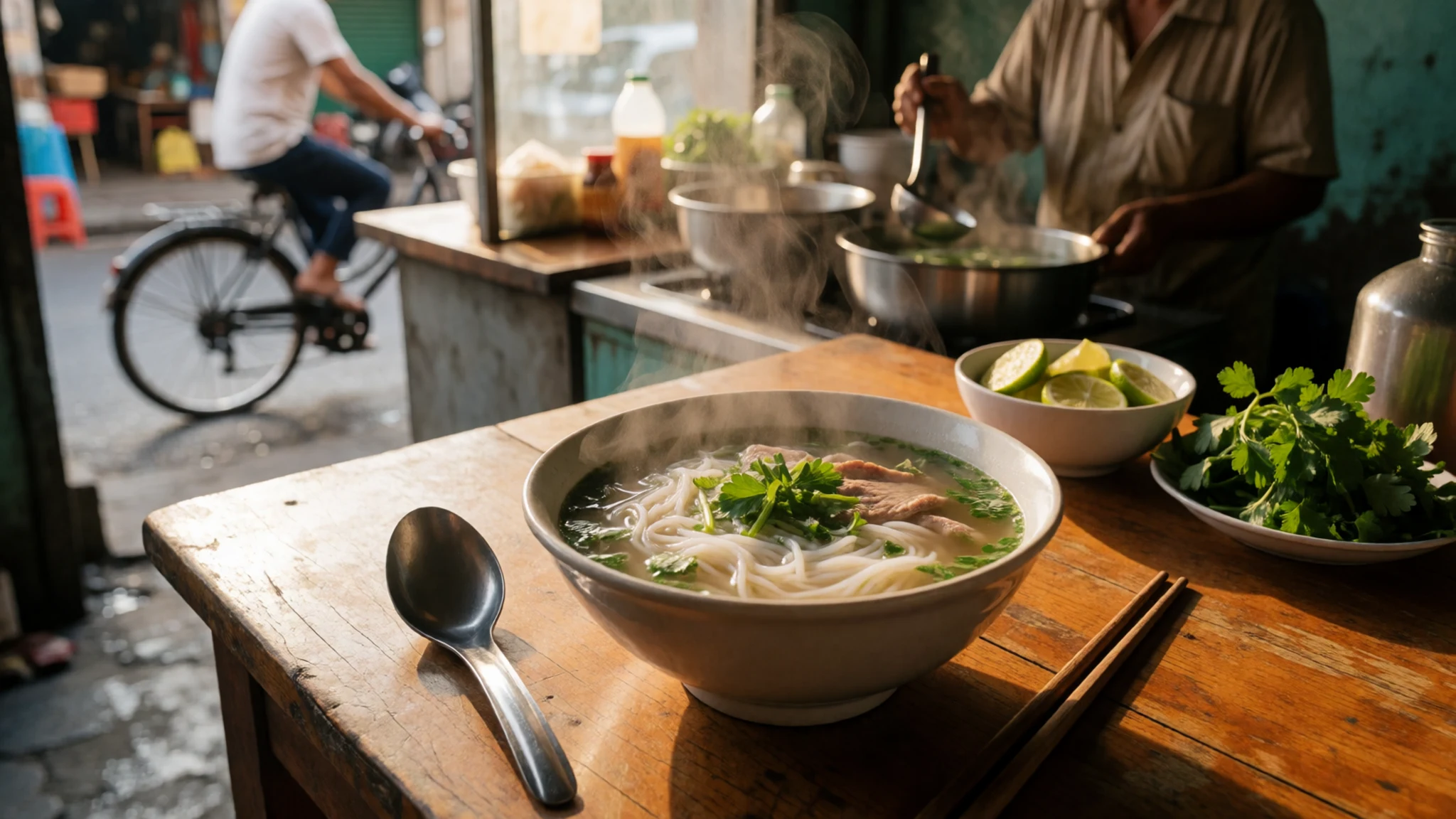
- Fresh seafood — Seafood restaurants in Côn Sơn town
Catch from the surrounding waters appears grilled, steamed or in soups. Choices at some places can be limited, so ask what came in that day. Several town restaurants have English menus, which helps first-time visitors.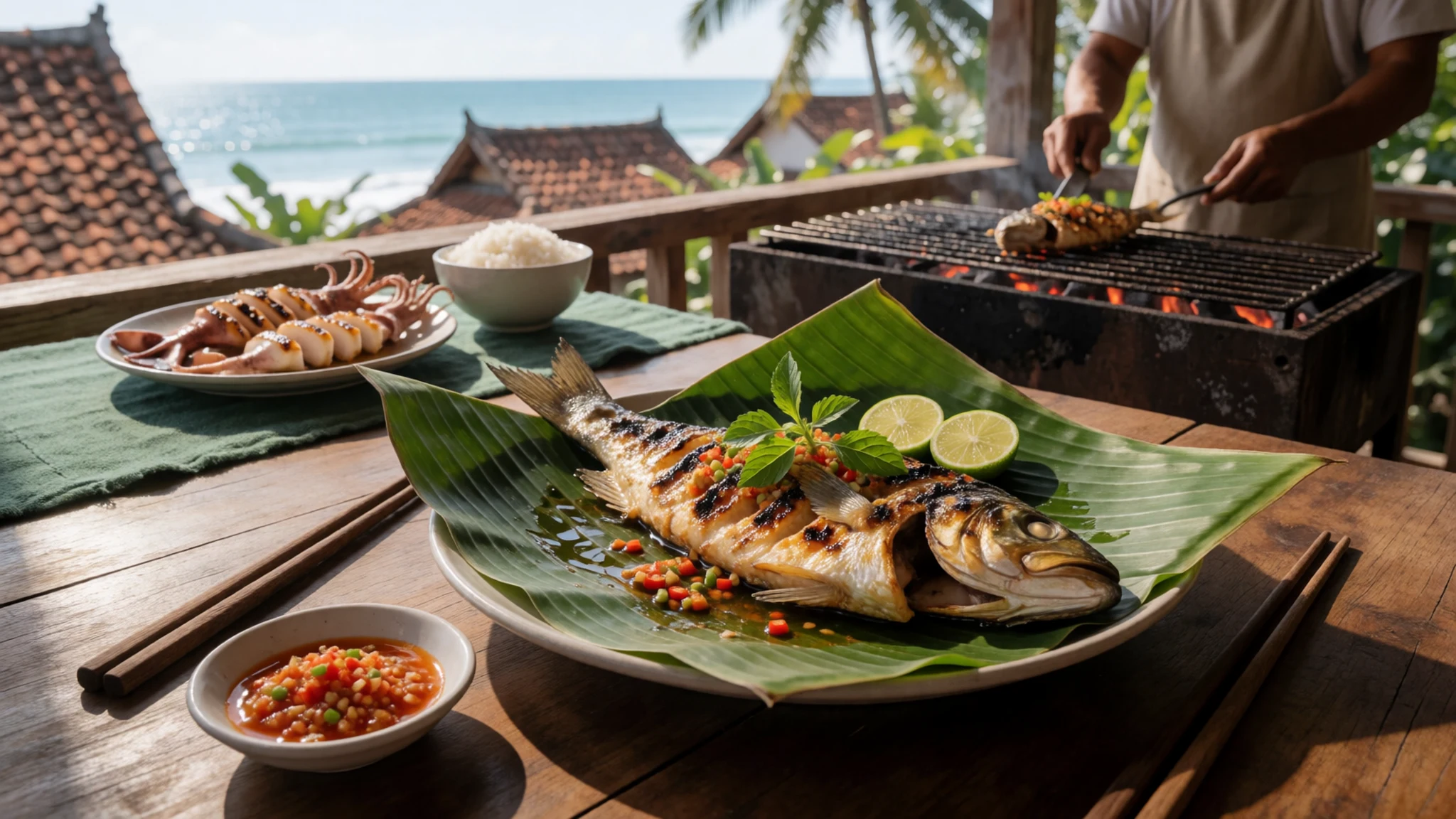
- Western-style breakfast — Cafés and bars near the town market
A few cafés and bars near the market serve eggs, toast, coffee and fruit for visitors who want something familiar before a dive or a day on a motorbike. Some also do decent cocktails in the evening. - Market fruit and snacks — The town market, Côn Sơn
The town market is the place to pick up tropical fruit, packaged snacks and drinks for beach days. Shopping here, rather than only at larger operators, puts money into local hands and is usually the cheapest option. - Resort and guesthouse dinners — Restaurants attached to resorts and guesthouses
Places to stay in town generally run restaurants open to non-guests, offering Vietnamese and international dishes. They suit late arrivals, tired divers and rainy nights, when little else is open. Drinks menus may not always match what is in stock.
Plan it
Best time. February to May is the safer choice for calmer seas and drier weather in southern Vietnam, though check current forecasts as conditions vary by year. June to early September is turtle nesting season, but rain and rougher seas are more likely then.
How long. 3–4
Getting there. Fly from Ho Chi Minh City to Con Dao Airport on Côn Sơn Island (check the official site, vietnamairport.vn/condaoairport, for operations). The airport is at the northern end, so arrange a minibus through your place to stay or board a shuttle outside. Boats run from Trần Đề port, but several older routes have been suspended, so confirm services locally.
Budget. mid
Tips
- Book a room and an airport transfer before you arrive, as the airport is far from town
- Check current ferry schedules directly, since many online listings are out of date
- Book diving and motorbike hire through local, independent operators, and compare reviews
- Carry cash, as card acceptance is patchy outside larger places
- Take good travel insurance, because medical care is basic and evacuation is slow and costly
Etiquette
- Cover shoulders and knees at the cemetery and prison camps
- Never walk on graves or ride a motorbike through the cemetery
- Do not buy, eat or touch turtle products or disturb nesting turtles
Nearby
Sources
- Wikidata Q47724 (CC0)
- Wikipedia: Con Dao Airport (rev 1363029017) (CC BY-SA 4.0)
- Wikivoyage: Con Dao (rev 5400438) (CC BY-SA 4.0)
- Photo: ATR72-200 at Co Ong, DC112 (CC BY 3.0)
- Photo: Côn Đảo Airport, Tycho (CC BY 3.0)
- Photo: Côn Đảo Airport (aux 1), Tycho (CC BY 3.0)
- Photo: Côn Đảo Airport (aux 2), Tycho (CC BY 3.0)
- Photo: Côn Đảo Airport (aux 3), Tycho (CC BY 3.0)
- Photo: VASCO ATR-72 at Con Dao Airport, Patrick Farrelly (CC BY 3.0)


Wildlife
- Black squirrel (animal)
Finlayson's squirrel, also called the variable squirrel, is a small woodland rodent whose coat changes so much from place to place that some wear black, like the ones on Con Dao. Look for it in the forested interior, which lies within the national park covering most of the islands. Ask a local guide where it is likely to appear. Keep a respectful distance, stay quiet so it is not startled, and never feed it, however tame it seems.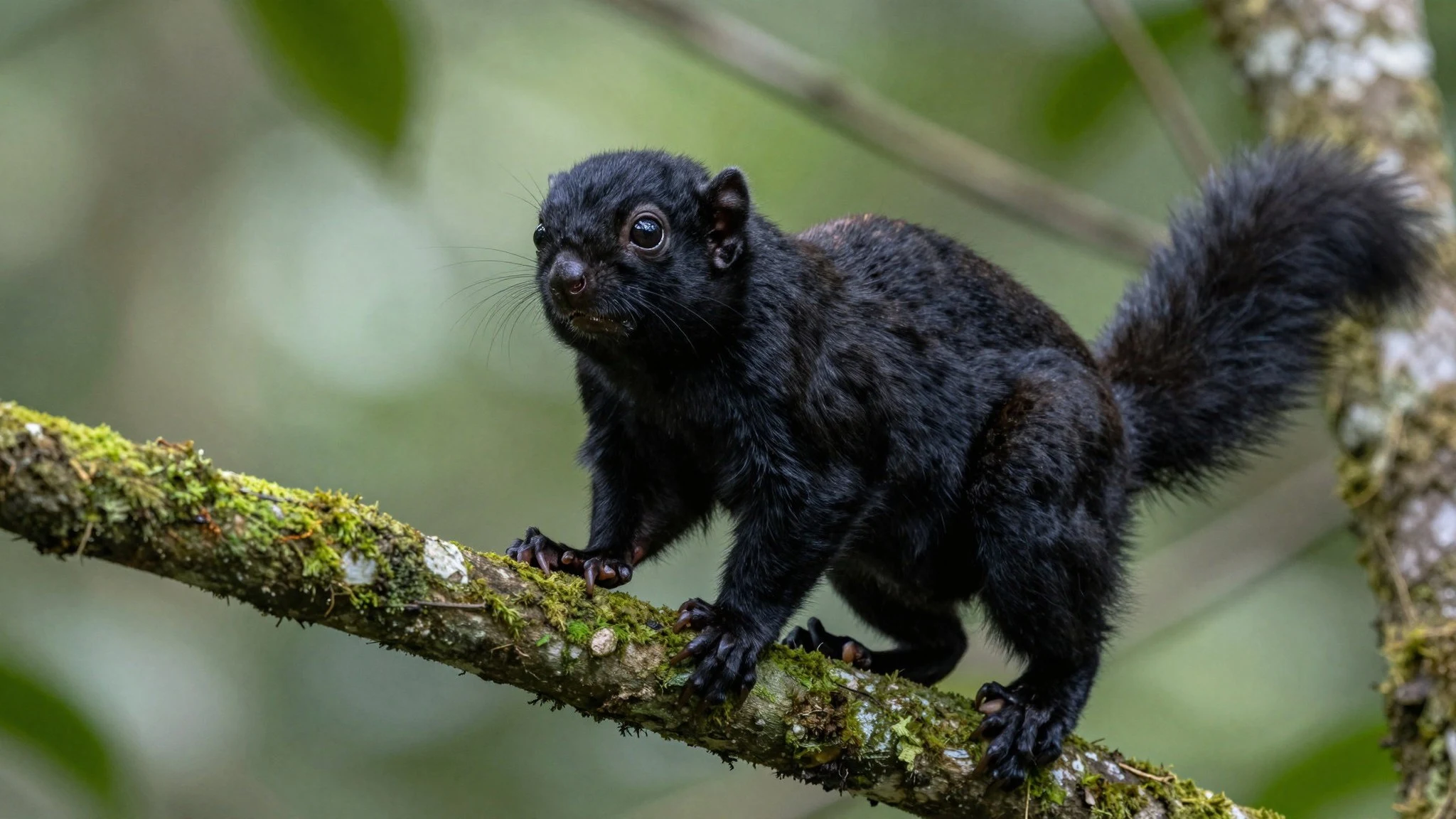
- Crab-eating macaques (animal)
The crab-eating macaque, also known as the long-tailed macaque, is a clever monkey that is happy living near people and in regrown forest. On Con Dao it lives in the national park's forested interior, which covers most of the land. People see it as smart, sacred or a nuisance, depending where they live. Watch from a good distance, speak softly, and go with a guide. Never feed it: food teaches wild monkeys to pester visitors and harms them.