Ban Gioc–Detian Falls
Ban Gioc–Detian Falls, Vietnam

Ban Gioc–Detian Falls offers a dramatic multi-tiered cascade across limestone cliffs on a remote international river border.
The place
Ban Gioc–Detian Falls forms a collective system of cascading waters split across the Quây Sơn River, creating a natural international boundary between the limestone karst peaks of Daxin County in China and the rolling hills of Trùng Khánh District in Vietnam's Cao Bằng Province. Set within the rugged terrain of the Cao Bằng Global Geopark, the river divides over multiple terraced ledges, plunging down across various green limestone tiers before settling into a broad, serene basin below. The surrounding valley features dramatic karst topography, deep agricultural fields, and quiet rural settlements inhabited primarily by the Tày ethnic minority group. During the warmer wet season months from May through September, heavy tropical downpours swell the river's volume, turning the cascades into a roaring torrent of mist and rushing white water. Conversely, as the cooler dry months arrive from October onward, the river keeps a strong current but runs clear and striking turquoise, framed by golden autumn rice paddies waiting for harvest. Travellers making the journey out to this remote northeastern corner find a landscape far removed from the urban density of Hanoi, where the primary soundtrack is the constant, heavy rumble of falling water echoing through the misty valley walls.
Its story
Ban Gioc–Detian Falls carries a complex history tied to territorial adjustments, colonial map-making errors, and geopolitical shifts along the border between neighbouring nations. Historical records show that late nineteenth-century negotiations between French colonial administrators and Qing dynasty officials left ambiguous maps and poorly demarcated boundary markers across this rugged terrain. These early discrepancies surfaced repeatedly over the generations, culminating in armed conflicts such as the brief Sino-Vietnamese war during the late twentieth century, after which local accounts note that certain boundary markers were repositioned. Decades of diplomatic talks eventually led to formal land border treaties intended to resolve overlapping claims and bring stability to the region's inhabitants. Beyond boundary politics, the valley's cultural identity has long been shaped by the Tày communities who cultivate the fertile alluvial soils along the riverbanks, relying on traditional farming methods passed down through families. Today, the local economy leans heavily towards welcoming visitors who arrive to witness the majestic border cascades, turning a historically contentious frontier zone into a shared destination for international appreciation and cross-border commerce.
What to see
- Bamboo raft ride — Quây Sơn River bank
Local boat operators pole flat bamboo rafts right up to the tumbling base of the main waterfall cascade. Visitors pull on life jackets and drift close enough to feel the heavy mist swirling off the roaring white water while gazing up at the sheer limestone cliffs towering above.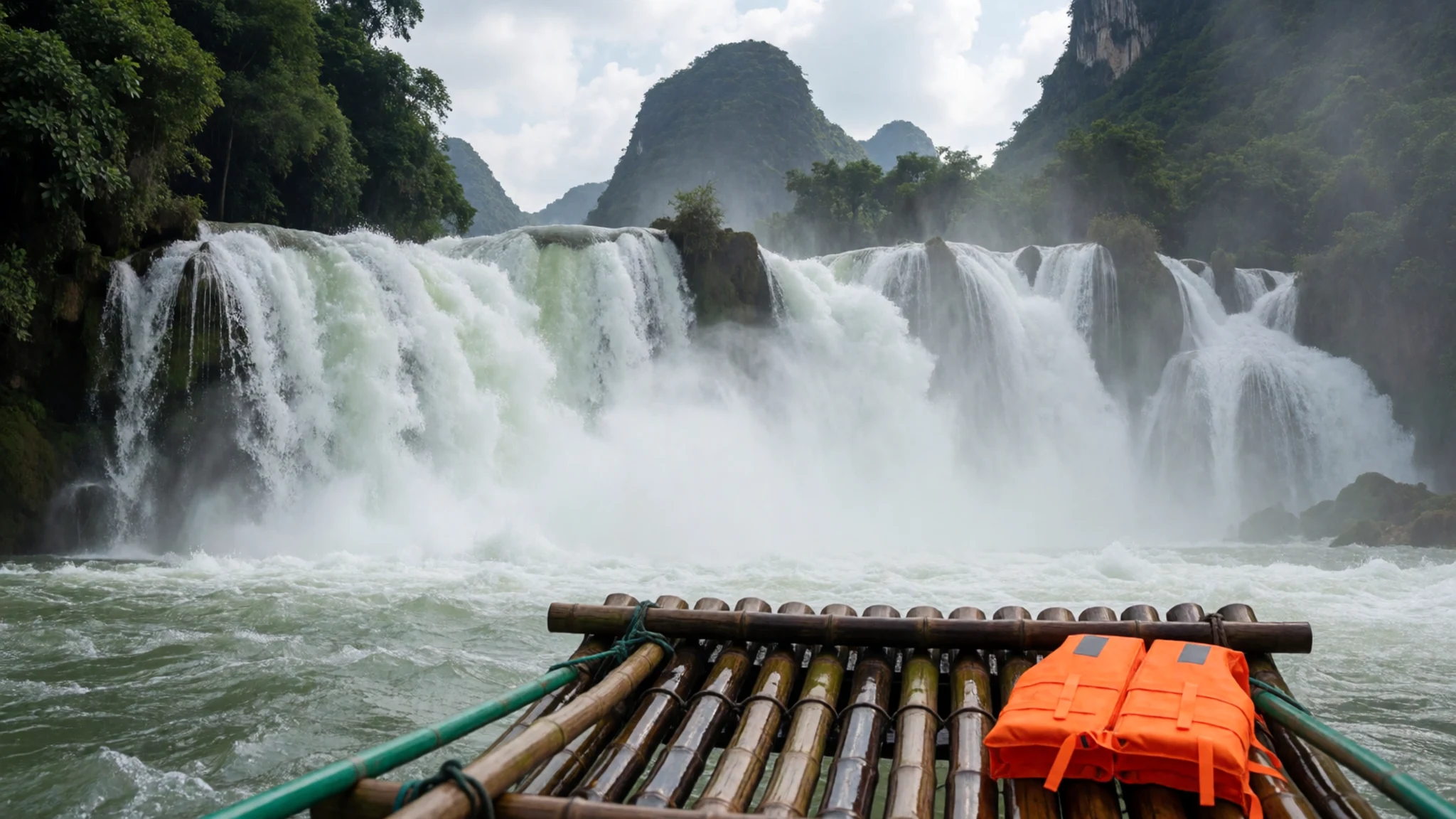
- Phật Tích Trúc Lâm Pagoda — Hillside near the waterfall
Perched high on a wooded hillside overlooking the entire river valley, this traditional Vietnamese temple features ornate tile roofs and carved wooden elements. The upper courtyard provides a panoramic vantage point for framing wide photographs of the entire waterfall system and the surrounding border mountains.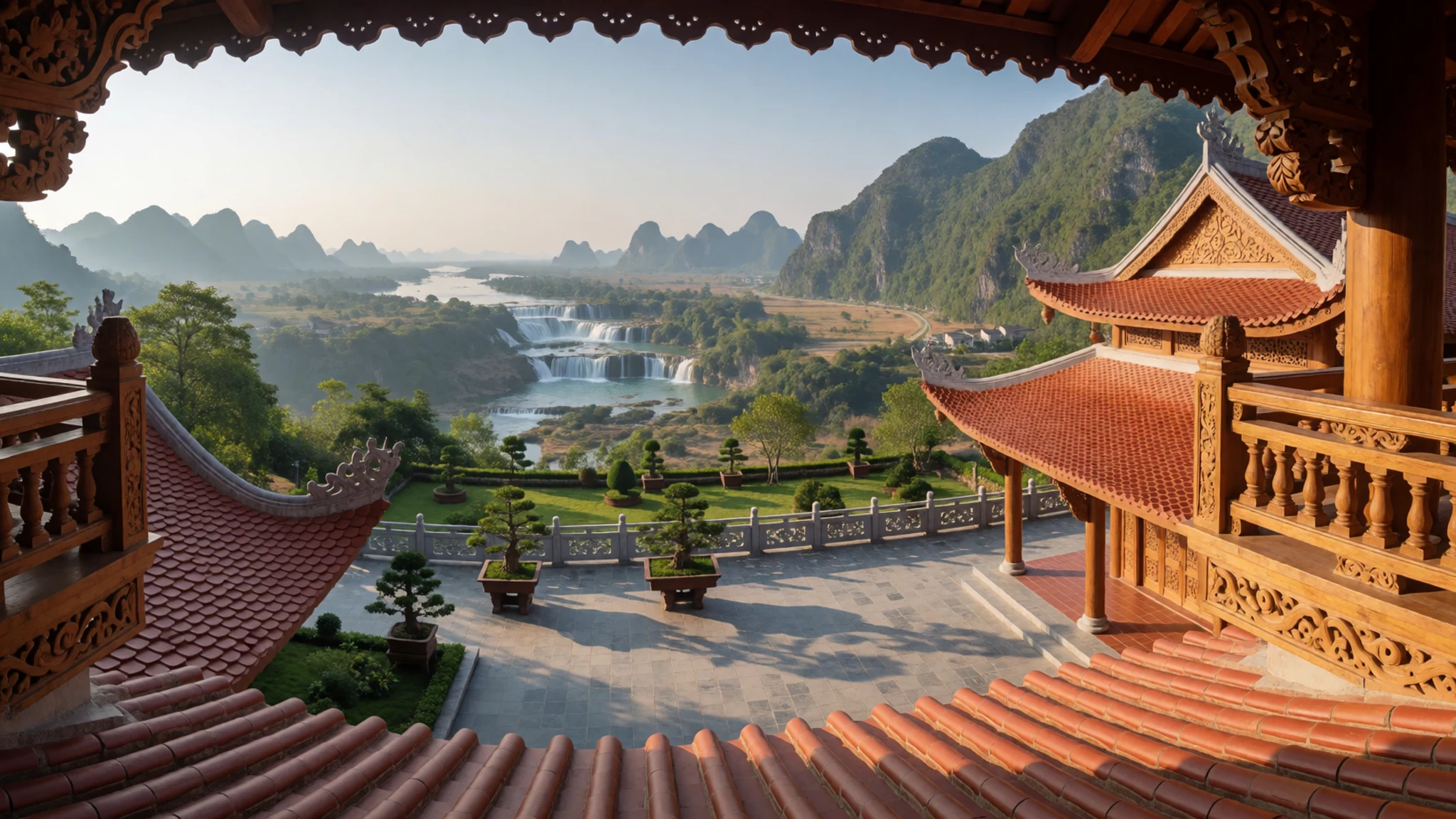
- Nguom Ngao Cave — Phu Tho village area
Hidden within the limestone karst hills a short distance from the river, this extensive underground cavern system stretches deep into the mountain. Walkways guide visitors past colossal stalactites, glistening crystal formations, and underground streams sculpted by centuries of mineral water seepage.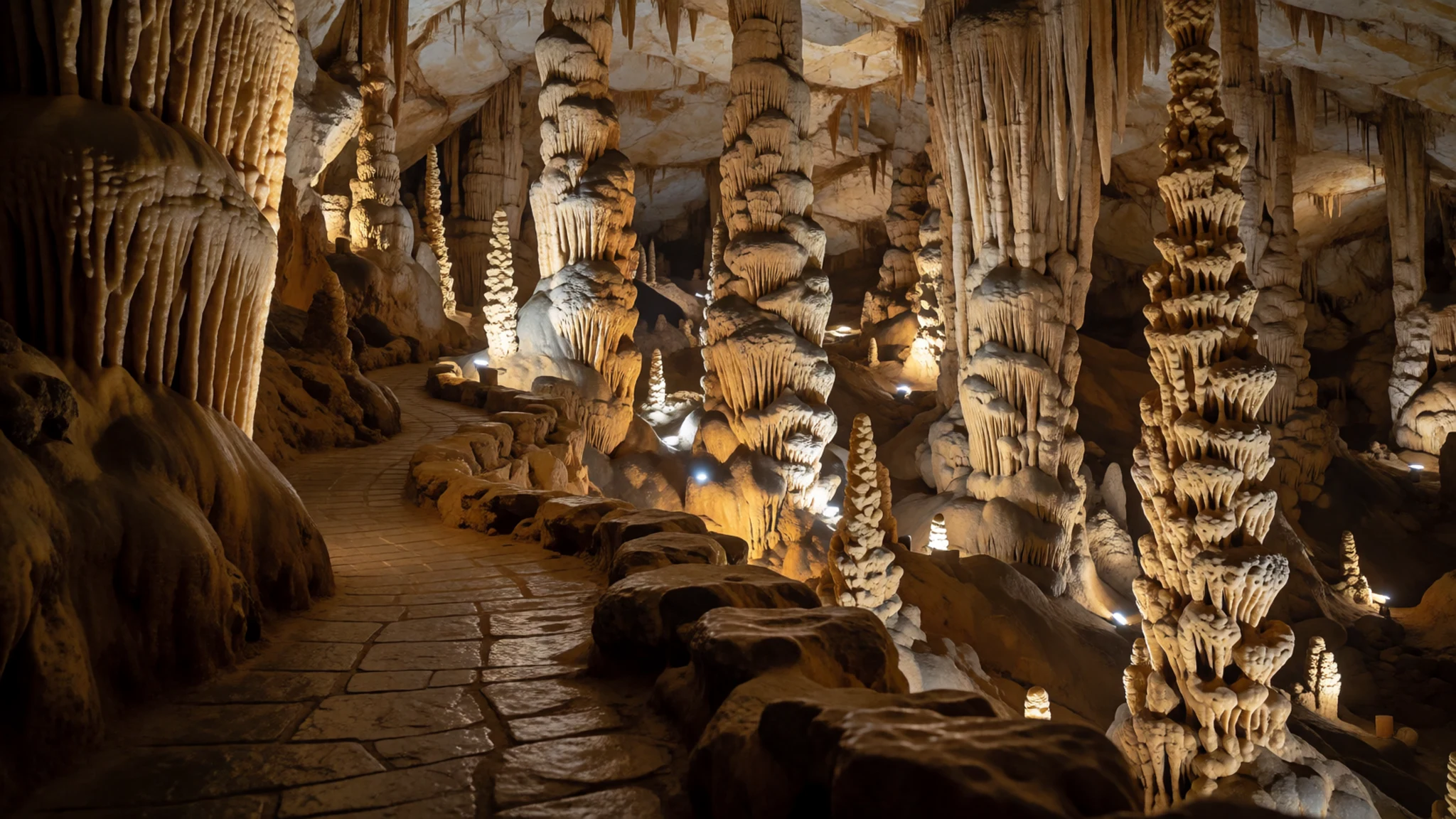
- Khuổi Kỵ Stone Village — Trùng Khánh district
This traditional Tày minority settlement showcases unique two-storey stilt houses constructed entirely from heavy grey river stones and timber framing. Walking through the quiet alleys reveals how villagers dry golden corn on porches and maintain ancient architectural traditions distinct to this highland region.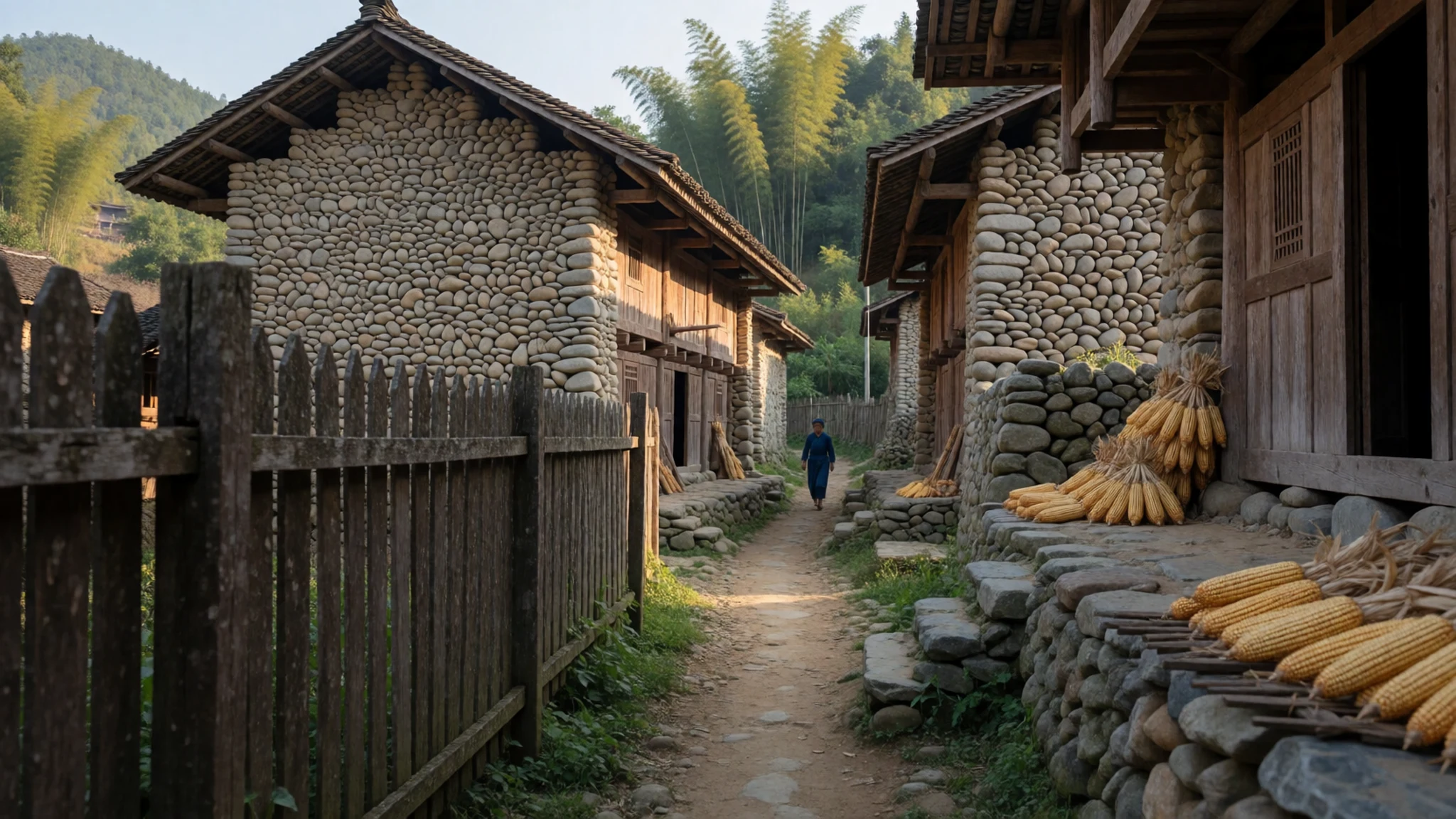
Culture
Ban Gioc–Detian Falls and its surrounding valleys are deeply intertwined with the cultural traditions of the Tày ethnic group, who have farmed these river terraces for generations. Local community life revolves around seasonal agricultural cycles, traditional craft making, and vibrant community gatherings such as the annual autumn festival in Trùng Khánh District. During this celebration, residents perform traditional Then musical arts accompanied by ancient stringed instruments and vocal chants that echo through the karst valleys. Visitors wandering through nearby farming hamlets will encounter residents dressed in traditional indigo-dyed garments woven from local cotton and hand-spun textiles. Hospitality is warm and unhurried in the mountain homestays, where families gather around communal hearths to share home-cooked meals and local stories. Always carry your passport when exploring this sensitive international border zone, and present identification promptly if requested by local border guards.
What to wear
Traditional dress among the Tày people living around Ban Gioc features dark indigo-dyed cotton fabrics, often fashioned into wrap-around tunics, trousers, and matching headscarves embellished with subtle hand-woven geometric borders. These durable textiles are crafted to withstand the damp mountain climate and strenuous agricultural labour in the rice paddies. Today, everyday wear for younger generations in the district has largely shifted to modern casual trousers, jackets, and t-shirts, though older residents continue to wear traditional indigo attire in the villages. For travellers visiting the waterfalls and nearby stone settlements, practical outdoor gear is essential. Pack breathable, quick-drying layers for humid days, a sturdy rain jacket for unexpected tropical downpours, and comfortable walking shoes with reliable grip for exploring slippery limestone cave floors, uneven stone village paths, and muddy riverbanks.
What to eat
- Trùng Khánh chestnuts — Local markets and roadside stalls in Trùng Khánh District
Renowned across the region for their large size and naturally sweet, buttery flavour, these locally harvested nuts are typically roasted over glowing embers in iron pans until the shells crack open and the warm, fragrant kernels are ready to eat.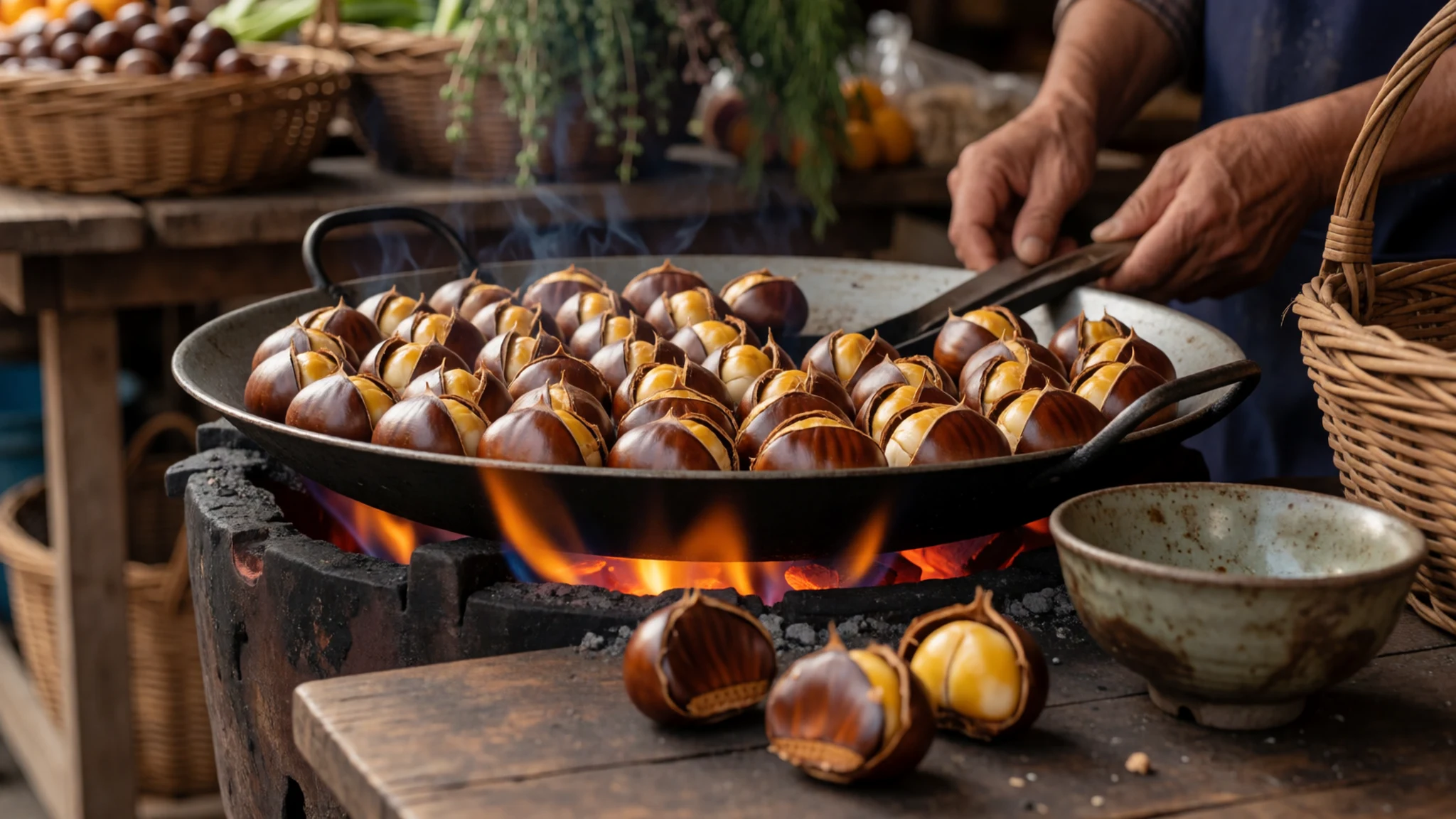
- Quây Sơn river fish — Riverside eateries and homestays near the waterfall
Caught fresh from the clear turquoise waters surrounding the border cascades, these fish are often seasoned with local mountain herbs, wrapped tightly in banana leaves, and grilled over charcoal until tender and aromatic.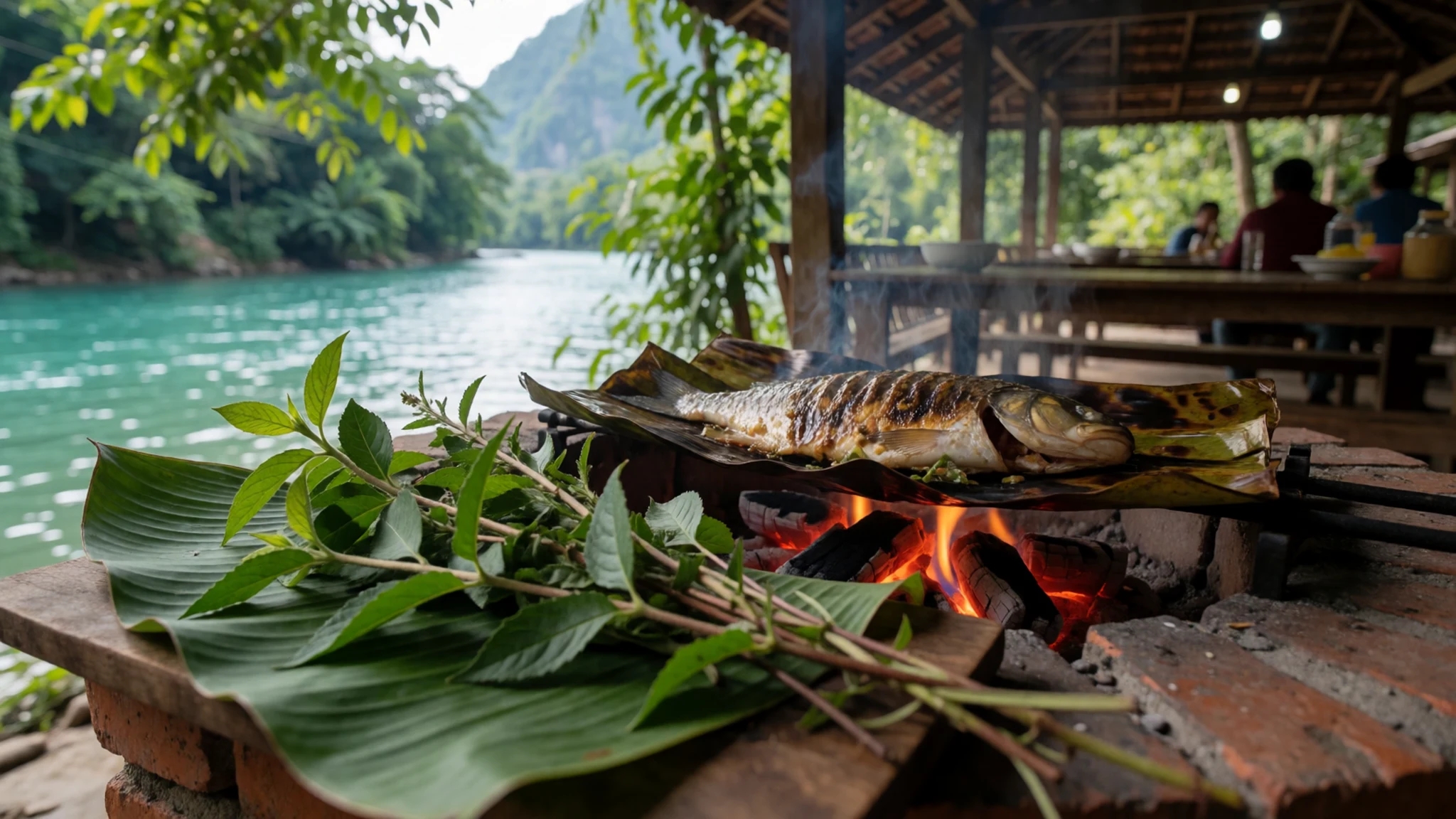
- Roasted duck with wild leaves — Family-run restaurants in Cao Bằng City and local district towns
A specialty dish featuring free-range duck marinated in aromatic forest leaves and secret local spices, then roasted slowly over wood smoke until the skin turns crisp and the meat remains succulent and flavourful.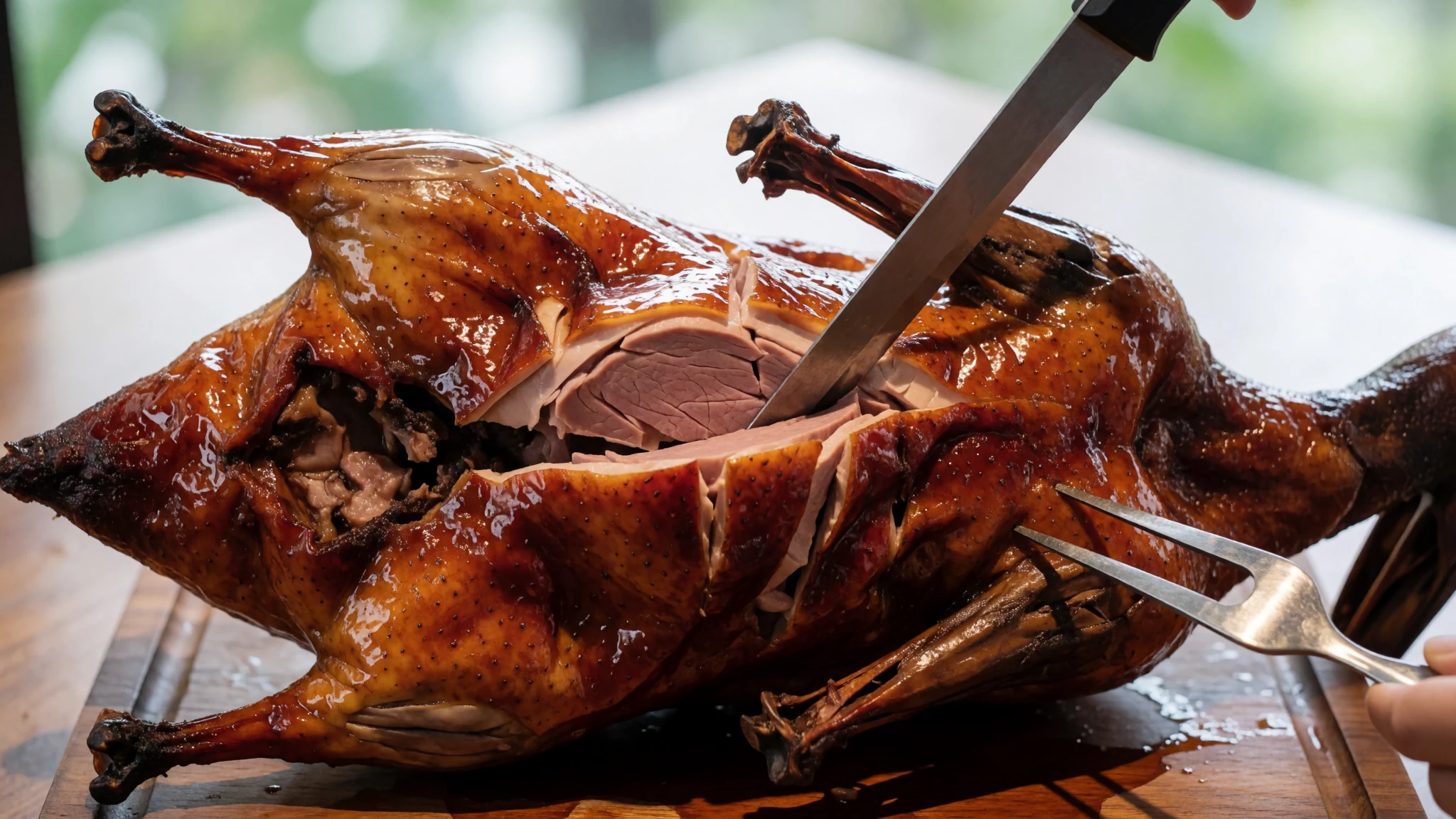
- Sour sticky rice — Village markets and festival food stalls
Prepared using glutinous hill rice dyed vibrant natural shades with forest leaves and roots, this celebratory dish is fermented with mountain yeast to develop a distinctive, pleasantly tangy flavour profile unique to ethnic minority kitchens.
Plan it
Best time. October and early November offer the ideal balance, featuring strong waterfalls still fed by late monsoon rains, milder daytime temperatures, and golden rice paddies ready for harvest.
How long. 2–3
Getting there. Take a sleeper bus or limousine van from Hanoi to Cao Bằng City, then continue onward via local bus, taxi, or rented motorbike along the mountain highway to the waterfall.
Budget. mid
Tips
- Always carry your physical passport at all times since the falls sit directly in an international border zone.
- Set out early in the morning to enjoy the best photographic light before tour groups arrive from the city.
- Refrain from swimming in the river pools near the cascades as currents are dangerously strong.
- Leave your drone behind because aerial photography is strictly prohibited near the border waterfall zone.
- Keep sufficient cash handy as rural homestays and small village stalls rarely accept card payments.
Etiquette
- Always present your passport immediately whenever border guards or security personnel request identification.
- Ask permission before photographing local residents in traditional dress within the ethnic minority villages.
Nearby
Sources
- Wikidata Q983252 (CC0)
- Wikipedia (rev 1362217072) (CC BY-SA 4.0)
- Wikivoyage (rev 5311983) (CC BY-SA 4.0)
- Photo photos/01-ban-gioc-detian-falls2.jpg (CC BY 2.5)
- Photo photos/03-ban-gioc-panorama.jpg (CC BY-SA 4.0)
- Photo photos/04-detianpubu.jpg (Public domain)
- Photo photos/05-th-c-b-n-gi-c.jpg (CC BY-SA 2.5)


