Ba Vi National Park
Ba Vi National Park, Vietnam
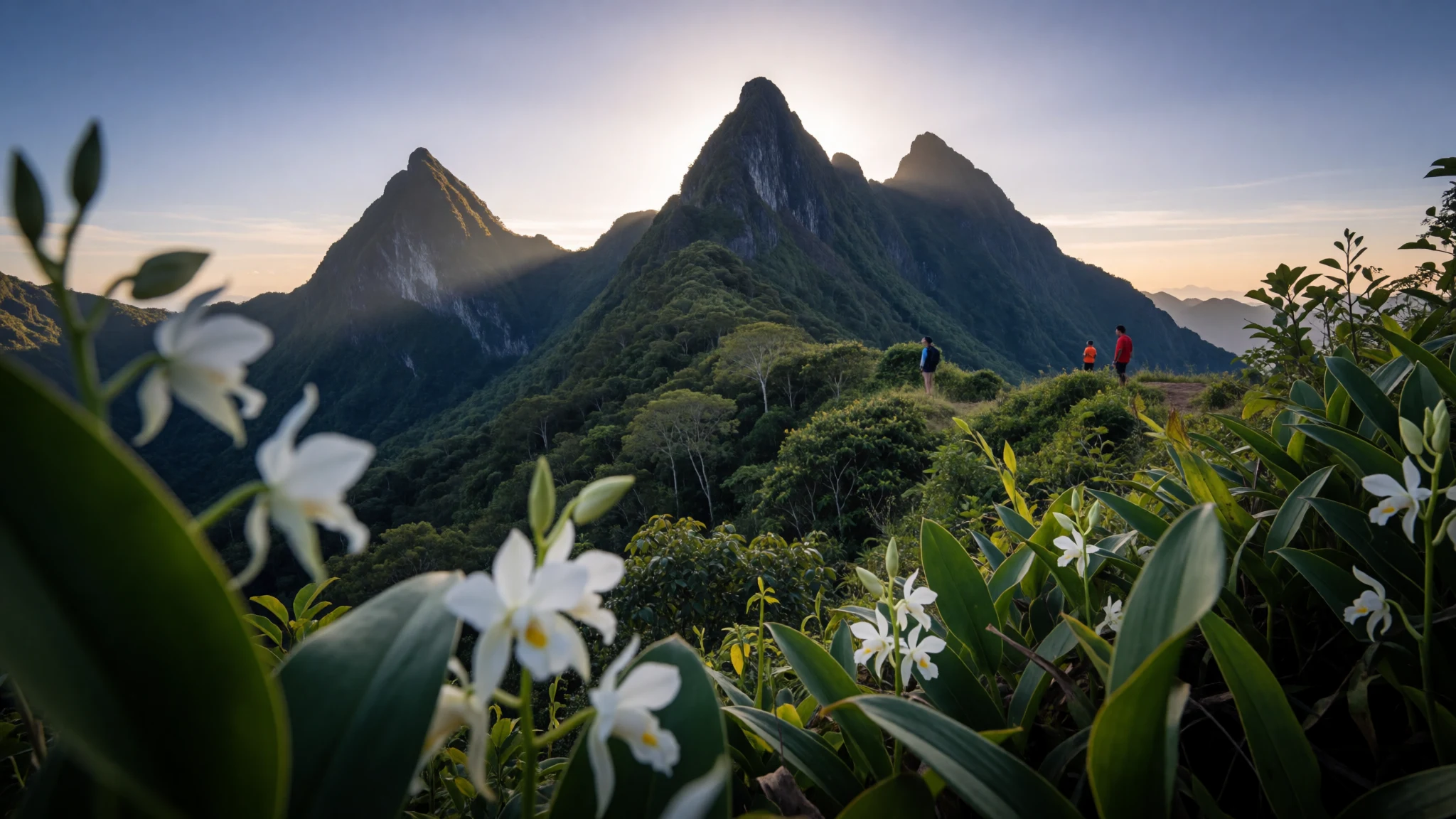
Escape Hanoi's urban intensity for misty mountain peaks, ancient volcanic landscapes, and cool highland forests.
The place
Ba Vi National Park is a sprawling natural sanctuary located west of Hanoi. It is defined by the Ba Vi mountain range, which creates a dramatic physical barrier and a distinct microclimate compared to the humid plains below. The park is a mosaic of primary forests, diverse wildlife, and a topography shaped by ancient geological forces. Visitors often find the air significantly cooler here, making it a preferred retreat from the city's heat.
The landscape is dominated by three primary peaks, with Vua mountain serving as the highest point. The terrain varies from dense jungle to open ridges, and the roads winding up the slopes are often shrouded in a thick, ethereal fog. Because it sits on the remains of an ancient volcano, the soil is rich and the flora is particularly lush. While it is a protected area, the park is also dotted with cultural sites and remnants of past occupations, blending natural wilderness with human history. Access is generally easy via the road from Son Tay, though the climb to the higher summits requires a bit of stamina and a tolerance for steep, winding paths.
Its story
The story of Ba Vi National Park is written in both fire and faith. Millions of years ago, this region was a site of intense volcanic activity. While the eruptions ended long before human history began, the legacy of that fire remains in the rounded silhouettes of the peaks and the fertile ground that supports the park's dense canopy. The mountains were not just geological accidents but became spiritual landmarks for the people of the Red River Delta, often associated with legends of love and longing.
In more recent history, the park transitioned from a wild frontier to a site of national significance. The establishment of the park in 1991 formalised the protection of its biodiversity, but the mountains had already become a place of pilgrimage. The presence of shrines and temples, particularly those dedicated to national figures, transforms the hike into a journey of reflection. The contrast between the prehistoric volcanic origins and the modern political and spiritual monuments creates a layered experience. Walking through the fog-laden forests, one feels the weight of this deep time, where the silence of the ancient caldera meets the quiet devotion of those visiting the high-altitude temples.
What to see
- Vua Mountain
The highest point in the park, offering the most expansive views of the surrounding valley. The climb is rewarding but demanding, leading visitors through changing vegetation zones as the altitude increases.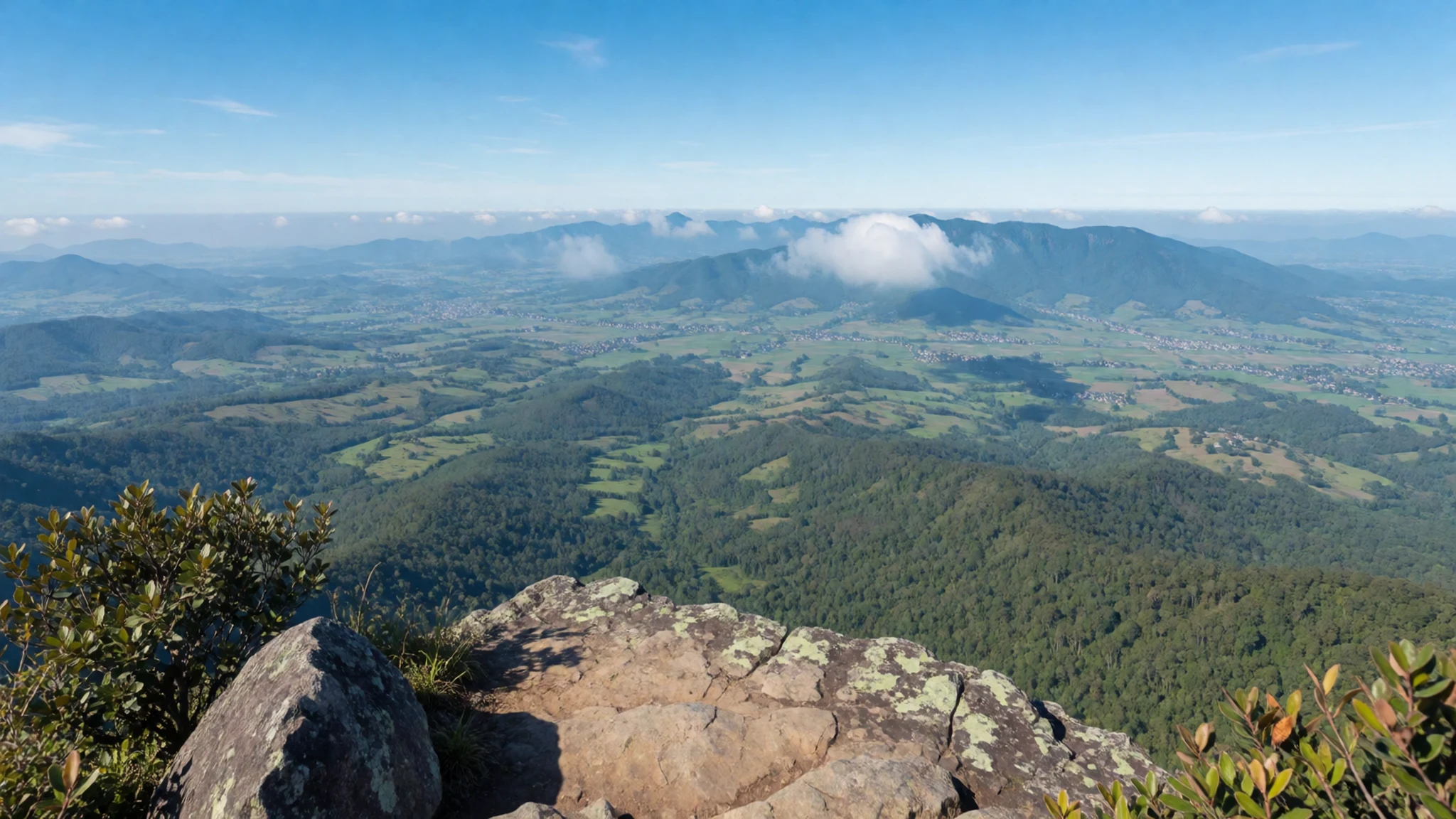
- Ho Chi Minh Temple
Located near the high peaks, this temple serves as a place of respect and contemplation. It is a focal point for many visitors who combine their nature trek with a cultural pilgrimage.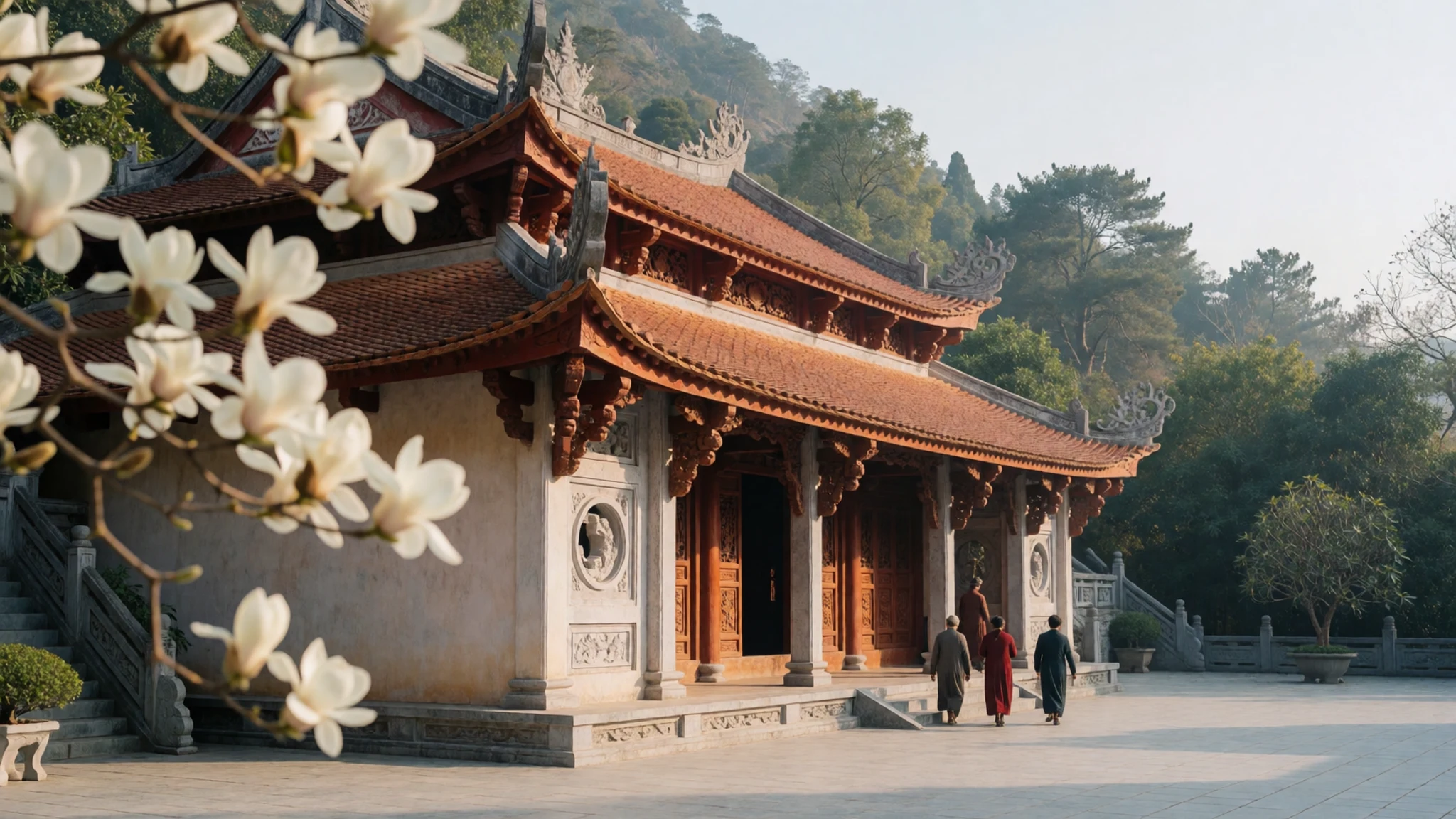
- Khoang Xanh Suoi Tien
A recreation area known for its natural springs and cool waters. It provides a softer side to the park's ruggedness, ideal for families looking to relax by the stream.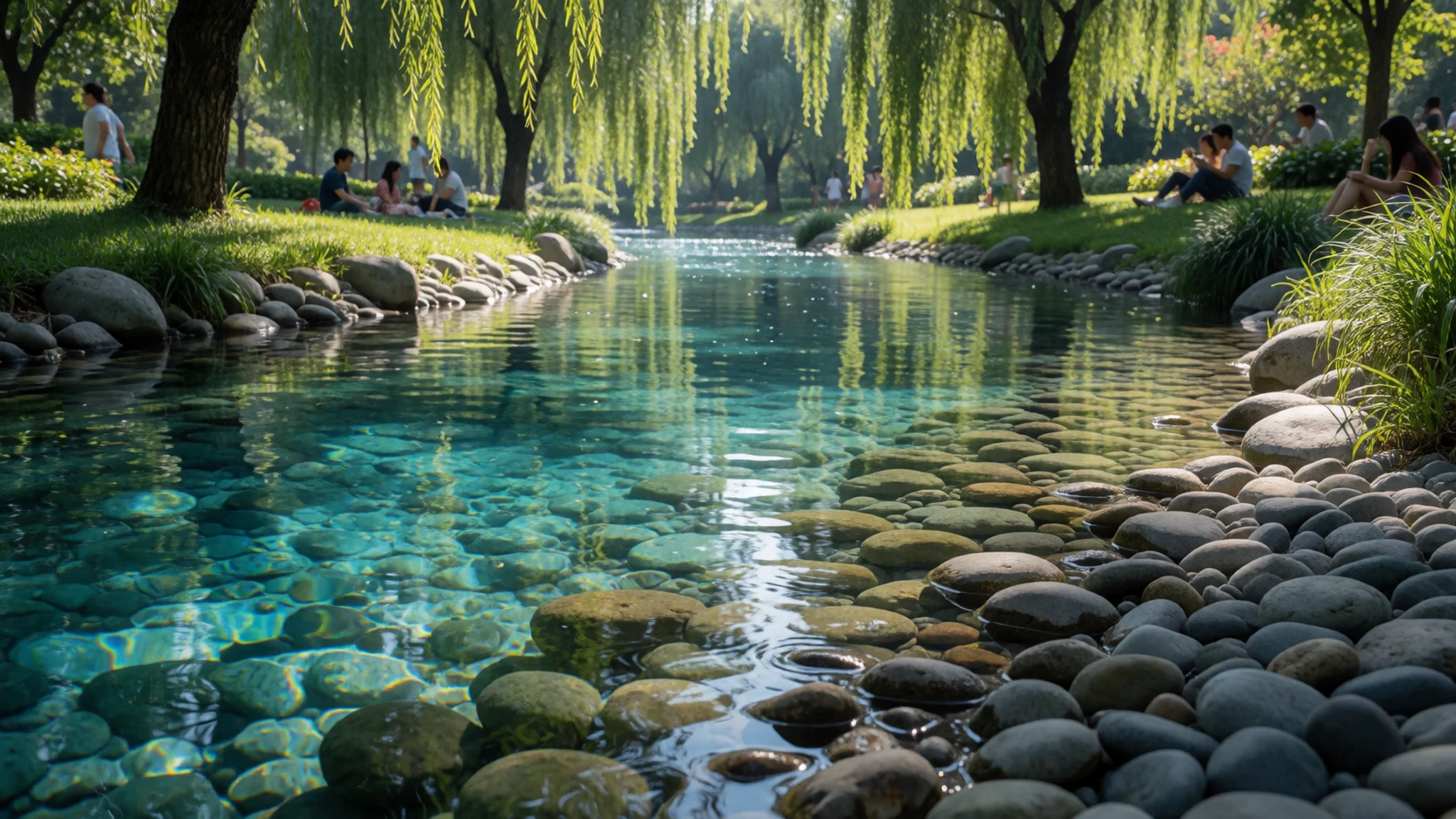
- The French Colonial Ruins
Tucked away in the forest are the remnants of old villas and sanatoriums built during the French era, now slowly being reclaimed by the jungle greenery.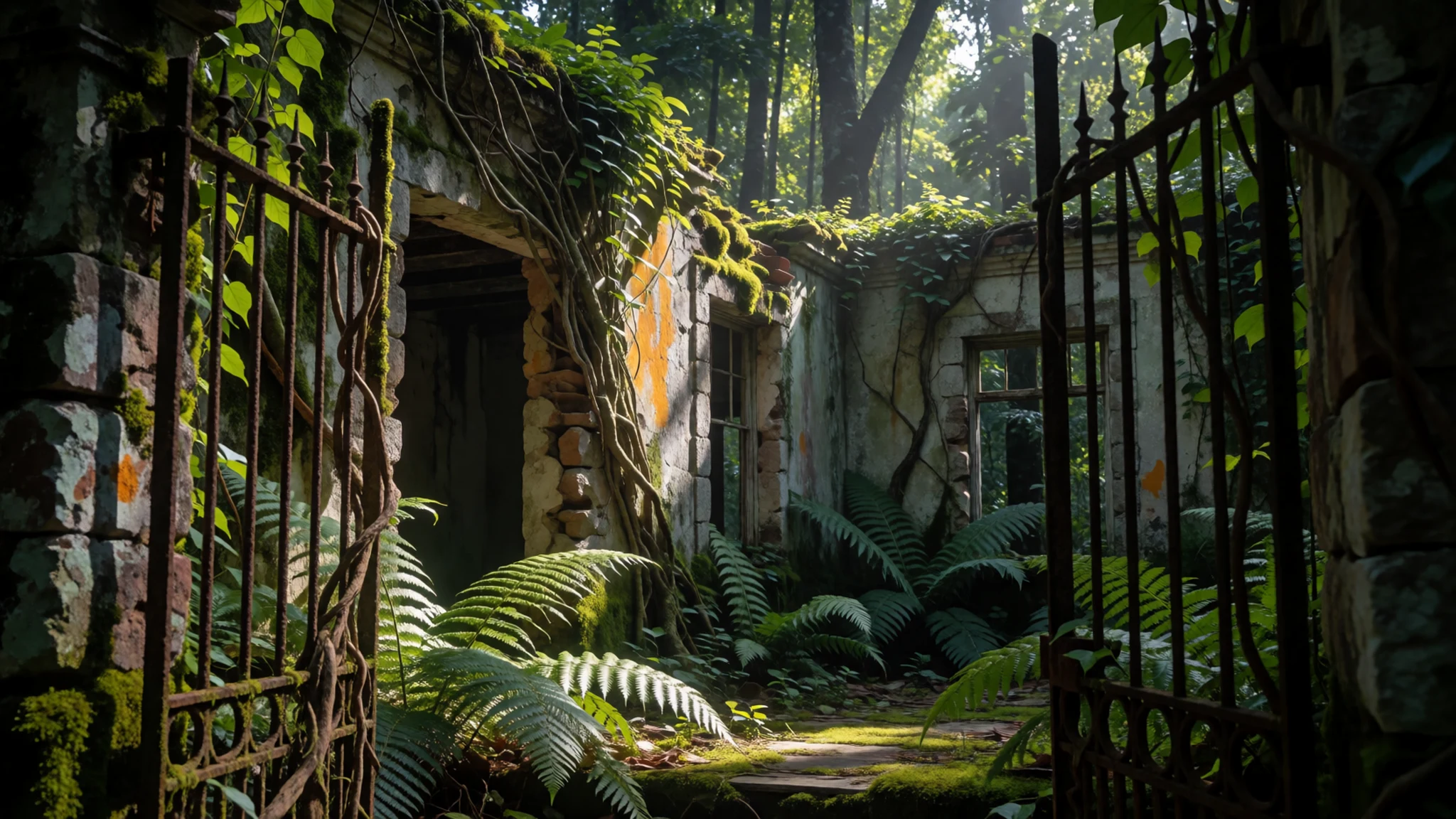
Culture
The culture surrounding Ba Vi National Park is a blend of highland forest preservation and Vietnamese spiritual practice. For many locals and visitors from Hanoi, the mountains are a place of spiritual cleansing. This is evident in the way people interact with the shrines; the atmosphere is generally one of quiet reverence, with incense often drifting through the mountain air. There is a strong communal pride in the park's role as the 'green lung' for the capital city, and the local guides often share stories of the mountains' mythical past.
Interaction with the park's staff and local vendors is typically warm and understated. The culture here is less about the hustle of the city and more about the rhythms of the seasons and the weather. Visitors will find that the pace of life slows down significantly once they pass the entrance gates. When visiting the temples or shrines located on the peaks, please dress modestly by covering your shoulders and knees.
What to wear
Traditional dress in the wider region of North Vietnam often involves the áo dài for formal occasions, though in the mountainous areas of Ba Vi, you may see ethnic minority groups wearing intricately embroidered textiles made from hemp and cotton, featuring bold geometric patterns and indigo dyes.
Nowadays, most people visiting the park wear practical, modern athletic gear. You will see a lot of moisture-wicking t-shirts, trekking trousers, and sturdy trainers or hiking boots. Because the weather in the mountains can be unpredictable, carrying a light windbreaker or a rain shell is standard practice, even during the drier months.
For visitors, the priority should be footwear. The trails can be slippery and muddy, especially after rain, so shoes with good grip are essential. While the park is casual, remember that the high-altitude temples are sacred sites; a light scarf or jacket to cover up is recommended. Avoid open-toed sandals if you plan on hiking the higher peaks.
What to eat
- Grilled Mountain Pork — local eateries near the park gates
Marinated pork grilled over charcoal, often served with wild forest greens and a spicy dipping sauce. Found at local eateries near the park entrance.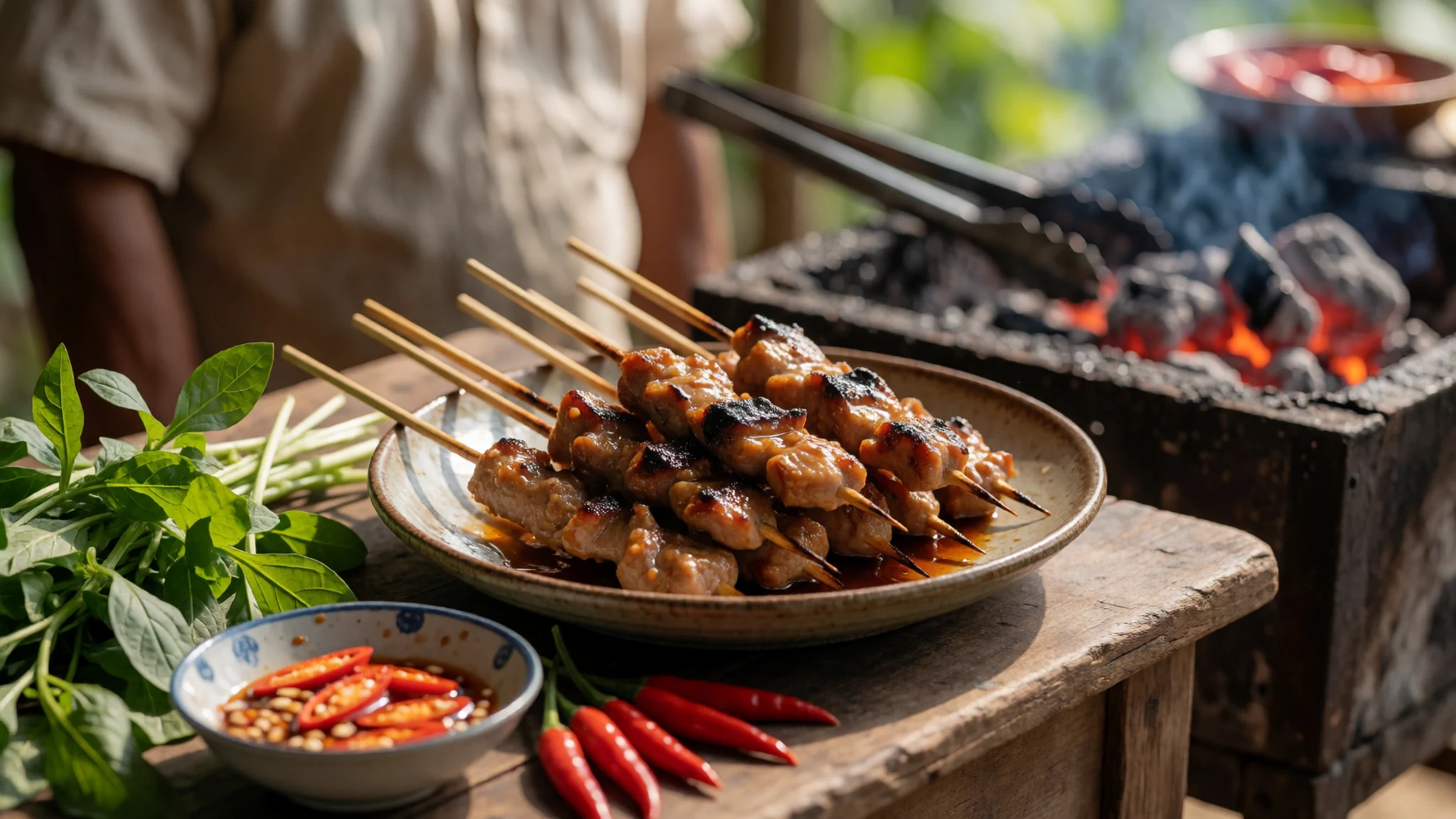
- Sticky Rice with Bamboo — roadside vendors on the ascent
Fragrant glutinous rice steamed inside bamboo tubes, providing a hearty energy boost for hikers. Commonly sold by street vendors along the mountain roads.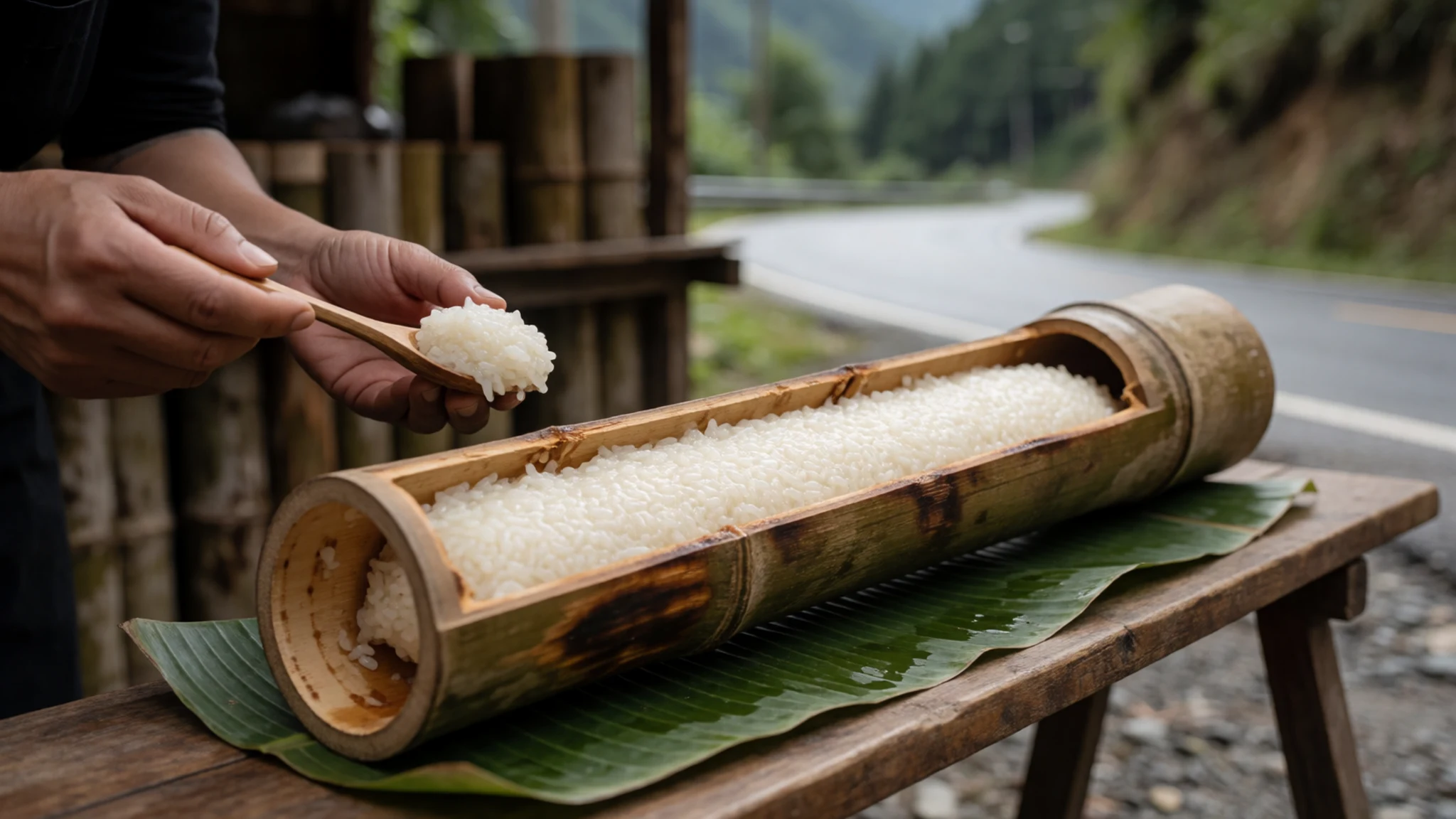
- Fresh Mountain Trout — restaurants in the Khoang Xanh area
Trout sourced from the cool highland streams, usually grilled or simmered with ginger and scallions. Found in the recreation areas near the springs. - Wild Forest Honey — visitor centre kiosks
Thick, dark honey collected from the park's diverse flora, often sold as a local specialty. Available at small kiosks near the visitor centres.
Plan it
Best time. March–April and October–November offer the mildest temperatures and clearest skies; summer is hot and rainy, while winter can be surprisingly chilly.
How long. 1–2
Getting there. From Hanoi, hire a private car or take a bus west towards Son Tay, then follow the road into the park entrance.
Budget. low
Tips
- Start your ascent early to beat the midday heat and potential crowds
- Carry plenty of bottled water as facilities are sparse on the higher trails
- Bring a light jacket even in summer, as temperatures drop at the summit
- Check local weather reports for fog, which can severely limit visibility on the roads
- Carry cash for entrance fees and local snacks
Etiquette
- Keep noise levels low to avoid disturbing wildlife and other hikers
- Carry all your rubbish back out of the park to protect the ecosystem
- Dress modestly when entering the temple sites
Nearby
Sources
- Wikidata Q1134517 (CC0)
- Wikipedia (CC BY-SA 4.0)
- Wikivoyage (CC BY-SA 4.0)