Ciudad Juárez
Ciudad Juárez, Mexico
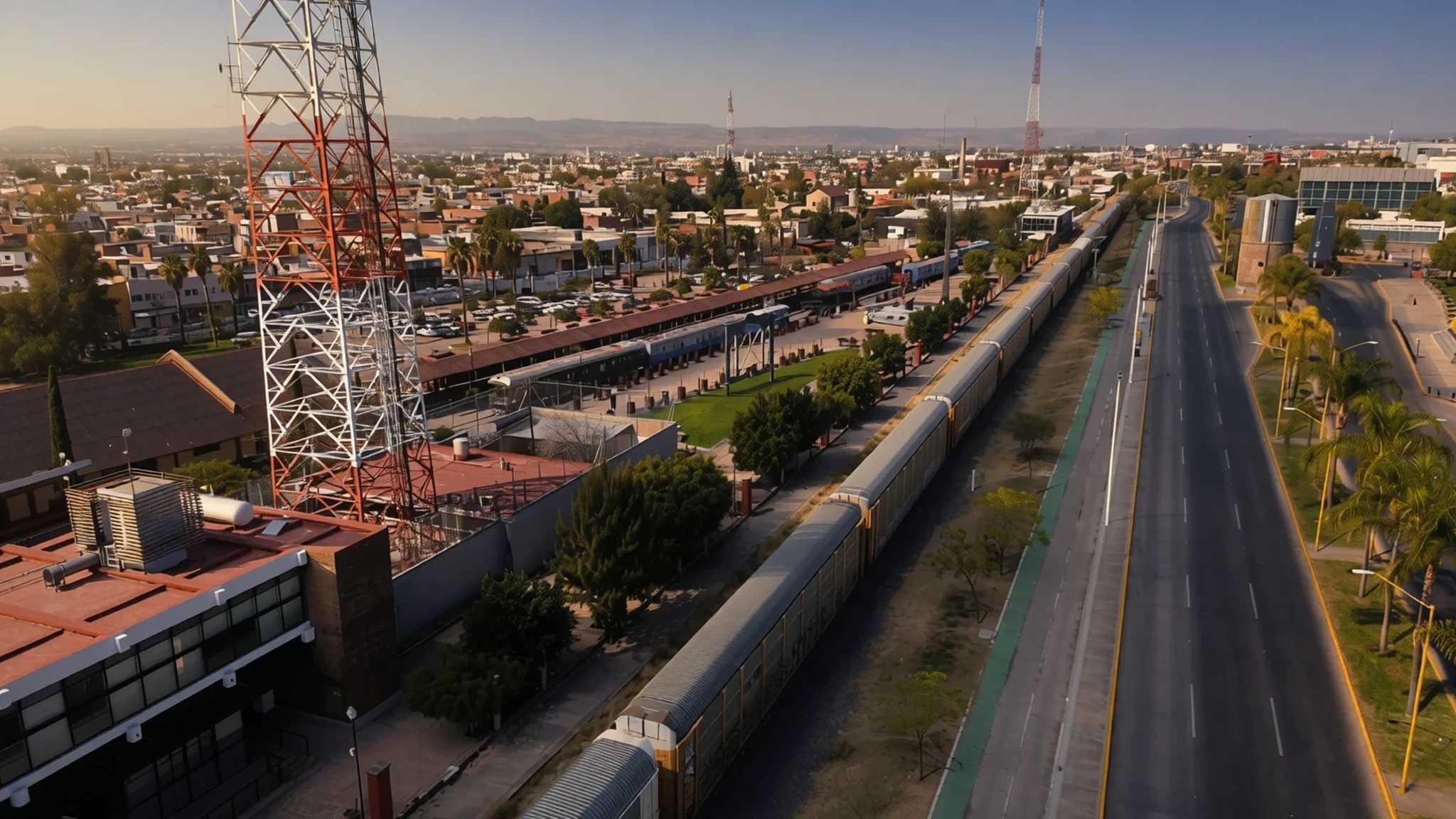
Ciudad Juárez is a working border city with a 1659 mission, a grand Benito Juárez monument and a food culture shaped by both sides of the river.
The place
Ciudad Juárez sits on the southern bank of the Río Bravo, the river Americans call the Rio Grande, directly across from El Paso in Texas. About 1.5 million people live in the city proper, at roughly 1,137 metres above sea level, in high desert country where the sky is wide and the light is hard. Together with El Paso it forms one of the big binational urban areas on the Mexico–US border, and the two downtowns are close enough that the daily traffic between them is part of how the place works. Four international bridges link the cities, and the crossings carry commuters, shoppers, families and freight.
The city is also an industrial town. Assembly plants, known as maquiladoras, cluster in and around it, and they explain much of its growth and its rhythm: shift changes, workers' buses, a young population that has come from across Mexico. This is not a resort and does not pretend to be. Its pleasures are an old mission church, plazas, museums that explain the Mexican Revolution and the border itself, and a table that mixes northern Mexican habits with border cooking.
The historic centre is the part most visitors see first, close to the crossing, with the cathedral, the mission and the revolution museum within a short walk of each other. Newer districts to the east and north-east have wide boulevards, malls and the modern skyline. Distances are large and the city is built for cars, so plan on taxis or ride-hailing rather than long walks. Check current travel advice from your own government before going, and ask locals where is comfortable at night.
Its story
Ciudad Juárez began as a mission settlement. In 1659 the Franciscan friar García de San Francisco founded it as El Paso del Norte, the northern pass, at a point where the river could be crossed on the route north through the southern Rockies. The mission of Guadalupe, built for the Mansos people, became the first lasting Spanish foundation in the area during the 1660s, and the community around it grew from Mansos, Suma, Jumano and other native families, joined by people the Spanish brought up from central New Spain.
The town prospered because it sat on a trade line. Goods moving between Santa Fe and Chihuahua passed through, and timber for an early bridge over the river was hauled in from Santa Fe in the late eighteenth century. In 1680 the Pueblo Revolt in the north sent many Piro and Tiwa refugees south, and a separate mission was set up for the Tigua at Ysleta del Sur, which shows how far this crossing shaped the wider region.
The name changed in 1888. El Paso del Norte became Ciudad Juárez, honouring Benito Juárez, the nineteenth-century president who is a national hero in Mexico. The river itself later caused a long diplomatic argument, when it shifted course and left a disputed stretch of bottomland, the Chamizal, between the two countries. Today a park marks that ground. The city's story is, in short, one of crossings: of rivers, of trade, of people and of borders that moved.
What to see
- Guadalupe Mission — Historic centre
The mission church dates to the seventeenth century and is the oldest standing building in Ciudad Juárez. The Catholic Church has used it continuously, and it was restored in the 1970s. Its plain, thick-walled interior is a calm contrast to the traffic outside, and it ties the city to its 1659 beginnings.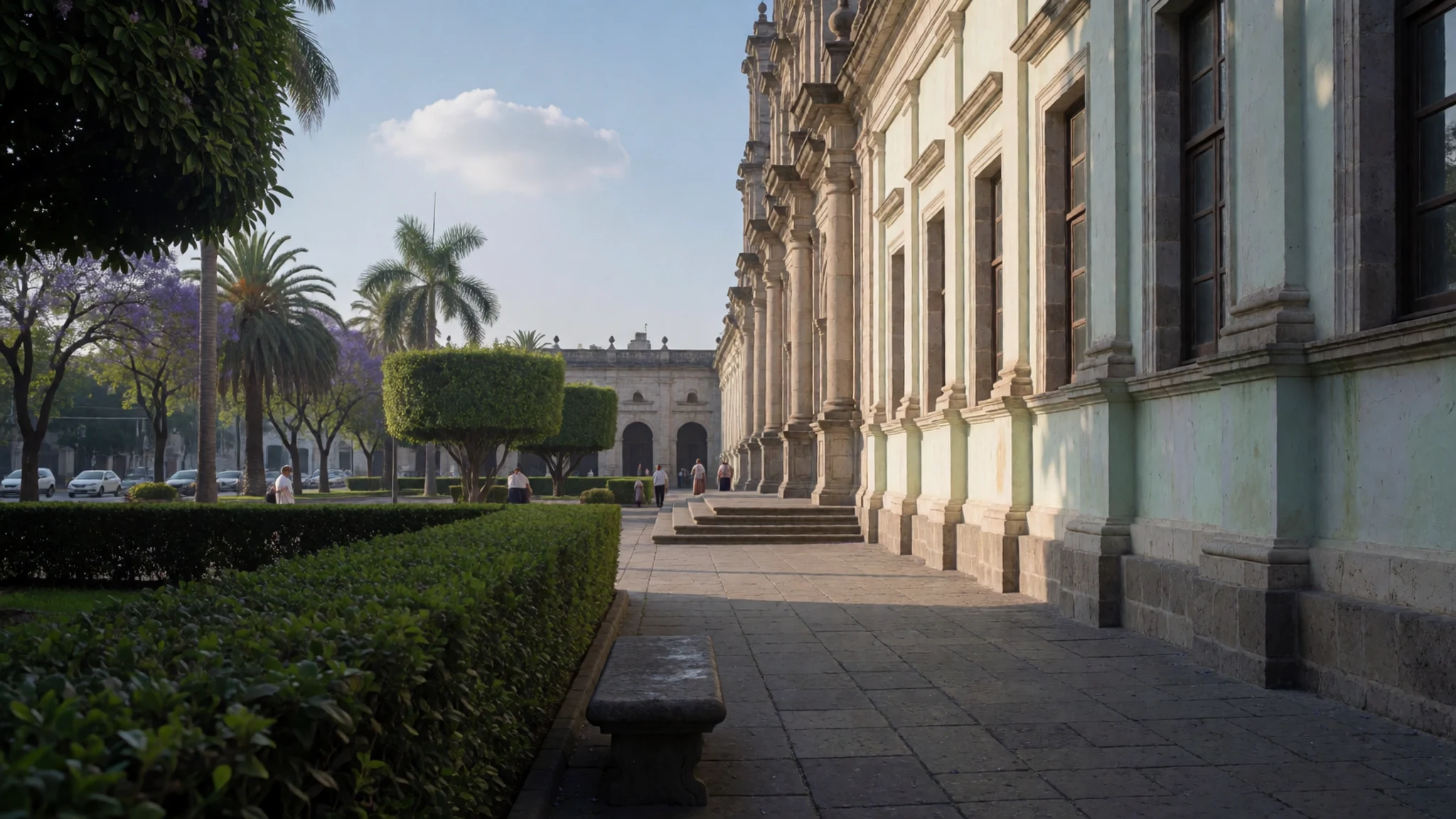
- Juárez Cathedral — Historic centre
The cathedral stands beside the mission and is a neoclassical building from the 1940s, so it is far younger than its neighbour. Seeing the two together is the quickest way to read the centre's layers. Step in between services, and notice how the square fills with people at midday.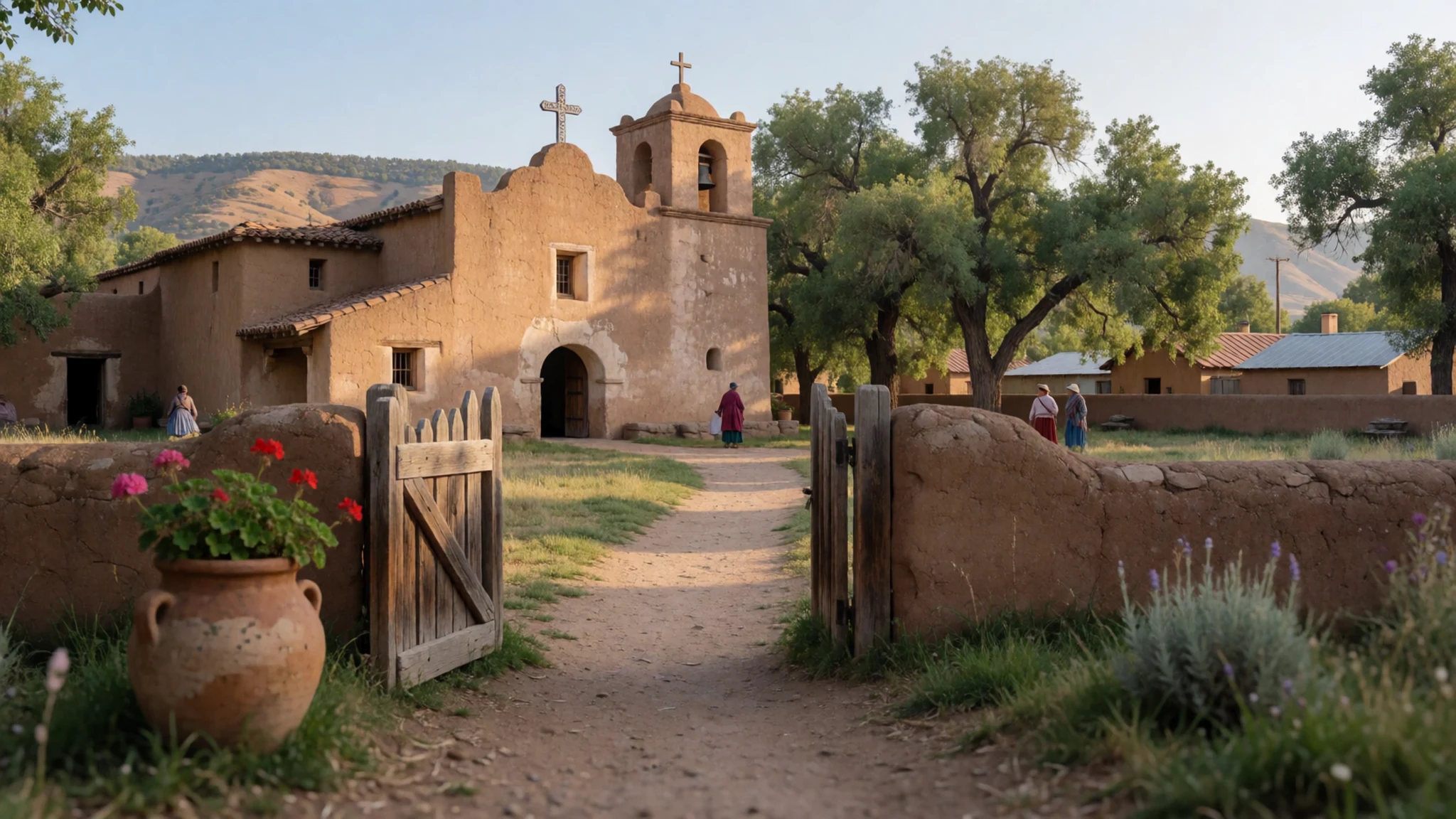
- Benito Juárez Monument — Central Juárez
Paid for by national subscription from 1906 and restored in 1930 after the revolution, this is an elegant monument of the Porfirian era, set among fountains and flower beds. It honours the president the city is named after, and it is a pleasant place to sit and watch local life.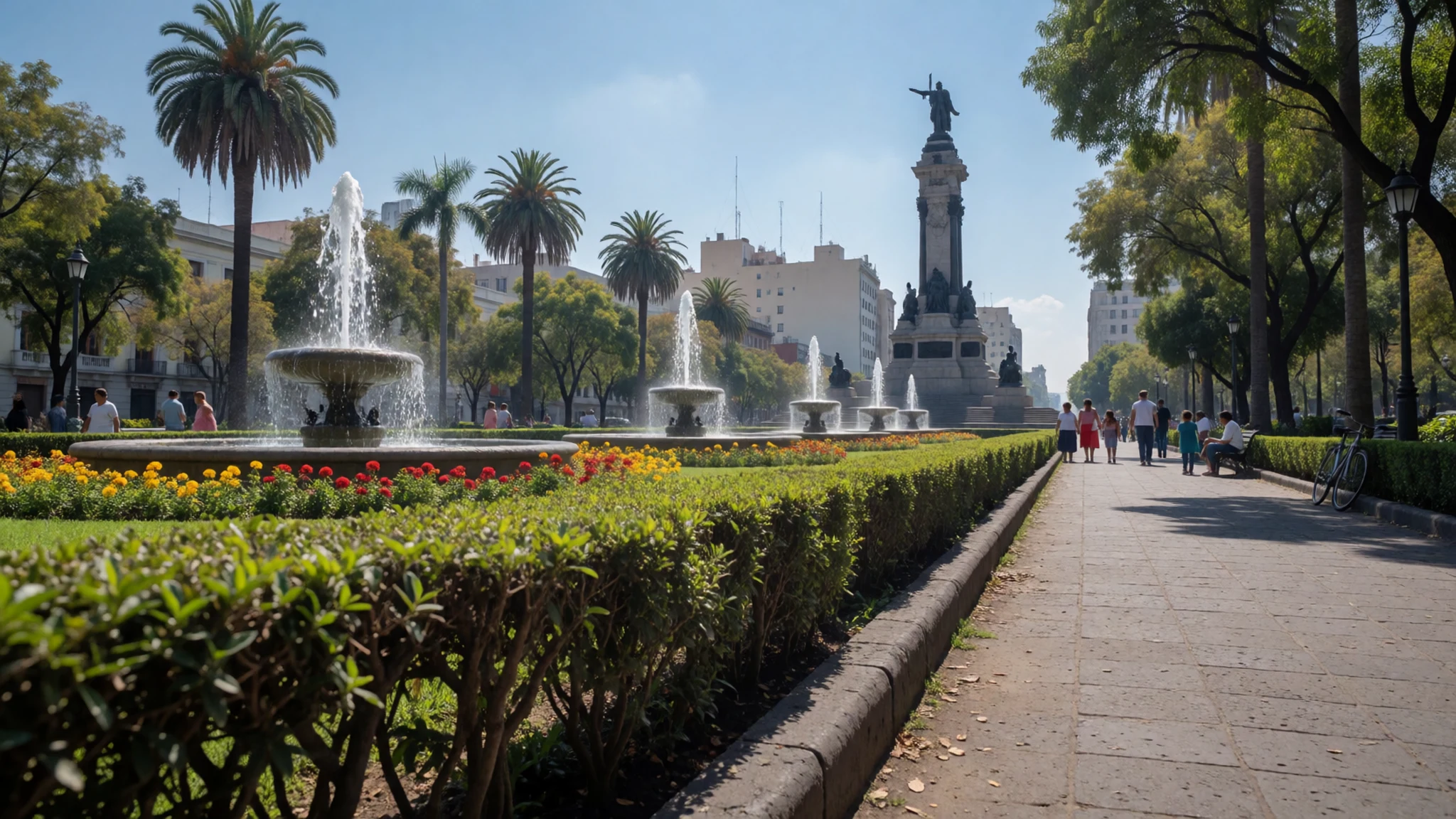
- Revolution in the Border Museum — Near the border crossing
This large, well-presented museum covers the Mexican Revolution and the history of Juárez, and it stands close to the border crossing. It is a sensible first stop, because it explains why this city mattered in the fighting and how the border shaped it. Allow a couple of unhurried hours.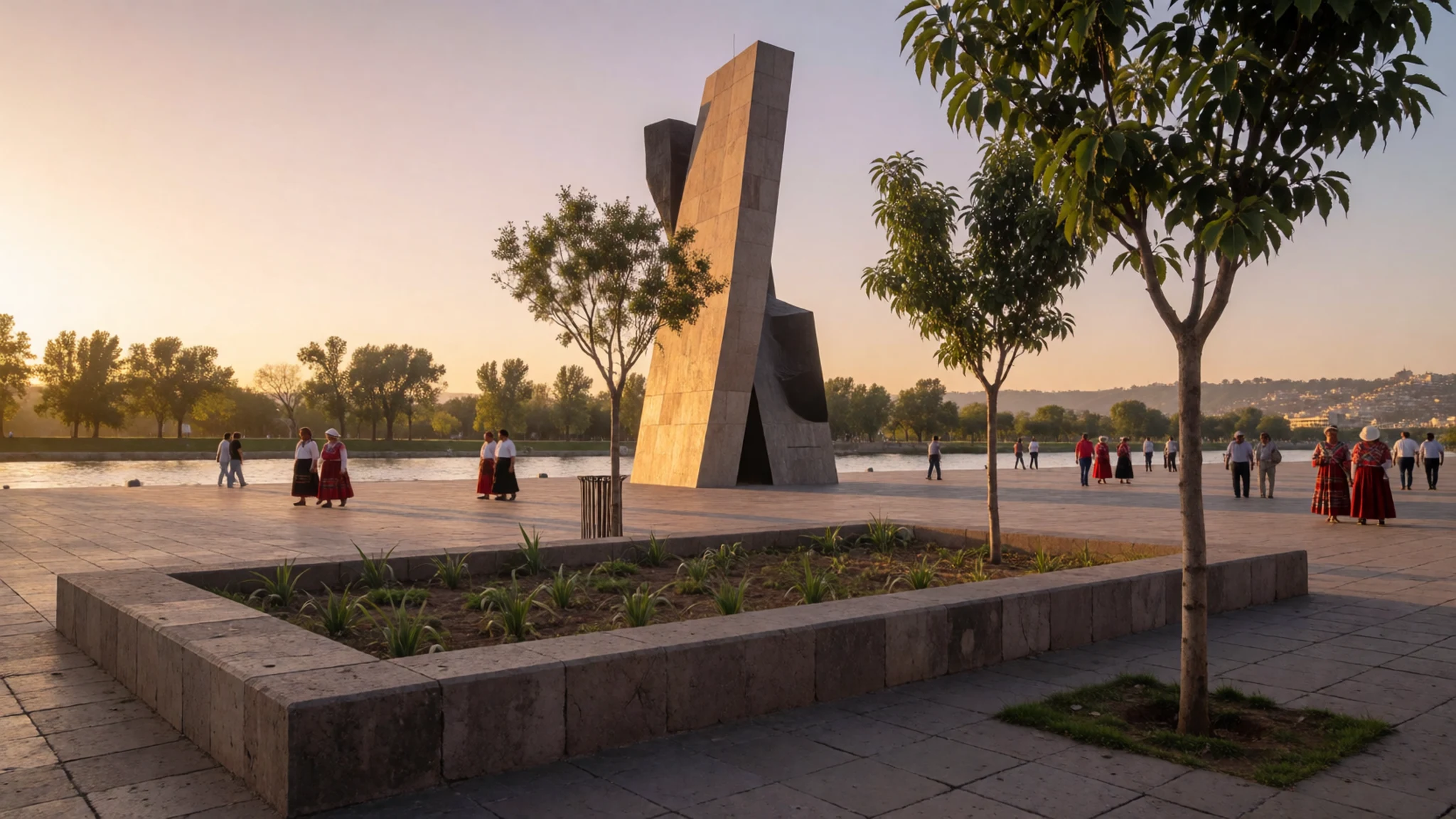
- Chamizal Federal Public Park — North-west Juárez
The park marks the bottomland that caused strained relations between Mexico and the United States after the Río Bravo changed course. Chamizal is the name of the scrub that grew there. It is open green space in a dry city, good for families and for understanding the border dispute.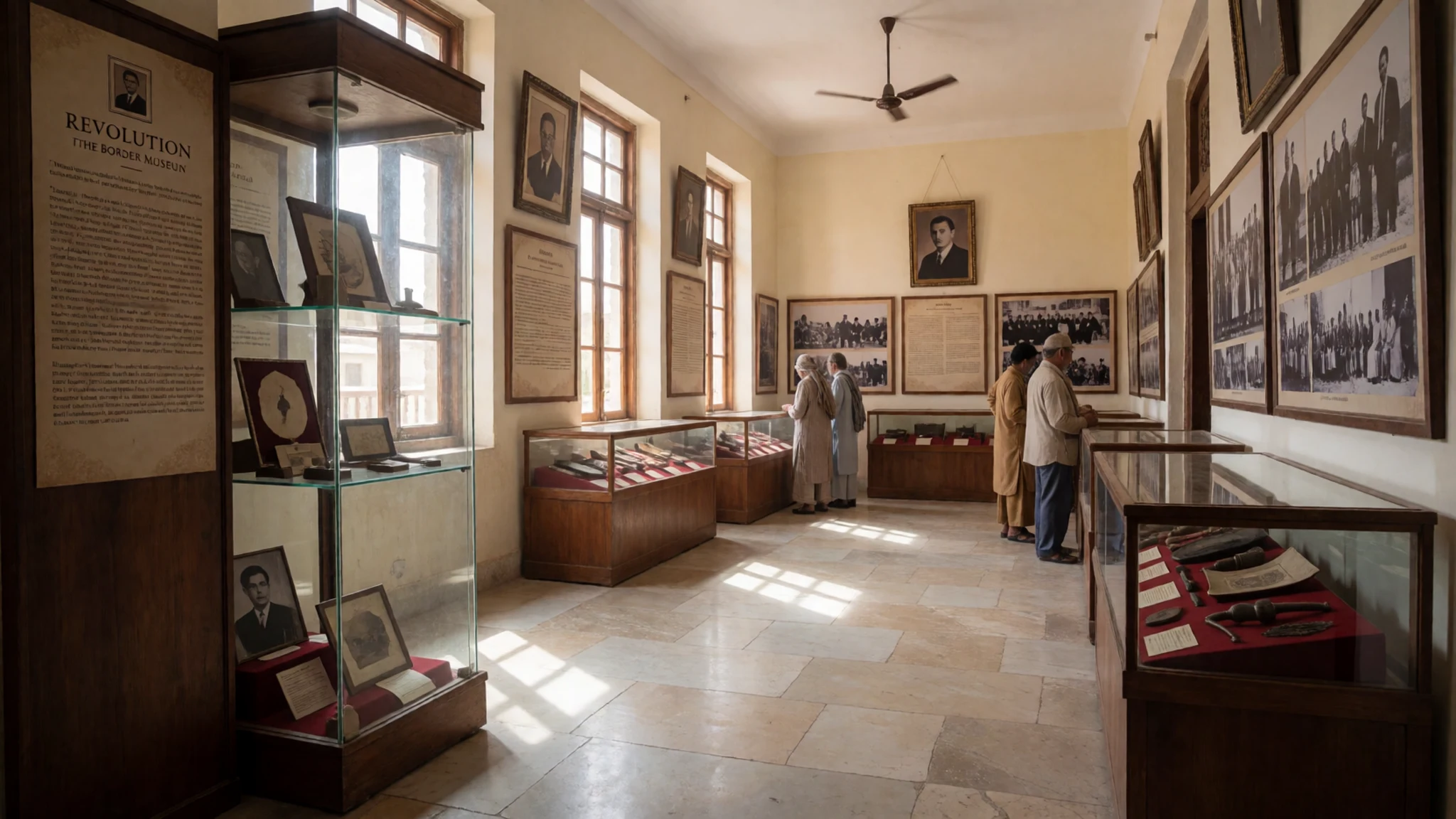
- Plaza de la Mexicanidad — North Juárez, by the river
The plaza holds the Monument to the Mexicanity, a tall steel form locals call the X, and it is popular for outdoor events and photographs. Views run toward the river and the cities on both sides. Go in the late afternoon, when the light is softer and the heat eases.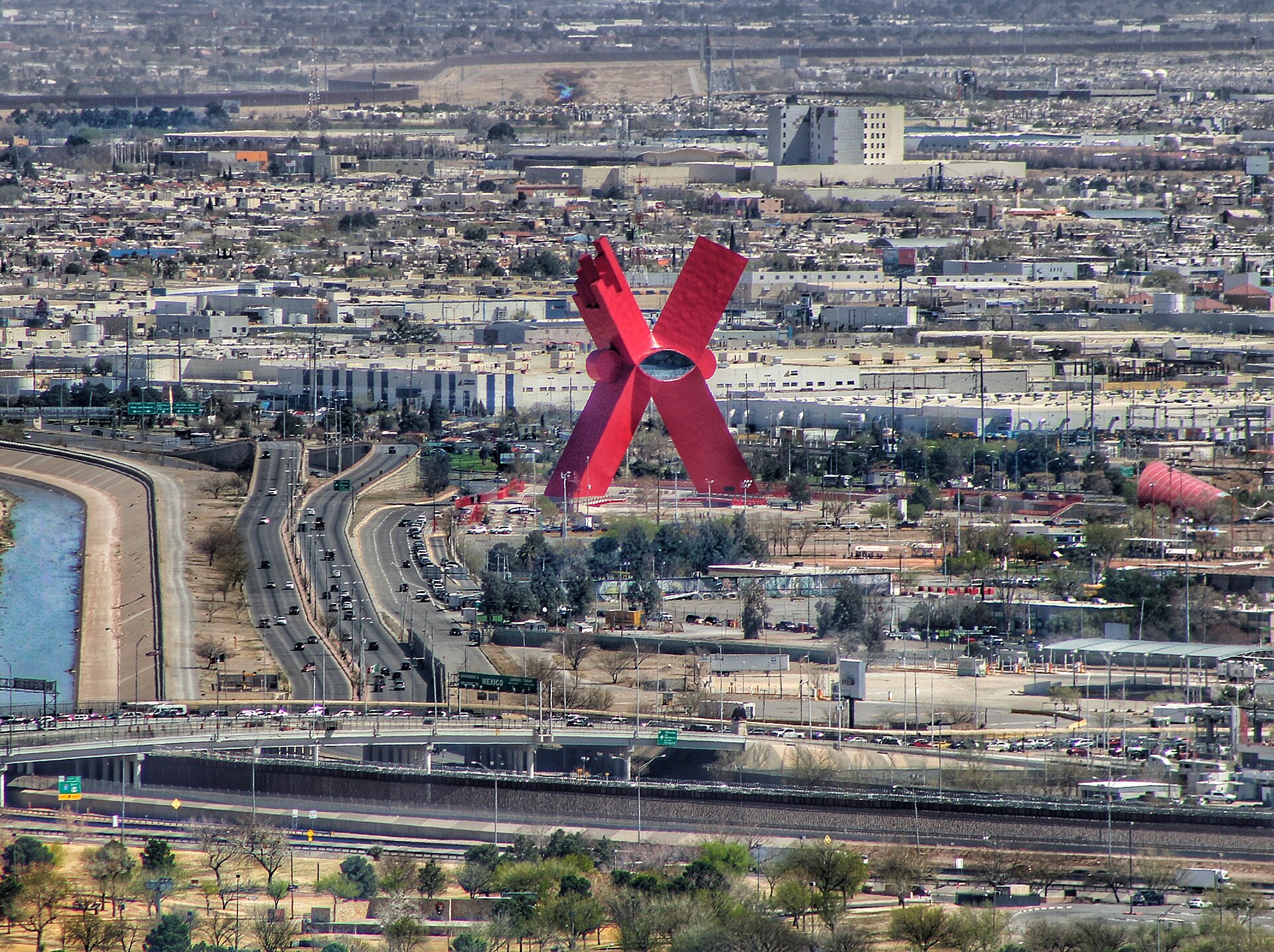
Culture
Ciudad Juárez has a border culture that is unmistakably Mexican yet constantly in conversation with its American neighbour. Spanish dominates, English is common near the crossings, and families often have relatives, jobs or school on both sides. Weekends bring a mix of Catholic observance, football, baseball and long family meals, and the city's music tradition runs from mariachi to rock and the ballads of Juan Gabriel, the singer who was born here and whose former home is a local landmark.
The city has produced actors, singers, wrestlers and sportspeople, and it is proud of them. Local pride also has a harder side. Juárez has lived through serious violence, and the women's groups who campaign for justice for the murdered and disappeared, including mothers' organisations such as Nuestras Hijas de Regreso a Casa, are part of its civic story. Visitors who ask about it should listen more than they speak.
Food claims are cheerful and contested: locals say the modern burrito was invented here, as nachos were in Piedras Negras. Religion remains visible, with the mission and cathedral busy on Sundays and saints' days. Politeness matters in everyday dealings, so greet shopkeepers and drivers with a buenos días or buenas tardes before asking for anything.
When you visit the mission or cathedral, dress modestly, speak quietly, and ask before photographing worshippers or anyone inside during a service.
What to wear
Ciudad Juárez has no single regional costume that most people wear day to day. Traditional northern Mexican dress belongs to festivals, dance groups and school events: for women, full skirts and embroidered blouses in cotton, sometimes with ribbons, and for men, charro or ranch-style outfits with embroidered jackets, a wide hat and leather boots. Wool and felt appear in hats and cold-weather wear, and leather is a northern staple because of the cattle country around Chihuahua.
Everyday clothing is practical and modern. Jeans, trainers, cotton shirts and work uniforms dominate, which fits a city of factory shifts and commuting. Cowboy boots and hats are common in many northern Mexican towns and are worn with real pride, especially for dances and weekend outings. Young people follow the same styles you would see in El Paso, with football shirts and branded sportswear everywhere.
For a visitor, think desert climate. Summers are hot and dry, so wear light, breathable cotton, a hat and sunscreen. Winters can be properly cold, with frost and occasionally snow, so bring a warm jacket and layers for mornings and evenings. Comfortable closed shoes suit pavements that are uneven and long distances between sights. For the mission and cathedral, cover your shoulders and knees. Keep jewellery and flashy watches out of sight, as you would in any large city, and carry only what you need.
What to eat
- Burrito — Street stalls and lunch counters across the centre
Locals credit Ciudad Juárez with the modern burrito: a wheat tortilla wrapped round stewed meat, beans or potato. Look for small stalls and lunch counters, where the tortillas are made fresh and the fillings change daily.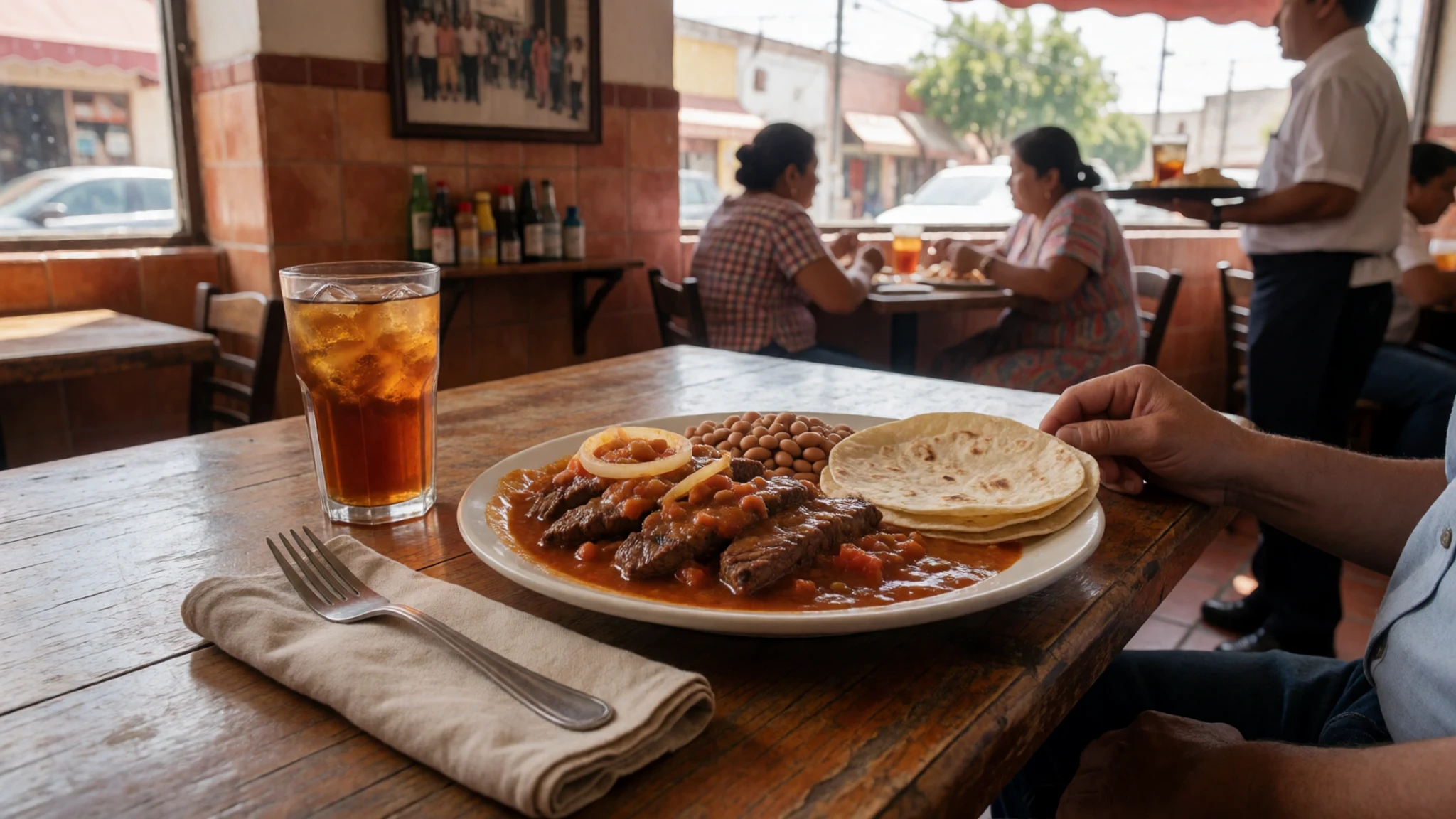
- Tacos — Taco carts and small taquerías near the centre
Many small shops and carts make tacos with fresh tortillas, vegetables and a choice of beef, chicken, pork or chorizo, the spicy sausage. Order two or three, add salsa to taste, and eat standing at the counter.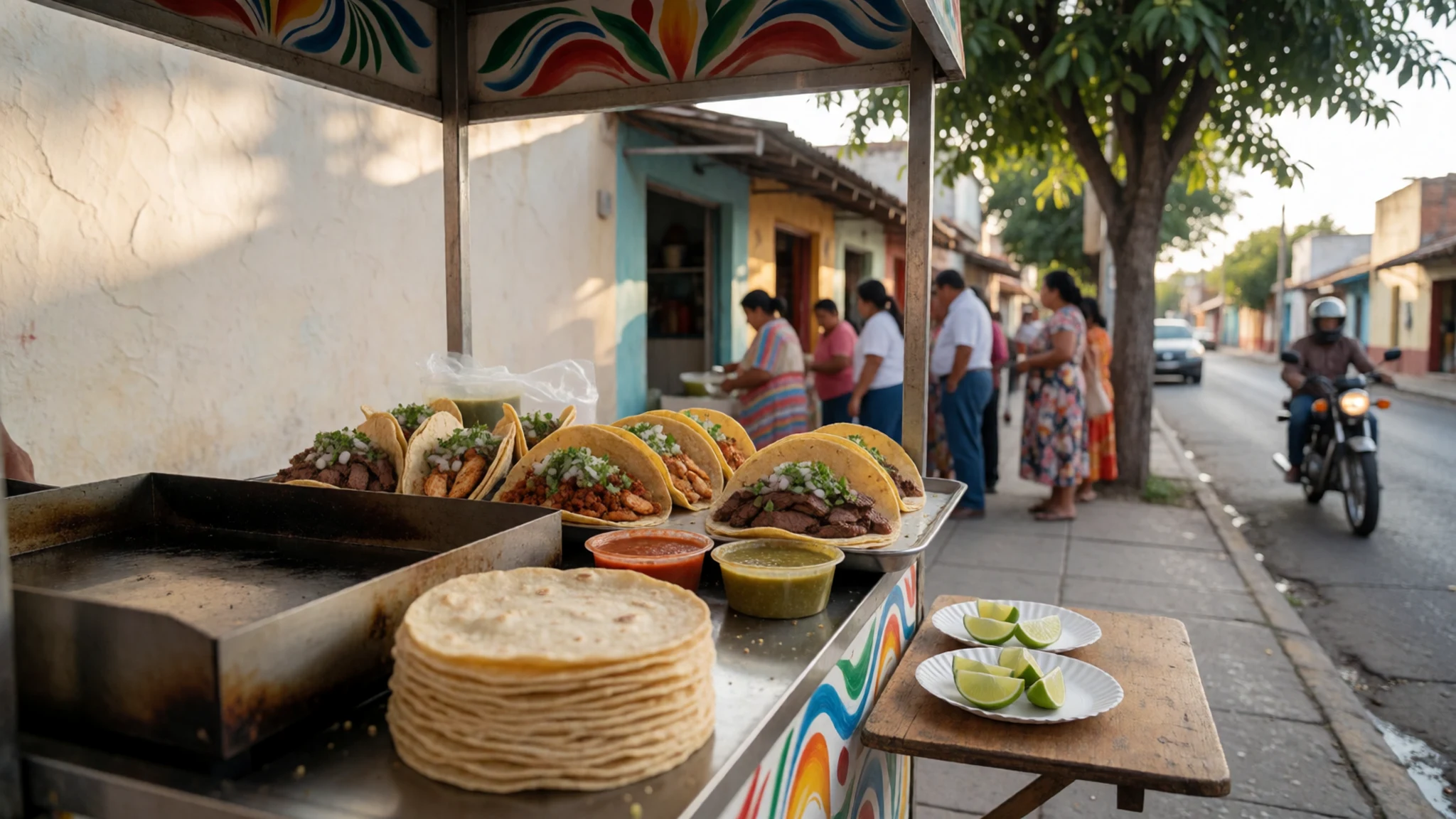
- Steak ranchero — Family-run Mexican restaurants
A good first dish for anyone new to Mexican cooking: steak simmered or served with a tomato, chilli and onion sauce, typically with rice and beans. It reflects northern Mexico's cattle-country tastes. - Fresh seafood — Seafood restaurants in the newer districts
Despite the desert, Juárez has restaurants serving seafood brought in from elsewhere in Mexico, and locals rate a few of them highly. Expect shrimp, fish and ceviche-style dishes, usually served with lime, chilli and tostadas. - Chorizo with eggs — Breakfast cafés and neighbourhood eateries
Spiced pork sausage fried and scrambled with eggs, served with tortillas and beans, is a standard northern breakfast. It is hearty, mildly spicy and ideal before a day of walking.
Plan it
Best time. March–April and October–November, when days are warm rather than extreme. Summers are hot and dry, and winters can be cold, with frost and occasional snow.
How long. 2
Getting there. Most visitors fly into El Paso International Airport in Texas, or to Juárez's own airport on domestic routes, then cross by one of the four bridges, on foot or by car. Non-US citizens should get stamped in by Mexican immigration when crossing on foot.
Budget. low
Tips
- Carry your passport; you need one to return to the United States
- Cross early in the day to avoid queues at the bridges
- Use licensed taxis or ride-hailing rather than hailing cars on the street
- Check your own government's travel advice before going and share your plans
- Keep some pesos in cash for stalls and small eateries
Etiquette
- Greet people before asking for help or service
- Never carry a firearm or even ammunition across; it can bring serious charges
- Ask before photographing people, especially in churches
Nearby
Sources
- Wikidata Q26590 (CC0)
- Wikipedia: Ciudad Juárez (rev 1382969267) (CC BY-SA 4.0)
- Wikivoyage: Juarez (rev 5406021) (CC BY-SA 4.0)
- Photo: Ciudad Juárez skyline, Alejandro Rosales (CC BY-SA 4.0)
- Photo: Skyline Paseo Triunfo, Alexrof (CC BY-SA 4.0)
- Photo: Misiones skyline, Rosalesmx (CC BY-SA 4.0)
- Photo: Cathedral and Guadalupe Mission, Alexrof (CC BY-SA 4.0)
- Photo: Monumento a Benito Juárez, iose (Public domain)
- Photo: Centro de Ciudad Juárez, Wotancito (CC BY-SA 4.0)
- Photo: Monumento a la Mexicanidad, Rosalesmx (CC BY-SA 4.0)
- Photo: Cathedral and mission, François Hirsch (Public domain)


