Chapada das Mesas
Chapada das Mesas, Brazil
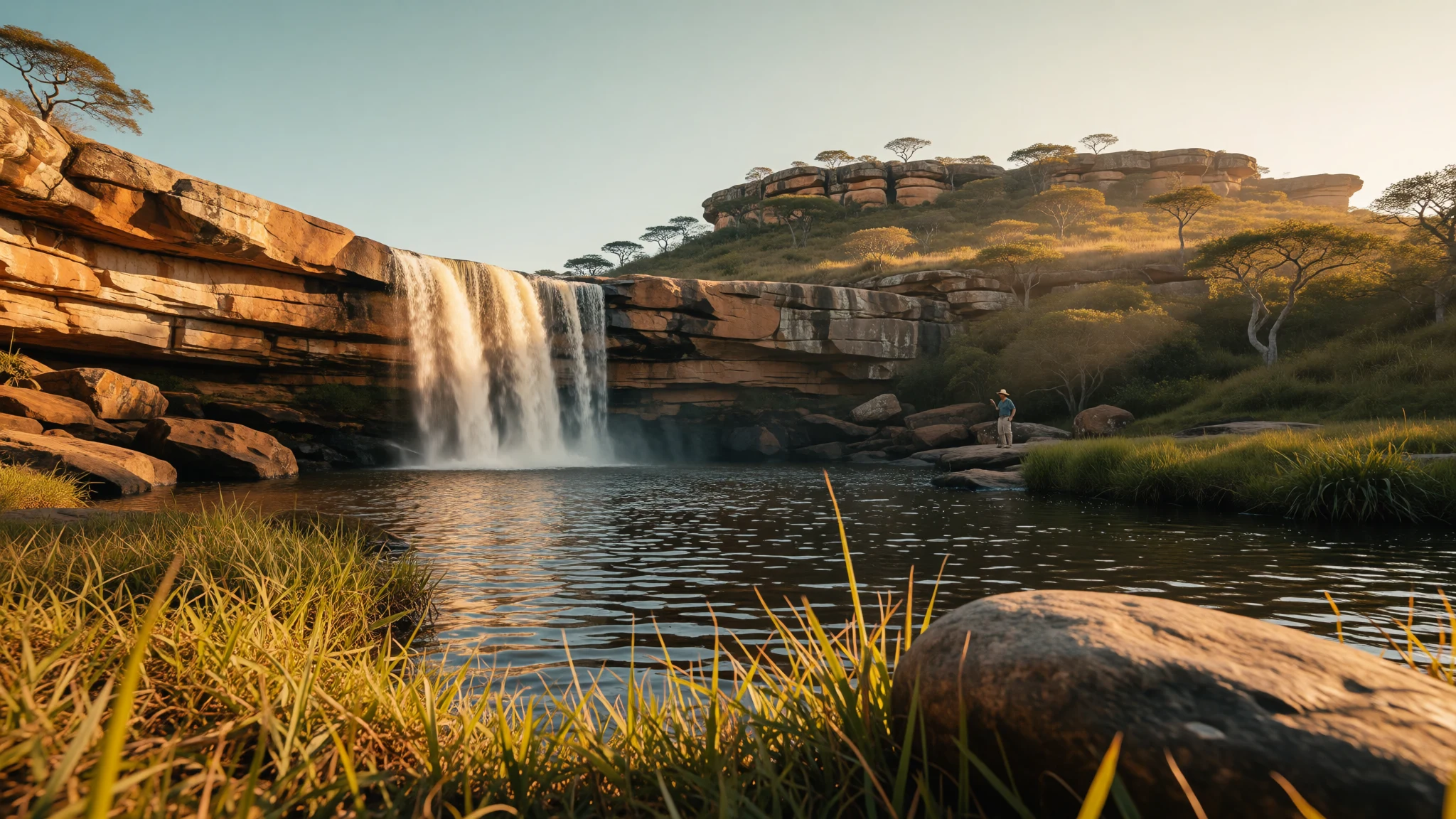
Chapada das Mesas is quiet cerrado country in southern Maranhão, with sandstone plateaus, clear waterfalls and wildlife, far from Brazil's busier beach routes.
The place
Chapada das Mesas National Park lies in the south of Maranhão, in north-eastern Brazil, across the municipalities of Riachão, Estreito and Carolina. It protects a stretch of cerrado, the tropical savanna that covers much of central Brazil, where open grassland mixes with scrubby woodland, sandstone hills and flat-topped plateaus. The highest ground reaches about 700 metres above sea level, so this is upland country rather than mountains, but the escarpments are steep enough to send streams over cliff edges. Two rivers drain the area: the Farinha in the north and the Itapecuru in the south, both fed by many springs. Rainfall averages about 1,400 millimetres a year, mostly in a distinct wet season, and the weather swings between cool mornings and hot afternoons. One practical point matters before anything else: the national park itself is not open to visitors. Most of the places people actually go to are in the wider Chapada das Mesas region, on land that has been altered by farming or sits close to towns, with Carolina the usual base. The park's two best-known waterfalls, São Romão and Prata, drew attention for years, but access rules can change, so check with the managing agency before planning a trip around them. Expect a little-developed corner of Brazil, with simple facilities, local guides and long drives, and none of the beaches or colonial streets that bring most travellers to Maranhão.
Its story
Chapada das Mesas National Park was created in 2005 as a defensive measure. Farming had been pushing steadily into Maranhão's interior, and the cerrado here was still largely intact. Declaring a national park was a way to draw a line: keep the native vegetation, protect the springs that feed two river systems, and slow the spread of fields across the plateau. The Chico Mendes Institute for Biodiversity Conservation, a federal agency, manages it. The springs are the heart of the case, since the park holds hundreds of them. It also shelters animals that are rare or threatened elsewhere: the oncilla and the ocelot, two small wild cats; the cougar; the giant anteater; the bare-faced curassow, a ground-dwelling bird; and the Chaco eagle. The human story of the wider region is older than the park's paperwork. Indigenous peoples in Maranhão belong largely to the Macro-Jê and Macro-Tupi language groups. Europeans arrived on the coast near São Luís in the late sixteenth century, when a French trading expedition left some of its men on the island. Later centuries brought Afro-Brazilian communities whose music and festivals now give the state much of its character. Maranhão remains one of Brazil's poorer states, and tourism around Carolina is still modest, which is part of the appeal and part of the challenge for local people who would like it to grow.
What to see
- São Romão Waterfall — Chapada das Mesas National Park, near Carolina
São Romão Waterfall is one of the two falls that long stood for the national park, with water dropping over sandstone into a pool ringed by cerrado. Photographs show a broad curtain of water rather than a thin ribbon. Access depends on the park's current rules, so confirm locally or with the managing agency before setting out.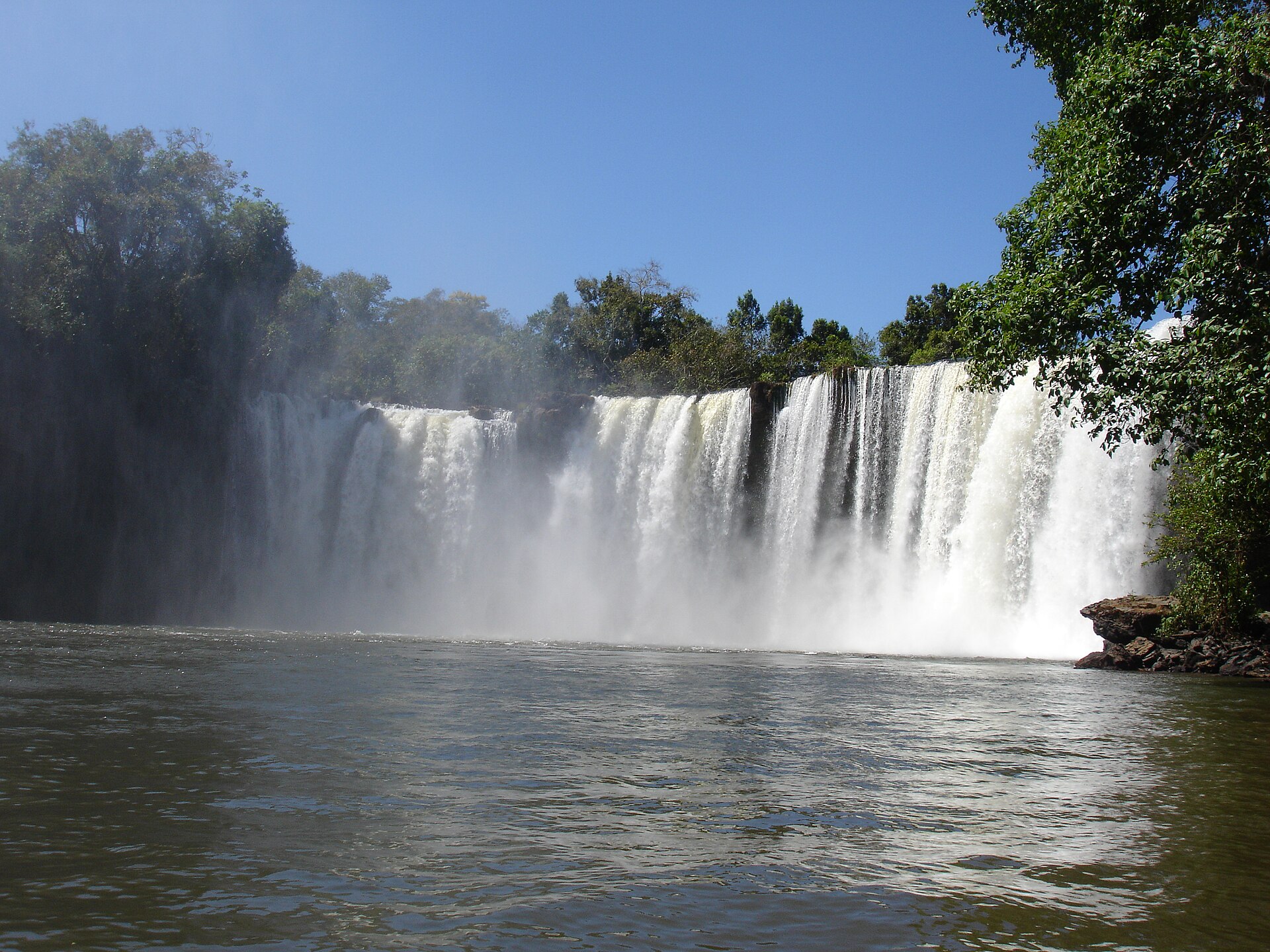
- Prata Waterfall — Chapada das Mesas National Park, near Carolina
Prata Waterfall is the second of the pair long associated with the park, a cascade over layered rock set in dense green. Like São Romão, it lies on protected land, so a visit hinges on current permission. A guide in Carolina can explain what is open, what is closed and what to carry.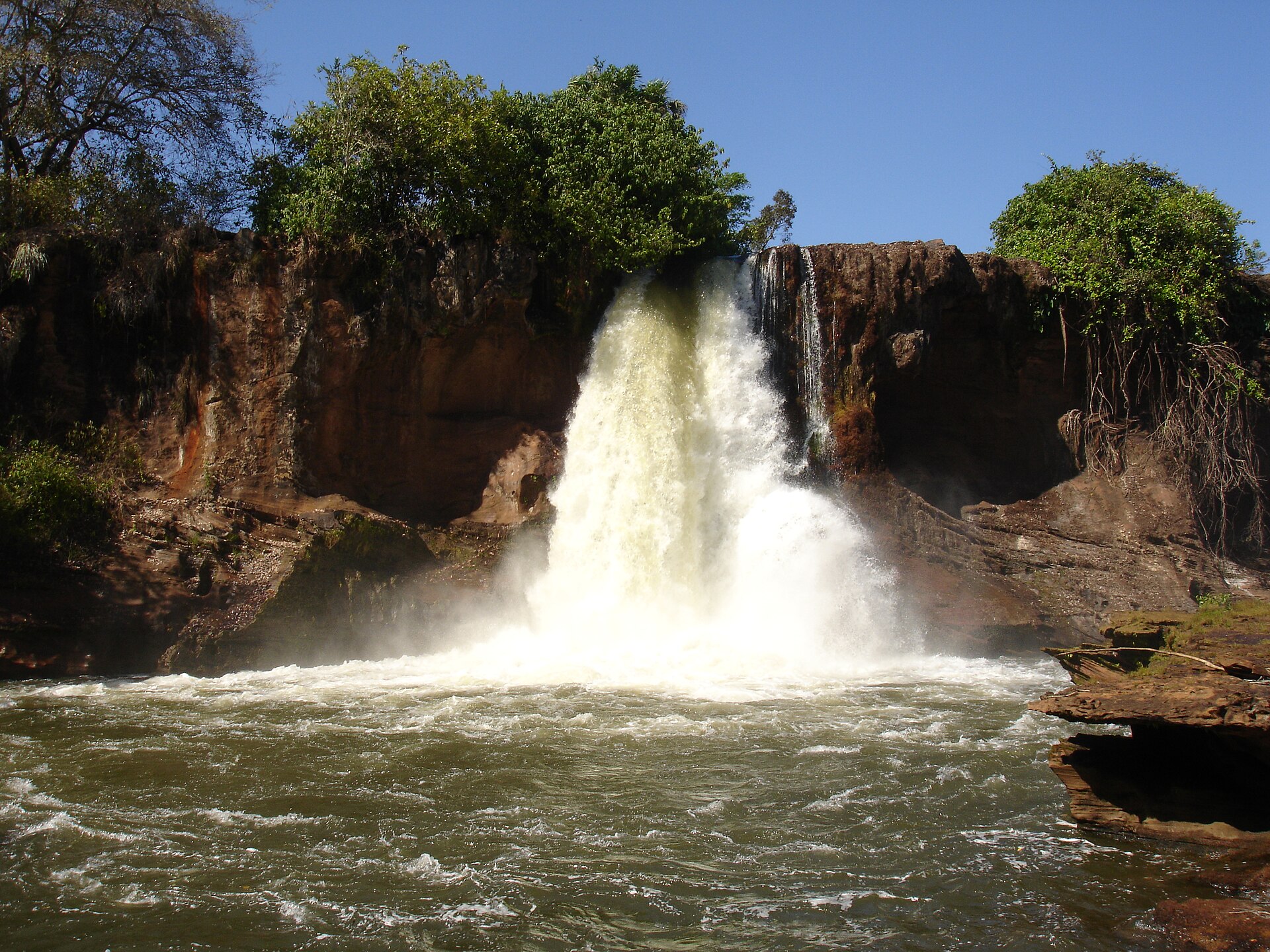
- Itapecuruzinho Waterfall — Carolina
Itapecuruzinho Waterfall, in the municipality of Carolina, is one of the cascades that make the town a practical base for the region. Flow is strongest after rain and thinner in the dry months. Go with a local guide, and ask about track conditions and safe places to swim.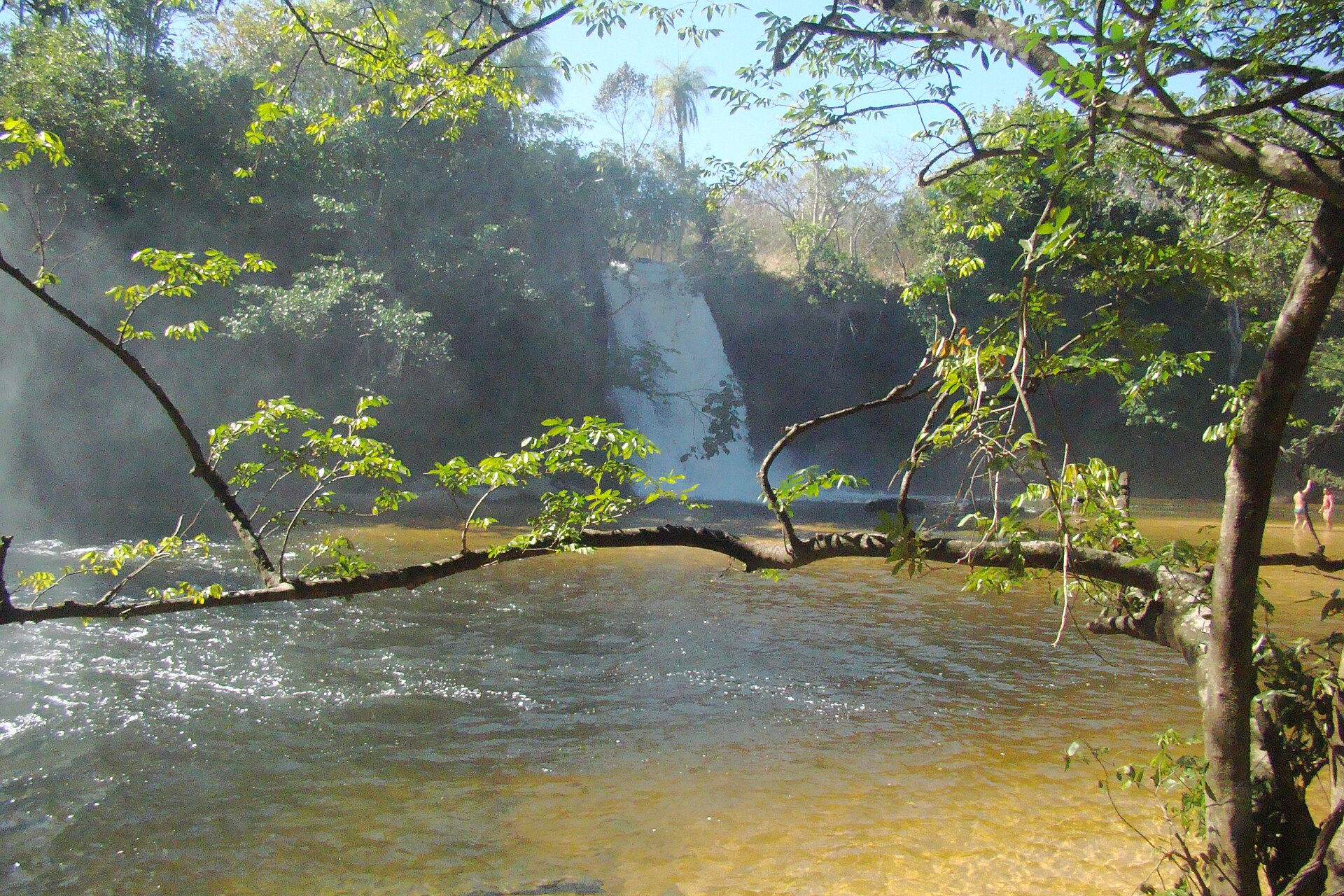
- Encontro das Águas — Carolina area
Encontro das Águas is a bathing spot in the Carolina area where streams meet, and photographs show clear, pleasantly warm water over pale rock. It suits a slow afternoon of swimming after a morning of walking. Weekends and holidays are likely to be busier, so a weekday visit is calmer.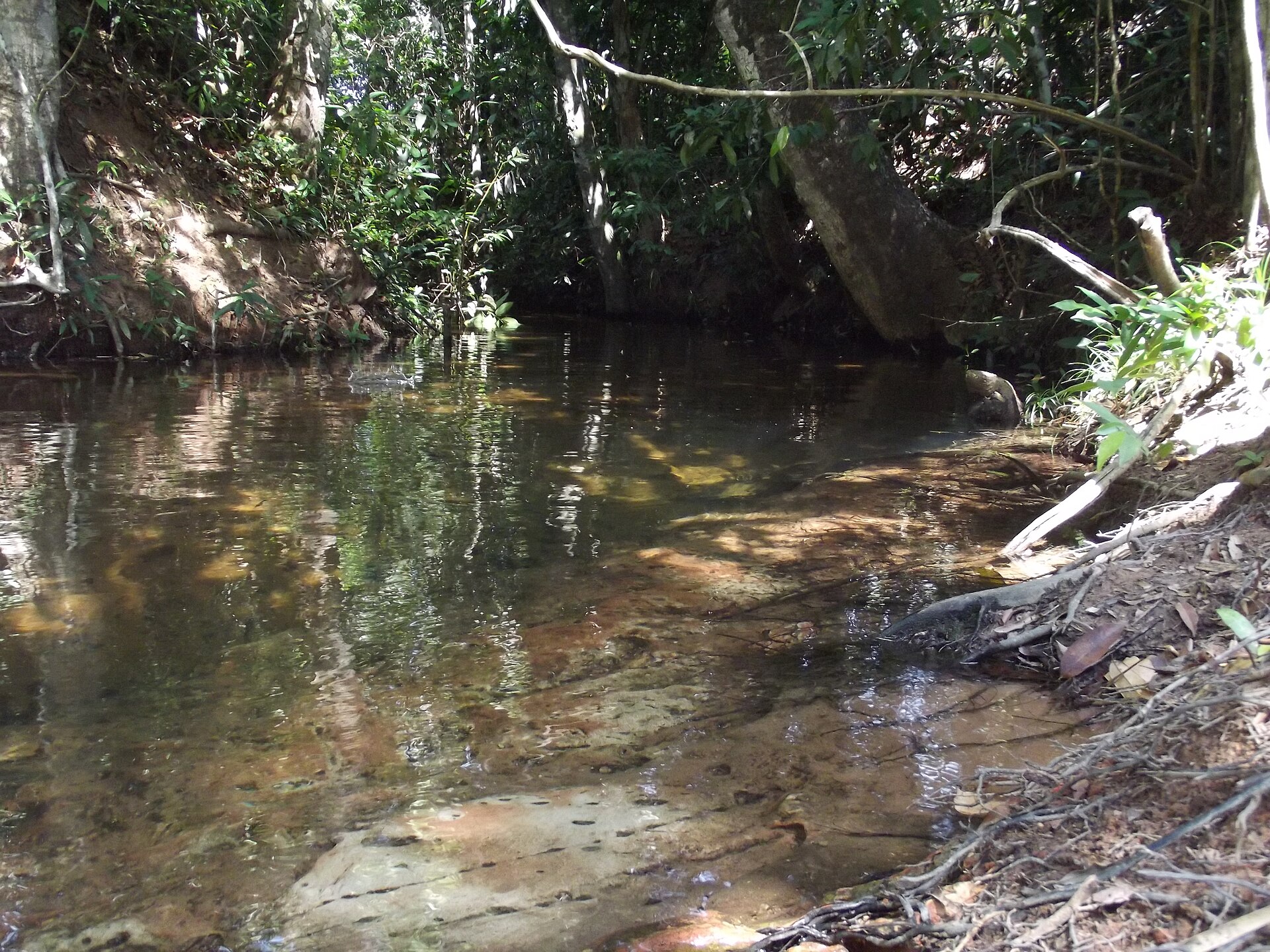
- Birds and insects around Carolina — Carolina and surrounding cerrado
The cerrado edges around Carolina reward slow looking. Hummingbirds rest on low branches, and stick insects are so well camouflaged that most walkers pass them by. The larger animals protected in the park, such as anteaters and wild cats, are rarely seen. Dawn, patience and a local guide improve the odds.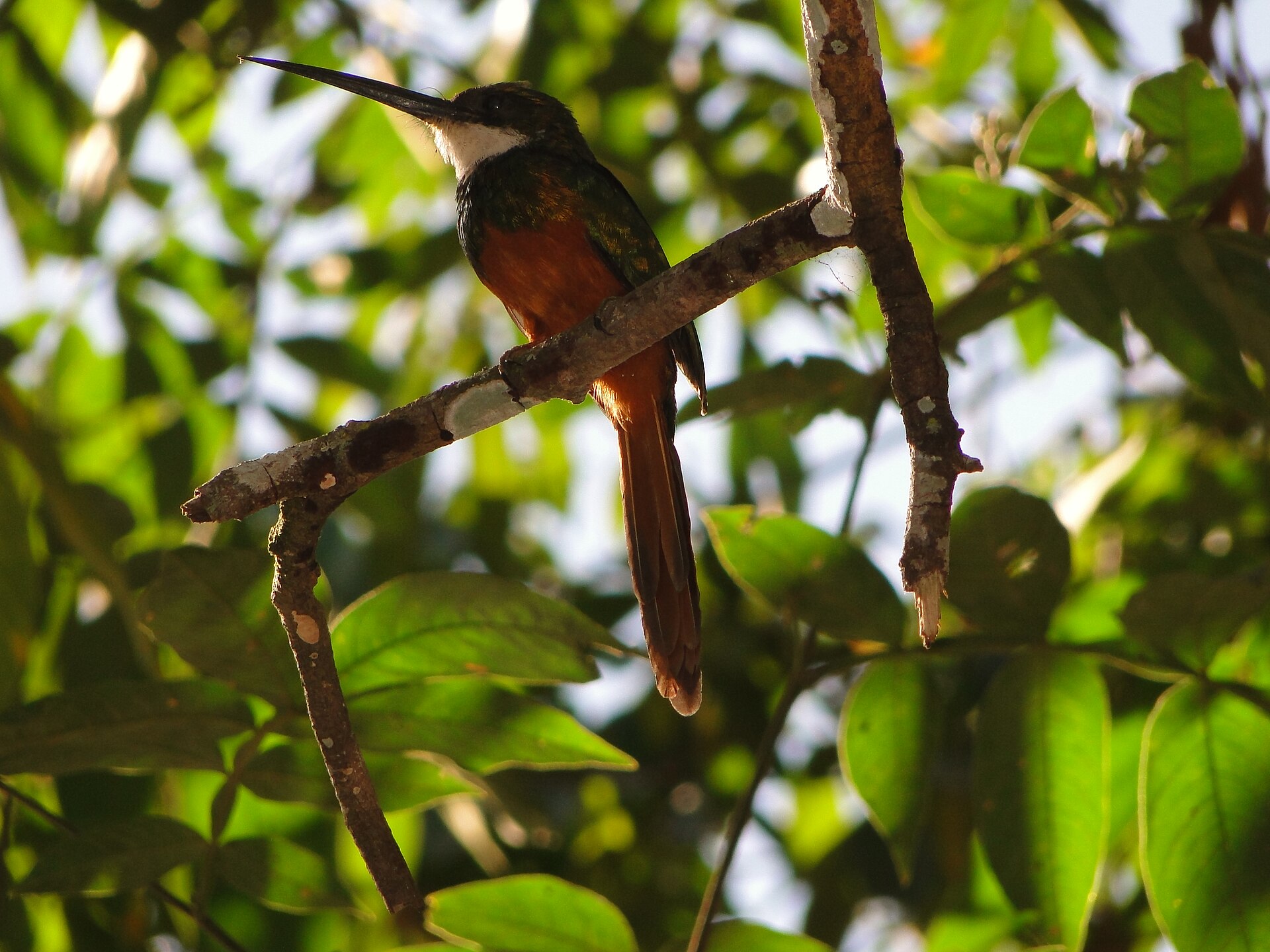
Culture
Chapada das Mesas sits in Maranhão, a state with a strong Afro-Brazilian heritage that rivals any in the country and carries a Caribbean flavour, most audible in its reggae. Sound systems playing reggae are a normal part of evenings in towns across the state, and that is a surprise to many first-time visitors. Festivals such as bumba-meu-boi, with its drums, costumed dancers and the story of a bull that dies and is revived, belong mainly to the São Luís calendar, though versions are celebrated in smaller places too. Tambor de crioula, a drum-and-dance tradition, has the same roots. Indigenous peoples of the Macro-Jê and Macro-Tupi language groups also live in Maranhão, and their presence is part of why land and conservation are sensitive subjects here. Around Carolina, life is rural and unhurried. Families run small guesthouses, guides often come from the same villages as the trails, and farming and conservation share the landscape, sometimes uneasily. Portuguese is the language of daily life, and English is uncommon outside larger towns, so a few phrases of greeting go a long way. Maranhão is one of Brazil's poorer states, and spending locally, by hiring guides and eating at small family eateries, makes a real difference. Ask permission before photographing people, and take your rubbish back out with you from every waterfall and swimming spot.
What to wear
Chapada das Mesas has no single regional costume of its own, but Maranhão's festivals supply the traditional dress. For bumba-meu-boi, performers wear heavily embroidered velvet, sequins, beads and ribbons, with tall hats crowned in feathers and a painted bull figure draped in an embroidered cloth. Tambor de crioula dancers wear wide, brightly coloured cotton skirts, white blouses and head wraps, and turn in time with the drums. Indigenous communities use cotton, seeds, feathers and beadwork in their own styles, which differ by people. Day to day, locals around Carolina dress for heat: shorts, vest tops, football shirts, light cotton dresses and rubber sandals, with caps or wide-brimmed hats on farms and trails. Smarter shirts and dresses appear on Sundays and for festivals. Visitors should pack for strong sun and sudden rain. Choose light, quick-drying clothes that cover shoulders and legs from the sun, a hat, sunglasses and high-factor sunscreen. Wear shoes with real grip for wet rock and muddy tracks, and keep sandals for the water. Swimwear is normal at bathing spots, but a shirt or wrap is respectful in town. Nights can be cooler, especially in the drier months, so one thin layer is worth carrying. Insect repellent and long trousers help on cerrado trails.
What to eat
- Arroz de cuxá — Family eateries in Carolina and São Luís
Arroz de cuxá is a Maranhão classic: rice mixed with a paste of sour hibiscus leaves, sesame and dried shrimp. It tastes tangy and savoury, and often comes alongside fish or fried shrimp. Look for it on the lunch menus of family eateries in Carolina and São Luís. - Torta de camarão — Restaurants in São Luís and larger towns
Torta de camarão is a baked shrimp pie, creamy inside with a golden top. It reflects the coast's long supply of seafood, which travels inland to local kitchens. It appears as a starter or light lunch in restaurants and at celebrations. - Sururu — Markets and seafood eateries, mainly in São Luís
Sururu is a small mollusc from the coast, cooked as a stew or in a sauce and served with rice or farofa. It is an acquired taste for some, but central to Maranhão cooking. It turns up in coastal markets and some inland restaurants. - Guaraná Jesus — Almost any snack bar, café or grocery store in the state
Guaraná Jesus is a pink soft drink local to Maranhão, and its flavour is often compared to bubble gum. It is sweet and fizzy, popular with children and with locals of all ages. Order it cold with a plate of grilled meat or fried fish. - Grilled river fish with farofa — Small riverside and town eateries in Carolina
Around Carolina, simple plates of grilled or fried river fish come with rice, beans and toasted cassava flour, called farofa. It is hearty, plain and filling after a day of walking. Ask what was caught locally and eat where the kitchen is busy.
Plan it
Best time. June to September is generally the easier window, as the drier months make roads and trails more reliable and swimming pleasant. The wet season usually fills the waterfalls but brings mud, heavy downpours and some closed tracks. Afternoons are hot all year, so plan outdoor activity early. Ask a local guide about current conditions.
How long. 3–4
Getting there. Fly to Imperatriz (Renato Moreira Airport) in Maranhão, then continue by road to Carolina, the usual base, by bus, hire car or arranged transfer. São Luís has the state's main international airport (Marechal Cunha Machado) but is on the coast and a long way from the park region. Confirm road times and transport locally.
Budget. low
Tips
- Get the yellow fever vaccine at least ten days before travelling, as health authorities recommend for Maranhão
- Check the managing agency's official channels for current access, as the national park itself is not open to visitors
- Hire a local guide in Carolina for waterfalls and trails, and book ahead for weekends and holidays
- Carry cash, as small eateries and guides may not take cards, and signal can be poor
- Bring plenty of drinking water, sun protection and insect repellent, and start walks early to avoid the afternoon heat
Etiquette
- Take all rubbish away with you, including from swimming spots
- Ask before photographing local people
- Stay on marked tracks and keep clear of wildlife
Nearby
Sources
- Wikidata Q5072887 (CC0)
- Wikipedia: Chapada das Mesas National Park (rev 1367457833) (CC BY-SA 4.0)
- Wikivoyage: Maranhão (rev 4873370) (CC BY-SA 4.0)
- Photo: Cachoeira São Romão, Vitor 1234 (CC BY 3.0)
- Photo: Parque Chapada das Mesas, Carolina-MA, Francisco Lusivaldo Marques (CC BY 3.0)
- Photo: Relief Map of Brazil, NordNordWest / Виктор В (CC BY 3.0)
- Photo: Cachoeira da Prata, Vitor 1234 (CC BY 3.0)
- Photo: Balneário Encontro das Águas, Carlateles88 (CC BY 3.0)
- Photo: Balneário Encontro das Águas, Carlateles88 (CC BY 3.0)
- Photo: Beija-Flor descansando, Cleber Alves Carvalho (CC BY 3.0)
- Photo: Bicho Pau Apreciando Região, Rena do Brasil (CC BY-SA 4.0)


Wildlife
- Giant anteater (animal)
The giant anteater is a big, shaggy animal with a long nose and a bushy tail, and it eats insects. Unlike its tree-climbing cousins, it mostly walks on the ground. Chapada das Mesas gives it shelter, though it is rare or threatened elsewhere, so a sighting here is special. My notes do not say when to look, so ask a local guide about your best chances. Keep a good distance, stay quiet, use binoculars, and never offer it food.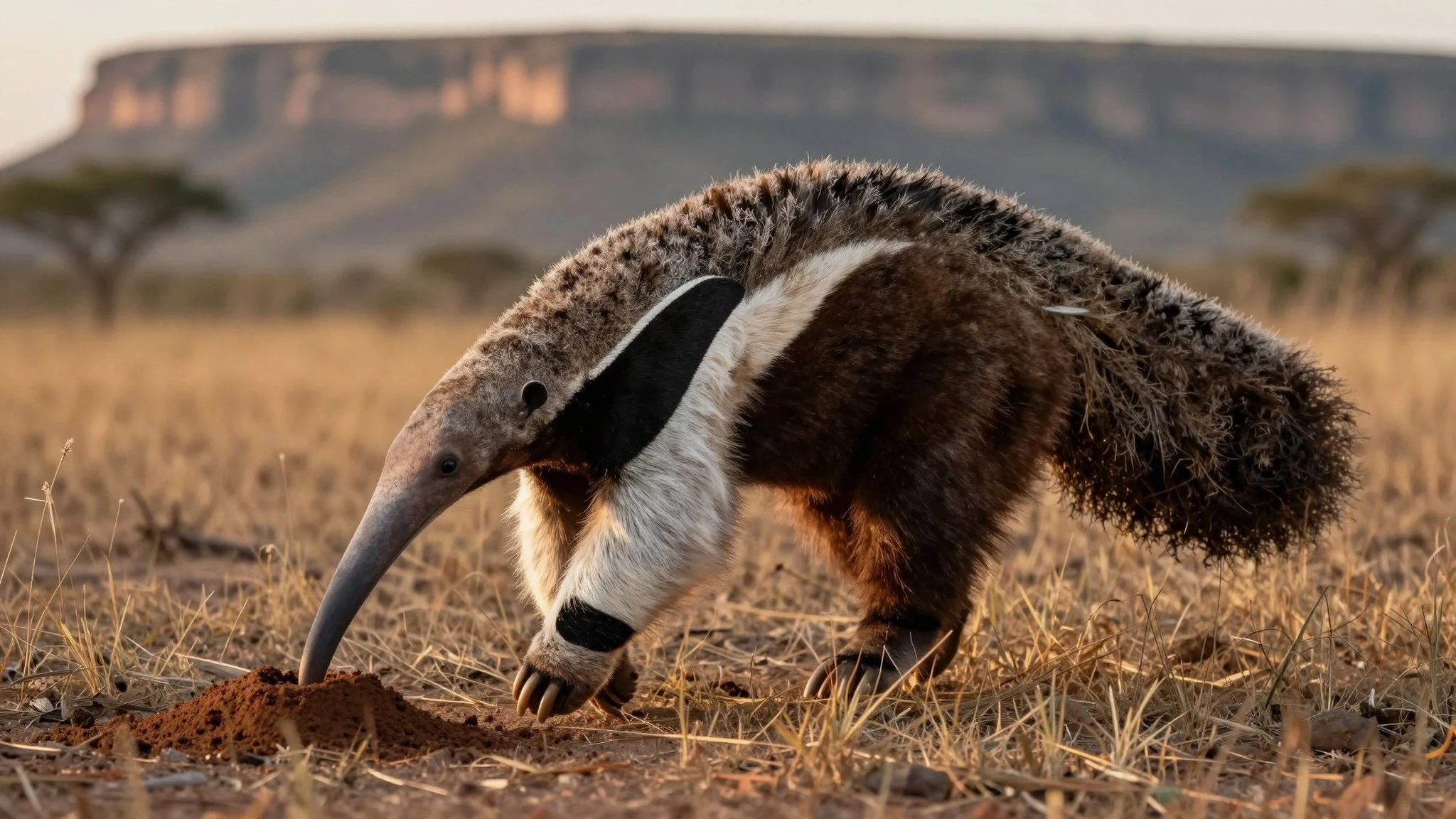
- Ocelot (animal)
The ocelot is a spotted wild cat of middling size, quiet and secretive. Chapada das Mesas shelters it, along with other wild cats, in a landscape where such animals are rare or threatened elsewhere. My notes give no season or hour for seeing it, so ask a guide what is realistic rather than counting on luck. If you do glimpse one, stay still, keep silent and remain well back. Never try to feed it or move closer.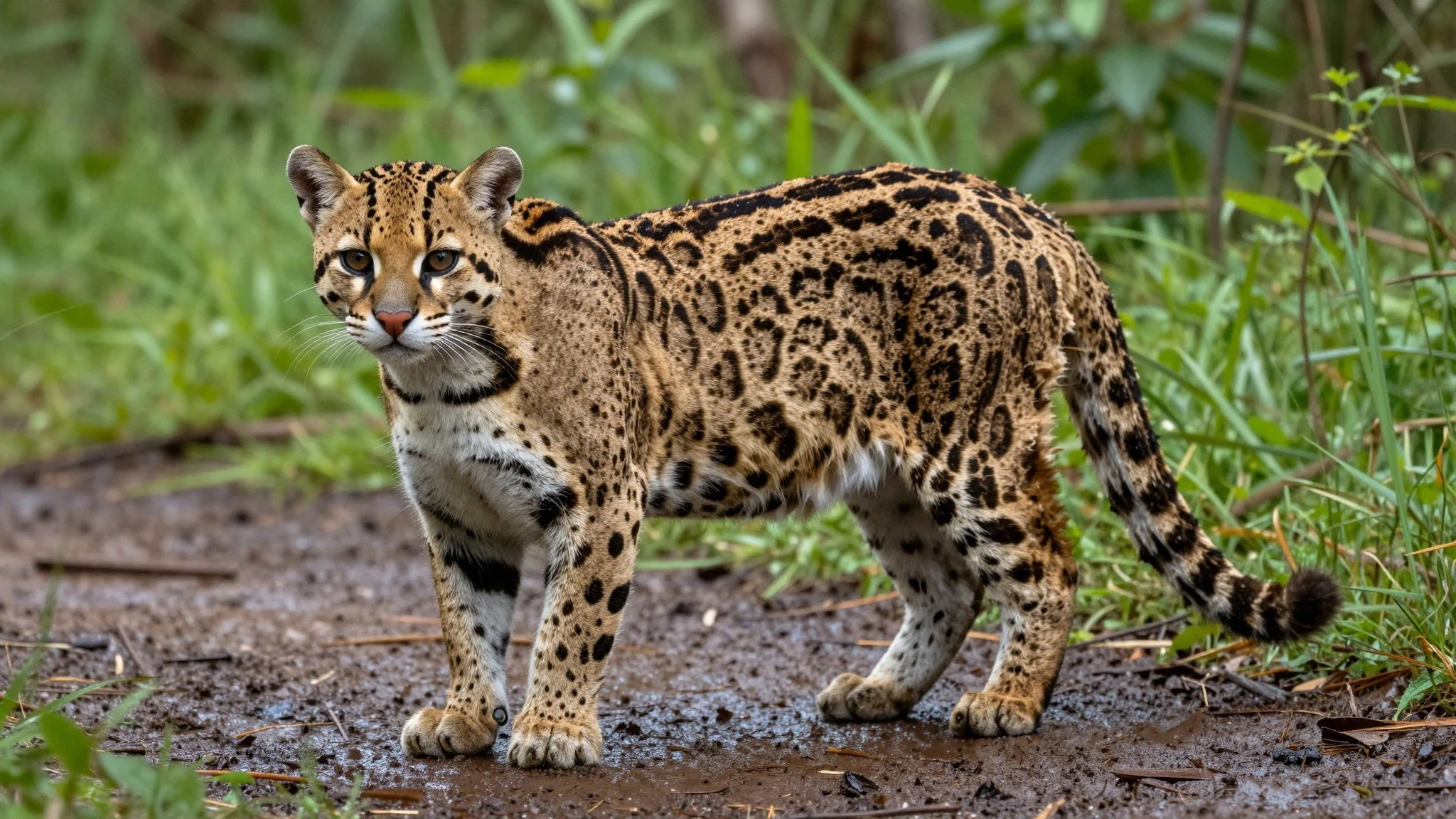
- Bare-faced curassow (bird)
The bare-faced curassow is a bird that prefers to stroll along the ground rather than live in the treetops. It belongs to the same family as guans and chachalacas, and it favours forest and cerrado country. Chapada das Mesas gives it shelter. My notes do not say when it is seen, so ask a guide. Walk softly, speak little and keep your distance so it is not startled. Never feed it.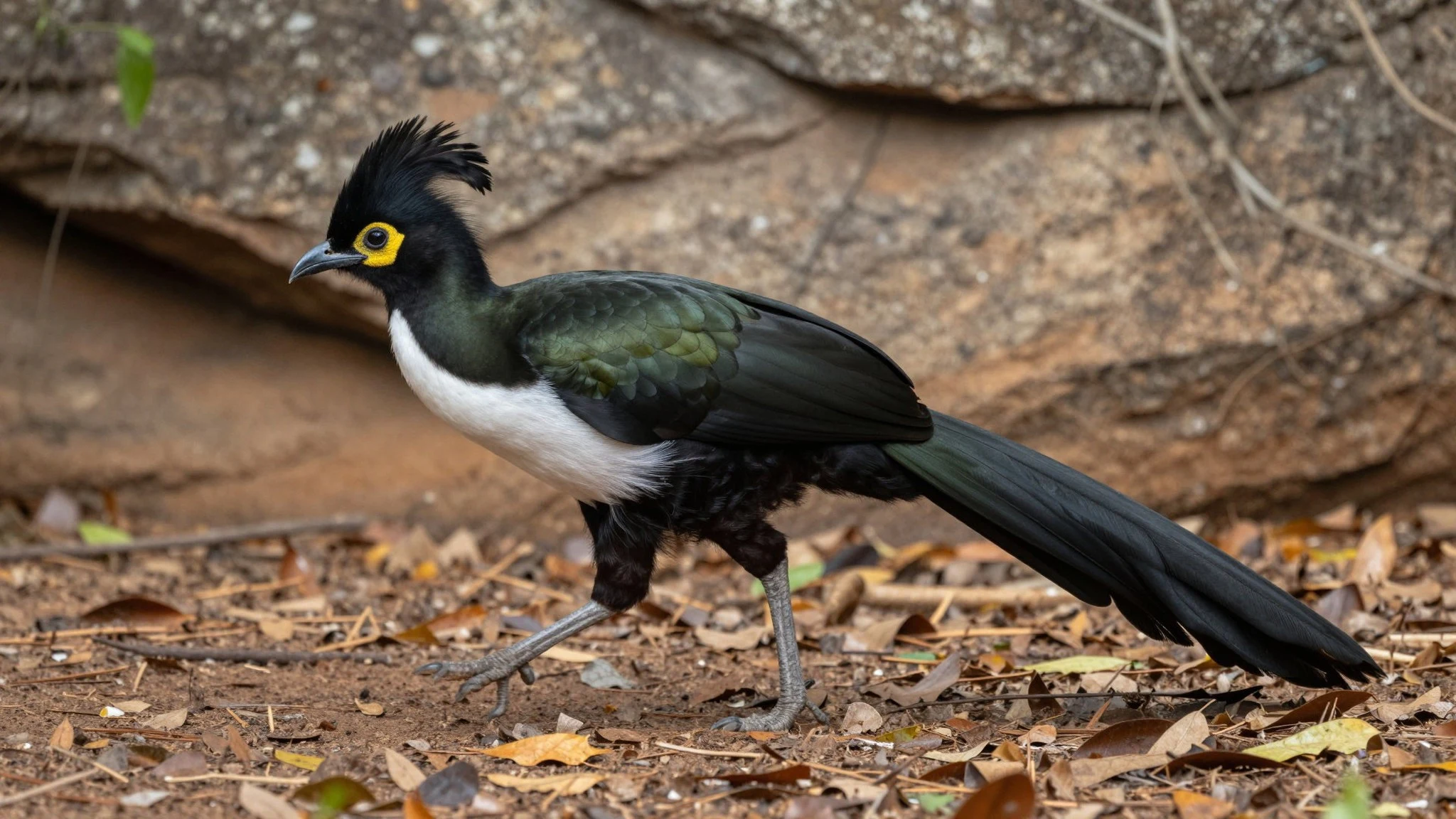
- Chaco eagle (bird)
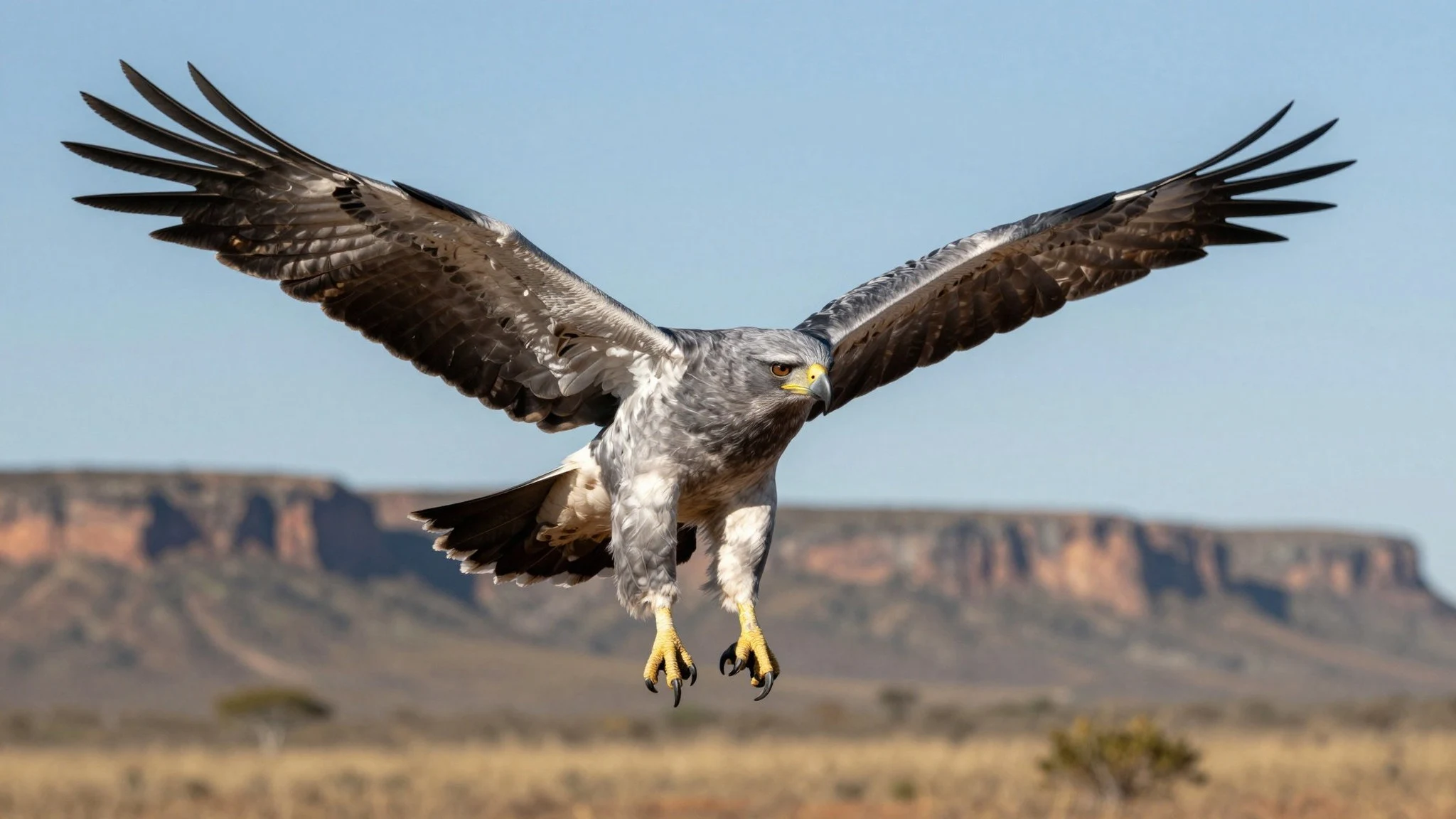
The Chaco eagle, also called the crowned solitary eagle, is a rare and endangered bird of prey, a hunter of the open sky. Chapada das Mesas shelters it. It is so rare that little is known about its life, and my notes say nothing of when or where to look, so a local guide is your best help. If you spot one, watch quietly from far away, never disturb it and never feed it.