Castellón de la Plana
Castellón de la Plana, Spain
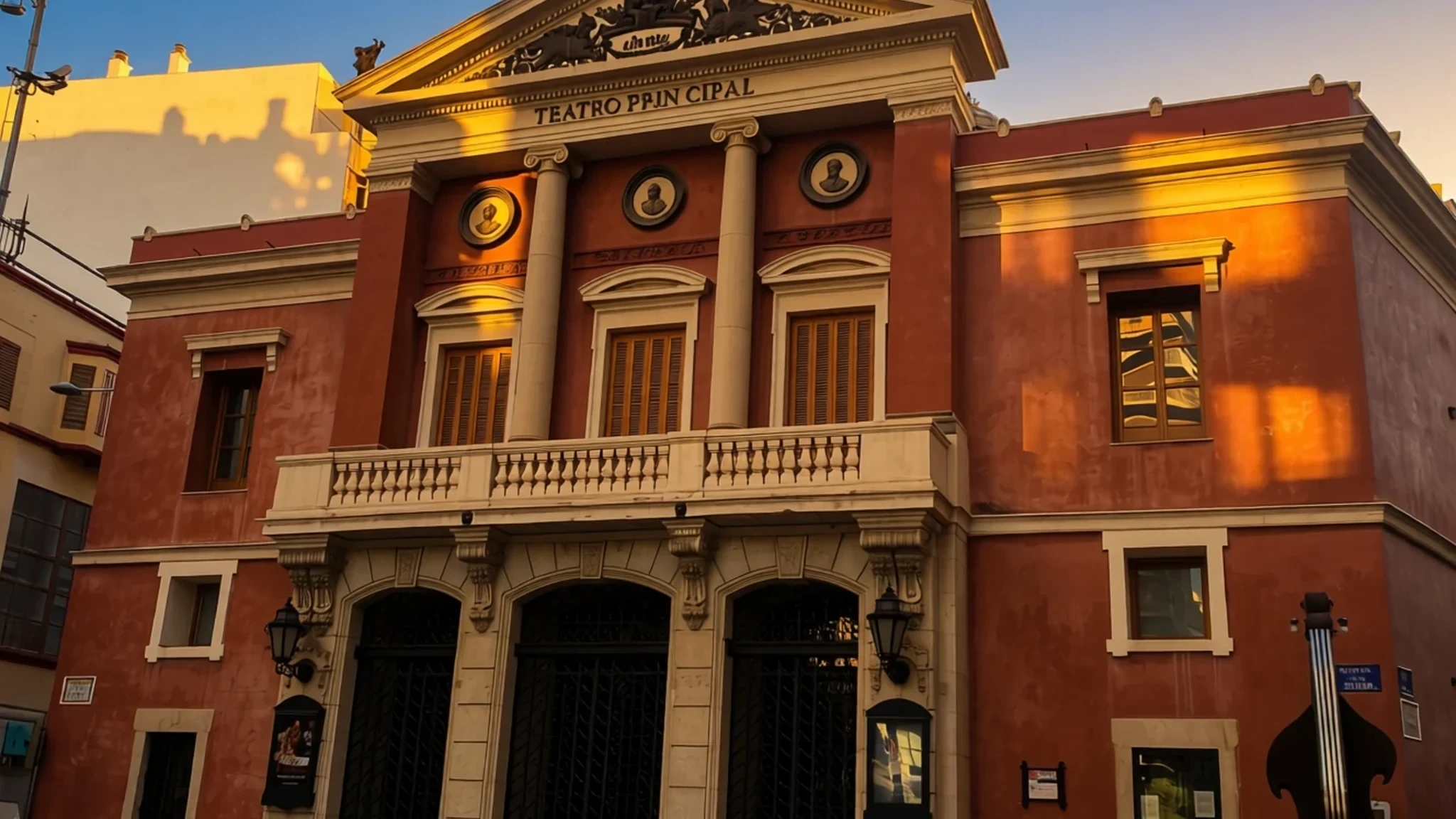
Castellón de la Plana is an easygoing Valencian city where locals outnumber tourists, with sunny beaches, a working port and good rice dishes.
The place
Castellón de la Plana, known as Castelló in Valencian, is the capital of its province in the Valencian Community and has about 184,000 people. It sits on a flat coastal plain on the Costa del Azahar, the Orange Blossom Coast, with the Desert de les Palmes range rising to the north. The compact old centre lies a few kilometres inland, while the Grau district grew around the port and the seafront.
The city is the main hub of a wider urban belt that includes Vila-real, Almassora, Benicàssim, Borriol and Borriana. It is a place where people live and work rather than a resort, which is much of its appeal: cafés fill with residents, the main square runs on local rhythms, and few visitors turn up outside summer weekends.
The climate is hot semi-arid. Winters are mild, summers are hot, dry and muggy, and the city gets around 2,800 hours of sunshine a year. Annual rainfall is about 435 mm, and most of it comes in autumn, when sudden downpours known as the cold drop can arrive. Spring has a smaller rainy spell.
A small curiosity: the Greenwich Meridian crosses the 40th parallel here, and a monolith in the Parc del Meridià marks the spot. It is a quiet landmark rather than a draw, but it makes a pleasant excuse for a walk to the edge of town.
Its story
Castellón de la Plana began as a hilltop fortress. In the Islamic period the settlement took its name, Qasṭalūnah, from a Moorish castle on the Magdalena hill, which controlled a territory covering today's Castellón and Almassora. James I of Aragon took the area in 1233, and early attempts to build Christian settlements around the castle had mixed results.
A revolt by the mudéjar population, Muslims living under Christian rule, ended in 1248 with their expulsion from the district. The city as it stands today was founded in the 1250s. In 1251 the king granted a nobleman, Ximén Pérez d'Arenós, the right to move the community down from the castle to a new site on the plain, the plana in the city's name. Tradition holds that the move was done by the third Sunday of Lent in 1252, and the annual Magdalena festival still looks back to that moment, with a pilgrimage up to the old hill.
In the Middle Ages the new town was ringed by moats, walls and towers, and its church later became a cathedral. Being close to Valencia helped it prosper as a port, and many residents worked in maritime trade or in the trades that served merchants. Hemp cloth and rope were an important business, which explains the grand trading hall built for it in the seventeenth century. Much of the old fabric has been rebuilt over the centuries, so the city reads more as layers of reconstruction than as a preserved medieval town.
What to see
- Plaça Major and the Ajuntament — Old centre
The town hall was raised at the start of the eighteenth century, and its Tuscan-style façade rises above a colonnade. It anchors the central square, which is the natural starting point for a walk. Cafés around it fill by mid-morning, and the old centre is easy to cover on foot.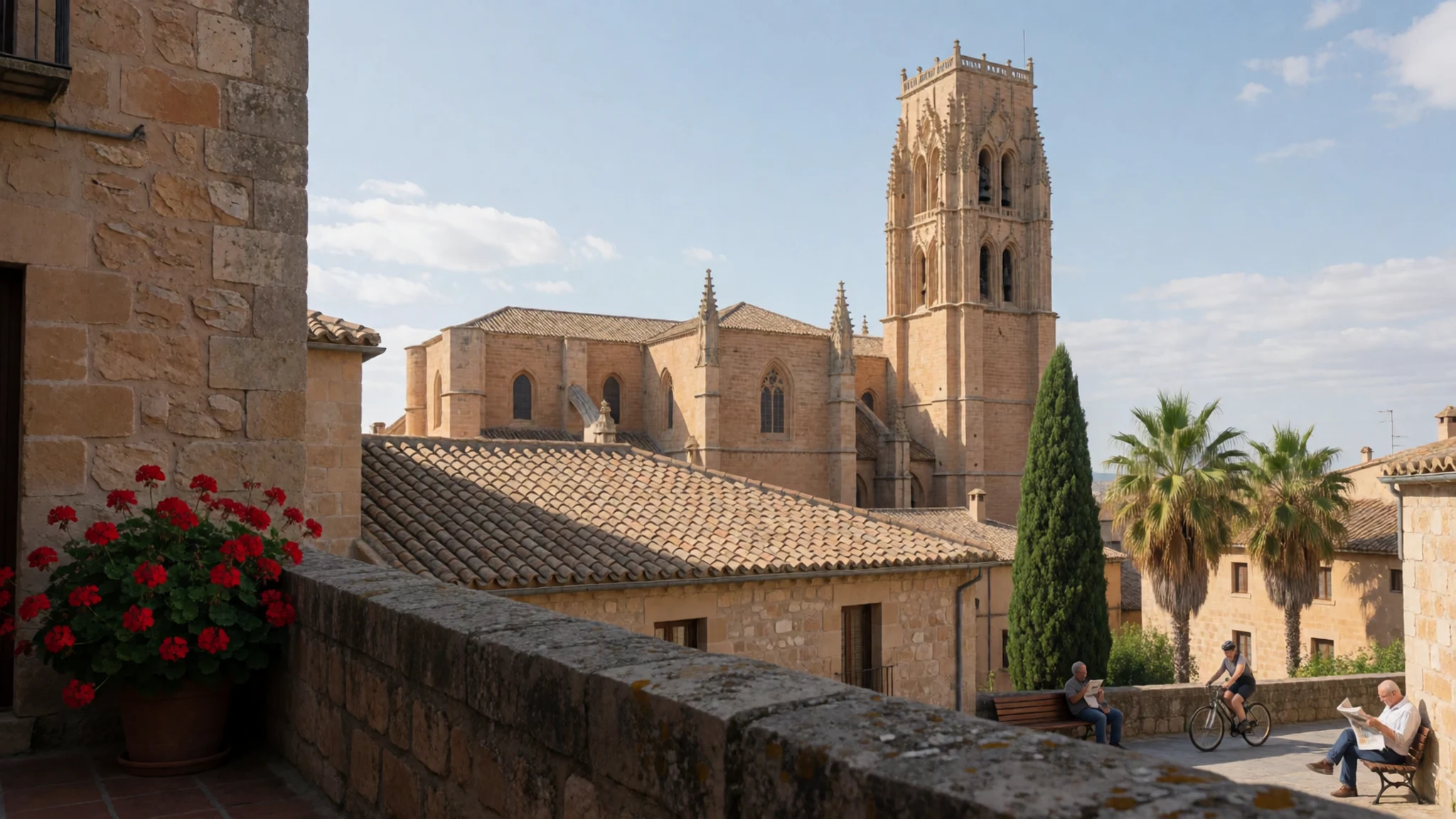
- Concatedral de Santa Maria and El Fadrí — Old centre
The co-cathedral dates back to a Gothic building of the thirteenth century, rebuilt after a fire, and the present church is a later reconstruction. Beside it stands El Fadrí, the separate bell tower, which gives the square its landmark. Climbing it, when open, rewards you with views over the plain.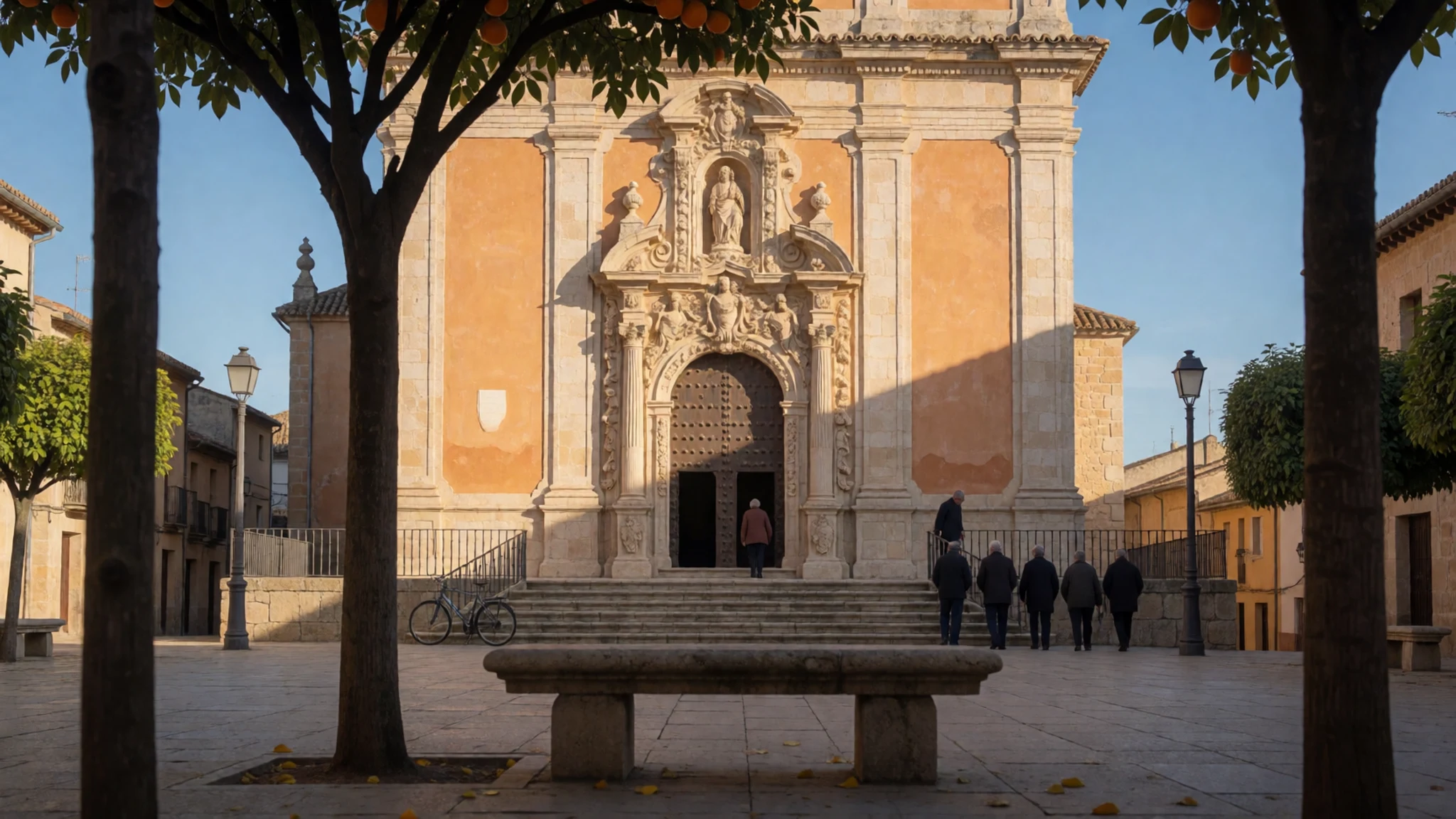
- Basílica of Santa Maria del Lledó — Edge of the old centre
This basilica honours a Virgin Mary image said to have been found by a farmer ploughing his field in 1366. A small fourteenth-century chapel was enlarged into the Baroque church seen today. It is a place of local devotion, so expect worshippers rather than tour groups, and check opening hours before going.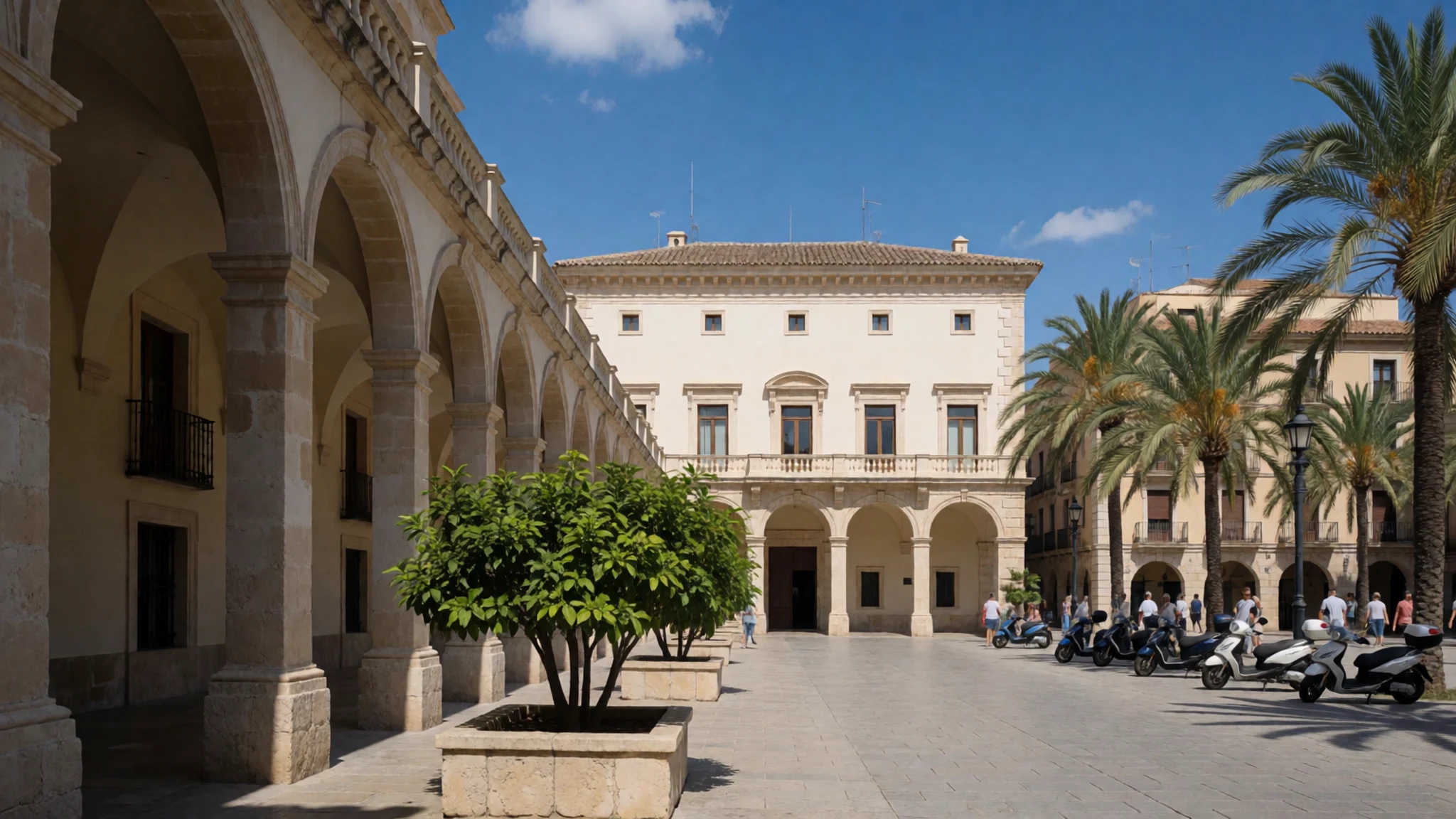
- Museu de la Mar and the Grau — Grau, by the port
The port district of Grau shows another side of the city: fishing boats, a marina and seafront promenades. The Museu de la Mar tells the story of the sea trades that fed Castellón. Come for a late lunch of fish or rice, then walk the sand toward the beaches.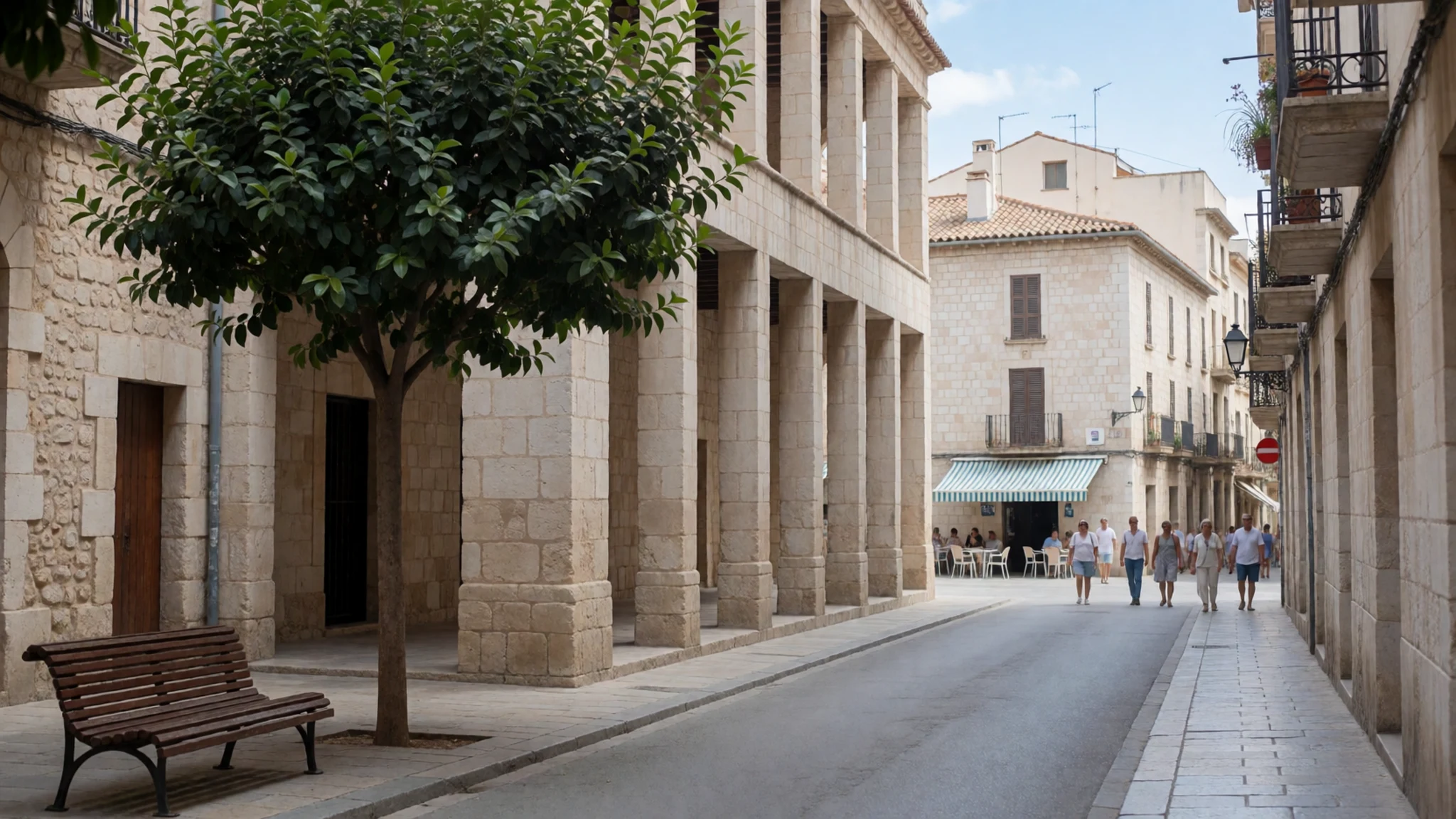
- Parc Ribalta — Central Castellón
This is the city's central green space, with shaded paths, old trees and benches that are busy with older residents and children by late afternoon. It is a gentle place to cool off in the heat and gives a good sense of everyday life in Castellón. The Museu de Belles Arts is a short walk away.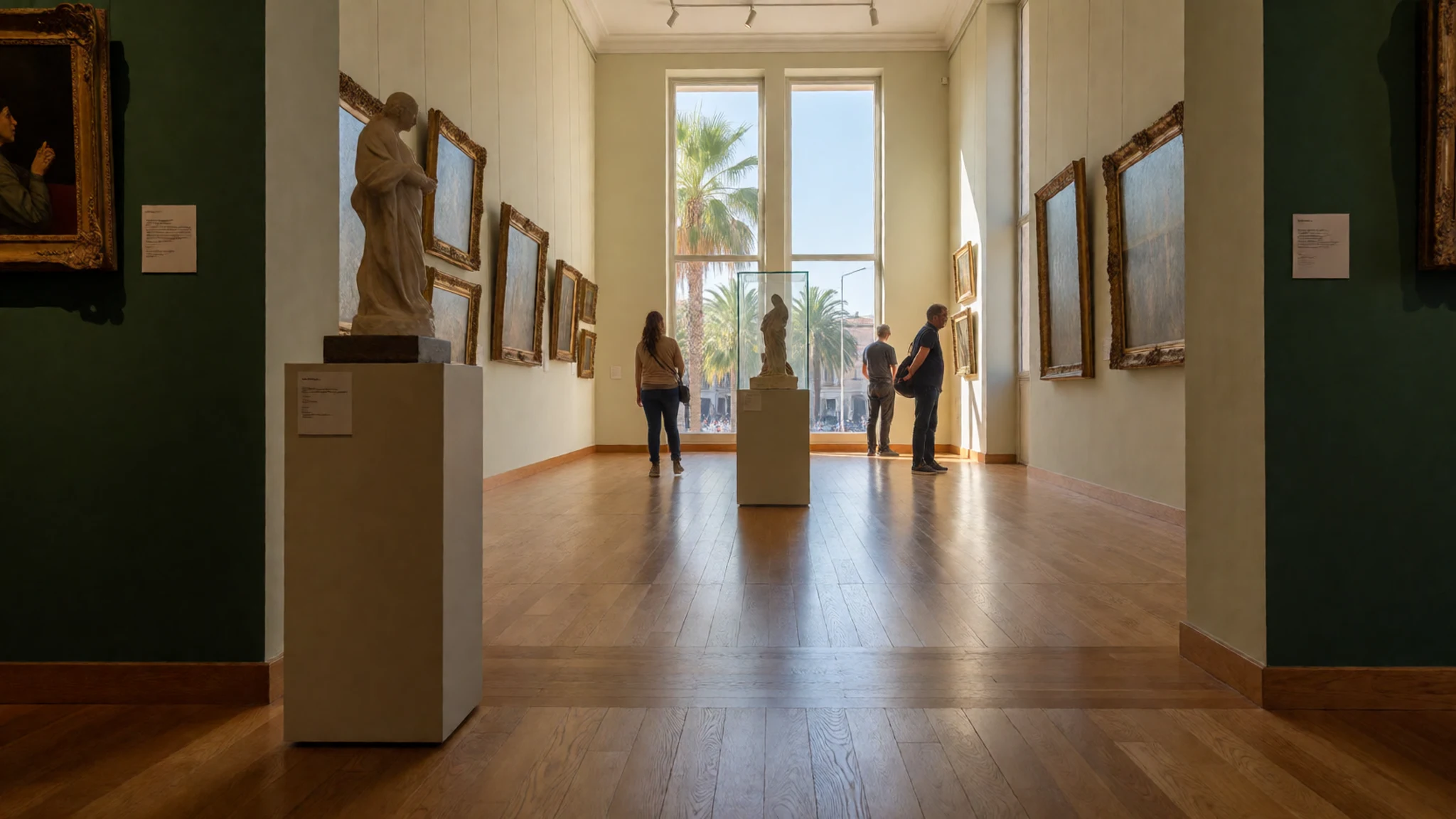
Culture
Castellón de la Plana is a Valencian-speaking city as well as a Spanish-speaking one, and both languages appear on street signs, menus and in conversation. The city's name itself shows the split: Castellón in Spanish, Castelló in Valencian. Many locals switch easily between the two, and a few words of either are appreciated.
The rhythm of the day is Spanish. Shops often close in the afternoon, lunch is the main meal and runs late, and dinner starts well after most visitors would expect. Streets are quiet during the early afternoon heat and come alive again in the evening, when families and friends walk, sit outside and talk.
The biggest event of the year is the Magdalena festival in spring, which recalls the move of the town from its hilltop castle to the plain. It brings processions, a pilgrimage to the old hill, street parties and fireworks, and the city becomes very lively and noisy for days. Accommodation fills, so anyone planning to come then should arrange it well ahead.
Religion is part of the civic calendar here, with local devotion centred on the Virgin of Lledó, whose basilica is a working place of worship. Visitors are welcome but should treat it as one.
When you step into the basilica or the co-cathedral, keep your voice low, cover bare shoulders if you can, and do not take photographs during services.
What to wear
Castellón de la Plana shares the traditional dress of the Valencian lands. The classic women's costume uses espolín, a silk brocade woven on a hand loom with floral patterns, made into long full skirts, fitted bodices and shawls, with hair pinned into elaborate buns and combs. Men wear a short jacket, a sash and breeches or trousers, often with a handkerchief on the head. These outfits belong to festival days, and appear most during the Magdalena celebrations and at religious processions, where people dress in them with real pride.
Day to day, the city dresses like most of coastal Spain: neat and casual rather than flashy. Linen shirts, light cotton, loafers, sandals and trainers are common, and people tend to dress up a little for the evening paseo and for restaurants. Beachwear stays on the beach and the seafront.
For a visitor, think warm weather first. From late spring to early autumn it is hot and humid, so choose breathable cotton or linen, a hat, sunglasses and sunscreen. Winters are mild but evenings can be cool, and a light jacket or layer is enough, though an umbrella is useful in autumn. Comfortable flat shoes suit the paved centre and the promenade. When visiting the basilica or co-cathedral, carry a scarf or light shirt to cover shoulders and avoid very short shorts.
What to eat
- Paella valenciana — Rice restaurants in the centre and the Grau
The rice dish of the region, cooked in a wide pan with chicken, rabbit and beans, and dried over a flame. It is a lunchtime meal, not an evening one. Look for traditional rice restaurants around the centre and out toward the Grau.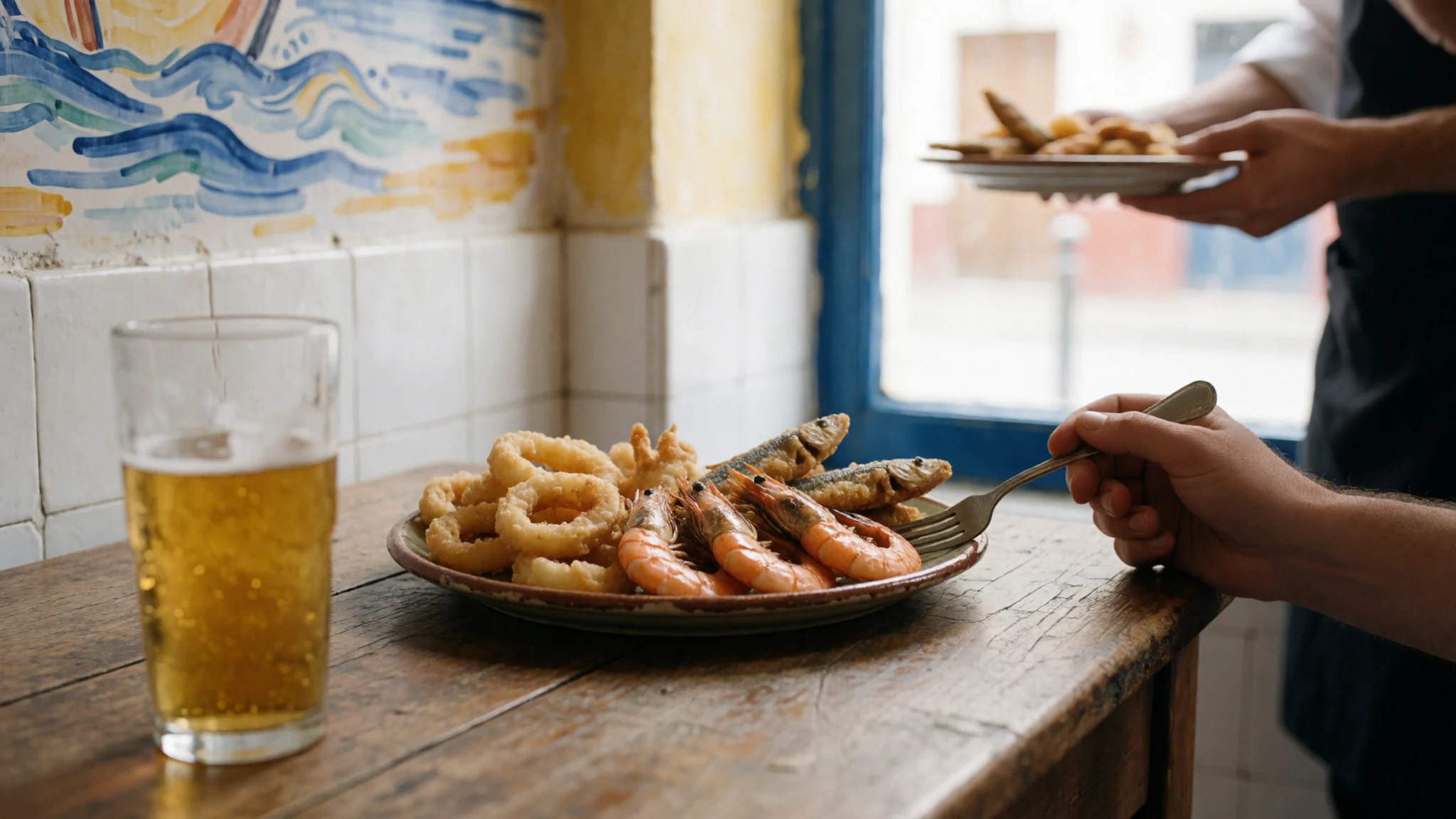
- Arròs a banda — Seafood restaurants by the port in the Grau
Rice cooked in a fish stock and served with the fish and seafood alongside, usually with allioli, a garlic sauce. It reflects the city's seafaring past and tastes best close to the port, where the catch arrives locally.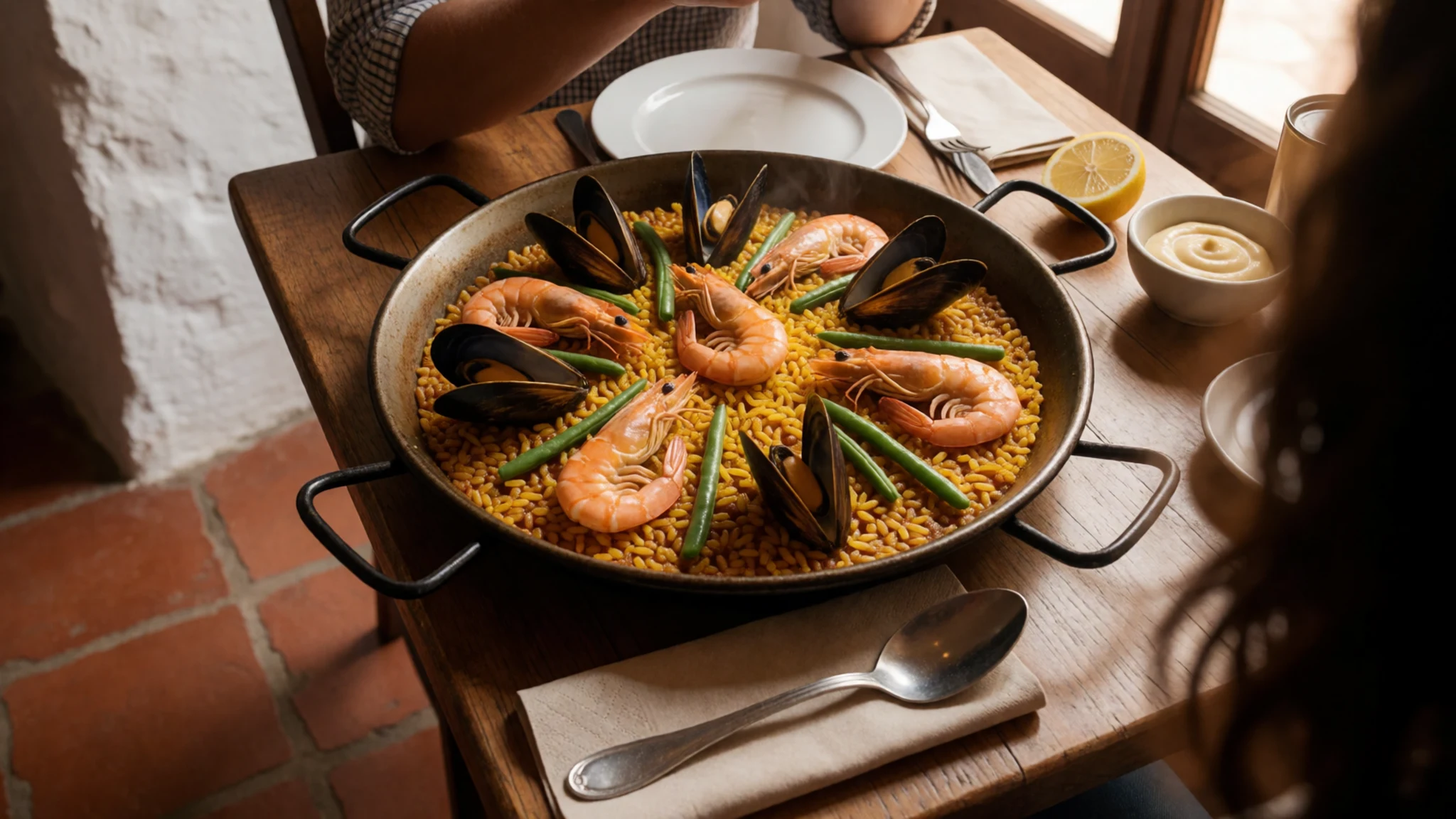
- Fideuà — Seafront restaurants and traditional lunch spots
A cousin of paella made with short noodles in place of rice, cooked in a seafood stock until the edges crisp. It is usually served with allioli and a squeeze of lemon, and shows up on lunch menus along the coast. - Almuerzo and bocadillos — Neighbourhood bars and cafés in the morning
A mid-morning working break of a filled bread roll, often with tortilla, cured meats or cheese, and a coffee or small beer. It is a real local habit and a cheap, filling way to eat as residents do. - Tapas and local seafood — Tapas bars in the old centre and the Grau
Small plates of grilled prawns, squid, clams, olives and cured fish make a relaxed evening meal. Ordering several to share is the norm, and drinks come with them. The Grau has the freshest fish, while the centre has lively tapas bars. - Oranges and citrus — Central market and greengrocers
Castellón sits on the Orange Blossom Coast, and citrus fruit is part of the local landscape and kitchen. Fresh-squeezed juice is easy to find at cafés and markets, and the fruit is sold in season by local greengrocers and stalls.
Plan it
Best time. April to June and October are the most comfortable months, with warm sun and fewer crowds. July and August are hot, dry and muggy, though good for the beach. Autumn is the wettest season, so carry an umbrella in October, and winters are mild.
How long. 2
Getting there. The nearest major airport is Valencia, about 60 km south of the city, and from there you can continue by train or road. Castellón also has its own rail and bus stations, and the A-7 motorway links the city to Valencia and Tarragona. Barcelona is a long day's drive or a rail journey away, so check current timetables on the official operators' sites. From the station, the old centre is a short walk or local bus, and buses also run out to the Grau.
Budget. mid
Tips
- Book accommodation well ahead if you plan to come for the Magdalena festival in spring
- Plan big meals for the Spanish lunch hour and expect dinner late
- Go sightseeing in the morning and keep the hot afternoon for the beach or a siesta
- Carry a water bottle and sunscreen in summer, and an umbrella in autumn
- Check the official city site, castello.es, for opening times of museums and churches
Etiquette
- Greet people in cafés and shops with a short hello or buenos días
- Keep your voice low and shoulders covered inside churches
- Do not walk through the city in swimwear away from the beach
Nearby
Sources
- Wikidata Q15092 (CC0)
- Wikipedia: Castellón de la Plana (rev 1380187784) (CC BY-SA 4.0)
- Wikivoyage: Castellón (rev 5397097) (CC BY-SA 4.0)
- Photo 01, Martin Cox (CC BY 2.5)
- Photo 02, MikeSalu2 (CC0)
- Photo 03, Tonkaya (CC BY-SA 3.0 es)
- Photo 04, MikeSalu2 (CC0 1.0)
- Photo 05, Fernando Pascullo (CC BY-SA 4.0)
- Photo 06, Poetisasum (CC BY 3.0)
- Photo 07, Castellónenred (CC BY-SA 4.0)
- Photo 08, JavierMunozF (CC BY-SA 4.0)


