Carnarvon Gorge
Carnarvon Gorge, Australia
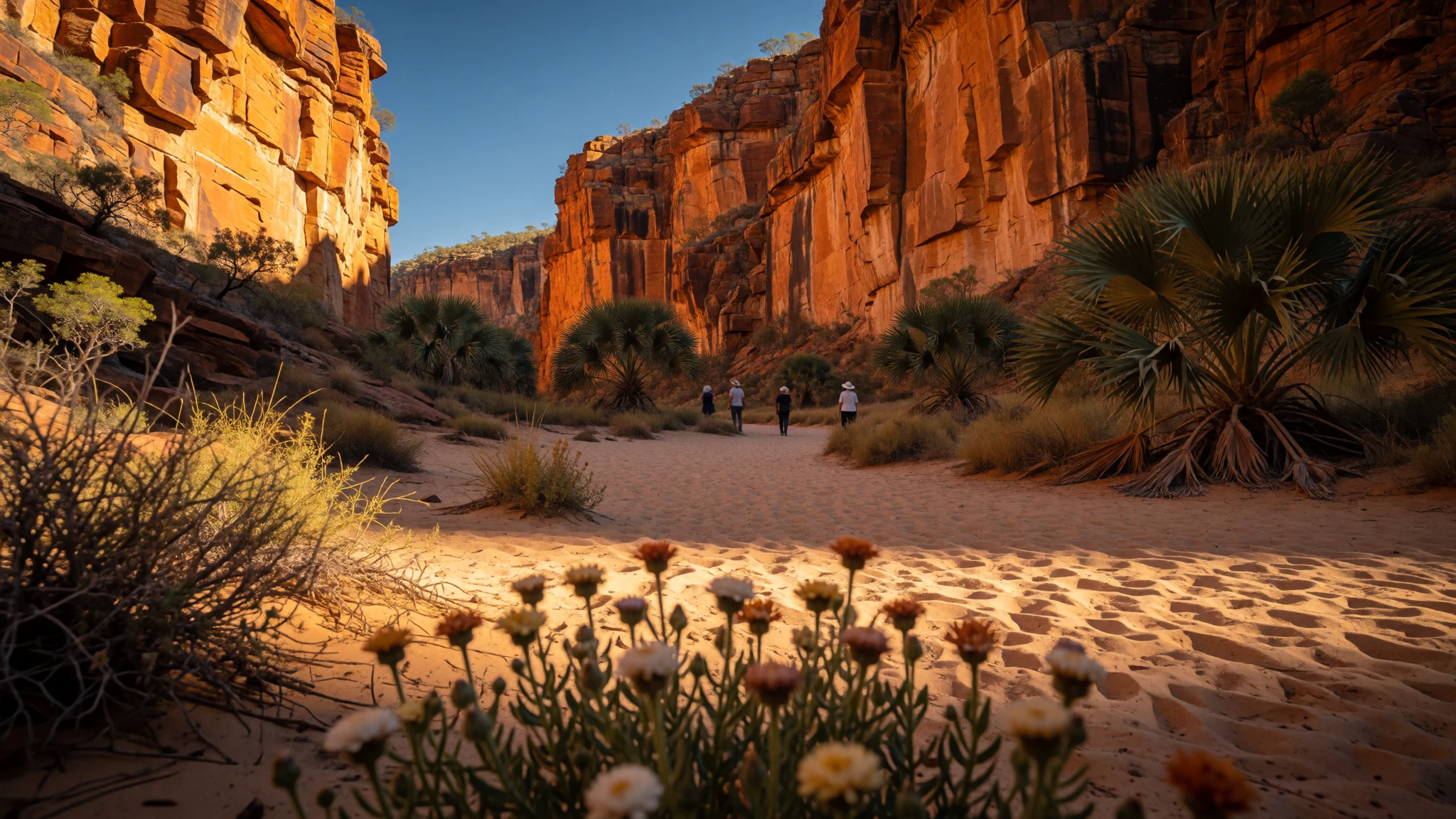
Carnarvon Gorge is a cool, green sandstone canyon in dry Queensland cattle country, best explored on foot, with ancient rock art along the way.
The place
Carnarvon Gorge is a sandstone gorge in Carnarvon National Park, in central Queensland, cut by Carnarvon Creek through dry, open eucalypt country. The surprise is the contrast. On the approach roads the land is cattle and scrub, but inside the gorge the walls close in, the creek runs clear over stones, and the air turns cool and damp. Fan palms and ferns crowd the shade, while eucalypts line the sunnier banks. Side canyons branch off the main trail, each with its own small climate: one is mossy and dripping, another a slot barely wider than outstretched arms. The main path follows the creek and crosses it many times on stepping stones, so a day here is as much about rock-hopping and damp boots as about views. Wildlife appears quietly. Platypus are sometimes seen in still pools at dawn and dusk, apostlebirds hop around the picnic area, wallabies graze at the edges, and bats and gliders come out at night. The place is remote. Services are few, mobile coverage is patchy, and the nearest towns are a long drive away. Most visitors camp or stay in a lodge near the park entrance, and walking is the whole point. Crowds are thin compared with coastal Queensland, though school holidays fill the campground. Summer is hot, and storms can flood the creek and close the track.
Its story
Carnarvon Gorge has been a lived-in landscape for far longer than it has had a name on maps. The sandstone walls began as sediment laid down in a very distant geological age, were later lifted, and have been carved slowly by the creek, which still does the work in every flood. For First Nations people, including Bidjara and neighbouring groups, the gorge offered shelter, reliable water and plant foods, and its overhangs became canvases. Hand stencils, engravings, grinding grooves and painted designs survive on the rock. Many were made by blowing pigment from the mouth over a hand or an object held against the wall. These marks record belonging, ceremony and story, and they remain meaningful to descendants today. In colonial times pastoralists pushed into the surrounding country, bringing cattle and conflict, and the gorge's dependable water made it valuable to everyone. Over time the sandstone country was recognised as unusual, and the area was set aside as a national park, with the gorge as its best-known section. Today the park is managed with traditional owners involved, and the official park pages explain current arrangements. Part of the gorge's story is what has survived: moisture-loving palms and ferns often described as relics of wetter times, and rock art that has outlasted generations of change. Flood and fire remain the main forces shaping it.
What to see
- Moss Garden — Side canyon off the main gorge track
The Moss Garden is a side canyon where water seeps from the sandstone, feeding thick moss, ferns and a thin curtain of falling drops. It feels several degrees cooler than the main trail and is a fine place to rest in summer. The final approach is by steps and a short boardwalk, so take care on wet stone.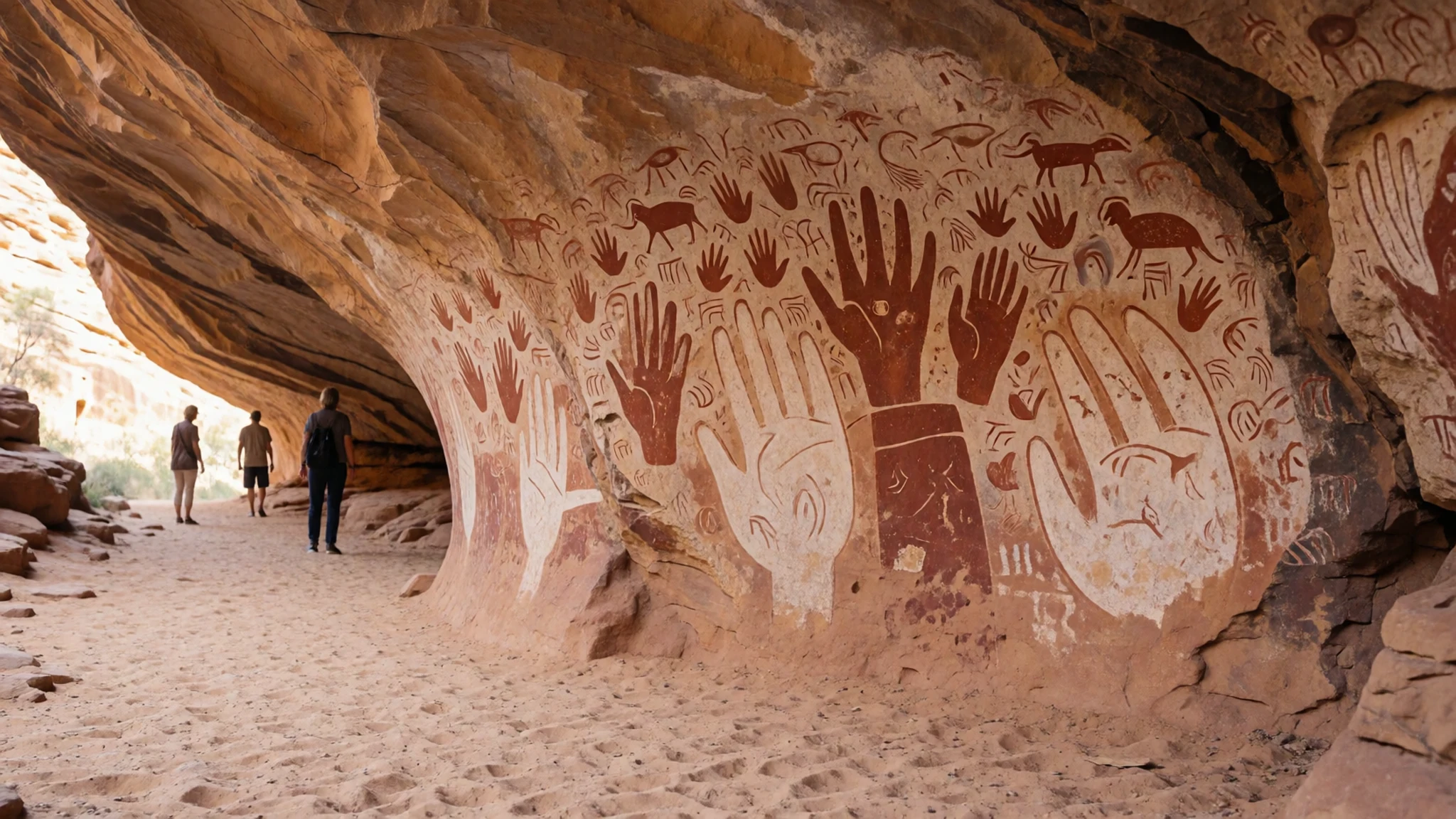
- Art Gallery — Main gorge track, upstream of the visitor area
The Art Gallery is a long sandstone wall covered in stencils and engravings, among them hands, boomerangs, shields and tools. Visitors walk along a boardwalk, with the wall set back behind it. Allow time to look slowly, since the faded layers reveal themselves only gradually. It is a cultural site first and a photo stop second.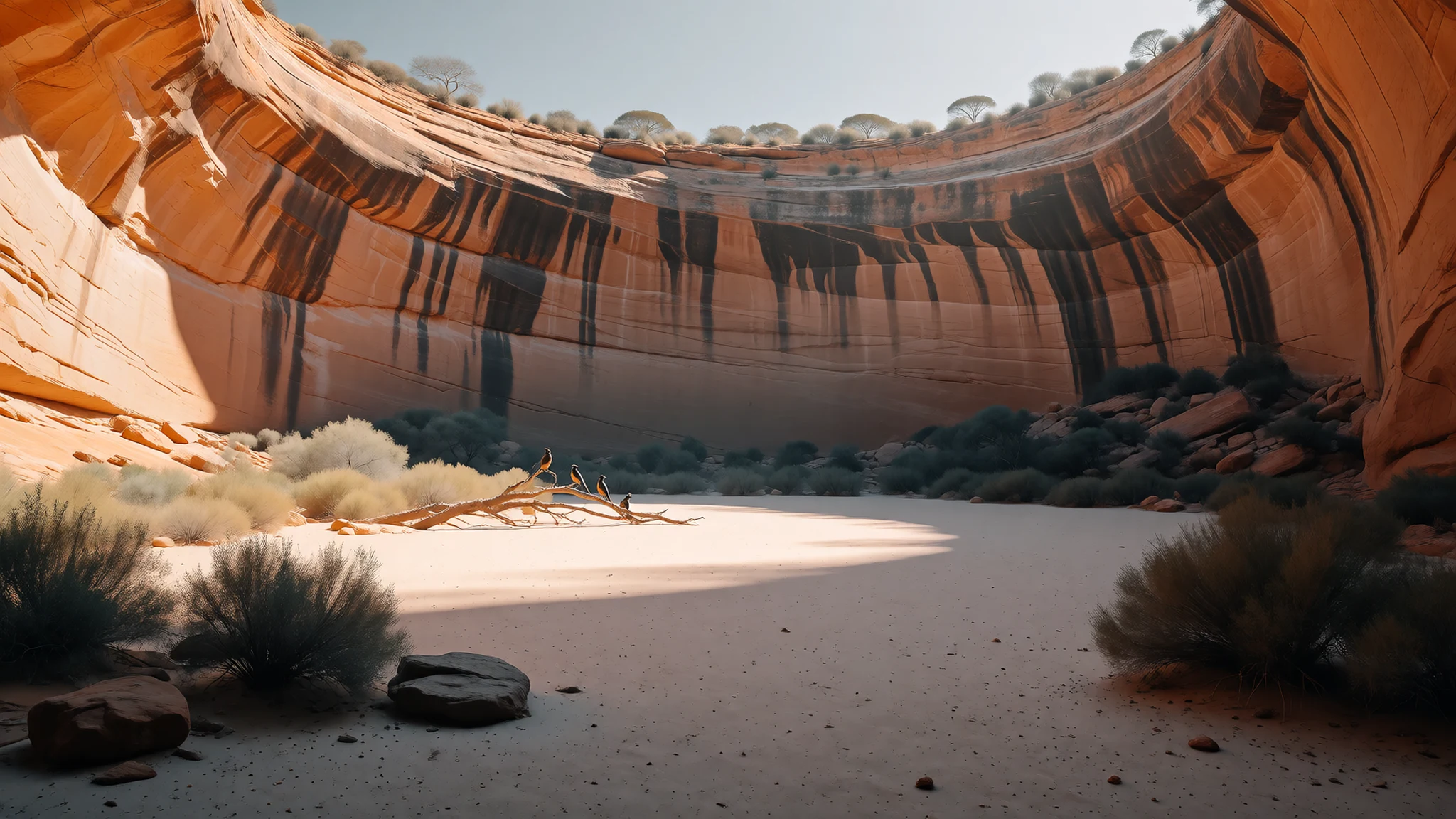
- Boolimba Bluff — Trailhead near the visitor area at the gorge entrance
Boolimba Bluff is the lookout walk for anyone wanting to see the gorge from above. The path climbs steadily to a sandstone edge, with the creek valley, cliffs and open woodland laid out below. Start early, because the climb is exposed and hot later in the day, and bring plenty of water.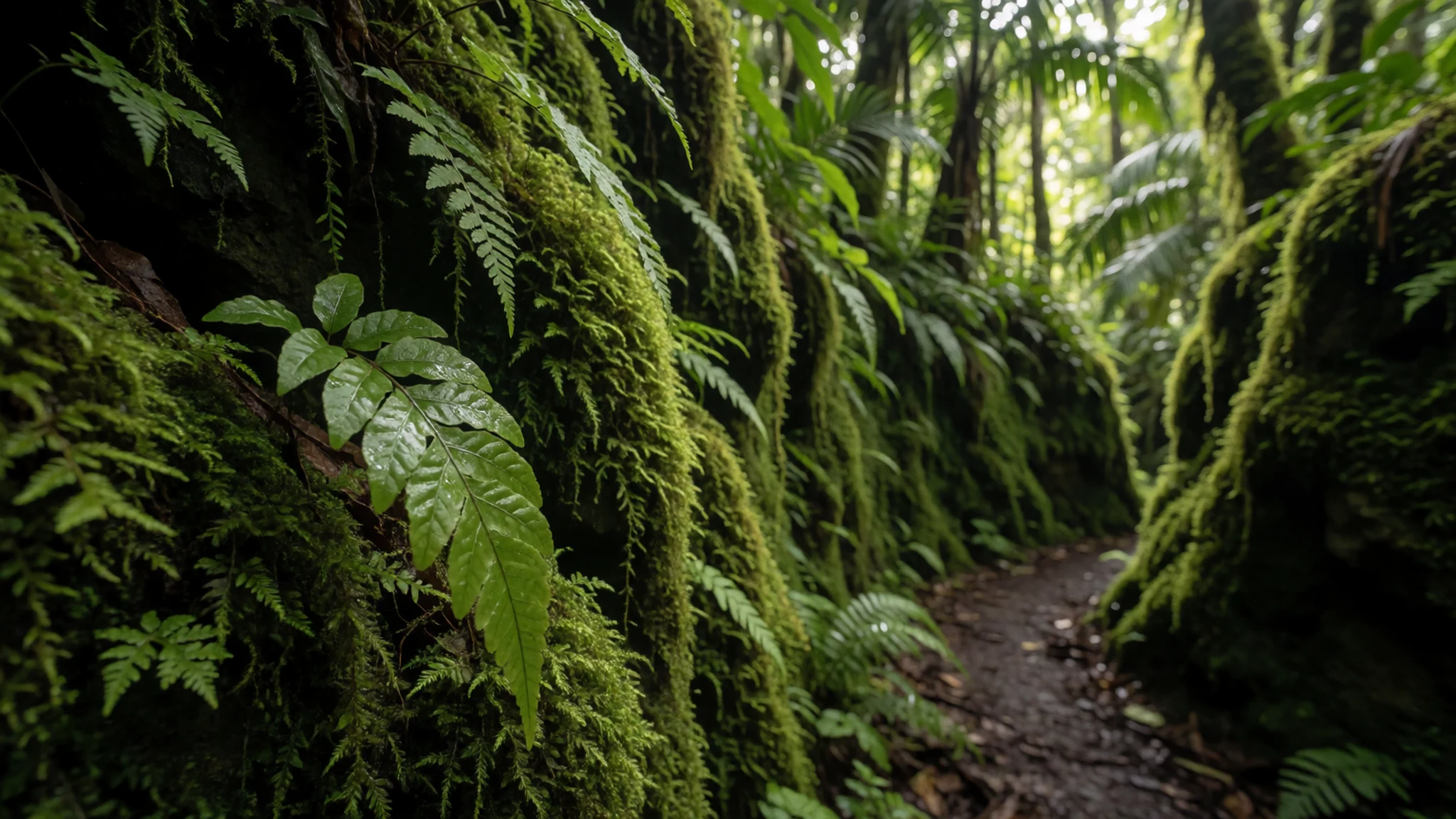
- The Amphitheatre — Side track off the main gorge walk
The Amphitheatre is a rock chamber reached by a ladder and a narrow slot in the cliff. Inside, the walls rise in a smooth circle, the light is soft, and the air carries an echo. Fan palms are visible from the approach, and the climb in is short but needs care with bags.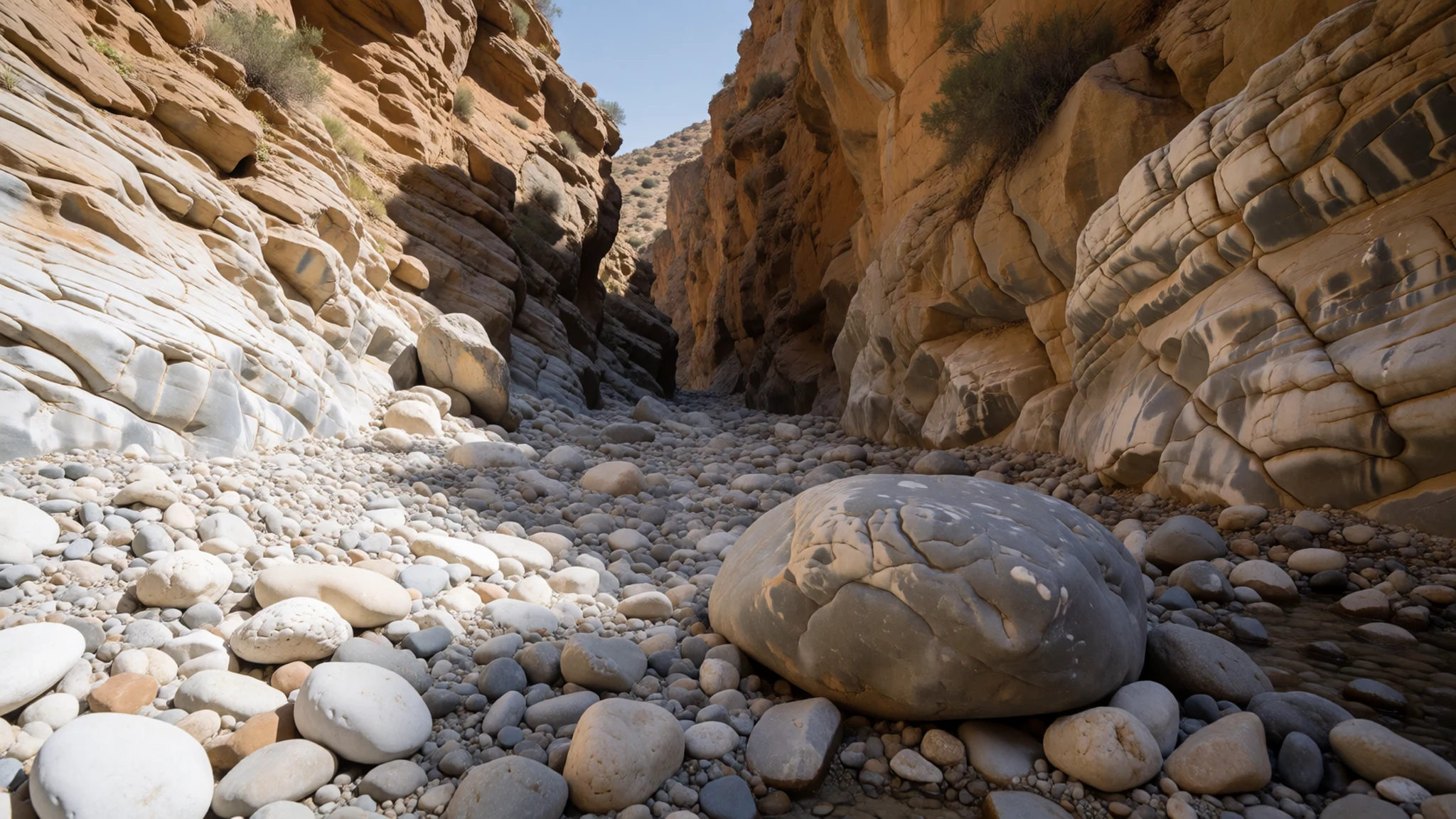
- Boowinda Gorge — Side branch of the gorge system
Boowinda Gorge is a narrow, winding side gorge with a flat floor of water-worn stones. The walls press close, and the route can be wet after rain. It is quieter than the main track and suits walkers who enjoy scrambling over rounded cobbles in dim, cool light.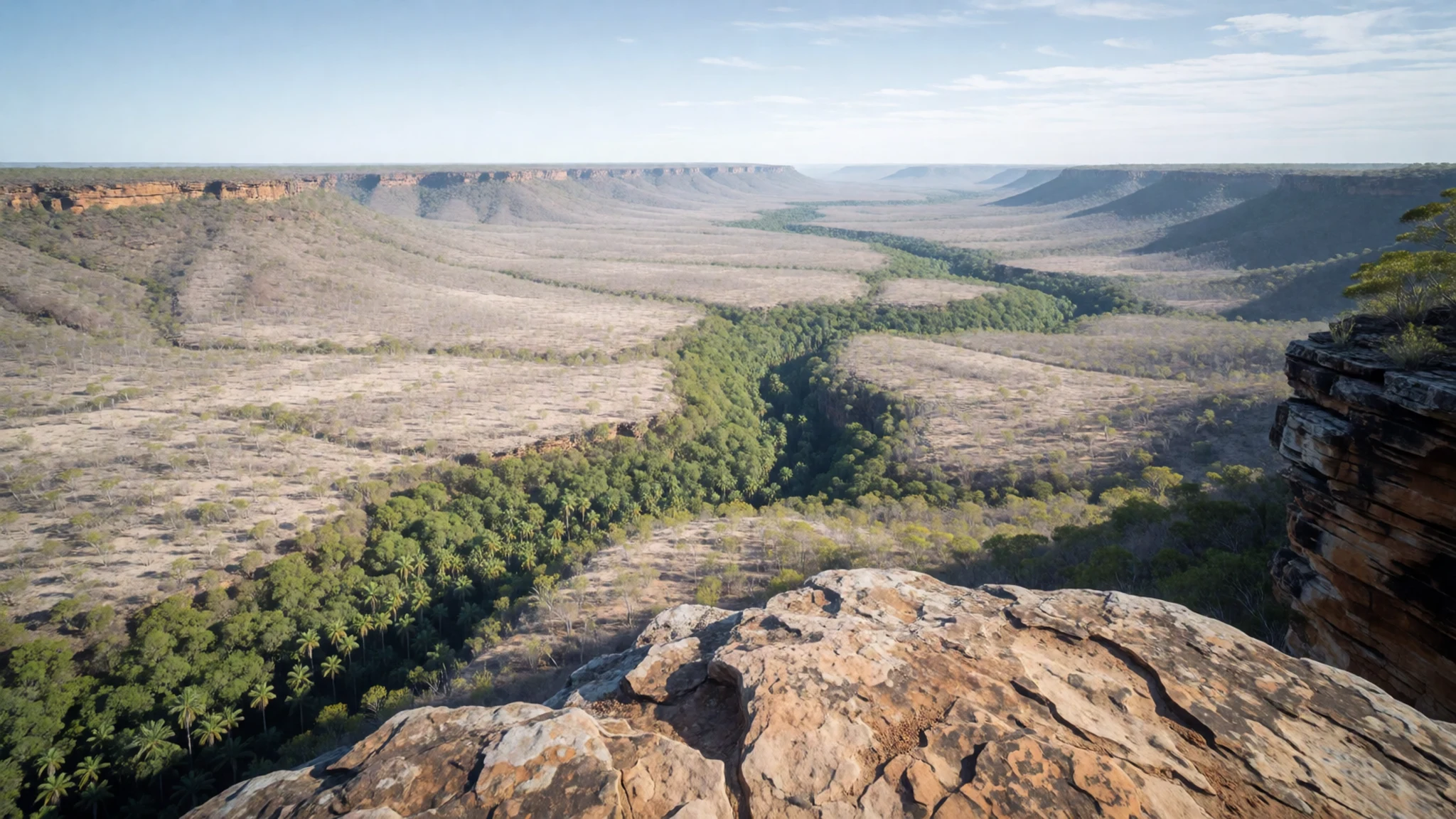
- Ward's Canyon — Side canyon along the main gorge track
Ward's Canyon is a shaded side valley thick with ferns and tall palms, and it feels almost like a different climate from the dry country outside. The track follows the stream and ends in a green, hushed pocket. Visit in the cooler part of the day for the best atmosphere.
Culture
Carnarvon Gorge sits on the traditional country of First Nations people, and its culture is inseparable from the rock itself. The stencils and engravings on the sandstone are not decoration but records of identity, family and story, and many are still significant to descendants today. Pigment was blown over hands and objects to leave outlines on the wall, and other marks were cut into the stone. The gorge also sits within a working cattle region, so the surrounding culture is a mix of Indigenous heritage and outback pastoral life: dusty utes, early starts, and a habit of friendly nods on the road. Park staff and rangers play a central role in explaining the place, and joint management arrangements with traditional owners are described on the official park pages. Camping and walking here follow an old-fashioned outdoors rhythm. People rise with the light, walk while it is cool, and gather at campfire areas in the evening, where stories about wildlife and weather are traded freely. Local guides, where available, add context that signs cannot. Respect for country is the thread that ties everything together. Stay on the marked boardwalks at the Art Gallery, never touch or lean on the rock art, and do not use flash or add any marks of your own.
What to wear
Carnarvon Gorge lies on the country of Aboriginal nations whose traditional dress was shaped by a warm climate and a land-based life. Clothing was often minimal, with items such as woven fibre and string belts, headbands, feather and shell ornaments, and cloaks of animal skin in cooler weather. Ochre and other pigments were used on the body for ceremony, and designs and adornments differed between groups and occasions. Today such dress is worn mainly for ceremony, dance, cultural events and celebrations, where makers keep weaving and ornament-making practices alive, and the local visitor information can point to cultural programmes. Everyday clothing around the gorge is practical outback wear: long-sleeved work shirts in cotton, broad-brimmed hats, sturdy jeans or shorts, and well-worn boots. Staff and locals favour light colours and breathable fabrics. A visitor should dress for sun, heat and rough ground. Wear a wide-brimmed hat, long sleeves of lightweight fabric, and sunscreen, with trousers or long shorts to guard against scratchy scrub. Good walking shoes with grip are essential, since the creek crossings are on wet stones, and a spare pair of socks is wise. Mornings and nights in the cooler months can be chilly, so pack a fleece or light jacket. No special dress code applies at the rock art sites, but modest, tidy clothing and a respectful manner suit places of cultural importance. In summer, bring a quick-dry shirt and rain layer for sudden storms.
What to eat
- Camp-oven damper — Campground fires and lodge evening meals
Damper is a simple bush bread of flour, water and salt, baked in the coals or in a camp oven. At campgrounds it is often eaten warm with butter or golden syrup. It is filling, plain and perfectly suited to a day of walking.
- Billy tea — Campfire areas and guided outings
Billy tea is tea boiled in a metal can over an open fire, often with a gum leaf dropped in for a smoky edge. It is an old outback ritual and tastes best in the cool early morning before the first walk.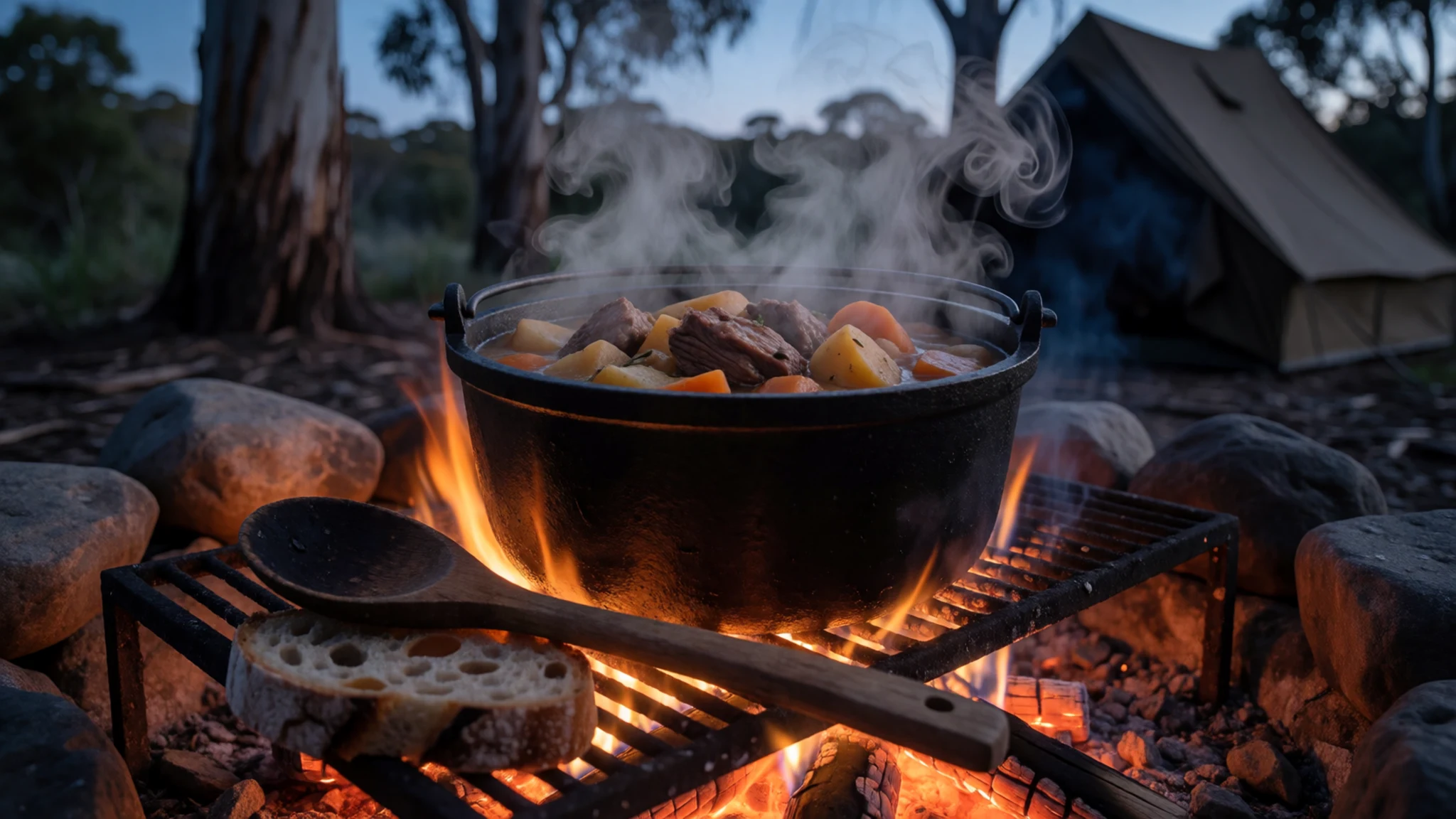
- Queensland beef steak — Country pubs and eateries in nearby towns
The surrounding country is cattle land, so grilled beef is a natural staple. Expect a thick steak with chips and salad, often cooked on a barbecue. Quality varies by kitchen, but a hearty meal after a day on the track is rarely disappointing. - Barbecue sausages and chops — Campground barbecue areas
Outdoor barbecues are a way of life in rural Queensland, with sausages, chops and corn cooked on shared gas or wood grills. It is casual, social food, and many campers cook their own supplies at the campground. - Meat pie — Bakeries and roadhouses on the way in
A hand-held pie of minced beef in gravy under flaky pastry is the classic road-trip snack across Australia. Small-town bakeries often sell them hot, and they travel well for the long drive to the gorge.
Plan it
Best time. April–May and August–September, when days are mild and dry and walking is comfortable. Summer is hot and wet, with storms that can flood the creek and close tracks, while mid-winter nights can be cold.
How long. 2–3
Getting there. Fly to a regional airport such as Emerald or Roma, then hire a car for the long final drive to the park entrance. Public transport does not serve the gorge, so check road and creek conditions on the official Queensland national parks site before setting out.
Budget. mid
Tips
- Book campsites or lodge stays well ahead for school holidays and cooler months, using the official park booking site
- Start walks early, since the main track is exposed in places and warms up fast
- Carry all the water, food and fuel you need, as services are few and mobile coverage is patchy
- Check the official park site for track closures, creek levels and weather warnings before each day
- Wear shoes that can get wet, because the main trail crosses the creek many times
Etiquette
- Keep to boardwalks and marked paths, and never touch the rock art
- Take all rubbish out with you and leave plants and wildlife undisturbed
- Share the track and keep voices low in the narrow side canyons
Nearby
Sources
- Wikidata (Carnarvon Gorge) (CC0)
- Wikipedia (Carnarvon Gorge, Carnarvon National Park) (CC BY-SA 4.0)
- Wikivoyage (Carnarvon Gorge) (CC BY-SA 4.0)
- Wikimedia Commons staged photographs (CC BY / CC BY-SA / public domain, per file)