Çanakkale
Çanakkale, Turkey
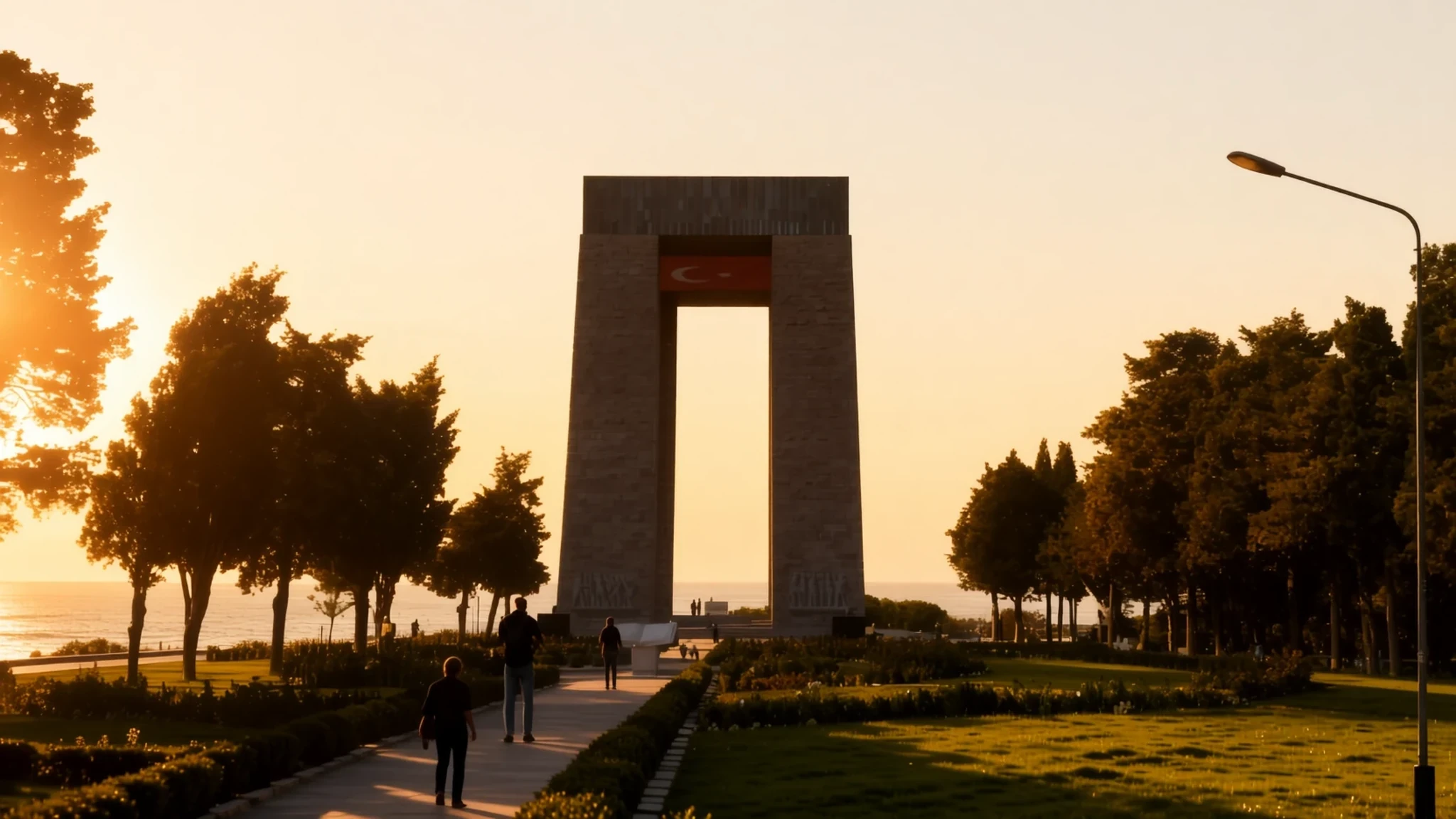
Çanakkale is a relaxed strait-side port that works as the base for Troy and the Gallipoli battlefields, with a good waterfront for evenings.
The place
Çanakkale sits on the southern shore of the Dardanelles, the narrow strait that links the Aegean side of Turkey to the Sea of Marmara. It is a city of about 134,000 people at an elevation of only 6 metres, so the town is flat, easy to walk and always close to the water. Ferries shuttle across to the European shore, and the harbour is the town's centre of gravity: the pier, the waterfront promenade, the clock tower and a long run of cafés and eateries all sit within a short stroll of each other.
The city is the seat of its province and a university town, which gives it a younger, more easygoing feel than many Turkish tourist stops. Visitors mostly arrive for two reasons. Troy lies in the same province, and the First World War battlefields of the Gallipoli peninsula are just across the water. Most people therefore treat Çanakkale as a base for day trips and then discover that the town itself deserves an evening or two.
The wind is the other constant. Gusts blow through the strait for much of the year, strongest in winter, and they shape everything from ferry schedules to how pleasant a waterfront bench feels. In summer the weather is hot and dry, in winter cool and damp. The airport is close to the centre, and long-distance buses link the city with Istanbul, Bursa and İzmir. Crowds swell noticeably around 18 March and 25 April, when commemorations of the war draw large numbers of visitors and rooms fill early.
Its story
The story of Çanakkale is really the story of the strait. At its narrowest the Dardanelles is only about 1.5 km across, which made this spot valuable twice over: as a crossing point and as a place from which to control shipping. People have lived in the surrounding region for thousands of years, and the area has been settled since around 3000 BC. Troy, the best-known site in the district, is thought to date from between 3500 and 3000 BC.
Aeolian Greeks founded trading colonies here in the 8th century BC. Control then passed in turn to the Lydians, the Persians, Alexander the Great's Macedonian army after his victory at the Granicus River in 334 BC, and later the Kingdom of Pergamon. The western Biga Peninsula, home to Troy, was known as the Troad, and Alexandria Troas served as an important free port in Roman times. Later centuries brought raids by Goths and, in the 7th and 8th centuries, Arab forces heading for Constantinople who passed through the strait several times.
By the 14th century the Karasids under Demirhan Bey held the Anatolian side. The Ottoman period then gave the city its fortress, Çimenlik Castle, built in 1452 to command the straits and kept in use until 1915, when Allied ships bombarded it. That year opened the Gallipoli campaign, which ties the modern city to the memory of the First World War. Scholars still argue over whether the ten-year war in the Iliad has any historical basis, but the strategic logic of the place needs no myth.
What to see
- Trojan Horse (Truva Atı) — Waterfront
A large steel and fibreglass horse stands on the waterfront. It was a prop from the 2004 film Troy and ended up here after Malta, where the film's sea scenes were shot, declined to keep it. It is more cheerful than ancient, but children climb inside and it makes a fine sunset photograph.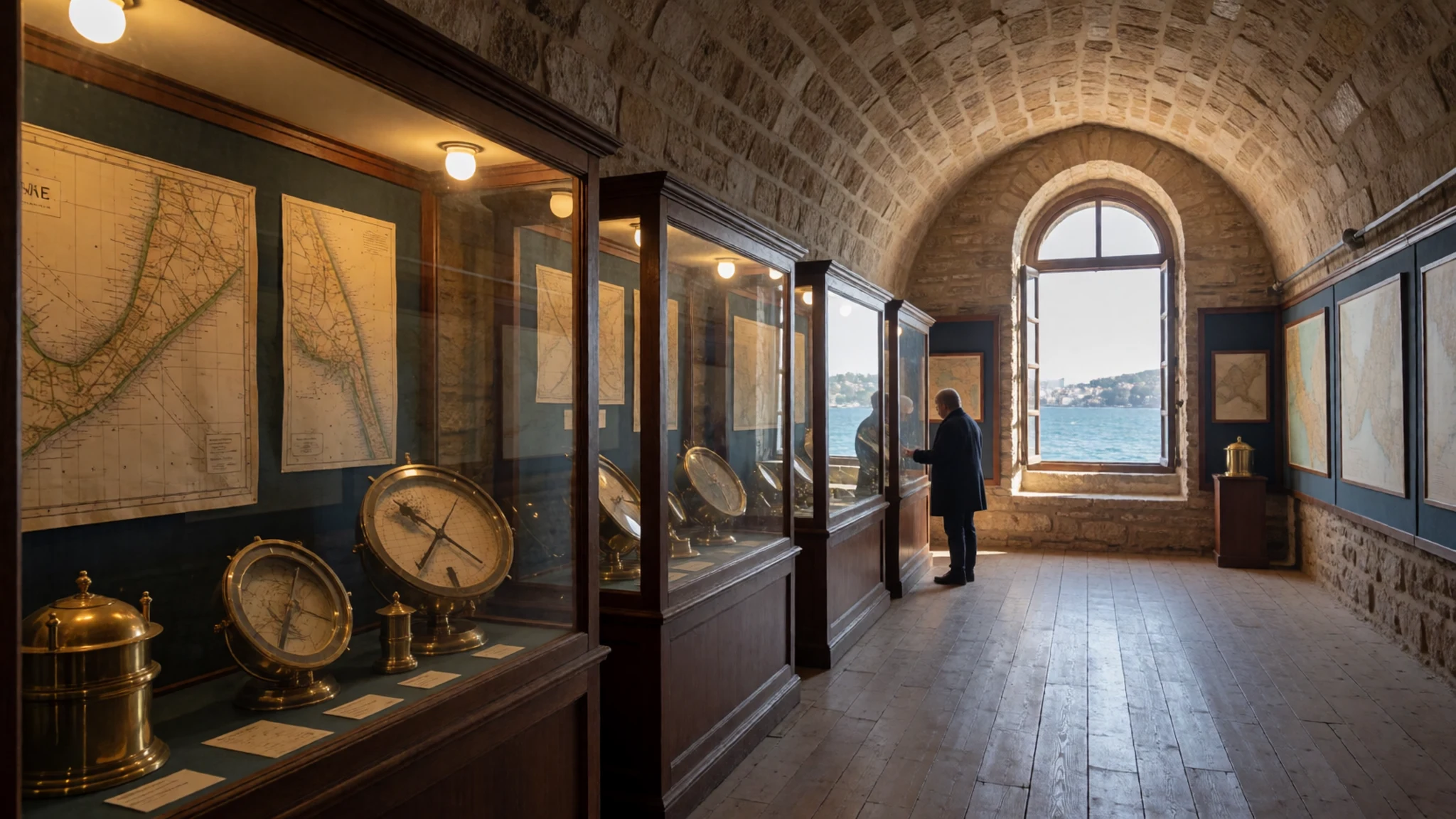
- Naval Museum and Çimenlik Castle — Western waterfront
The museum is built around Çimenlik Castle, put up in 1452 to guard the strait and used until 1915, when Allied ships bombarded it. The grounds and the harbour setting make it a good first stop for understanding why this narrow stretch of water mattered so much.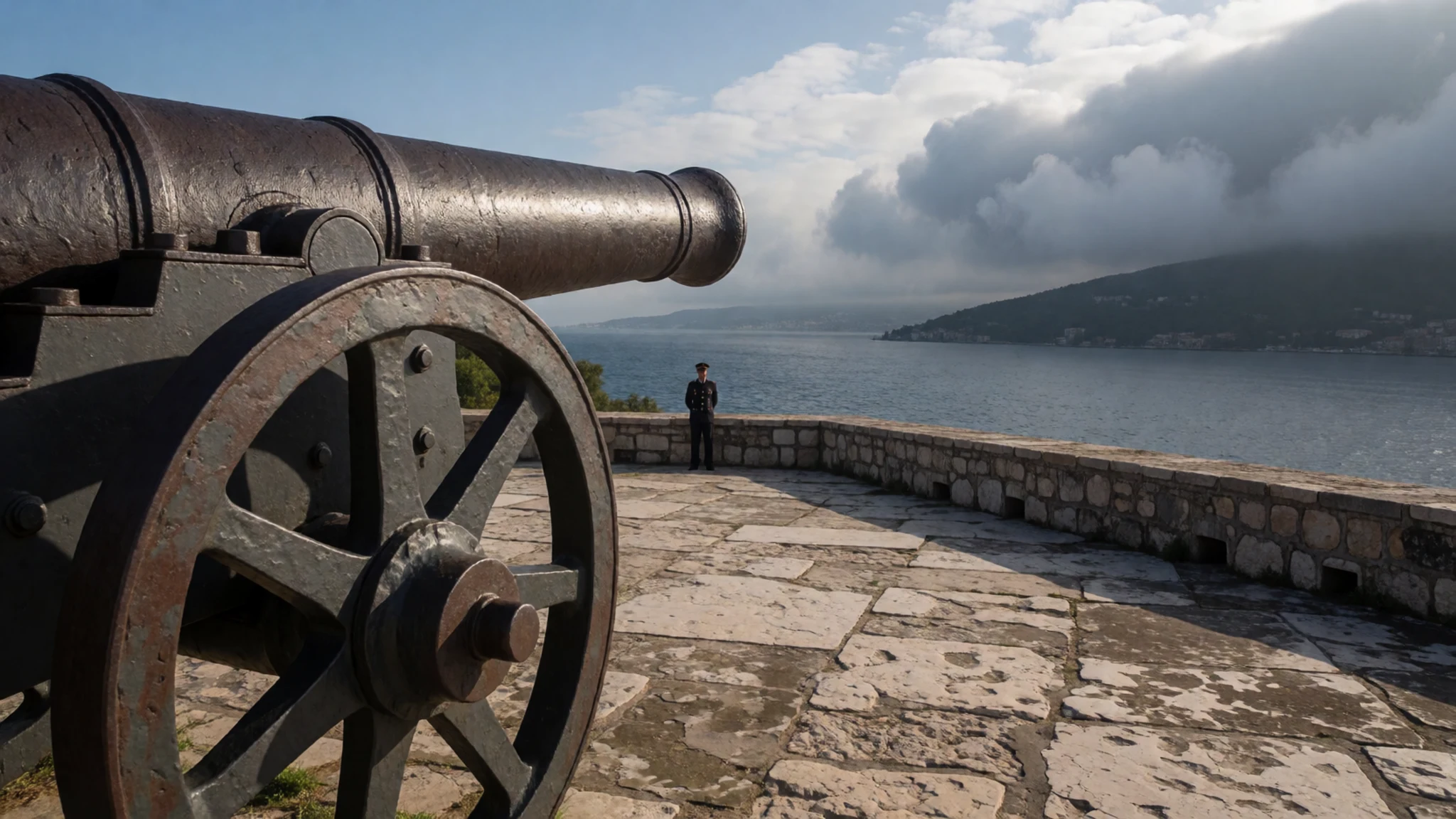
- War History Museum — Shoreline south of the centre
Set within the old shore fortifications, this museum covers the First World War battles fought along the Dardanelles. It works well before or after a Gallipoli day trip, putting the cemeteries and ridges into sequence. Check the municipality's website for opening arrangements before you go.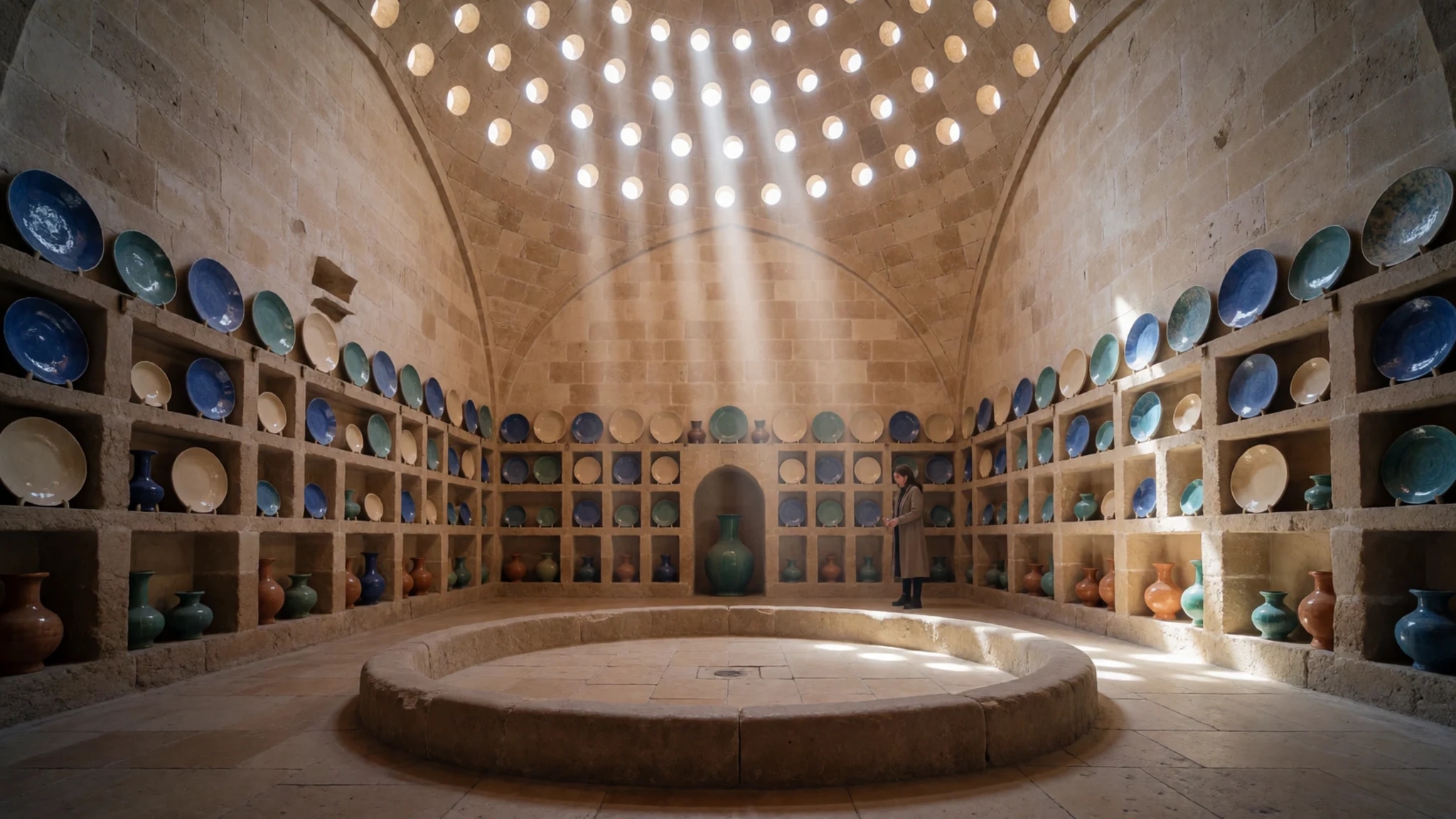
- Ceramics Museum — Near the centre
Housed in an old hammam, this small museum shows ceramics for which the area is known. Many of the modern pieces are for sale, so it doubles as a sensible place to find a lightweight souvenir. The building itself, with its domed bathing rooms, is part of the appeal.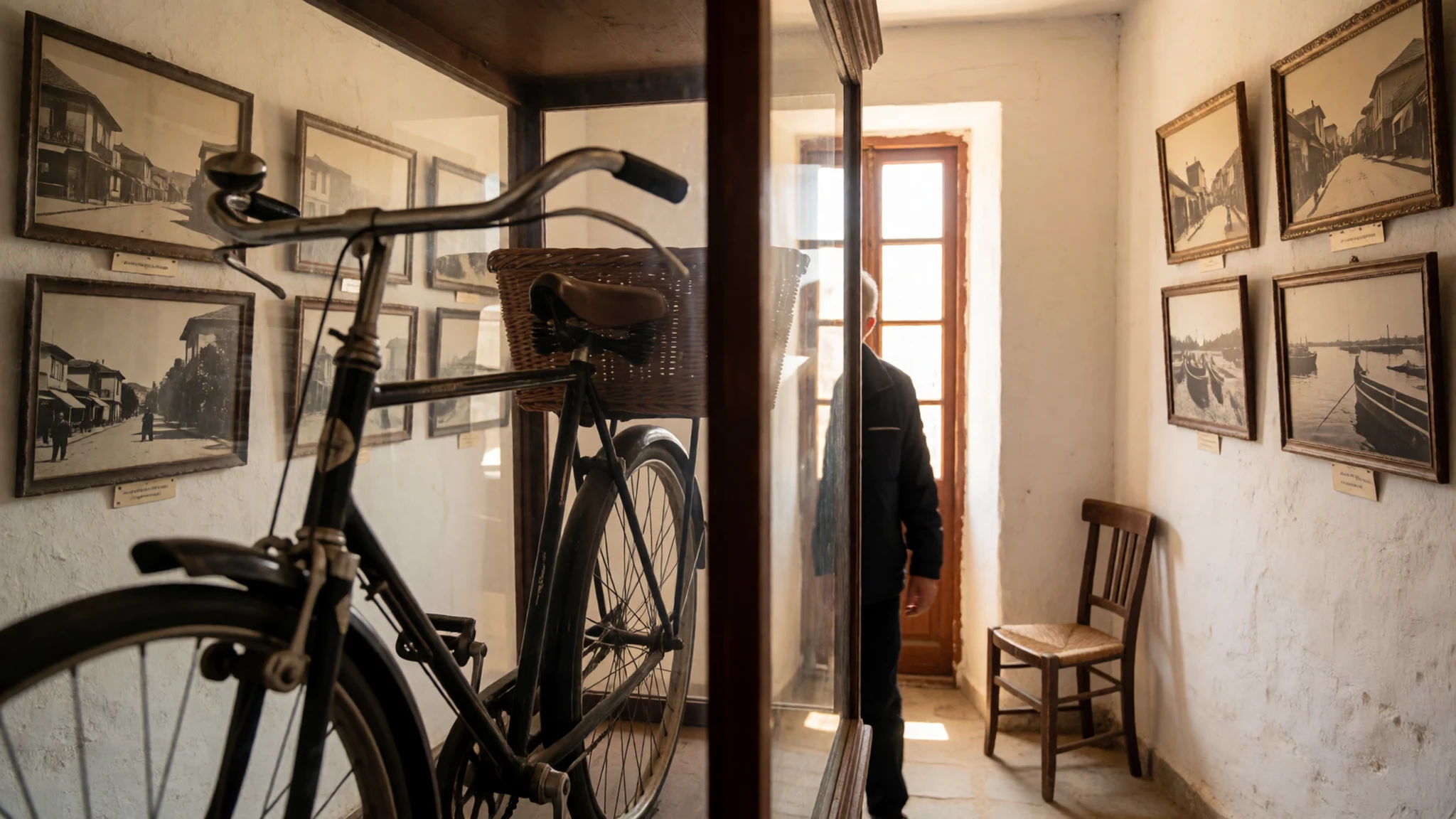
- Clock tower and waterfront — Harbour front
The clock tower marks the heart of the evening scene. Cafés, bars and eateries spread west from the harbour, and many have live music at weekends. An unhurried walk along the promenade at dusk, with ferries crossing the strait, is among the best free things to do here.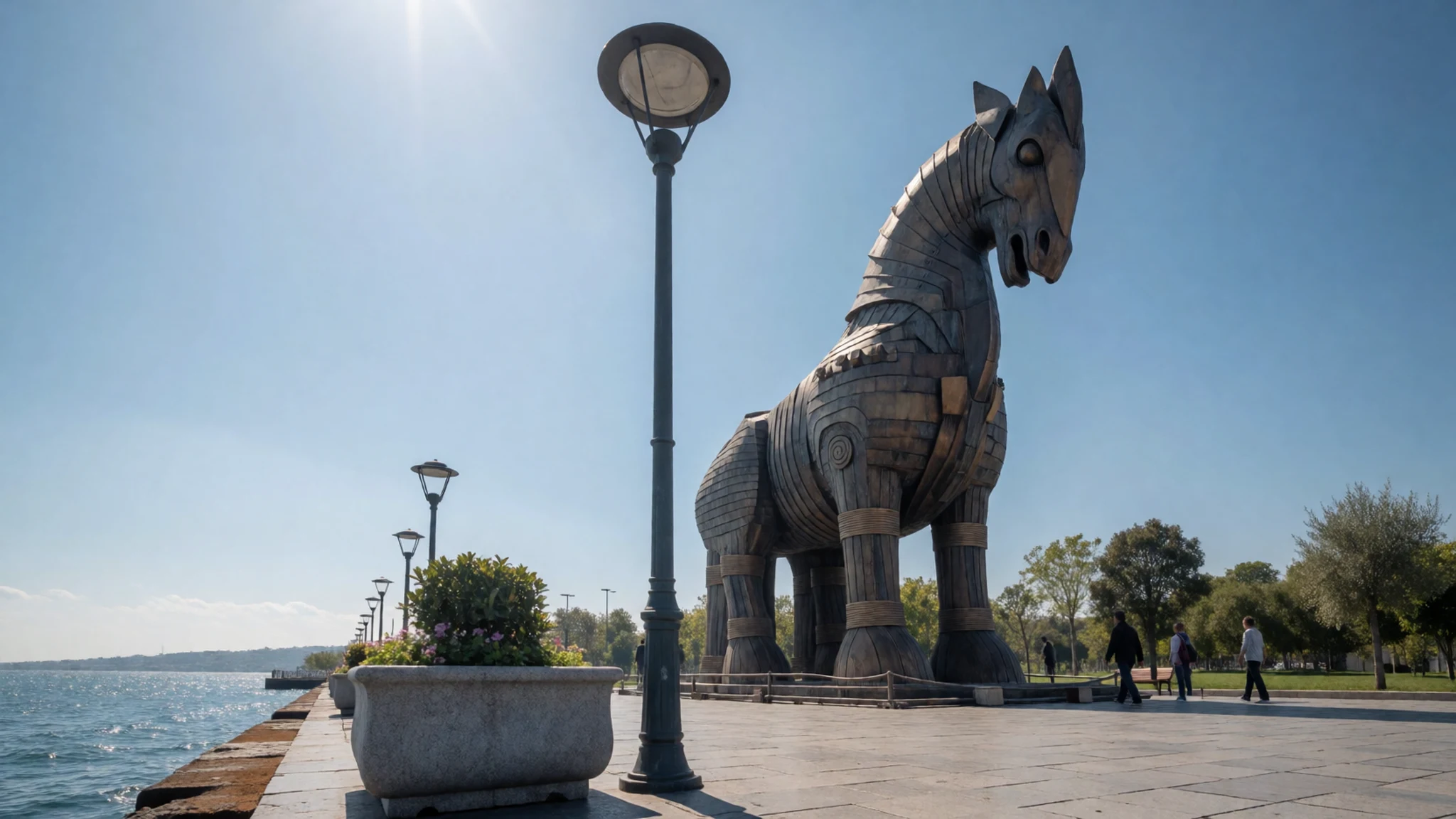
Culture
Çanakkale's culture is shaped by two layers of memory. One is ancient: the Trojan story, which the city wears lightly, with horses, museum displays and souvenir stalls. The other is modern and far more solemn: the 1915 Gallipoli campaign, which Turks remember as a defining national moment and which brings Australians, New Zealanders and British visitors to the region every year.
The days around 18 March and 25 April are the two peaks. Turkish commemorations of the naval victory fall on the first, and Anzac Day on the second. The town fills with visitors, ceremonies and extra security, and it is worth knowing that these are occasions of real feeling for many people rather than simply tourist events.
Day to day, Çanakkale is a student-friendly port town. People gather at tea gardens and coffee houses, often in old courtyards, and the pace is sociable and unhurried. Many residents are happy to chat with visitors, especially if you try a few words of Turkish. The strait is part of local life: families walk the promenade in the evening, fishermen work the pier, and everyone keeps an eye on the weather and the wind.
At the war cemeteries and memorials, speak quietly, dress modestly and do not climb on monuments or walk over graves.
What to wear
Traditional dress in the wider Aegean and Marmara region includes embroidered waistcoats, wide-cut trousers known as şalvar, and headscarves with edging in local needlework, mostly in cotton and wool. Today these appear chiefly at festivals, folk-dance performances and weddings, rather than on the street.
Everyday clothing in Çanakkale is casual and practical. Students and younger residents wear jeans, trainers and light jackets, and many people dress in layers because the wind off the strait can turn a warm afternoon cool. Some women wear headscarves and others do not, and both are common in the city. Evenings along the waterfront are smart-casual rather than formal.
Visitors should plan for strong sun and strong wind. In summer, light cotton or linen, a hat and sunglasses suit the hot, dry weather, while a windproof layer is useful even then. In winter, bring a warm waterproof jacket for damp, cool days. Comfortable closed shoes are best for Troy and the Gallipoli sites, where paths are uneven and often exposed, with little shade. At mosques and cemeteries, cover shoulders and knees; women usually carry a light scarf for entering a mosque, and everyone removes shoes at the door. Shorts and swimwear are fine at the beach but not for walking around town.
What to eat
- Bomba — Grill eateries near the ferry pier
A local döner served in half a loaf, with an omelette tucked inside. It is filling, a little odd on paper and very good after a day at the ruins. Look for it at the casual grill eateries around the harbour.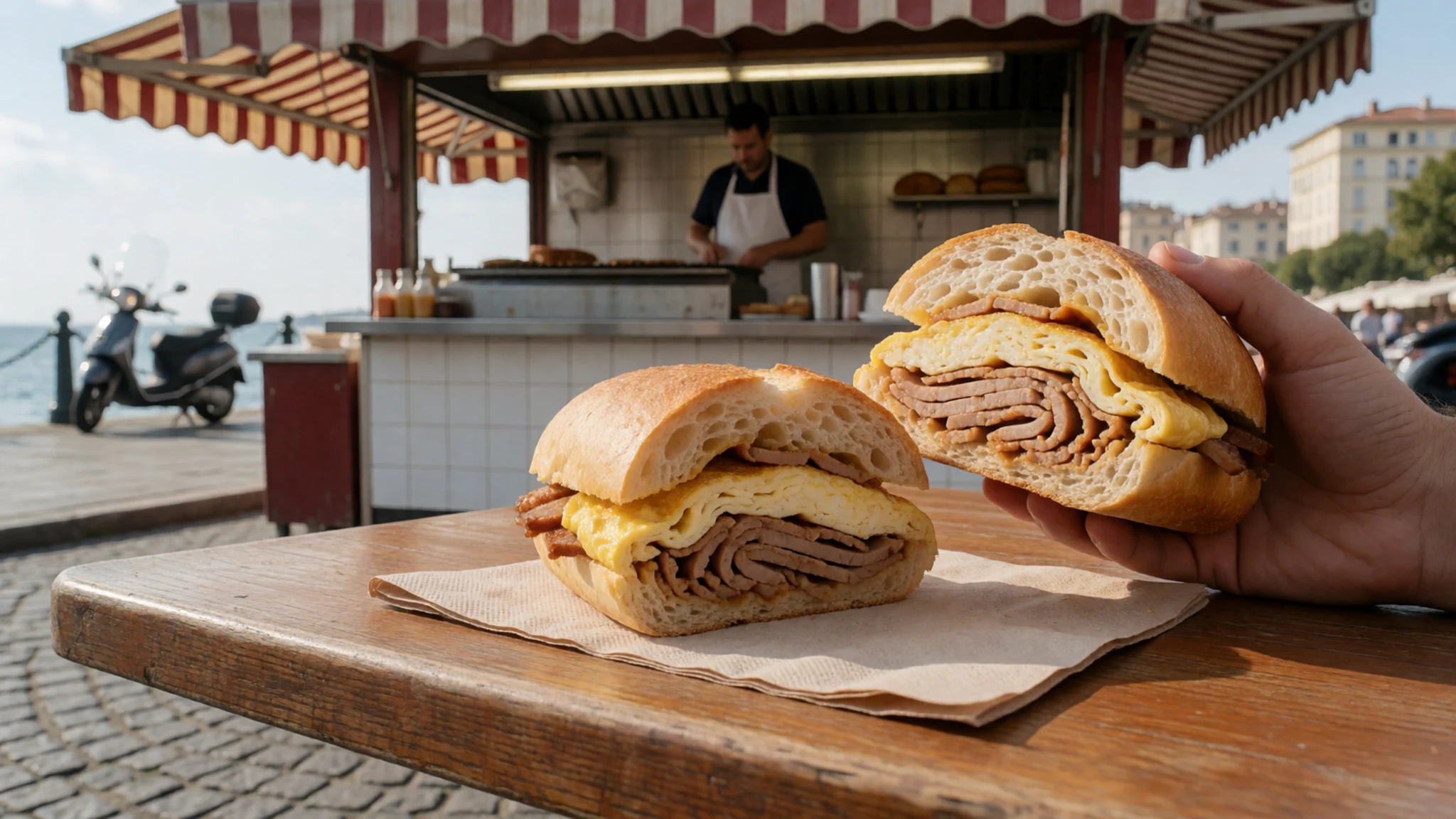
- Peynir helvası — Patisseries on Yalı Caddesi
A regional dessert made from cheese, egg yolk, semolina and sugar. It is soft, warm and sweet, and quite unlike the semolina halwa familiar in India. Try it at a patisserie on the waterfront road heading towards the Naval Museum.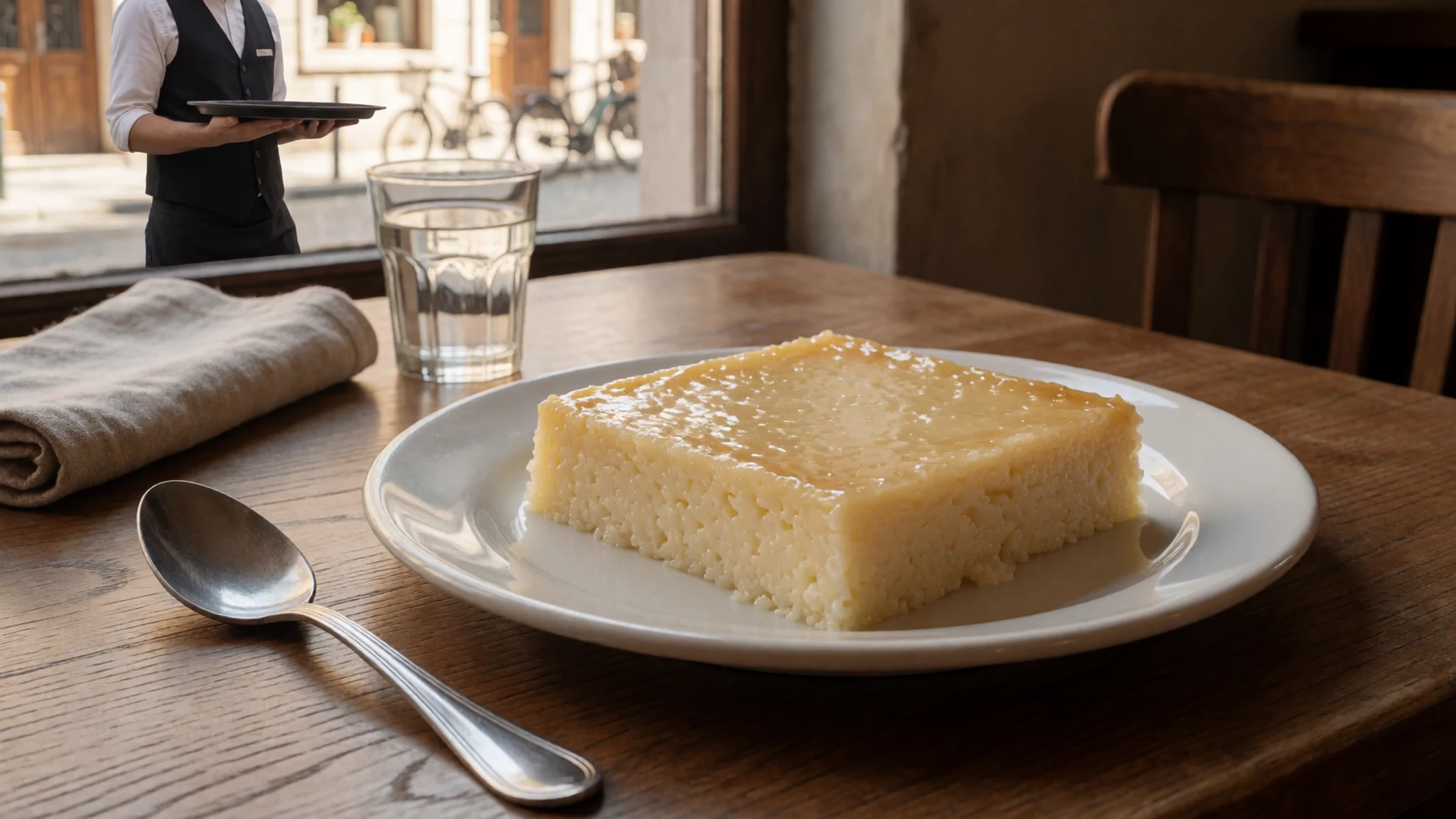
- Fresh fish and meze — Waterfront restaurants
With the strait on the doorstep, grilled fish and plates of cold meze are an easy choice for dinner. Pick a table along the waterfront, ask what came in that day, and share several small dishes rather than ordering one large plate. - Turkish tea and coffee in a courtyard — Old courtyard coffee houses in the centre
Not a dish, but a ritual. Several old inns and historic houses have been turned into coffee houses with shaded courtyards, serving tea, Turkish coffee and sometimes beer. They are good for a long rest between sights. - Simit and morning pastries — Bakeries and street sellers near the harbour
Sesame-crusted bread rings and savoury pastries are the quick breakfast of most Turkish towns. Buy them from a bakery or street seller near the harbour and eat them with tea on a waterfront bench before the ferry or tour bus.
Plan it
Best time. April–June and September–October for warm, dry days without the worst heat. Summers are hot and dry, with a recorded high of 39.7 °C, while winters are cool, humid and windy. Expect crowds and full rooms around 18 March and 25 April.
How long. 2–3
Getting there. Çanakkale Airport is 3 km from the centre, with daily AJet flights from Ankara. From Istanbul, buses run around the clock and take about 5 hours; by road it is 310 km, crossing the 1915 Çanakkale Bridge. From İzmir it is 325 km by road or intercity bus. Local ferries cross the strait to the European side.
Budget. mid
Tips
- Book rooms well ahead if you visit around 18 March or 25 April
- Do Troy and Gallipoli as separate day trips, starting early to beat heat and tour groups
- Carry a windproof layer, since gusts blow through the strait for much of the year
- Check ferry and museum details on the official municipality site, canakkale.bel.tr
- Carry some cash as well as a card for small cafés and market stalls
Etiquette
- Keep your voice low and do not climb on memorials at the war cemeteries
- Cover shoulders and knees and remove shoes at mosques
- Ask before photographing people, especially at ceremonies
Nearby
Sources
- Wikidata Q199712 (CC0)
- Wikipedia: Çanakkale (rev 1383374956) (CC BY-SA 4.0)
- Wikivoyage: Çanakkale (rev 5388750) (CC BY-SA 4.0)
- Havadan cnk — Myamya (Public domain)
- Polyxena sarcophagus — Dosseman (CC BY-SA 4.0)
- Trojan Horse, March 2022 — Sharon Hahn Darlin (CC BY 2.5)
- Clocktower at Dusk — Adam Jones (CC BY-SA 2.0)
- Abydos Burnu — Clara Barthold Mayer (CC BY-SA 4.0)
- Çanakkale Limanı — Webturkey (CC BY-SA 4.0)
- Waterfront Scene — Adam Jones (CC BY-SA 2.0)
- Erenköy, Çanakkale — Oğuz Han Erol (CC BY 3.0)


