Hagia Sophia
Hagia Sophia, Turkey
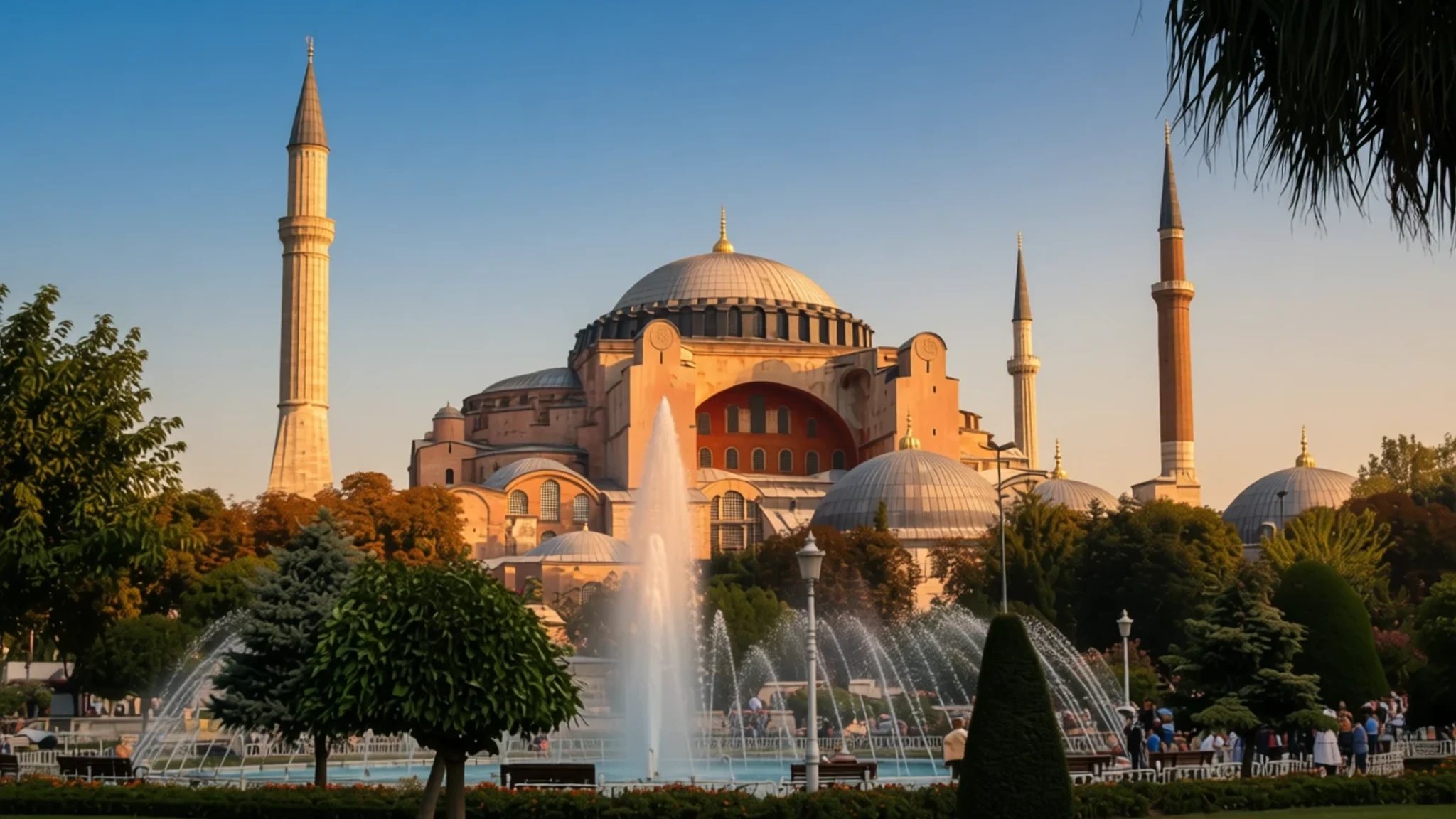
Stand inside a monumental marvel of ancient engineering that has served as a Christian cathedral and a mosque across turbulent centuries.
The place
Hagia Sophia dominates the historic peninsula of Istanbul, anchoring a dense urban quarter where ancient empires left overlapping layers of stone and memory. The building itself is a mountain of brick and lead, its silhouette punctured by slender minarets added long after the original sanctuary rose above the Bosphorus. Stepping through the outer narthex brings you into a cavernous interior where gold mosaics catch the shifting light through high clerestory windows. The sheer scale of the central vaulting draws the eye upward, giving a profound sense of weightless suspension that has astonished travellers for generations. Outside, the surrounding square pulses with the steady murmur of visitors, street vendors selling sesame simit, and the echoing call to prayer from neighbouring minarets. The air carries the scent of roasted chestnuts and damp stone from centuries past, mingling with the hum of modern trams passing just beyond the old gates. It is a place that demands unhurried observation, inviting you to trace the scars of restorations, peer at defaced or revealed icons, and absorb the quiet weight of history in the dim corners of the side aisles. Whether viewed from a rooftop terrace across the street at dusk or from the central floor beneath the main dome, Hagia Sophia remains an inescapable focal point of the city's identity, bridging the physical and cultural divides between East and West through sheer architectural permanence.
Its story
The story of Hagia Sophia is one of repeated destruction and monumental resurrection on the same contested patch of earth. Long before the current masonry rose, earlier sacred structures stood here, including the Great Church consecrated under imperial decree during the fourth century, which ultimately perished in fire and political upheaval during urban riots. Determined to leave an unassailable monument to divine wisdom and imperial power, the emperor commissioned visionary geometers to design a replacement that would eclipse all predecessors. Thousands of labourers toiled to assemble the vast basilica, sourcing marble columns and precious stones from across the Mediterranean basin. When the great dome was finished, it seemed to hang from the heavens by a golden chain, defying conventional engineering of the era. Over the centuries, earthquakes cracked its vaults, conquerors altered its interior iconography, and shifting faiths transformed its altars into prayer niches. It transitioned from an Orthodox cathedral to an imperial mosque following the Ottoman conquest, acquiring minarets and vast calligraphic roundels that now hang in tension with surviving Christian imagery. In the twentieth century, it spent decades functioning as a secular museum before reverting to its status as an active place of worship. Through every transition, the fabric of the building absorbed the ambitions of emperors, sultans, and republics alike, remaining a living archive of Istanbul's turbulent past.
What to see
- Hagia Sophia — Sultanahmet
The grandest of the successive sanctuaries on this historic site, featuring an immense central dome that once covered the largest enclosed space on earth for more than five centuries. Marvel at the soaring verticality, marble pillars, and intricate interior detailing.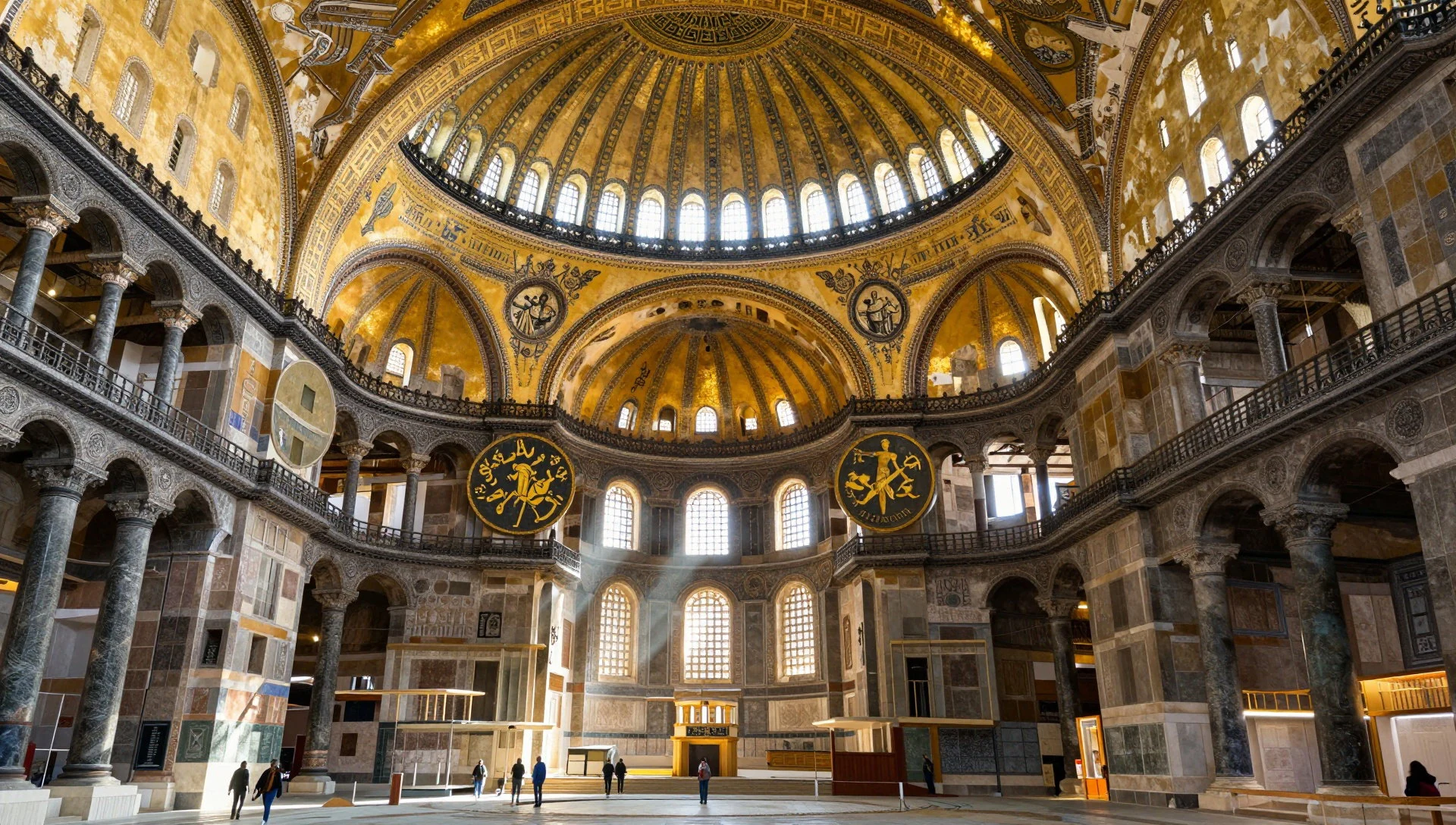
- Sultanahmet Mosque — Sultanahmet
Popularly known as the Blue Mosque, this neighbouring masterpiece defines the skyline with cascading domes and six soaring minarets. Completed in the seventeenth century as an imperial sanctuary, it remains an active place of worship with exquisite tilework.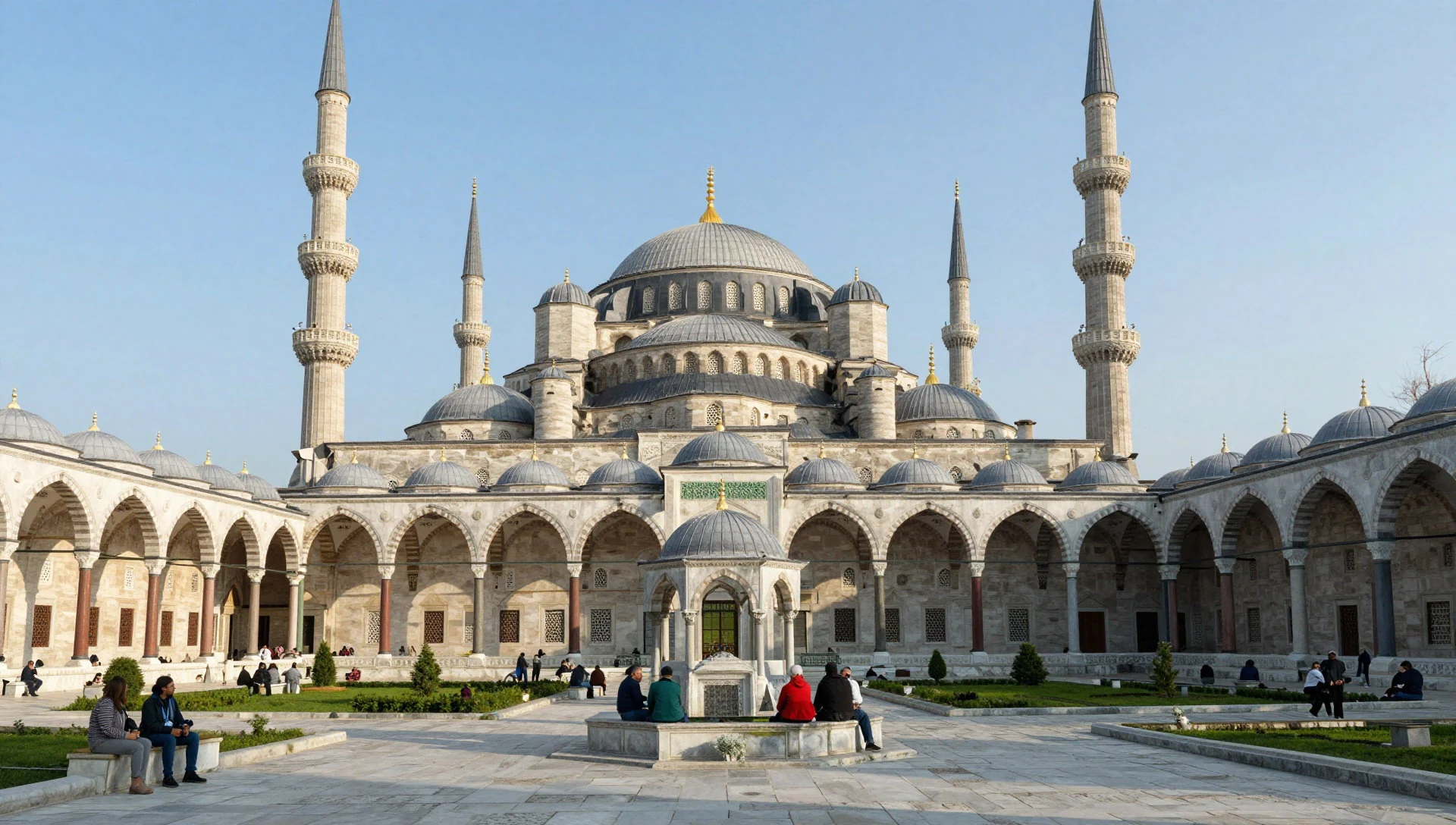
- Topkapı Palace — Sultanahmet
A sprawling imperial enclave that served as the administrative and residential heart of the Ottoman court for four centuries. Wander through increasingly grand courtyards, treasure chambers, and pavilions overlooking the convergence of the Bosphorus and the Sea of Marmara.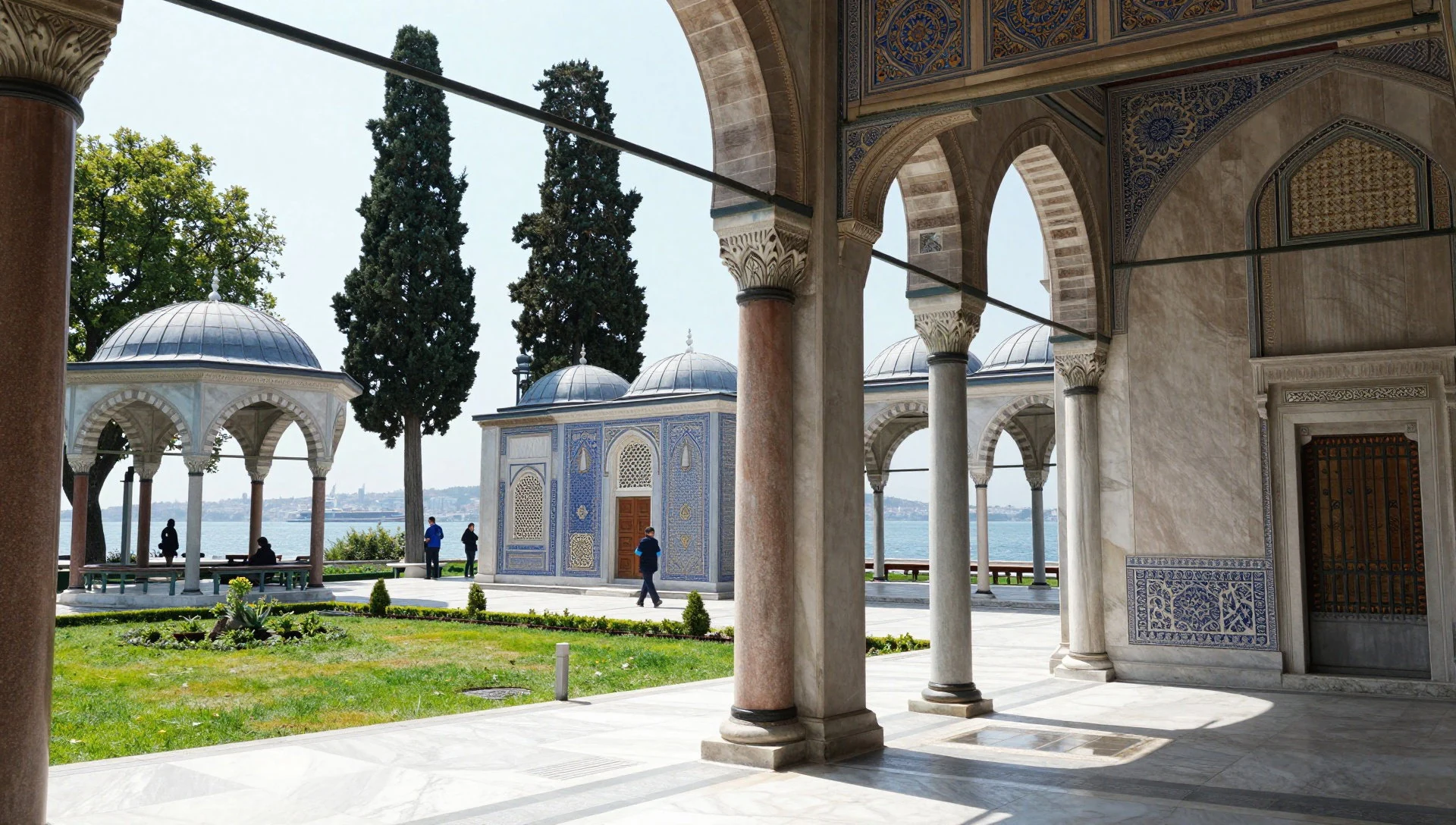
- Basilica Cistern — Sultanahmet
Descend beneath the dusty streets into a subterranean cathedral of water constructed to supply the ancient imperial palace. Rows of carved marble columns rise from the shallow pool, illuminated in amber light, including mysterious columns resting on carved Medusa bases.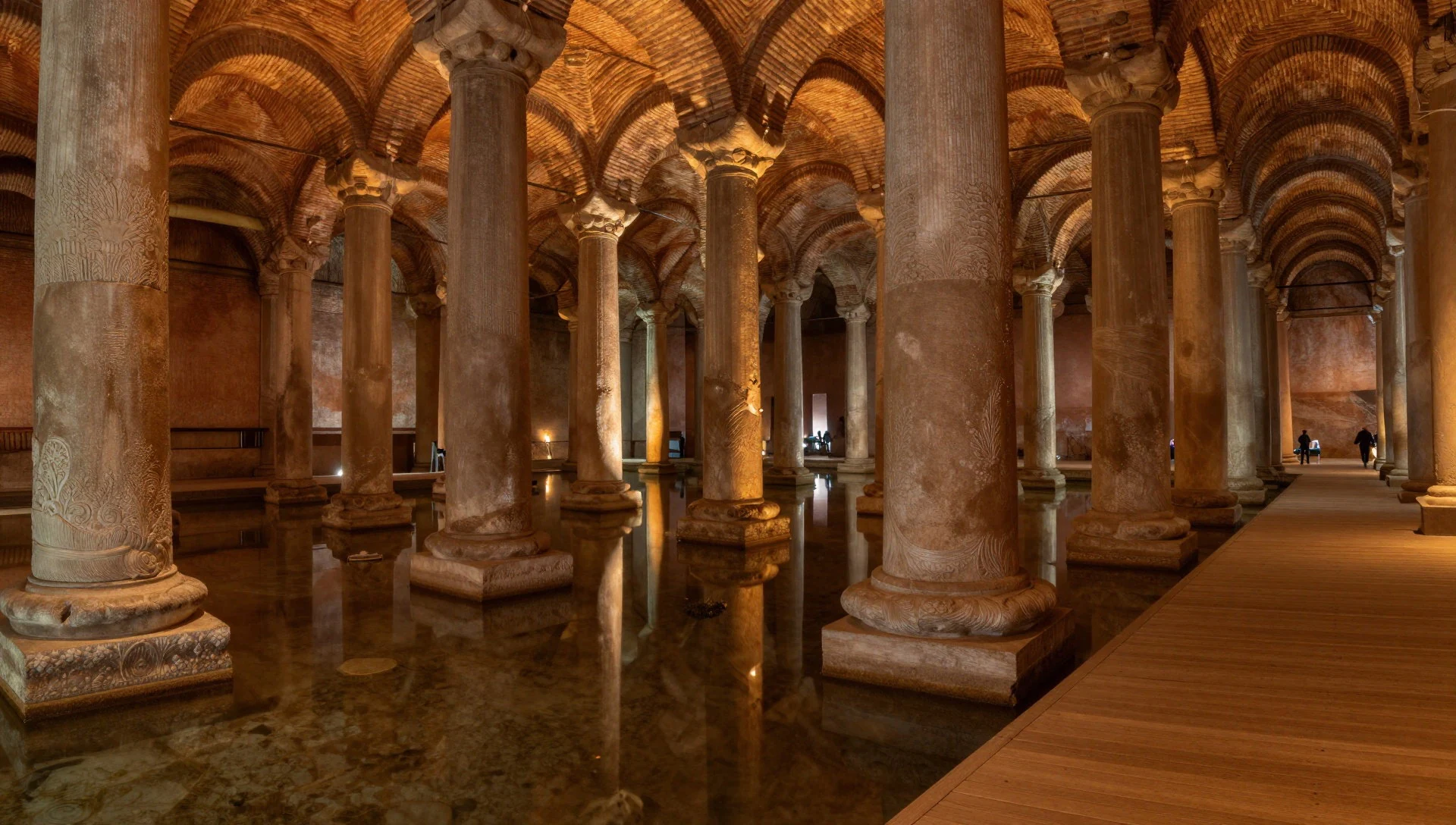
- Turkish and Islamic Arts Museum — Sultanahmet
Housed within the historic palace of a powerful sixteenth-century grand vizier, this collection showcases priceless carpets, illuminated manuscripts, delicate ceramics, and woodwork that trace the rich artistic heritage of the Islamic world.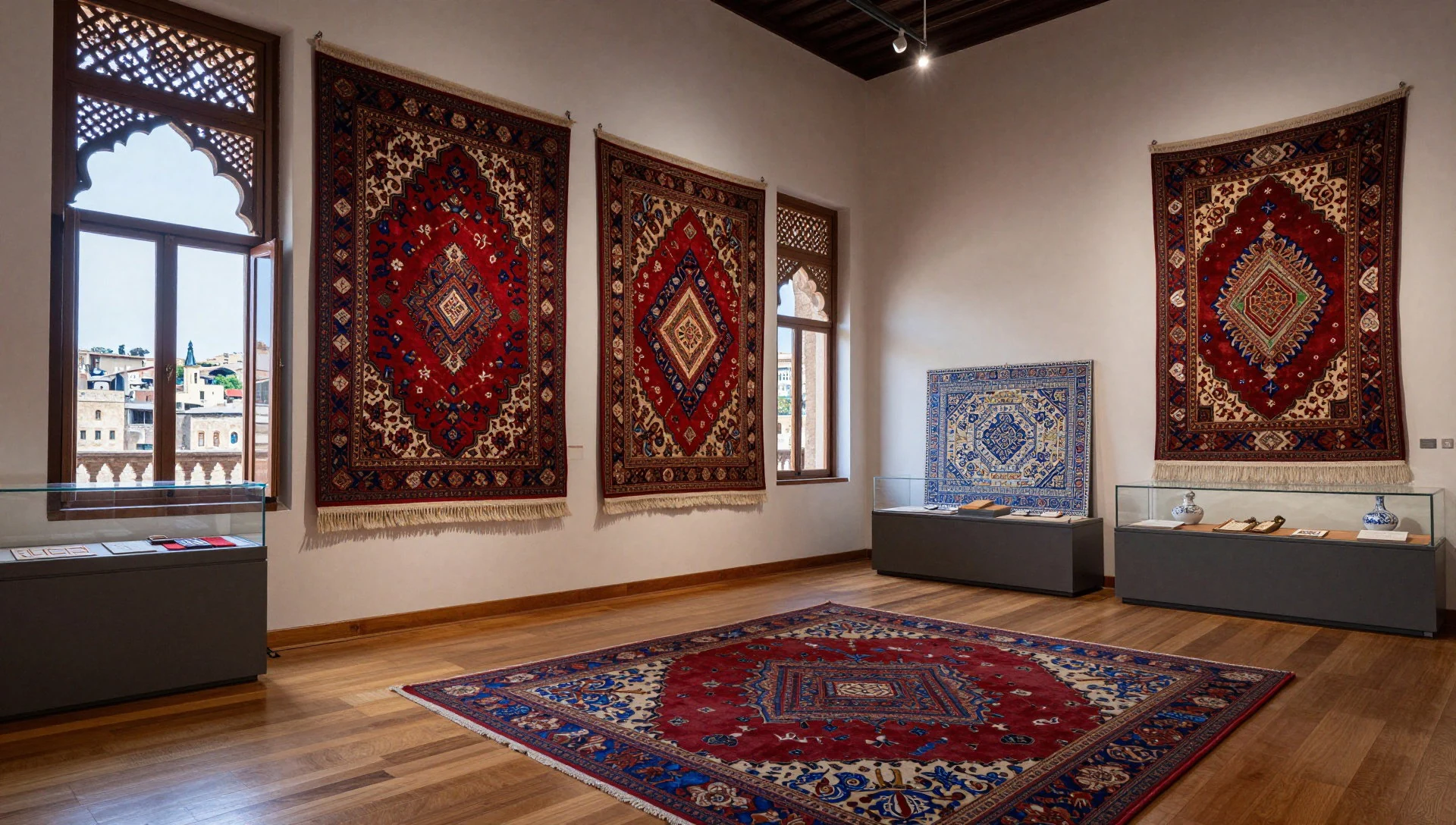
Culture
The cultural fabric of the historic peninsula reflects a profound layering of Byzantine Christian and Ottoman Islamic traditions, where community life revolves around neighbourhood squares, neighbourhood bakeries, and the rhythmic call to prayer echoing across the rooftops. Hospitality is deeply ingrained in daily interactions, often expressed through the immediate offering of freshly brewed black tea in tulip-shaped glasses during any conversation or transaction. Traditional crafts such as carpet weaving, calligraphy, and ceramic tile production continue to thrive in restored caravanserais and workshops throughout the old quarters. Visitors should be mindful that active religious sites require respectful decorum, modest attire, and quiet contemplation during prayer times. Women must cover their heads with a scarf when entering functioning mosques, and footwear should be neatly placed in designated racks or carried in bags provided at the entrance.
What to wear
Traditional Turkish dress historically featured layered garments, ornate waistcoats, and embroidered fabrics reflecting regional ethnic identities across Anatolia, though everyday historic attire has largely given way to contemporary urban fashion. In modern Istanbul, locals dress in a smart-casual blend of European styles and modest sensibilities, with younger generations embracing contemporary streetwear alongside tailored garments. For visitors exploring the city and its sacred interiors, dressing modestly is essential regardless of the season. Women should pack lightweight scarves for covering the head and shoulders when visiting mosques, while wearing skirts or trousers that fall below the knee. Men should avoid wearing shorts inside active religious spaces, opting instead for lightweight trousers and shirts with sleeves. Comfortable, sturdy footwear is indispensable for navigating the steep, historic cobblestone streets and uneven marble thresholds found throughout the old city.
What to eat
- Pide — Local pide salons and neighbourhood bakeries
Often called Turkish pizza, this boat-shaped flatbread is baked in a wood-fired oven and topped with minced meat, cheese, or vegetables. Enjoy it piping hot at traditional pide salons across the historic districts.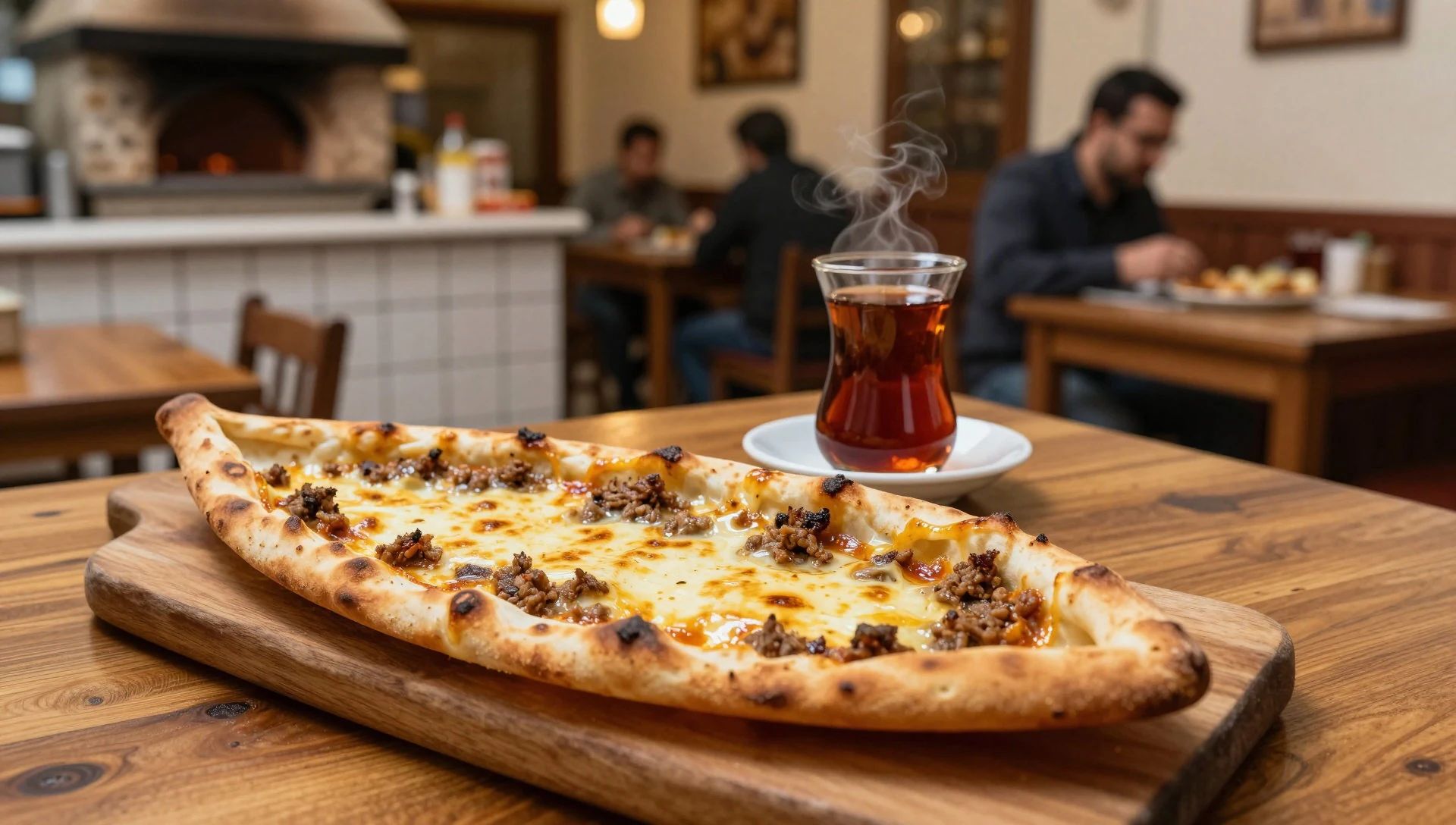
- Çiğ Köfte — Street-side takeaway stalls in the old quarters
A spiced vegetarian wrap made from fine bulgur, tomato paste, peppers, and aromatic herbs, served with fresh lettuce and a squeeze of lemon juice. Pick one up from lively street-side takeaway counters.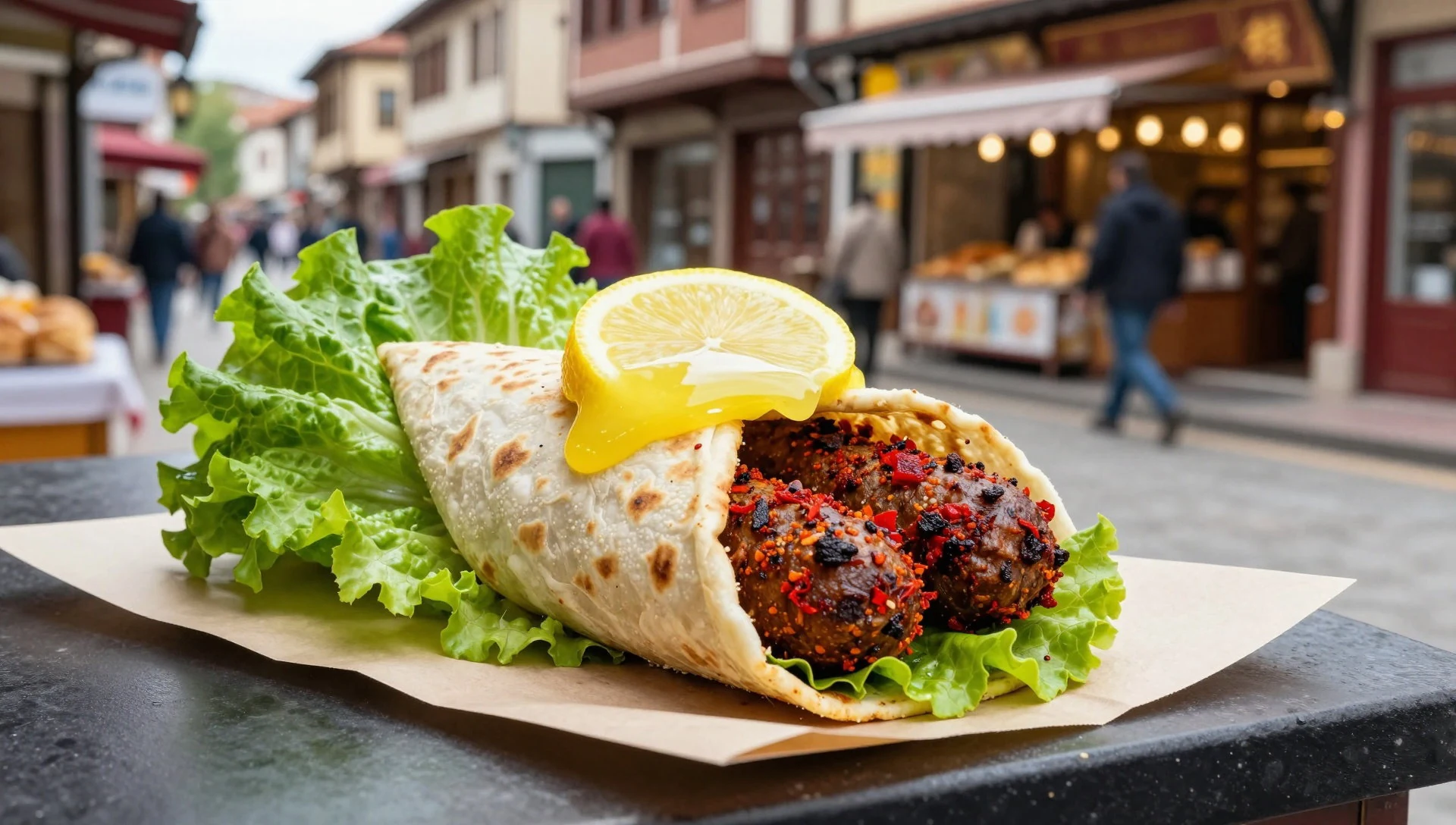
- Ev Yemekleri — Esnaf lokantası (tradesmen's canteens)
Comforting home-style dishes prepared daily in traditional neighbourhood canteens, featuring slow-cooked stews, stuffed vegetables, lentil soups, and rice pilaf chosen directly from a glass display counter. - Turkish Breakfast — Traditional breakfast cafes in quieter neighbourhoods
A lavish morning spread featuring fresh white cheese, black and green olives, tomatoes, cucumbers, honey, clotted cream, fresh bread, and endless glasses of black tea. - Simit — Red street carts found on every major corner
A circular ring of bread encrusted with toasted sesame seeds, offering a chewy texture and nutty crunch that makes it the ultimate city snack.
Plan it
Best time. March, April, and November offer pleasant mild weather for walking, avoiding the intense summer heat of June to August and the winter chill.
How long. 2–3
Getting there. Arrive via Istanbul's international airports, then connect to the city centre using the modern metro or tram networks leading directly to the historic peninsula.
Budget. mid
Tips
- Purchase an Istanbulkart for seamless travel across trams, funiculars, and ferries.
- Arrive early in the morning to beat the heaviest crowds at major monuments.
- Carry a light scarf in your day bag for impromptu visits to functioning mosques.
- Keep small denomination cash handy for street vendors and neighbourhood tea houses.
Etiquette
- Remove your shoes before stepping onto carpeted prayer areas inside mosques.
- Dress modestly with shoulders and knees covered when exploring historic religious sites.
Nearby
Sources
- Wikidata Q12506 (CC0)
- Wikipedia (rev 1382741388) (CC BY-SA 4.0)
- Wikivoyage (rev 5405527) (CC BY-SA 4.0)