Camiguin
Camiguin, Philippines
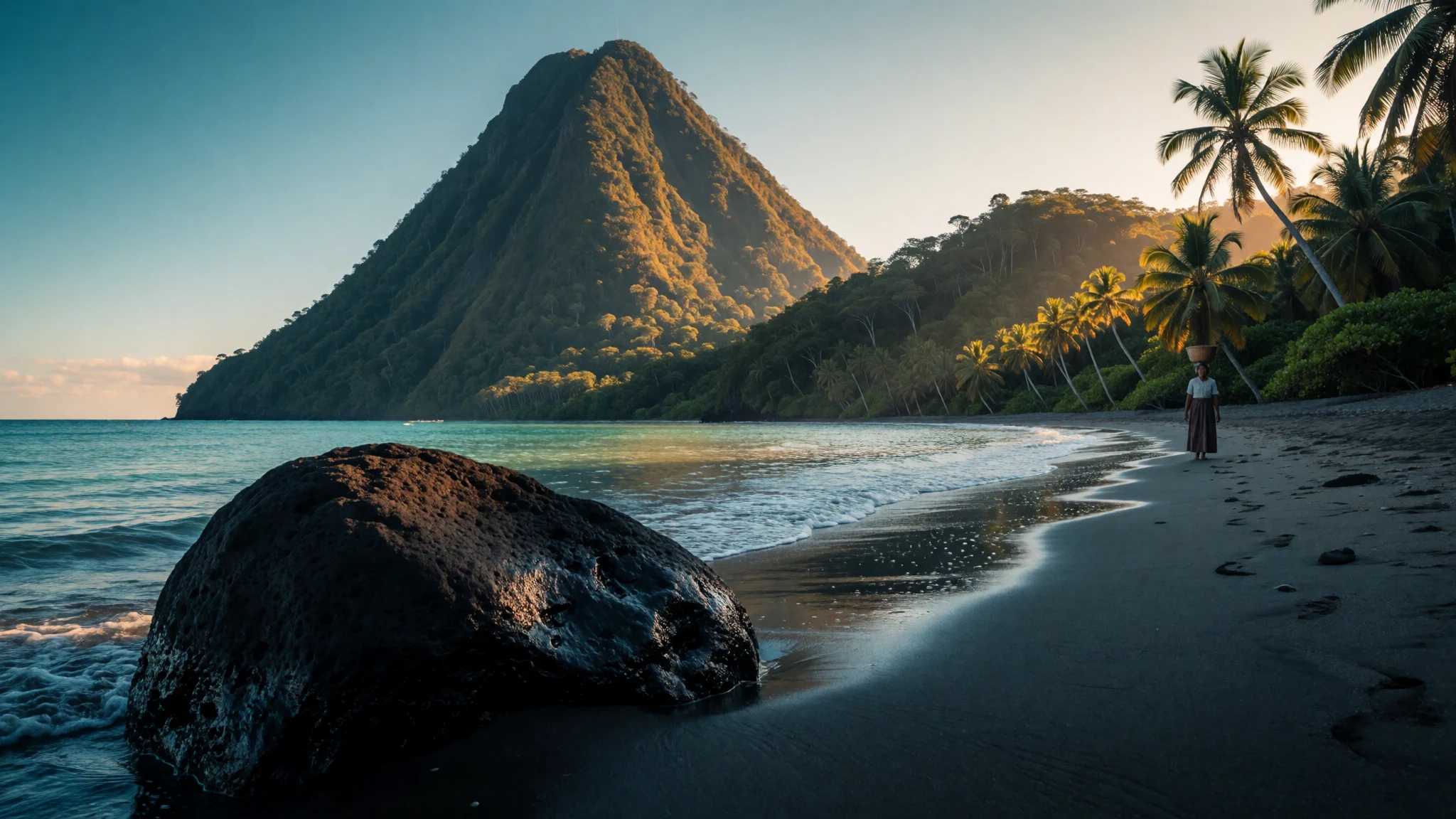
Camiguin is a small volcanic island off Mindanao where hot springs, waterfalls, church ruins and a sunken cemetery sit along one coastal road.
The place
Camiguin is an island province in the Bohol Sea, a short ferry hop from the northern coast of mainland Mindanao and part of the Northern Mindanao region. About 94,892 people live here, mostly along the shore, with Mambajao as both capital and the busiest town. The island is entirely volcanic. Several cones, among them Hibok-Hibok and Timpoong, rise almost straight from the coast, and their forested slopes are protected as the Mount Hibok-Hibok Protected Landscape, an ASEAN Heritage Park. One circumferential road runs all the way round, passing fishing villages, coconut groves, small beaches and constant views back up to the peaks. Distances are short, so a motorbike, a hired van or a tricycle covers most sights in a few days. The economy rests on fishing and farming. Coconut products, sold as copra, have long brought in the most money, while lanzones, a sweet, translucent fruit, is now the main crop; abaca, rice and mangoes follow. Tourism has grown steadily and small guesthouses and cottage industries have appeared to serve it, yet the island stays quiet compared with the Philippines' better-known beach names. Heat and humidity are the norm for most of the year, and the wetter months bring heavy showers. Weekends around fiestas and the October lanzones festival fill the roads and rooms. Services are basic outside Mambajao, so cash and patience both help.
Its story
Camiguin was probably first settled by people linked to the Manobo of Surigao del Norte, a connection that still shows in the island's language. Later it served as a stopover for traders from mainland polities such as Butuan and Dapitan. Spanish records place Magellan's expedition here in 1521 and Legazpi's in 1565, and the first Spanish settlement followed in 1598 at what is now Guinsiliban. The town's name is said to come from an old word for watching the sea for pirates from a lookout, and a Spanish-era watchtower still stands there as a National Cultural Treasure. A bigger settlement, Katagman, later called Catarman, was founded in 1679 and prospered until the volcano known as Mount Vulcan erupted in 1871 and destroyed it. The old site is now Barangay Bonbon. Sagay became a town in 1848 and Mambajao in 1855; the latter's name plays on Visayan words for breakfast and leftover boiled rice. For a long time Camiguin belonged to Misamis Oriental, and it became a province in its own right in 1966. Three sites carry National Cultural Treasure status today: the ruined church at Bonbon, the sunken cemetery and the Guinsiliban watchtower. Together they sum up the island's past as a place of lookouts, trade and volcanic upheaval.
What to see
- Sunken Cemetery, Catarman — Catarman, west coast
Eruptions between 1871 and 1875 buried parts of Catarman, including its burial ground, and the sea later claimed the low ground. A large cross, raised in 1982, now marks the spot. Locals paddle out to it, and the quiet water at dawn or dusk suits the place. It is a memorial first, a viewpoint second.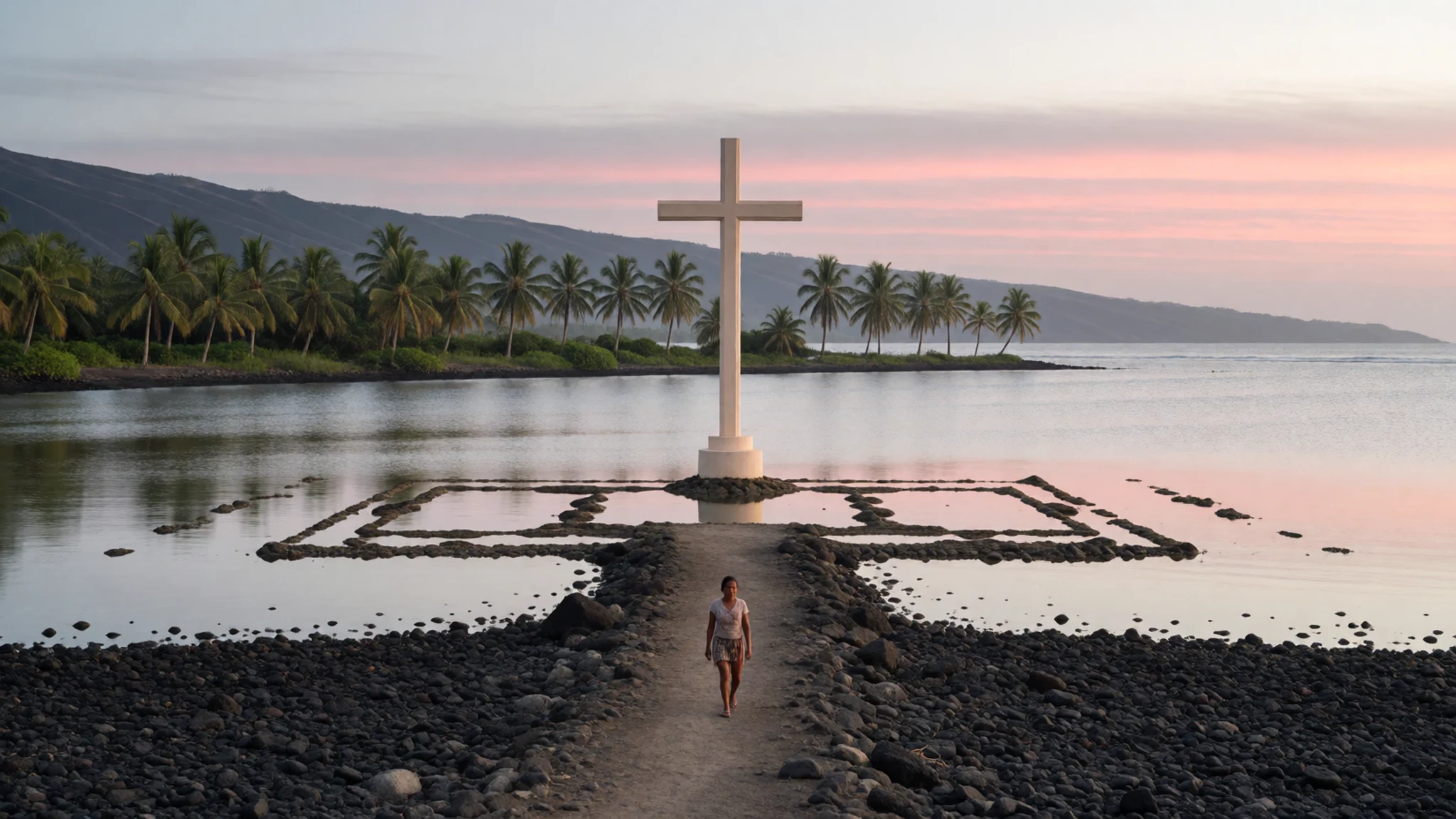
- Old Bonbon church ruins — Bonbon, Catarman
The coral-stone church at Bonbon, also known as Guiob, was wrecked by the same 1871 eruption. Its walls stand roughly roofless, and a small chapel built inside them is still used for regular Mass. Go in the cooler hours; the stone holds heat, and shade is thin. Respect worshippers if a service is under way.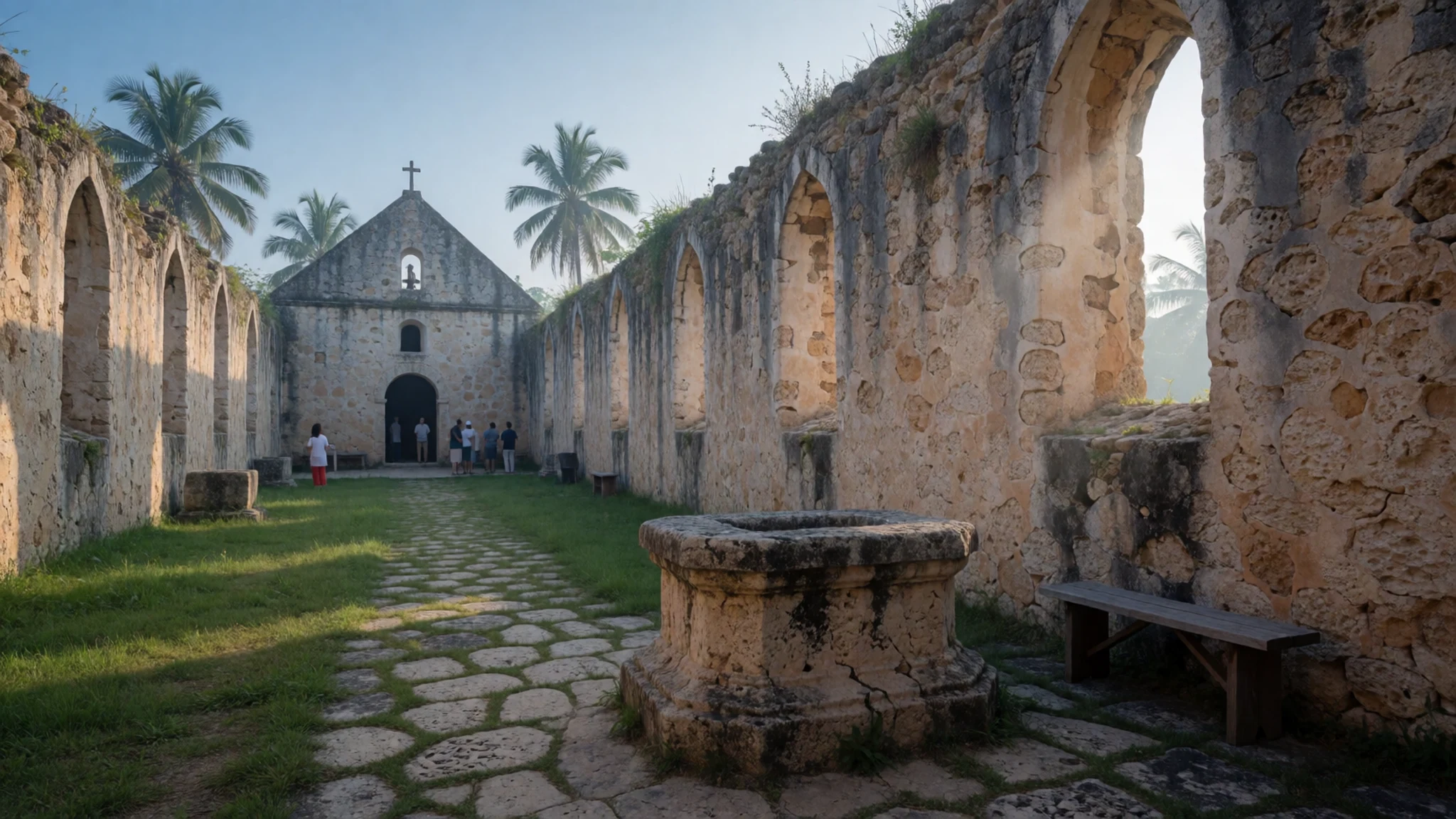
- Mount Hibok-Hibok Protected Landscape — Interior, above Mambajao
The forested slopes of the island's volcanoes form a protected ASEAN Heritage Park, with Hibok-Hibok and Timpoong the most recognisable peaks. Most visitors simply admire them from the circumferential road. Treks into the forest need a local guide and dry-season weather, so ask at the tourism office in Mambajao.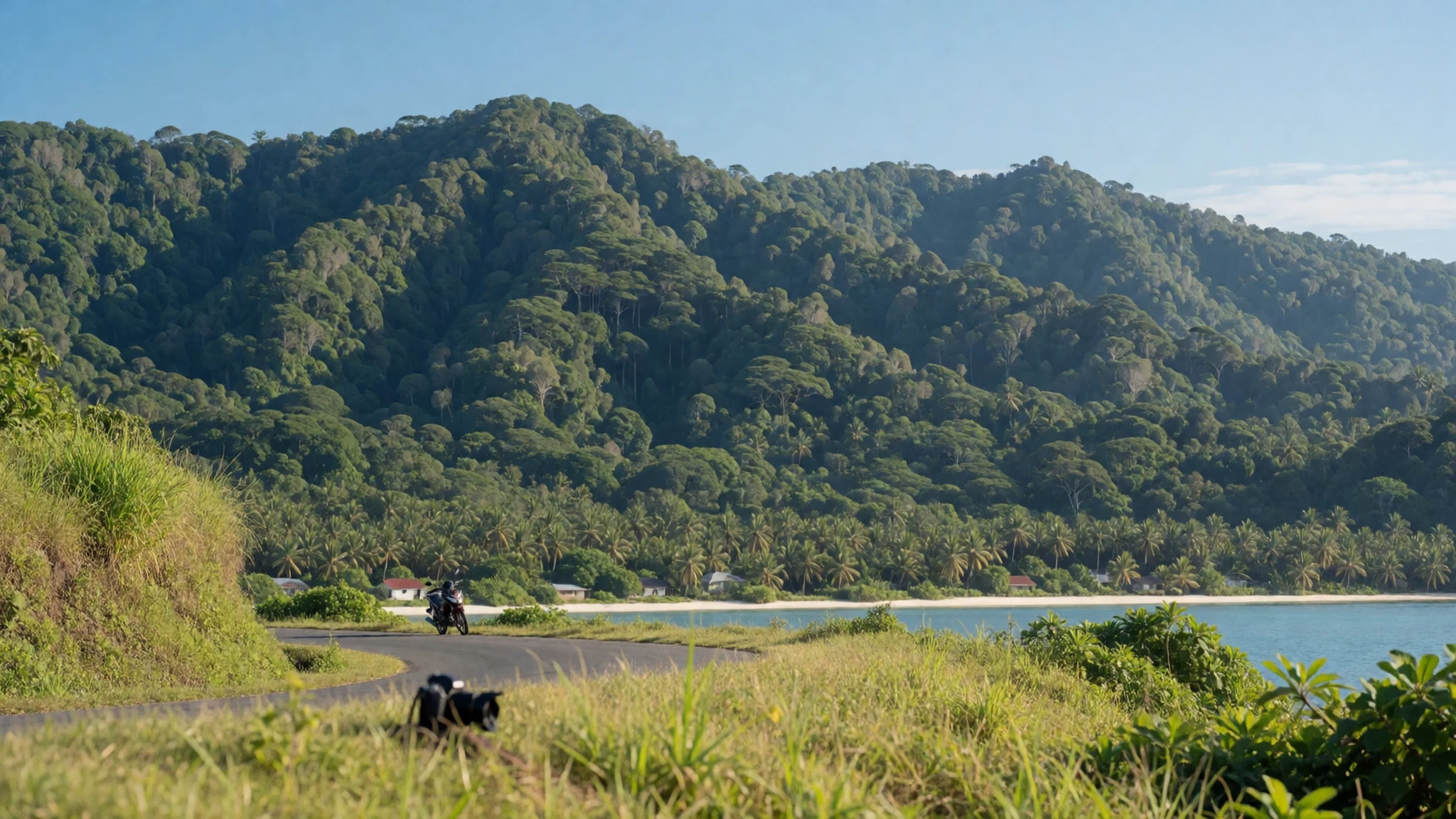
- Katibawasan Falls — Near Mambajao
A waterfall of about 50 m drops into a cold, clear pool near Mambajao, with picnic benches nearby. The cold is a welcome contrast after a hot ride. Visit on a weekday morning if possible, as weekends bring families and loud speakers. Rocks are slippery, so wear sandals with proper grip.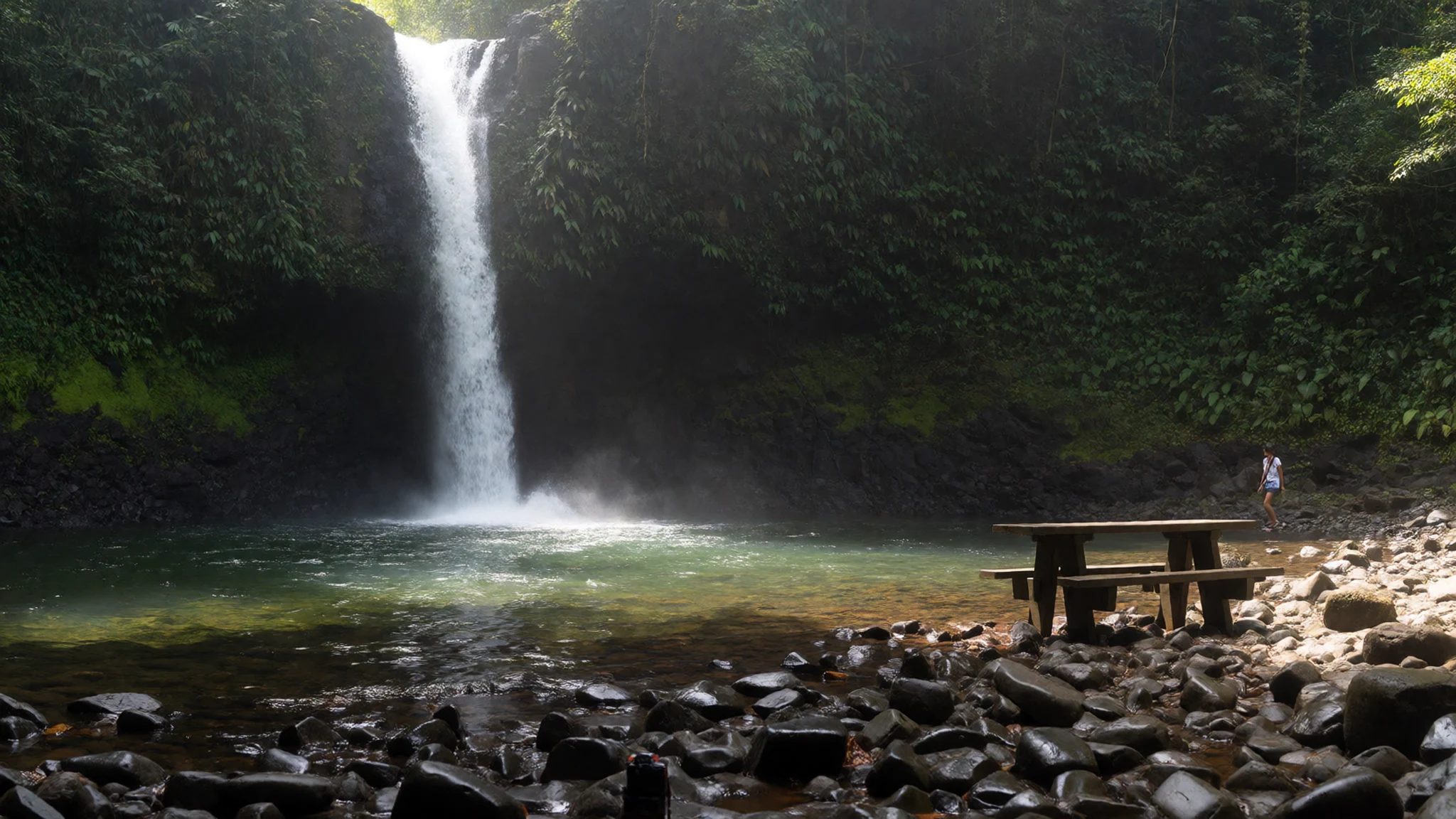
- Arden hot springs — Near Mambajao
Volcanic heat warms the pools at this resort, and an evening or night soak is the usual way to enjoy them, with drinks served on site. The water is pleasant rather than scalding. Check the resort's own site or ask locally about entry arrangements before heading out.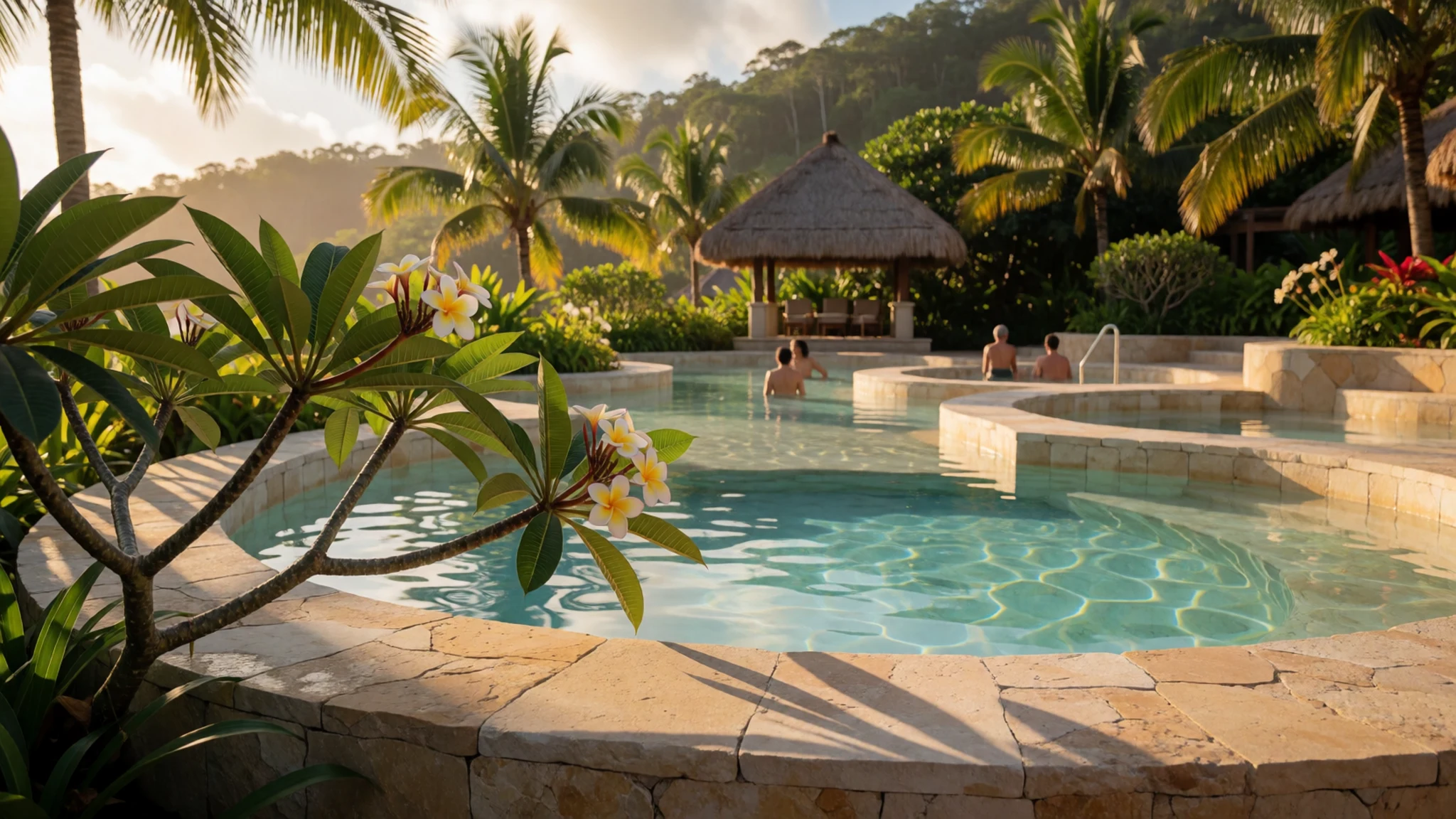
- Guinsiliban watchtower — Guinsiliban, south coast
The Spanish-era watchtower at Guinsiliban is a National Cultural Treasure, built so people could spot pirate boats approaching the coast. Next to it lies the small port of Guinsiliban, one of the island's three ferry terminals. Pair a visit with a slow look at boats coming in.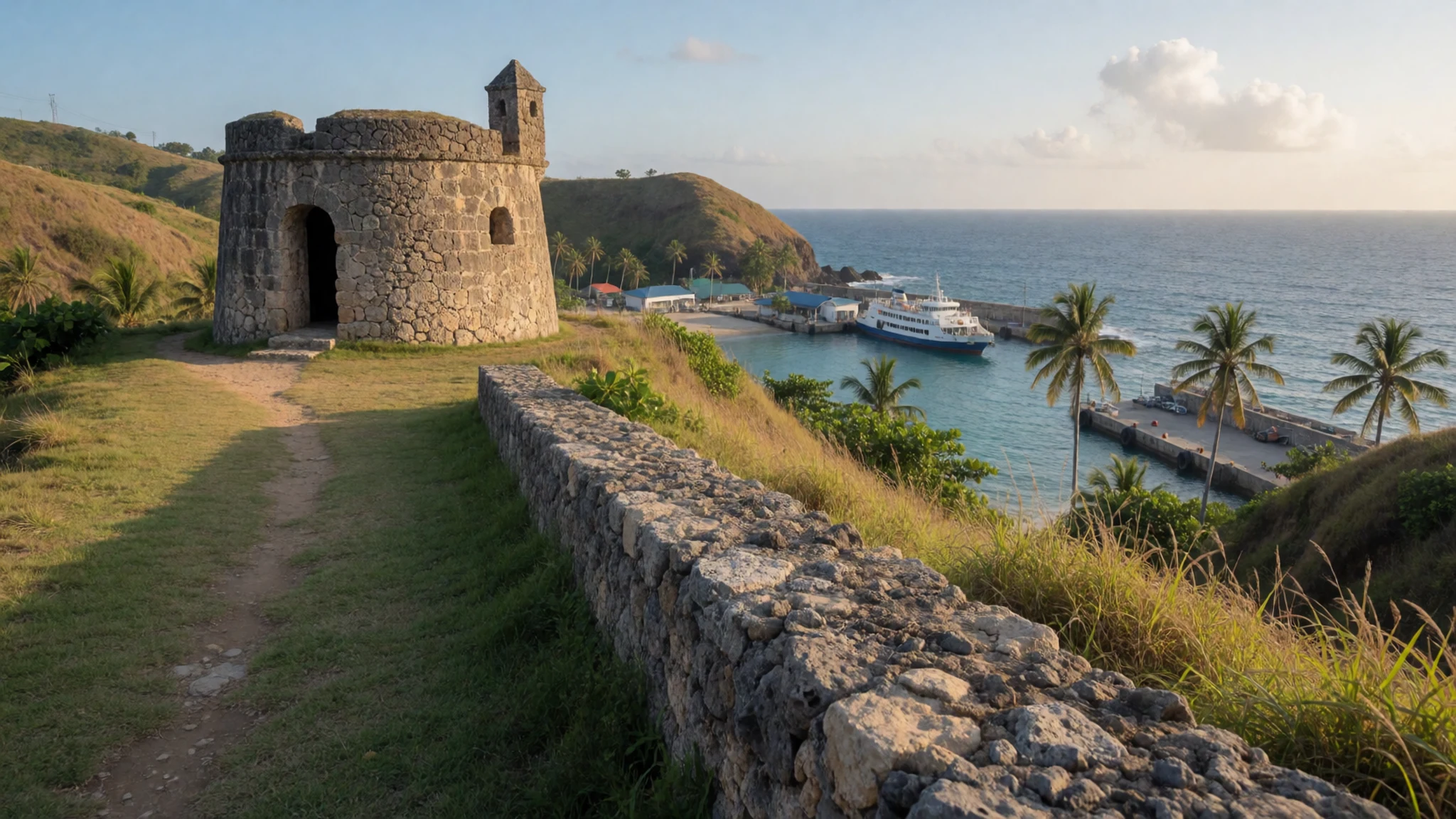
Culture
Camiguin has a Catholic heritage, visible in the coral-stone churches, the church façade at Sagay and the ruins at Bonbon, and in a calendar of fiestas. The most distinctive is the Lanzones Festival, held on the third weekend of October to celebrate the island's best-known fruit, with parades, street dancing and stalls piled with fruit. Fiestas also happen in individual towns and villages, and locals are usually happy to point visitors towards one; being invited to eat at a family table during fiesta is common. Many islanders speak Cebuano, and the island has its own local tongue, Kamigin, which is the language of the provincial name. Ancestral houses, an old fountain in Mambajao's roundabout and the municipal building are recognised as Important Cultural Treasures, and the island takes real pride in protecting them. Daily life remains tied to fishing, farming and family, so mornings start early and the pace slows in the afternoon heat. The sunken cemetery and church ruins are memorials for the 1871 eruption, and locals treat them as such. A friendly greeting, a smile and a few words of Cebuano go a long way, and haggling is mild and good-humoured at the market. Dress modestly and keep your voice low when you enter the church ruins at Bonbon, because Mass is still held there.
What to wear
Camiguin has no single island costume that the sources describe, so traditional dress here follows wider Philippine custom. For fiestas and formal events, men wear the barong tagalog, a lightweight embroidered shirt worn untucked, traditionally made of pineapple-fibre piña or silky jusi. Women wear the terno, a dress with stiff, butterfly-style sleeves, or the older baro't saya, a blouse and long skirt. Abaca, grown on the island, is the local fibre behind ropes, mats and handicrafts. Day to day, islanders wear what suits the heat: cotton T-shirts, shorts, sundresses, flip-flops and, for farm and fishing work, long sleeves and wide hats. Rubber boots appear in the wet months. Fiesta days bring out pressed shirts and bright dresses, and school and office clothes are tidy. Visitors should pack light cotton or quick-dry layers, a hat, sunscreen and a thin rain jacket. Swimwear is fine at the beach and the hot springs, but cover up in town with a shirt or sarong. For churches and ruins, bring something that covers shoulders and knees. Sandals with grip or water shoes help at the falls and rocky shores, and sturdy trainers suit walks on the volcano slopes.
What to eat
- Lanzones — Roadside stalls and Mambajao market
Camiguin is the main producer of this pale, juicy fruit in the Philippines, with a sweet-sour taste and sticky segments. The season peaks around October. Buy bags at roadside stalls and the market in Mambajao, and peel the skin carefully, as the sap can be bitter.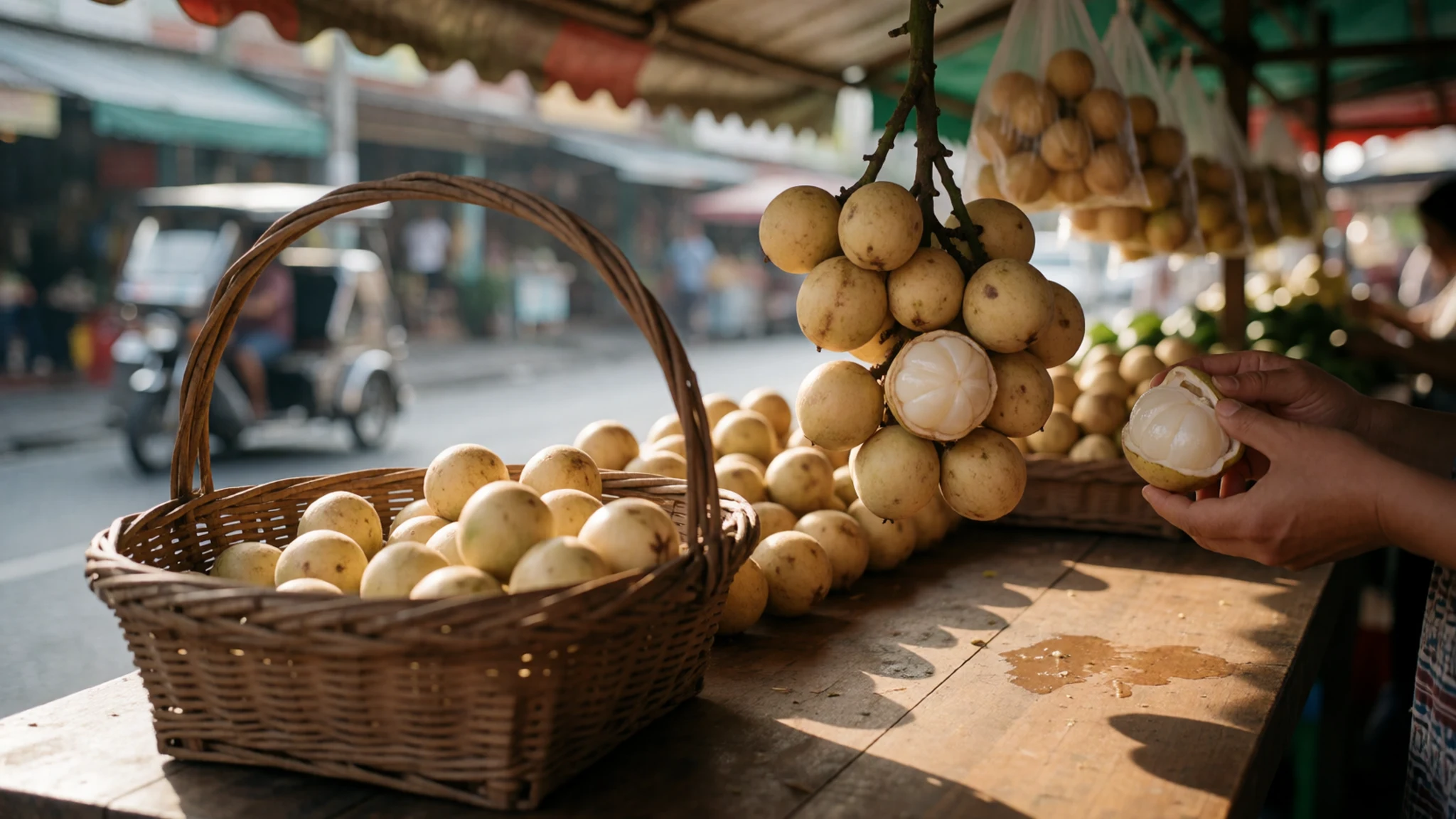
- Pastel — Bakeries in Mambajao
A soft, sweet bread roll usually filled with a yellow custard-like paste, pastel is the island's popular bakery treat and a common gift to take back to the mainland. Warm ones in the morning are best. Look for family bakeries in Mambajao and along the main road.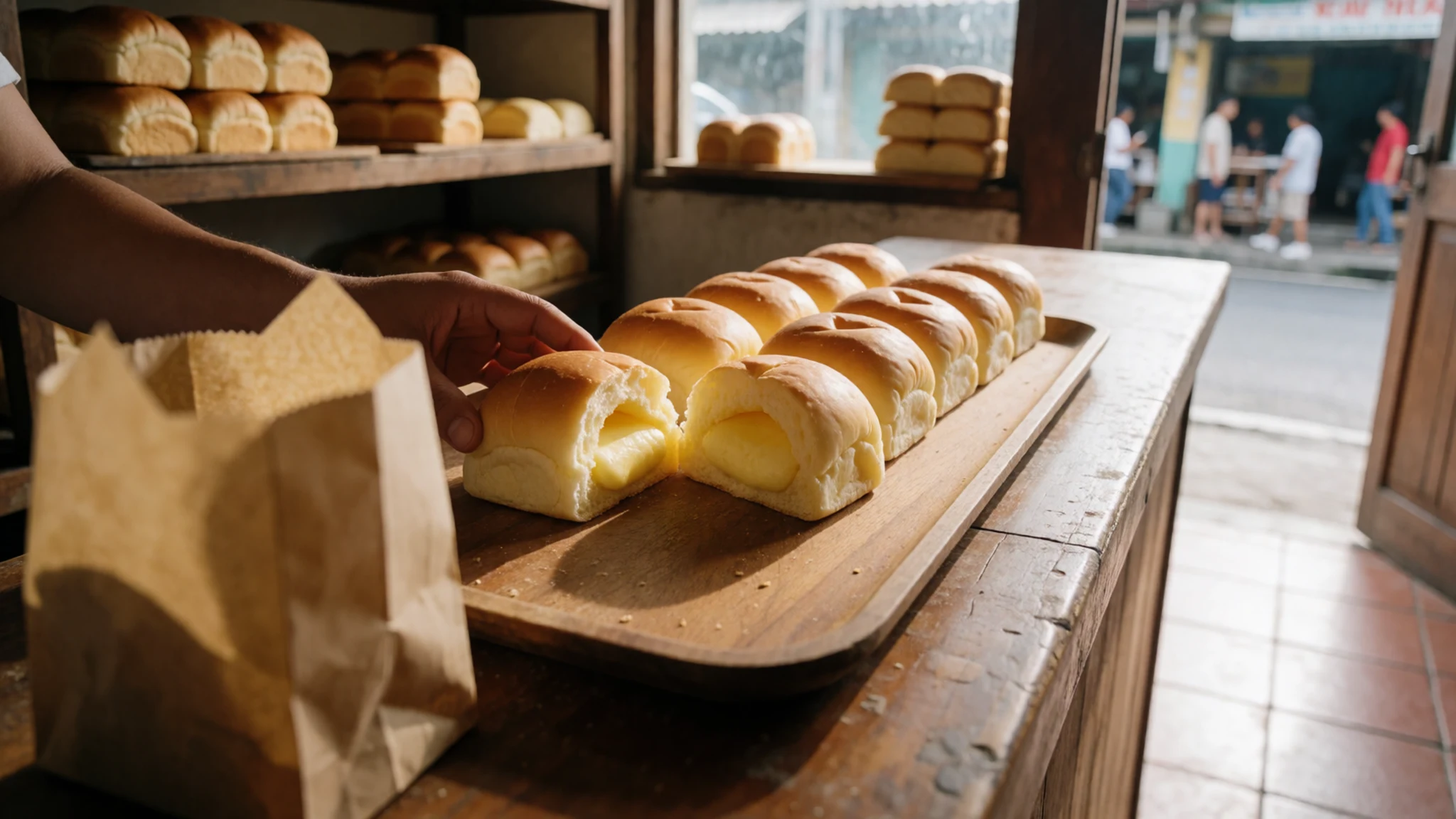
- Kinilaw — Seaside eateries along the coast road
Raw fish cured in vinegar or citrus with onion, ginger and chilli, kinilaw is a staple of Visayan and Mindanao coasts. Camiguin's fishing boats supply the catch daily. Order it at a seaside eatery where the fish is clearly fresh and the kitchen is busy. - Grilled fish and squid — Beach-side grills and local eateries
Simple grilled fish, squid or prawns with rice and a dipping sauce of soy, vinegar and chilli make a reliable meal. Portions are generous and prices are modest. Look for small family-run grills near the beaches at sunset, and ask what came in that morning. - Fire-oven pizza — Around Agohay Beach
Beach-road visitors have helped fund a few wood-fired pizza places, with one well regarded near Agohay Beach. It is a welcome change after several days of rice and fish. Toppings often use local seafood and mangoes. Check opening days locally, as small places close at quiet times.
Plan it
Best time. March to May is usually the drier, sunnier stretch, good for beaches, waterfalls and volcano views, though it is hot. October suits the Lanzones Festival, on the third weekend, but expect crowds and showers. The wetter months bring heavy rain and rougher seas, which can disrupt ferries.
How long. 3–4
Getting there. Fly to Cagayan de Oro on mainland Mindanao, then take a bus of about two hours to the Balingoan ferry terminal and a ferry across to Benoni on Camiguin. A seasonal route also links Jagna on Bohol to Balbagon port on the island. Check current ferry operators and timetables locally, as schedules change. On the island, hire a tricycle, van or motorbike.
Budget. low
Tips
- Check ferry times on the day and keep a buffer, as weather can delay crossings
- Carry cash, because small eateries, stalls and guesthouses often cannot take cards and cash machines are few
- Book rooms well ahead for the third weekend of October, when the Lanzones Festival fills the island
- Visit the falls and church ruins early in the morning for cooler air and fewer people
- Bring a refillable bottle and drink plenty, as the heat and humidity are tiring
Etiquette
- Cover shoulders and knees when entering churches and ruins, and keep quiet during Mass
- Ask before photographing people, especially at fiestas and in homes
- Treat the sunken cemetery and ruins as memorials, not as props
Nearby
Sources
- Wikidata Q13769 (CC0)
- Wikipedia: Camiguin (rev 1383684393) (CC BY-SA 4.0)
- Wikivoyage: Camiguin (rev 5416240) (CC BY-SA 4.0)
- Camiguin island coastline — Allan Donque (CC BY 2.5)
- Timpoong and Hibok-Hibok Natural Monument in Camiguin — Allan Jay Quesada (CC BY-SA 4.0)
- Camiguin Circumferential Road — Wolfgang Hägele (CC BY-SA 4.0)
- Camiguin Ferry2 — Agustin Rafael Reyes (CC BY 2.5)
- Guinsiliban Port — Lucky Ambago Purok Otso (CC BY-SA 4.0)
- Provincial flag of Camiguin — Provincial Government of Camiguin (Public domain)
- Camiguin from air — Patrickroque01 (CC BY-SA 4.0)
- Camiguin Sunset — Vlad Rud (CC BY 3.0)


