Dahab
Dahab, Egypt
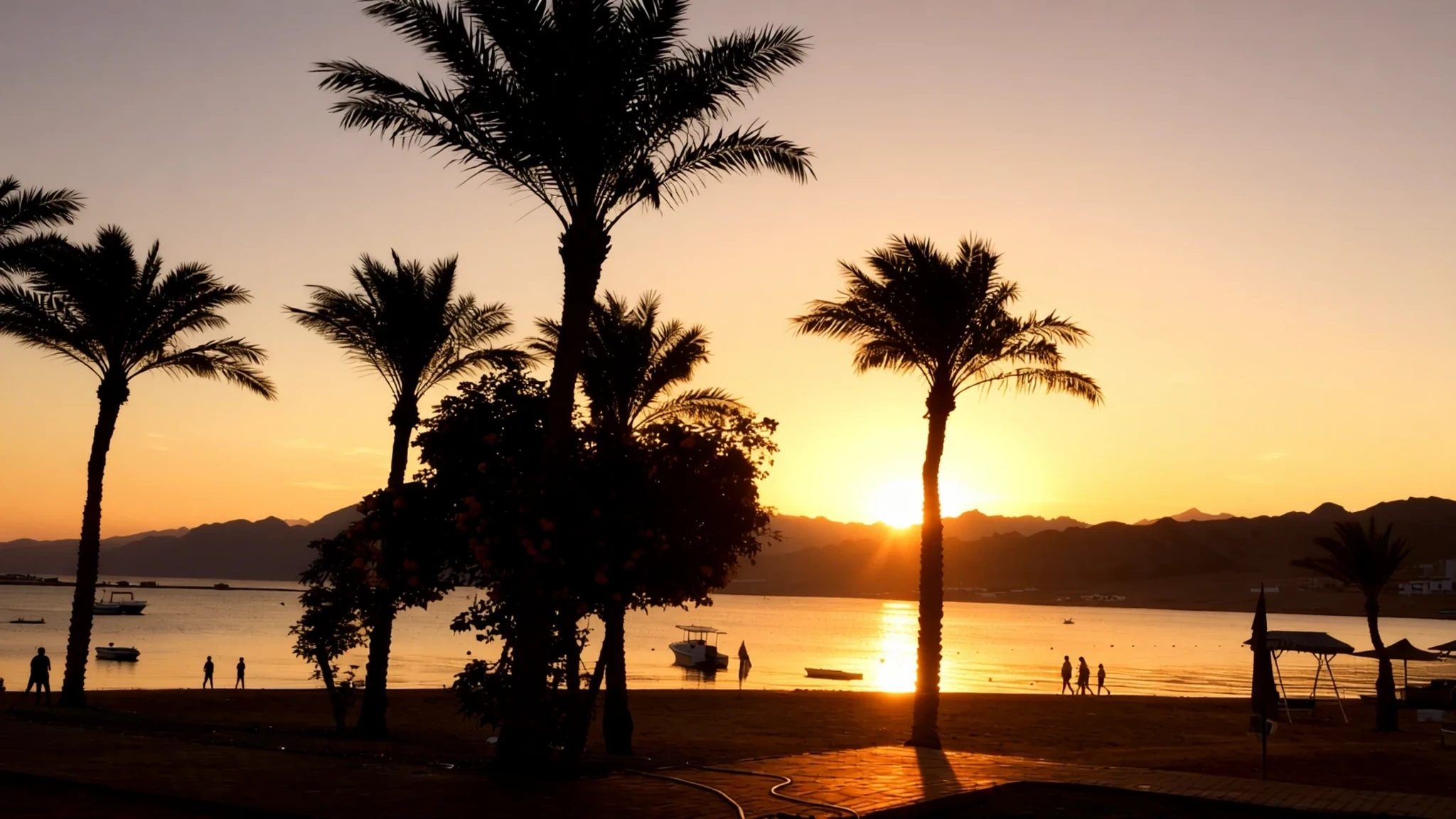
Dahab is a laid-back Red Sea town known for its diving, with desert canyons and oases a short trip inland.
The place
Dahab is a small town on Egypt's Sinai Peninsula, along its south-east shoreline, a short drive from Sharm el-Sheikh and 21 metres above sea level. Its name is the Arabic word for gold, and it is often called the diving capital of South Sinai. A few thousand people live here, spread along the shore in three loose parts: Masbat in the north, which takes in the Bedouin village of Asalah, Mashraba to its south, and Medina in the southwest. Most streets are sandy, low-rise and built for walking, with the sea never far away.
The land behind the town is rocky and dry. Geologists have noted mineral deposits here, including gold, zircon and rutile, in ancient rocks such as schist. Dahab has a hot desert climate, like the rest of Egypt. Summer days are very hot and the nights stay warm, while winters are pleasantly mild with cooler nights. Rain is rare throughout the year, and what does fall tends to come in the winter months.
Daily life still moves at an unhurried pace. Cafes and dive shops line the seafront, while quieter lanes further back hold family-run eateries, guesthouses and small shops. Many visitors come for a few days of diving and end up staying longer than they planned. Much of the appeal is simple: a long walk along the shore, a swim before breakfast, and the sense that desert and sea are both close.
Its story
The story of Dahab is mostly the story of the sea. For a long time it was a quiet fishing settlement where Bedouin families lived a self-sustaining life, catching fish and keeping goats. Inland Bedouin travelled down to the coast in the warmer months to fish, gather dates and enjoy the breeze. Dried fish and dates became the gifts they prized when they took them home, and that custom survives today. Only a handful of families lived here when outsiders began to arrive.
Those early visitors were mostly Israeli soldiers on leave and members of kibbutzim, drawn by the isolation and the easy hospitality of their hosts. Later the place became a gathering point for travellers with a loose, alternative spirit, who came for cheap rooms, long days on the beach and a slower way of living. Its reputation spread largely by word of mouth.
Then adventure travellers arrived, drawn by the desert and the reef. The offshore reef, with its walls, arches and the famous Blue Hole, turned Dahab into a name among divers. Dive schools opened, guesthouses multiplied and the town grew along the coast. Bedouin families remain part of the story, running guesthouses, boats and desert trips. Like many coastal towns, Dahab is still working out how to balance growth with the quieter past that first drew people here.
What to see
- The Nabataean Port — Near the town, by the shore
Little more than a scatter of masonry foundations survives at this site, but it was once a busy harbour. Goods from India came ashore here, were carried overland towards Petra, and then went on to Gaza for shipping across the Mediterranean. It is a quiet spot, worth a short walk for the history rather than for the ruins themselves.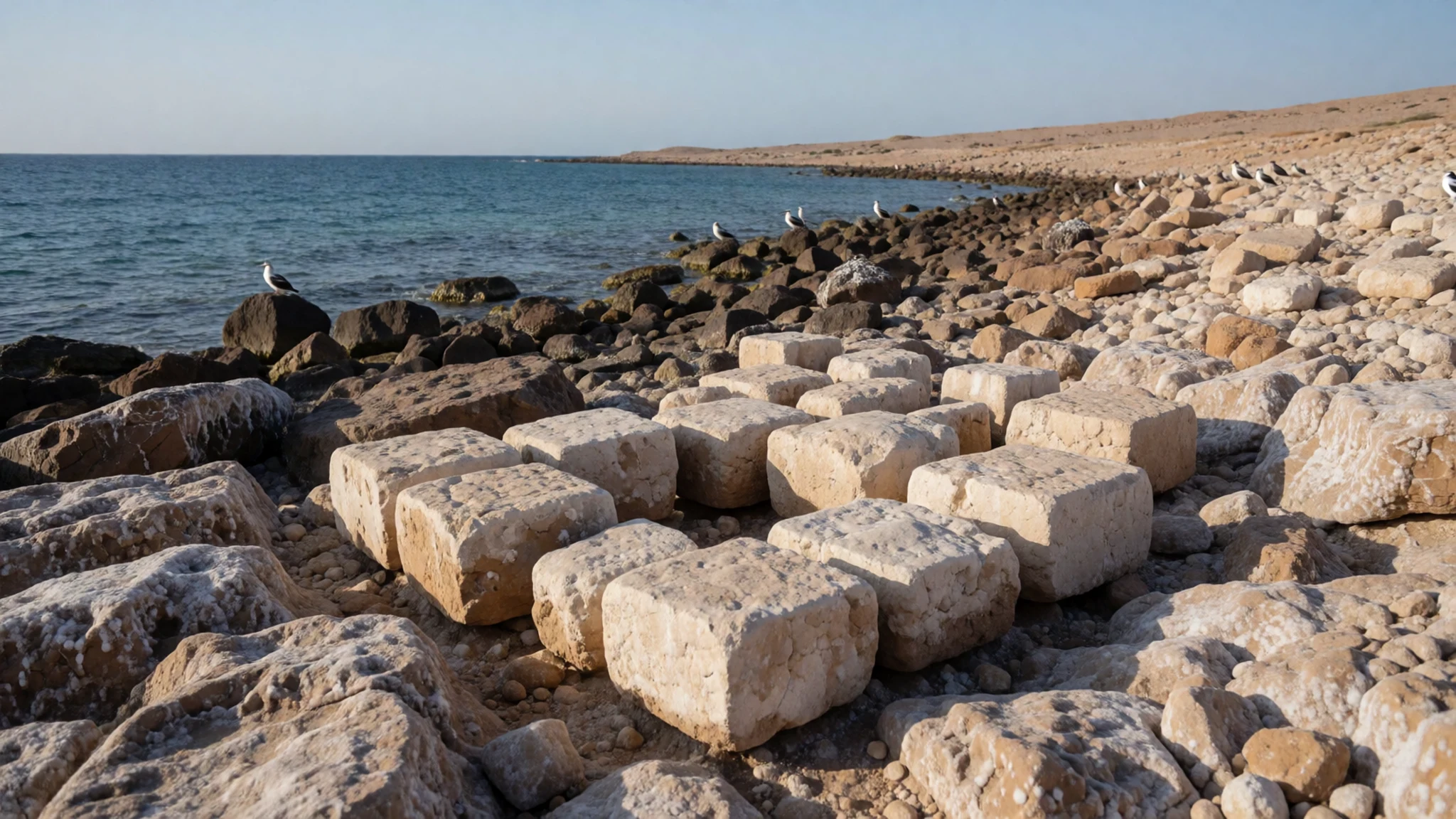
- Ain Khudra — Inland desert oasis
A Bedouin palm oasis in the desert, Ain Khudra can get busy during the day when tour groups arrive on their safaris. To see it at its best, go as part of a longer desert trip and stay for dinner and overnight. Once the day visitors leave, the palms are quiet and the evening feels calm.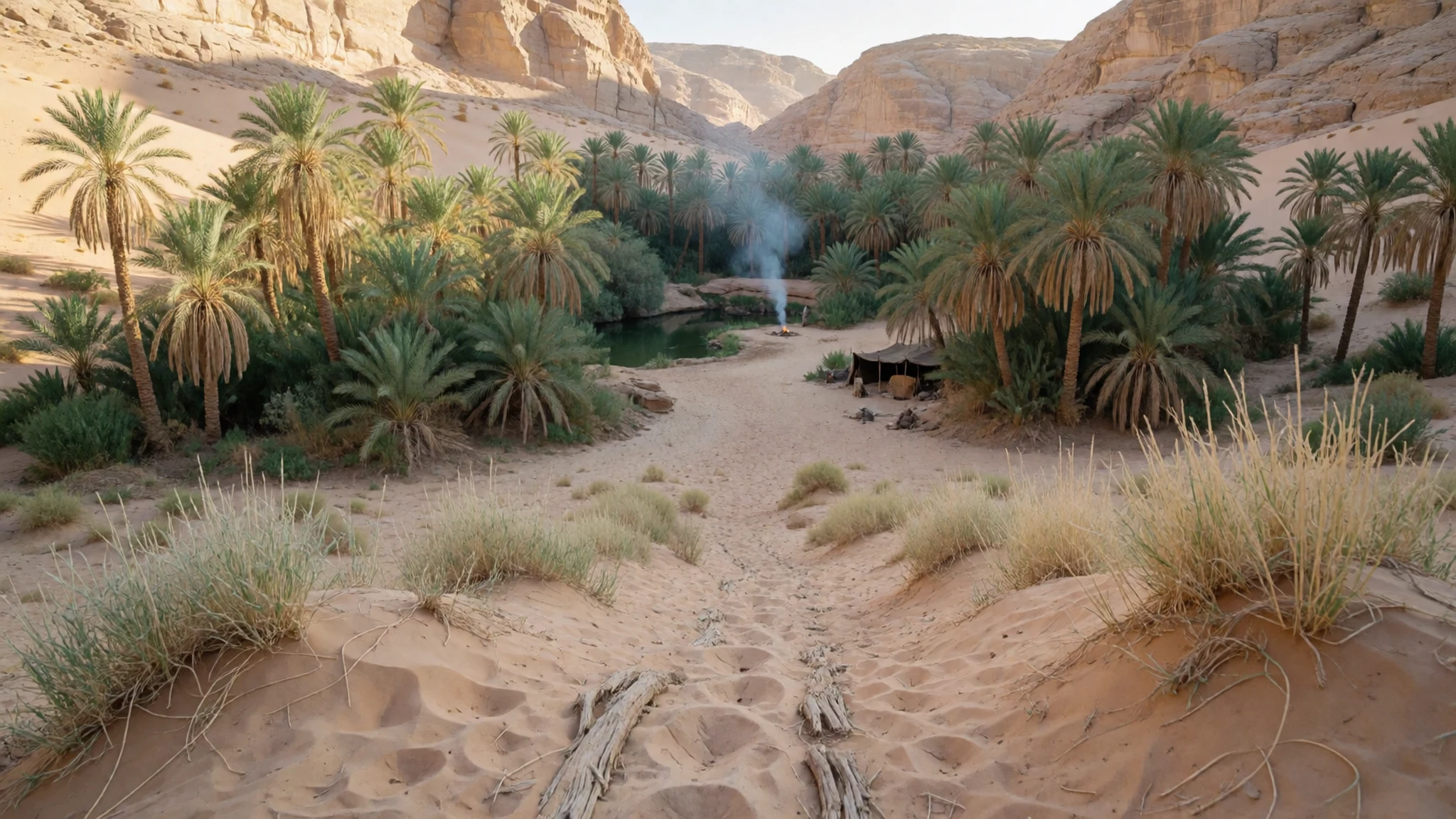
- The Blue Hole — Reef north of town
The signature dive at Dahab, the Blue Hole is safe and rewarding if you respect depth limits. Its layout tempts divers to keep going down, and that temptation is the real danger. Decide your maximum depth before you enter the water, dive with a buddy and an instructor if you are not confident, and keep the plan you made on the surface.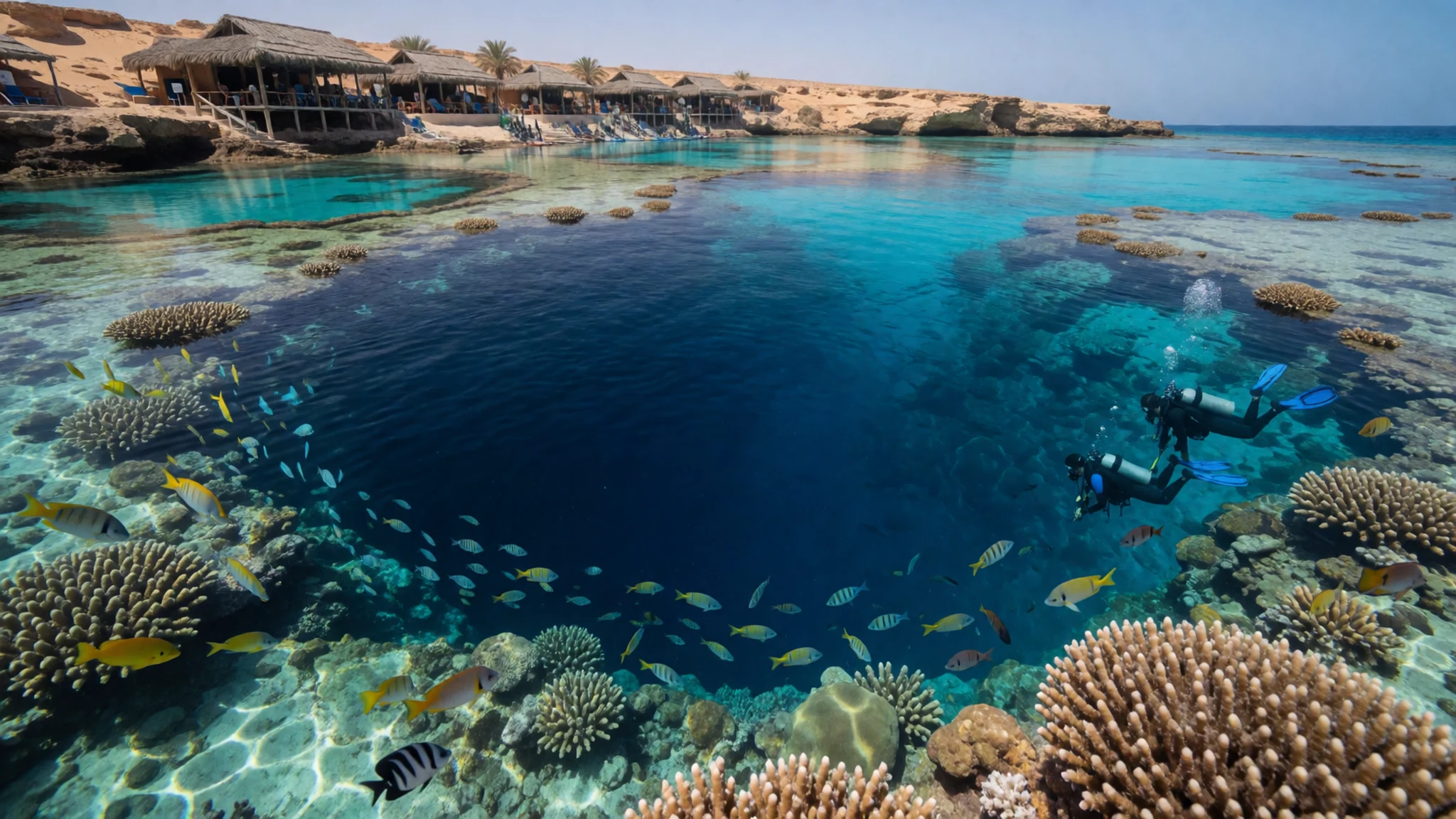
- The Canyon — Reef north of town
The Canyon is an underwater gully with overhanging walls, and a row of cafes sits on the shore above it. Divers enter and leave through the broad middle section; the narrow chimney known as The Fishbowl, at the shallow end, is not allowed. It suits confident divers who enjoy enclosed walls and light filtering down from above.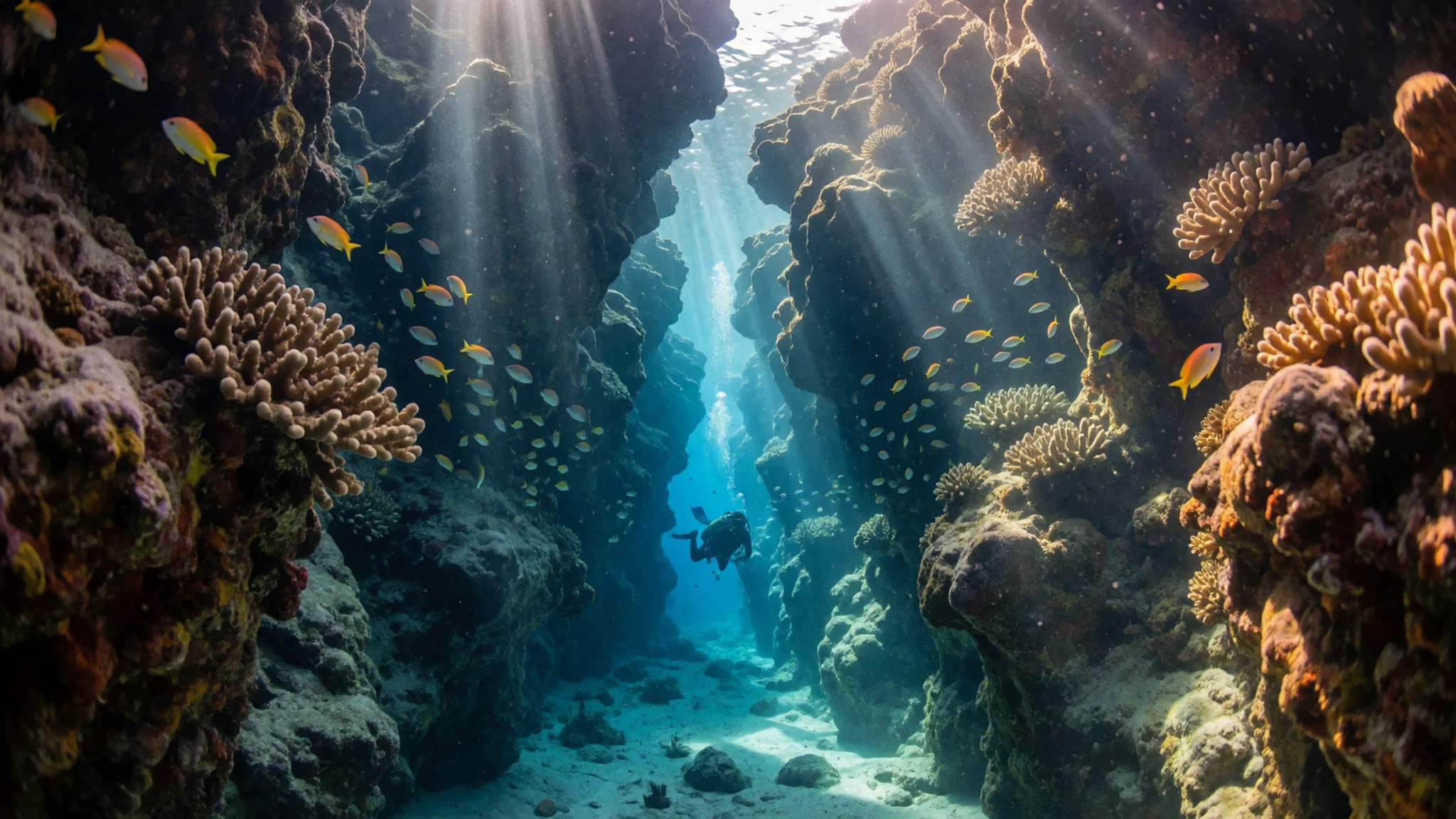
- The Eel Garden — Reef near town
Sand eels gather here in their scores, held in a shape like a question mark and swaying gently over the seabed. It suits slow, patient looking, so keep still and let the eels settle into view. Take care not to stir up the sand, which spoils the view for everyone else in the water.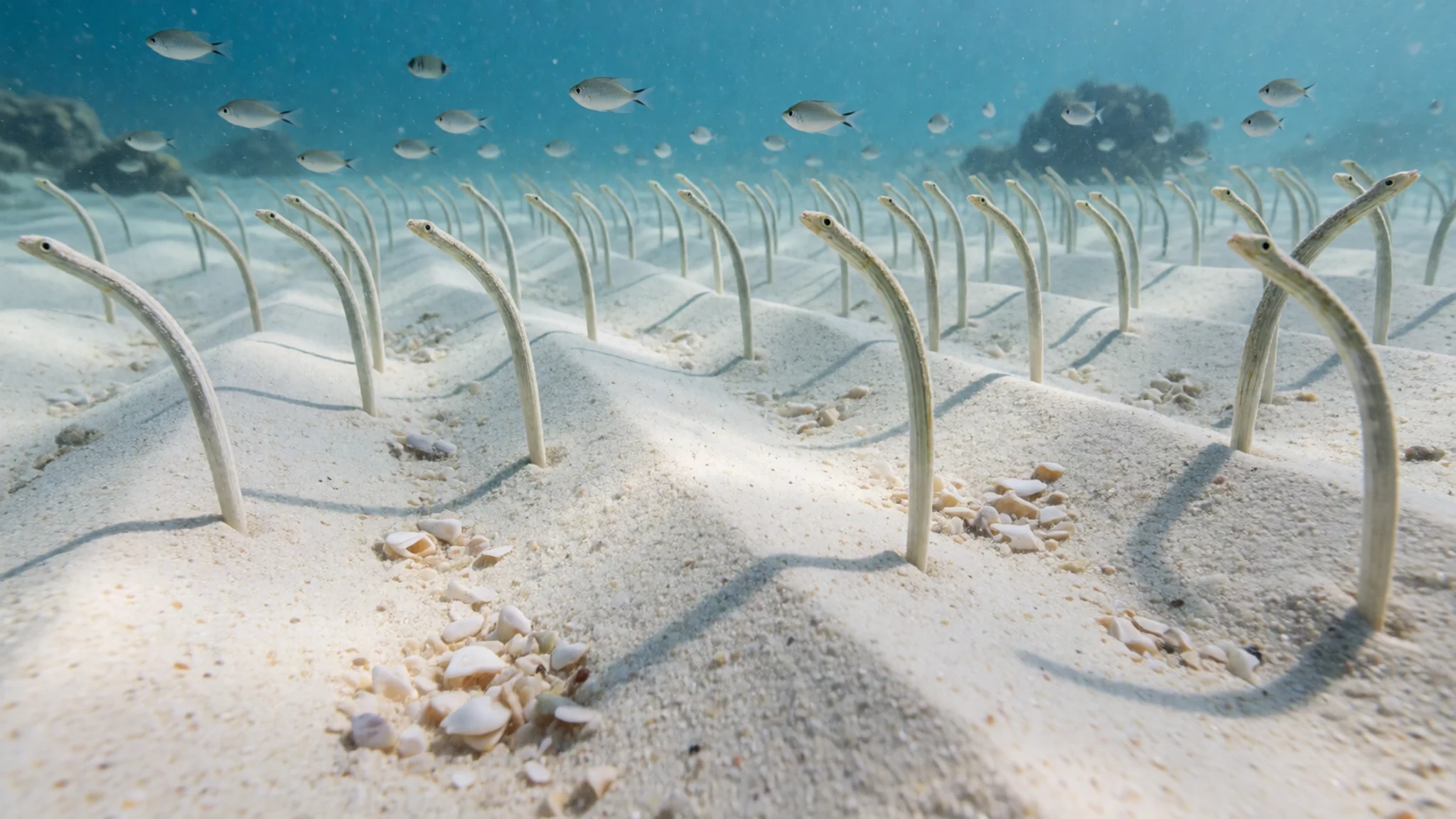
Culture
Dahab is a relaxed resort town, but it sits in a conservative country and a community with deep Bedouin roots. Most people here are used to visitors, and friendliness is easy to find, especially in the cafes and small shops of the back lanes. Hospitality is a point of pride, so greeting people, accepting tea when it is offered and asking before taking a portrait all go a long way.
Dress matters more than many visitors expect. Swimwear is fine on the beach and along the promenade around the bridge, but sunbathing topless is not accepted there and can lead to serious trouble. In town, western casual clothes are normal and shorts are fine, though covering the shoulders is kinder in the more conservative lanes. Keep the volume down in the evenings, since sound carries across the sandy streets and into the desert camps.
Tipping is expected at restaurants and by guides and drivers, and a small amount is appreciated. Bargaining is normal for boat trips and for fish sold by the kilo, but do it with good humour rather than hard pressure. Ask before photographing anyone, and never photograph women or children without clear permission.
What to wear
Dahab's traditional dress comes from the Bedouin of the Sinai. Bedouin women have long worn loose dresses of dark cotton, often decorated with embroidery in bright thread around the neck, chest and sleeves, with a headscarf. Men traditionally wore long, loose robes and a headcloth, suited to the sun and the wind. Cotton is the everyday fabric, while heavier woven wool was used for cloaks and blankets in cooler months. Older women from Bedouin families in and around the town still dress this way, while younger people often wear the same jeans and t-shirts as visitors.
What people wear now is largely western casual. Shorts, sandals and light shirts are common in the town centre, and divers and fishermen dress for the water. Modest dress is still valued in the back lanes and near places of worship, so people tend to cover shoulders and knees there.
For a visitor, the rule is practical. Pack light cotton or linen clothes, a light shawl or long-sleeved shirt for town and religious sites, and a hat for the sun. Swimwear is fine on the beach. Sandals suit the sand and hot pavements, while water shoes help on rocky entries to dive sites and at the shoreline. Bring reef-safe sunscreen, which is kinder to the water and to your skin.
What to eat
- Falafel and koshari — Budget eateries in the back lanes, a block or two inland from the seafront
Falafel and koshari are the cheapest reliable meals here. Falafel arrives hot from the fryer with bread and salad, while koshari is a filling mix of rice, lentils and pasta under a spiced tomato sauce. Eat it in the back lanes, where prices are noticeably lower than the seafront.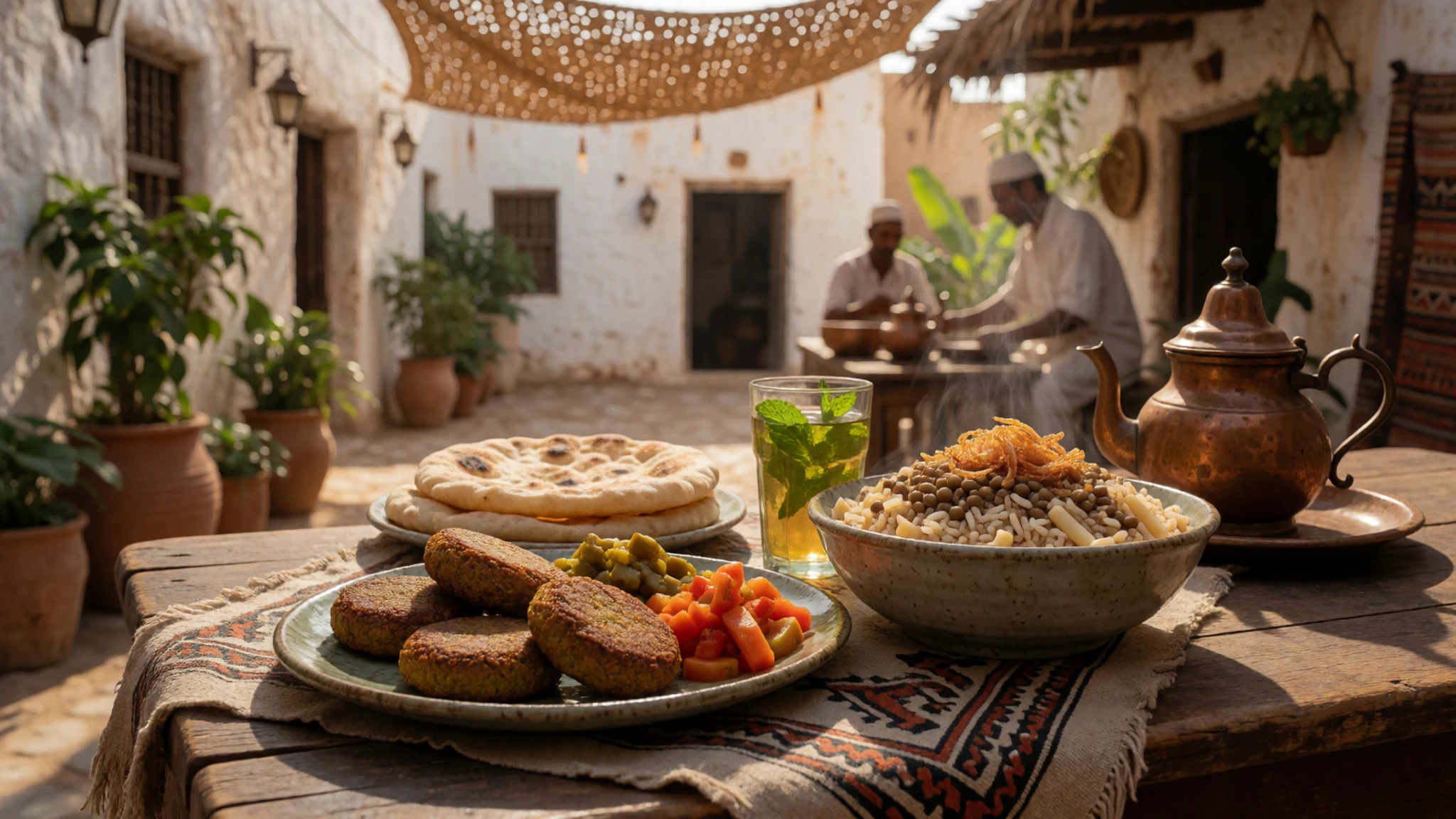
- Grilled fish — Fish restaurants a block or two inland, and the shoreline where the catch comes in
Grilled fish is the local speciality, served with bread, salads and dips. Fish is often priced by the kilo rather than per fish, so check the weight and the rate before you order. Ask what came in that day.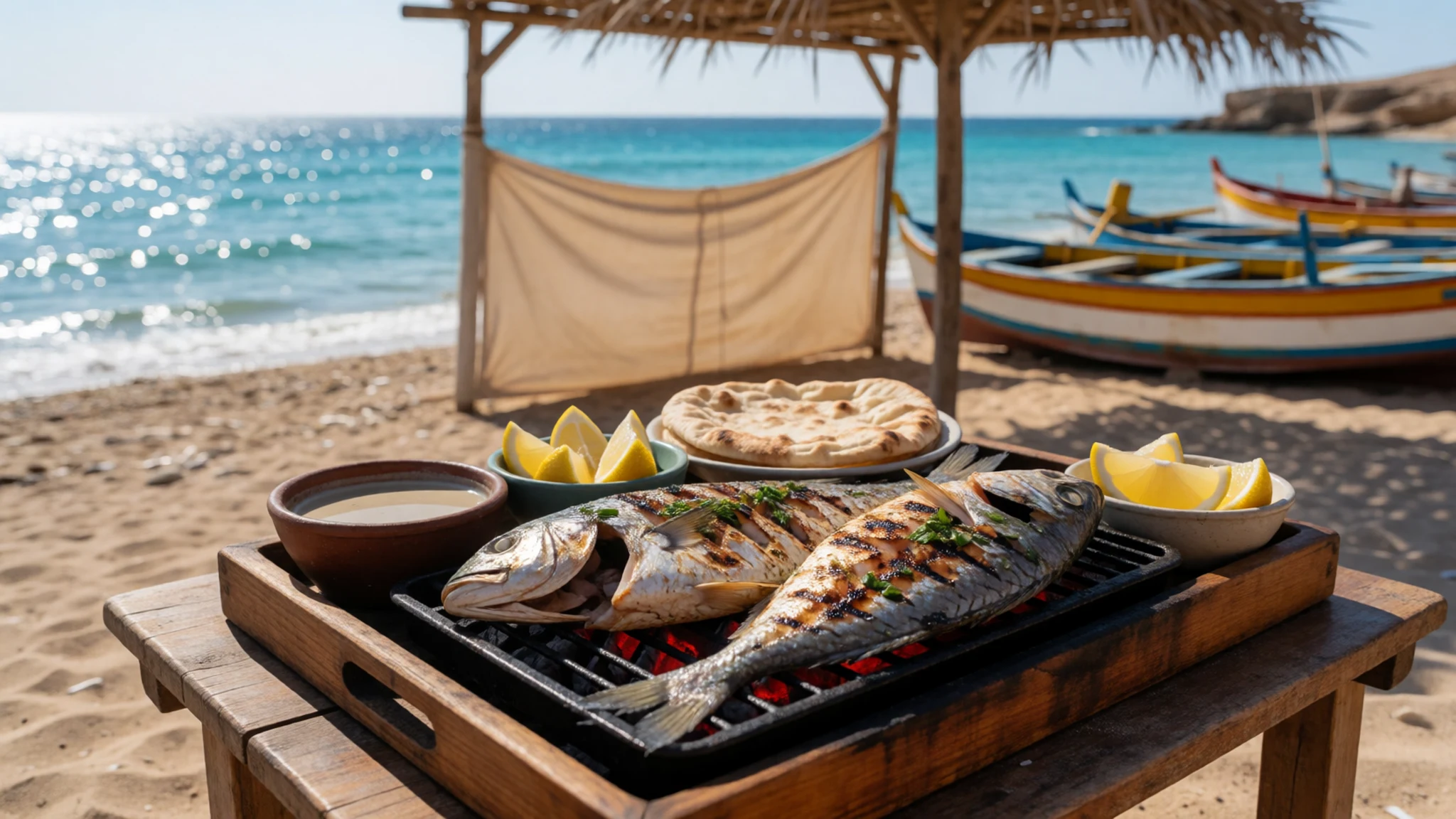
- Chicken or kofte kebab — Grill houses in the town centre
Chicken and kofte kebabs are an easy choice for a sit-down meal in town. Pitta and dips usually arrive first, and portions are generous. Look for grill places where the cooking is visible from the street, a good sign that the meat is cooked to order. - Pasta and pizza — Italian-style eateries in the town centre
Pasta and pizza are popular with divers and travellers after a long day on the water. Dahab has Italian-style places, and the better ones will happily let you order a simple dish. Portions are often large, so sharing a pizza between two keeps the bill sensible. - Indian curries and chai — Indian-style eateries in town
Indian curries and chai are a surprise in this Egyptian resort and a welcome one for vegetarian visitors. Dishes include curries, snacks and plenty of vegetarian choices, and portions are big enough that you may not need a starter. Finish with a glass of chai.
Plan it
Best time. November to March, when days are mild and nights cool, is the most comfortable stretch. Summer is very hot, and rain is rare all year, so the winter months are the most comfortable for walking, diving and desert trips.
How long. 2–3
Getting there. Fly into Sharm el-Sheikh airport, then take a taxi, or the bus for the last stretch; the bus service is erratic, so pre-book a taxi for evening arrivals. Long overnight buses also run from Cairo.
Budget. mid
Tips
- Book buses from Sharm el-Sheikh or Cairo ahead, especially night services, and expect timetables to be loose
- Visit Ain Khudra in the morning, before the day tours arrive
- Carry cash for small eateries and boats, and bargain for fish and boat trips
- Drink plenty of water and use sun cream; the sun is strong in every season
- Check your certification and dive depth limits before booking, and choose a reputable operator
Etiquette
- Dress modestly in town and save swimwear for the beach and promenade
- Ask before photographing people, particularly women and children
- Keep noise down in the evenings and in desert camps
Nearby
Sources
- Wikidata Q370495 (CC0)
- Wikipedia: Dahab (rev 1378561067) (CC BY-SA 4.0)
- Wikivoyage: Dahab (rev 5400753) (CC BY-SA 4.0)
- Dahab evening 01.JPG (CC BY 3.0)
- Dahab panorama (CC BY-SA 2.0)
- Dahab - Egypte 07/2012 (CC BY-SA 2.0)
- Heniochus intermedius (CIMG2602 Two Red Sea Bannerfish, Lighthouse Reef) (CC BY 2.5)
- Dahab, Egypt (2020-03-08) (CC BY-SA 4.0)
- Diving place Blue Hole at Dahab, Egypt (Public domain)
- Dahab - Costa (panoramio) (CC BY 3.0)
- Hilton Hotel, Dahab (panoramio) (CC BY 3.0)


