Bunaken
Bunaken, Indonesia
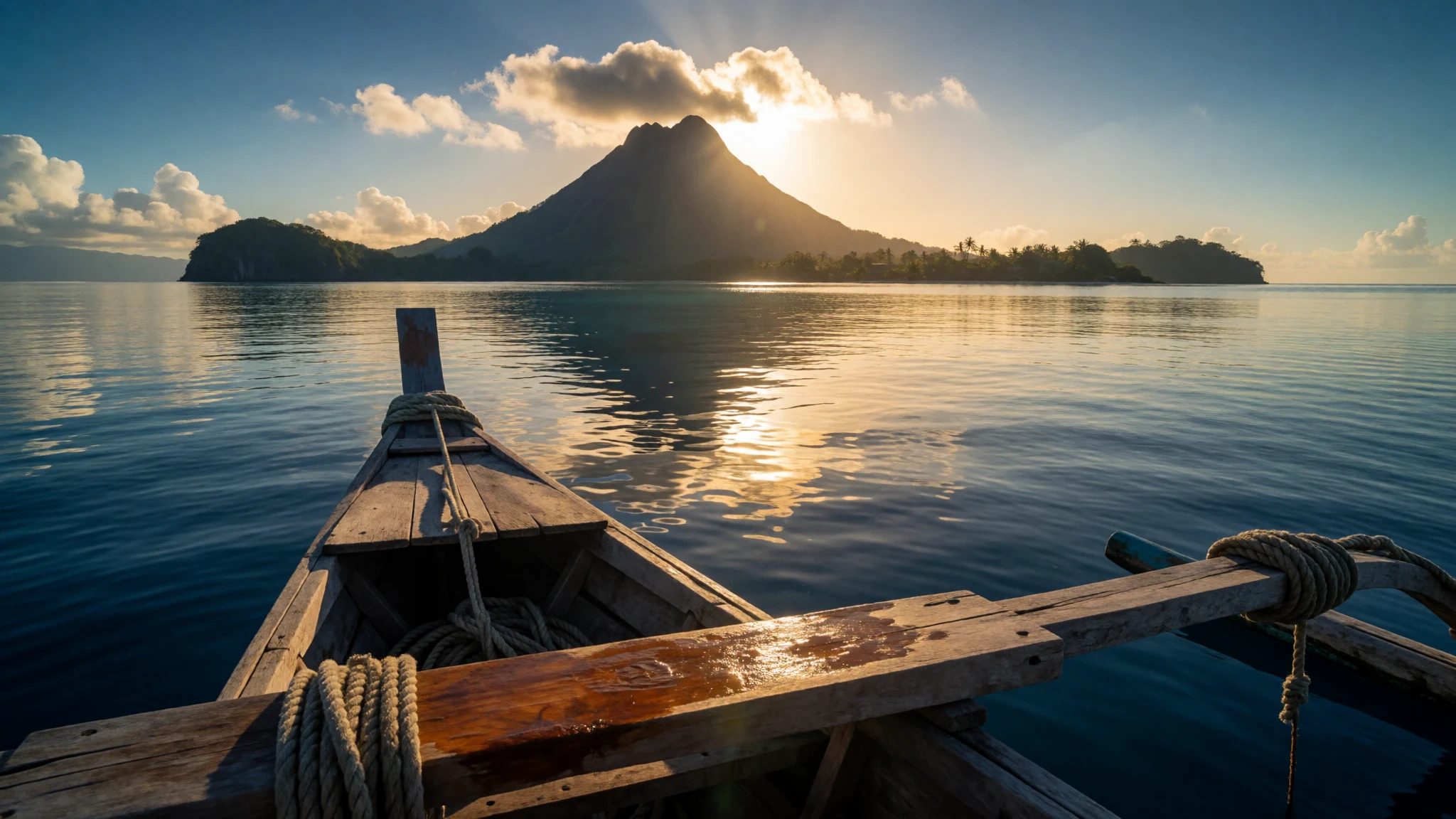
For crystal-clear visibility, steep drop-offs, and a lively mix of serious diving and relaxed snorkelling.
The place
Bunaken National Park is a marine sanctuary in northern Sulawesi, Indonesia, established in 1991. The protected area covers roughly 890 km², with the vast majority beneath the surface, comprising coastal ecosystems, coral reefs, and plains of seagrass. Located near the centre of the Coral Triangle, the waters are home to 390 species of coral and a wide variety of fish, mollusks, and marine mammals. The landscape rises abruptly from the deep sea; the absence of a continental shelf means the coastline drops directly into the bathyal zone, with depths ranging from 200 to 1,840 metres between the islands.
The park includes five islands: Bunaken, Manado Tua, Mantehage, Nain, and Siladen. Manado Tua is a distinctive, classical volcanic cone, while Siladen is a low-lying island of coral sand. Bunaken Island has a volcanic origin with significant areas of uplifted fossil coral. The land is dry and relatively arid, supporting scrub and low-lying mangroves. Locals have lived here for generations, with many relying on the sea for their livelihood, though this has at times resulted in conflicts regarding conservation. The water is remarkably clear, offering visibility that is exceptional for tropical diving. Whether on a dive boat or drifting through the shallows, the sense of being in a protected, vibrant ecosystem is immediate. The air is hot and humid year-round, and the absence of a continental shelf makes the drop-offs particularly dramatic for underwater exploration.
Its story
Bunaken’s geological history is young, with formations dating back five to 24 million years. Explosive volcanism five million years ago shaped the volcanic tuff that characterises the current topography. Manado Tua is an inactive volcano that rises over 600 metres above sea level. The island itself is partly composed of uplifted fossil coral, a marker of the region’s complex marine past. When the park was formally designated in 1991, it became one of Indonesia’s earliest marine protected areas.
Tension between conservation and local livelihoods has been a constant. Local fishermen have long worked these waters, and the arrival of tourism and diving operations required a new balance. Conservation efforts, including participatory enforcement by the World Wildlife Fund, have successfully reduced destructive practices like blast fishing, which was once a significant threat. Although Indonesia submitted an application to UNESCO for World Heritage status in 2005, the site continues to face challenges from coral mining and trash from nearby Manado. In 2024, the No-Trash Triangle Initiative introduced river barriers to limit plastic waste from flowing into the park. The result is a landscape where natural history, ecological fragility, and human development intersect, reflected in the underwater and coastal ecosystems.
What to see
- Lekuan Dive Site
A legendary dive site with a long history, known for its vertical walls and diverse marine life. Divers often encounter sea slugs and other macro invertebrates here. The topographical drop-off makes it an appealing site for intermediate to advanced divers.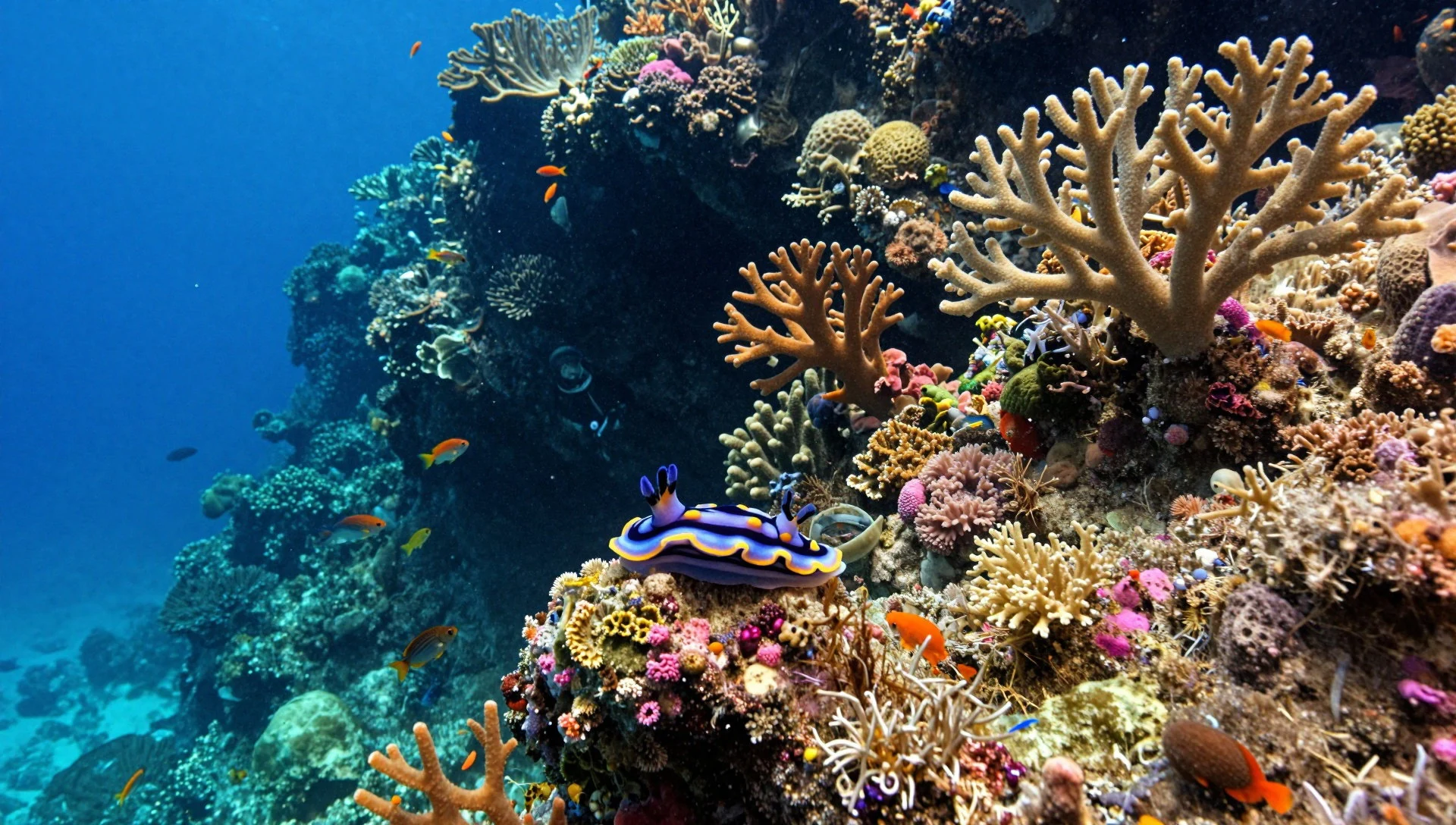
- Manado Tua, an island with a volcanic cone
This island features distinctive volcanic cones. It serves as an important stop for dive trips, providing a clear view of Bunaken Island’s coastline. The change in view contrasts sharply with the underwater landscape, offering a unique perspective on the marine park.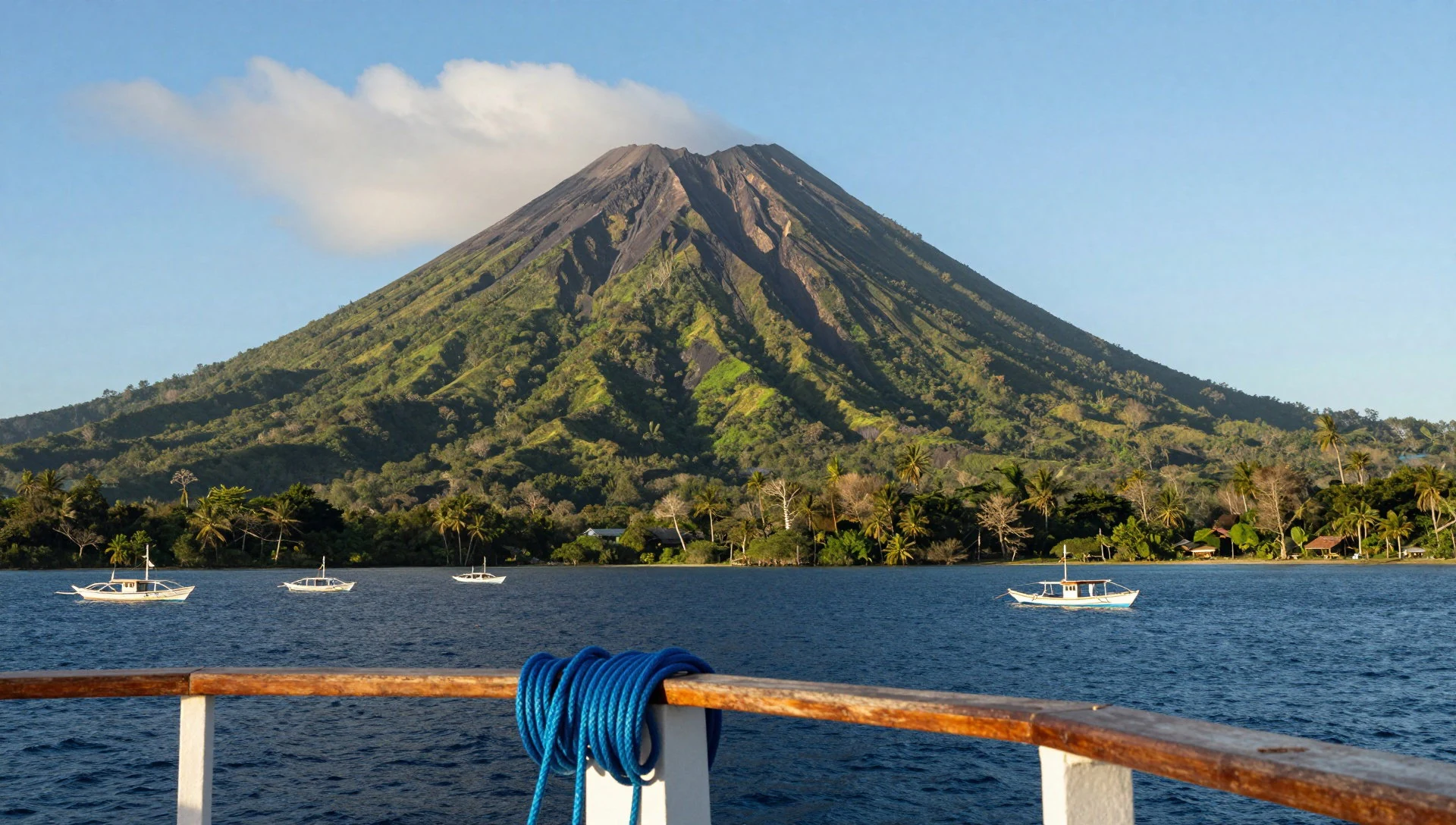
- Bunaken Beaches and Shallows
The shallow waters along Bunaken Island offer incredible marine life. Snorkellers can see coral and fish in the open sections near the village. This area provides a relaxed alternative to the more technical wall dives further out in the park.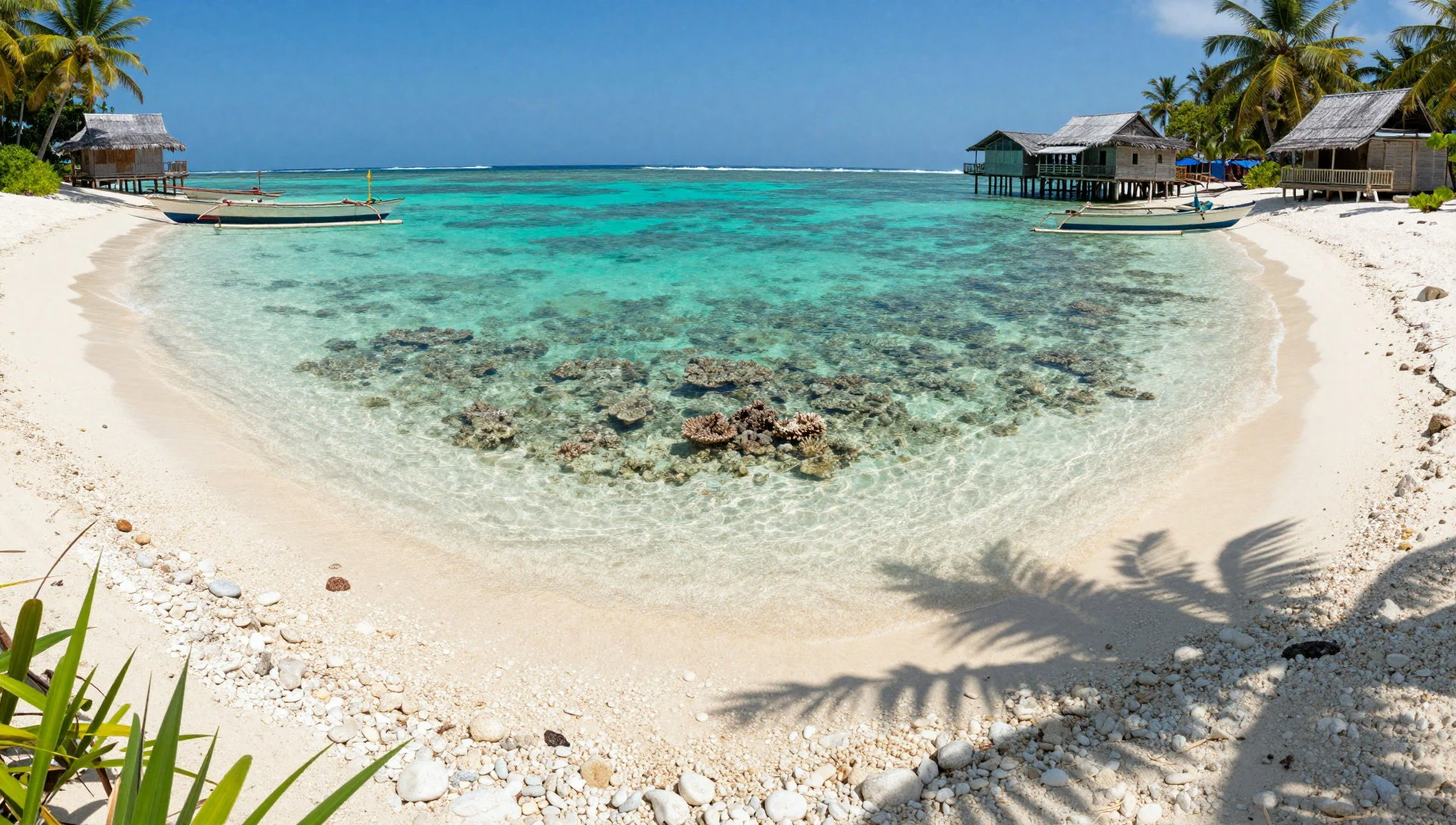
- Mantehage and the mangrove flats
A relatively flat island featuring extensive mangrove forest. The landscape varies from the rugged volcanic cones to the silty, saltwater channels. It connects the island to the mainland's coastal topography, providing a look at the terrestrial habitats within the park.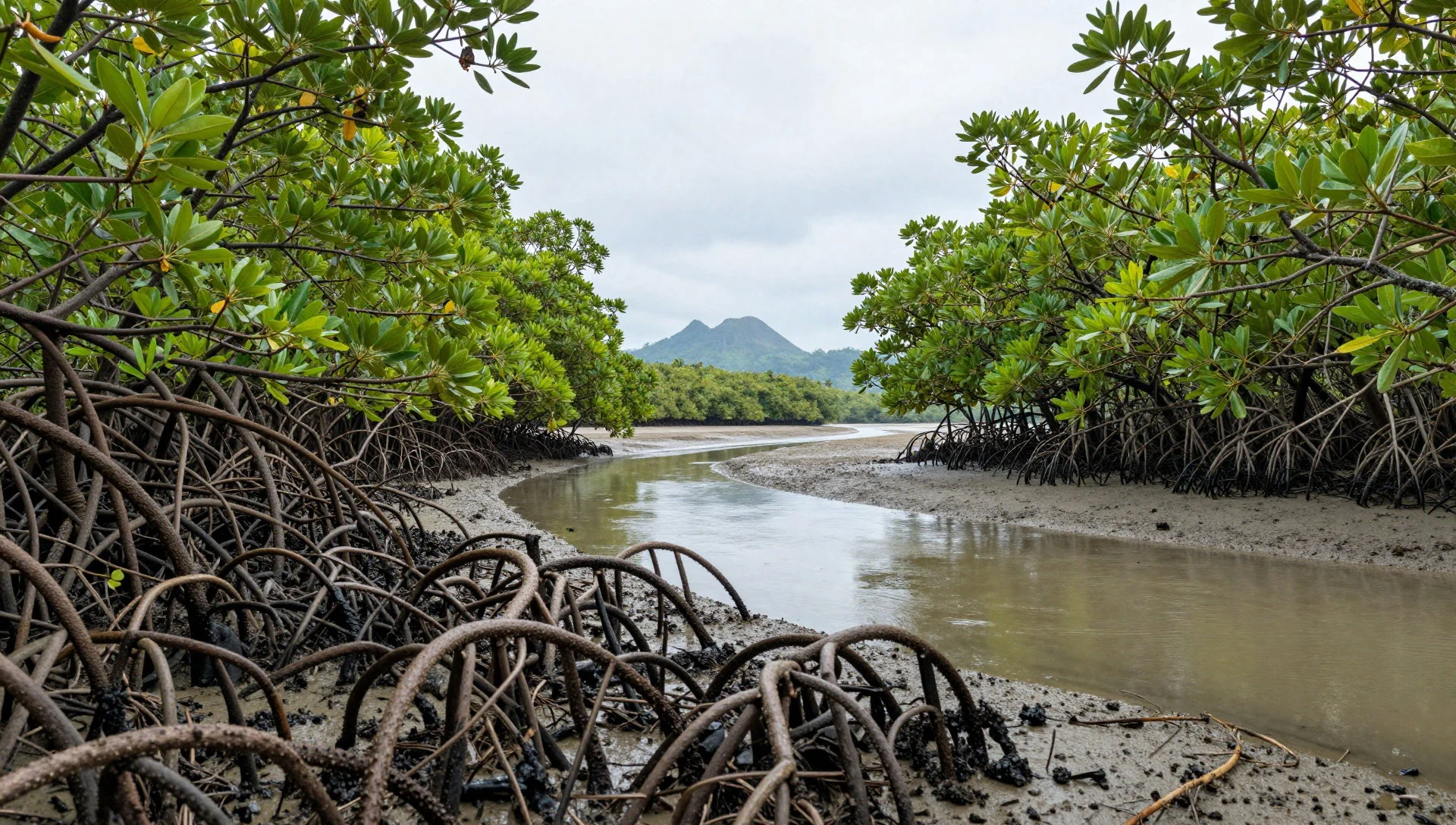
Culture
The culture of Bunaken is closely linked to the traditional maritime life of North Sulawesi. Locals often use small boats to move between the islands, and the fishing community relies heavily on the rich resources of the Coral Triangle. Fishing practices have historically included traditional techniques, though destructive methods like blast fishing have been reduced through conservation initiatives. The maritime heritage is evident in local boat-building traditions and the deep knowledge of local tides and currents. Festivals often relate to the sea, honouring ancestors and expressing gratitude for the harvest. Interaction with local people is generally friendly, with a prominent role for the Church and other religious communities in shaping daily life.
Visit in a respectful manner: removing shoes before entering a temple or cultural site is polite, and it is best to confirm with locals before taking photos of people, as it is standard practice to respect their privacy.
What to wear
Traditional textiles of North Sulawesi often include a long garment worn by both men and women for formal occasions. Weaves can use bright colours and are intricately woven, sometimes with batik patterns. These garments are primarily worn during religious ceremonies and cultural festivals. In contemporary life, people wear typical modern clothing; a t-shirt and shorts are standard for local travel. Visitors should dress appropriately for the tropical climate; sandals or water shoes are ideal given the sandy beaches and coral near the water. Loose, light fabrics are essential due to the heat. For religious sites, dress more conservatively: covering shoulders and knees is the accepted norm. The terrain on the islands is sometimes rugged, so breathable, comfortable shoes help with the dry land parts of any day, such as coastal walks or a short hike to a spot to see the view.
What to eat
- Nasi Campur, an Indonesian fish dish — street stalls and small eateries near the village
Mixed rice with a small quantity of various side dishes such as vegetables, meat, and fermented soybeans. A staple in local food areas around the island, offering a diverse combination of traditional Indonesian flavours.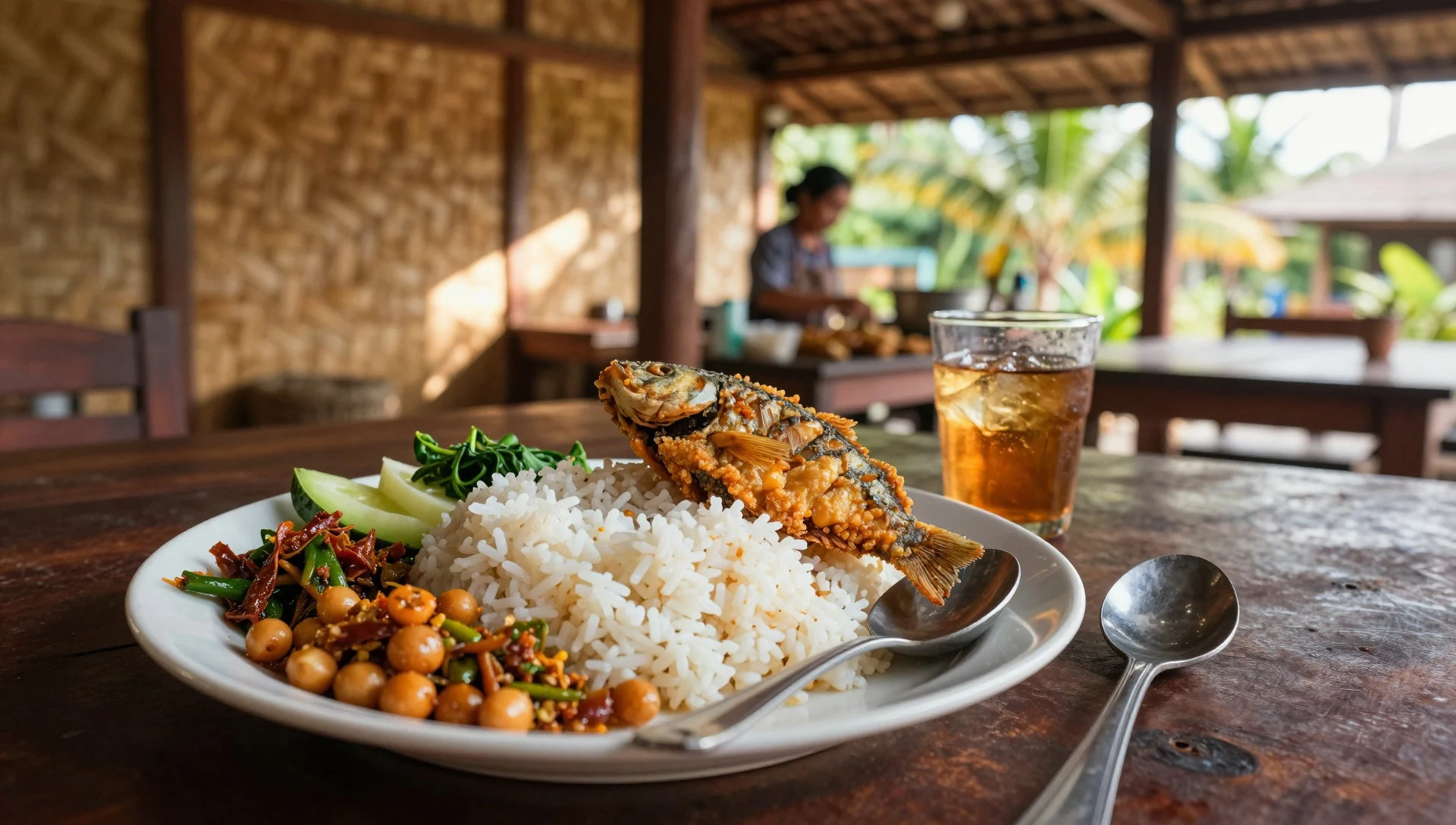
- Bakso, meatballs in a soup — street stalls and small eateries near the village
Cooked in a soy sauce broth, usually served with noodles and a hard-boiled egg. A popular, cheap, and filling choice for those spending time on the water or in between dive sessions.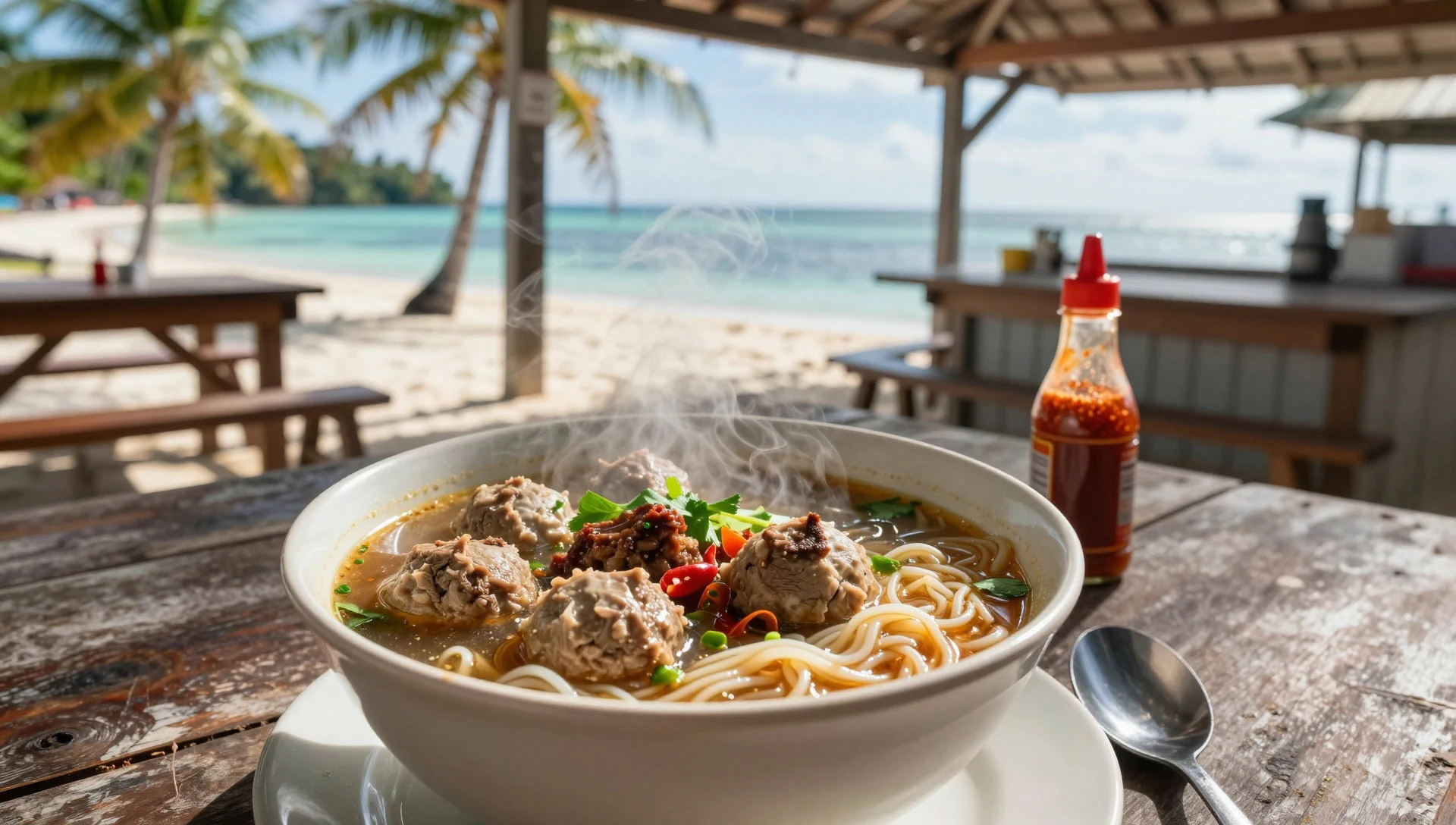
- Fried Chicken — street stalls and small eateries near the village
A general snack often found in village markets and small dinner spots. The taste varies depending on the ingredients used, but it is a straightforward, heavy-meal option after a day in the water. - Cap Tikus, a fermented rice — beach bars and restaurants
A well-known local beverage that is widely available in beach areas. Often made from palm sap. While generally considered a strong liquor, it is often served over ice with a slice of lemon, making it a popular refreshment in the heat.
Plan it
Best time. March to May and October to November offer the most reliable dry weather. The rainy season, generally around November to February, can have heavier rain but still provides acceptable visibility.
How long. 3–4
Getting there. Fly to Sam Ratulangi International Airport in Manado. Most resorts arrange transfers; public boats depart from the Kalimas harbour in the late afternoon.
Budget. mid
Tips
- Book dive packages in advance, particularly during the peak dry months
- Keep to the resort if you need bottled water, as natural water is not potable
- Wear a rash guard if entering the water, as the sun intensity is high
- Carry cash, as local shops operate on a small-scale basis
Etiquette
- Confirm with locals before taking photos of people, to respect their privacy
- Do not remove or disturb coral, and prevent damage by not using anchors
- Accommodate any requests to dress modestly if riding a private boat
Nearby
Sources
- Wikidata Q1517532 (CC0)
- Wikipedia (rev 1362705389) — CC BY-SA 4.0, grounding only (CC BY-SA 4.0)
- Wikivoyage (rev 5396161) — CC BY-SA 4.0, grounding only (CC BY-SA 4.0)
- Photo 04 — Nembrotha cristata, Bunaken (CC BY 3.0)
- Photo 02 — Bunaken from Manado Tua (CC BY 3.0)
- Photo 03 — Bunaken Marine Park (CC BY 3.0)


