Kuala Lumpur
Kuala Lumpur, Malaysia
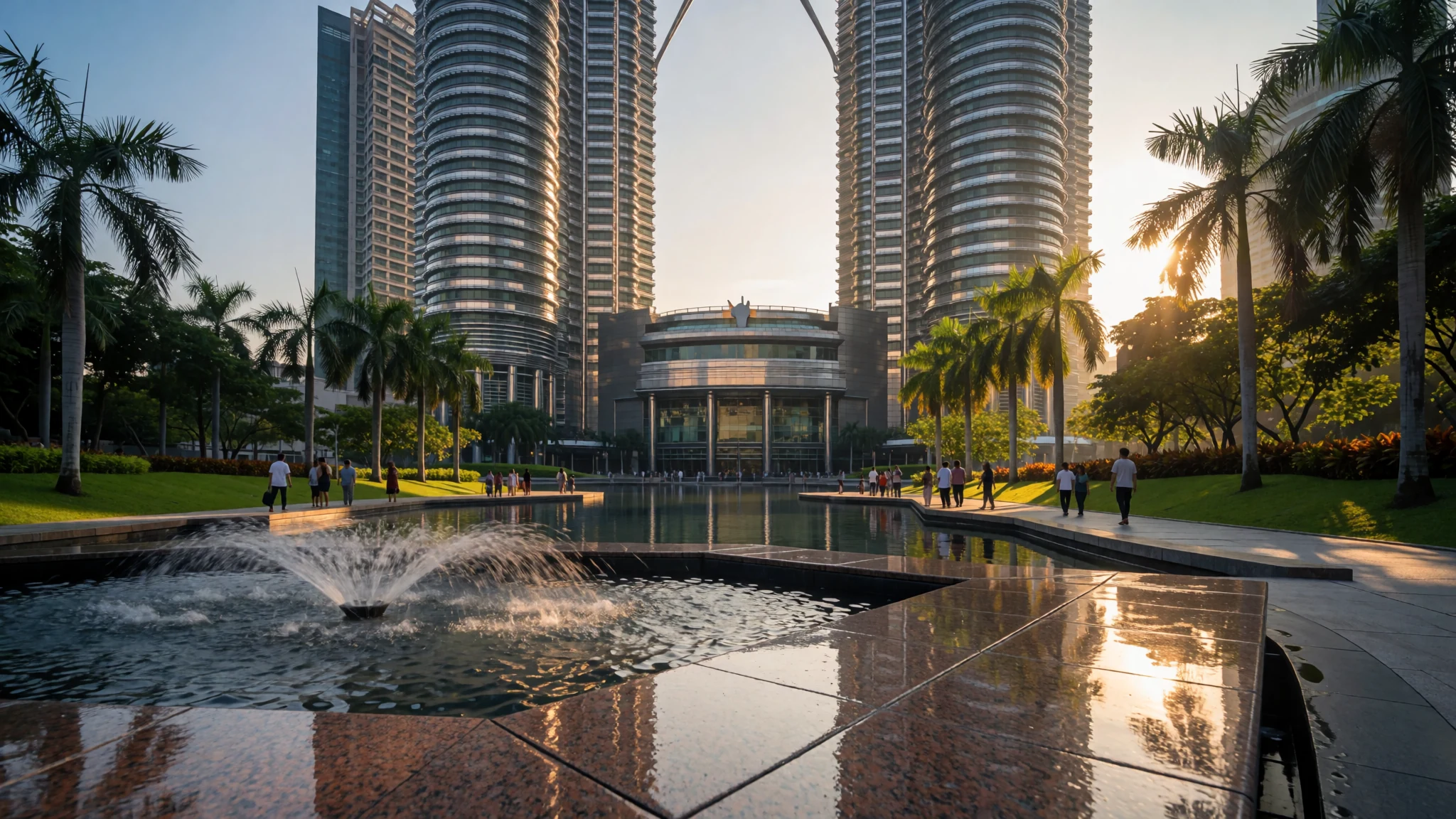
Discover a vibrant federal capital where futuristic skyscrapers tower over historic street markets and diverse culinary traditions meet.
The place
Kuala Lumpur is the sprawling federal territory and capital city of Malaysia, standing proudly at an elevation of about sixty-six metres above sea level. Founded in the mid-nineteenth century, the city has evolved from a humble river confluence into a major economic, cultural, and political hub in Southeast Asia. Today, it serves as the home for the national parliament and the official residence of the monarch. The urban landscape is a striking study in contrasts, where glass-fronted architectural marvels rise directly beside leafy parks, colonial-era edifices, and vibrant neighbourhood alleyways filled with the aromas of traditional cooking.
The municipal area supports a vast population of around nine million people across its wider agglomeration, making it one of the most dynamic metropolitan regions on the continent. Visitors walking through the core discover a city defined by remarkable diversity, where Malay, Chinese, Indian, and indigenous heritage blend seamlessly into daily life. From the gleaming Golden Triangle district to the quiet shaded corners of historic public squares, the atmosphere shifts constantly between hyper-modern efficiency and deep-rooted community traditions. The climate remains tropical throughout the year, bringing warm temperatures and sudden downpours that nourish the lush urban greenery. Navigating the streets reveals a metropolis that respects its heritage while continuously reaching upward toward the future, offering travellers an extraordinary window into modern Malaysian society.
Its story
The recorded history of Kuala Lumpur began around eighteen fifty-seven when Raja Abdullah, a Malay Chief of Klang, sent Chinese labourers upriver to open new tin mines near the muddy junction of the Gombak and Klang rivers. Long before these miners arrived, the area had been used by indigenous Temuan inhabitants and various Sumatran traders who navigated the upper reaches of the river system for commerce. What started as a tiny jungle settlement of makeshift timber shops and mining huts quickly expanded as prospectors flocked to the rich mineral deposits.
Governance and control during the colonial era shifted through several hands as the British established influence across the Malay Peninsula, eventually making the settlement an administrative capital. Over subsequent decades, destructive fires and floods repeatedly ravaged the wooden town, prompting leaders to mandate brick and tile construction that gave the early urban core its permanent character. Following independence, the city grew into the heart of the newly formed Federation of Malaya and later the broader Malaysian nation. While many administrative functions eventually moved to a planned federal government administrative centre outside the municipal boundaries, the original settlement retained its crown as the undisputed financial, cultural, and historic capital of the country.
What to see
- Petronas Twin Towers — Golden Triangle
These iconic metallic spires dominate the Golden Triangle and remain an incredible feat of modern engineering. Visitors can ascend to the skybridge connecting the two towers for sweeping views across the entire urban landscape, especially when the city lights up at night.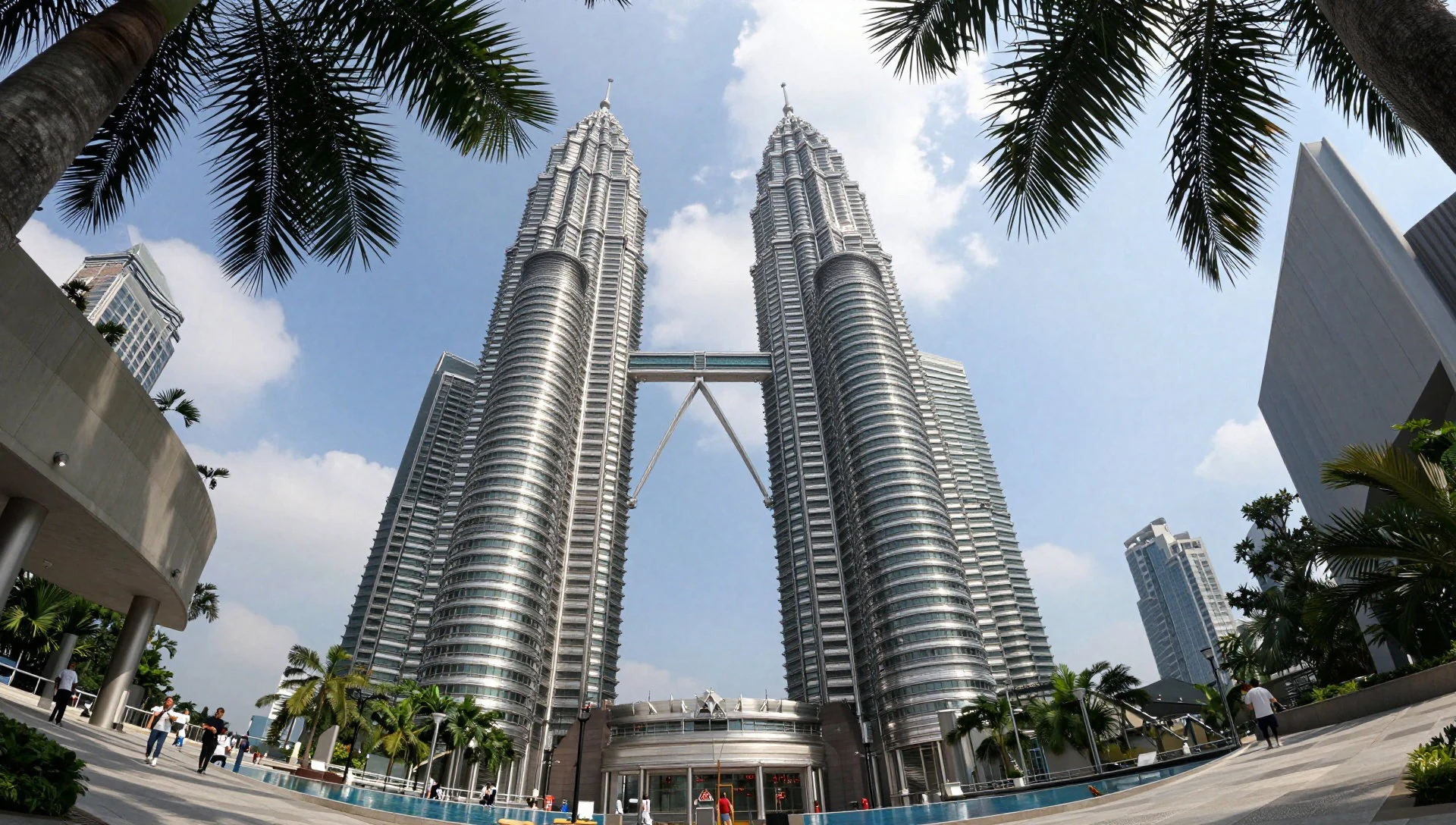
- Petaling Street — Chinatown
Located in the heart of Chinatown, this covered market street pulses with energy, colour, and activity. Stalls overflow with textiles, souvenirs, and local crafts, while the surrounding lanes offer some of the most fragrant and sought-after street food in the entire region.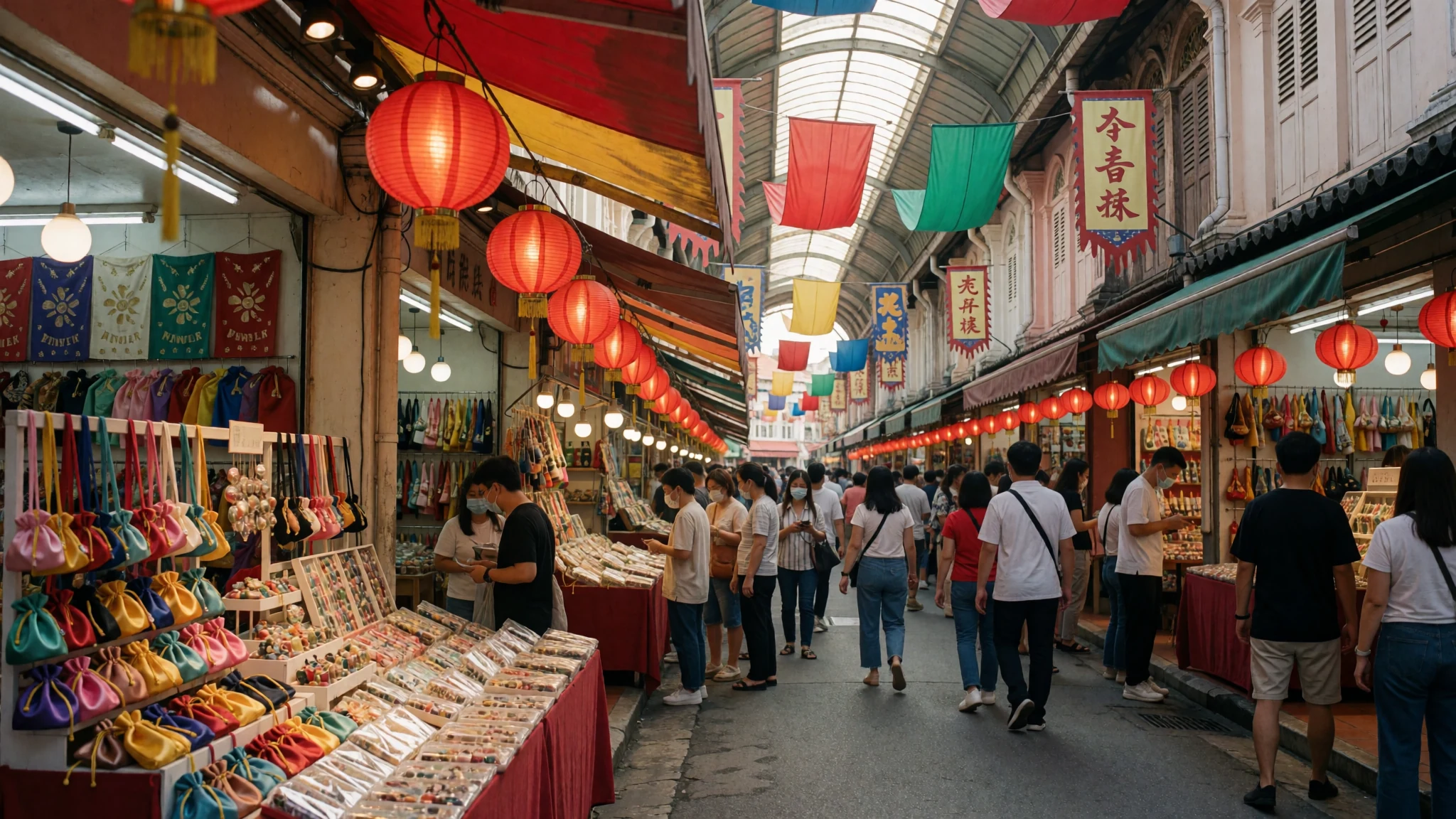
- National Mosque — Perdana Botanical Gardens
Set within expansive gardens, Masjid Negara features a distinctive folded concrete main dome and a soaring minaret. The serene prayer hall and reflecting pools provide a peaceful sanctuary away from the energetic pace of the surrounding commercial districts.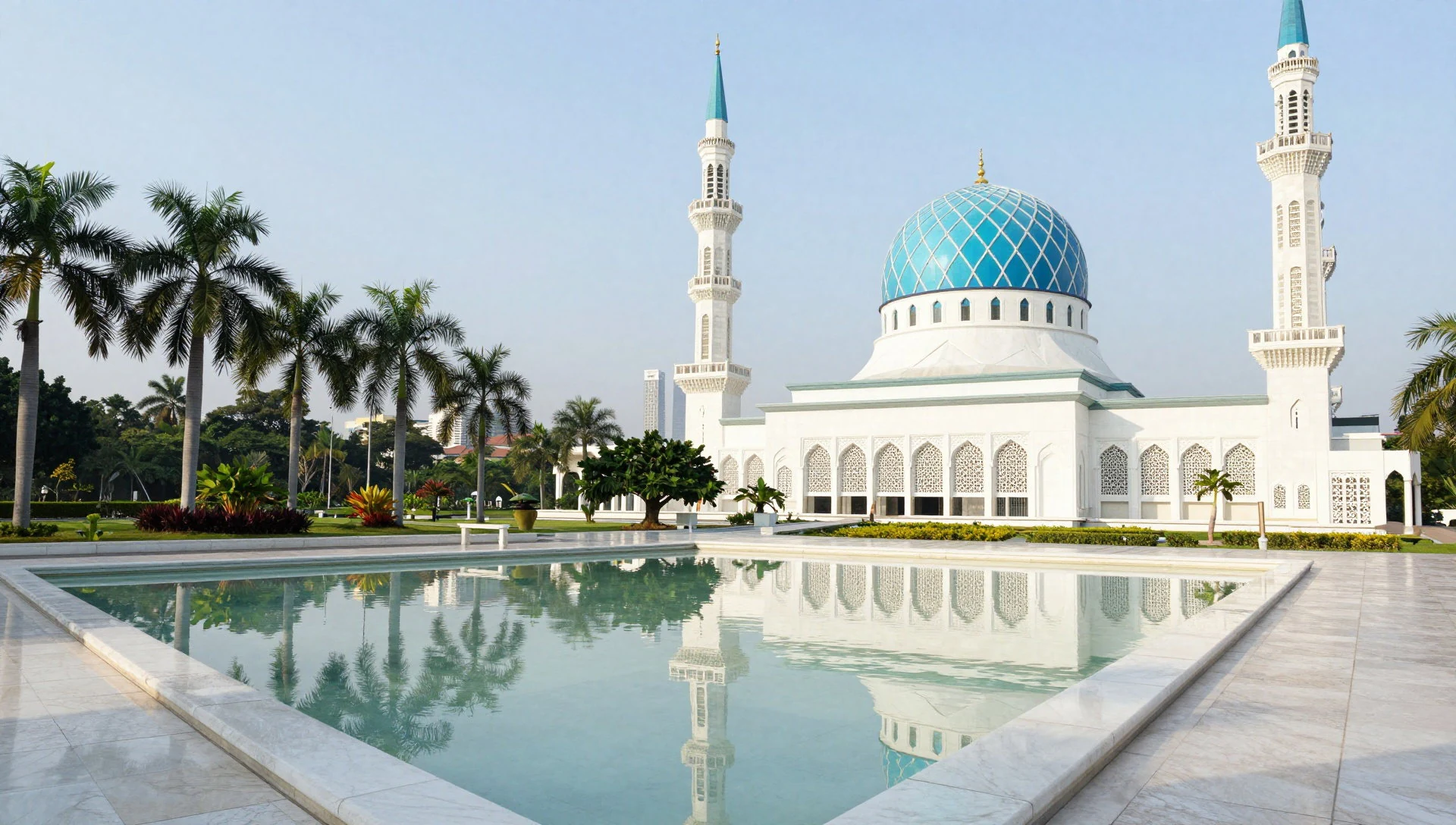
- Merdeka Square — Merdeka Square
Dataran Merdeka serves as the historic heart of the city, flanked by grand colonial-era architecture including the Sultan Abdul Samad Building. This vast grassy field is where the national flag was first raised, marking the birth of an independent nation.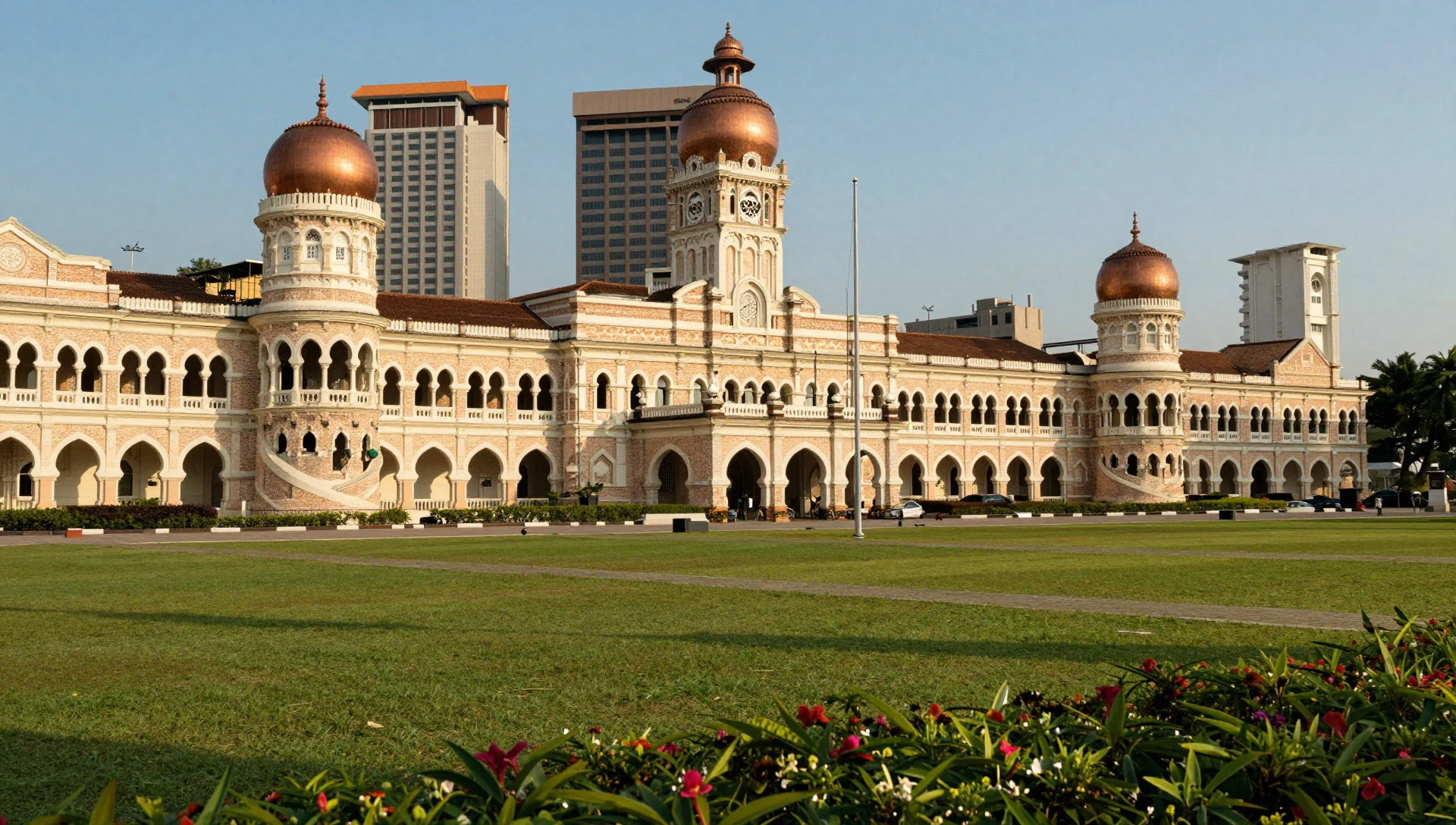
- Merdeka Tower — Historic District
Rising sharply into the skyline, this massive architectural landmark towers over the older districts. Its faceted glass facade reflects the tropical sunlight during the day and creates a striking silhouette against the evening sky as the city transitions into night.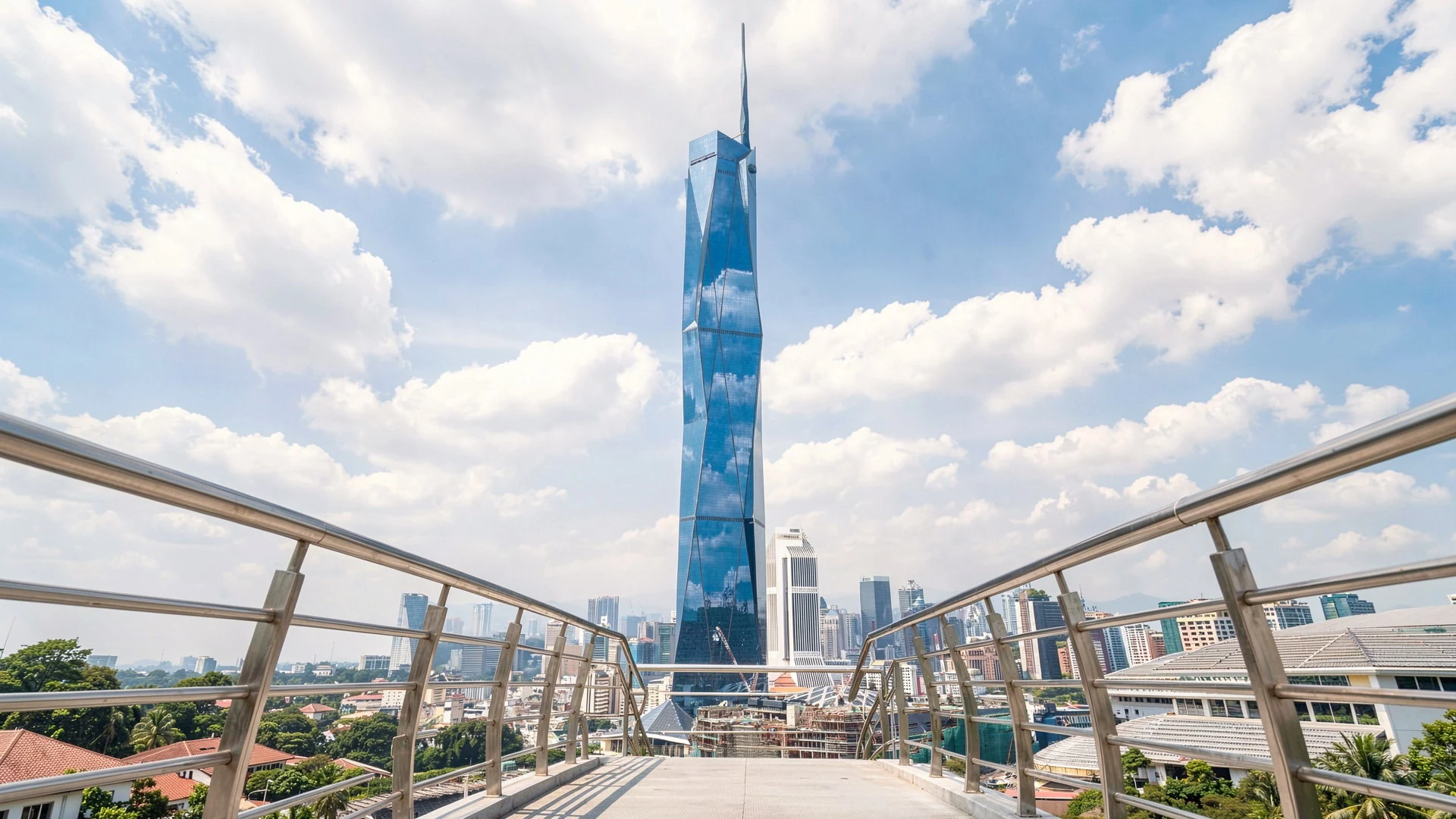
Culture
Kuala Lumpur functions as a thriving crossroads of Malay, Chinese, Indian, and indigenous cultures, creating a vibrant social mosaic found across every neighbourhood. Festivals are celebrated with immense enthusiasm throughout the year, reflecting the religious diversity of the population. The National Museum and the Islamic Arts Museum preserve this rich heritage, housing extensive collections of textiles, rare manuscripts, ceramics, and historical artefacts gathered from across the country and the wider region. Traditional craft complexes demonstrate age-old metalworking, weaving, and ceramic techniques through detailed exhibits and artisan workshops.
Social interactions are marked by warmth, politeness, and mutual respect among different ethnic groups. Respect local customs by removing your footwear before entering a home or a place of worship.
What to wear
Traditional dress in Kuala Lumpur reflects the multicultural heritage of Malaysia, featuring garments such as the elegant Malay baju kurung, intricately patterned Indian sarees, and traditional Chinese cheongsams, often crafted from fine silk, cotton, and batik fabrics. These garments are worn with pride during religious festivals, weddings, and formal national celebrations.
In daily life, residents embrace contemporary, practical urban clothing suited to the warm climate, including lightweight cotton shirts, trousers, and modest casual wear in modern shopping districts and office towers. Visitors should pack breathable, lightweight layers to stay comfortable in the tropical heat and humidity. When visiting mosques, temples, or traditional heritage sites, both men and women must dress modestly by covering their shoulders and knees, and always slip on easily removable shoes since footwear is left at temple entrances.
What to eat
- Nasi Lemak — Local coffee shops and street stalls
Fragrant rice cooked in rich coconut milk and pandan leaf, traditionally served with crunchy anchovies, roasted peanuts, hard-boiled egg, cucumber slices, and a spicy sambal paste that adds a wonderful kick of heat.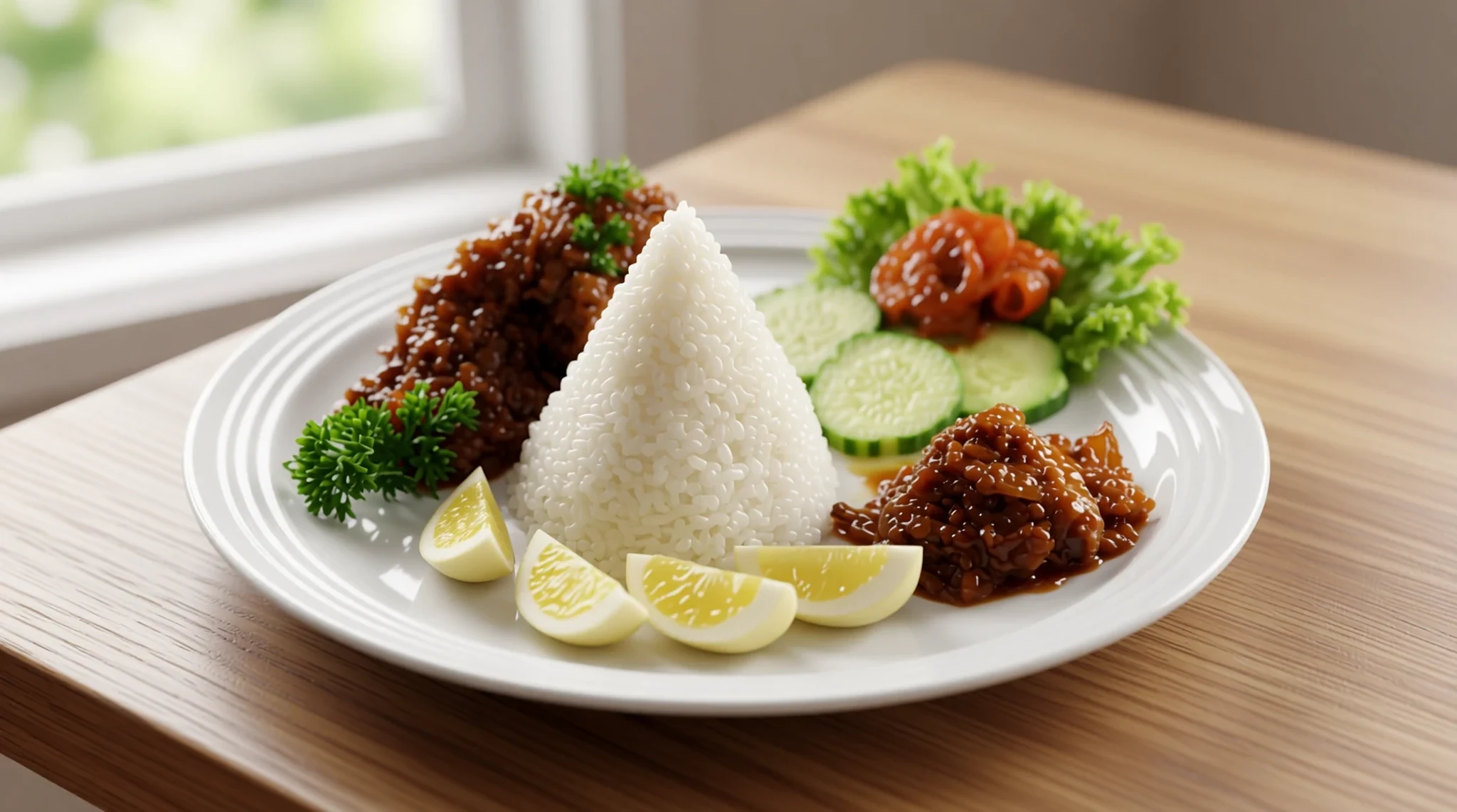
- Hokkien Mee — Chinatown night stalls
A deeply savoury dish of thick yellow noodles braised in a dark soy sauce broth with pork, squid, and crispy pieces of lard, giving the noodles a rich umami depth found across Chinatown.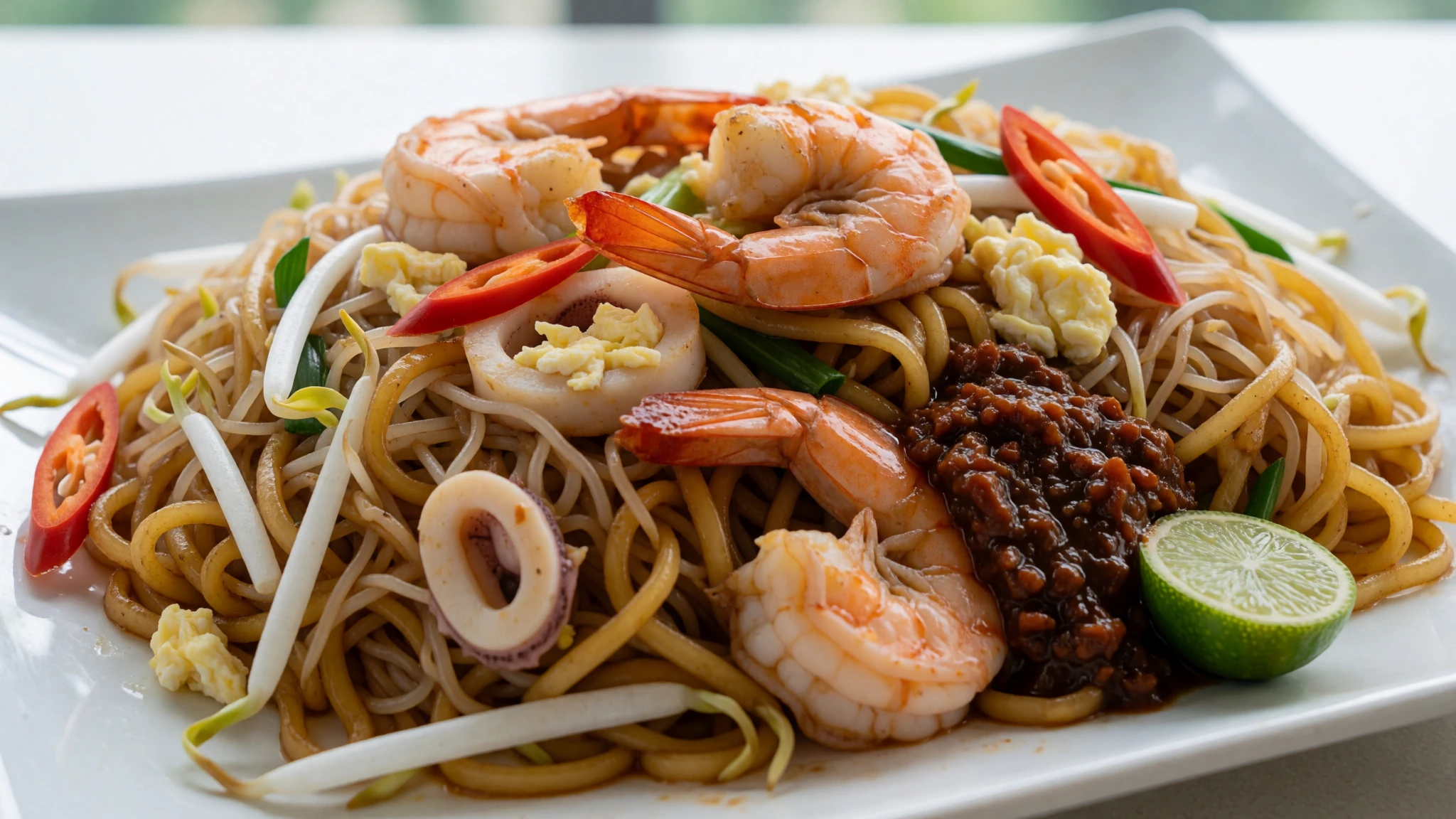
- Roti Canai — Kedai mamak curry houses
A popular flatbread stretched thin, tossed into airy layers, and griddled until golden and crisp on the outside while remaining soft inside, served alongside a warm bowl of dal or curry sauce for dipping.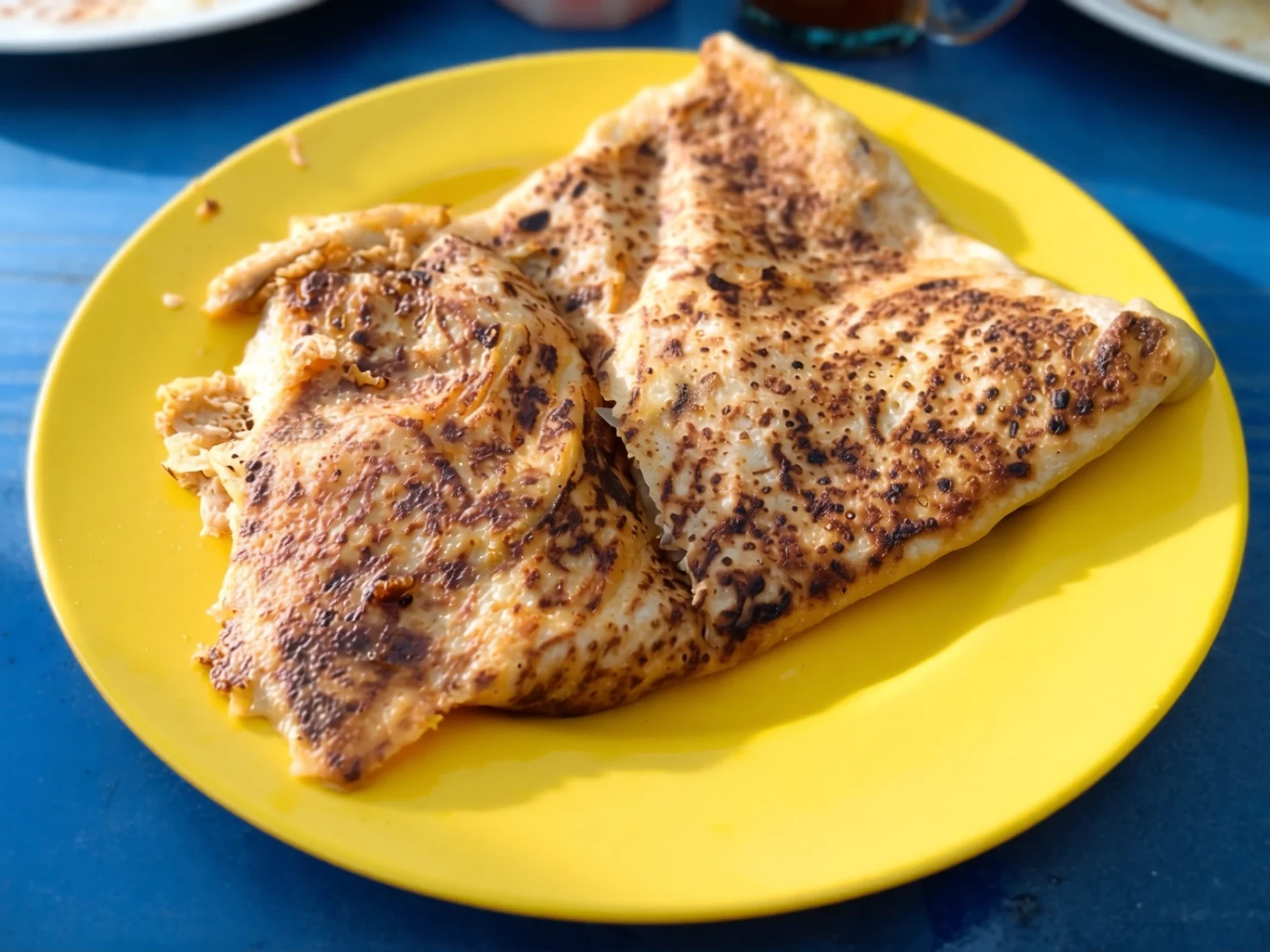
- Char Kway Teow — Jalan Alor food street
Flat rice noodles stir-fried over high heat in a seasoned wok with soy sauce, prawns, Chinese sausage, eggs, and bean sprouts, imparting a smoky aroma characteristic of hawker cooking. - Satay — Open-air food courts
Skewered strips of marinated meat grilled over glowing charcoal coals until tender and slightly charred, served alongside a thick, nutty peanut dipping sauce, cucumber chunks, and raw onions.
Plan it
Best time. June through August bring the lightest rainfall and fewer heavy downpours, making exploration much more comfortable.
How long. 3–4
Getting there. Arrive at Kuala Lumpur International Airport, then take the express train link directly to Kuala Lumpur Sentral, a transport interchange in the Brickfields neighbourhood, a short ride south of downtown.
Budget. mid
Tips
- Carry cash in small denominations for street food stalls and neighbourhood markets
- Start your outdoor sightseeing early in the morning before the tropical midday heat peaks
- Keep a compact umbrella or light rain jacket handy for sudden afternoon rain showers
- Download a local ride-hailing application to navigate cross-town transport easily
Etiquette
- Always remove your shoes before entering a temple, mosque, or private residence
- Dress modestly with covered shoulders and knees when visiting religious shrines
Nearby
Sources
- Wikidata Q1865 (CC0)
- Wikipedia (rev 1381149725) (CC BY-SA 4.0)
- Wikivoyage (rev 5407656) (CC BY-SA 4.0)