Al Wakrah
Al Wakrah, Qatar
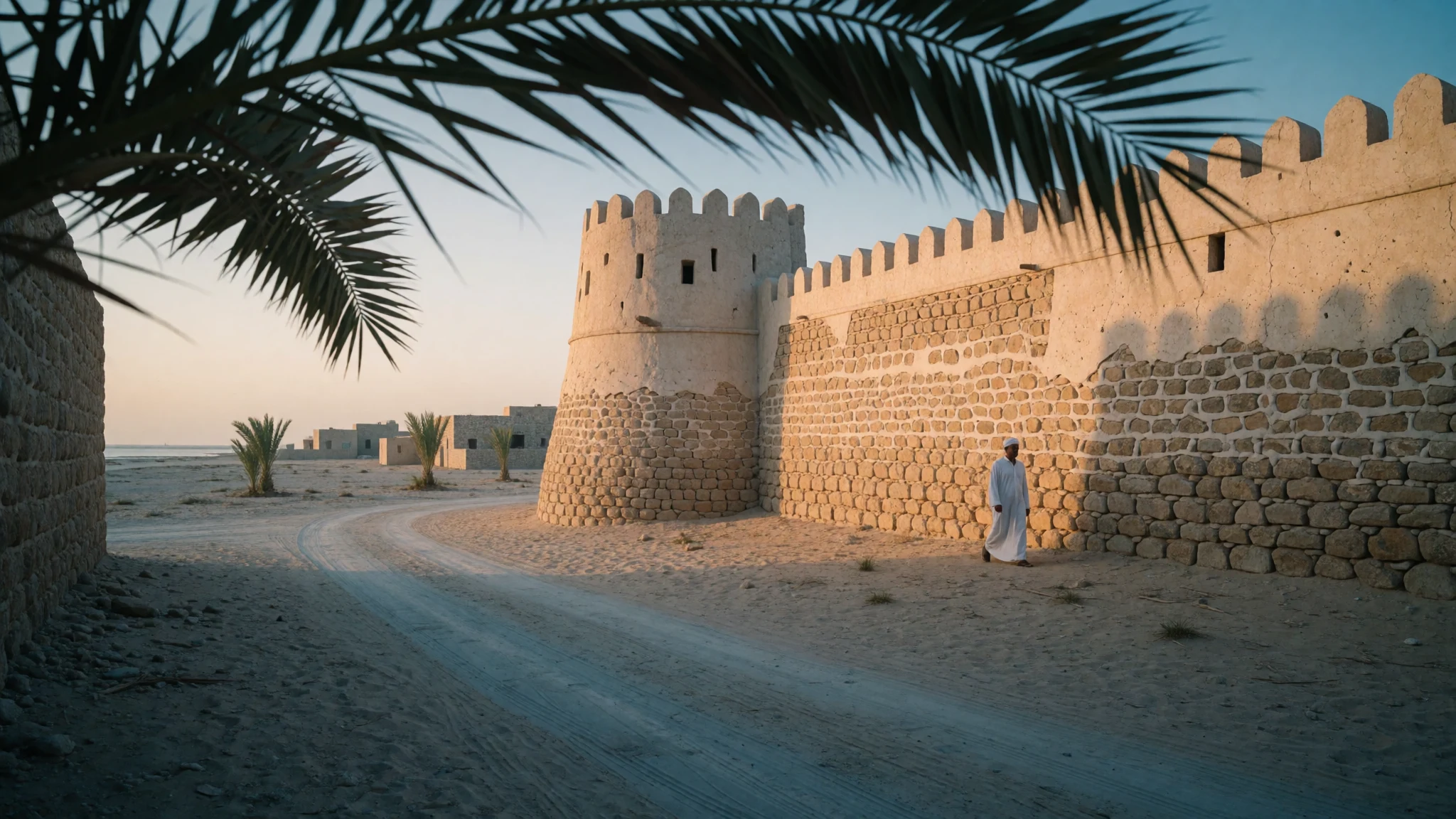
Al Wakrah is a former pearling village on the Gulf, a short ride from Doha, with a working dhow harbour and a restored old quarter.
The place
Al Wakrah is a coastal city on Qatar's Gulf shore, immediately south of Doha, and the capital of the municipality that carries its name. About 88,000 people live here, on flat ground only about 9 m above sea level that runs down to a shallow, rocky shoreline. The place began as a village of fishermen and pearl divers, and the old core still faces the water: a dhow harbour, a corniche, a restored heritage quarter and a souq whose lanes lead towards the low rise of Jebel Al Wakrah. Around that core, the newer city is a spread of modern housing, roundabouts, stadium grounds and shopping streets, pulled into Doha's orbit as the capital grows outwards. The Doha Metro now reaches the northern edge, which makes Al Wakrah an easy half-day or evening outing rather than somewhere that needs a night's stay. Oil shaped the modern town as well, because the industrial area at Mesaieed, with its oil terminal, lies close by and brought work and growth. For a visitor the appeal is contrast. Mornings at the harbour feel like a working port, with boats being tended and the catch coming in, while afternoons are quiet and hot. Summer heat is severe and humid, so outdoor wandering is comfortable mainly from late autumn to early spring. Crowds are thin on weekdays, and families fill the corniche and beach at weekends and on holidays. Facilities are practical rather than polished, and some heritage buildings are shut for works, so plans need a little flexibility.
Its story
Al Wakrah's story starts with a quarrel. According to a British official's account from the middle of the nineteenth century, the town did not yet exist when an earlier British survey mapped Qatar's east coast. It was founded afterwards by Ali bin Nasir, a chief of the Ajman tribe, who had been living at Al Bidda, the settlement that grew into Doha. A dispute with the ruler of Bahrain put his people's homes at risk and raised the prospect of being moved across the water. Rather than accept that, they left and built anew beside Jebel Al Wakrah, the low hill that still anchors the old town. Some architectural evidence hints that Al Wakrah may have been the first real urban centre in Qatar, though that remains a suggestion rather than settled fact. The surrounding coast stayed politically tangled. Qatari leaders of the Al Thani family, then under Bahraini overlordship, fought a mainland battle at nearby Mesaimeer against an army from Nejd that was using the peninsula as a launch point against Bahrain, while Bahraini and Abu Dhabi allies mostly stood aside. Through the pearling era Al Wakrah's port filled with boats, and British surveys counted them in the hundreds. Pearling faded, oil arrived, and the industry at Mesaieed pulled work and people southwards. Since then the old fishing settlement has been absorbed into the growth of greater Doha, and the restored houses of the heritage quarter are what remain of the earlier town.
What to see
- Dhow harbour — Old harbour
Qatar's fishing fleet has a large home at Al Wakrah's dhow harbour, and the water's edge gives the old town its working character. Wooden dhows and fishing boats sit along renovated quays, and the walk beside them is pleasant in the cooler months. Early morning light is best, with crews tending their boats.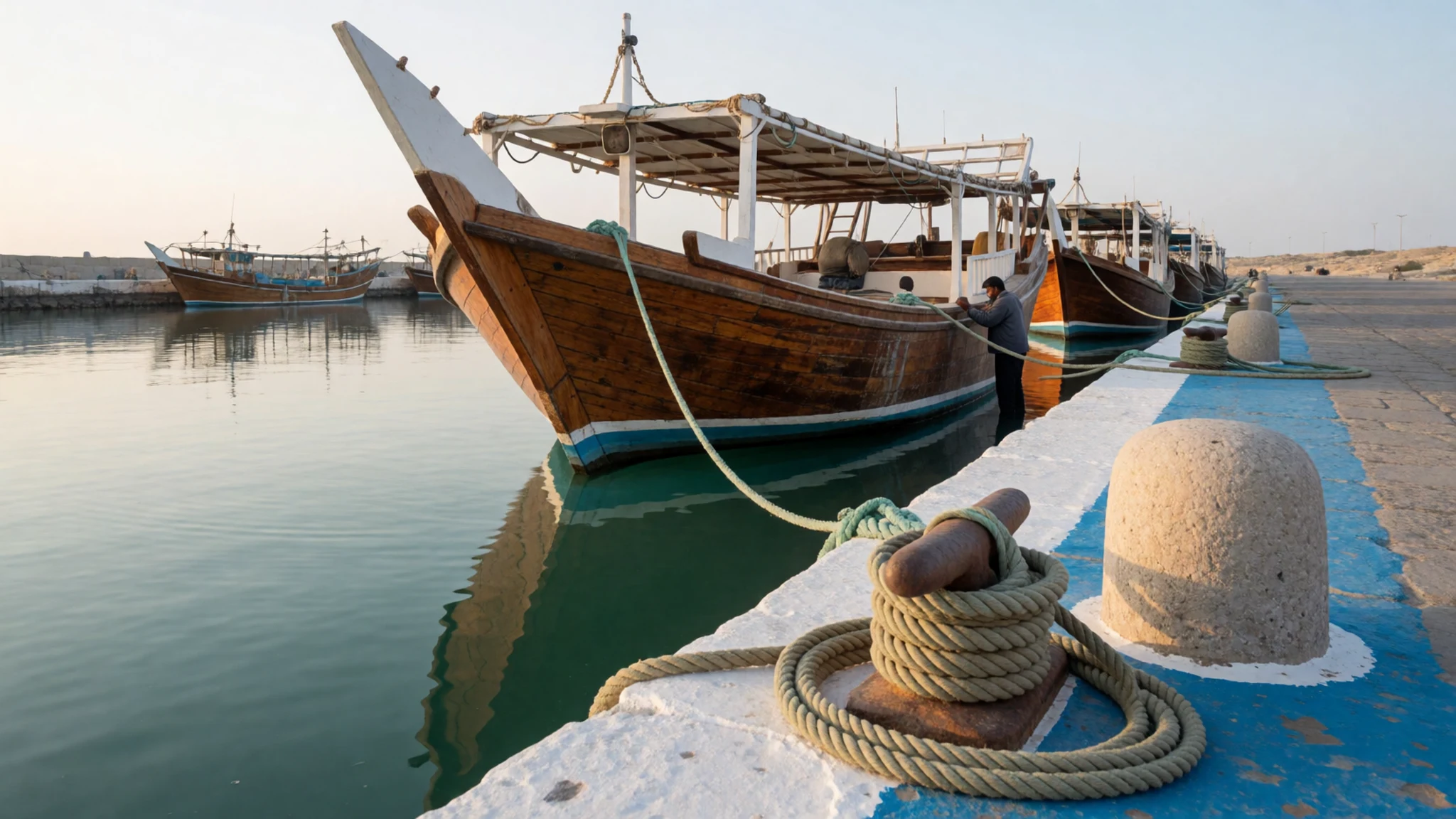
- House of Sheikh Ghanim bin Abdulrahman Al Thani — Heritage village
This restored home belonged to a local pearl trader and is open to visitors. Security staff at the entrance usually let people wander on their own once asked. Thick walls and courtyard rooms show how a merchant family lived and kept cool before air conditioning, and the surrounding heritage quarter adds context.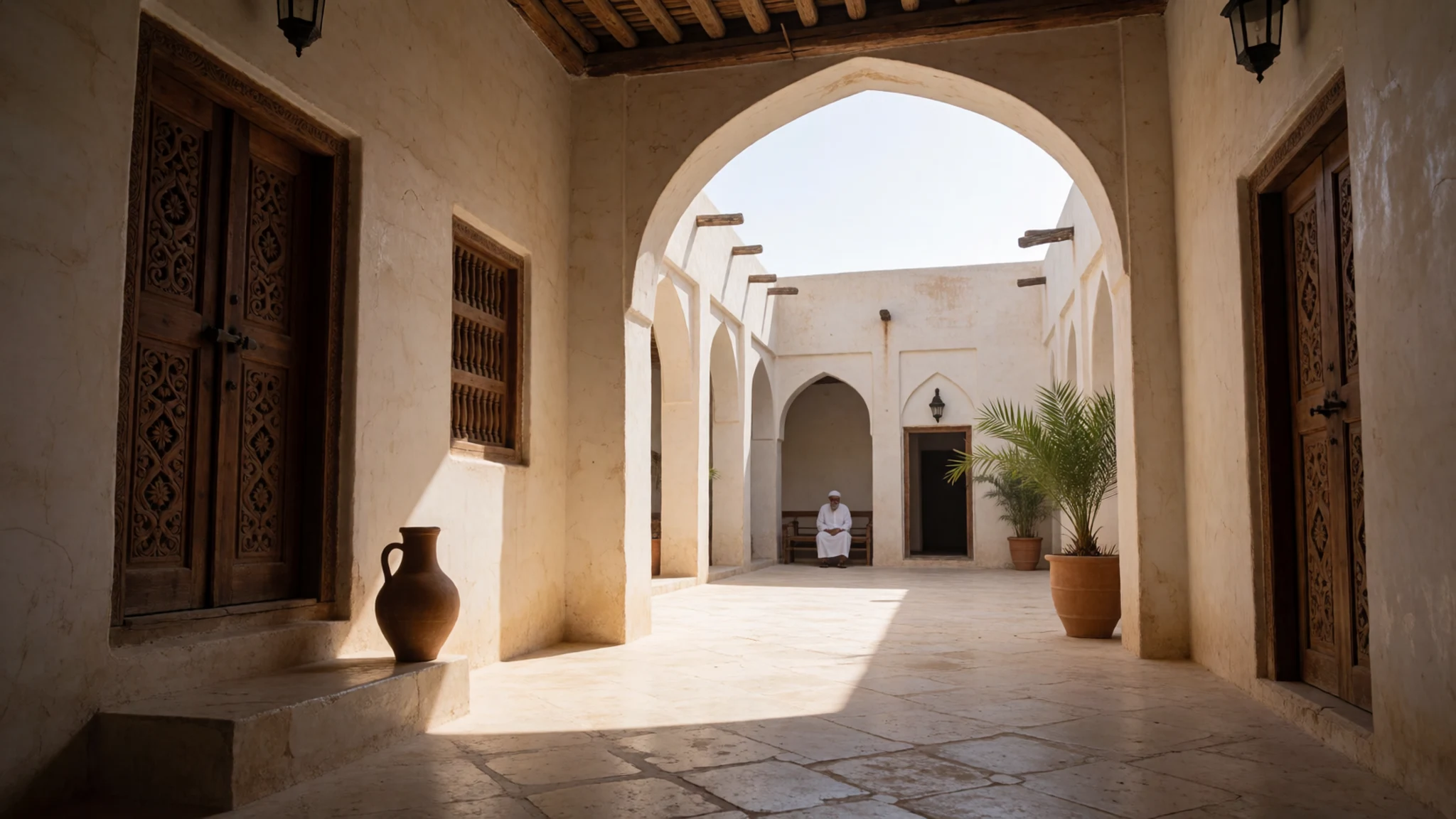
- Al Wakrah Museum and old fort — Old quarter
The museum occupies an old fort at the edge of the historic quarter, with displays on marine life and local history. Its doors have been shut while the building is renovated, so check the municipality website before making a special trip. The fort's walls are still worth a look from outside.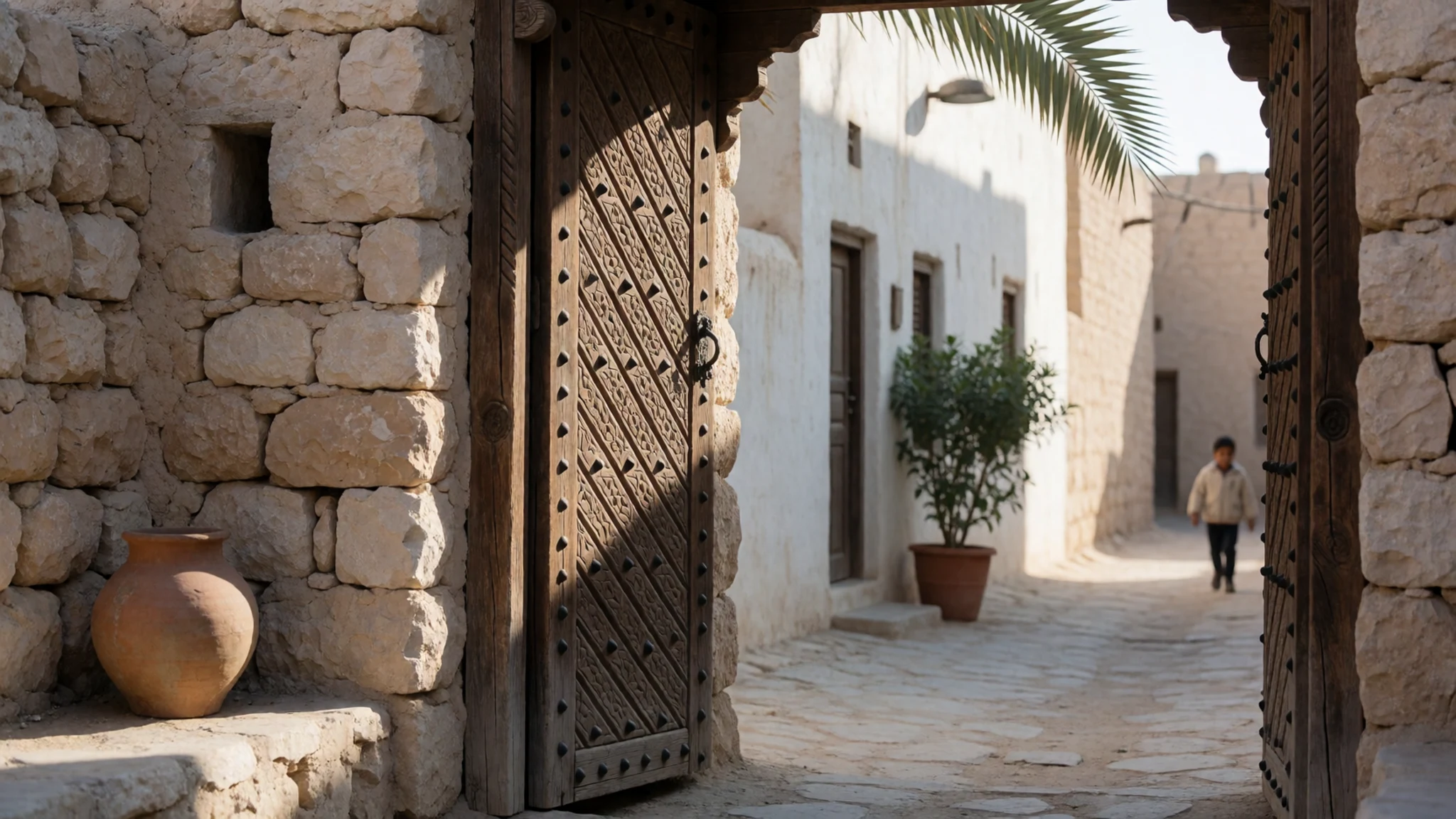
- Manaratain Mosque — Old quarter
Manaratain Mosque stands near the old harbour, a modest building made in the traditional Gulf way from coral stone and rock under a baked-mud roof. It replaced earlier mosques on the same ground and is not ancient, but it shows local building methods well. Non-Muslim visitors should admire it from outside unless invited in.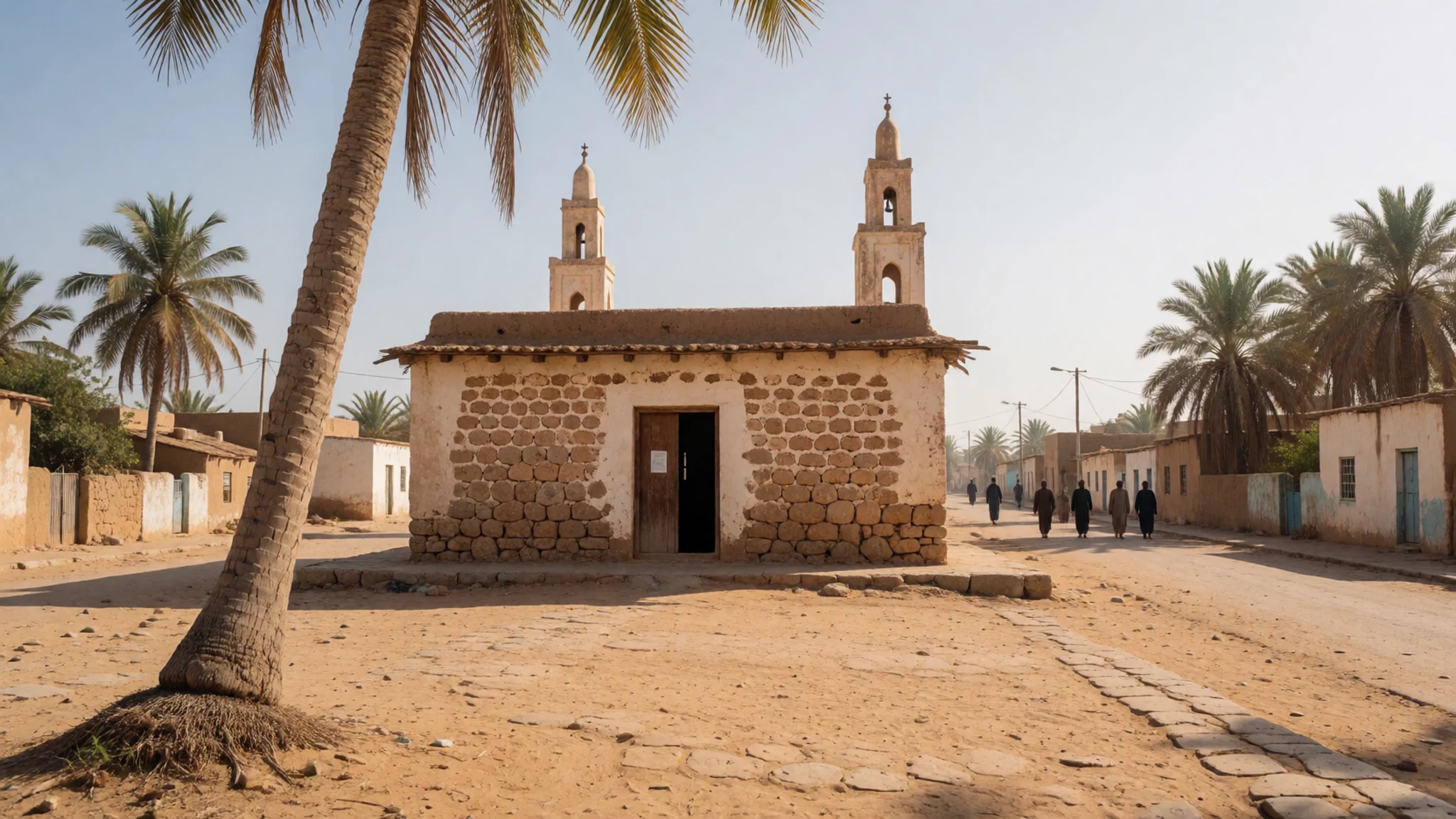
- Al Wakrah Family Beach — South of the town
This fenced beach south of the old town is set up for picnics, with toilets, showers, some shade and barbecue pits. The water is shallow and the seabed has sharp rocks, so water shoes are sensible. Weekends bring families, and weekdays are calmer. Summer sun is fierce, so cooler months suit better.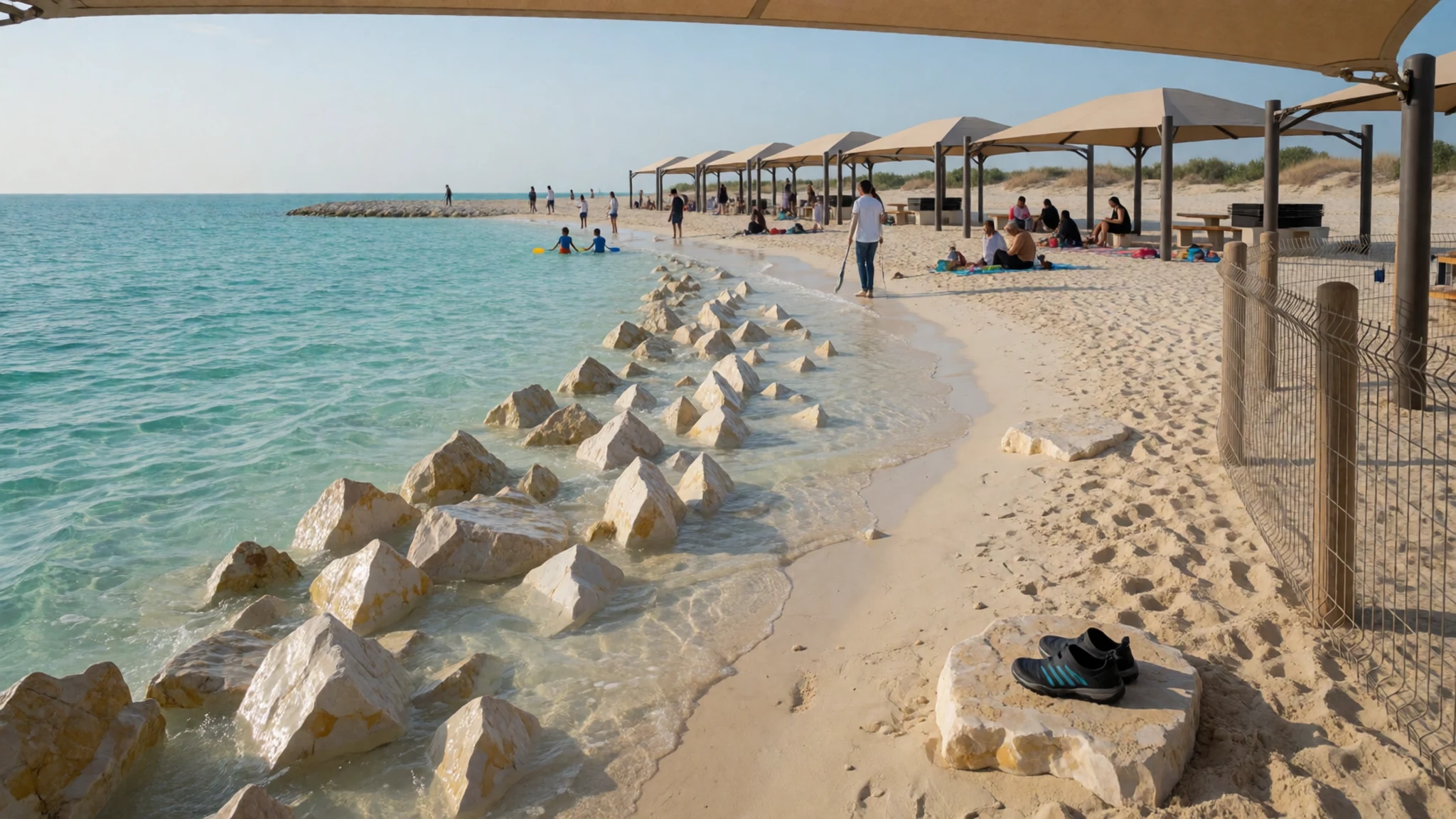
Culture
Al Wakrah's culture is Gulf Arab and maritime. Its older families made their living from the sea, diving for pearls and sailing dhows, and that past is kept alive in the heritage quarter, the harbour and the stories told about the founding of the town. Islam shapes the rhythm of the day: the call to prayer sounds from neighbourhood mosques, shops may pause briefly at prayer times, and the week runs with Friday as the main day of rest. Hospitality matters. Offering Arabic coffee and dates to a guest is a long-standing courtesy, and a cup is usually accepted and then politely declined by gently shaking it when finished. Today the city is also very international. Many residents come from South Asia, the wider Arab world and beyond, so Indian, Lebanese and Syrian cooking and several languages are part of everyday life, alongside Arabic. Families gather on the corniche and beach in the evenings once the heat eases, and the old souq and heritage village host events at certain seasons and national holidays. During Ramadan, daytime hours and opening times change, and public eating and drinking in daylight is discouraged. Qatar's laws and customs are more conservative than many visitors expect, with public displays of affection frowned on and alcohol limited to licensed venues. Residents are generally friendly to polite questions about local history. Ask permission before photographing anyone, especially women and families, and never photograph government or security buildings.
What to wear
In Al Wakrah, traditional Qatari dress is the same as across the Gulf. Men wear the thobe, a long loose robe, usually white and made of cotton for the hot months, with heavier wool or darker cloth in winter. On the head goes a ghutra, a square of cotton, held in place by a black cord called an agal. Women wear the abaya, a flowing black overgarment, often with a shayla headscarf, and older styles of embroidered dress and face covering survive among some families and in museum displays. These clothes are worn daily by many Qataris, and most formally at weddings, Eid and national holidays. Alongside them, everyday wear in the city is mixed. Expatriate residents and workers wear shirts, trousers and practical work clothing, younger Qataris mix Gulf dress with trainers and sunglasses, and families on the corniche dress casually but modestly. Visitors should wear light, loose, long clothing in breathable cotton or linen, with shoulders and knees covered for both men and women. A hat, sunglasses and high-factor sunscreen matter more than style. Women who may be invited into a mosque should carry a light scarf for the head. Comfortable closed shoes or sandals suit the harbour and old streets, and water shoes are useful at the beach because of the sharp rocks. Swimwear belongs on the beach only, and an extra layer helps against over-cooled shops and cafés.
What to eat
- Grilled fish (samak mashwi) — The fish market by the old harbour
Fish from the latest catch is the obvious thing to try in Al Wakrah, grilled over heat with simple spice and lemon. At the fish market near the old harbour, purchases can be cooked on the spot, which keeps the meal fresh and simple.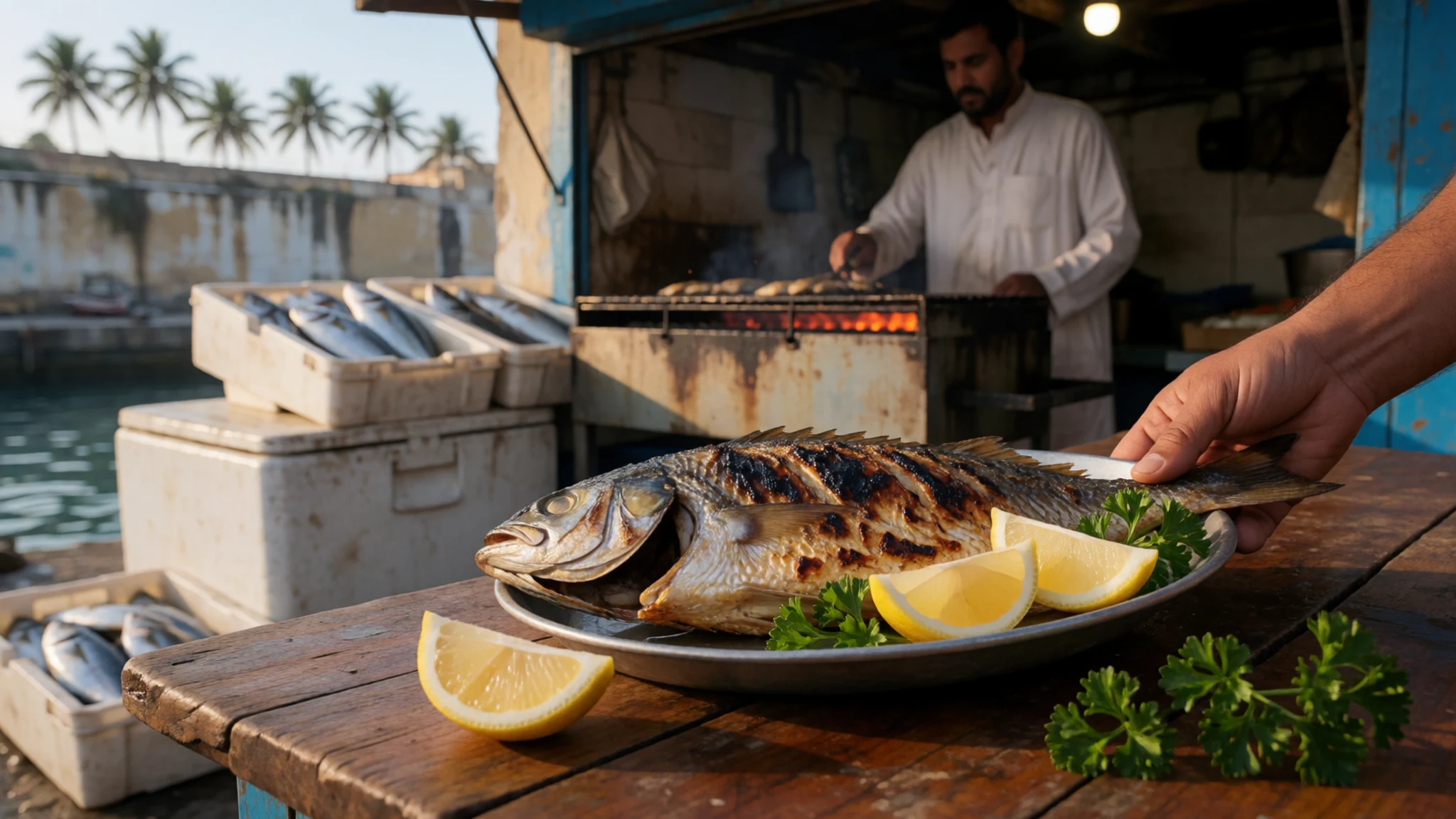
- Machboos — Gulf Arab restaurants in the town centre
A Gulf one-pot dish of spiced rice cooked with lamb, chicken or fish, scented with dried lime and warm spices. It is everyday family food across Qatar and is easy to find in simple Arab restaurants around the town centre.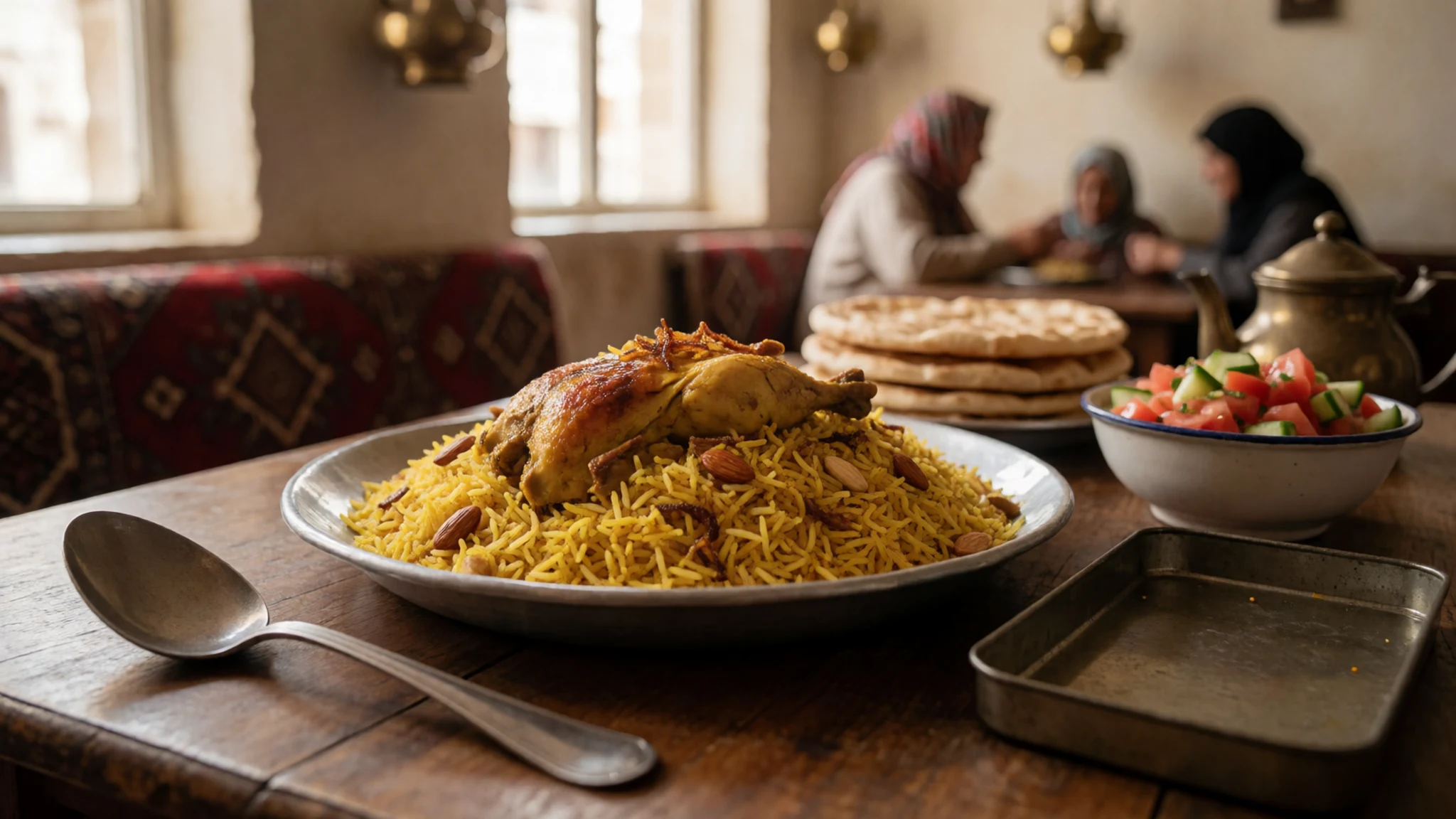
- Harees — Traditional Qatari eateries, especially in Ramadan
A smooth, porridge-like dish of wheat slowly cooked with meat until it melts together. It is most associated with Ramadan and festive meals, so it appears more often then, though some traditional eateries serve it in cooler months. - Luqaimat — Cafés and stalls around the souq and heritage village
Small fried dough balls, crisp outside and soft within, finished with date syrup. They make a good sweet stop after a harbour walk, and are often served warm with coffee at cafés and during seasonal events. - Karak tea — Small tea shops and roadside cafés
Strong black tea simmered with milk, sugar and cardamom, served in small cups. It is a daily habit among many residents, with South Asian influence, and a cheap, warming way to pass time along the corniche.
Plan it
Best time. November to March, when days are warm rather than punishing and evenings are comfortable by the water. Summer is very hot and humid, and midday outdoor sightseeing is unpleasant then.
How long. 1
Getting there. Fly into Doha's Hamad International Airport. From the city, the Doha Metro Red Line reaches the northern edge of Al Wakrah, and local buses link onwards to the town centre and the souq; buses to the town also leave from Al Ghanim Bus Station in Doha, so confirm timetables with the operator first. By taxi, ride-hailing or hire car, follow the signs for Al Wakrah heading south-east out of Doha, a short drive in light traffic.
Budget. mid
Tips
- Visit the harbour in the early morning or late afternoon, when it is cooler and boats are active
- Check the municipality website (https://www.doha.directory/municipality-office-of-al-wakra/i/671) and ask locally before visiting, as the museum has been closed for refurbishment
- Carry water and sun protection, and take water shoes if planning to enter the sea
- Bring a card and a little cash for small stalls and tea shops
- Expect weekends and holidays to be busy with families on the corniche and beach
Etiquette
- Dress modestly, with shoulders and knees covered, away from the beach
- Ask before photographing people, especially women and families
- Treat mosques as places of worship and enter only if invited
Nearby
Sources
- Wikidata Q310893 (CC0)
- Wikipedia: Al Wakrah (rev 1385728907) (CC BY-SA 4.0)
- Wikivoyage: Al Wakrah (rev 5273778) (CC BY-SA 4.0)
- Lone fishing boat in Al Wakrah — Alex Sergeev (CC BY 3.0)
- Expatriate workers on Al Wakrah Corniche at Al Wakrah Heritage Village — Alex Sergeev (CC BY 3.0)
- Traditional buildings in Al Wakrah Heritage Village — Alex Sergeev (CC BY 3.0)
- Old fort in Wakra, Qatar — baldrick2dogs (CC BY 2.5)
- View of Jebel Al Wakrah from Al Wakrah Old Souq — LAGOA Journey @ Youtube.com (CC BY 3.0)
- Old dhow in Al Wakrah, Qatar at morning — Alex Sergeev (CC BY 3.0)
- Shell Round About Al-Wakrah — Metallic Purple (CC BY 2.5)
- Al wakra Beach — Jaseem Hamza (CC BY 3.0)


