Al Thakhira
Al Thakhira, Qatar
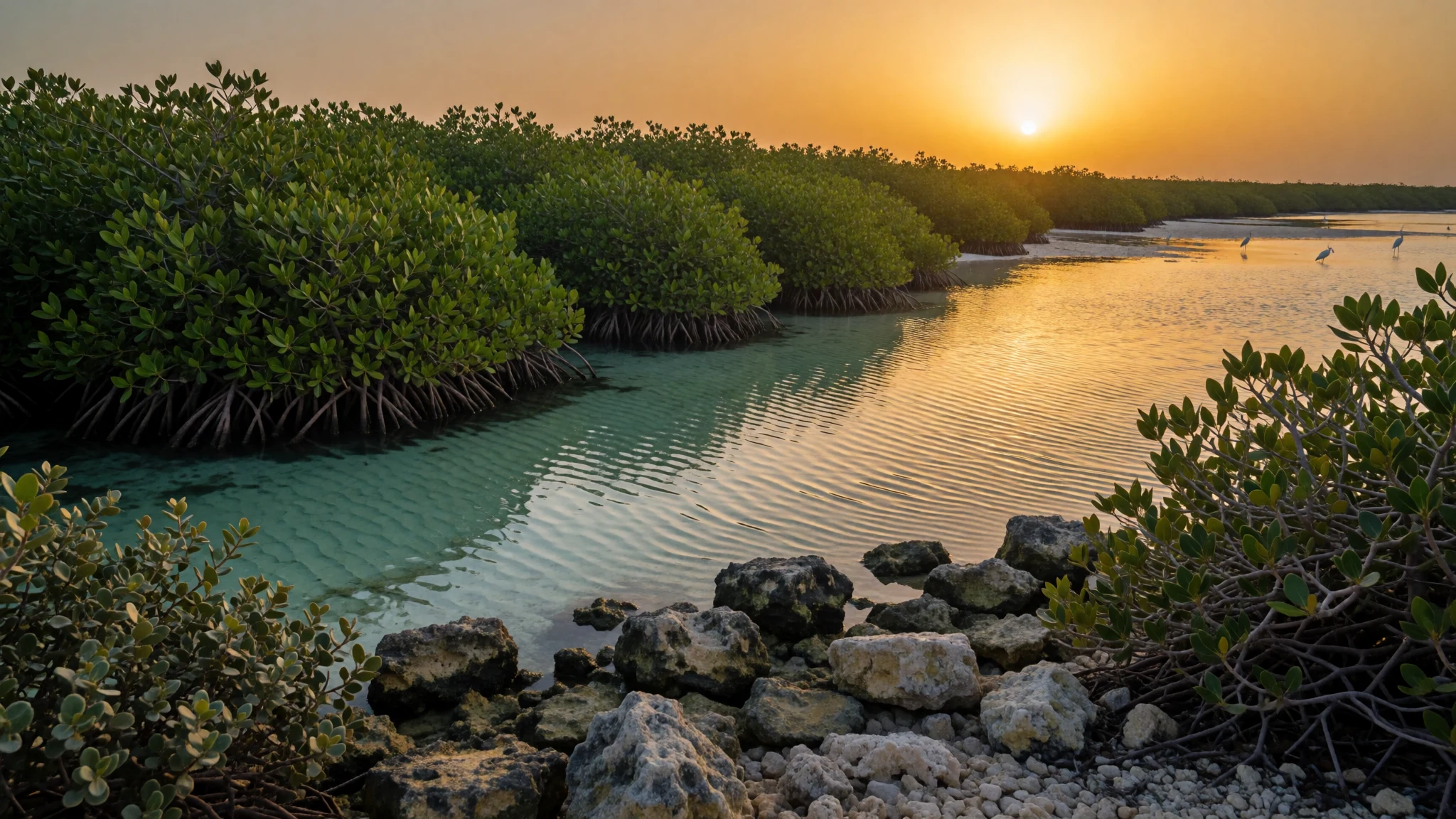
Al Thakhira is a quiet Qatari fishing town where a mangrove-lined inlet and an old minaret sit a short drive from Doha.
The place
Al Thakhira lies on the north-east coast of Qatar, in the Al Khor municipality, about 7 kilometres northeast of Al Khor town and 60 kilometres from Doha. Its Arabic name, الذخيرة (Adh Dhakhīrah), means 'provision', a fair description of a place that once lived off the sea. Today it is a low-rise coastal town with a heritage mosque and minaret, a jetty, a modest beach and, at its eastern edge, a tidal inlet lined with mangroves. That green fringe is the real reason to come. Together with Al Khor, the shoreline holds roughly 1,392 hectares of mangrove. The trees did not always grow at the water's edge; they stood further inland, and sea currents are thought to have dropped seeds along the coast over many years. Behind the mangroves, hardy shrubs such as Taverniera and salt-tolerant plants like Soda inermis cling to rocky rises, so the coast looks greener than most people expect of Qatar. A 2010 survey put the average depth of the coastal water at 4.7 metres, which gives a sense of how shallow and sheltered this stretch is. Al Thakhira is a short drive from Doha, so it suits a half-day or an evening rather than a long stay, and facilities are limited. Summer is hot and humid enough to make the waterfront unpleasant by midday, while the cooler months make walking the shore a pleasure. Expect local families and day-trippers rather than tour groups.
Its story
Al Thakhira's story begins with the Al Muhannadi, a tribal confederation from nearby Al Khor. Members of the Al Ibrahim family moved to this stretch of coast and settled beside a natural inlet that mangroves sheltered from open water. That made it a small anchorage for boats, and the surrounding waters, rich in marine life, were good fishing ground. Around 1910 another Al Muhannadi branch, the Al Hassan, arrived from Al Khor. They had spent time at Al Jumail, a settlement further up the northern coast where they had built houses and a fort. Rivalry then grew between the Al Hassan and Al Ibrahim branches, and the Al Ibrahim went back to Al Khor. The Al Hassan stayed, and their descendants still live in Al Thakhira. The Al Laqan tribe also lived here, and the village was known for lively evening gatherings in the majlis, the traditional reception room, above all during Ramadan. J.G. Lorimer's gazetteer of the Gulf described the place in 1908 as a village of about 300 houses belonging to the Al Muhannadi, whose men made their living as pearl-divers and fishermen. Pearling and fishing were the economic base for many Qatari coastal communities, and Al Thakhira was no exception. That history explains the layout: houses and mosques facing the water, with the sea, not the desert, as the source of income. Little of that world survives intact, but the old mosque and minaret still give a sense of the older village.
What to see
- The mangrove inlet — Eastern edge of Al Thakhira
The inlet at the eastern edge of Al Thakhira is the main natural sight, a shallow channel threaded with mangroves and small islands. Wading birds can often be seen among the roots, so bring binoculars if you have them. Go in the cooler hours; there is almost no shade away from the trees.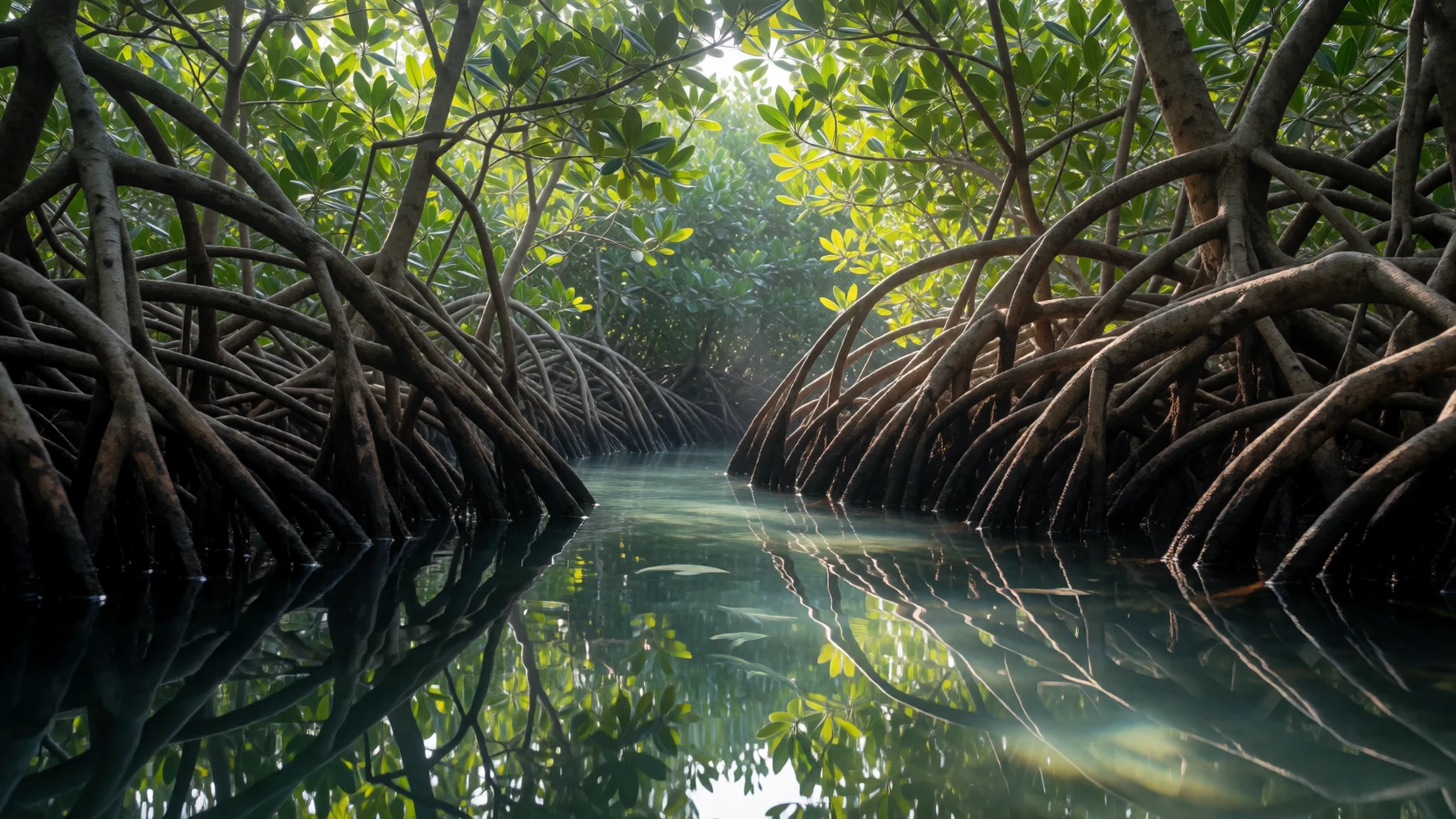
- The old mosque and heritage minaret — Main Al Thakhira Street
Al Thakhira's old mosque and its heritage minaret rise above the low houses along the main street, and the minaret is easy to spot from the road. They are simple, small-scale buildings, worth a short stop for the architecture and for a feel of the older village. Admire them from outside unless access is clearly open.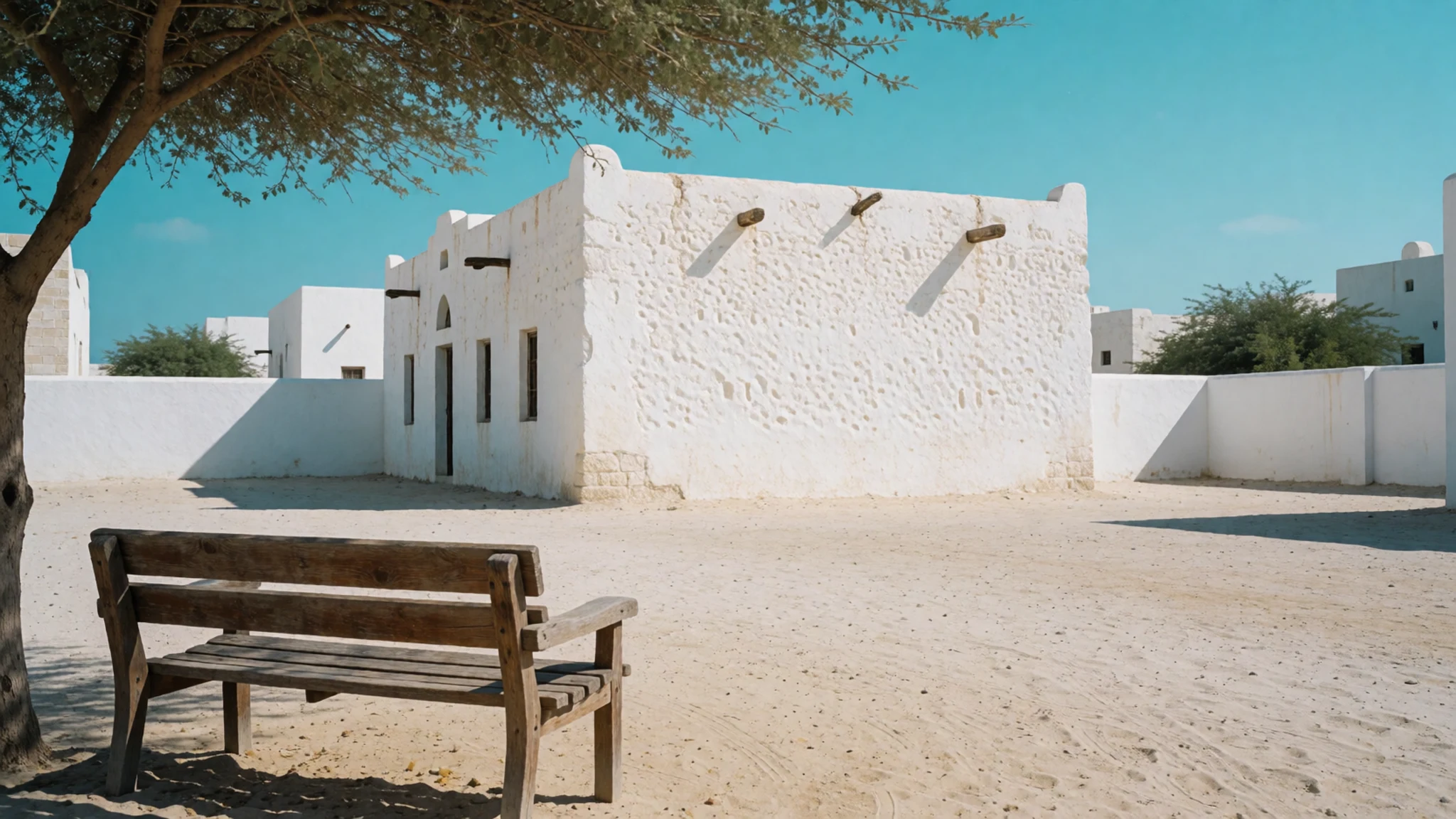
- The beach and jetty — Al Thakhira waterfront
The beach at Al Thakhira is a plain strip of sand facing calm, shallow water, with the old mosque visible along the shore. A jetty runs out nearby, and boats tie up at another along the inlet. Evenings give the softest light and a breeze; midday in summer is punishing.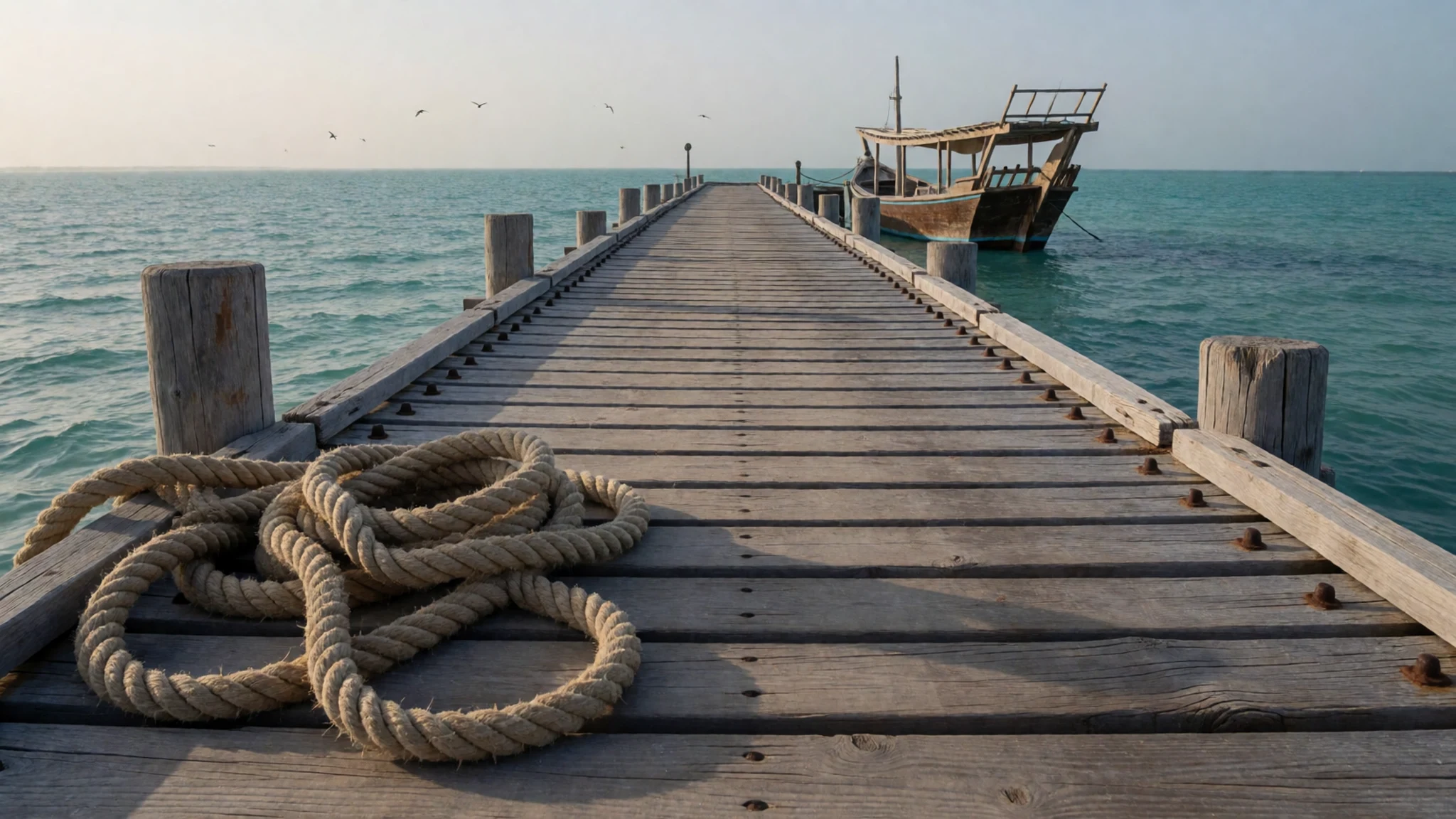
- Al Khor watchtower — Al Khor town
A short drive southwest, Al Khor has a defensive watchtower, one of several restored towers and forts across Qatar. It pairs easily with Al Thakhira for anyone curious about how this coast was guarded. Check locally whether it is open before making the trip, as visiting arrangements can change.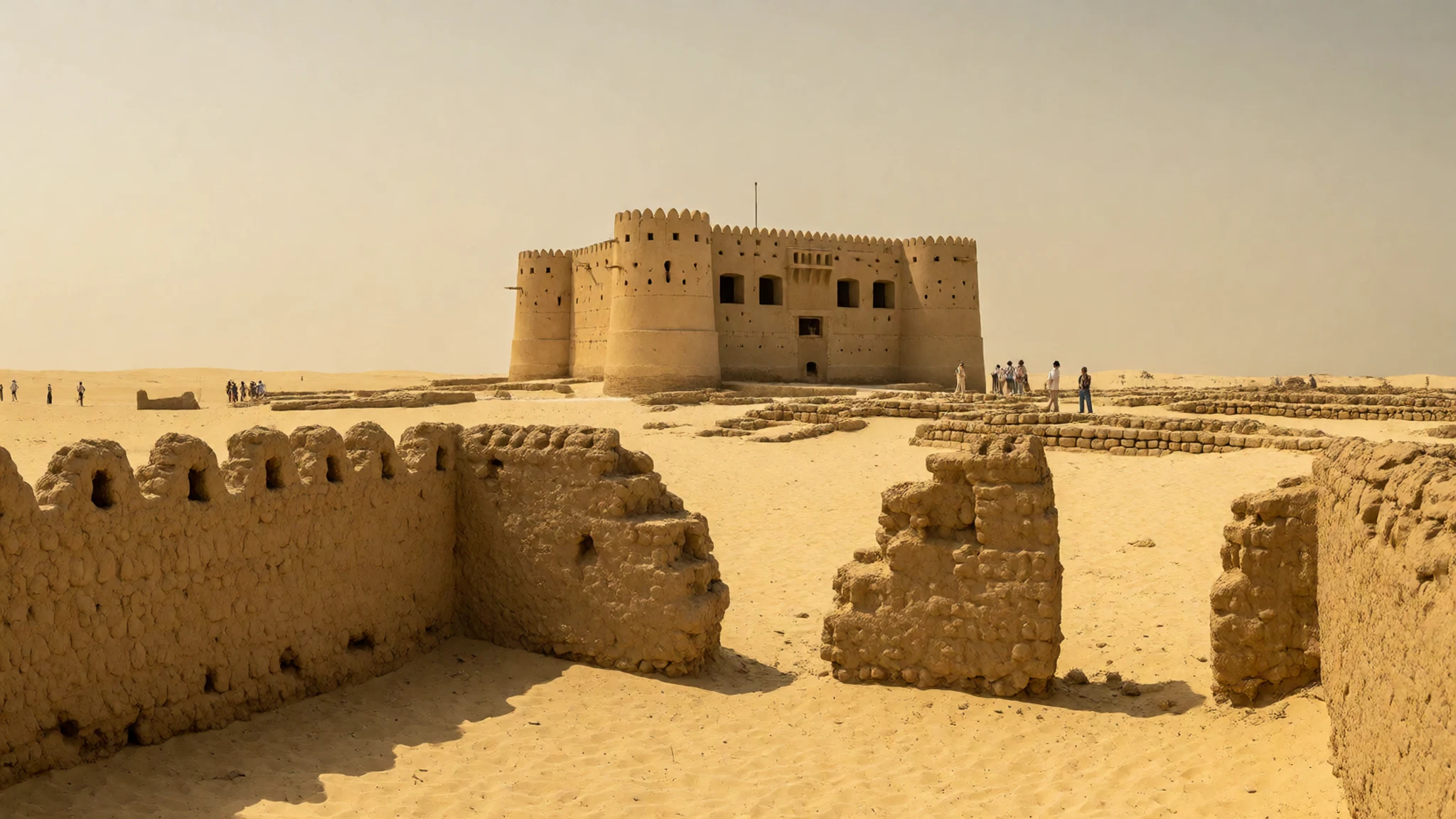
- Al-Jassassiya rock carvings — North-eastern Qatar
Further north-east, the Al-Jassassiya rock carvings are a field of petroglyphs thought to come from ancient tribes who lived on the peninsula. It is a longer outing from Al Thakhira, best planned for the cooler months, as there is little shelter on the rocks and the desert light is harsh.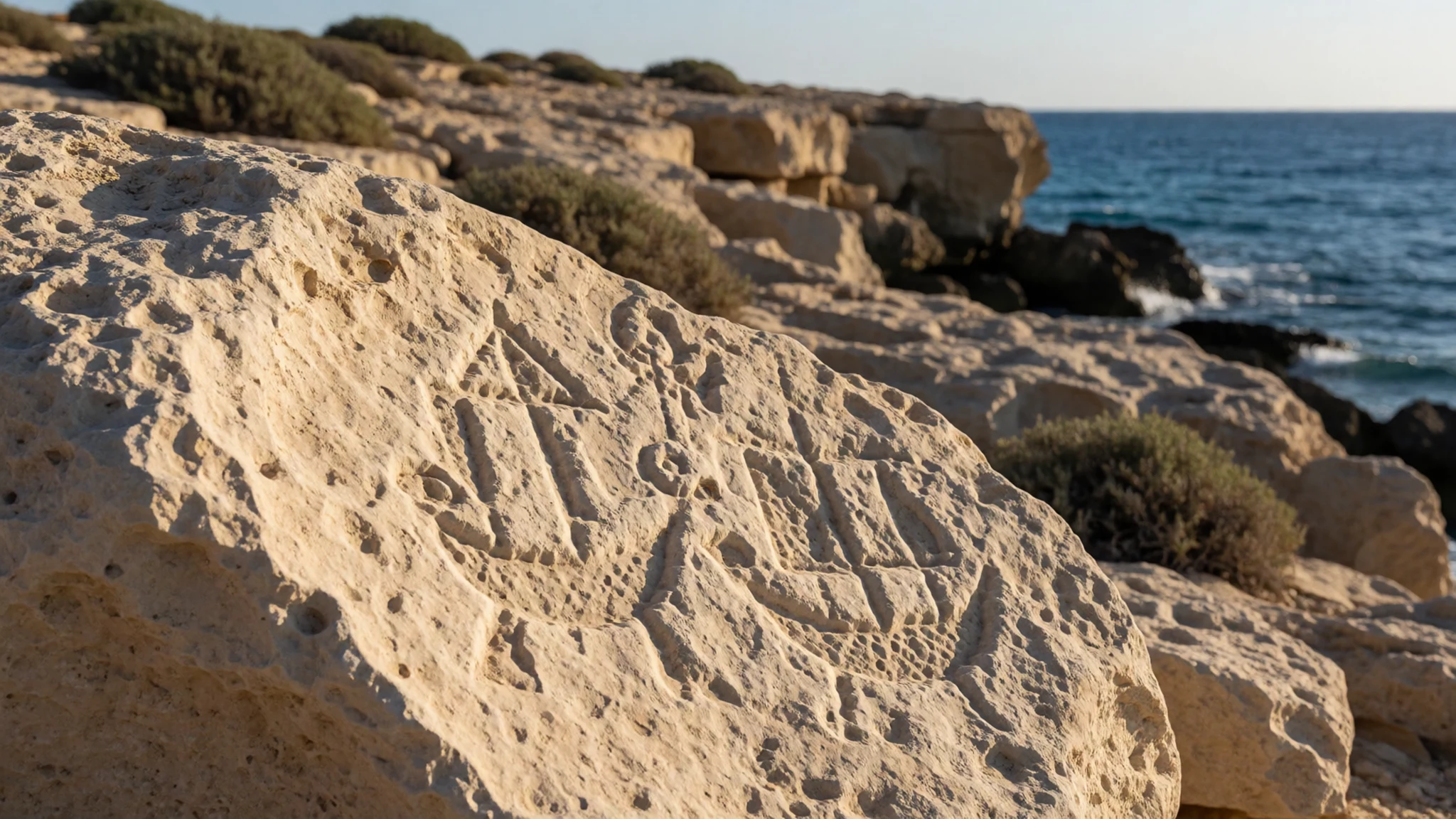
Culture
Al Thakhira shares the wider Arab culture of Qatar, where courtesy, hospitality and respect for family are central. Qatar is a tribal society and family honour matters a great deal; in a town settled by Al Muhannadi families whose descendants still live here, people know one another and reputations travel. Honour, or saving face, shapes how people speak to each other, so criticism is kept private and never delivered in public. Insulting or mocking someone, in person or online, can lead to prosecution under Qatari law. Visitors should also avoid lumping Gulf countries together; Qataris are not Bahrainis, Emiratis or Saudis, and comparisons are unwelcome. Social life here has long centred on the majlis, the reception room where men gather to talk, drink coffee and mark occasions, especially in Ramadan, and the old mosque is a reminder that prayer times still shape the rhythm of the day. Pearling and fishing gave the community its identity, and the sea is still close to how local people see themselves. Politeness, patience and modest behaviour are met with warm greetings. Always ask before photographing local people, especially women and families, and dress modestly on the waterfront and near the mosque.
What to wear
Al Thakhira follows the dress of Qatar's coast, where traditional clothing is both practical and a marker of identity. Men wear the thobe, an ankle-length robe, usually white cotton in the heat and heavier, darker cloth in the cooler months, with a ghutra headcloth held by a black agal cord. Women wear the abaya, a loose black cloak, often with a shayla headscarf, and some older women still wear traditional face coverings. Today that dress is what most Qataris wear in public, while the many residents from South Asia and elsewhere wear anything from work uniforms to shirts and trousers. For visitors, the climate comes first: light, loose cotton or linen that covers shoulders and knees, a wide-brimmed hat, sunglasses and generous sun protection. Modesty norms are stricter than at many beach destinations, so keep swimwear for the water's edge only and avoid tight or revealing clothes in town. Women should carry a light scarf for the area around the mosque. Footwear needs to cope with hot sand, shells and mud, so sturdy sandals or water shoes suit anyone exploring the mangrove edge. Shoes come off at a mosque door.
What to eat
- Machboos — Family-run Qatari restaurants in Al Khor
Machboos is the Gulf's spiced rice dish, cooked with chicken, lamb or fish and flavoured with dried lime, cardamom and saffron. Order it at a family-run Qatari restaurant in Al Khor, where portions are generous and meant for sharing.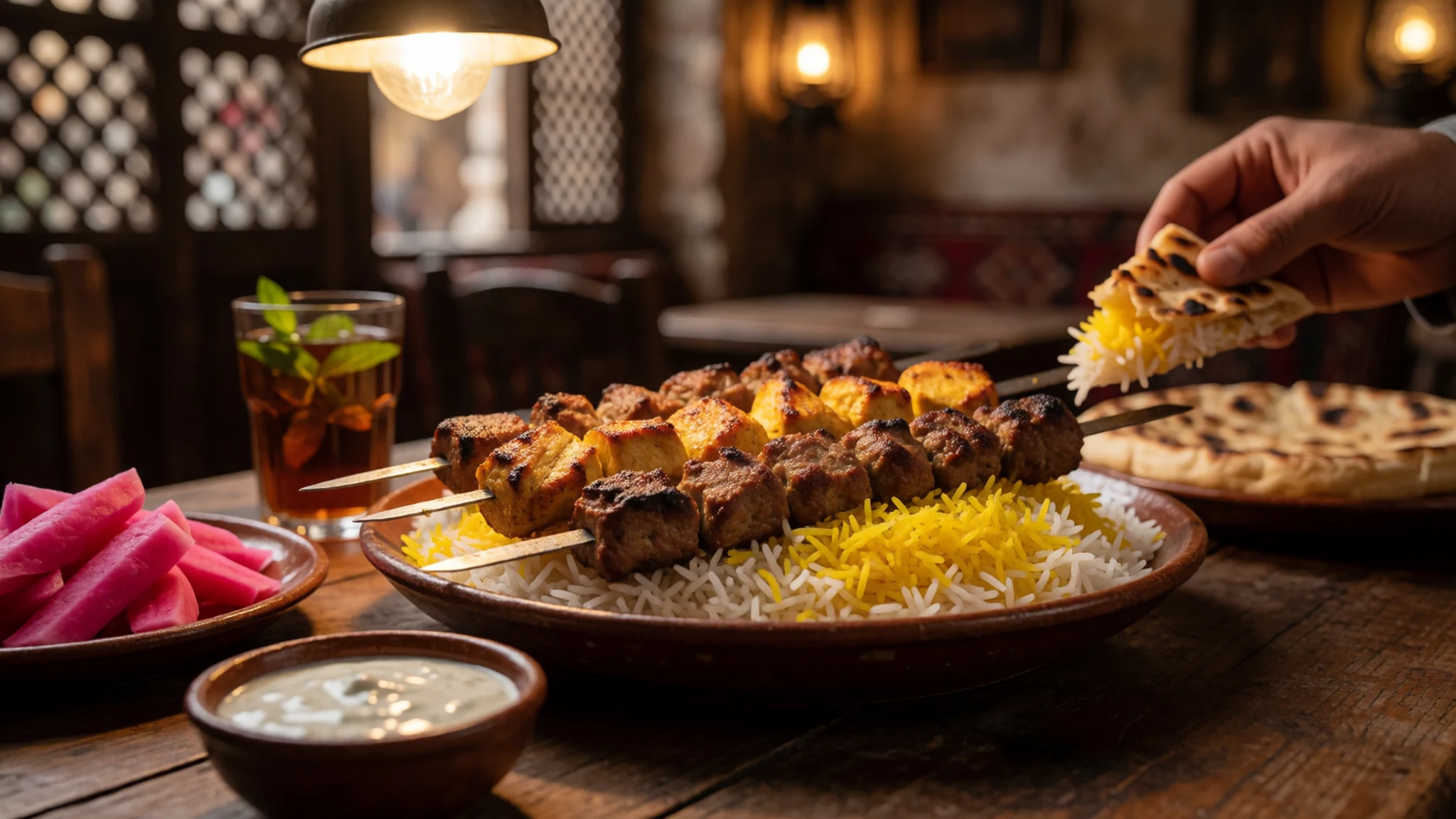
- Grilled local fish — Seafood restaurants in Al Khor and along the coast road
With a long fishing tradition behind the town, grilled or fried local fish is the obvious order, usually served with rice and salad. Look for a seafood restaurant in Al Khor or along the coast road, and ask what was landed that day.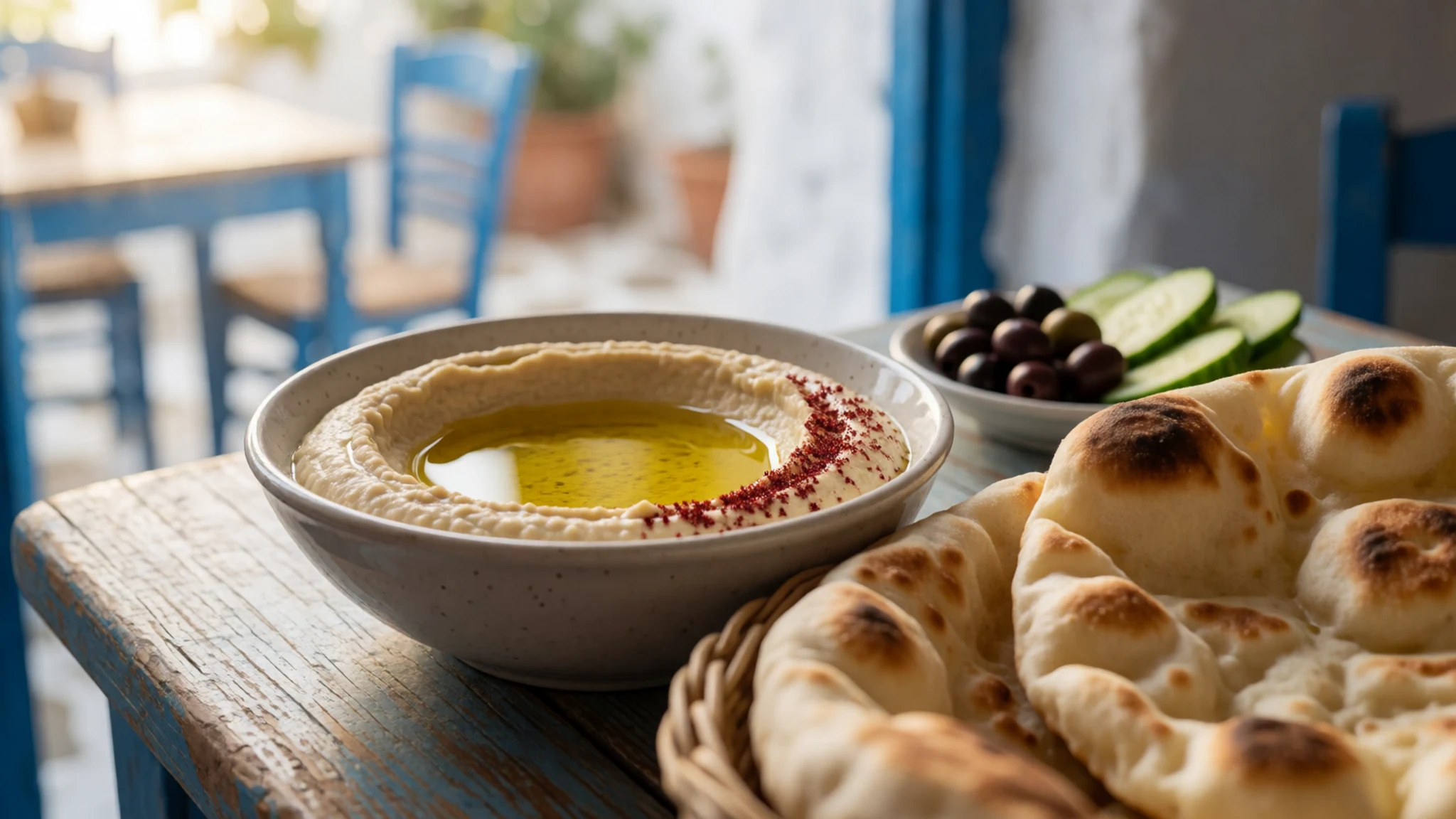
- Balaleet — Traditional breakfast cafés in Al Khor
Balaleet is a breakfast dish of sweet vermicelli scented with cardamom and saffron, topped with a thin savoury omelette. The mix of sweet and salty surprises first-timers. Try it at a traditional Qatari breakfast café or restaurant in Al Khor. - Harees — Traditional Qatari eateries, especially in Ramadan
Harees is a slow-cooked porridge of wheat and meat, softened until almost smooth. It is most closely linked with Ramadan evenings, when families and restaurants prepare it in quantity. Ask for it at a traditional Qatari eatery during the fasting month. - Arabic coffee and dates — Majlis hospitality and traditional cafés
Arabic coffee, or gahwa, is poured in small cups, lightly spiced with cardamom and served with dates. It is offered as part of majlis hospitality, and some cafés serve it too. Accept a first cup, and shake the cup gently when you have had enough. - Indian and Pakistani eatery food — Simple eateries in Al Khor town
Indian and Pakistani eateries are found throughout Qatar and serve biryani, curries and flatbreads at low cost. Look for the simple tea-and-snack places in Al Khor, where a cup of strong, milky tea makes a good stop after the beach.
Plan it
Best time. November to March, when days are mild enough for walking the shore and the mangroves; from about June to September the heat and humidity are severe, and midday outdoors is best avoided.
How long. 1
Getting there. Fly into Hamad International Airport in Doha, then drive about 60 kilometres north along the coast to Al Khor and on to Al Thakhira. Public transport is limited, so a hire car or pre-booked taxi is the practical choice.
Budget. mid
Tips
- Arrive early in the morning or near sunset for cooler air and better light on the water
- Carry plenty of drinking water and sun protection, as shade away from the mangroves is scarce
- Check visa and entry rules for your passport well before booking
- Combine Al Thakhira with Al Khor for food and the watchtower, as the town itself has few eating places
Etiquette
- Dress modestly, covering shoulders and knees, away from the water's edge
- Ask permission before photographing local people, especially women and families
- Take off your shoes before entering any mosque and respect prayer times
Nearby
Sources
- Wikidata Q356535 (CC0)
- Wikipedia: Al Thakhira (rev 1385722460) (CC BY-SA 4.0)
- Wikivoyage: Qatar (rev 5414941) (CC BY-SA 4.0)
- Lawrence Wang, View of Al Thakhira from the beach (CC BY-SA 2.0)
- Irshadpp, An old masjid at Dhakhira, Qatar (CC BY 3.0)
- Lawrence Wang, Man standing on Al Thakhira jetty near the beach (CC BY 2.5)
- bobbyqat @ Mapillary.com, Heritage minaret in Al Thakhira (CC BY-SA 4.0)
- Wadih El-Banna, Mangroves at Al Dhakira, Qatar (CC BY 3.0)
- Irshadpp, Mangrove island at Dakhira, Qatar (CC BY 3.0)
- Mohamedsahfas, Al Khor Thakira Mosque (CC BY-SA 4.0)
- Irshadpp, Boat Jetty at Dakhira, Qatar (CC BY 3.0)


