Doha
Doha, Qatar
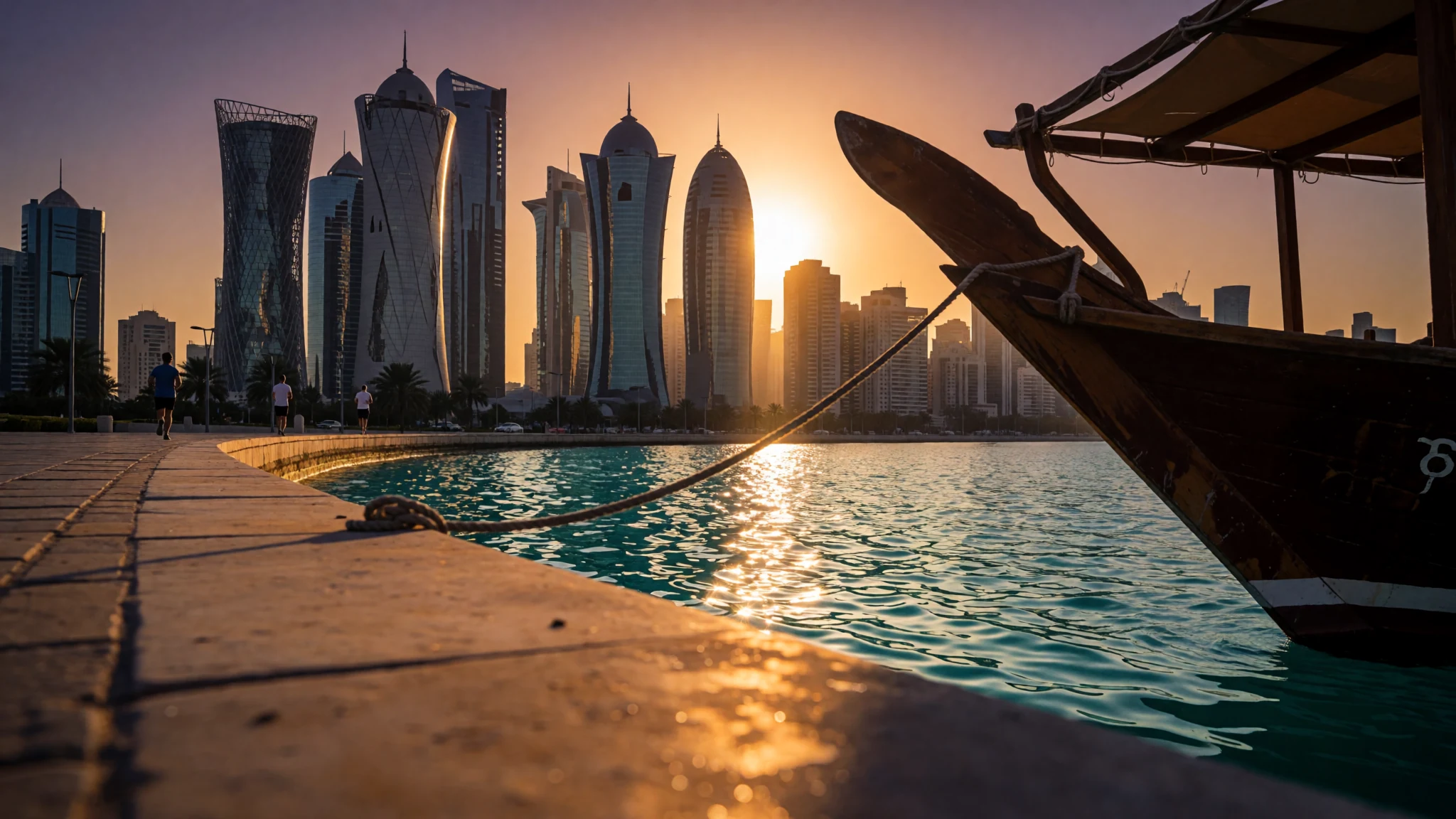
Doha pairs a sea-facing skyline with serious museums and a restored traditional souq, making it a sharp stopover or a short city break.
The place
Doha is the capital of Qatar and its main commercial centre, on the Persian Gulf coast in the east of the country. Most of the population lives here, and the suburbs around the core are usually grouped together as the Doha Metropolitan Area. The city is also Qatar's fastest growing, so new towers, roads and waterfront projects keep changing the skyline, and a map from only a few years ago can look out of date.
The old centre was shaped by the sea. Dhows once worked the harbour, and Souq Waqif, the traditional market, has been restored into a maze of covered lanes, spice shops and cafés where people gather in the evening. The Corniche runs along the waterfront and is the easiest walk in the cooler months, with the skyline visible across the bay.
Beyond the old quarters, the city has invested heavily in learning, culture and sport. Education City, in the neighbouring municipality of Al Rayyan, is devoted to research and higher education, while Hamad Medical City provides the country's major medical care. Doha Sports City, also called Aspire Zone, combines a large stadium, an aquatic centre and an indoor dome. The city has also hosted international trade diplomacy, including talks under the World Trade Organization's Doha Development Round.
Doha is compact enough to explore on foot in the cool months, and the air-conditioned malls and museums offer refuge when summer heat rises. Public transport has grown with the city, but taxis remain the simplest way to cover longer distances.
Its story
Doha did not begin as a capital. Its roots lie in the older settlement of Al Bidda, a coastal town on the same shore that appears in records from the late seventeenth century. A Carmelite account from 1681 mentions a ruler and a fort there, one of several settlements in Qatar that it describes. Early maps show the place under other names. The German explorer Carsten Niebuhr labelled it Guttur on a map from 1765, and in 1801, David Seaton—who served as a British political resident in Muscat—penned the first English account, referring to it as Bedih.
Seaton's description is vivid. He described the town's defences and the tribe that had recently settled there, whom he regarded as pirates. He tried to bombard the place from his warship, but gave up when the shallows kept his ship out of range. Pirate is a loaded word in colonial writing, and his account is worth reading with that in mind.
By 1820, when the surveyor R. H. Colebrook visited, Al Bidda had lost many of its people, and he noted the depopulation. Doha grew out of this shrinking world, founded in the 1820s as an offshoot of Al Bidda. The shift of people and power along the coast set the pattern for what followed.
Doha's status changed later. It was declared the national capital in 1971, the year Qatar gained independence from its position as a British protectorate. Since then the former trading settlement has become the centre of government, banking and commerce. The city's historic core now sits among modern districts, and its earlier history survives largely in maps, documents and museum collections.
What to see
- Museum of Islamic Arts — Museum Park, near the Corniche
Doha's flagship museum, housed in a building designed by I.M. Pei and opened in 2008. Its collection draws on Muslim dynasties across Asia, Africa and Europe, so the galleries move through textiles, ceramics, manuscripts and metalwork in a sequence that rewards slow looking. It is often described as among the region's finest museums, and it makes a good first stop before a walk along the waterfront.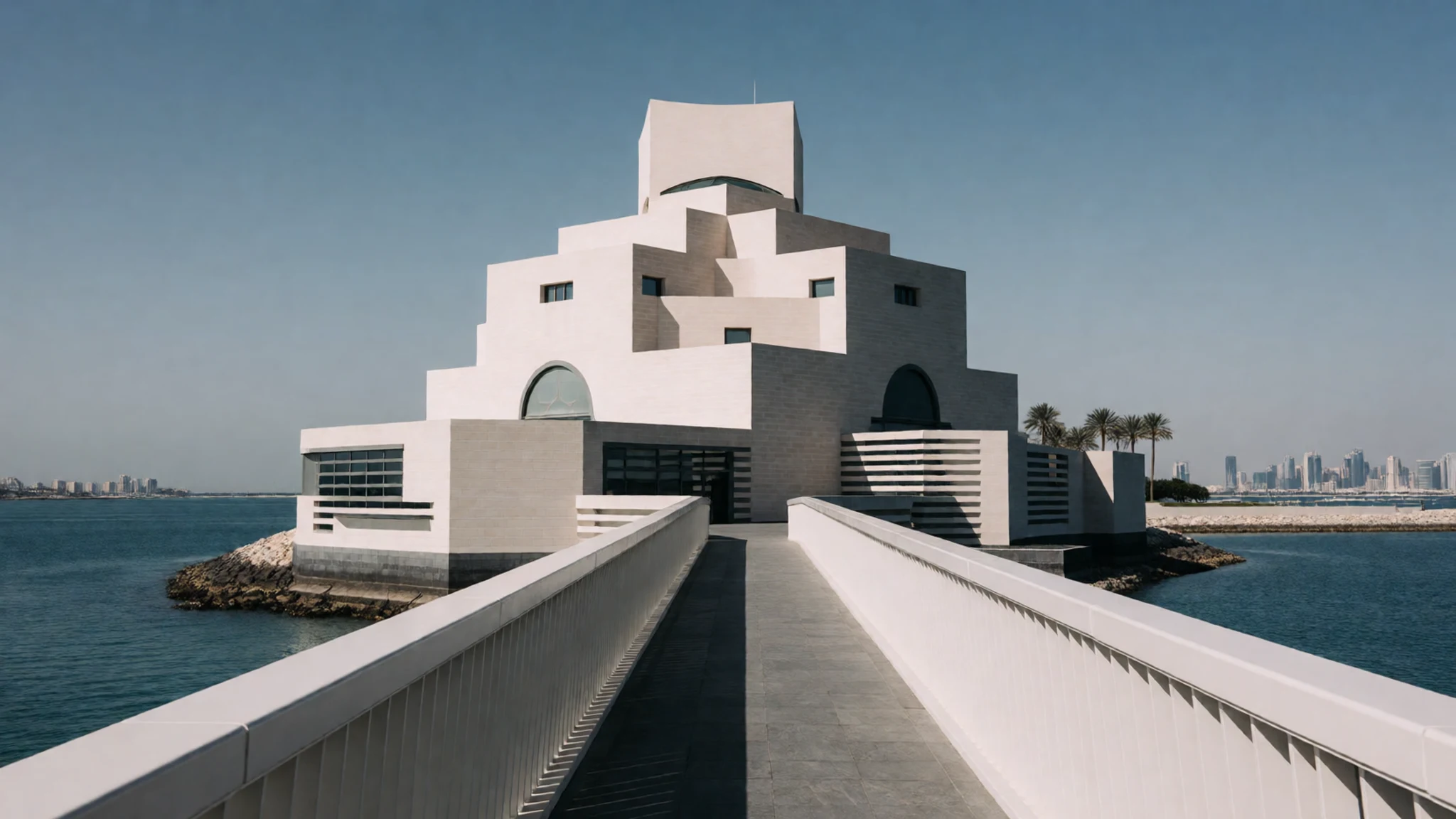
- Mathaf: Arab Museum of Modern Art — west of the city
A purpose-built gallery in the west of the city holding modern art from across the Arab world. The collection grew out of a personal collection assembled by Sheikh Hamad bin Khalifa Al Thani, and it shows how regional painters, sculptors and photographers responded to change over the twentieth century. Allow a couple of hours, and check the official site for current opening arrangements.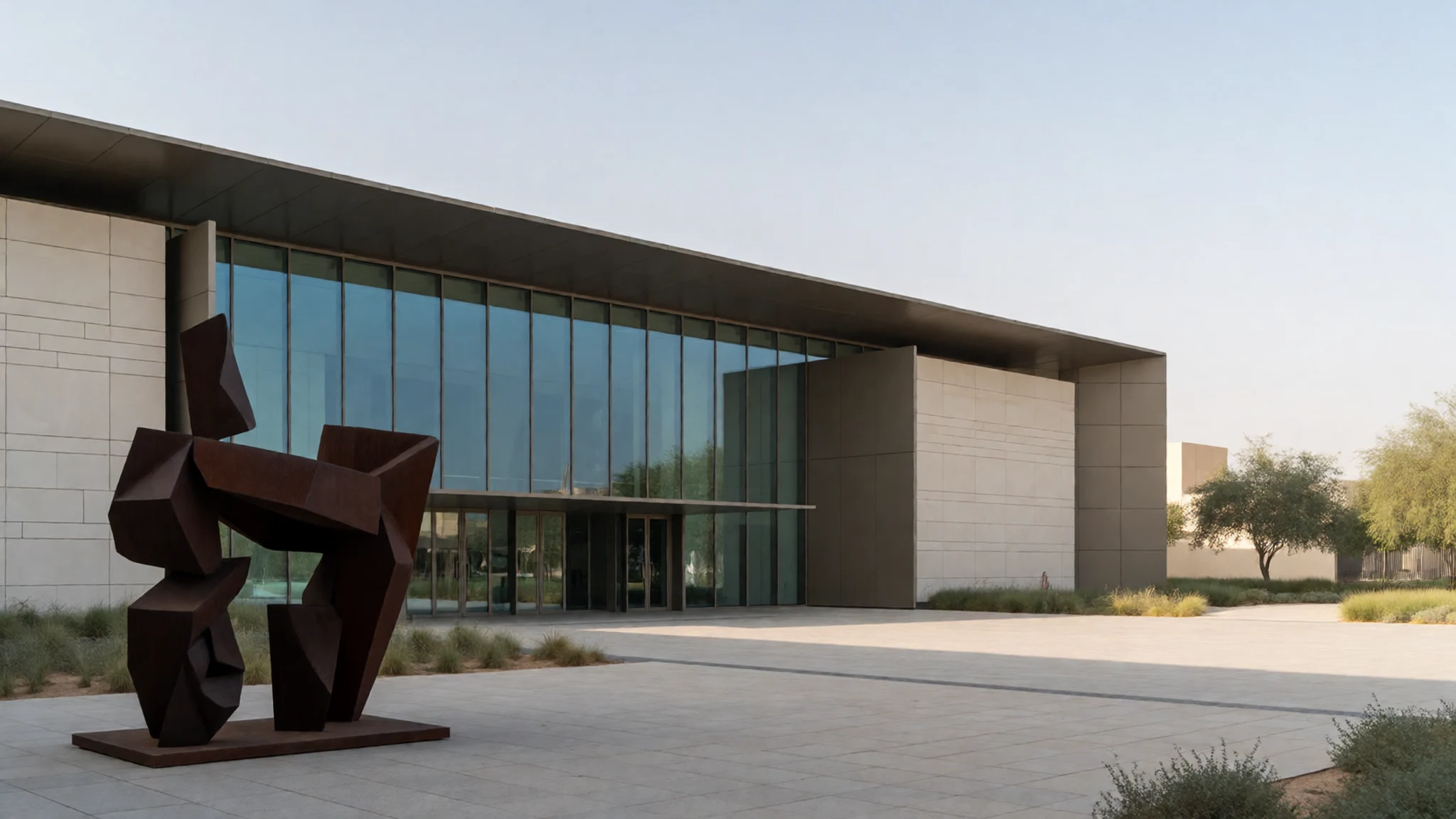
- National Museum of Qatar — central Doha
The newest of the major museums, built in place of the original national museum. The early twentieth-century palace that housed that earlier collection still forms part of the complex. The extension was designed by French architect Jean Nouvel, whose building takes its inspiration from the desert sand rose, a crystal-like formation of gypsum. The galleries tell the country's story from its earliest days to the present.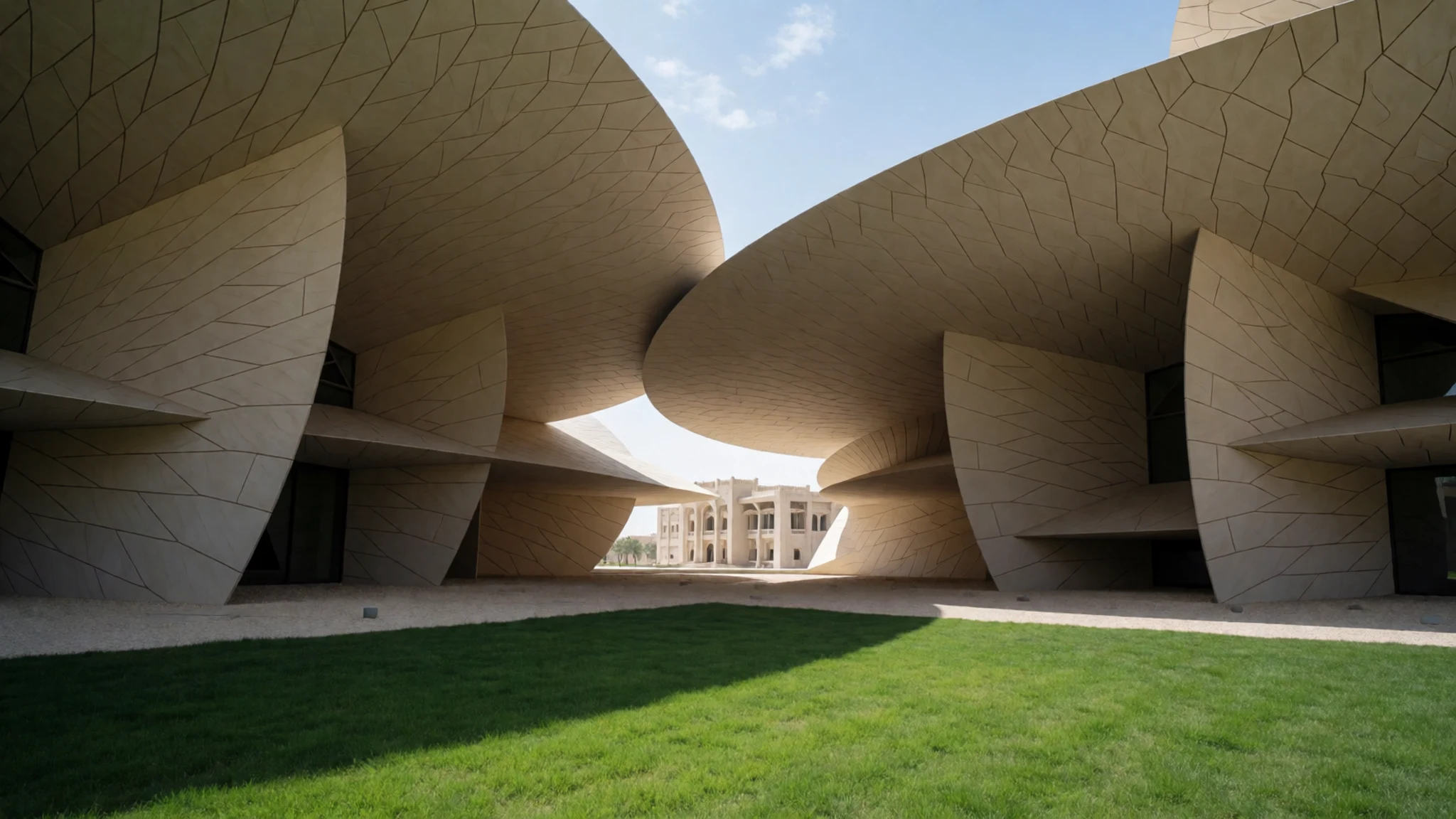
- Orientalist Museum — central Doha
Home to the Orientalist Collection of the State of Qatar, which is regarded as one of the most significant collections ever assembled. Its holdings are arranged to show how the Arab and wider Eastern worlds were depicted by artists and collectors from elsewhere. The setting is quieter than the flagship museums, so it suits visitors who want fewer crowds.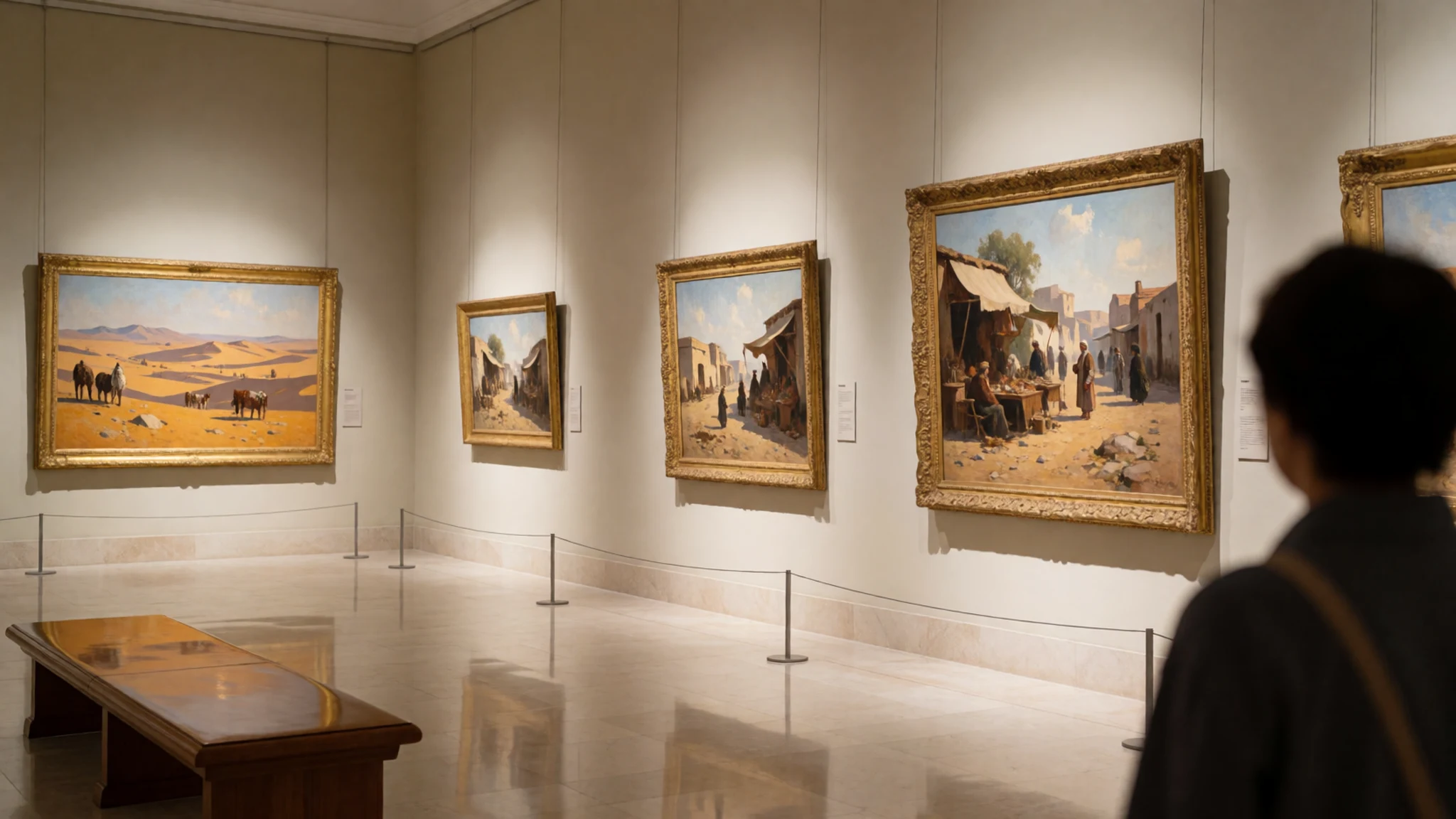
- Arab Postal Stamp Museum — north of the centre
A small museum established in 2010 that displays stamps from across the Arab world. It is a compact visit, well suited to half an hour between other stops. The stamps offer an unusual route into regional history, graphic design and the development of postal services.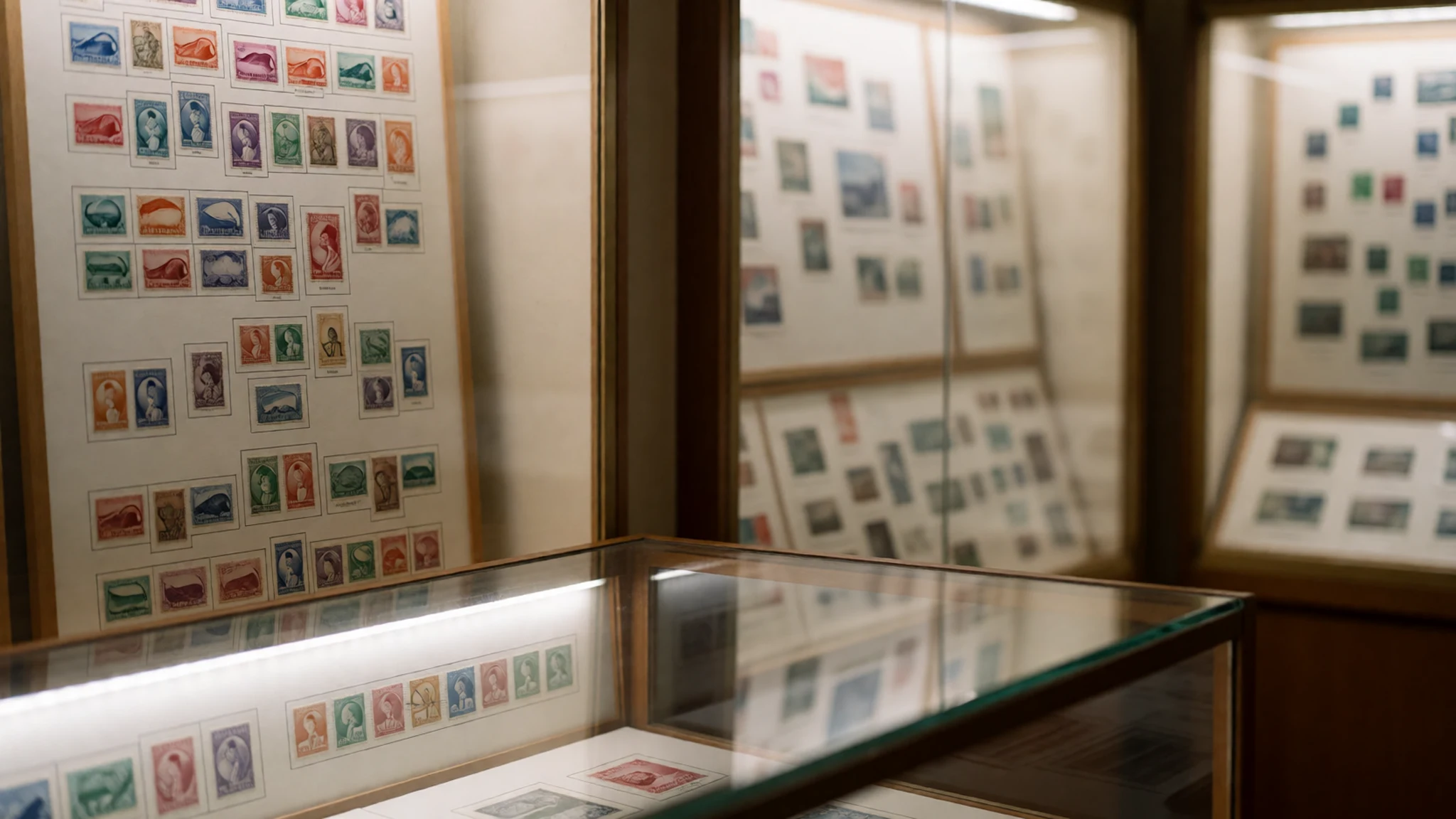
Culture
Doha takes its cultural life seriously, and its role in regional arts has grown steadily. In 2010 the city held the Arab Capital of Culture title, and the Ministry of Culture ran weeks of events from April to June that brought Arab and non-Arab traditions together. That programme set the tone for the years that followed.
Much of the cultural investment runs through the Qatar Museums Authority, which oversees the city's main museums. The Museum of Islamic Art, opened in 2008, is often described as among the region's finest, and the Arab Museum of Modern Art sits under the same umbrella. Sheikha Al-Mayassa bint Hamad bin Khalifa Al-Thani, the emir's sister, heads the authority and has steered its museum programme.
Film is another strand. The Doha Film Institute was set up in 2010 to support film projects and to build a lasting filmmaking base in Qatar, running funding schemes and festivals that bring local and international directors to the city.
Daily life follows Islamic custom. Friday is the weekly holy day, and during Ramadan working hours shorten and many restaurants open only after sunset. Public displays of affection are frowned upon, and alcohol is sold only in licensed venues. Ask before photographing people, especially women and families, and when you visit a mosque, dress modestly and ask before entering any prayer hall.
What to wear
Doha's traditional dress is shaped by the heat, the desert and the pearling and trading past of the Gulf coast. Men wear the thobe, a long, loose robe usually white in summer and in darker tones for cooler evenings, cut from light cotton or sometimes wool. It is worn with the ghutra, a square headscarf, held in place by the agal, a black cord. Women traditionally wear the abaya, a loose black cloak, with a shayla, a headscarf. Embroidered or coloured versions show family and regional style.
What people wear now is more varied. Many Qataris still wear the thobe and ghutra for work and prayer, and the abaya is common among women, though Western dress and mixed styles are seen in malls, offices and the expatriate community that makes up much of the city's population.
For a visitor, the main considerations are climate and modesty. Summer temperatures are very high, so pick loose, breathable cotton or linen in pale colours. In the souq, government buildings and mosques, cover shoulders and knees, and carry a light scarf or shawl for religious sites, where women are often asked to cover their hair. Comfortable closed shoes suit the souq's uneven lanes and the walk along the Corniche, and sandals are fine in most cafés and malls.
What to eat
- Machboos — traditional Qatari eateries in the older quarters
Qatar's national rice dish, machboos, arrives as fragrant spiced rice cooked with chicken, lamb or fish, often with dried lime and a tomato-based sauce. Order it at a traditional Qatari restaurant or a long-running family eatery in the older quarters, where it is served on a large communal platter.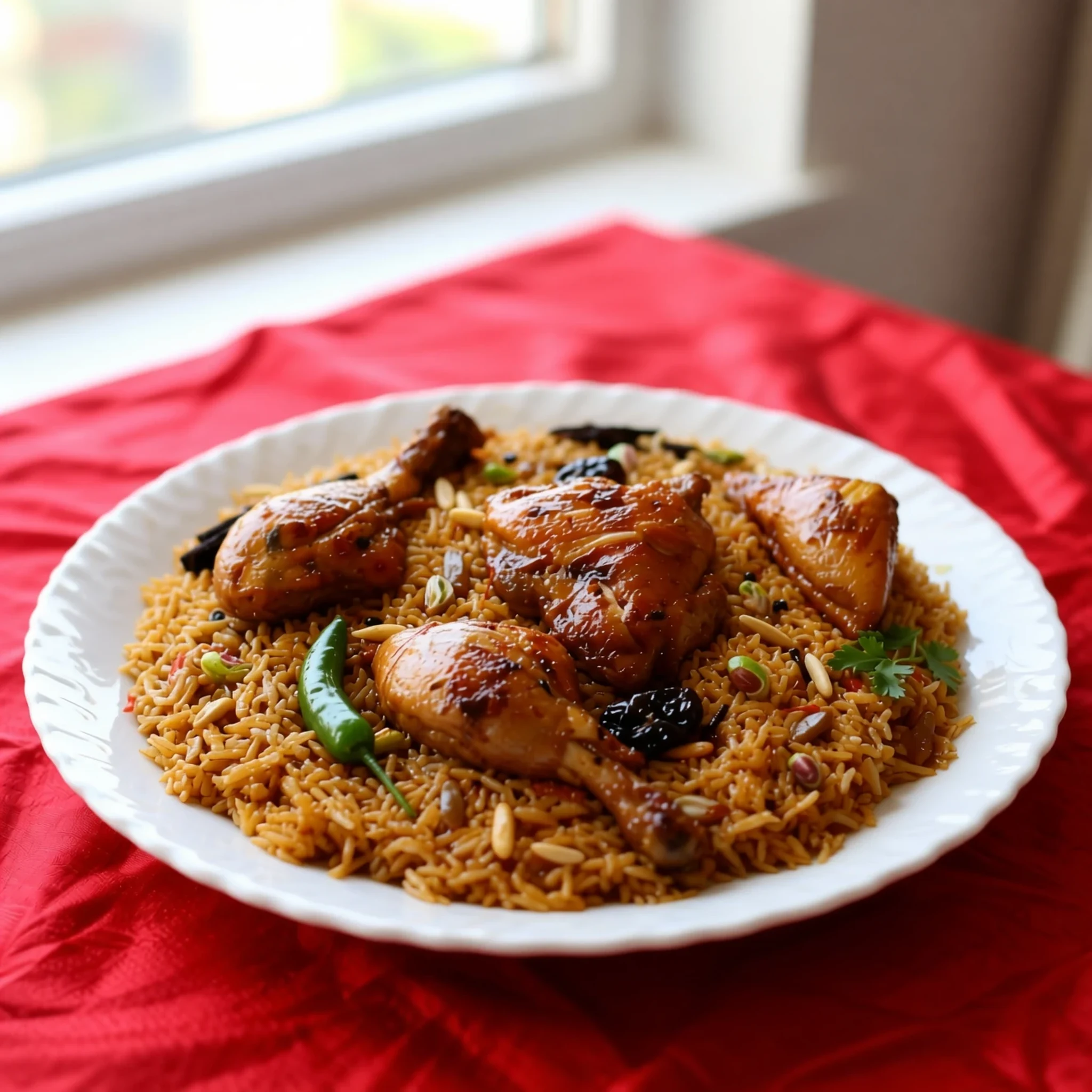
- Luqaimat with karak tea — tea stalls and sweet sellers in Souq Waqif
Small golden dumplings, fried until crisp and drizzled with date syrup, make a sweet finish. Pair them with karak, a strong tea brewed with milk, cardamom and saffron. Find both at the tea stalls and sweet sellers in Souq Waqif, where frying dough scents the lanes.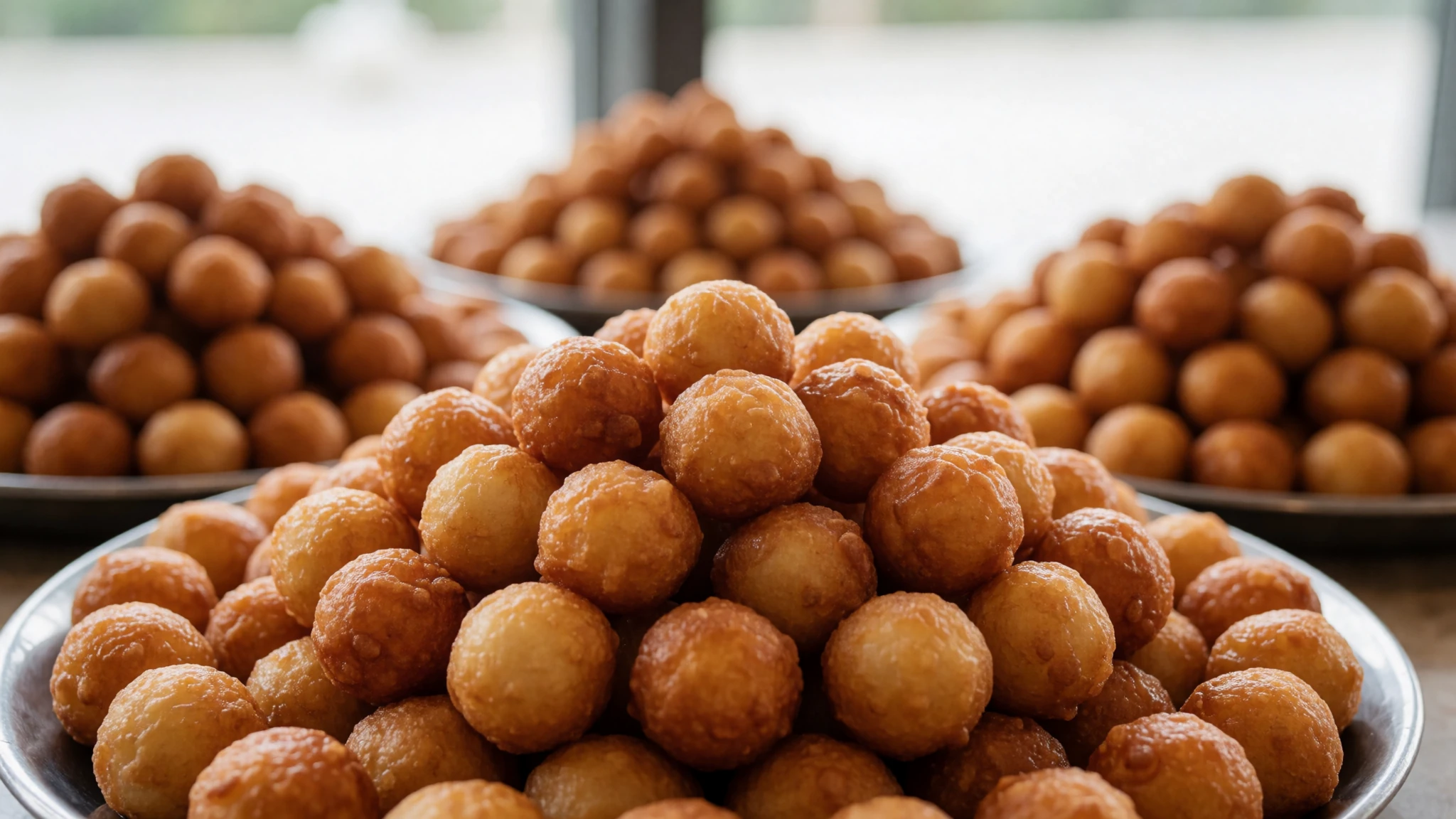
- Yellow Cab Pizza — outlets across the city, eat-in or takeaway
Yellow Cab Pizza, run by an efficient, long-established Filipino operation, is among the most popular pizzas in the city. Its outlets around town make a practical, relaxed meal after a long day of sightseeing, especially when the heat keeps people indoors. - Southeast Asian noodles — noodle bars in malls and commercial districts
Noodle House serves a range of Southeast Asian dishes whose flavour makes up for modest portions, so order two or three plates to share. Look for similar noodle bars in the malls and commercial districts, where menus reflect Doha's large South and Southeast Asian community. - Sushi train — Oishi Sushi and similar counters in malls
Sushi trains are an easy, relaxed meal in Doha, and Oishi Sushi offers decent sushi on a conveyor belt. Plates arrive continuously, so pick what catches your eye and stop when full. Look for similar counters in the malls and along the main commercial streets.
Plan it
Best time. December to February, when highs of about 29 to 33°C make walking the Corniche and the souq comfortable. The summer months are very hot and humid, so plan museums and malls for the middle of the day then.
How long. 2–3
Getting there. Hamad International Airport is the arrival point for most visitors, with taxis and the metro for the final leg into the centre. Qatar Airways connects Doha with many European, Asian and African cities, and it is often the most economical route for travellers coming from outside the Gulf.
Budget. mid
Tips
- Book early for the cooler months, when the city is busiest with visitors
- Visit the souq and the Corniche in the early evening, once the heat has eased
- Plan the museums for midday in summer, when outdoor walking is hard
- Carry water and a hat outdoors, as the sun is strong even in winter
- Cards are widely accepted, but keep some cash for small eateries and tea stalls
Etiquette
- Dress modestly in the souq and mosques, covering shoulders and knees
- Ask before photographing people, particularly women and families
- Do not eat or drink in public during Ramadan daylight hours
- Use your right hand when giving or receiving things
Nearby
Sources
- Wikidata Q3861 (CC0)
- Wikipedia (Doha) (CC BY-SA 4.0)
- Wikivoyage (Doha) (CC BY-SA 4.0)
- Photo: Doha skyline in the morning (CC BY 2.5)
- Photo: View from the Dhow Harbour to the Skyline (CC BY 4.0)
- Photo: Boats at The Pearl Marina (CC BY 3.0)
- Photo: Souq Waqif, Doha (CC BY 3.0)
- Photo: Katara Cultural Village Multi Purpose Hall (CC BY 4.0)
- Photo: Doha, Qatar from the ISS (Public domain)
- Photo: Trigonometrical plan of El Biddah harbour (CC BY 4.0)
- Photo: Dohah (Central) Looking NW, 1934 (CC0 1.0)


